Mechanisms4 sources
Microbiome Diversity Metrics (Alpha and Beta Diversity)
This knowledge-base record is being expanded from WikiBiome’s evidence graph.
 WikiBiomeThe human microbiome encyclopedia
Ranked matches across titles, topics, categories, and article introductions.
This knowledge-base record is being expanded from WikiBiome’s evidence graph.
Microbiome-derived metabolites are small molecules made, consumed, or chemically transformed through activity in the gut microbiome and other host-associated communities. They connect community function to host biology, but the phrase covers several kinds of provenance:…
Atherosclerosis is a chronic inflammatory disease of arterial walls characterized by lipid-laden plaque formation, endothelial dysfunction, and progressive vascular occlusion. It is the pathological substrate underlying coronary artery disease, stroke, and peripheral ar…

Every meal delivers metals to the gut lumen — essential minerals, trace elements, and contaminants alike. These metals do not passively transit the GI tract. They actively reshape the microbial ecosystem, selecting for metal-tolerant organisms, enabling virulence in met…
The community of trillions of microorganisms — bacteria, archaea, fungi (mycobiome), viruses, and bacteriophages — inhabiting the human gastrointestinal tract, with the highest density in the colon (~10¹¹ cells/g). The gut microbiome encodes 100–150 times more genes tha…
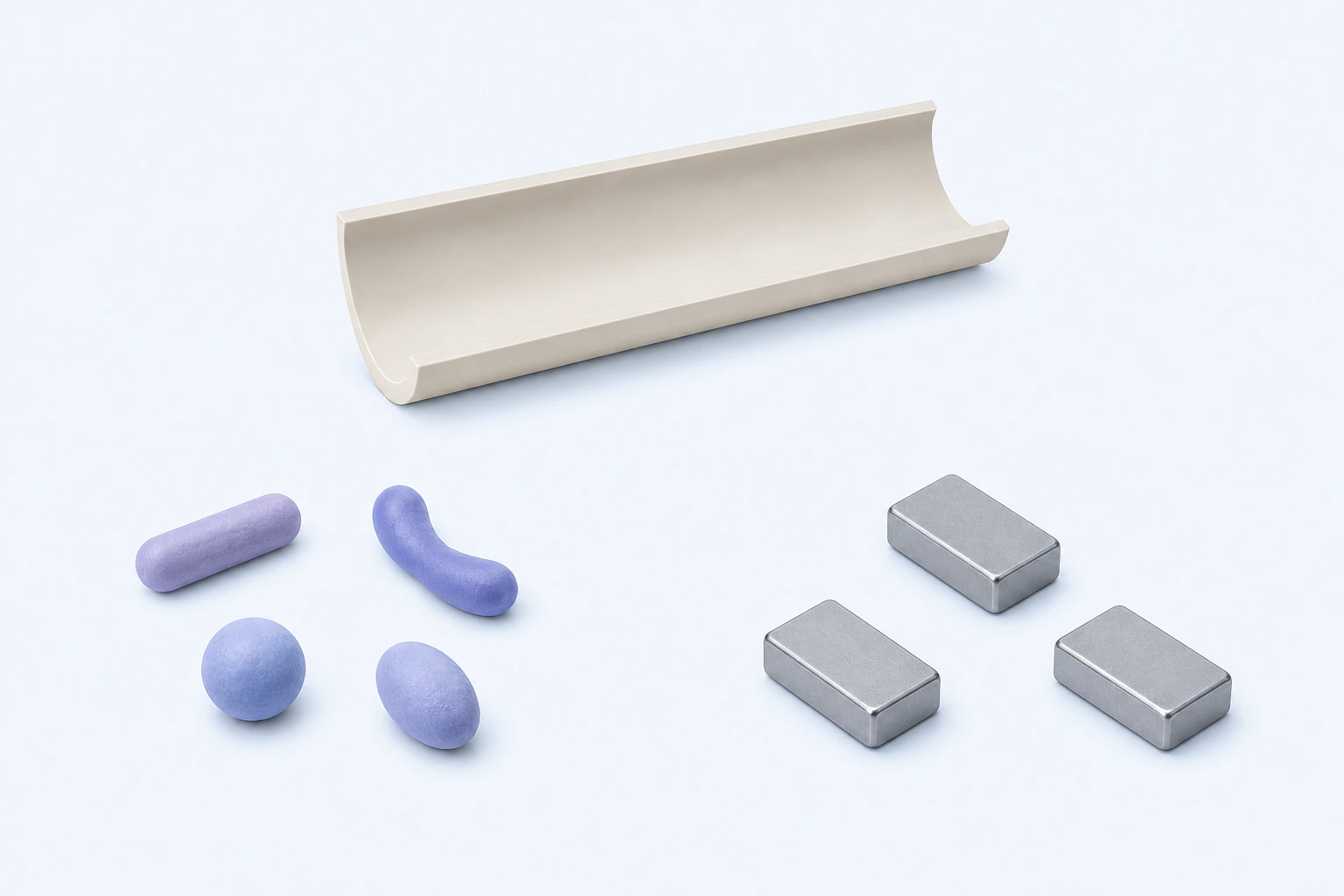
The relationship between heavy metals and the gut microbiota is bidirectional: metals reshape microbial community composition and metabolic output, while the microbiota modulates metal absorption, speciation, and toxicity. The gut microbiota serves as the first line of …
The oral microbiome is the second most complex microbial community in the human body after the gut, harboring ~700 species across distinct niches (tongue, buccal mucosa, gingival crevice, saliva, dental plaque). While traditionally studied in the context of dental disea…
The semen microbiome refers to the microbial community inhabiting the male reproductive tract and seminal fluid. Core genera identified through shotgun metagenomic sequencing include Corynebacterium, Staphylococcus, Streptococcus, and Prevotella, though composition vari…
This knowledge-base record is being expanded from WikiBiome’s evidence graph.
This knowledge-base record is being expanded from WikiBiome’s evidence graph.
Harm potential: GREEN — PPIs remain appropriate first-line therapy; this STOP recommends co-administration of probiotics, not PPI avoidance.

16S rRNA gene sequencing is the most widely used method for characterizing bacterial communities in this wiki. It targets the ~1,500 base pair 16S ribosomal RNA gene, which contains nine hypervariable regions (V1–V9) flanked by conserved sequences. Universal primers amp…

Aerococcus is a genus of Gram-positive, alpha-hemolytic, catalase-negative cocci. The primary species of clinical relevance are A. urinae (a cause of urinary tract infections, particularly in elderly men) and A. christensenii (a vaginal commensal). In the WikiBiome vaul…
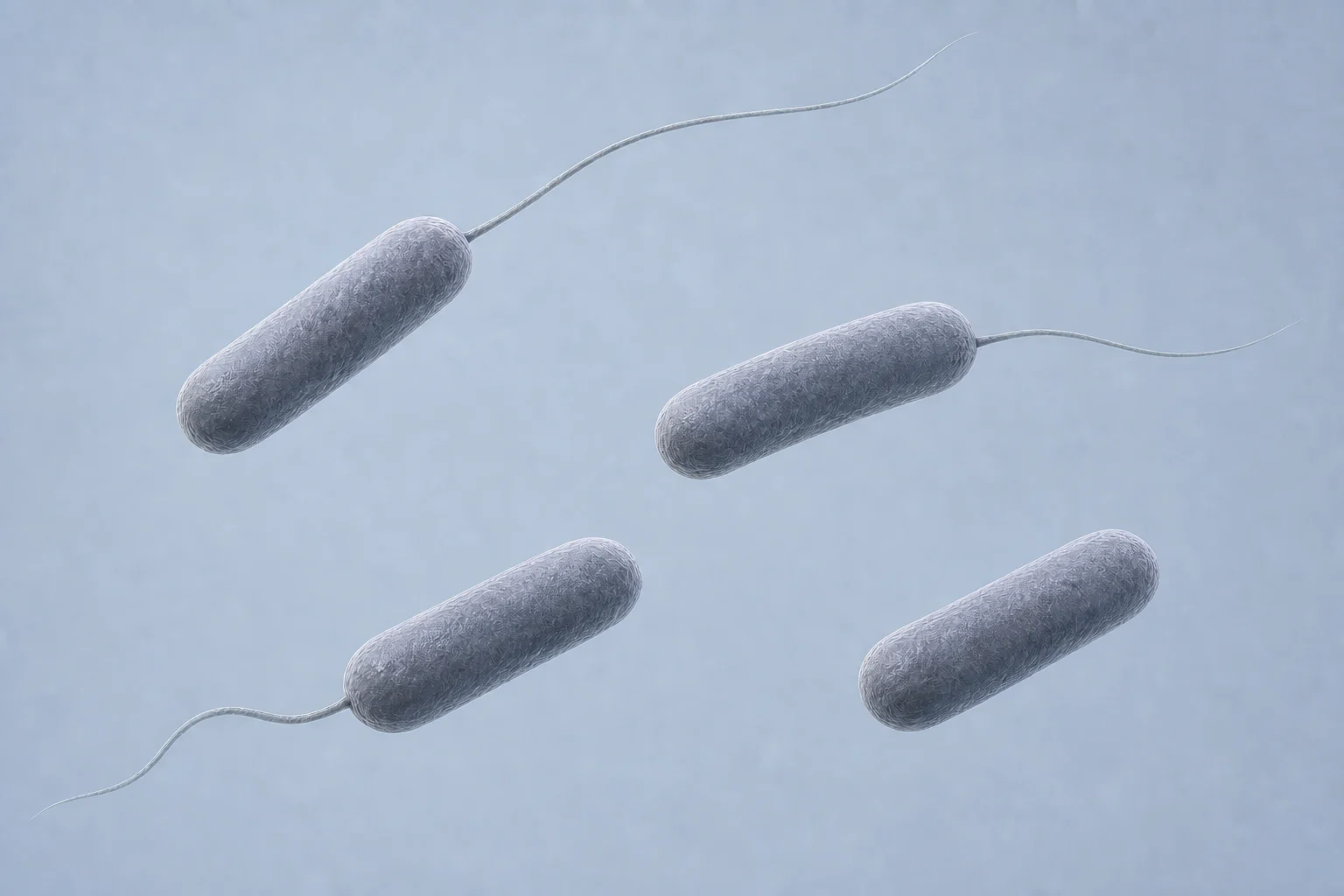
Aeromonas is a genus of Gram-negative, facultatively anaerobic bacteria found in aquatic environments and, increasingly recognized as an opportunistic gut pathogen. Several species — particularly Aeromonas hydrophila, A. veronii, and A. caviae — are associated with gast…
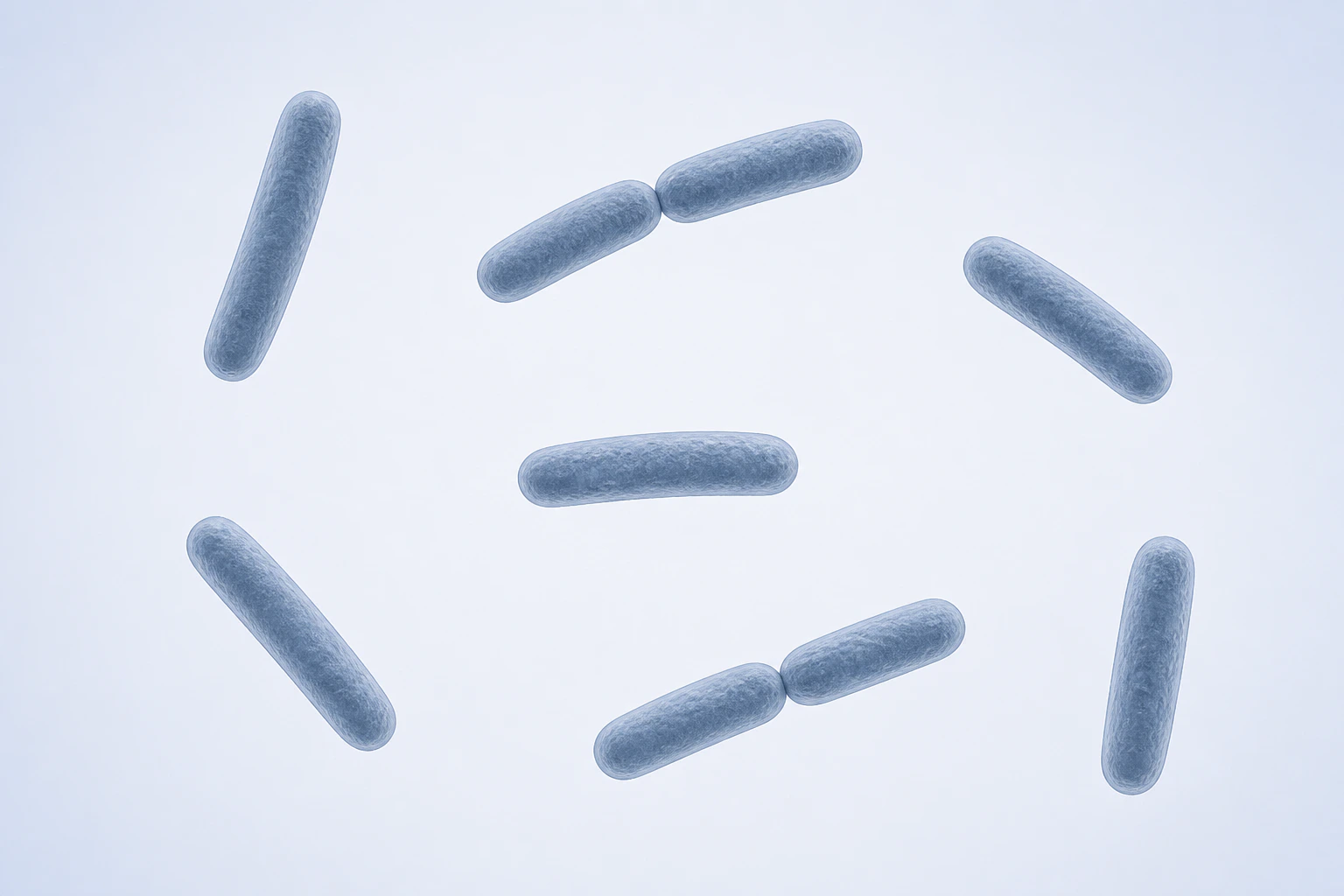
Agathobacter rectalis (Hauduroy et al. 1937) Rosero et al. 2016 is the selected current name for NCBITaxon:39491. NCBI Taxonomy lists Eubacterium rectale as a homotypic synonym, and LPSN identifies A. rectalis as the correct validly published combination ncbi taxonomy a…
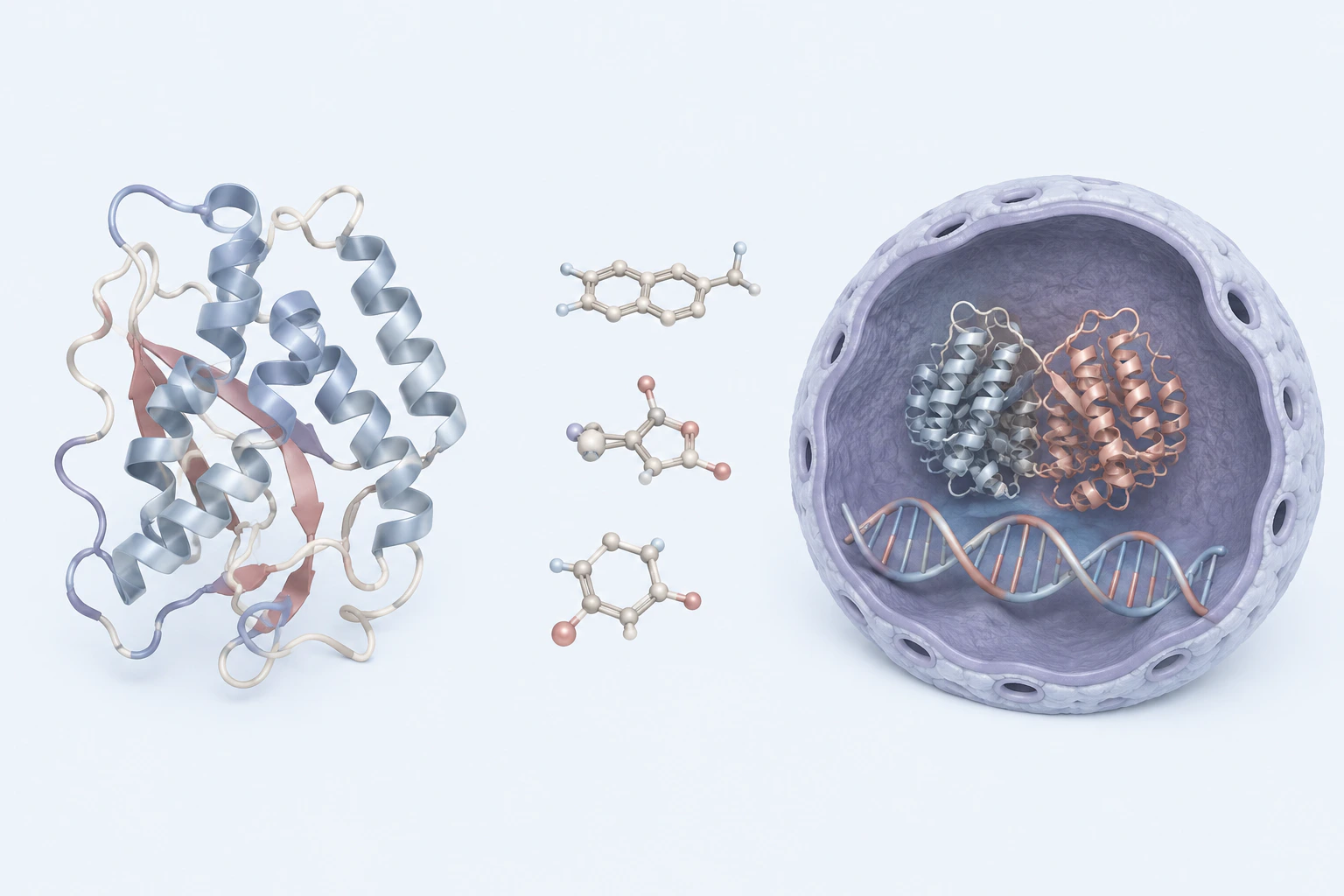
The aryl hydrocarbon receptor (AhR) is a ligand-activated transcription factor that functions as a master sensor at the intersection of gut microbial metabolism, environmental chemical exposure, and immune regulation. It is expressed broadly across immune cells, intesti…
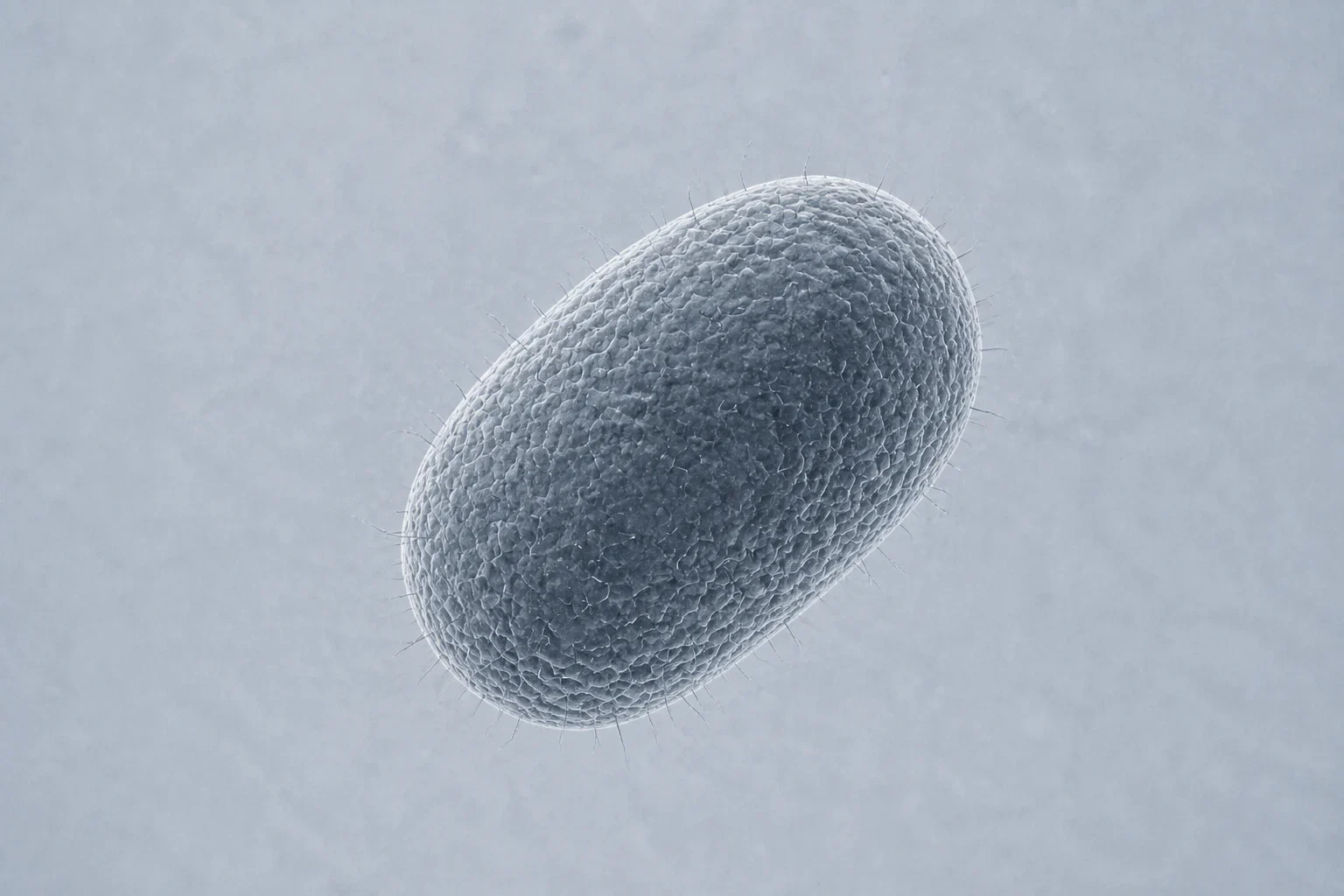
A Gram-negative, obligate anaerobic, mucin-degrading bacterium that colonizes the intestinal mucus layer and has emerged as one of the most important next-generation probiotics. A. muciniphila is consistently depleted in disease states associated with metal dyshomeostas…

Alishewanella is a genus of Gram-negative, facultative anaerobic bacteria within the class Gammaproteobacteria. Primarily known as environmental organisms, Alishewanella species have been identified in the microbiome of deep endometriosis — both in vaginal samples and w…

Allopregnanolone (3α-hydroxy-5α-pregnan-20-one) is a neurosteroid metabolite of progesterone that is the most potent endogenous positive allosteric modulator of GABA-A receptors. It is central to the pathophysiology of PMDD and postpartum depression — conditions where a…
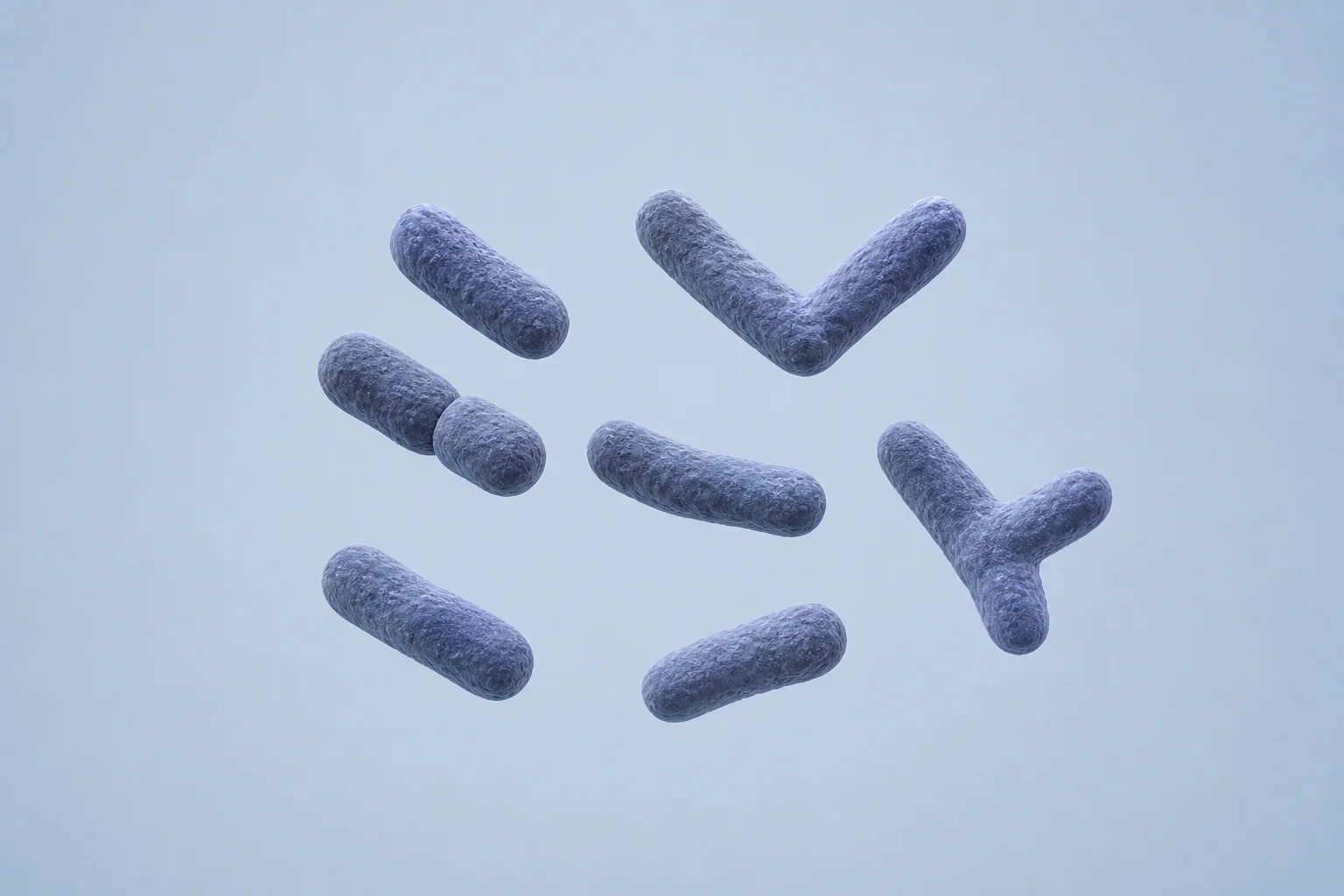
Alloscardovia is a genus of anaerobic, Gram-positive bacteria in the family Bifidobacteriaceae (phylum Actinobacteria). The primary species is A. omnicolens, which colonizes the human urogenital tract. In the WikiBiome vault, Alloscardovia appears exclusively in endomet…
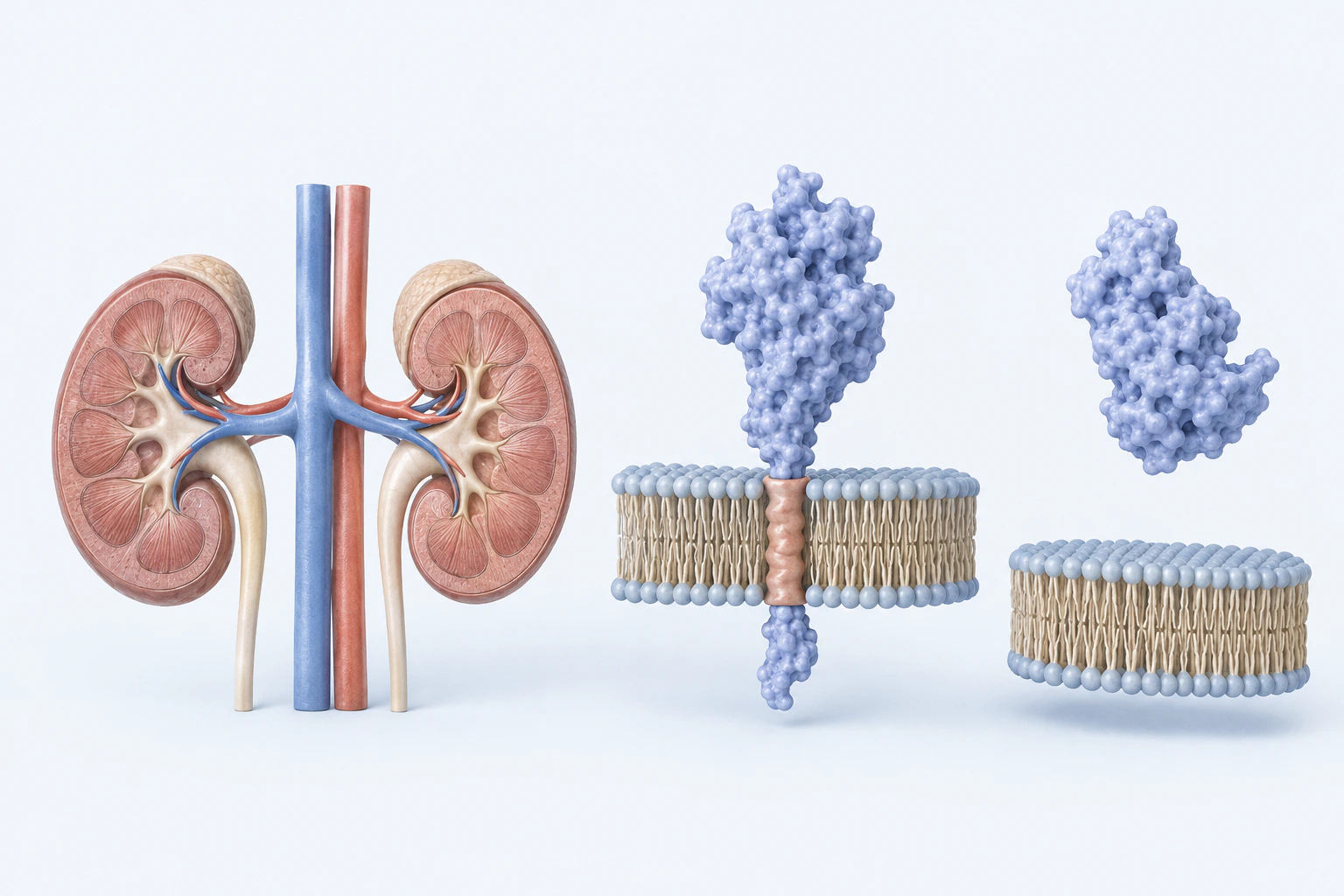
An anti-aging protein that has emerged as a critical mediator between heavy metal exposure and chronic kidney disease progression. Originally discovered as a gene whose mutation caused premature aging in mice, alpha-klotho is now understood to be a multifunctional prote…
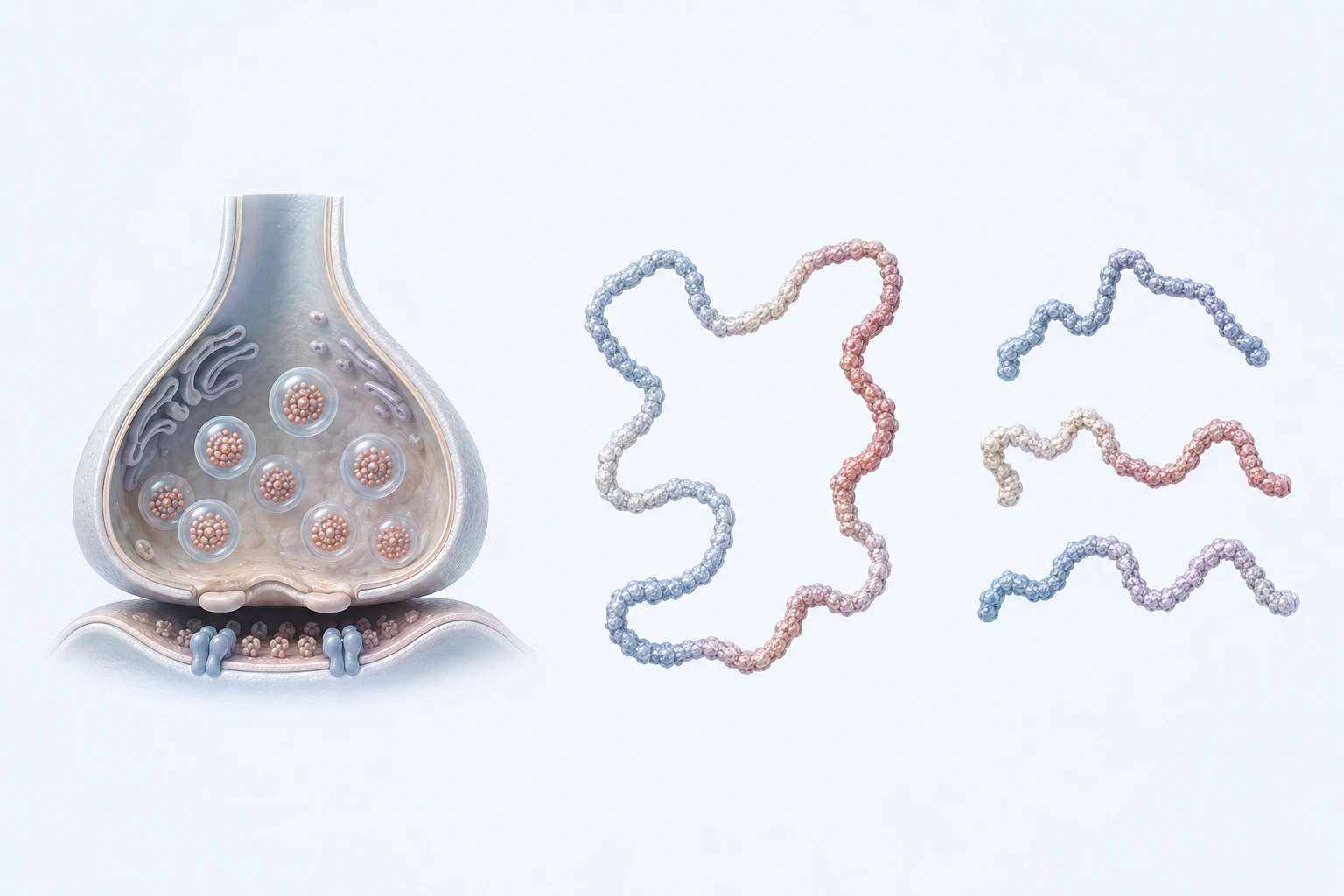
A 140-amino-acid presynaptic protein whose misfolding into insoluble fibrils and their deposition in Lewy bodies is the defining neuropathological hallmark of parkinsons disease and the broader family of synucleinopathies (including Lewy body dementia and multiple syste…

The most common form of dementia, affecting an estimated 55 million people worldwide and projected to triple by 2050 zhang 2024 recent advances alzheimers mechanisms trials. Characterized by progressive memory loss, cognitive decline, amyloid-beta plaques, and neurofibr…

Ammonia is a nitrogen-containing product of microbial urease activity. When urease hydrolyzes urea, ammonia and bicarbonate are produced; in the microbial systems covered by WikiBiome, those products can provide nitrogen and raise local pH maier 2019 nickel microbial pa…
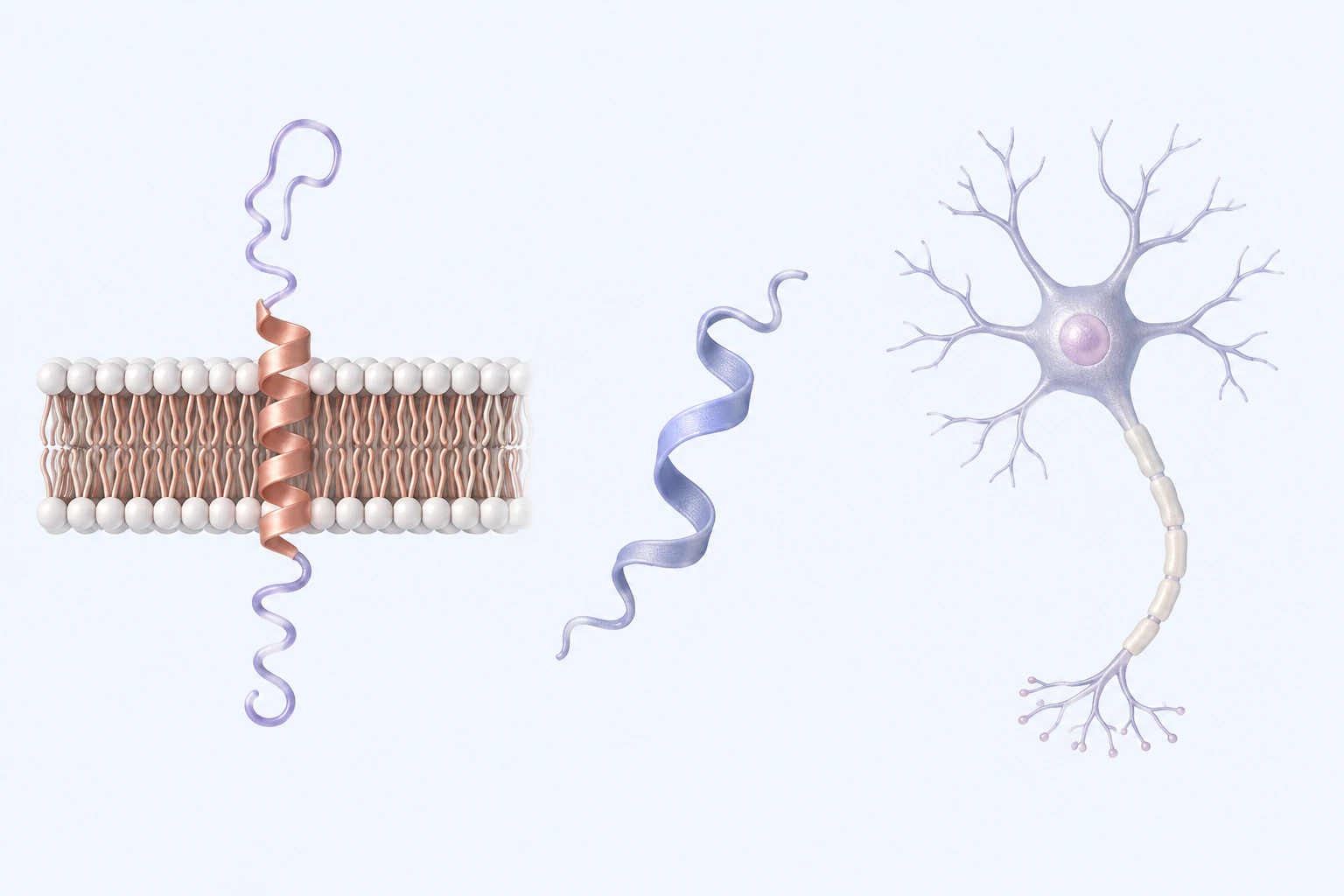
Amyloid-beta (Aβ) is a 36–43 amino acid peptide derived from the proteolytic cleavage of amyloid precursor protein (APP) by beta-secretase (BACE1) and gamma-secretase. Its aggregation from soluble monomers into insoluble fibrillar plaques in the brain is the defining ne…

The process by which soluble amyloid-beta (Aβ) monomers assemble into neurotoxic oligomers and insoluble fibrillar plaques in the brain -- the defining neuropathological event of alzheimers disease. What distinguishes WikiBiome's treatment of this process from conventio…
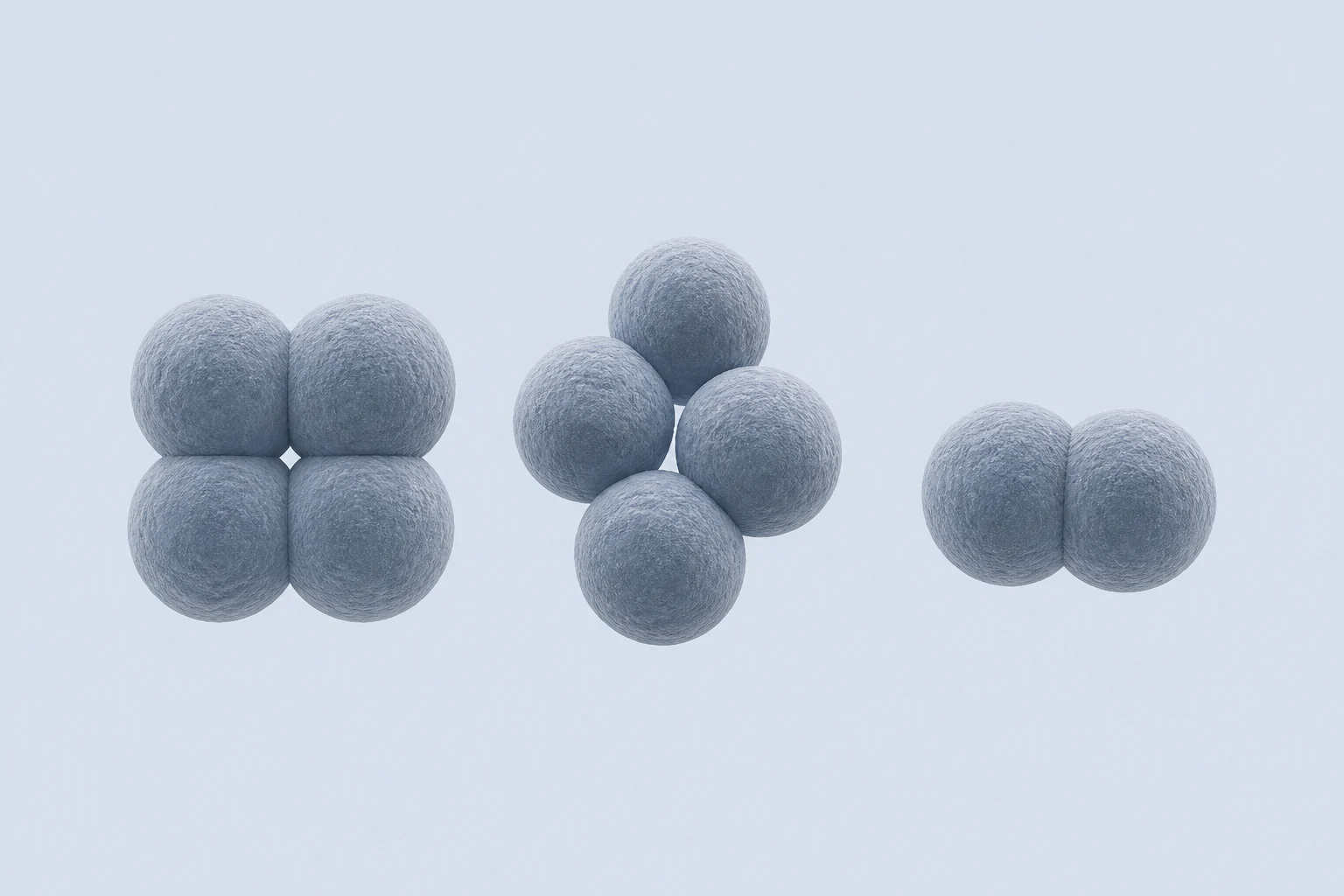
Anaerococcus is a genus of Gram-positive, obligate anaerobic cocci within the phylum Firmicutes. It is a normal inhabitant of the human vaginal, skin, and gastrointestinal microbiota, but is recognized as an opportunistic pathogen in dysbiotic states, particularly when …

The ability of microorganisms to survive and replicate in the presence of antimicrobial agents — antibiotics, antifungals, antivirals, antiparasitic drugs — at concentrations that would normally inhibit or kill them. Antimicrobial resistance (AMR) is designated by the W…
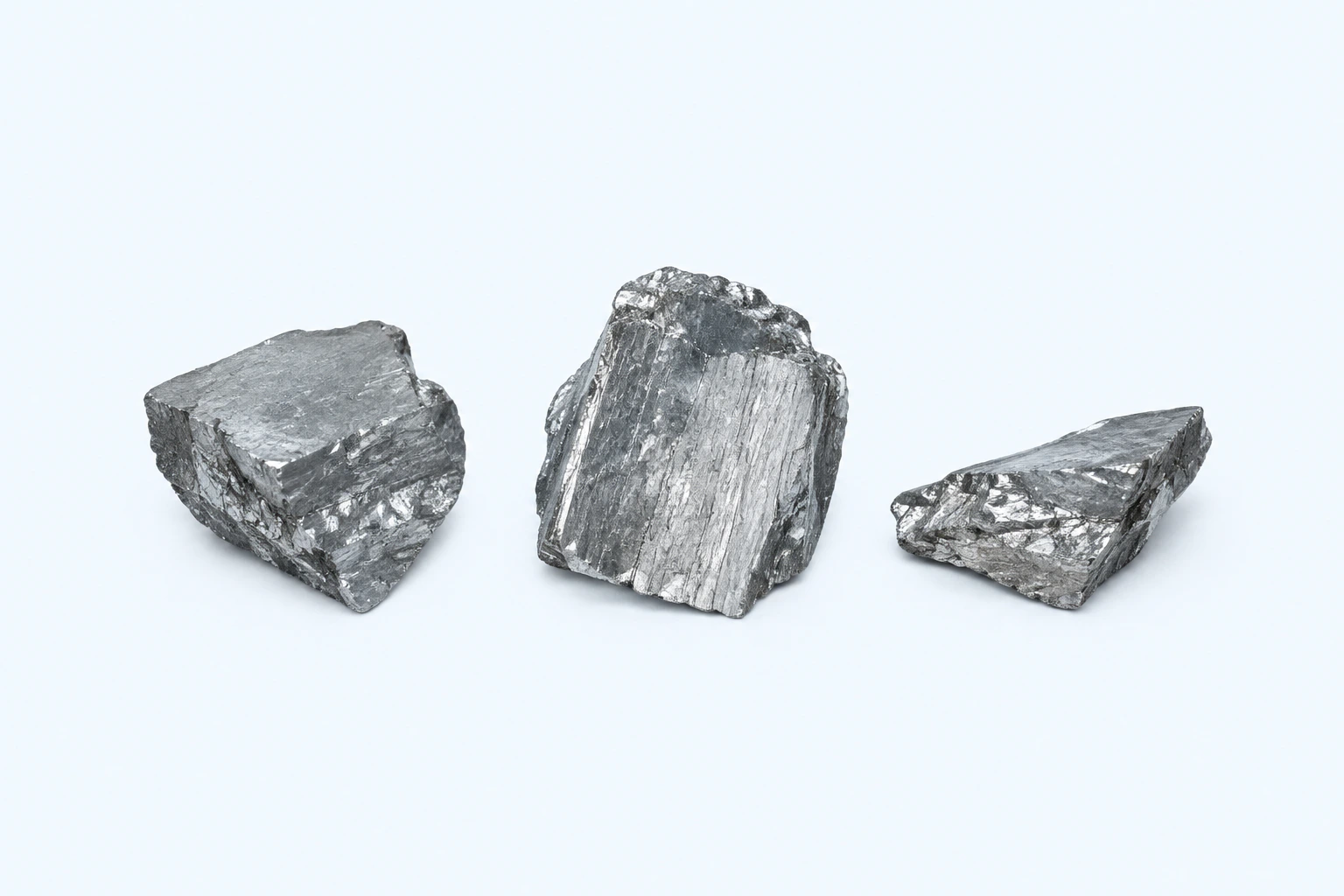
A metalloid that sits in the shadows of better-studied toxic metals like lead, cadmium, and mercury, yet appears with surprising consistency in metallomic studies of endocrine and inflammatory conditions. Antimony (symbol Sb, from Latin stibium; atomic number 51) exists…

Anxiety disorders are the most prevalent mental health conditions globally, affecting ~280 million people (~4.8% of the world population). They encompass generalized anxiety disorder (GAD), social anxiety, panic disorder, and phobias. In the WikiBiome context, anxiety f…

Arachidonic acid (AA) is a 20-carbon omega-6 polyunsaturated fatty acid (20:4n-6) that serves as the primary substrate for prostaglandin and leukotriene synthesis via COX-2 and 5-LOX pathways. It is the dominant pro-inflammatory lipid mediator — and its balance with ant…
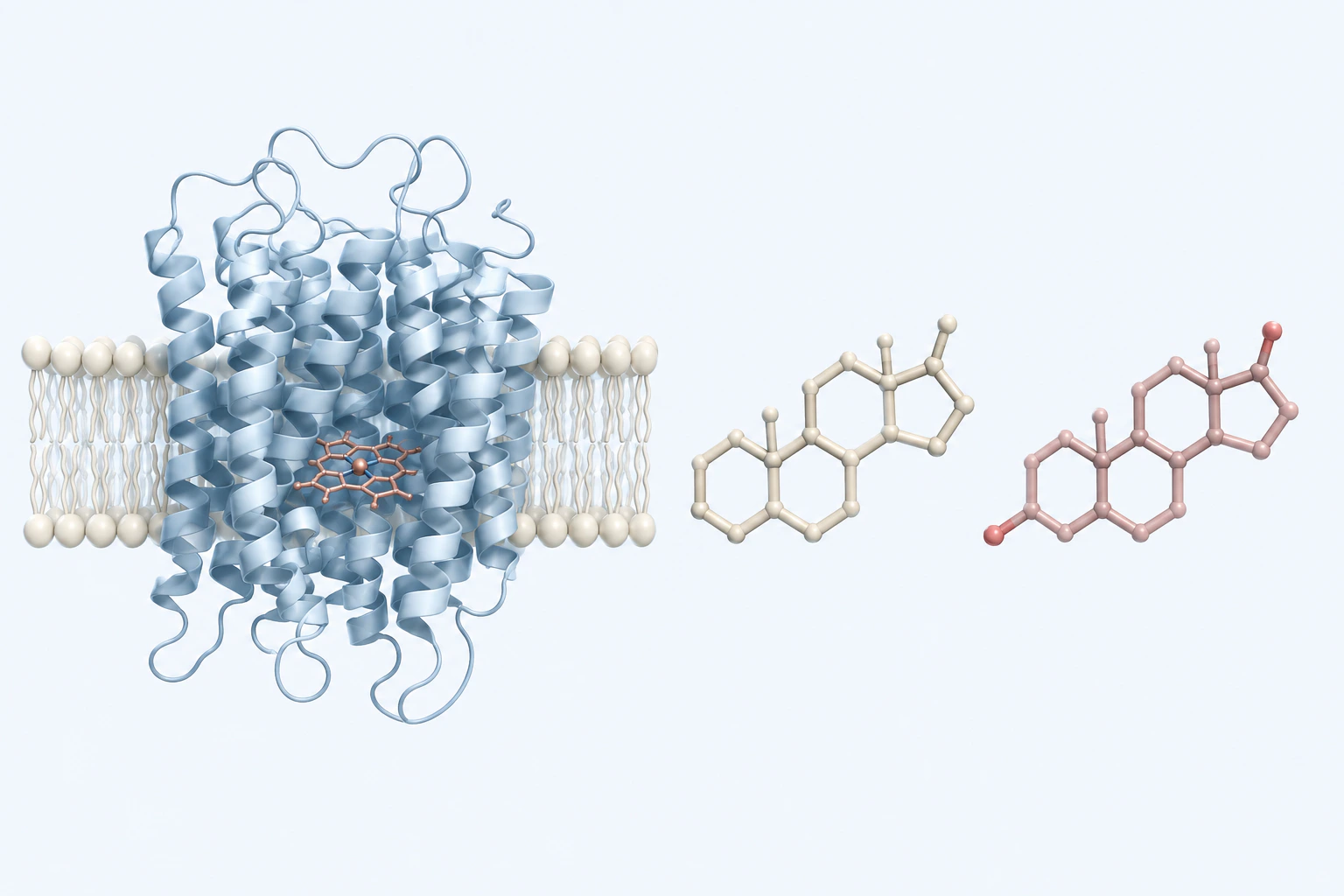
Aromatase (CYP19A1) is the cytochrome P450 enzyme that catalyzes the final and rate-limiting step of estrogen biosynthesis — the conversion of androgens (testosterone, androstenedione) to estrogens (estradiol, estrone). It is expressed in the ovaries, placenta, adipose …
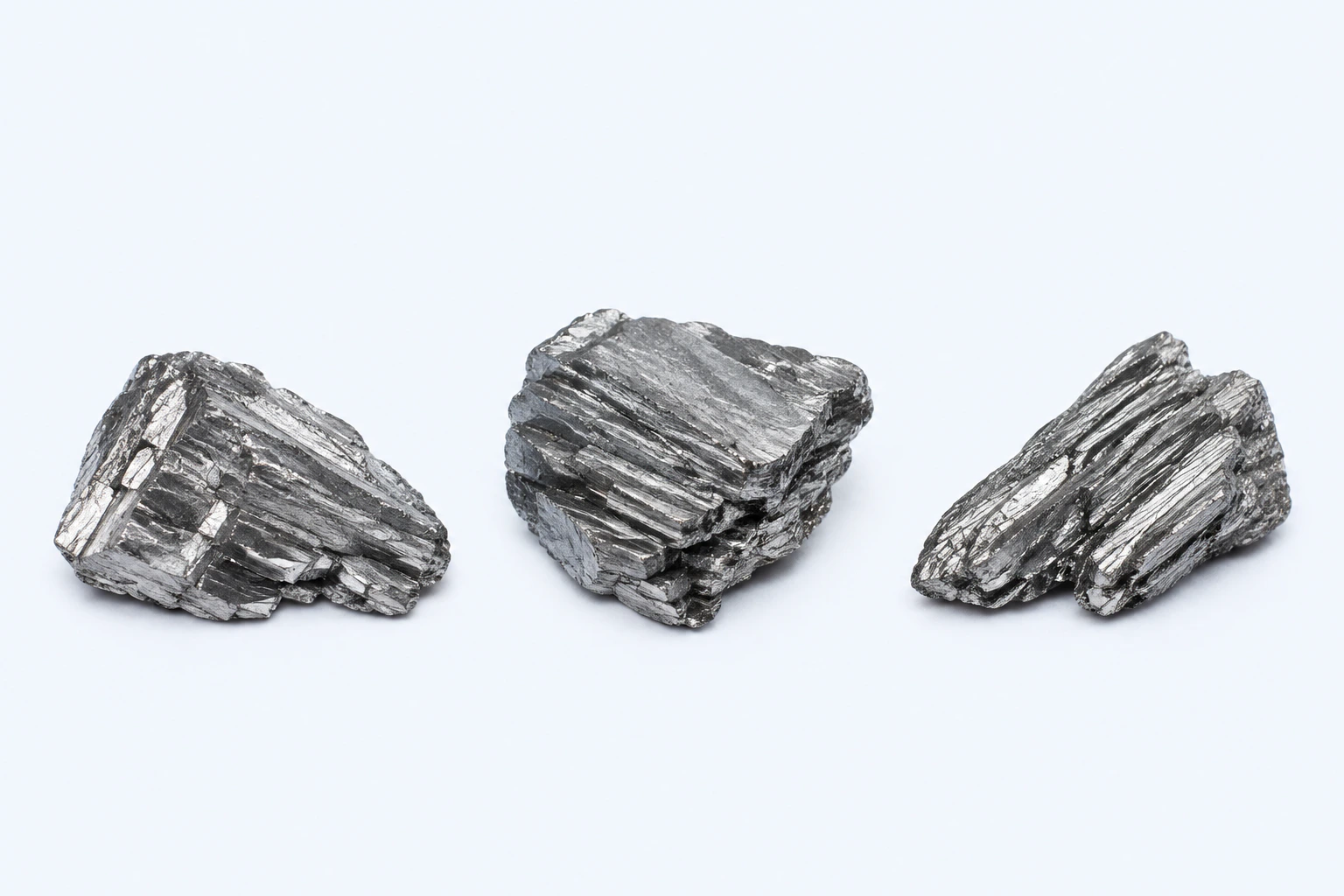
Arsenic is a metalloid and potent carcinogen (IARC Group 1) that ranks among the most widespread environmental toxicants affecting human health. An estimated 225 million people worldwide are chronically exposed through contaminated drinking water alone ghosh 2023 heavy …
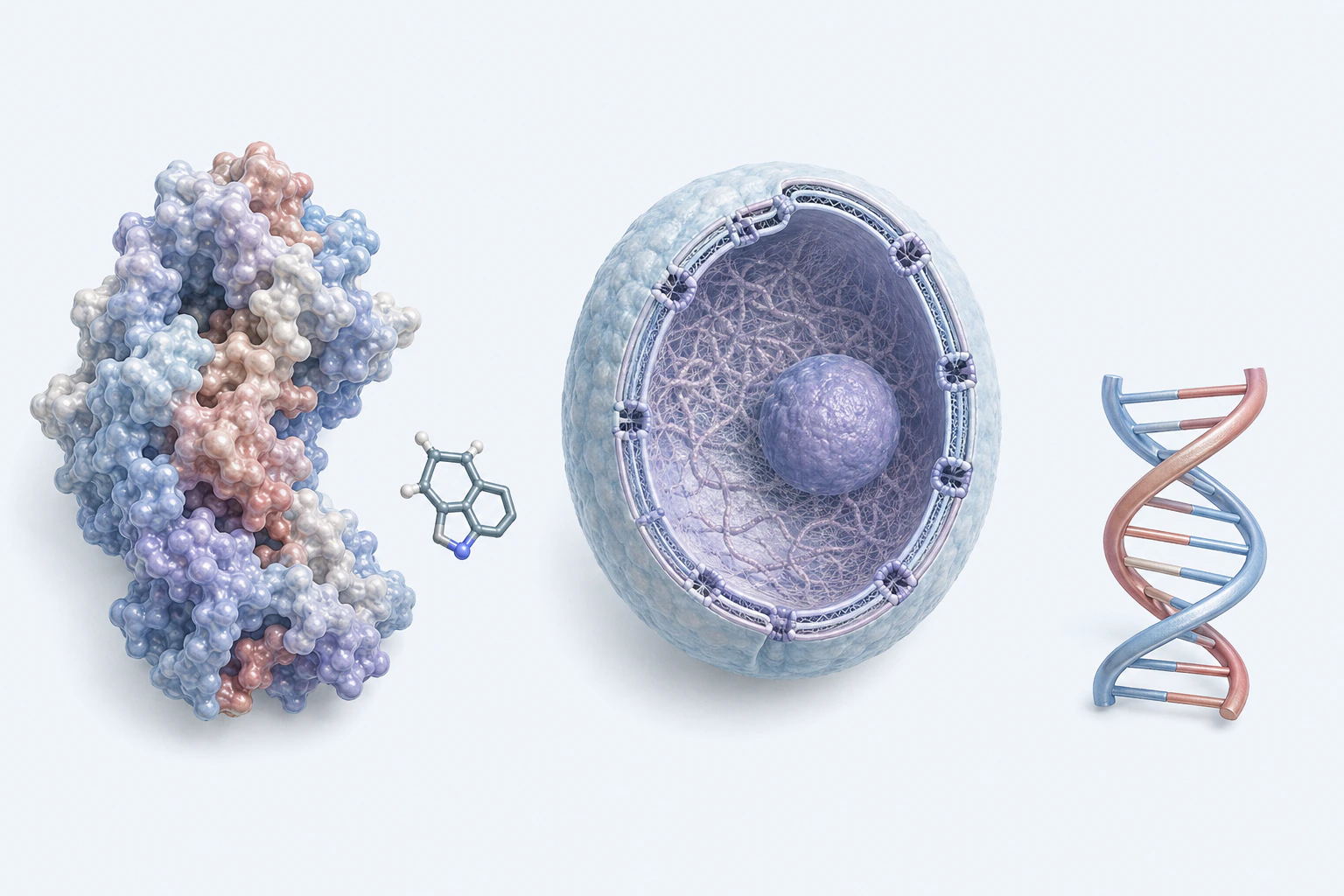
This page serves as a cross-reference point for the existing ahr concept page, which provides comprehensive coverage of AhR signaling, microbiome-derived ligands, and immune regulation. The aryl hydrocarbon receptor is a ligand-activated transcription factor that integr…

Aspirin (acetylsalicylic acid) is a non-steroidal anti-inflammatory drug (NSAID) that irreversibly inhibits cyclooxygenase (COX) enzymes, suppressing prostaglandin synthesis. While widely used as an antiplatelet and anti-inflammatory agent, aspirin carries significant i…
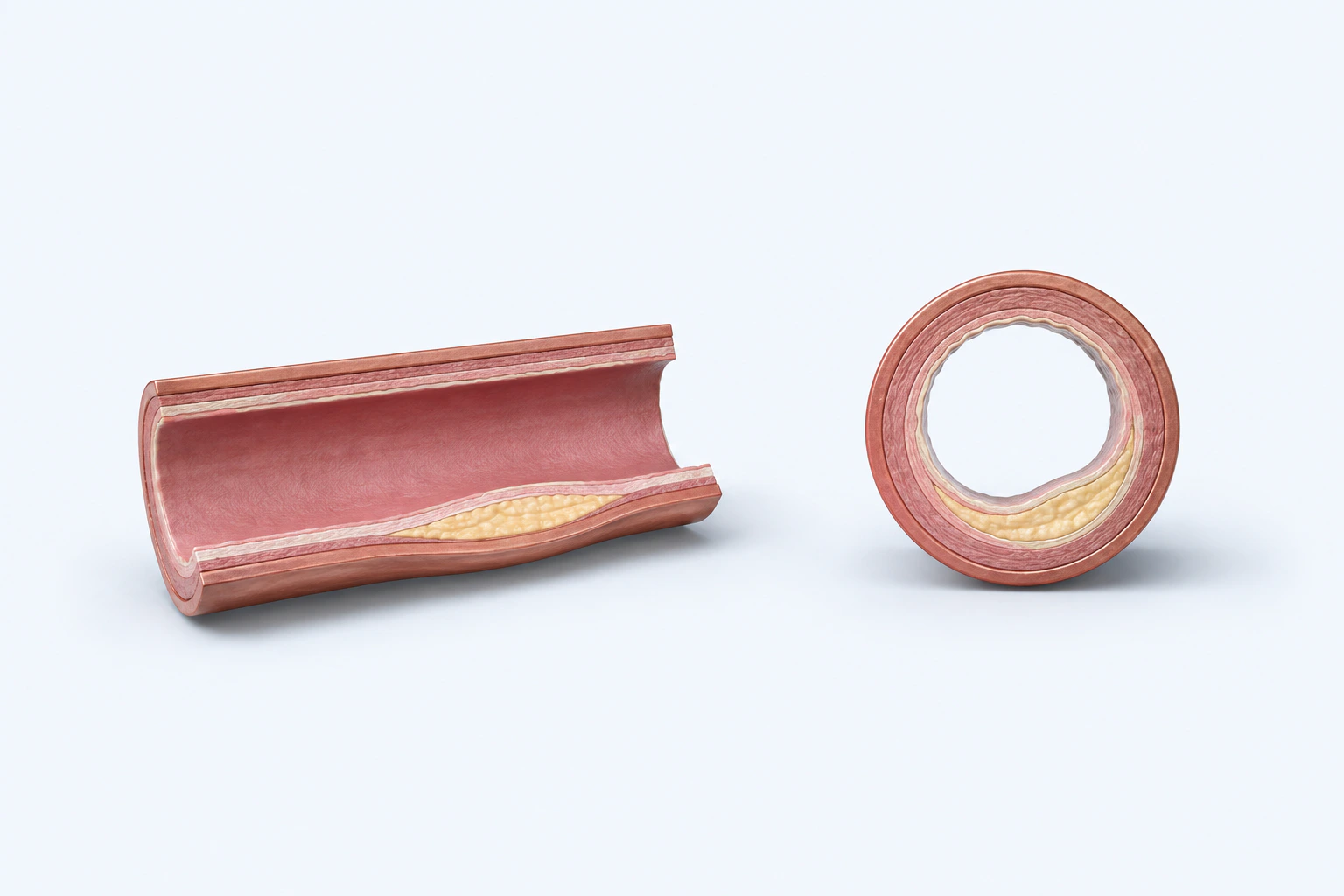
Progressive inflammatory disease of the arterial wall characterized by lipid accumulation, immune cell infiltration, and fibrous plaque formation. In the metallomics framework, atherosclerosis sits at the convergence of three interacting systems: heavy metal toxicity, g…

Atopobium is a genus of obligate anaerobic, Gram-positive bacteria in the phylum Actinobacteria. The primary species of clinical relevance is A. vaginae (recently reclassified as Fannyhessea vaginae), which is one of the hallmark organisms of bacterial vaginosis (BV) an…
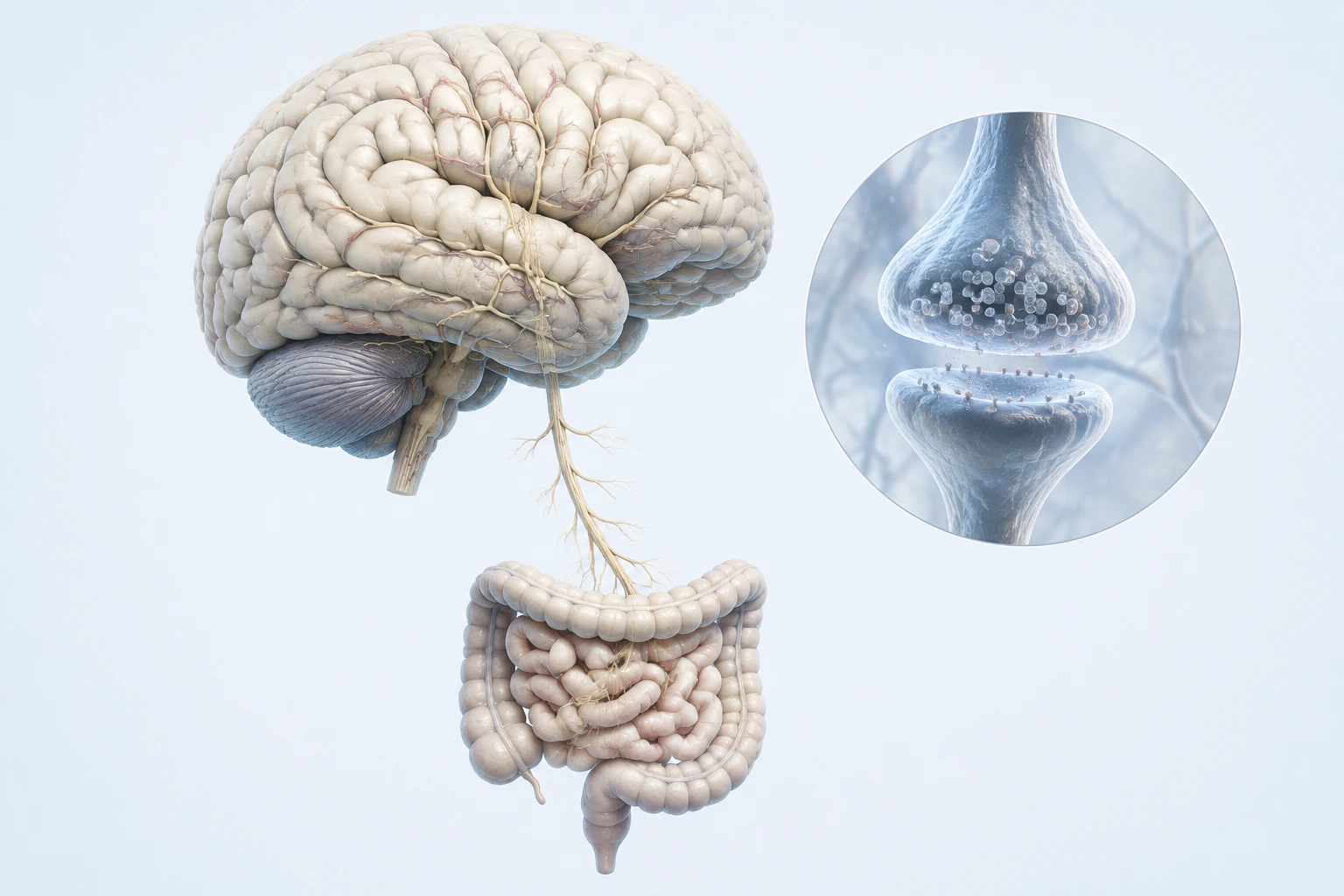
A neurodevelopmental condition affecting approximately 1 in 36 children (US CDC 2023 estimate), characterized by differences in social communication, restricted interests, and repetitive behaviors. From a metallomics perspective, ASD presents a compelling convergence of…
Autoimmunity occurs when the immune system attacks the body's own tissues. What has emerged over the past two decades is that the gut microbiome is not merely associated with autoimmune disease -- it is a mechanistic driver of immune tolerance breakdown. Metals add a se…
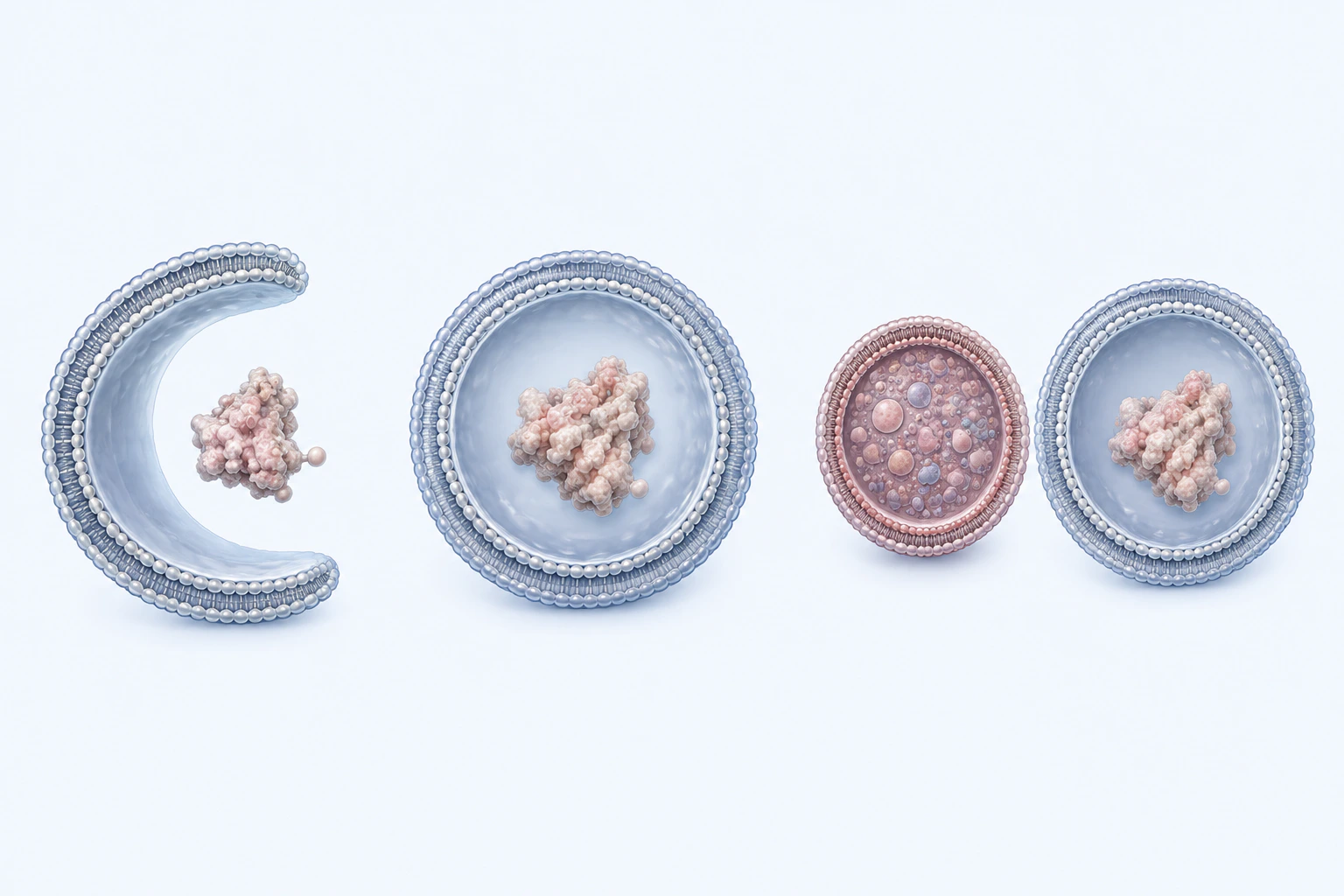
Autophagy (from Greek, "self-eating") is the cellular process of degrading and recycling damaged organelles, misfolded proteins, and intracellular pathogens through lysosomal digestion. It is the cell's primary quality control mechanism -- a housekeeping system that bec…
This knowledge-base record is being expanded from WikiBiome’s evidence graph.
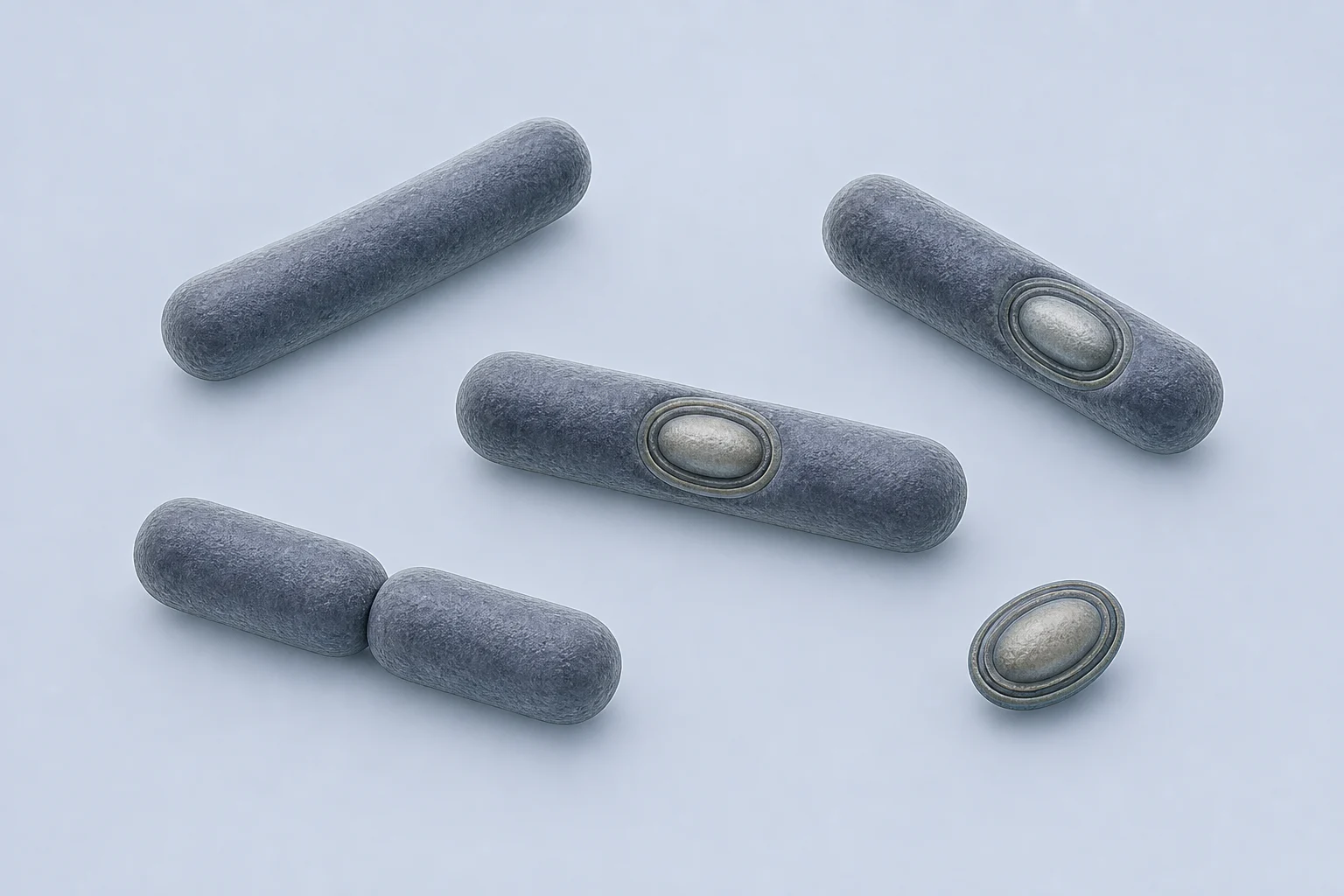
A Gram-positive, aerobic to facultatively anaerobic, spore-forming genus that bridges environmental and human microbiology. The genus encompasses both beneficial species (B. subtilis, B. coagulans as probiotics) and pathogens (B. cereus causing food poisoning, B. anthra…
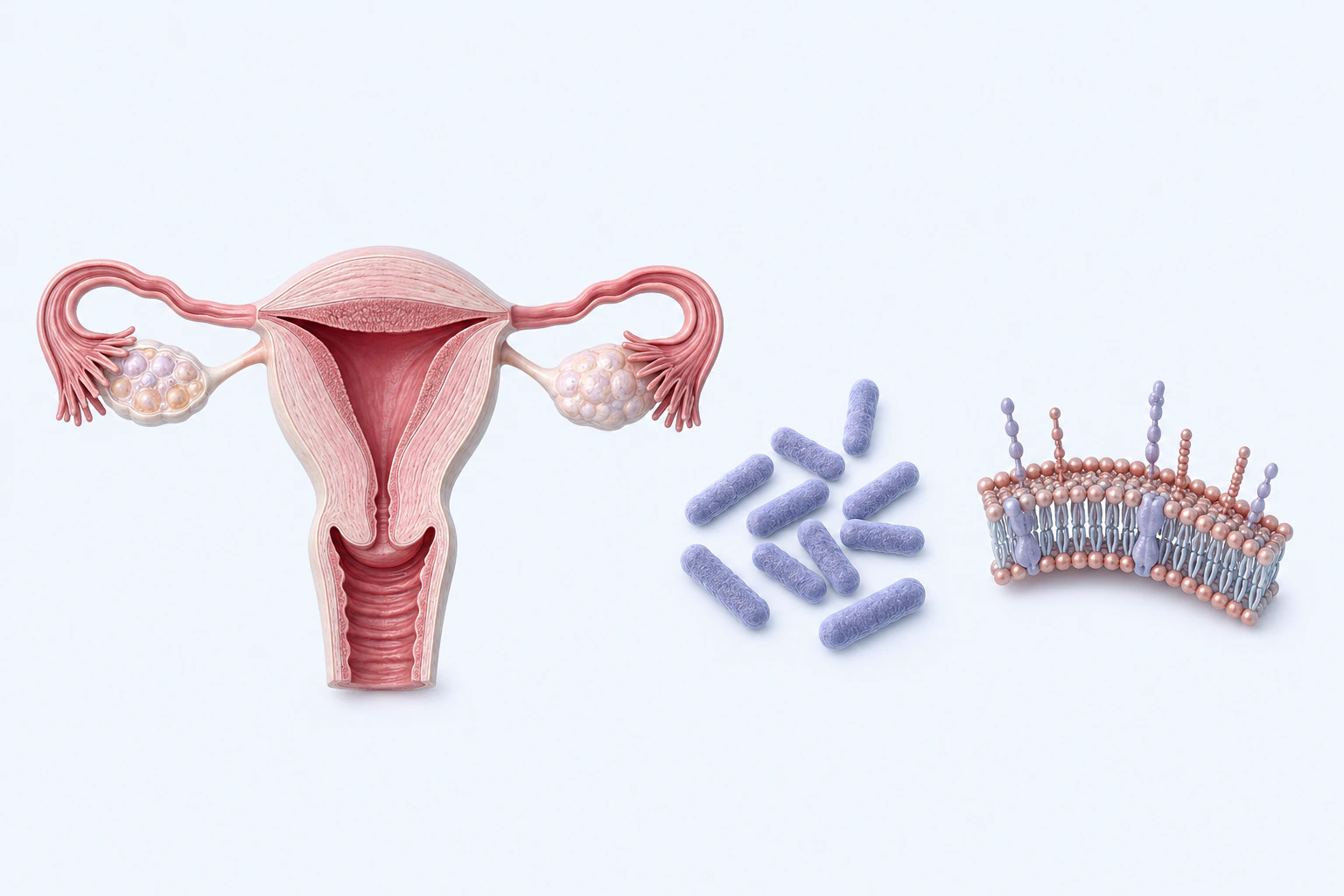
The bacterial contamination hypothesis proposes that bacterial endotoxin (LPS) contamination of menstrual blood and endometrial tissue is a key driver of endometriosis pathogenesis. First formalized by Khan et al. (2018), this hypothesis shifts endometriosis from a pure…
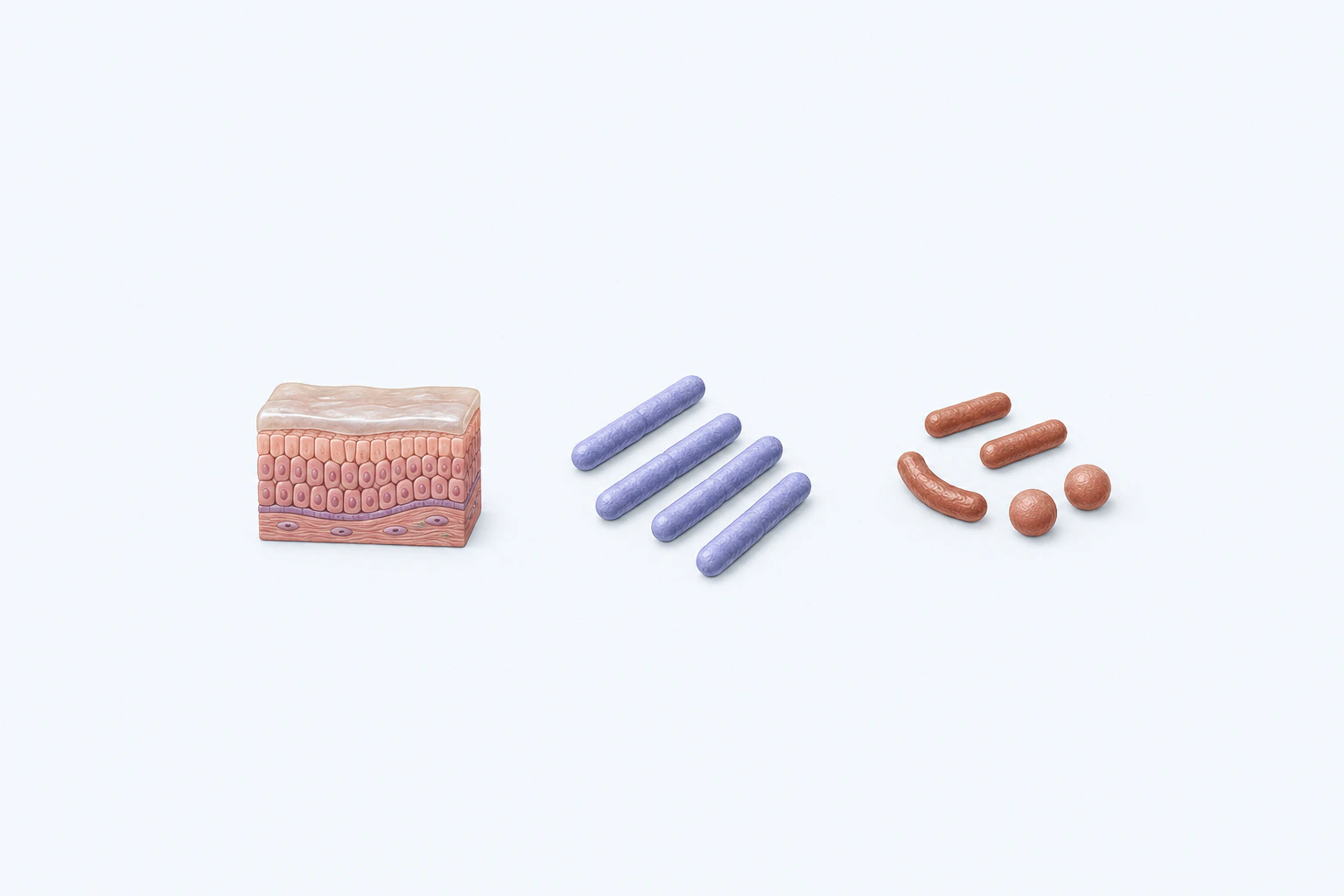
Bacterial vaginosis (BV) is the most common vaginal infection in women of reproductive age, affecting an estimated 29% of women globally. Rather than an infection by a single pathogen, BV represents a polymicrobial dysbiotic state -- a collapse of the protective Lactoba…

Viruses that exclusively infect bacteria. Bacteriophages -- phages for short -- are the most abundant biological entities on Earth, outnumbering bacteria in most environments by ratios of 1:1 to 10:1. In the human gut, the phageome represents a powerful but underexplore…

A Gram-negative obligate anaerobe and the most clinically significant member of the Bacteroides genus. B. fragilis occupies a unique dual position in gut microbiology: as a non-toxigenic commensal (NTBF), it produces polysaccharide A (PSA) that shapes immune tolerance; …
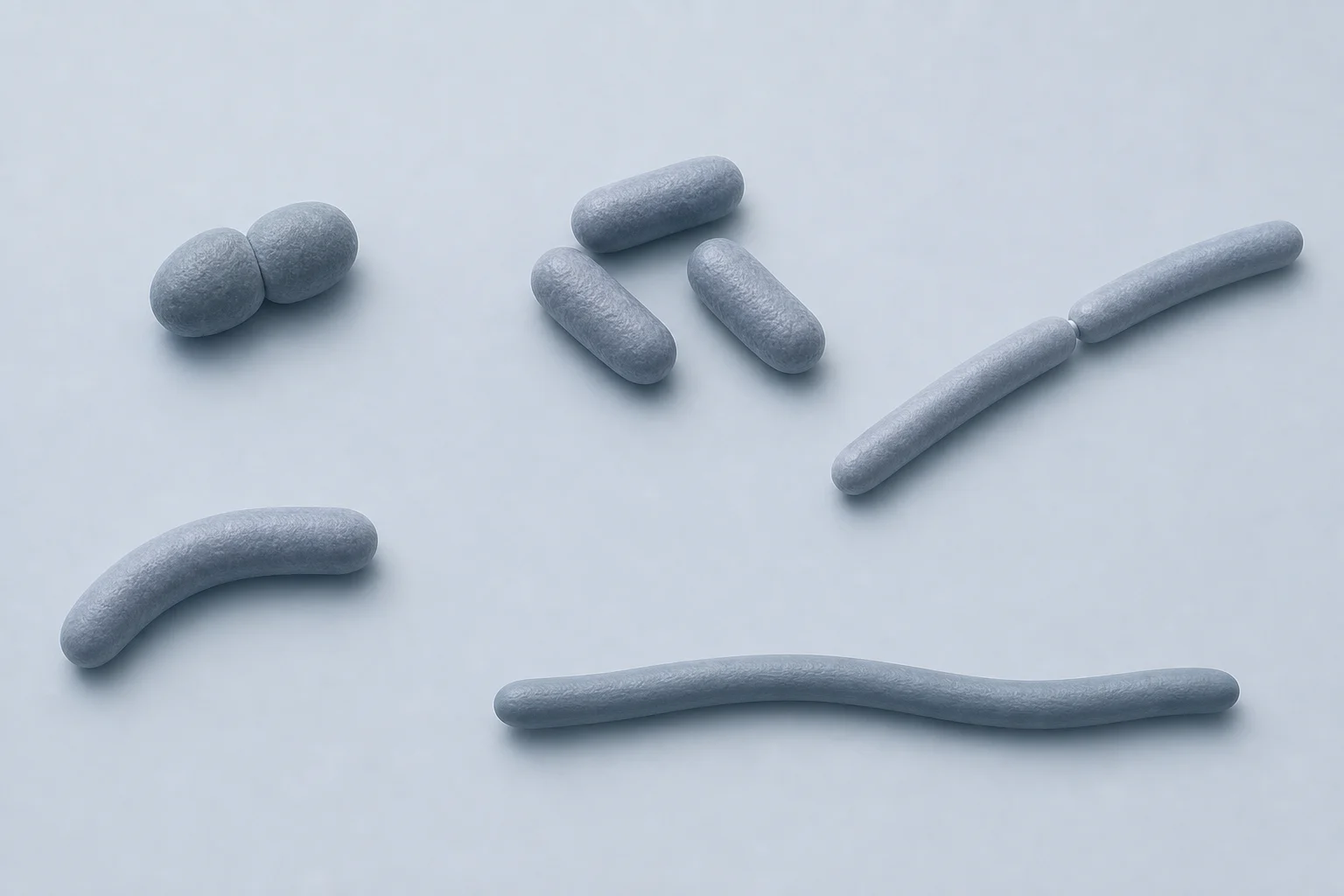
Bacteroidetes (recently reclassified as Bacteroidota) is one of the two dominant bacterial phyla in the human gut, together with firmicutes typically comprising 90% of the intestinal microbiota. Bacteroidetes are Gram-negative, obligately anaerobic, non-spore-forming ro…
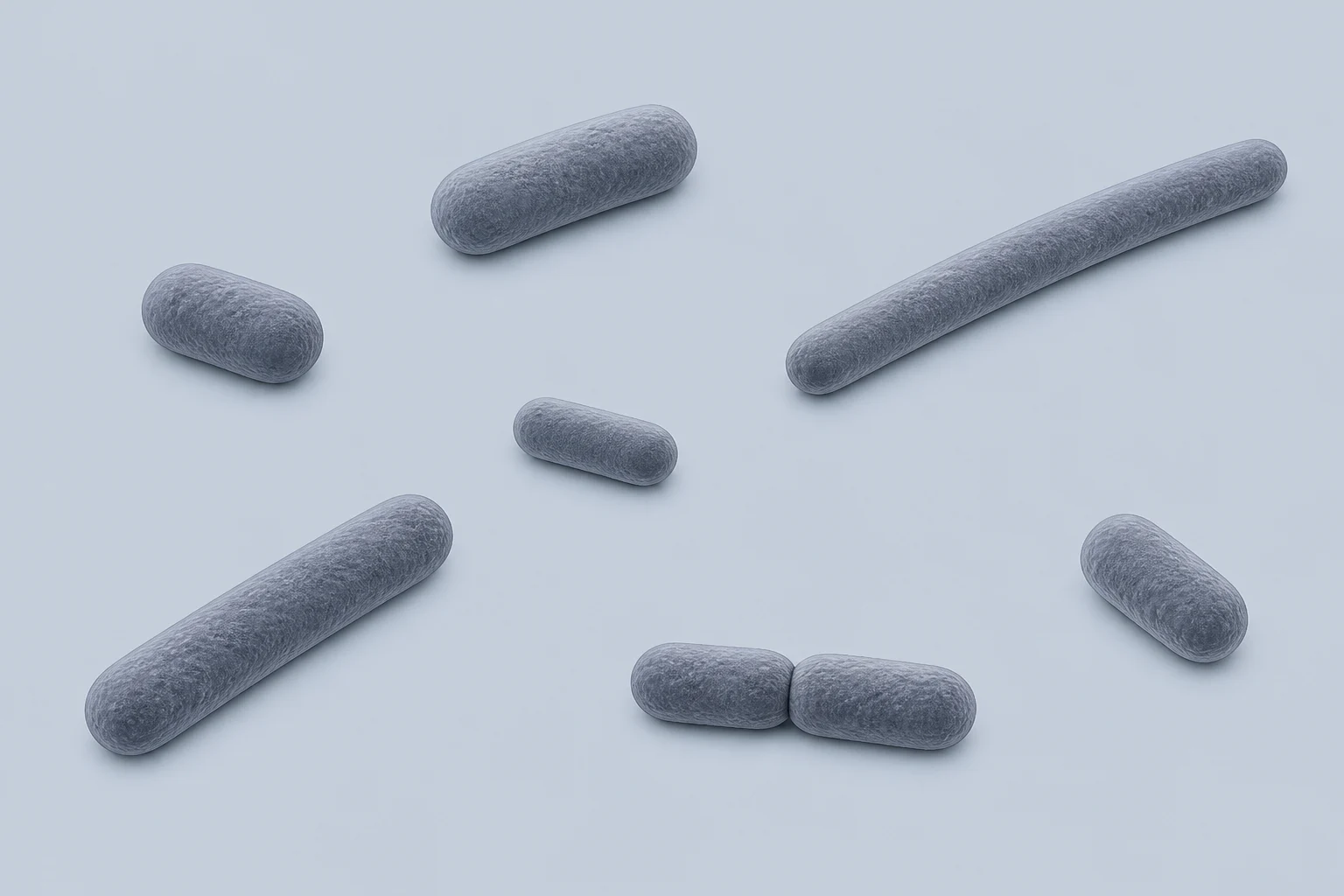
Barnesiella is a validly published genus of Gram-negative, obligately anaerobic bacteria in the phylum Bacteroidota and family Barnesiellaceae. NCBI Taxonomy assigns the genus NCBITaxon:397864, and LPSN lists Barnesiella Sakamoto et al. 2007 as the correct name ncbi tax…
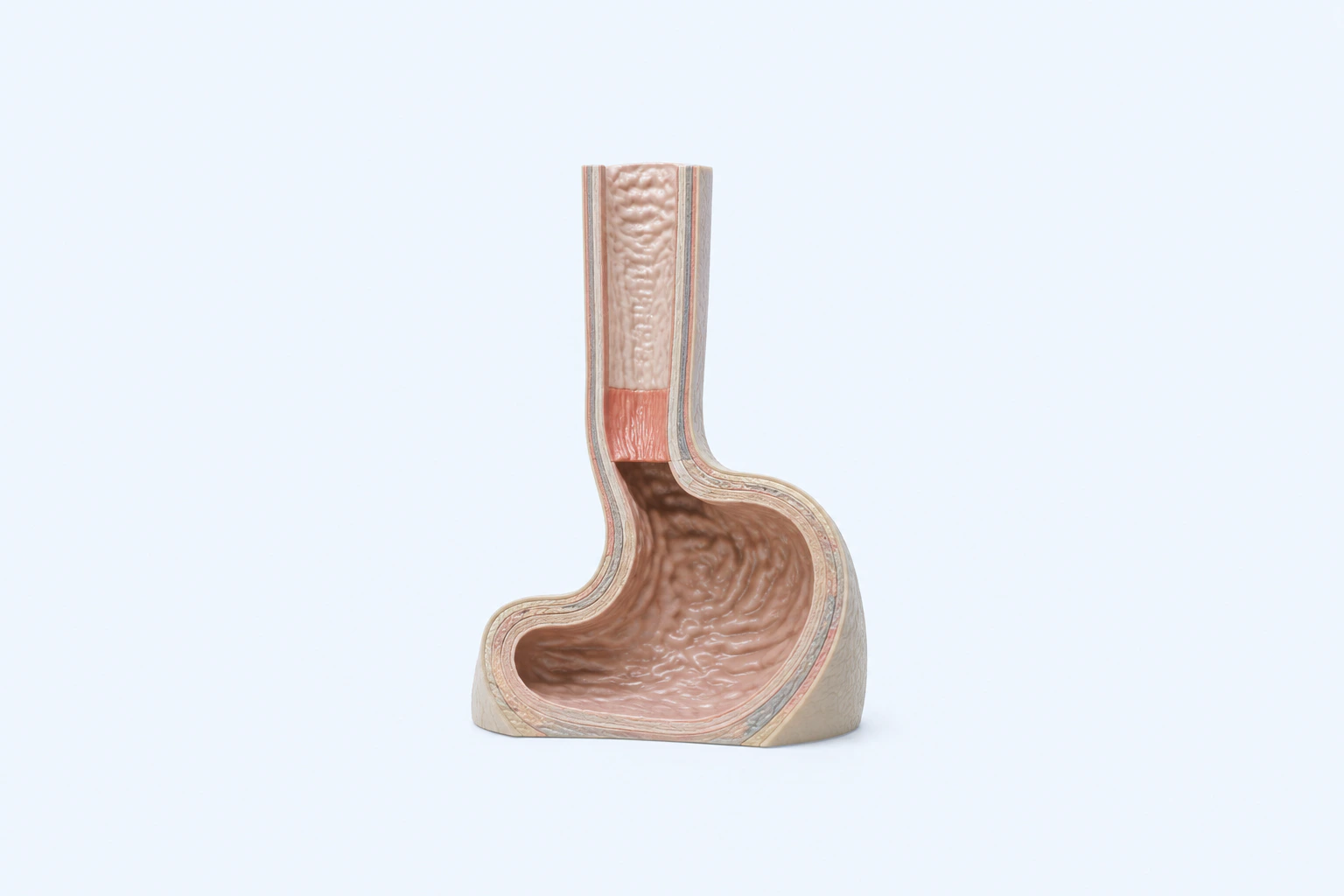
Barrett's esophagus (BE) is a premalignant condition in which the normal squamous epithelium of the distal esophagus is replaced by intestinal-type columnar epithelium (intestinal metaplasia). It is the primary risk factor for esophageal adenocarcinoma (EAC), a cancer w…
BDNF is the primary neurotrophin supporting neuronal survival, synaptic plasticity, and memory formation in the hippocampus and prefrontal cortex. Reduced BDNF is a consistent finding in depression, schizophrenia, and neurodegeneration. The gut microbiome modulates BDNF…
Berberine is an isoquinoline alkaloid from traditional Chinese medicine (Coptis chinensis, Berberis species) that acts as a prebiotic microbiome modulator rather than a direct antimicrobial at gut-relevant concentrations. It is discussed across 16+ sources in the WikiBi…
This knowledge-base record is being expanded from WikiBiome’s evidence graph.
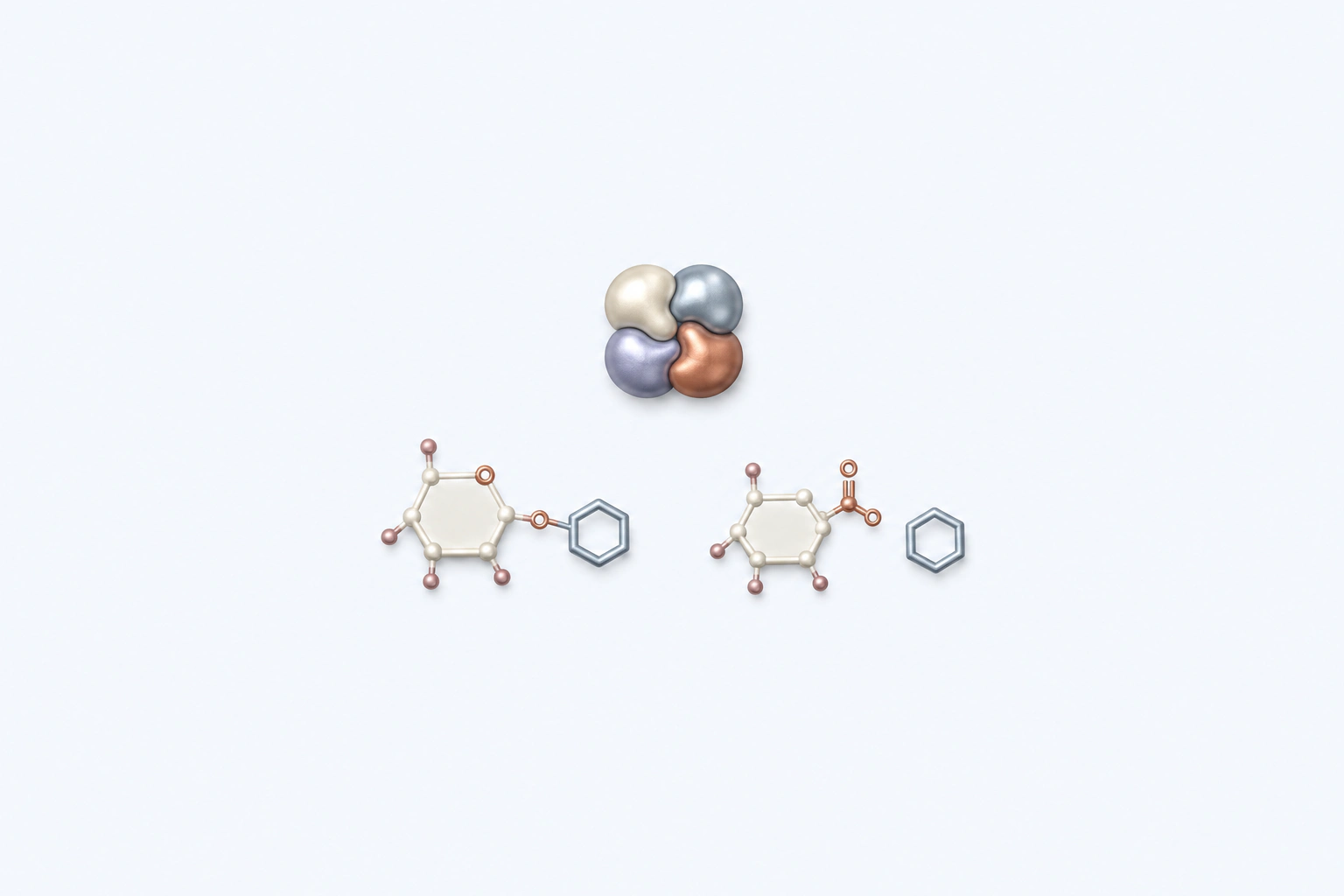
Beta-glucuronidase (β-glucuronidase, EC 3.2.1.31) is an enzyme that catalyzes the hydrolysis of glucuronidated compounds, cleaving the β-1,4-glycosidic bond between a sugar and a glucuronic acid group. In the microbiome, beta-glucuronidase is the key enzyme of the estro…

Bifidobacteriaceae is the family containing bifidobacterium and related genera (alloscardovia). It is the dominant family in the healthy infant gut and a significant commensal family in adults. Family-level depletion is documented in ASD (marked reduction of Actinobacte…
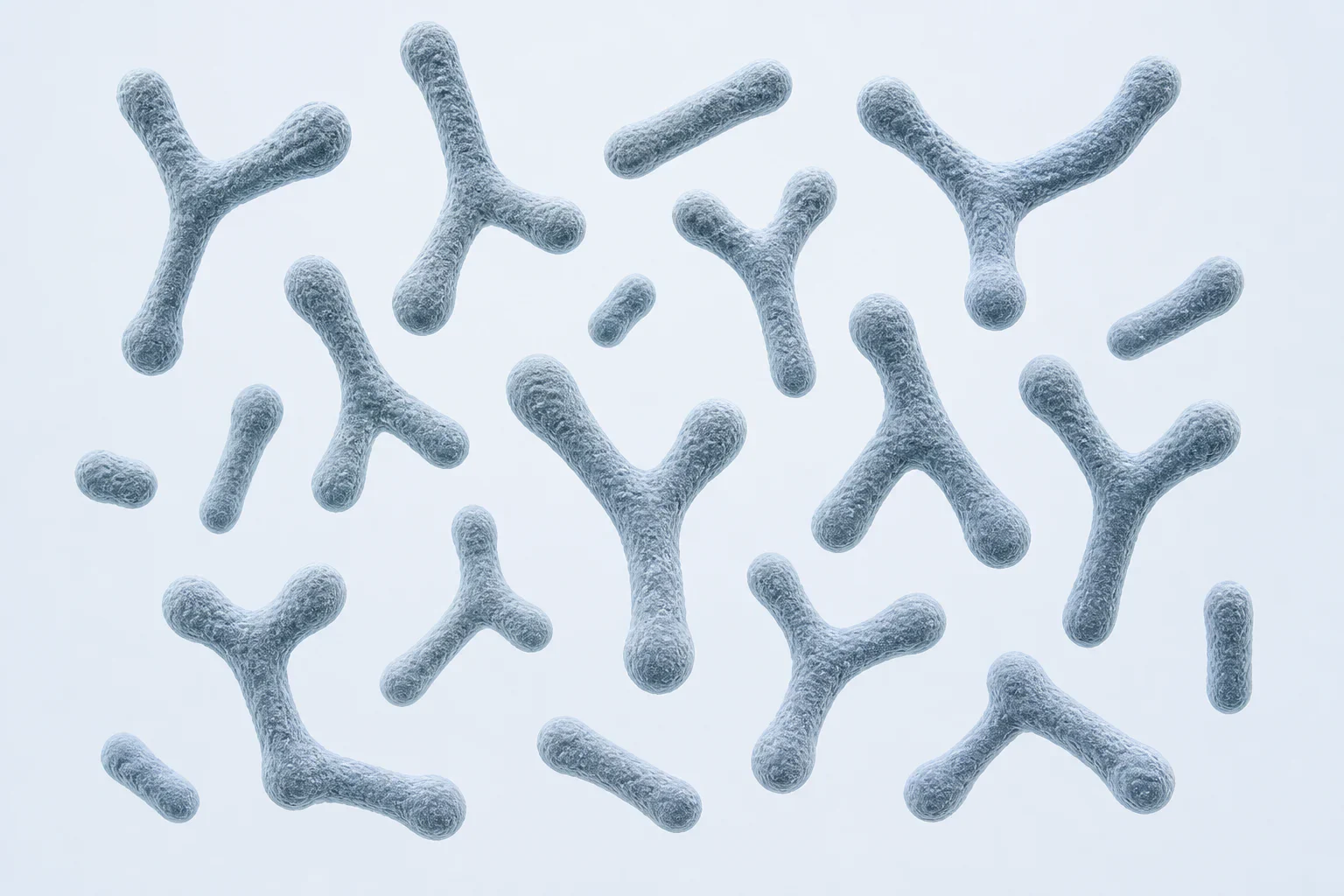
A genus of Gram-positive, obligate anaerobic bacteria that dominate the infant gut microbiome and remain important commensals throughout life. Bifidobacterium species are distinctive in the metallomics context because some species possess Ni-dependent urease -- an unusu…
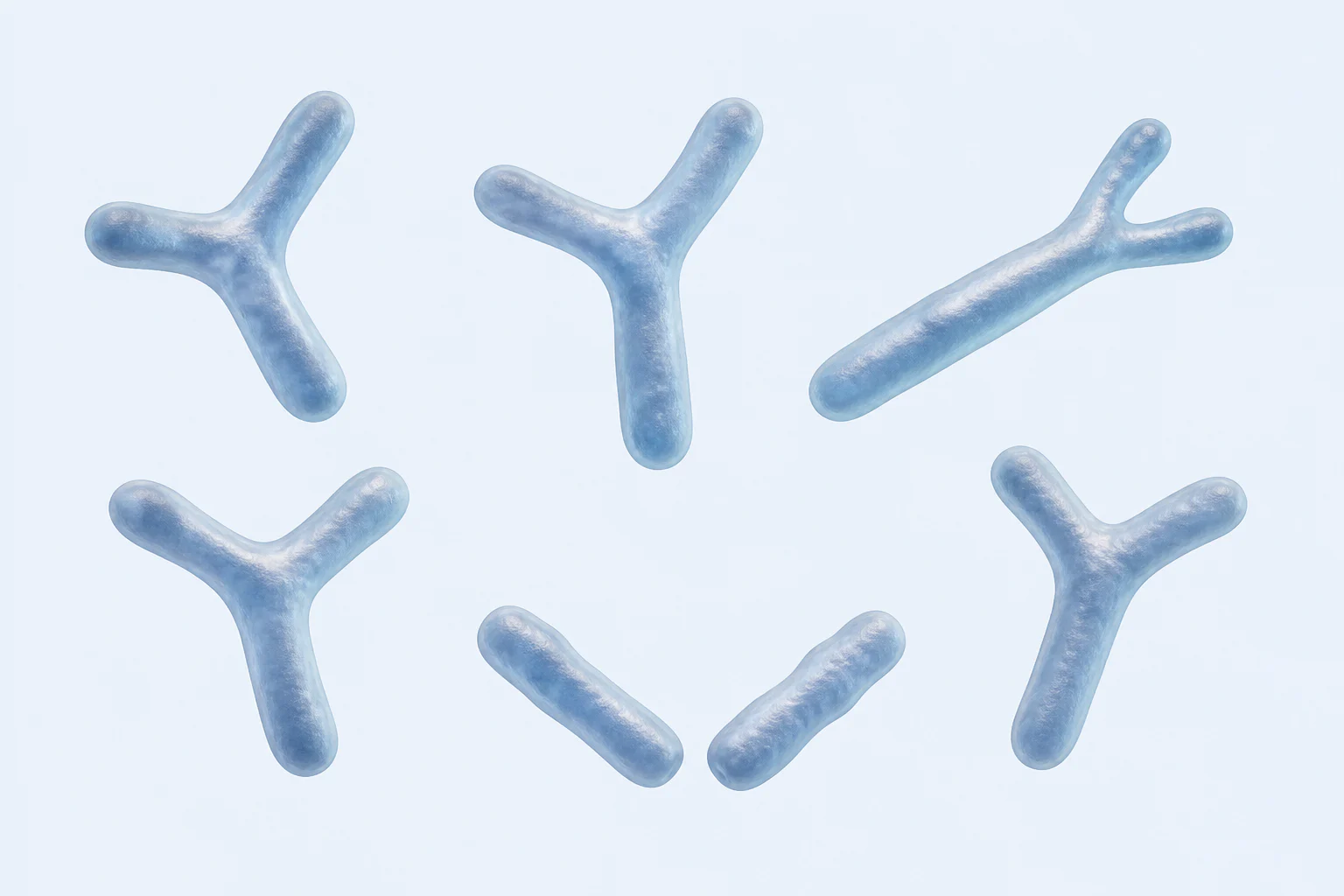
Bifidobacterium adolescentis is a Gram-positive, obligate anaerobic species within the phylum Actinobacteria and the dominant Bifidobacterium species in the adult human gut. It is a specialist degrader of resistant starch and dietary fiber, producing acetate and lactate…
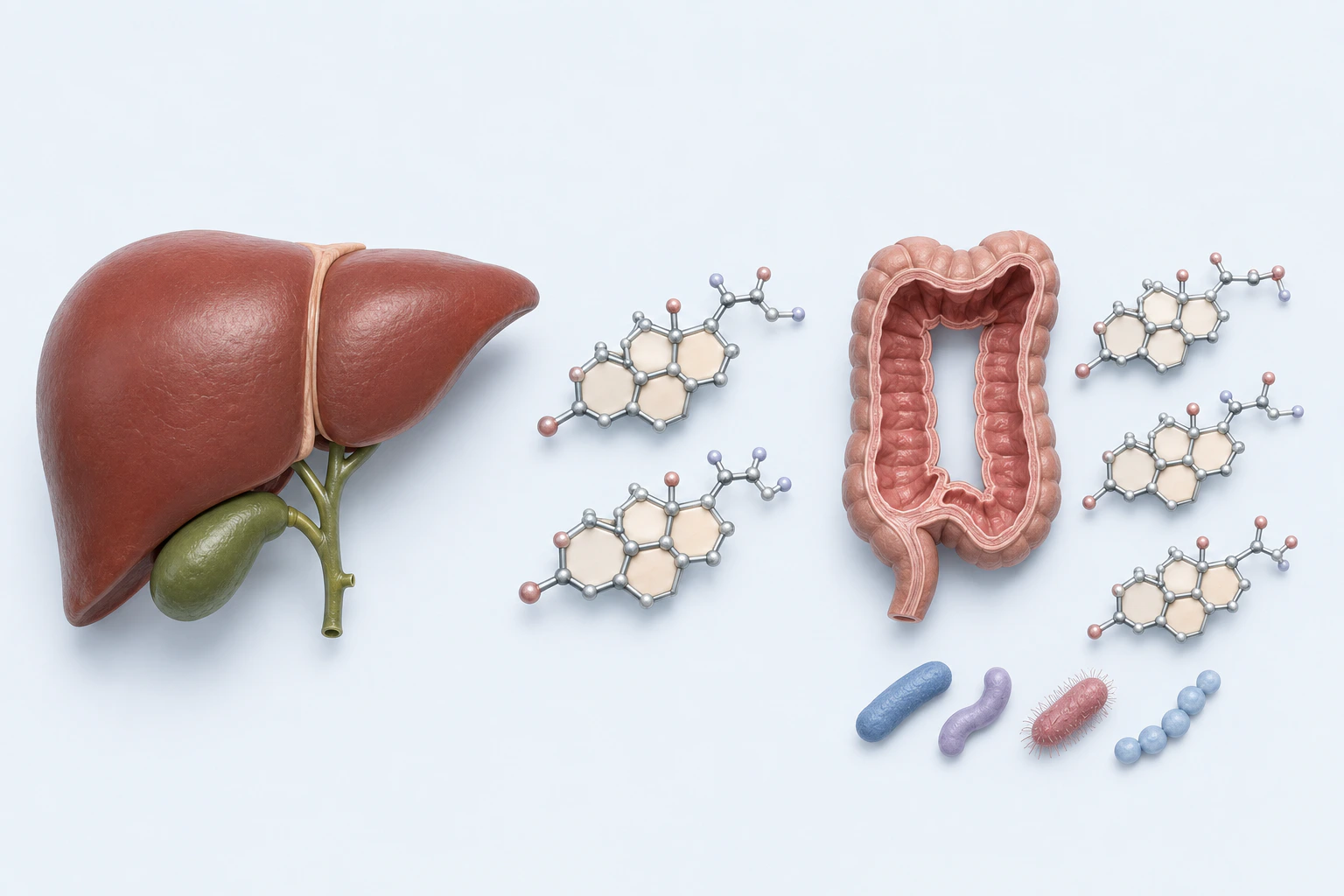
Bile acids are cholesterol-derived amphipathic molecules synthesized in the liver, secreted into the duodenum, and extensively modified by gut bacteria. The host-microbe co-metabolism of bile acids creates a signaling network with profound effects on lipid metabolism, g…
Measurable indicators of biological state, exposure, or disease. In the metallomics context, biomarkers span three interconnected domains: metal biomarkers (quantifying exposure and body burden), microbiome biomarkers (reflecting microbial community disruption), and met…
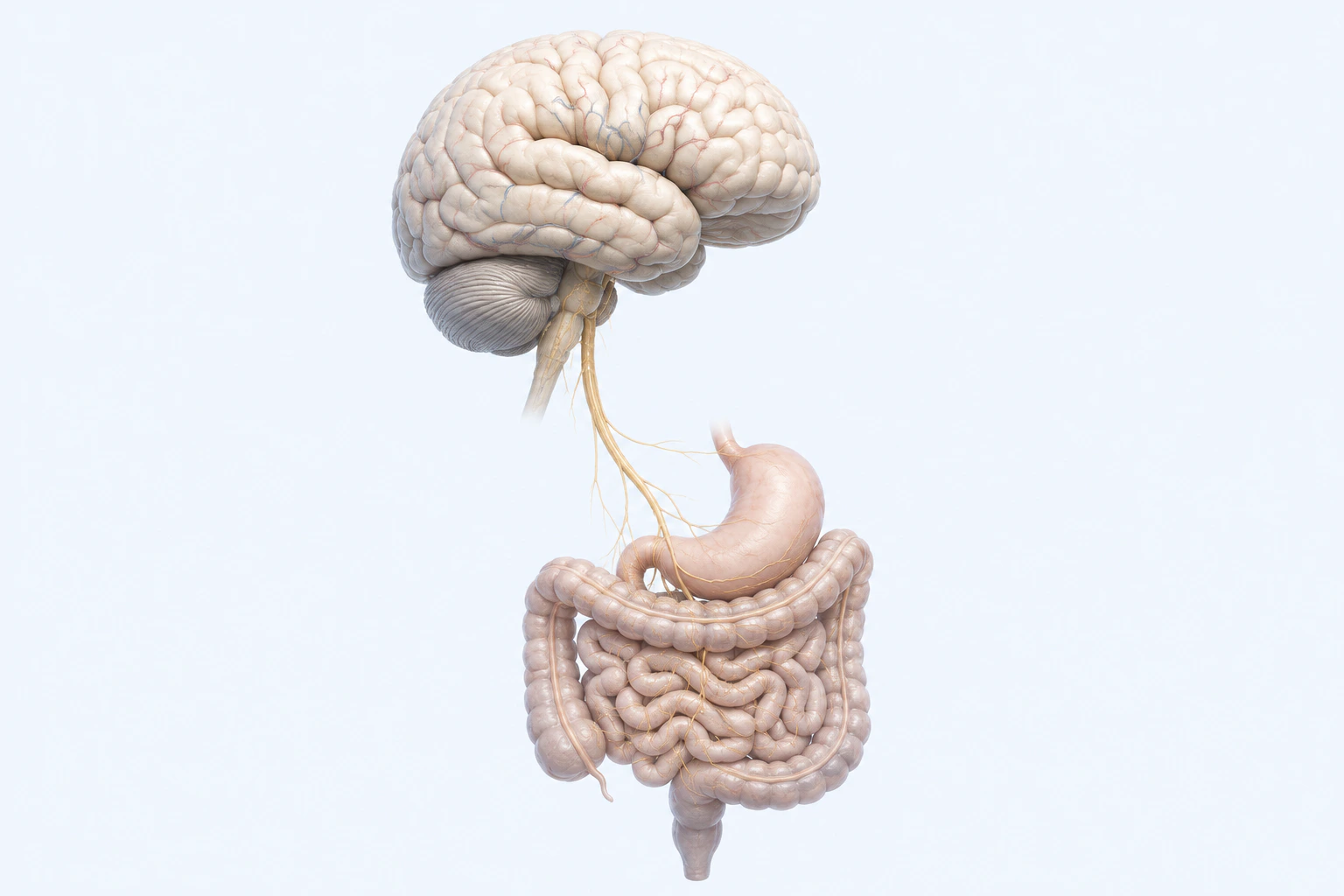
Bipolar disorder is a chronic neuropsychiatric condition characterized by recurrent episodes of mania (or hypomania) and depression, affecting approximately 1-2.4% of the global population. It carries significant morbidity -- reduced life expectancy by 10-15 years, high…
A selective semipermeable border formed by brain endothelial cells connected by tight junctions, pericytes, and astrocytic end-feet. The BBB restricts passage of most molecules from blood to brain, protecting the CNS from toxins, pathogens, and inflammatory mediators. M…
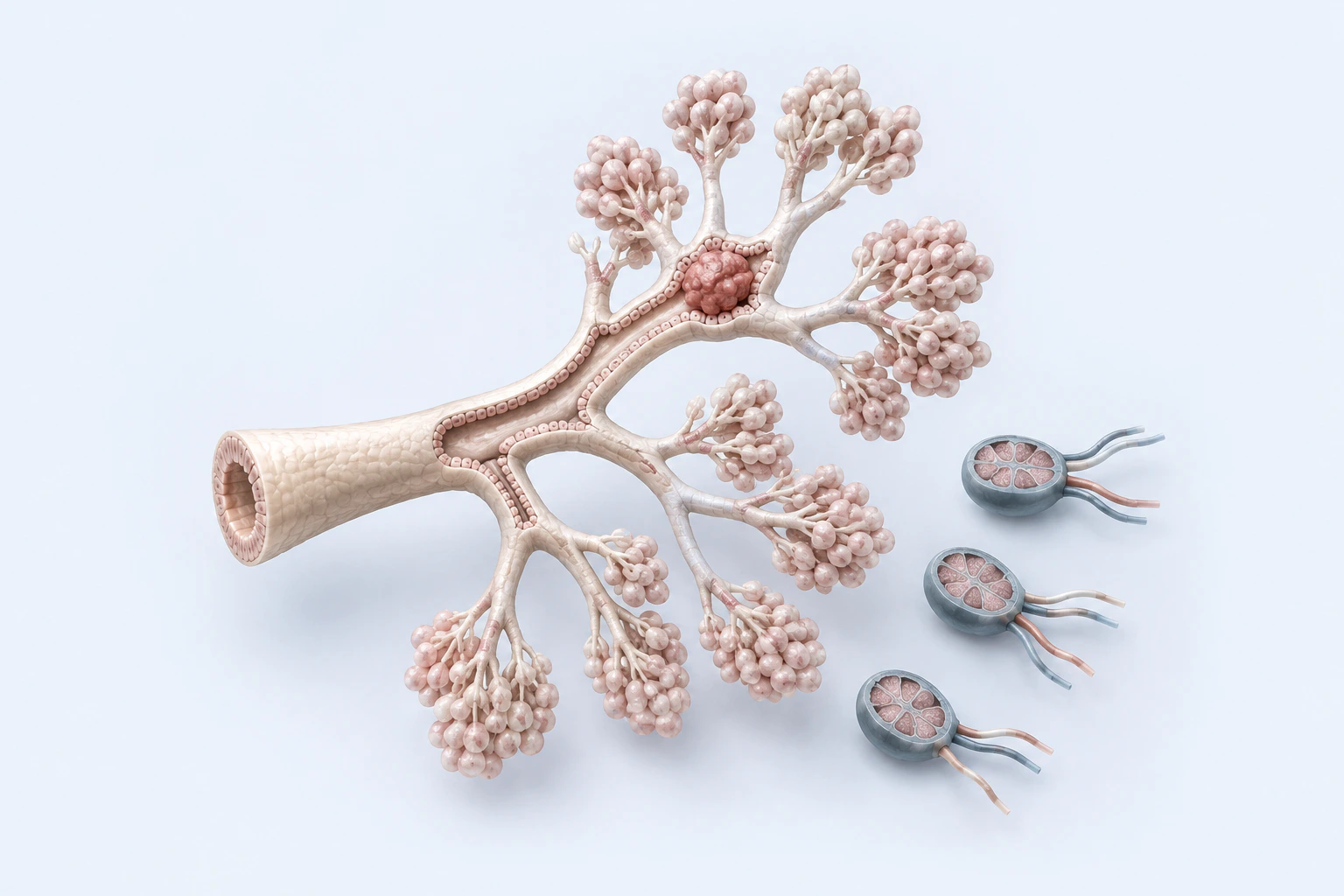
Breast cancer is the most common cancer in women worldwide, with approximately 2.3 million new cases annually. While genetic, hormonal, and lifestyle factors are well-established risk determinants, the metallomic dimension reveals a consistent pattern of trace element d…
Breast milk is the most effective single intervention for NEC prevention. Human milk oligosaccharides (HMOs) — the third most abundant component of breast milk — are selectively metabolized by Bifidobacteria, establishing the protective neonatal microbiome. Formula-fed …
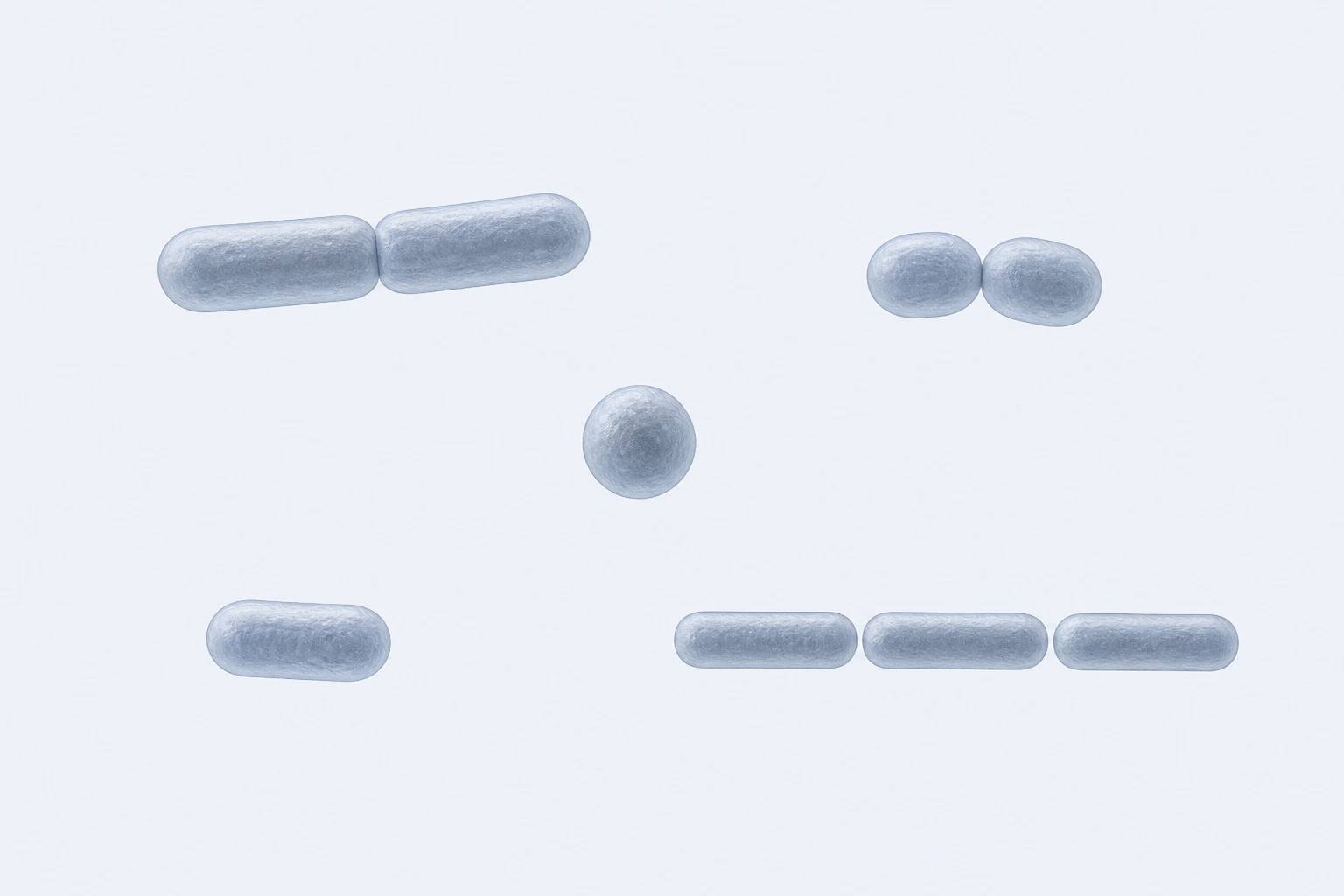
Burkholderiales is an order of Gram-negative Betaproteobacteria that includes environmentally versatile genera such as Ralstonia, Burkholderia, and Sutterella. Many members are notable for their metal resistance mechanisms, which enable survival in heavy metal-contamina…
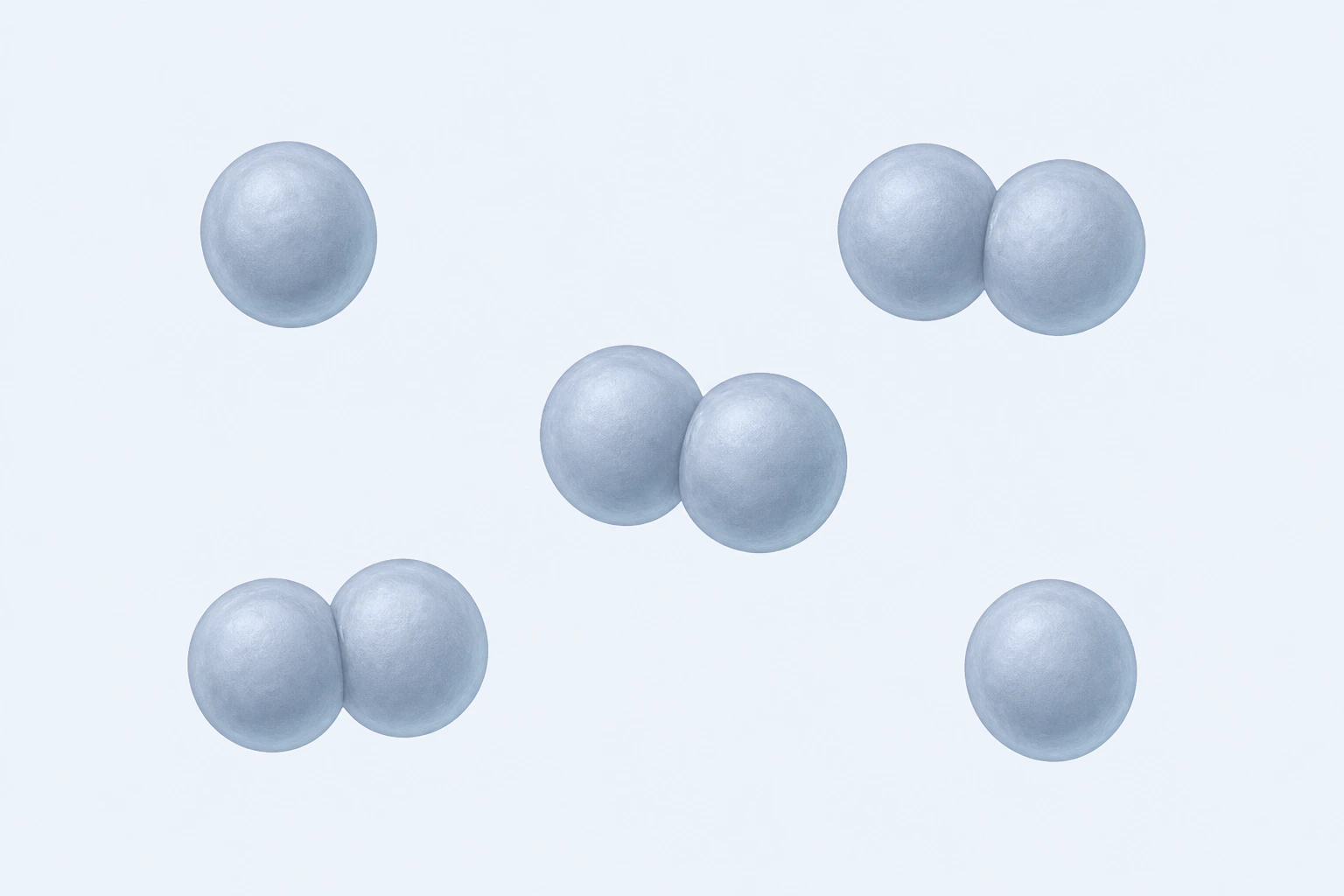
A genus of Gram-positive, strictly anaerobic, butyrate-producing bacteria in the order Clostridiales (phylum Firmicutes). The type species, Butyricicoccus pullicaecorum, was originally isolated from chicken caecal content but has since been identified as a significant m…
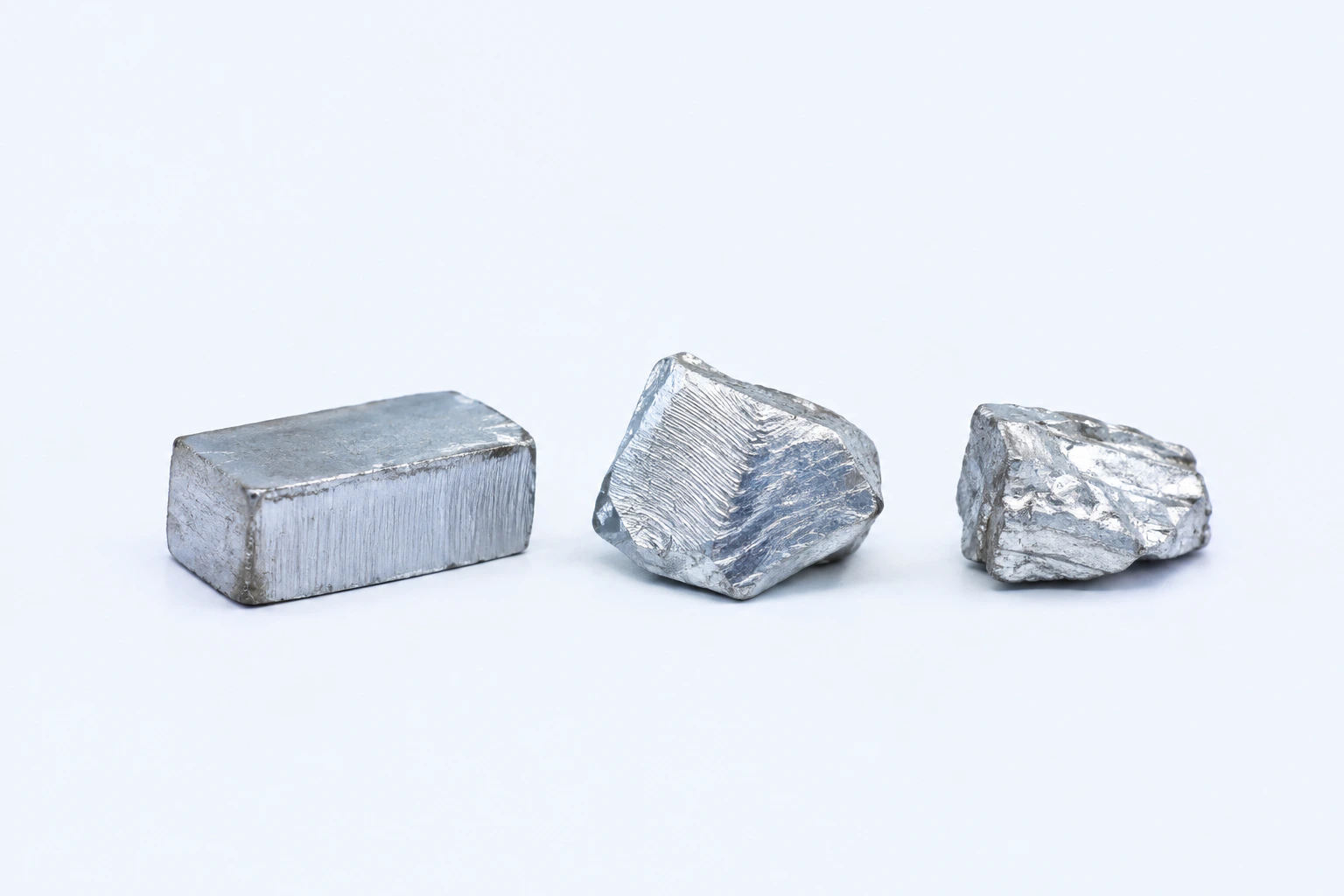
Cadmium is a toxic non-essential heavy metal (IARC Group 1 carcinogen) with a biological half-life of 17--30 years in mammals, primarily accumulating in the renal cortex via proximal tubular reabsorption of the Cd-metallothionein complex rasin 2025 cadmium exposure heal…
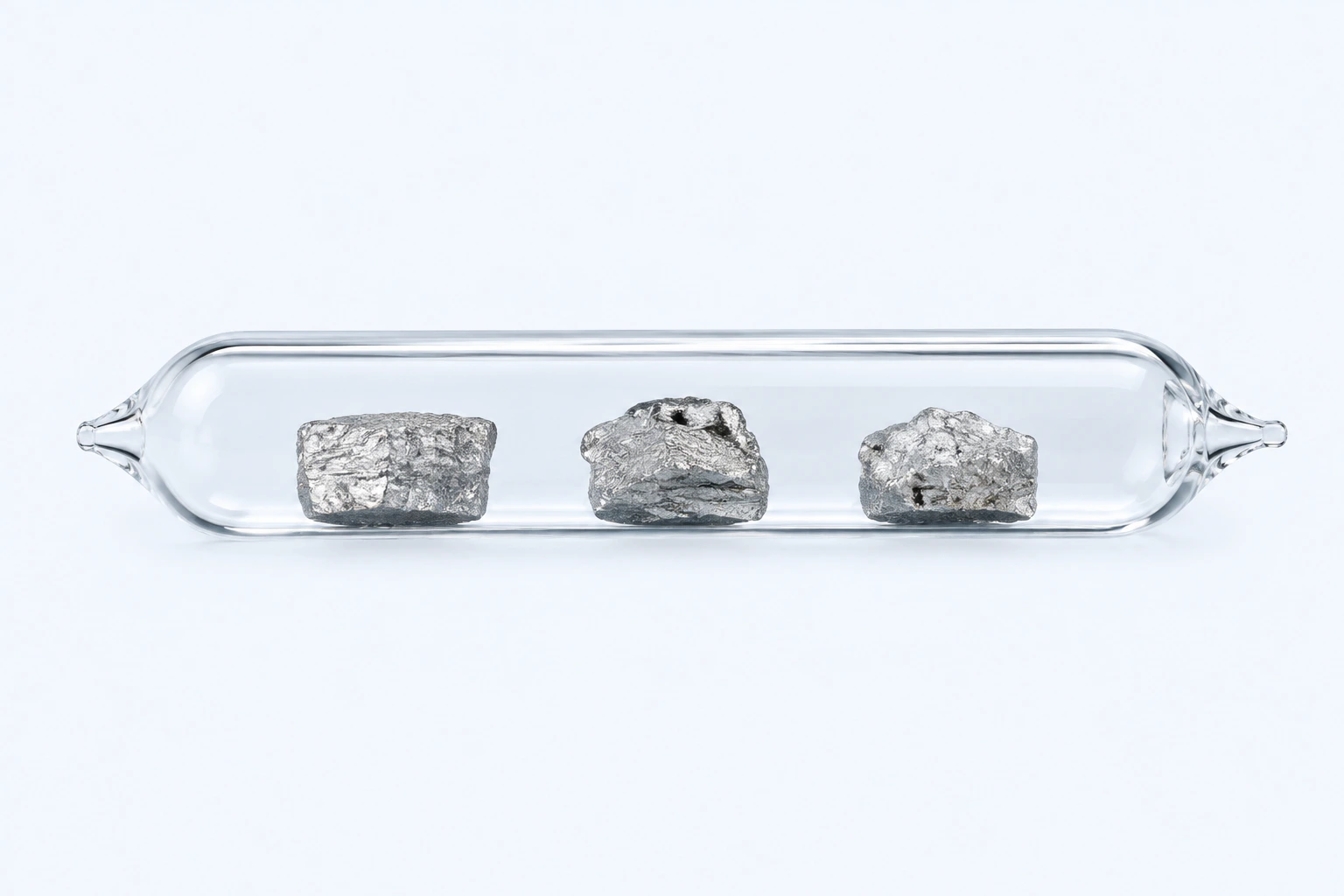
The most abundant mineral in the human body, with ~99% stored in bones and teeth. Calcium's biological significance extends far beyond structural support -- it is the universal second messenger in cell signaling, controlling neurotransmitter release, muscle contraction,…
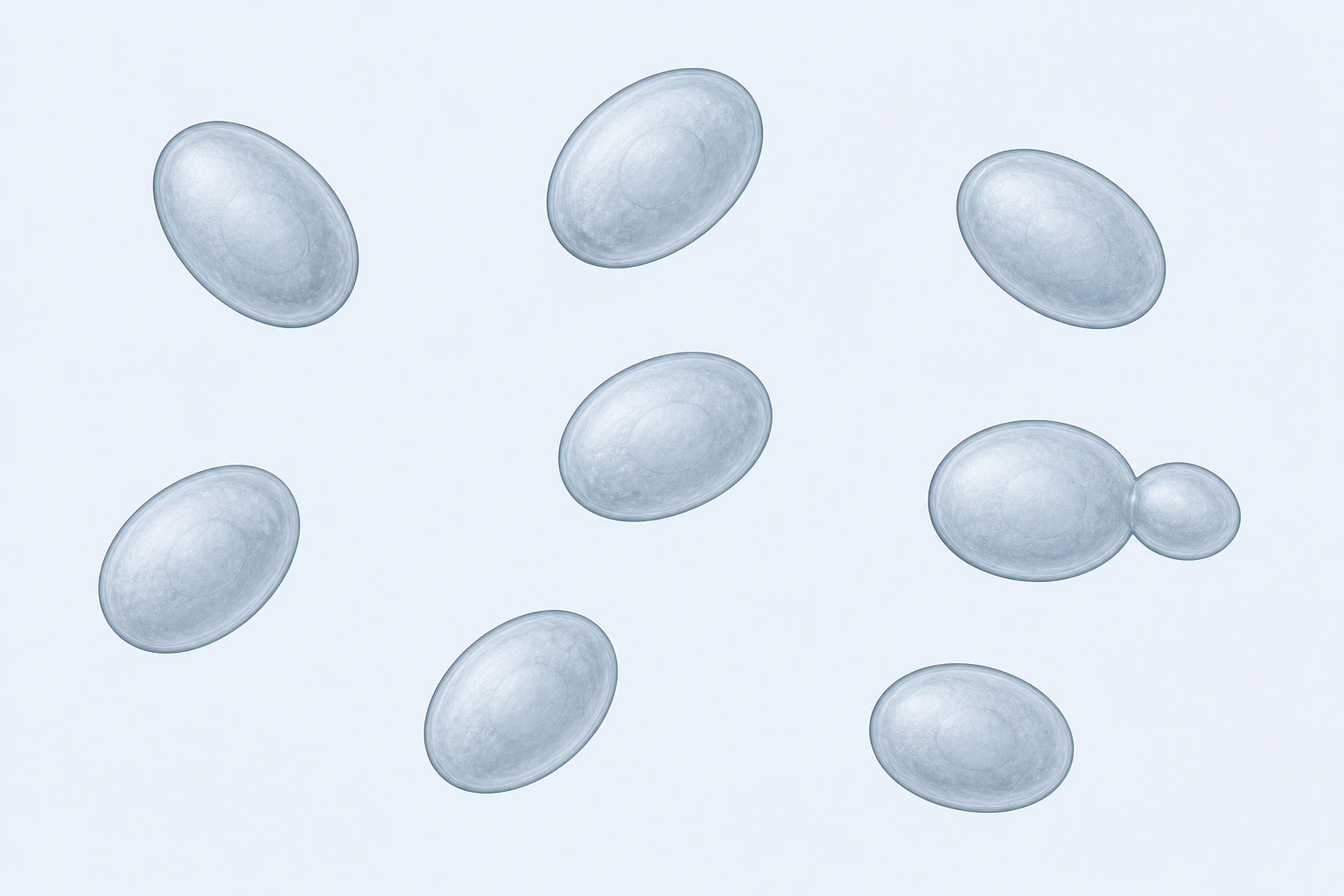
Candidozyma auris is the current name for NCBITaxon:498019. Liu and colleagues established the combination in 2024 as MycoBank MB 848169; Candida auris Satoh & Makimura 2009 is its basionym, not a separate species ncbi taxonomy candidozyma auris index fungorum candidozy…
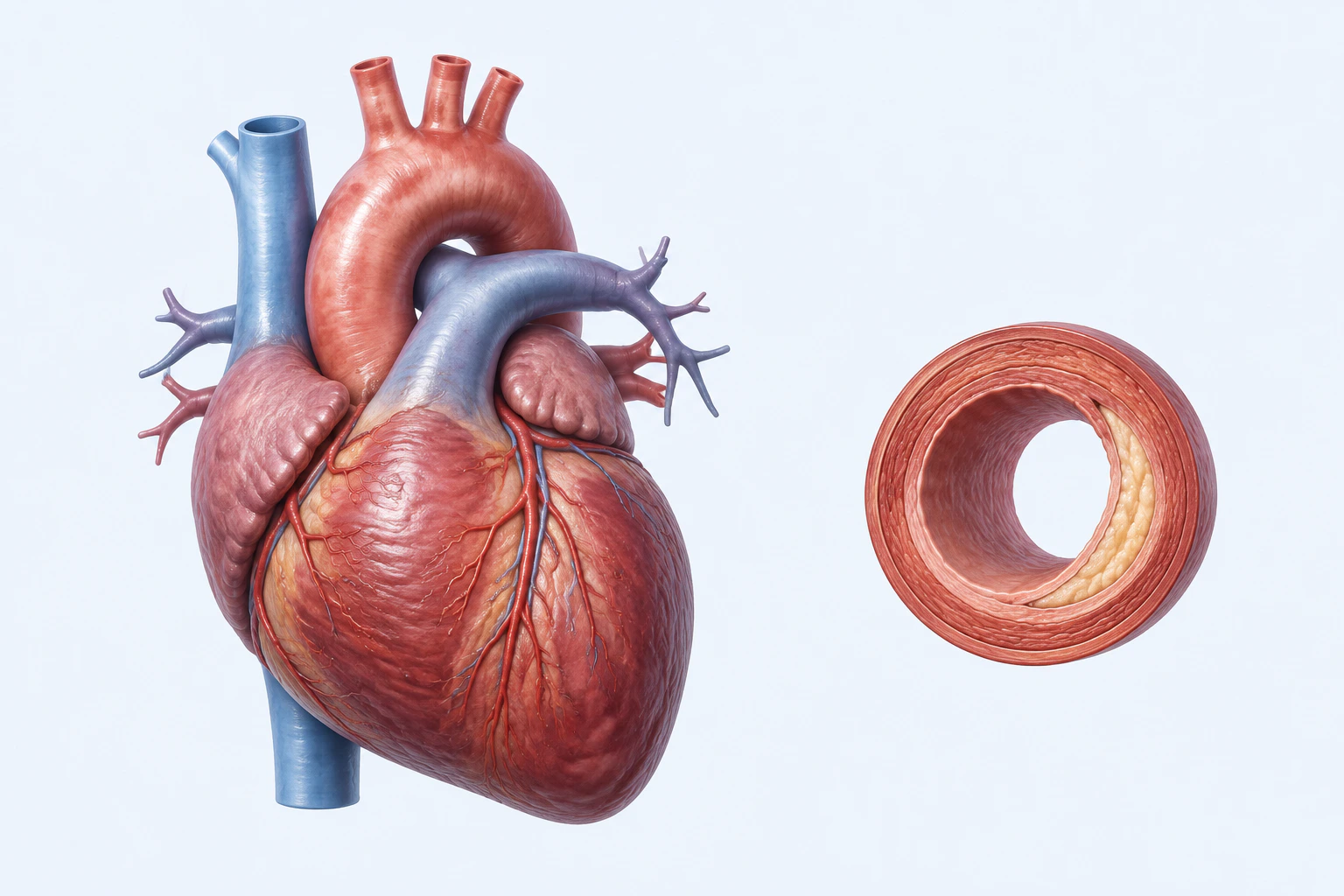
Cardiovascular disease (CVD) -- encompassing atherosclerosis, coronary artery disease, hypertension, myocardial infarction, heart failure, and stroke -- is the leading cause of death globally. The gut-heart axis has emerged as a central paradigm linking microbial metabo…
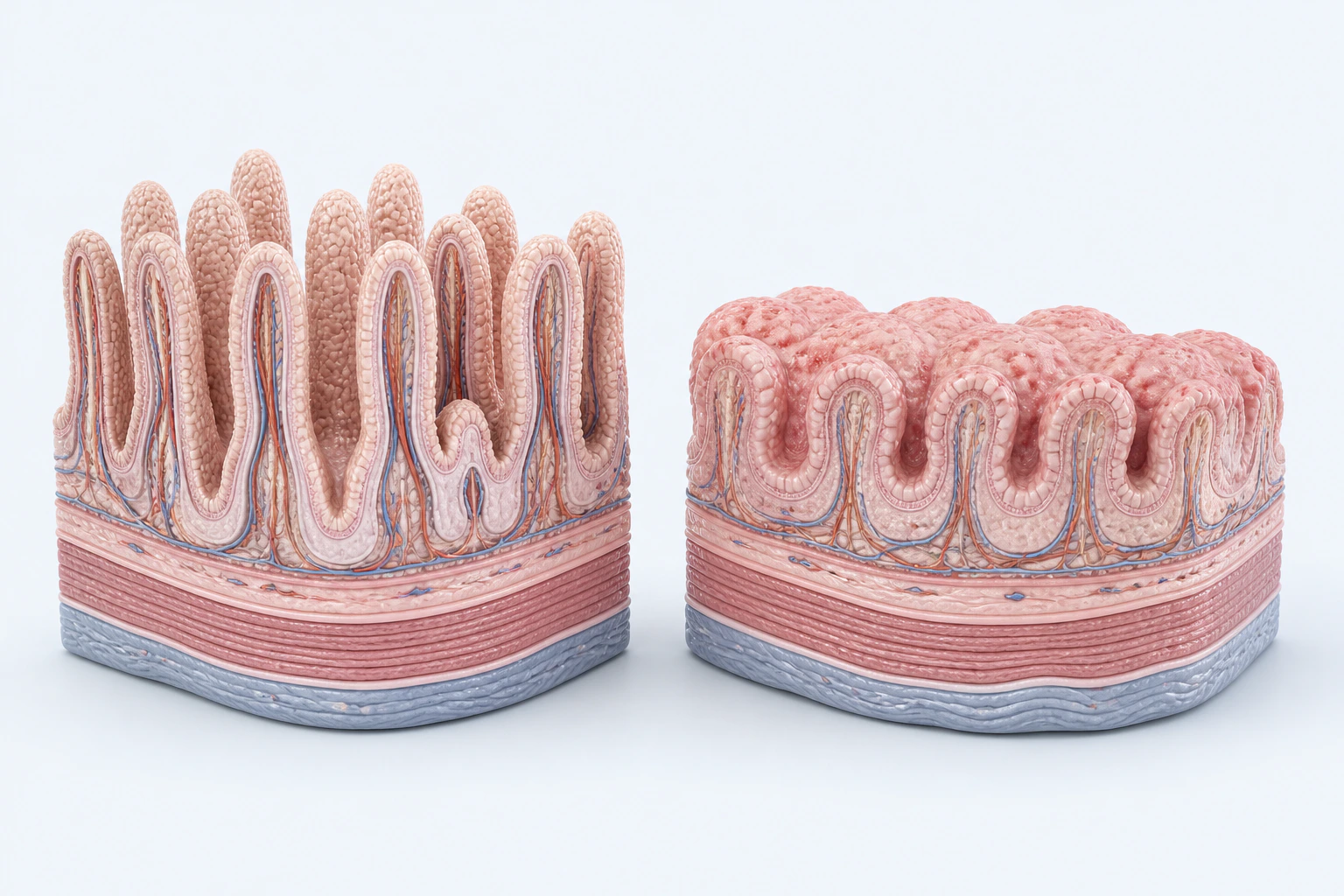
Celiac disease is a chronic autoimmune condition triggered by dietary gluten (gliadin proteins from wheat, barley, and rye) in genetically susceptible individuals (HLA-DQ2/DQ8, carried by ~30-40% of Europeans but penetrant in only ~1% of carriers). Gluten exposure cause…
Cephalosporins are a class of beta-lactam antibiotics (five generations) that inhibit bacterial cell wall synthesis by binding penicillin-binding proteins. They are among the most prescribed antibiotic classes and among the most disruptive to the gut microbiome.
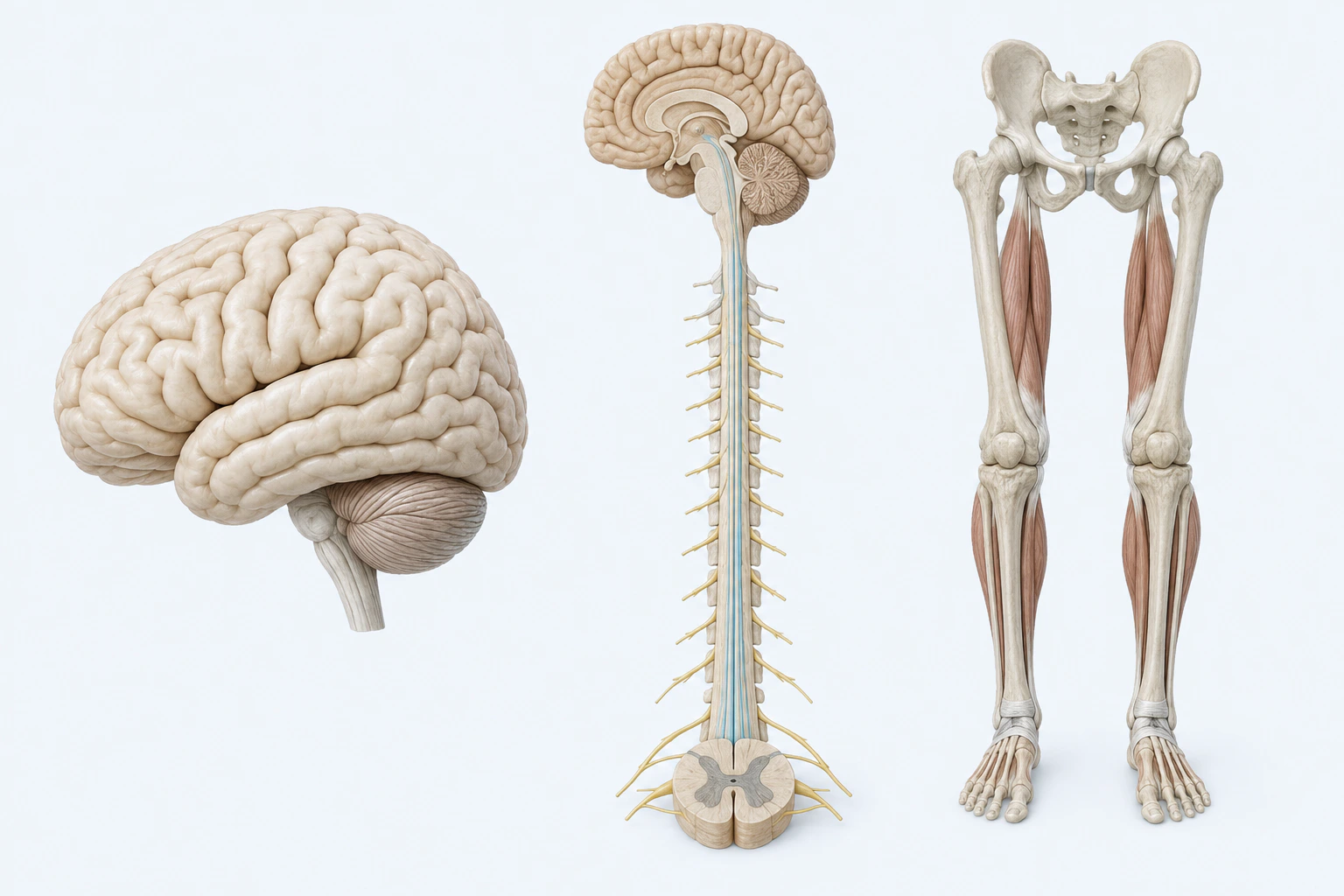
Cerebral palsy (CP) is the most common motor disability in childhood, affecting 2-3 per 1,000 live births allen 2021 multi organ dysfunction cerebral palsy. Characterized by non-progressive disturbances in movement and posture arising from injury to the developing brain…

Chelation therapy uses high-affinity metal-binding molecules to form stable, excretable complexes with toxic metals, removing them from the body. The term derives from Greek "chele" (claw) -- the chelator grips the metal ion at multiple coordination sites. While chelati…
Chlamydia trachomatis is a Gram-negative, obligate intracellular bacterium and the most common bacterial sexually transmitted infection worldwide. Its biphasic developmental cycle — alternating between the infectious elementary body (EB) and the replicative reticulate b…
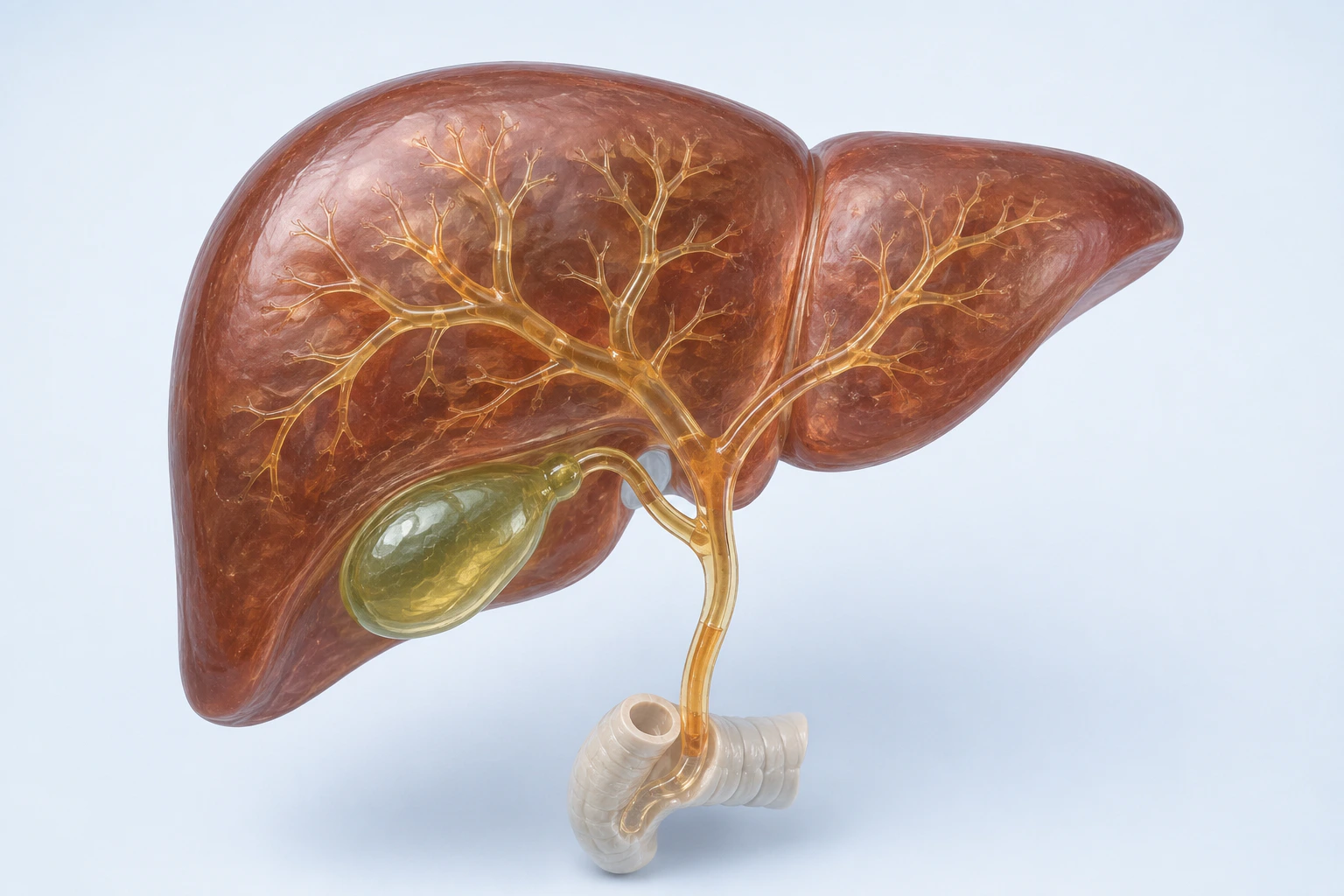
Cholestasis is the impairment or cessation of bile flow from the liver to the duodenum. It can be intrahepatic (hepatocyte or bile ductule dysfunction) or extrahepatic (mechanical obstruction). Beyond its direct hepatic consequences, cholestasis profoundly disrupts the …
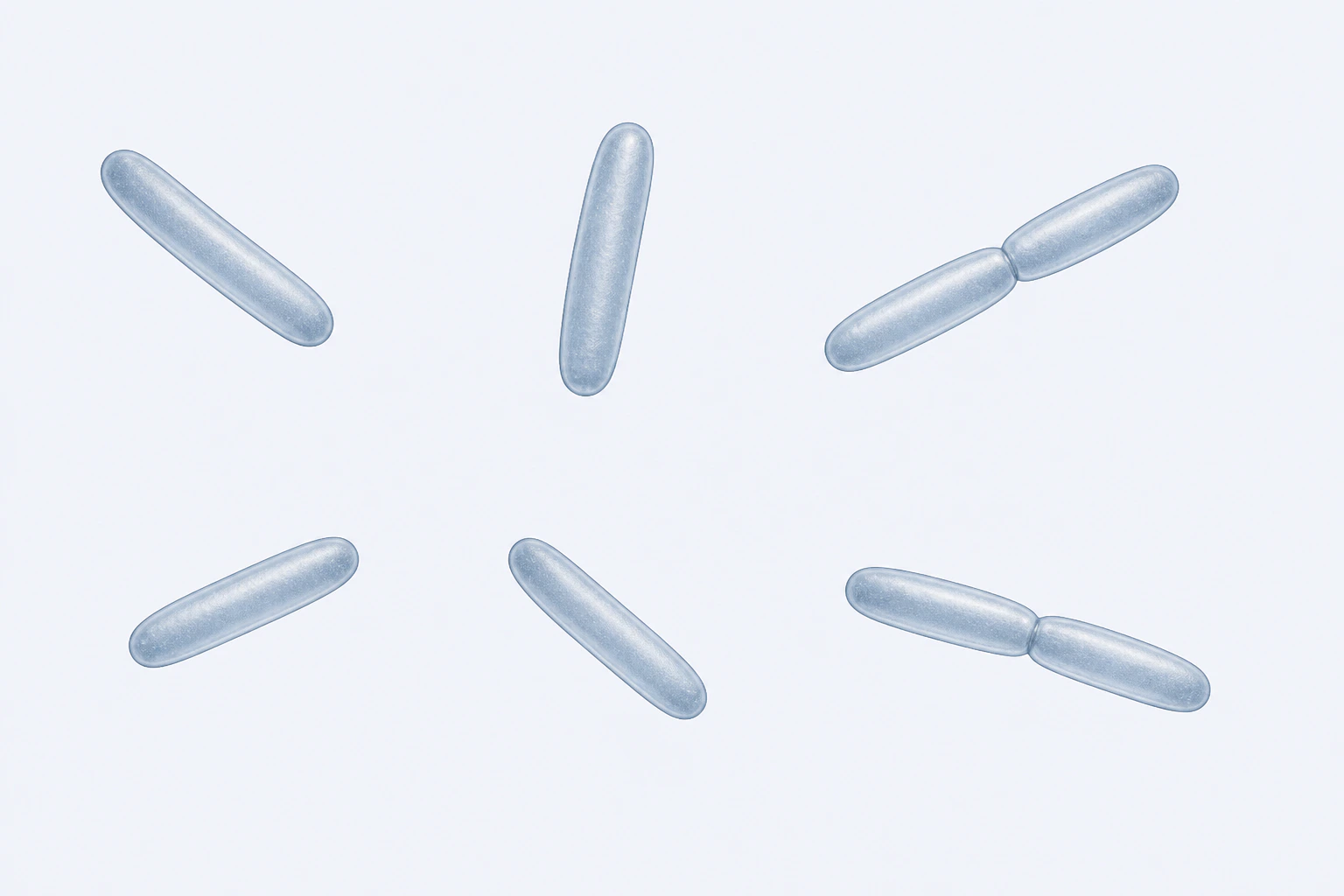
Christensenellaceae is a family of Gram-negative, strictly anaerobic bacteria within the order Clostridiales (phylum Firmicutes) that has emerged as one of the most consistently health-associated and heritable members of the human gut microbiome. First formally describe…
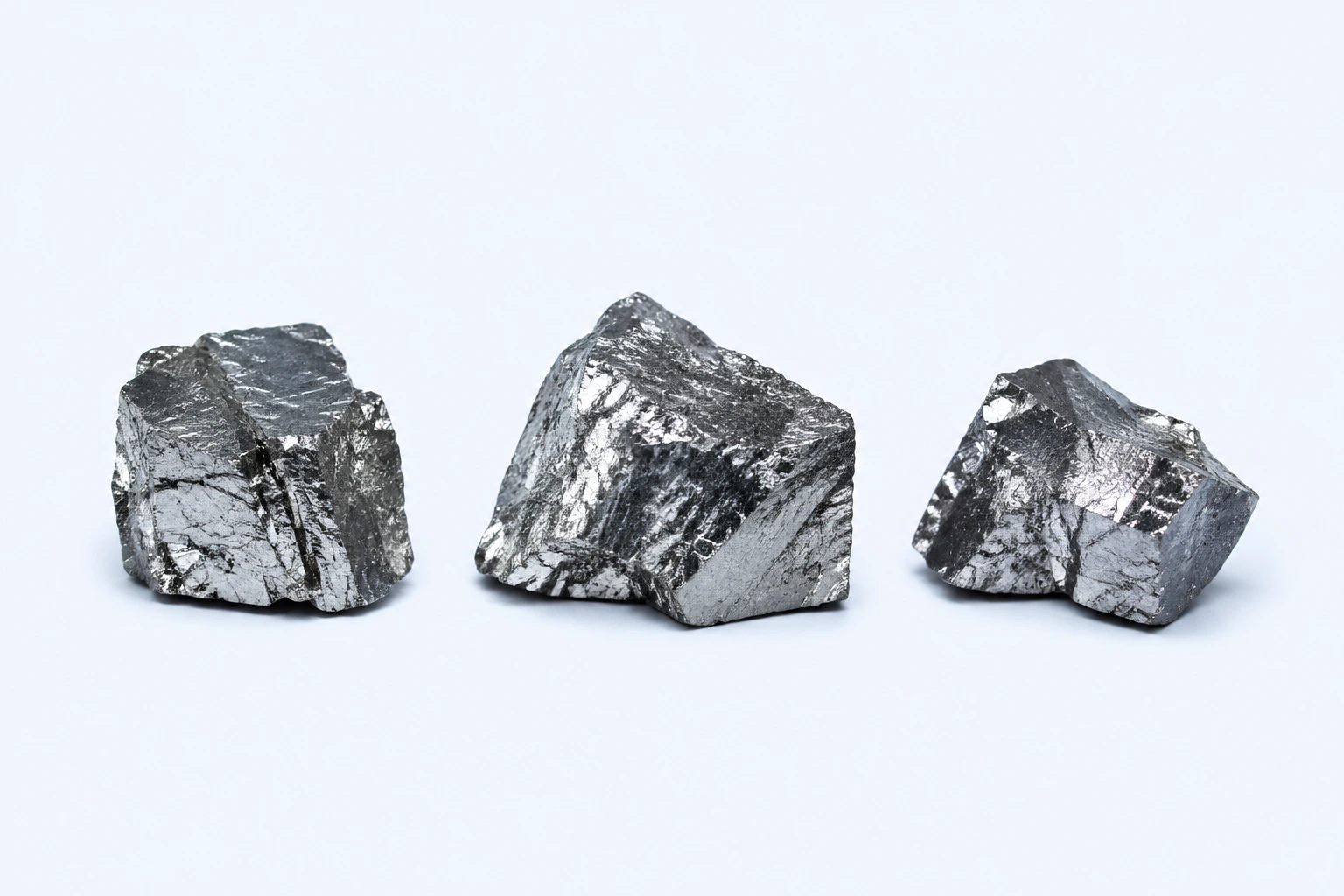
Chromium is a transition metal (atomic number 24) whose toxicology is defined by a stark oxidation-state divide. Hexavalent chromium, Cr(VI), is an IARC Group 1 human carcinogen that causes DNA damage through a unique mechanism of intracellular reduction and ternary add…
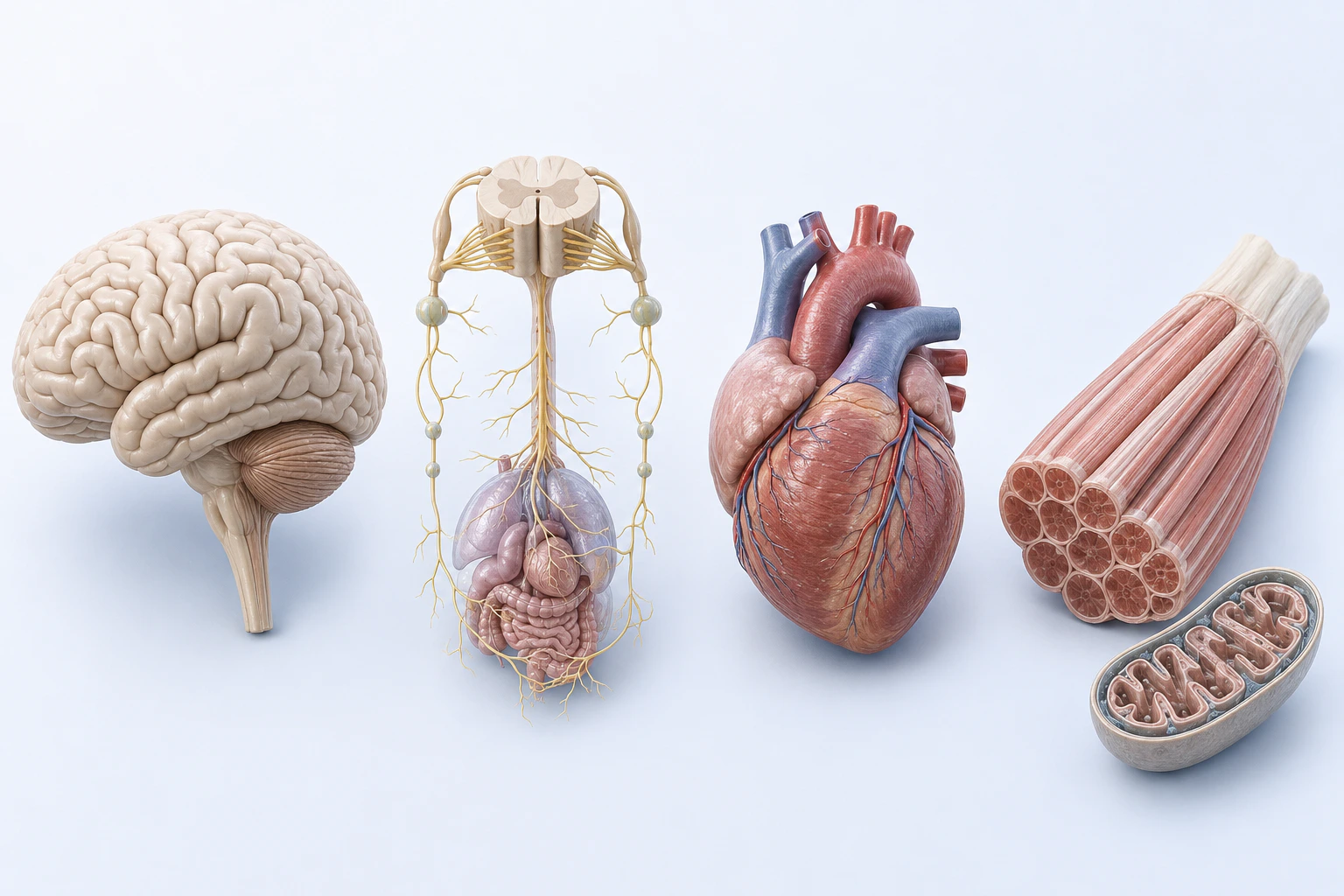
Myalgic encephalomyelitis/chronic fatigue syndrome (ME/CFS) is a complex, disabling condition characterized by profound fatigue not relieved by rest, post-exertional malaise (PEM -- symptom worsening after physical or cognitive exertion), unrefreshing sleep, cognitive d…
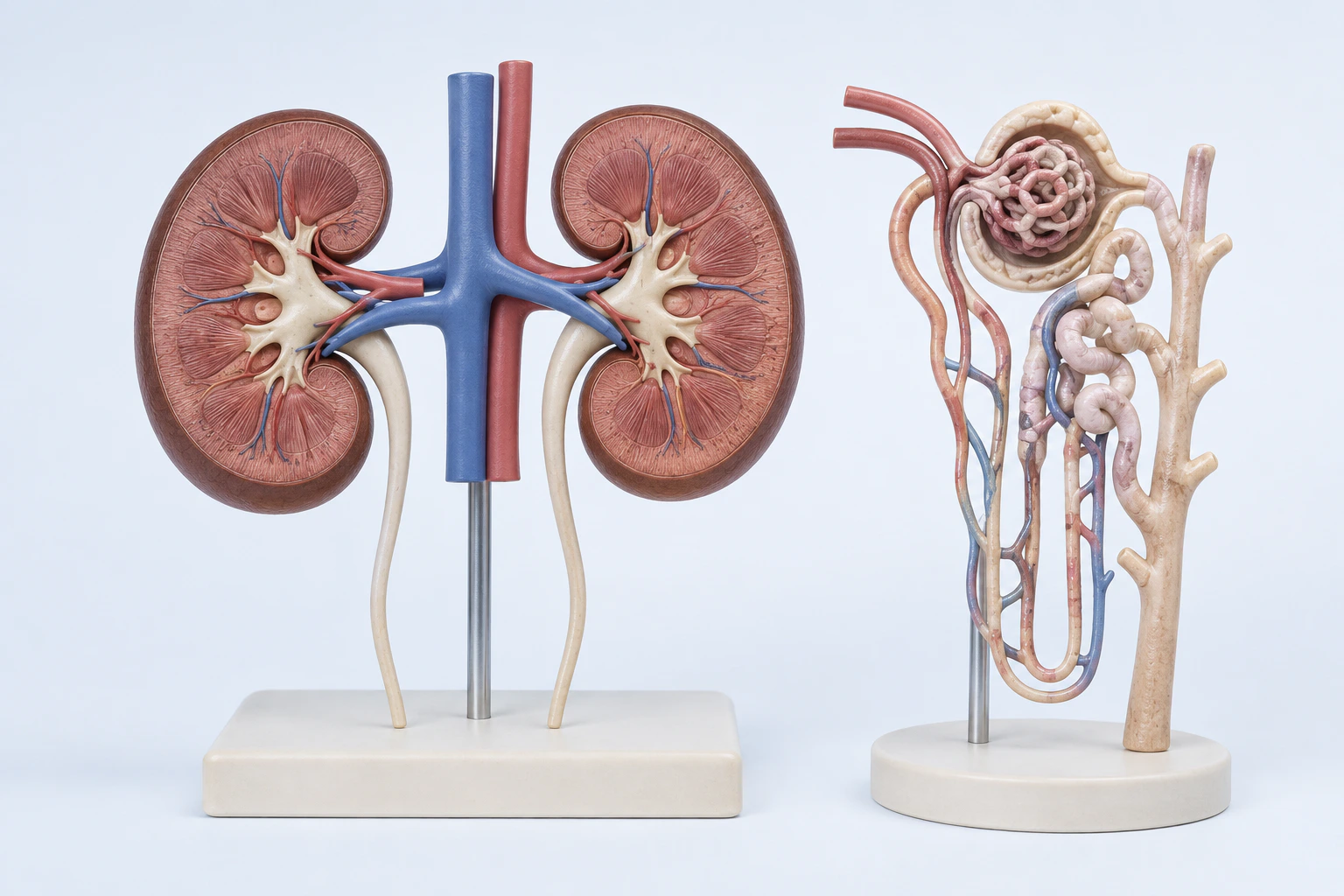
A progressive loss of kidney function affecting approximately 850 million people worldwide (10–14% of adults), causing 1.2 million deaths annually. CKD is unique among diseases in this wiki because it occupies both sides of the metal-disease equation: heavy metals (Cd, …
A class of Gram-positive, obligate anaerobic bacteria within the phylum Firmicutes that represents the most functionally diverse and clinically significant taxonomic class in the human gut microbiome. Clostridia encompasses the dominant butyrate producers sustaining col…
A large, polyphyletic genus of Gram-positive, obligate anaerobic, spore-forming bacteria encompassing both critical beneficial commensals and dangerous pathogens. Former Clostridium clusters IV and XIVa are now reclassified into ruminococcus-family Ruminococcaceae and l…