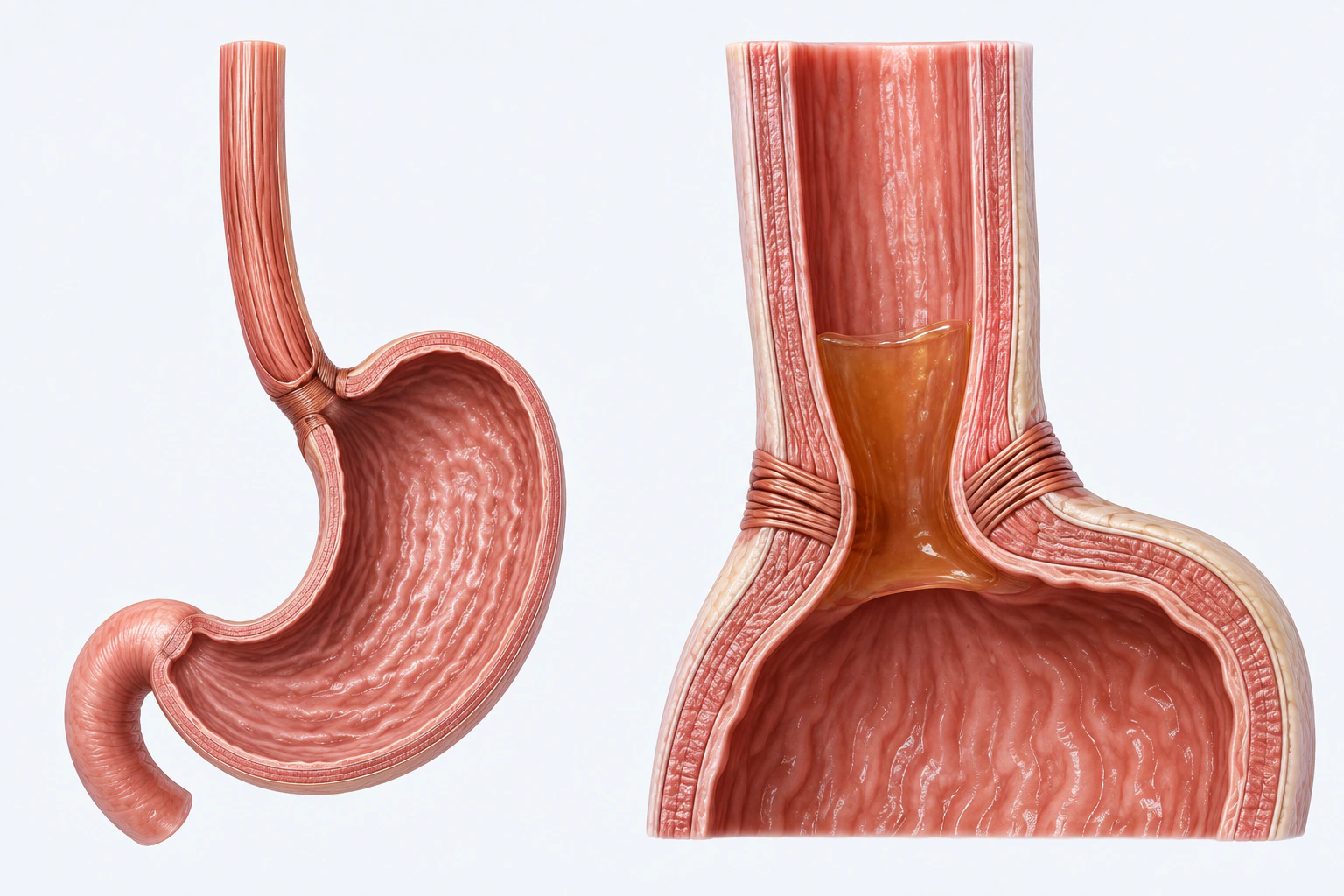
Probiotics with PPI Therapy for GERD
This knowledge-base record is being expanded from WikiBiome’s evidence graph.
WikiBiomeThe human microbiome encyclopediaRanked matches across titles, topics, categories, and article introductions.
This knowledge-base record is being expanded from WikiBiome’s evidence graph.
Harm potential: GREEN — PPIs remain appropriate first-line therapy; this STOP recommends co-administration of probiotics, not PPI avoidance.
This knowledge-base record is being expanded from WikiBiome’s evidence graph.
A neurodevelopmental condition affecting approximately 1 in 36 children (US CDC 2023 estimate), characterized by differences in social communication, restricted interests, and repetitive behaviors. From a metallomics perspective, ASD presents a compelling convergence of…
A Gram-positive, obligate anaerobic genus within the lachnospiraceae family (Firmicutes phylum). Coprococcus is one of the most important butyrate-producing commensals in the human gut and has gained particular attention as the "happiness bug" -- one of very few taxa di…
This knowledge-base record is being expanded from WikiBiome’s evidence graph.
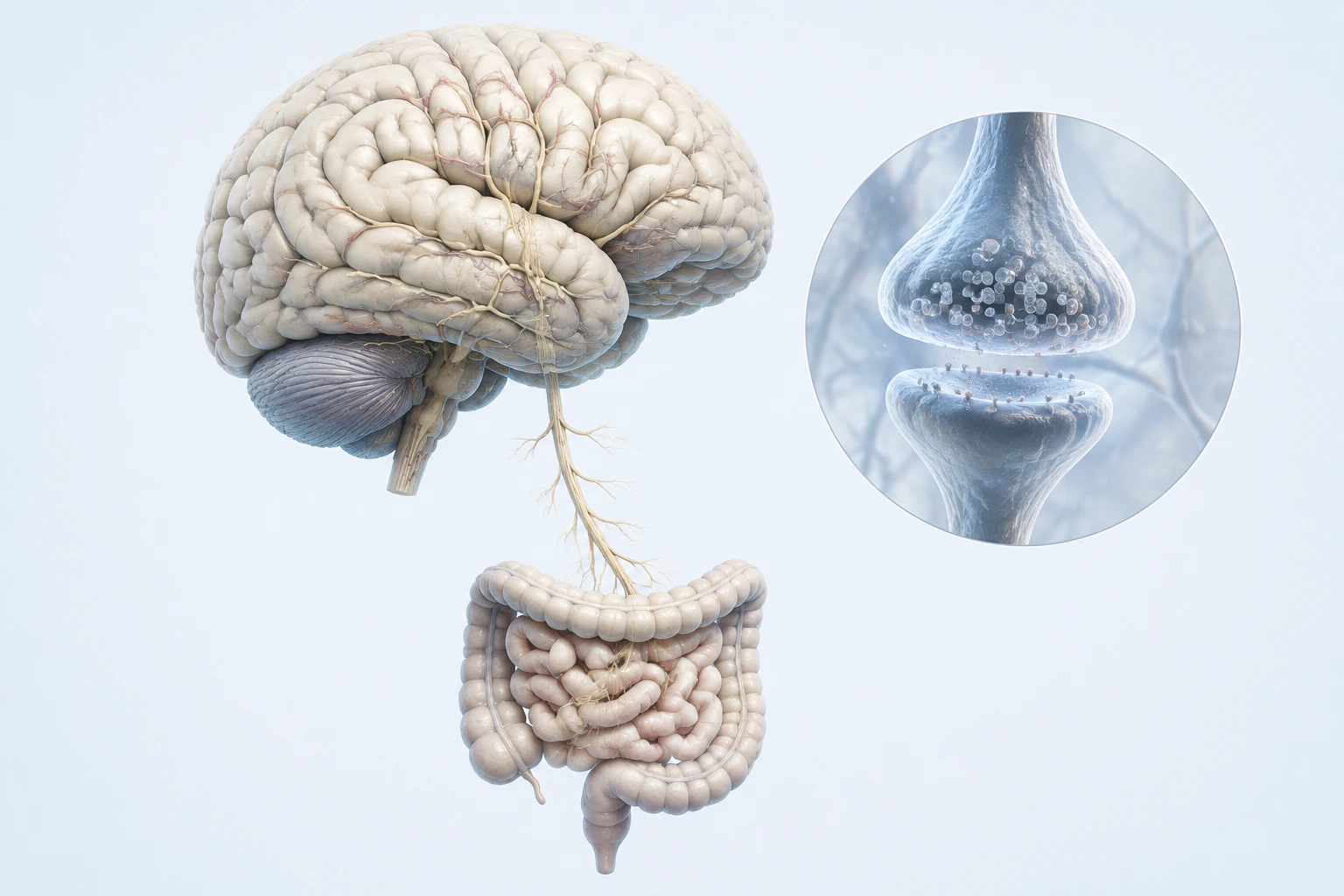
The community of trillions of microorganisms — bacteria, archaea, fungi (mycobiome), viruses, and bacteriophages — inhabiting the human gastrointestinal tract, with the highest density in the colon (~10¹¹ cells/g). The gut microbiome encodes 100–150 times more genes tha…
This knowledge-base record is being expanded from WikiBiome’s evidence graph.
Inflammation is a broad concept, but in the metallomics context it has a specific character: heavy metals and pathogens activate overlapping inflammatory pathways, creating convergent pathology where distinguishing the metal contribution from the microbial contribution …
Nuclear factor kappa-light-chain-enhancer of activated B cells (NF-kB) is a family of transcription factors that regulate inflammation, immune responses, cell survival, and proliferation. NF-kB is a convergence point where metal toxicity, pathogen signaling, and chronic…
This knowledge-base record is being expanded from WikiBiome’s evidence graph.
Pharmacomicrobiomics is the study of bidirectional interactions between drugs and the microbiome. The gut microbiome is not a passive bystander in pharmacology -- it actively metabolizes drugs, alters their bioavailability, and modulates therapeutic efficacy. Conversely…
The metals-microbiome-disease knowledge base powering Cureva.ai WikiBiome is a structured, interlinked knowledge base mapping the relationships between environmental metal exposure, gut microbiome disruption, pathogen virulence, and human disease. Built from systematic …