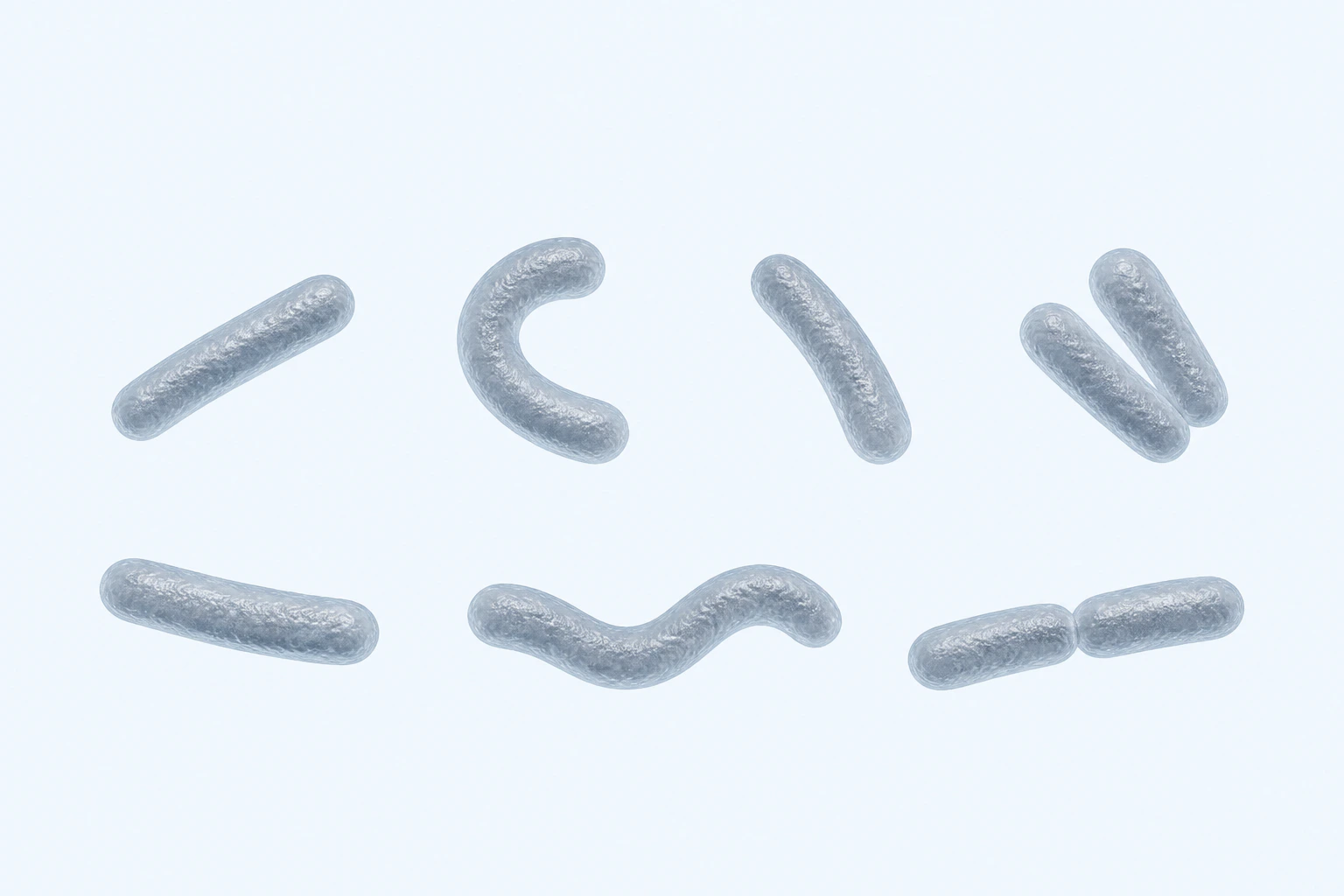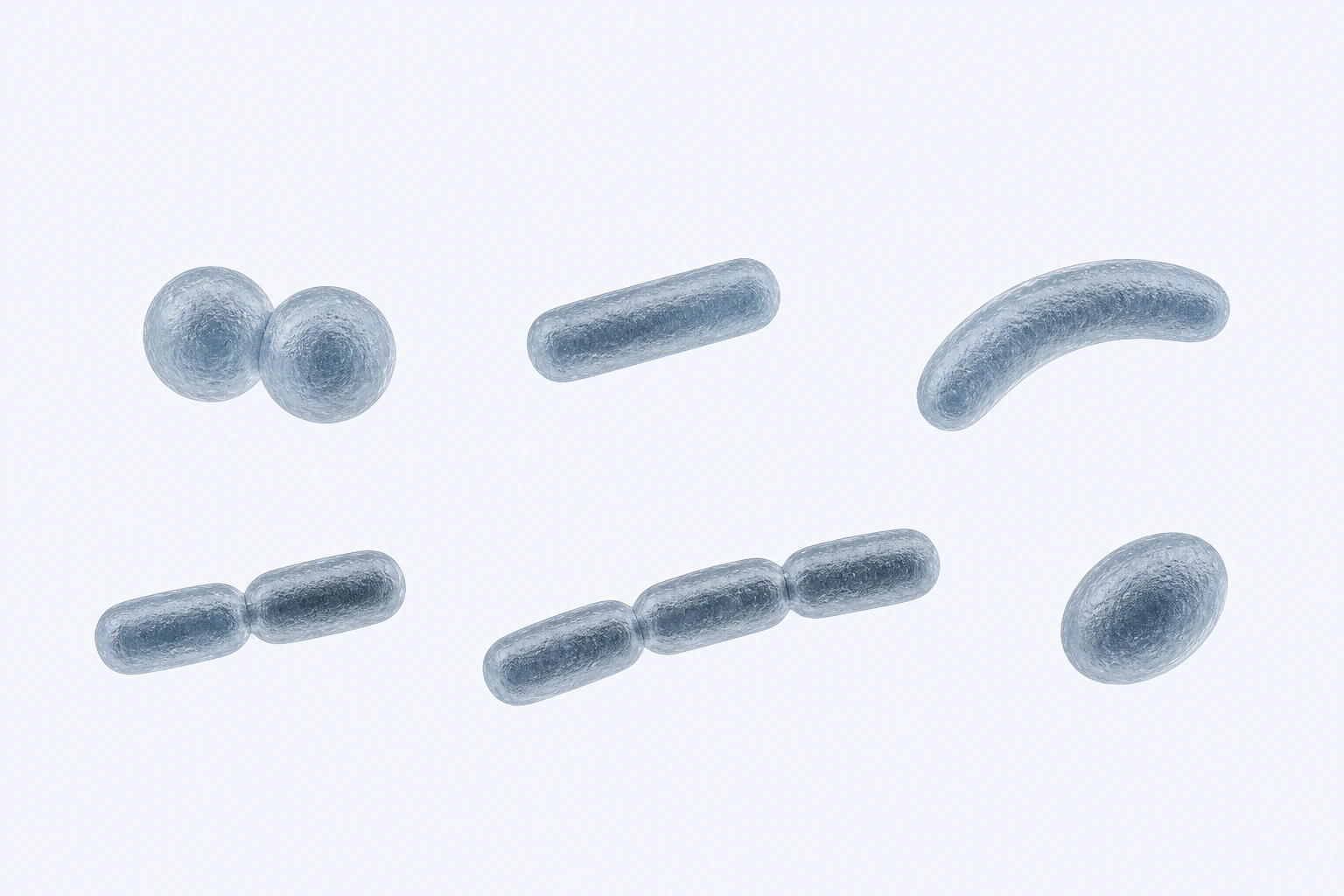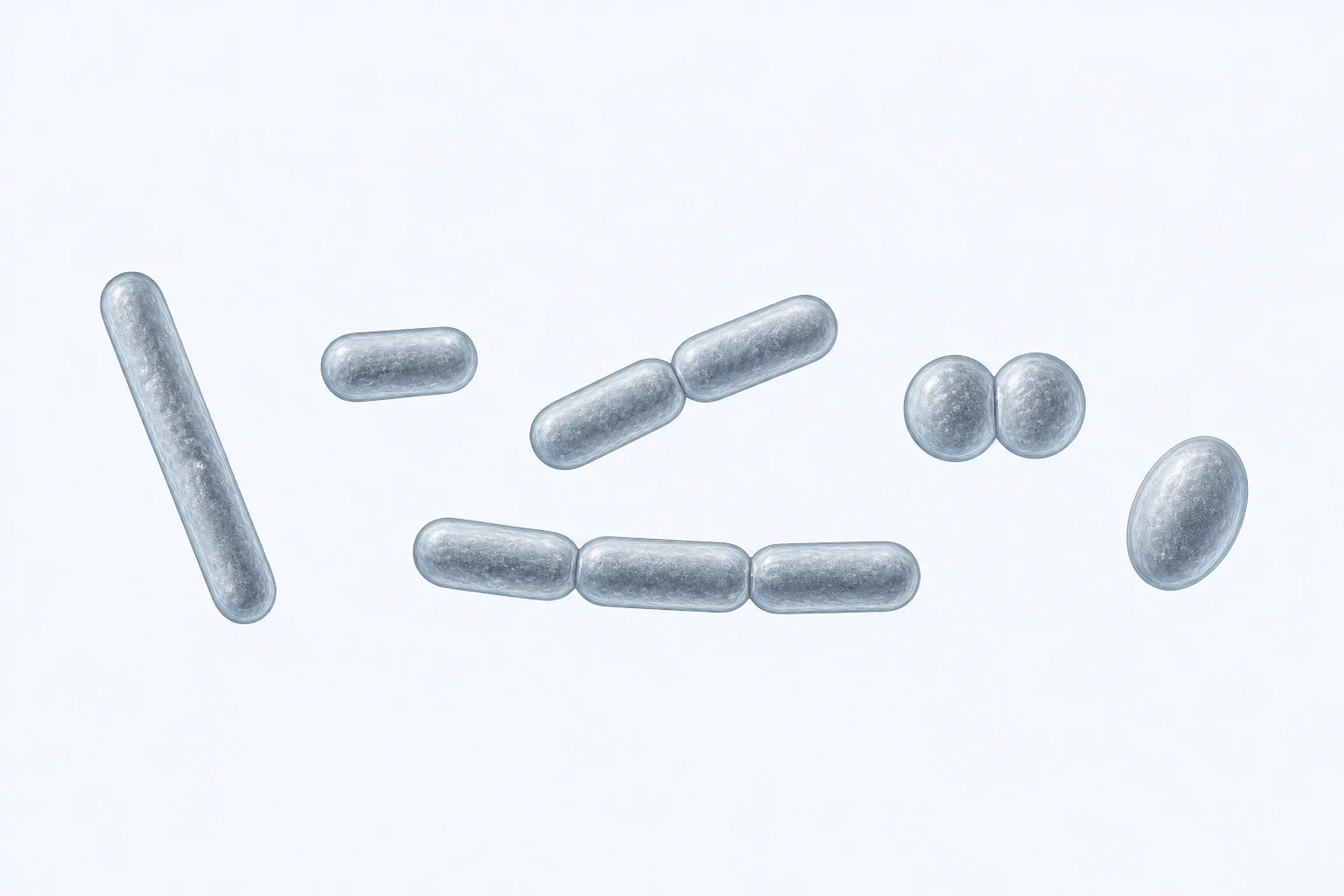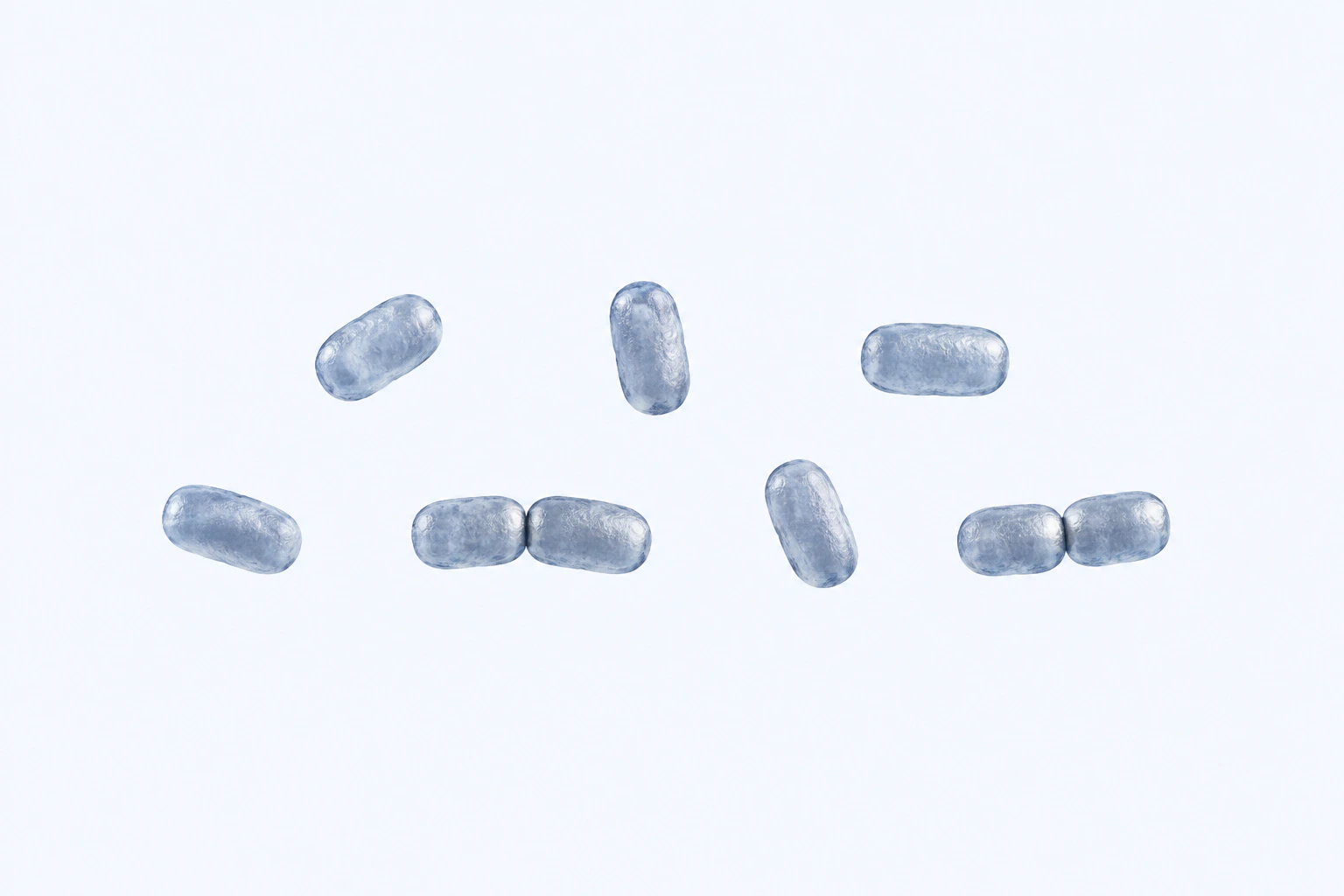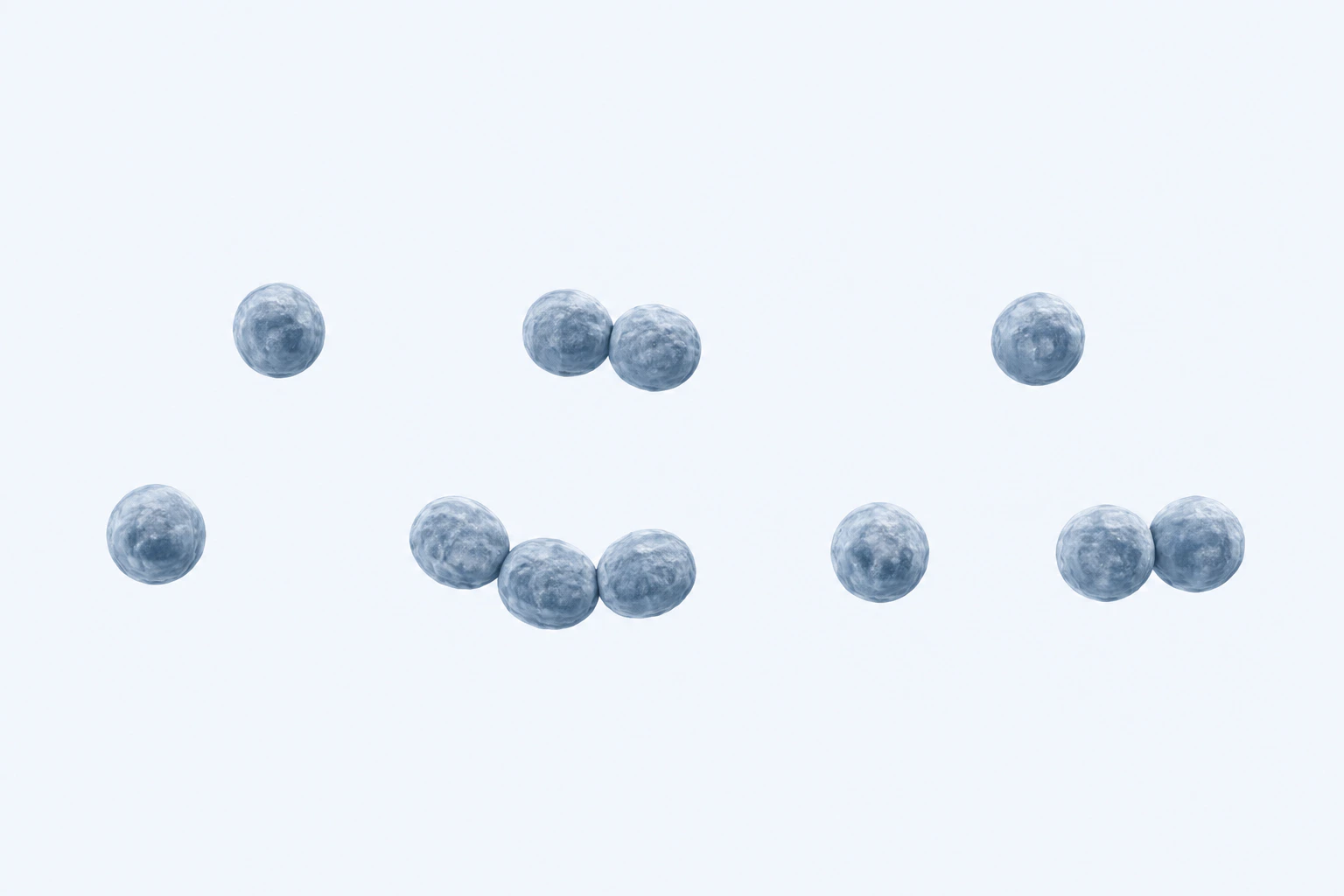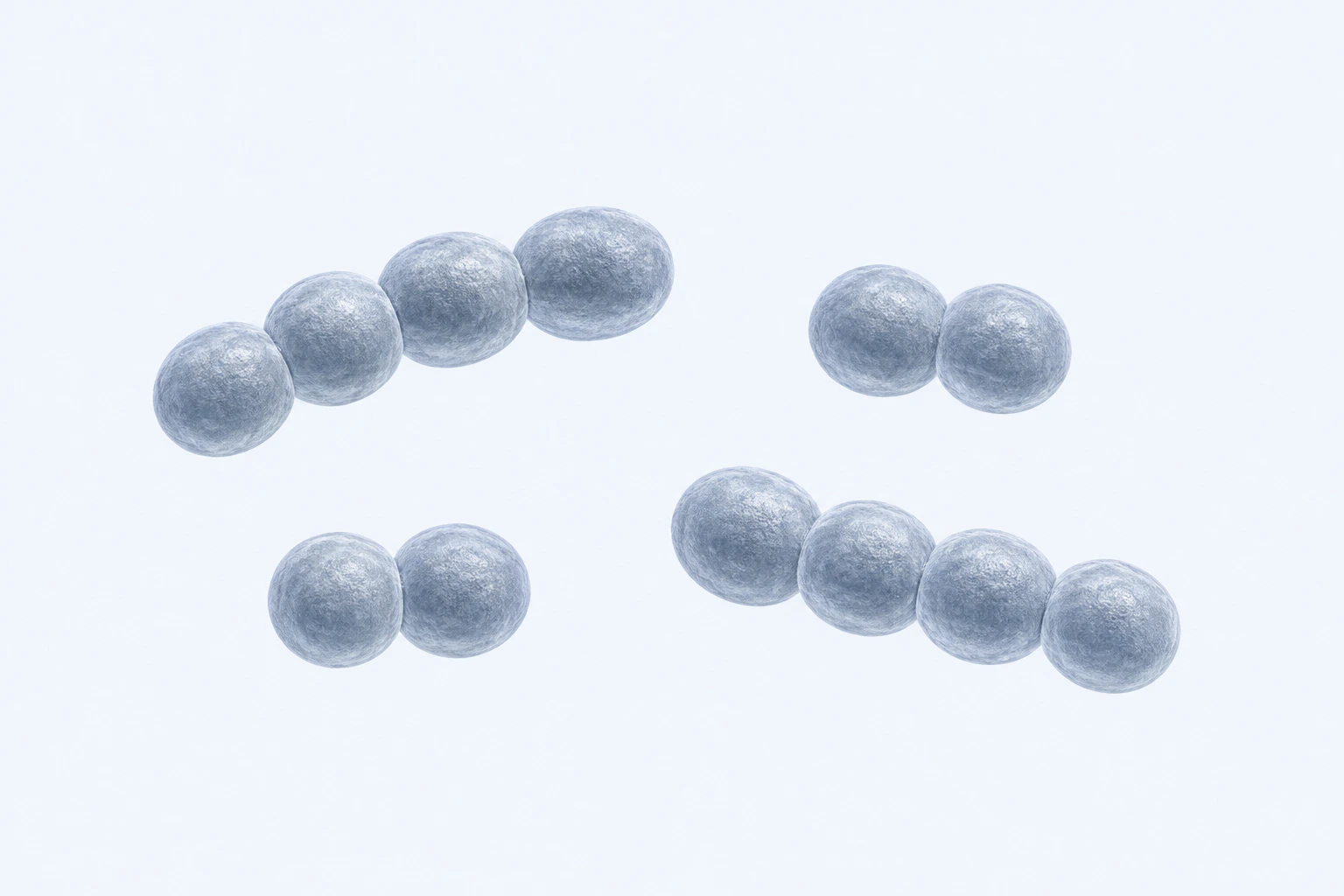
Firmicutes (Bacillota)
This knowledge-base record is being expanded from WikiBiome’s evidence graph.
WikiBiomeThe human microbiome encyclopediaRanked matches across titles, topics, categories, and article introductions.
This knowledge-base record is being expanded from WikiBiome’s evidence graph.
A Gram-negative, obligate anaerobic genus within the family veillonellaceae (class Negativicutes, phylum Firmicutes) defined by its specialized amino acid fermentation -- the genus name literally means "acid from amino acids." Acidaminococcus ferments glutamate as its p…
Anaerococcus is a genus of Gram-positive, obligate anaerobic cocci within the phylum Firmicutes. It is a normal inhabitant of the human vaginal, skin, and gastrointestinal microbiota, but is recognized as an opportunistic pathogen in dysbiotic states, particularly when …
This knowledge-base record is being expanded from WikiBiome’s evidence graph.
A genus of Gram-positive, strictly anaerobic, butyrate-producing bacteria in the order Clostridiales (phylum Firmicutes). The type species, Butyricicoccus pullicaecorum, was originally isolated from chicken caecal content but has since been identified as a significant m…

Butyrivibrio is a genus of Gram-positive, obligate anaerobic bacteria within the family Lachnospiraceae (phylum Firmicutes). Originally characterized as a dominant fiber-fermenting genus in the rumen, Butyrivibrio species are also found in the human colon where they con…
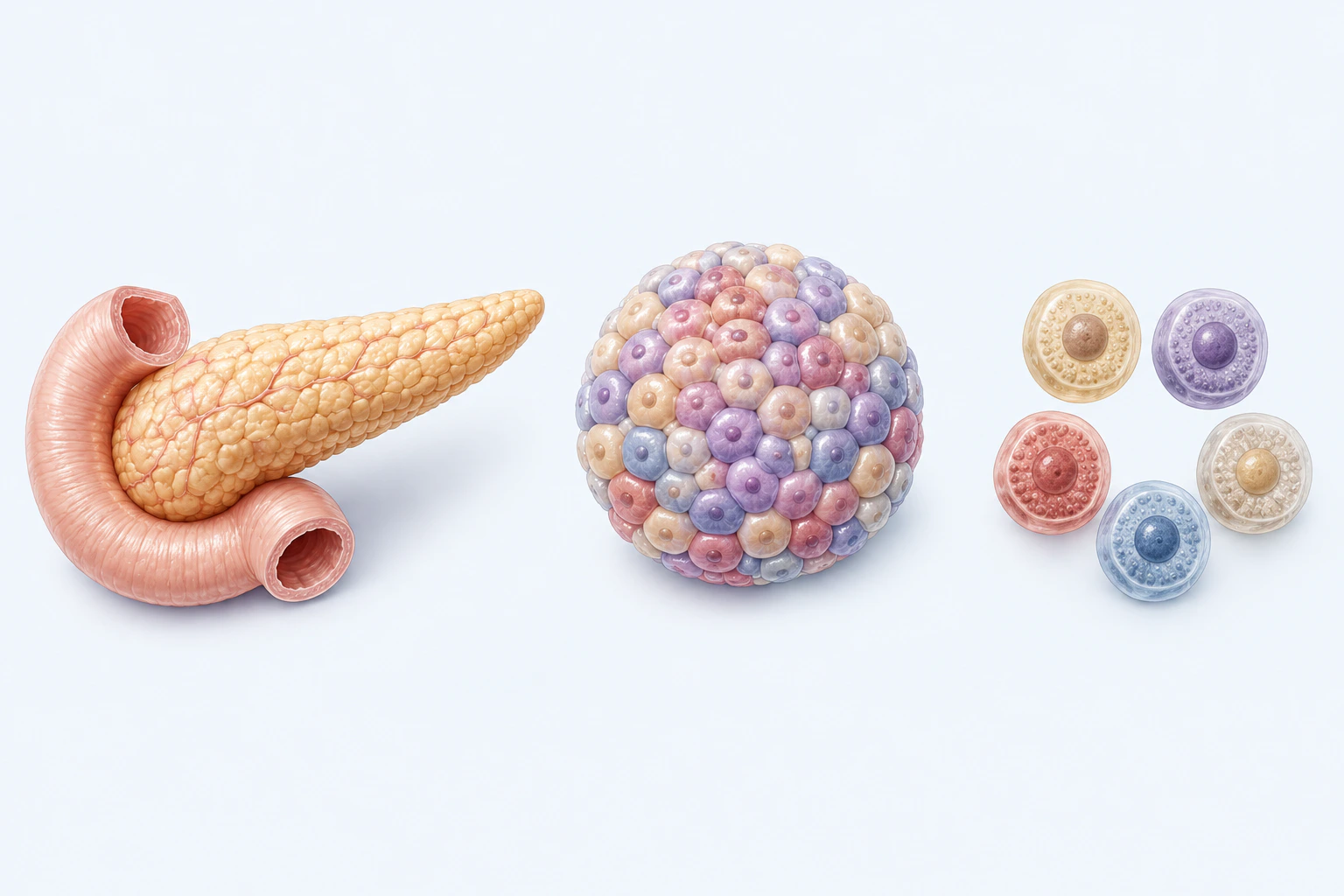
Christensenellaceae is a family of Gram-negative, strictly anaerobic bacteria within the order Clostridiales (phylum Firmicutes) that has emerged as one of the most consistently health-associated and heritable members of the human gut microbiome. First formally describe…
A class of Gram-positive, obligate anaerobic bacteria within the phylum Firmicutes that represents the most functionally diverse and clinically significant taxonomic class in the human gut microbiome. Clostridia encompasses the dominant butyrate producers sustaining col…
An order of Gram-positive, obligate anaerobic bacteria within the class clostridia (phylum Firmicutes) that represents the single most functionally important taxonomic group in the human gut. Clostridiales encompasses the major butyrate-producing families (lachnospirace…
A Gram-positive, obligate anaerobic genus within the lachnospiraceae family (Firmicutes phylum). Coprococcus is one of the most important butyrate-producing commensals in the human gut and has gained particular attention as the "happiness bug" -- one of very few taxa di…
A Gram-positive, obligate anaerobic genus within the lachnospiraceae family (Firmicutes phylum). Dorea occupies a mixed role in the gut ecosystem -- while it is a core member of the healthy human microbiome, several species are consistently enriched in autoimmune and ne…
Disruption of the normal composition and metabolic function of microbial communities, particularly the gut microbiome. In the metallomics context, dysbiosis is both a consequence of metal toxicity and an amplifier of further disease -- creating vicious cycles where meta…
Erysipelotrichaceae is a family within the phylum Firmicutes that has drawn increasing attention for its consistent enrichment in metabolic disorders. Members of this family are Gram-positive, obligate anaerobes found throughout the mammalian gastrointestinal tract, whe…
A genus of Gram-positive, obligate anaerobic bacteria within the Firmicutes phylum that includes several of the most important butyrate producers in the human colon. Key species are E. rectale, E. hallii (now reclassified as Anaerobutyricum hallii), and E. limosum. Cons…
Eubacterium rectale (recently reclassified as Agathobacter rectalis) is a Gram-positive, strictly anaerobic, non-spore-forming bacterium that belongs to Clostridium cluster XIVa within the lachnospiraceae family. It is one of the most abundant butyrate producers in the …
Faecalibacterium is a genus of obligate anaerobic, Gram-positive bacteria in the family Ruminococcaceae (phylum Firmicutes). It is the most abundant genus in the healthy human colon (5–15% of fecal bacteria) and its depletion is the single most reproducible microbiome f…
This knowledge-base record is being expanded from WikiBiome’s evidence graph.
The community of trillions of microorganisms — bacteria, archaea, fungi (mycobiome), viruses, and bacteriophages — inhabiting the human gastrointestinal tract, with the highest density in the colon (~10¹¹ cells/g). The gut microbiome encodes 100–150 times more genes tha…
A genus of Gram-positive, strictly anaerobic bacteria in the family Erysipelotrichaceae (phylum Firmicutes) that is emerging as one of the most consistently protective gut commensals in human disease. Holdemanella is depleted across a striking range of conditions -- inf…
--- title: Hungatella type: entity subtype: microbe created: 2026-04-10 updated: 2026-04-16 lastsubstantiveupdate: 2026-04-16 sources: [altinok-dindar-2023-gut-microbiota-breast-cancer-diet, qin-2024-consistent-microbiome-signatures-old-young-onset-crc, zhang-2025-gut-v…
--- title: Intestinibacter type: entity subtype: microbe created: 2026-04-10 updated: 2026-04-16 lastsubstantiveupdate: 2026-04-16 sources: [dai-2024-gut-microbiota-cvd-bidirectional-mr, xiang-2023-host-gene-microbiome-crc-mr, wu-2017-metformin-gut-microbiome-t2d-nature…
A Gram-positive, obligate anaerobic genus within the Firmicutes phylum (family Oscillospiraceae or Ruminococcaceae depending on classification) that possesses a unique metabolic capability: butyrate production from lysine fermentation rather than from dietary fiber. Thi…
Lachnobacterium is a genus of Gram-positive, obligate anaerobic bacteria within the family Lachnospiraceae (phylum Firmicutes). It is a commensal member of the healthy human gut microbiota, though relatively understudied compared to other Lachnospiraceae genera. Lachnob…
Lachnospira is a genus of Gram-positive, obligate anaerobic bacteria within the lachnospiraceae family (Firmicutes phylum). L. pectinoschiza, the type species, is a specialist pectin fermenter that produces short chain fatty acids from plant-derived polysaccharides. The…
A family within the Firmicutes phylum (order Clostridiales, formerly Clostridium cluster XIVa) that serves as a sentinel indicator of gut health -- its depletion is the single most consistent microbiome signature across nearly every disease represented in this wiki. The…
Lactobacillaceae is the family containing the genus lactobacillus and related genera. It is the dominant family in the healthy vaginal microbiome and a significant family in the gut. Family-level depletion is reported across schizophrenia szeligowski 2020 gut microbiome…
A Gram-positive, obligate anaerobic genus within the family lachnospiraceae (phylum Firmicutes) that was recently reclassified from Ruminococcus based on phylogenomic evidence. The key species Mediterraneibacter faecis (formerly Ruminococcus gnavus clade relatives) is a…
This knowledge-base record is being expanded from WikiBiome’s evidence graph.
Megasphaera is a genus of obligate anaerobic, Gram-negative bacteria in the family Veillonellaceae (class Negativicutes, phylum Firmicutes). The genus occupies two distinct ecological niches — the vaginal microbiome (where it is a hallmark of bacterial vaginosis) and th…
A chronic metabolic condition affecting over 1 billion people globally, characterized by excess adipose tissue accumulation, systemic low-grade inflammation, and gut microbiome disruption pendergrass 2026 heavy metals obesity epidemic. From a metallomics perspective, ob…
Oscillibacter is a genus of Gram-negative, strictly anaerobic, motile bacteria within the family Oscillospiraceae (phylum Firmicutes). The type species, Oscillibacter valericigenes, was first isolated from the alimentary tract of a Japanese freshwater fish and named for…
An order of Gram-positive, obligate anaerobic bacteria within the class Clostridia (phylum Firmicutes) that has emerged as one of the most consistent markers of a healthy gut ecosystem. Oscillospirales members are butyrate producers associated with leanness and metaboli…
A Gram-positive, obligate anaerobic bacterium within the Firmicutes phylum (family Peptostreptococcaceae) that has emerged as a consistently enriched organism in the colorectal cancer tumor microenvironment. While fusobacterium nucleatum receives the most attention as a…
A Gram-negative, obligate anaerobic genus within the Firmicutes phylum (family Acidaminococcaceae, class Negativicutes). The primary species P. faecium and the recently characterized P. succinatutens are specialized propionate producers that utilize succinate as their m…
Non-digestible food substrates that selectively stimulate the growth and/or activity of beneficial gut microorganisms, conferring health benefits to the host. Distinct from probiotics (live organisms) and postbiotics (microbial metabolic products), prebiotics act as fue…
A three-carbon short-chain fatty acid (SCFA) produced primarily by Bacteroidetes and certain Firmicutes through anaerobic fermentation of dietary substrates. At physiological concentrations in healthy gut microbiomes, propionic acid (PPA) is a normal fermentation produc…
This knowledge-base record is being expanded from WikiBiome’s evidence graph.
Ruminococcaceae is a family of obligate anaerobic, Gram-positive bacteria in the order Clostridiales (phylum Firmicutes) that represents one of the most important butyrate-producing and fiber-degrading families in the human gut. Key genera include faecalibacterium (incl…
A genus of Gram-positive, obligate anaerobic cocci within the Firmicutes phylum that exemplifies dual-nature microbiology — containing both keystone beneficial species and disease-associated pathobionts within the same genus. The genus spans multiple former taxonomic gr…
This knowledge-base record is being expanded from WikiBiome’s evidence graph.
A Gram-positive, facultatively anaerobic bacterium formerly classified as Streptococcus bovis biotype I that holds a unique position in clinical medicine as a sentinel organism for colorectal cancer. The detection of S. gallolyticus in blood cultures (bacteremia or endo…
<!-- Auto-created stub from Rule 13 scope discovery. 12 source pages mention this taxon. Awaiting content expansion. --
A Gram-positive, facultatively anaerobic genus within the class Erysipelotrichia (phylum Firmicutes) that has become one of the most frequently identified taxa in gut-brain and gut-immune Mendelian randomization studies. Turicibacter sanguinis, the type species, possess…
This knowledge-base record is being expanded from WikiBiome’s evidence graph.
Tyzzerella is a genus of Gram-positive, strictly anaerobic bacteria within the family Lachnospiraceae (order Clostridiales, phylum Firmicutes). It was recently reclassified from Clostridium cluster XIVa and remains poorly characterized at the species level. The genus in…
A Gram-negative, obligate anaerobic genus within the Firmicutes phylum (class Negativicutes, family Veillonellaceae). The primary species V. parvula is a specialized lactate utilizer that occupies a unique metabolic niche by cross-feeding with lactate-producing bacteria…
A family of Gram-negative, obligate anaerobic bacteria within the Firmicutes phylum (class Negativicutes) that occupies a unique metabolic niche as specialized lactate utilizers. Veillonellaceae cannot ferment sugars directly -- instead, they cross-feed on lactate produ…