Breast Milk and Human Milk Oligosaccharides (HMOs) for NEC Prevention
This knowledge-base record is being expanded from WikiBiome’s evidence graph.
WikiBiomeThe human microbiome encyclopediaRanked matches across titles, topics, categories, and article introductions.
This knowledge-base record is being expanded from WikiBiome’s evidence graph.
Human milk oligosaccharides are a diverse family of over 200 structurally distinct complex sugars found in breast milk. They are the third most abundant solid component of human milk (after lactose and lipids), yet they are not digestible by the infant. Their sole purpo…
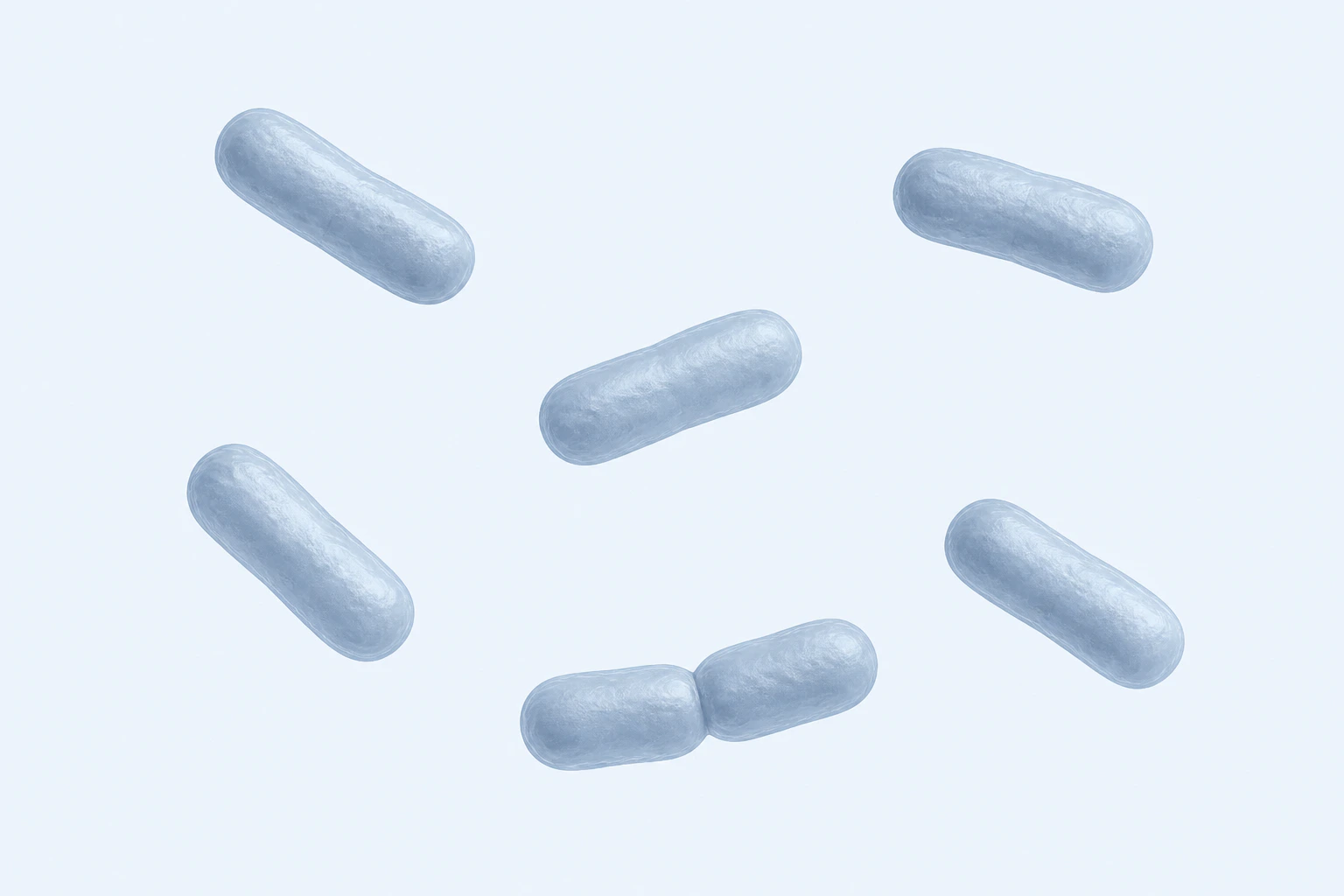
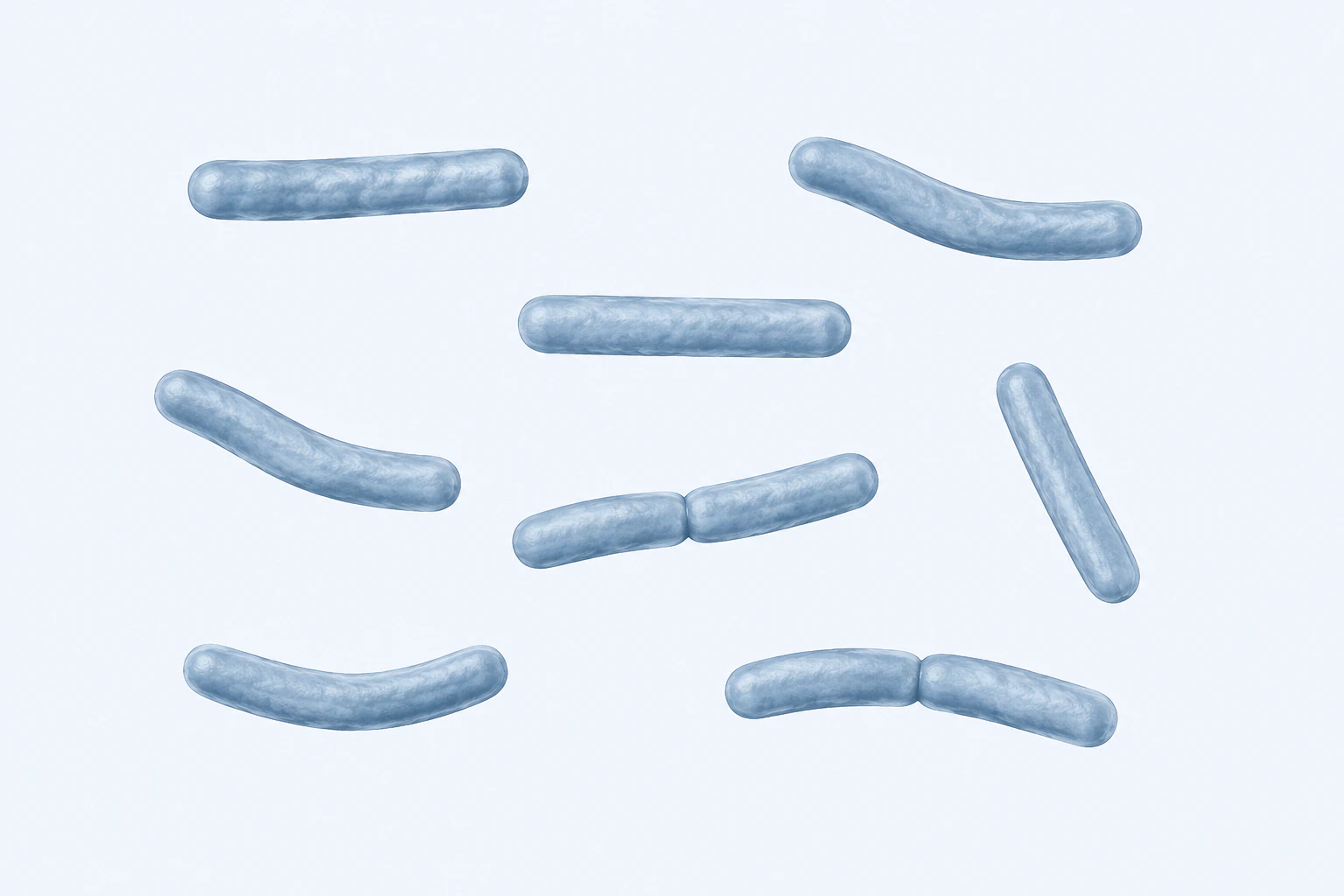
Bifidobacterium bifidum is an obligate anaerobic, Gram-positive species that specializes in human milk oligosaccharide (HMO) and mucin glycan degradation. It is one of the earliest colonizers of the infant gut and a widely used probiotic species.
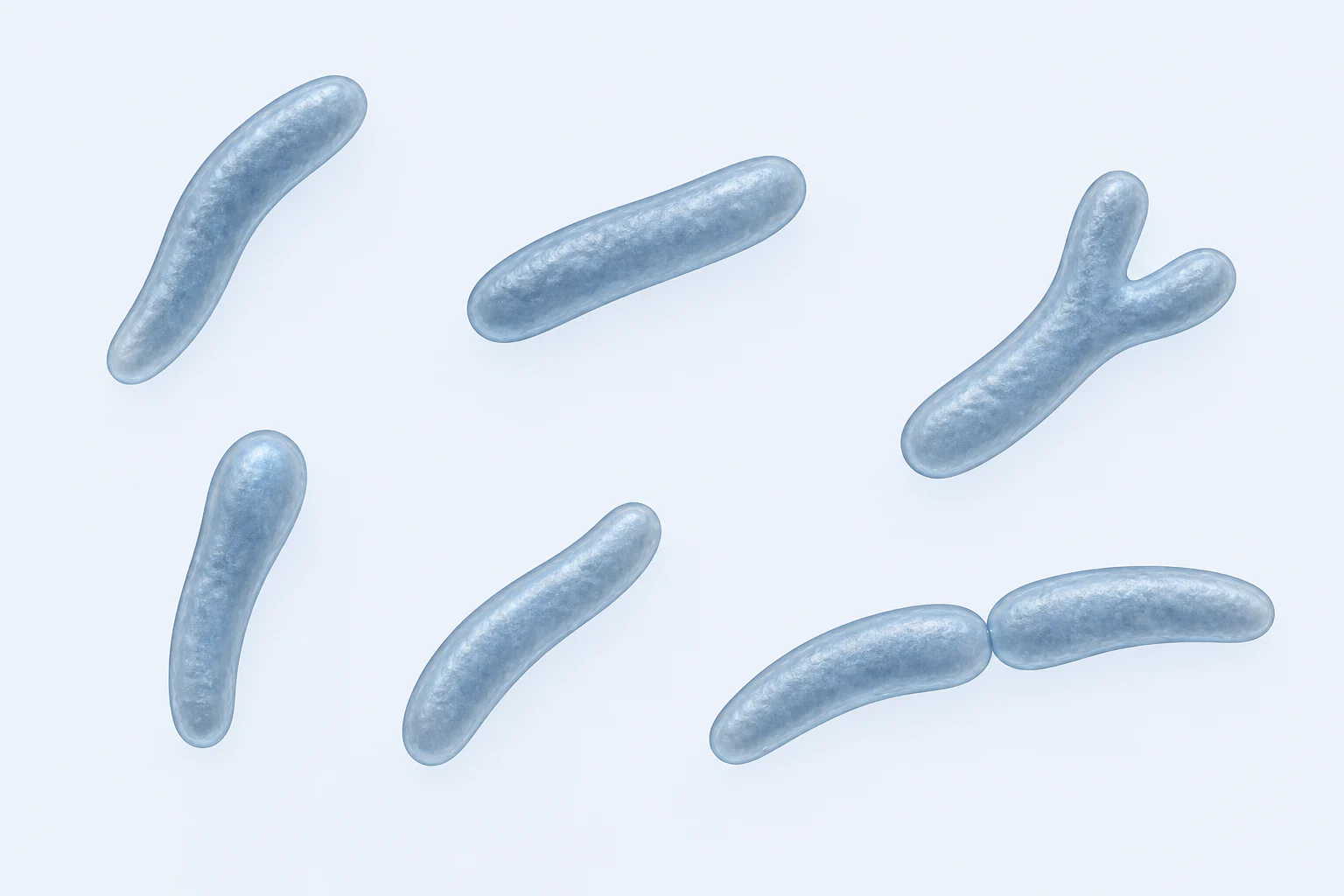
Bifidobacterium breve is a Gram-positive, obligate anaerobic species within the phylum Actinobacteria, predominantly found in the infant gut and breast milk. It is among the earliest colonizers of the neonatal intestine and plays a key role in human milk oligosaccharide…
Bifidobacterium longum subsp. infantis (commonly called B. infantis) is the premier human milk oligosaccharide (HMO)-utilizing bacterium and the dominant species in the breastfed infant gut. It drives immune maturation, Treg induction, and pathogen exclusion in early li…
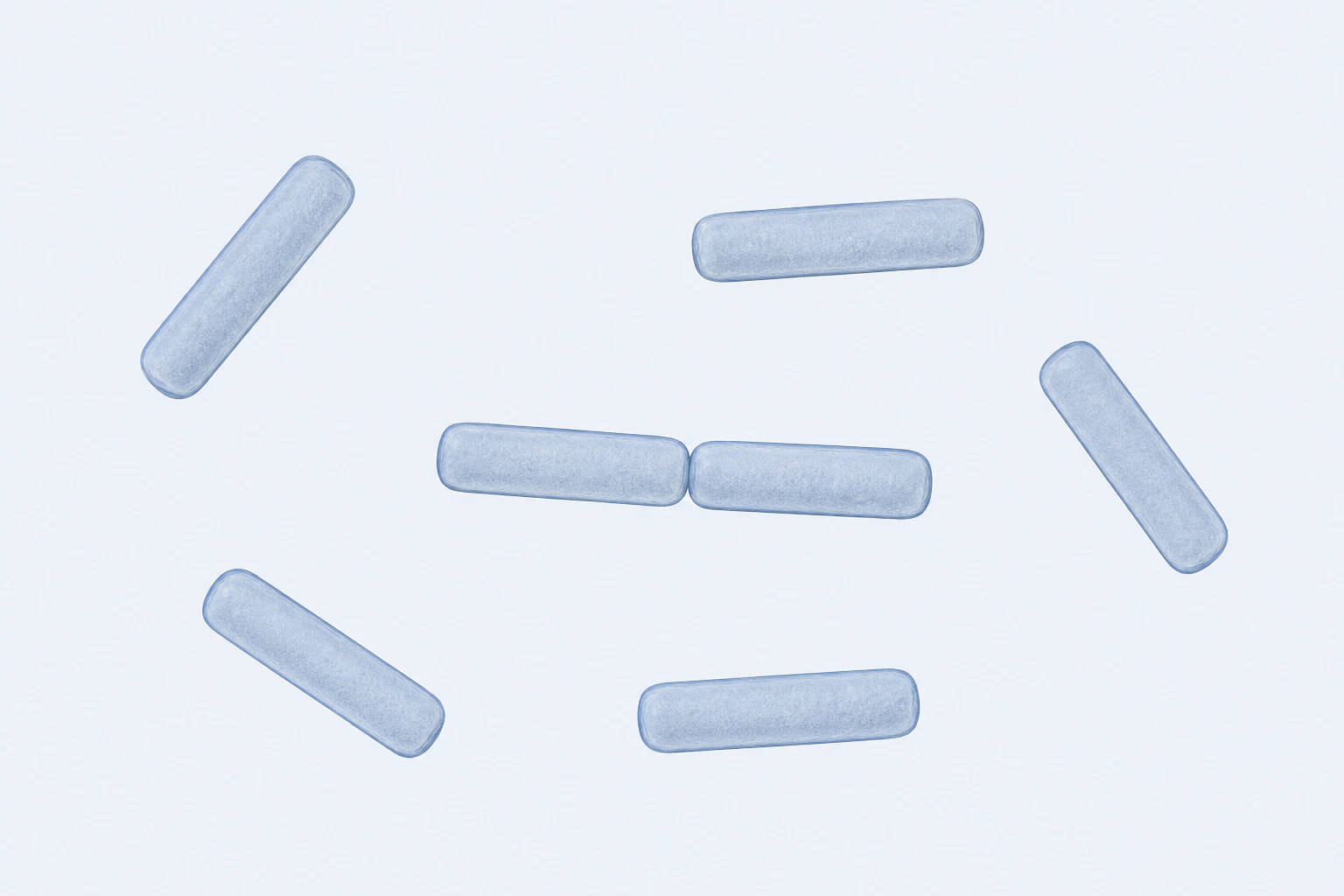
Clostridium perfringens is a Gram-positive, strictly anaerobic, spore-forming bacterium infamous for causing gas gangrene, food poisoning, and necrotizing enterocolitis (NEC) in premature infants. It is one of the most widely distributed pathogenic bacteria in nature, f…
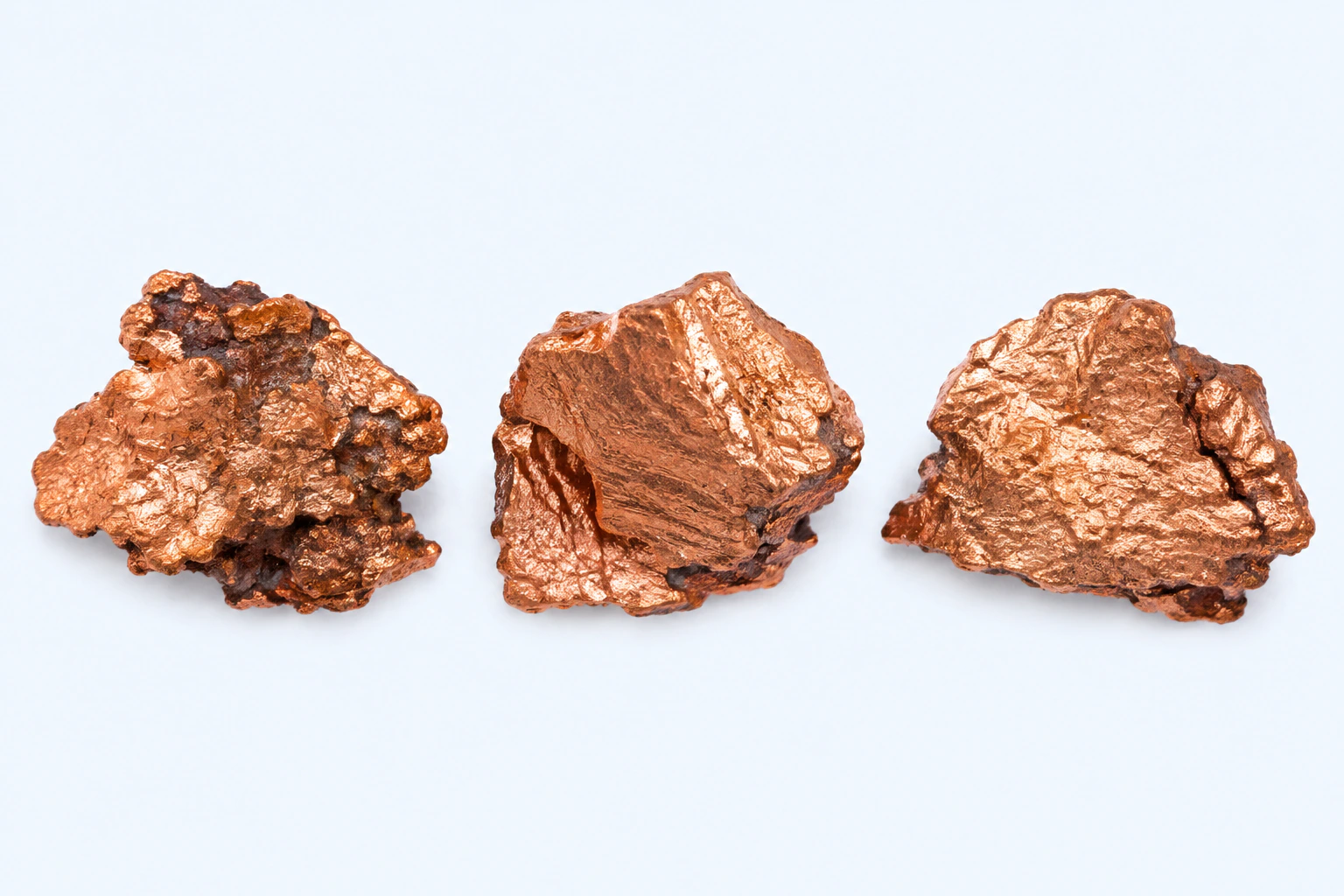
An essential trace element with a striking dual nature: required for survival as a cofactor for critical enzymes (SOD1, cytochrome c oxidase, ceruloplasmin), yet toxic in excess through Fenton-like redox cycling and mis metallation of iron-sulfur clusters. Copper is ele…
Alphabetical definitions of specialist terms used throughout this wiki. Where a full concept page exists, the term links to it. --- AhR (aryl hydrocarbon receptor) -- A ligand-activated transcription factor that senses microbial metabolites (especially indoles from tryp…
The causative agent of tuberculosis (TB), the leading infectious disease killer worldwide (~1.3 million deaths annually). M. tuberculosis has an exceptionally complex metal biology: it deploys nickel-dependent hydrogenase and urease for intracellular survival, species-s…
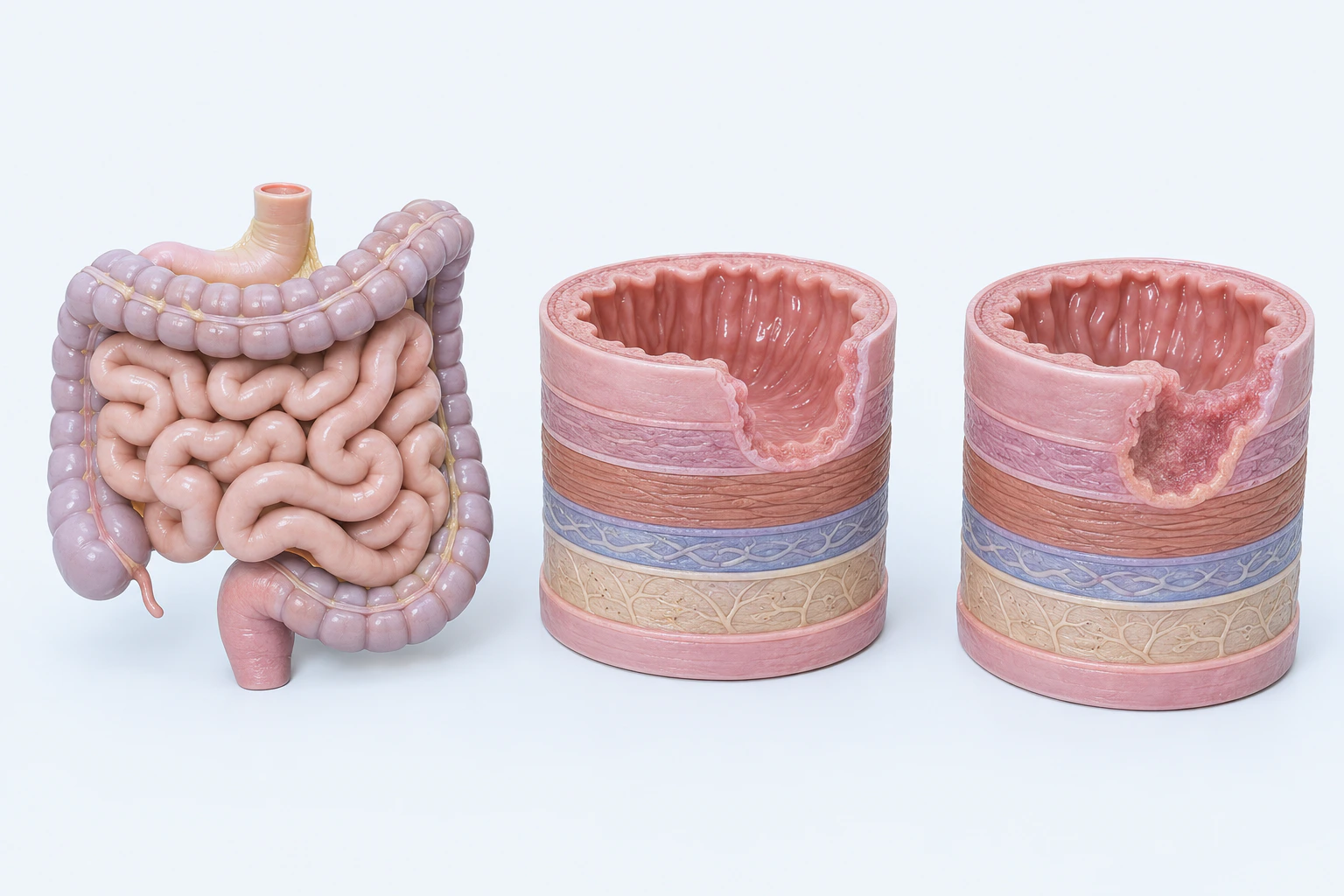
Necrotizing enterocolitis (NEC) is the most common and lethal gastrointestinal emergency in premature infants, affecting 5-12% of very low birth weight neonates (<1500 g) with mortality rates of 20-30%. Characterized by intestinal inflammation, necrosis, and perforation…
Non-digestible food substrates that selectively stimulate the growth and/or activity of beneficial gut microorganisms, conferring health benefits to the host. Distinct from probiotics (live organisms) and postbiotics (microbial metabolic products), prebiotics act as fue…
A genus of ascomycete yeasts (formerly classified as Zygosaccharomyces) found in fermentation environments (bread, wine, kombucha) and increasingly detected as a component of the human gut mycobiome. While typically at low abundance in healthy individuals, Torulaspora d…
Tuberculosis is caused by mycobacterium tuberculosis, an intracellular pathogen that survives inside macrophage phagosomes. In the WikiBiome framework, TB exemplifies the intracellular metal battleground: M. tuberculosis deploys mycobactins (lipophilic siderophores) and…
This knowledge-base record is being expanded from WikiBiome’s evidence graph.