Saccharolytic Fermentation
This knowledge-base record is being expanded from WikiBiome’s evidence graph.
WikiBiomeThe human microbiome encyclopediaRanked matches across titles, topics, categories, and article introductions.
This knowledge-base record is being expanded from WikiBiome’s evidence graph.
A Gram-negative, obligate anaerobic genus within the family veillonellaceae (class Negativicutes, phylum Firmicutes) defined by its specialized amino acid fermentation -- the genus name literally means "acid from amino acids." Acidaminococcus ferments glutamate as its p…
Bacteroidales is an order of obligate anaerobic, Gram-negative bacteria within the phylum Bacteroidetes. It includes the families Bacteroidaceae (bacteroides), Prevotellaceae (prevotella), Rikenellaceae, and Porphyromonadaceae (porphyromonas). Bacteroidales are among th…
A Gram-negative obligate anaerobe that exemplifies the commensal-pathobiont spectrum. B. vulgatus is a common component of the healthy gut microbiota, yet is significantly enriched in colorectal cancer and depression, suggesting a context-dependent pathogenic potential.…
Butyrivibrio is a genus of Gram-positive, obligate anaerobic bacteria within the family Lachnospiraceae (phylum Firmicutes). Originally characterized as a dominant fiber-fermenting genus in the rumen, Butyrivibrio species are also found in the human colon where they con…
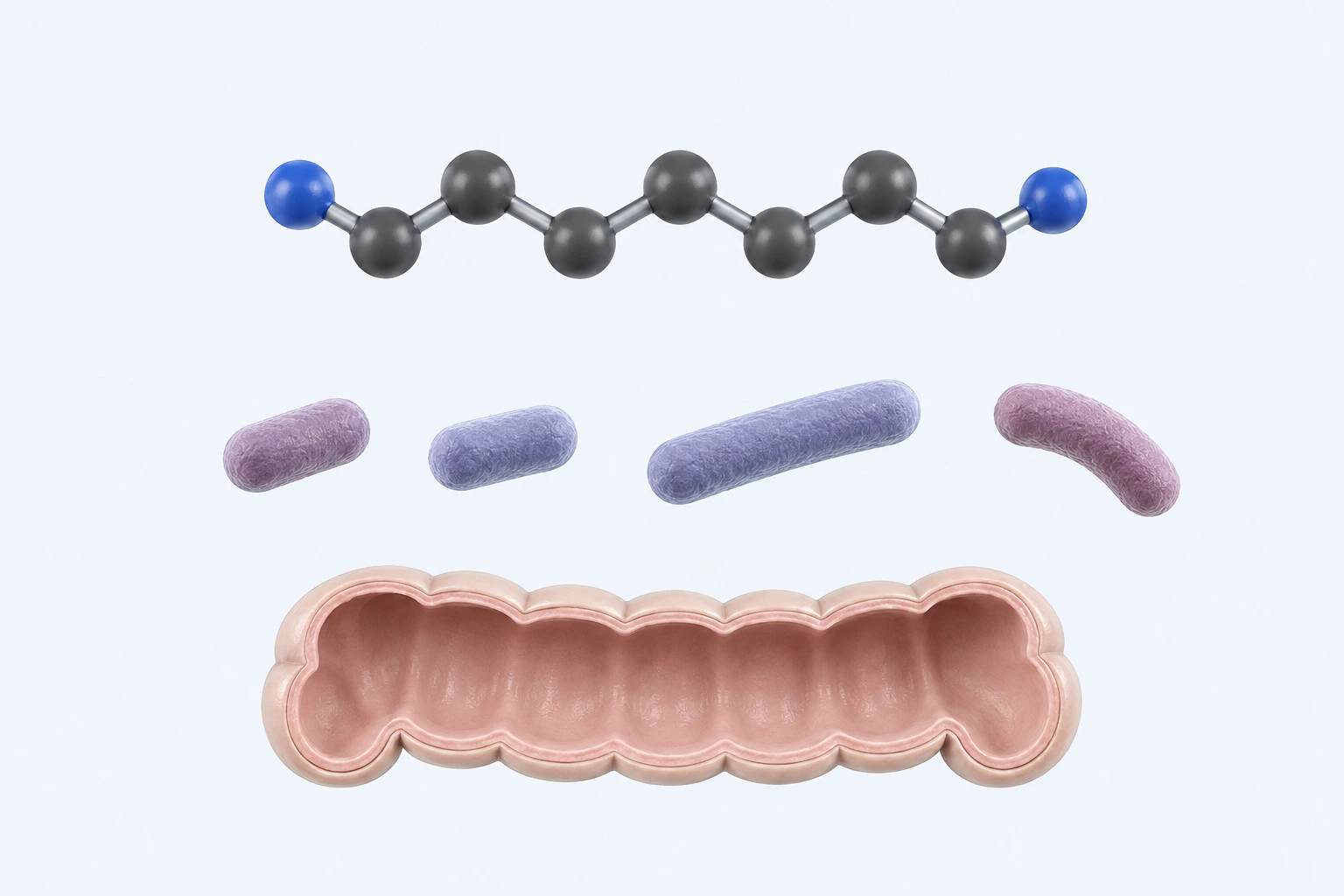
Cadaverine (1,5-diaminopentane) is a biogenic amine produced by bacterial lysine decarboxylase — primarily by Enterobacteriaceae, Fusobacterium, and Clostridium — during proteolytic fermentation of undigested protein in the distal colon. It is a product of putrefaction …
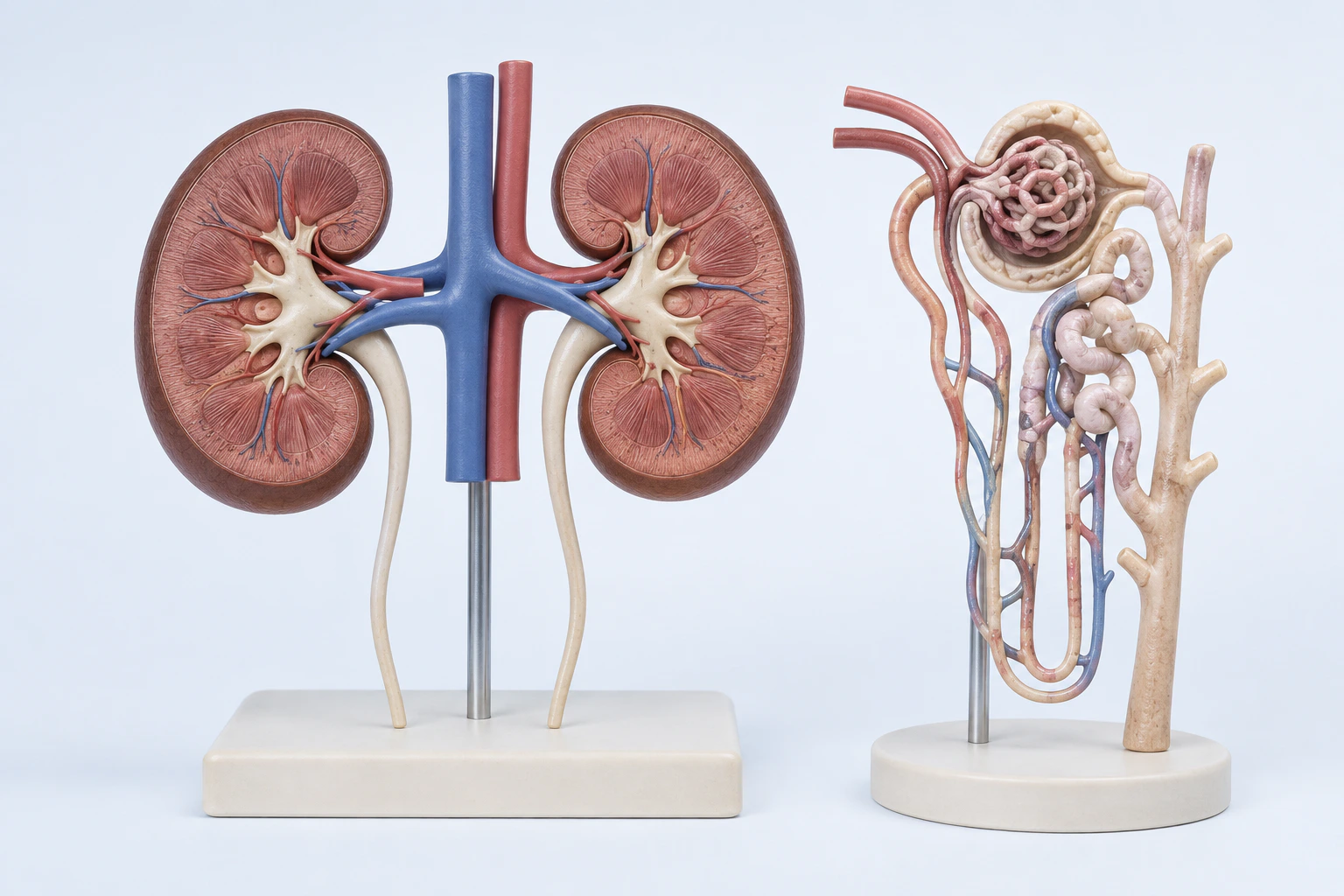
A progressive loss of kidney function affecting approximately 850 million people worldwide (10–14% of adults), causing 1.2 million deaths annually. CKD is unique among diseases in this wiki because it occupies both sides of the metal-disease equation: heavy metals (Cd, …
Debaryomyces is a genus of ascomycetous fungi, with D. hansenii being the most clinically relevant species, that represents a prominent opportunistic pathobiont enriched in inflammatory bowel disease, particularly crohns disease. Unlike many commensal fungi, Debaryomyce…
Research summary — not medical advice. This page synthesizes published research on a mechanism-level intervention. It is not a clinical recommendation. Consult a qualified healthcare provider before making any changes to diet, supplementation, or treatment.
Alphabetical definitions of specialist terms used throughout this wiki. Where a full concept page exists, the term links to it. --- AhR (aryl hydrocarbon receptor) -- A ligand-activated transcription factor that senses microbial metabolites (especially indoles from tryp…
Research summary — not medical advice. This page synthesizes published research on a mechanism-level intervention. It is not a clinical recommendation.
A Gram-positive, obligate anaerobic genus within the Firmicutes phylum (family Oscillospiraceae or Ruminococcaceae depending on classification) that possesses a unique metabolic capability: butyrate production from lysine fermentation rather than from dietary fiber. Thi…
Lachnospira is a genus of Gram-positive, obligate anaerobic bacteria within the lachnospiraceae family (Firmicutes phylum). L. pectinoschiza, the type species, is a specialist pectin fermenter that produces short chain fatty acids from plant-derived polysaccharides. The…
Lactococcus lactis is a Gram-positive, facultatively anaerobic, lactic acid bacterium best known as the workhorse of the dairy fermentation industry. It holds GRAS (Generally Recognized As Safe) status and has emerged as a versatile platform for probiotic and therapeuti…
This knowledge-base record is being expanded from WikiBiome’s evidence graph.
The only archaeon represented in this wiki -- Methanobrevibacter smithii is the dominant methane-producing microorganism in the human gut, belonging to the domain Archaea rather than Bacteria. As a hydrogenotrophic methanogen, it converts H2 + CO2 into methane (CH4), pl…
A microbial metabolite produced by gut bacteria through tyrosine fermentation that has emerged as one of the most consistent biomarkers linking gut dysbiosis to neurological and renal disease. p-Cresol (4-methylphenol) is a simple aromatic compound, but its effects are …
Propionibacterium (largely reclassified as Cutibacterium for skin species) is a genus of Gram-positive, anaerobic to aerotolerant bacteria that produce propionic acid as their primary fermentation product. P. acnes (now Cutibacterium acnes) is the dominant skin commensa…
A three-carbon short-chain fatty acid (SCFA) produced primarily by Bacteroidetes and certain Firmicutes through anaerobic fermentation of dietary substrates. At physiological concentrations in healthy gut microbiomes, propionic acid (PPA) is a normal fermentation produc…
A Gram-positive obligate anaerobe that has emerged as a pro-inflammatory pathobiont enriched across multiple disease states including crohns disease, depression, and multiple sclerosis. R. gnavus produces a species-specific inflammatory polysaccharide that activates int…
Saccharomyces cerevisiae is a unicellular budding fungus (ascomycete) ubiquitous in fermentation, brewing, bread-making, and increasingly used as a pharmaceutical probiotic (Hatoum et al. 2012). The strain S. boulardii (also called S. cerevisiae var. boulardii) is the m…
The most extensively referenced missing concept in this wiki. SCFAs -- acetate (C2), propionate (C3), and butyrate (C4) -- are the primary metabolic products of anaerobic bacterial fermentation of dietary fiber in the colon. They serve as the critical molecular link bet…
Streptococcus thermophilus is a Gram-positive, facultative anaerobic coccus that is the primary probiotic species used in commercial yogurt fermentation and thermophilic dairy fermentation worldwide. Distinct from pathogenic Streptococcus species, S. thermophilus produc…
A genus of ascomycete yeasts (formerly classified as Zygosaccharomyces) found in fermentation environments (bread, wine, kombucha) and increasingly detected as a component of the human gut mycobiome. While typically at low abundance in healthy individuals, Torulaspora d…
Uremic toxins are metabolic waste products that accumulate in the blood when kidney function declines. A striking proportion of the most clinically significant uremic toxins are produced not by human metabolism but by the gut microbiome -- making the gut-kidney axis a c…