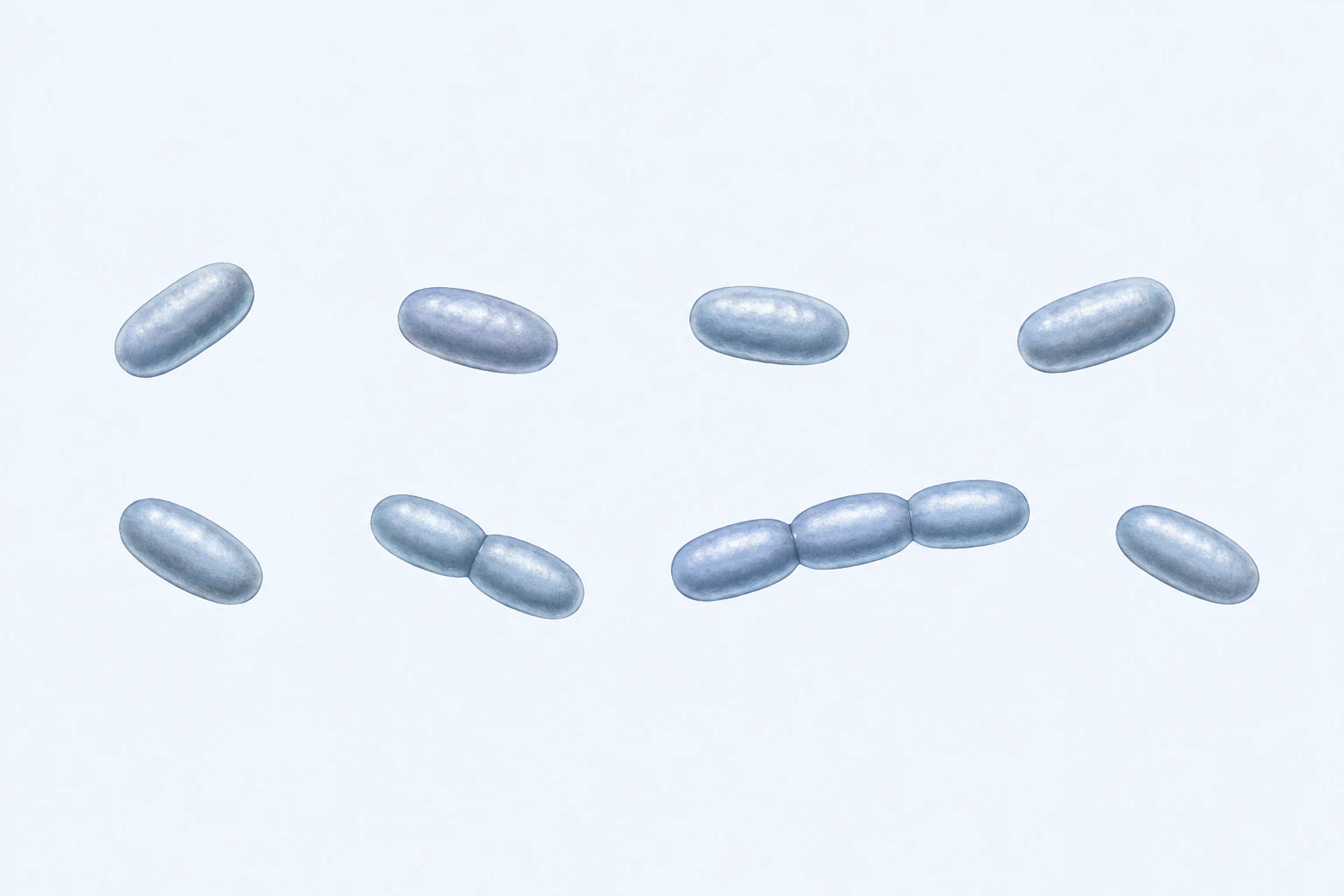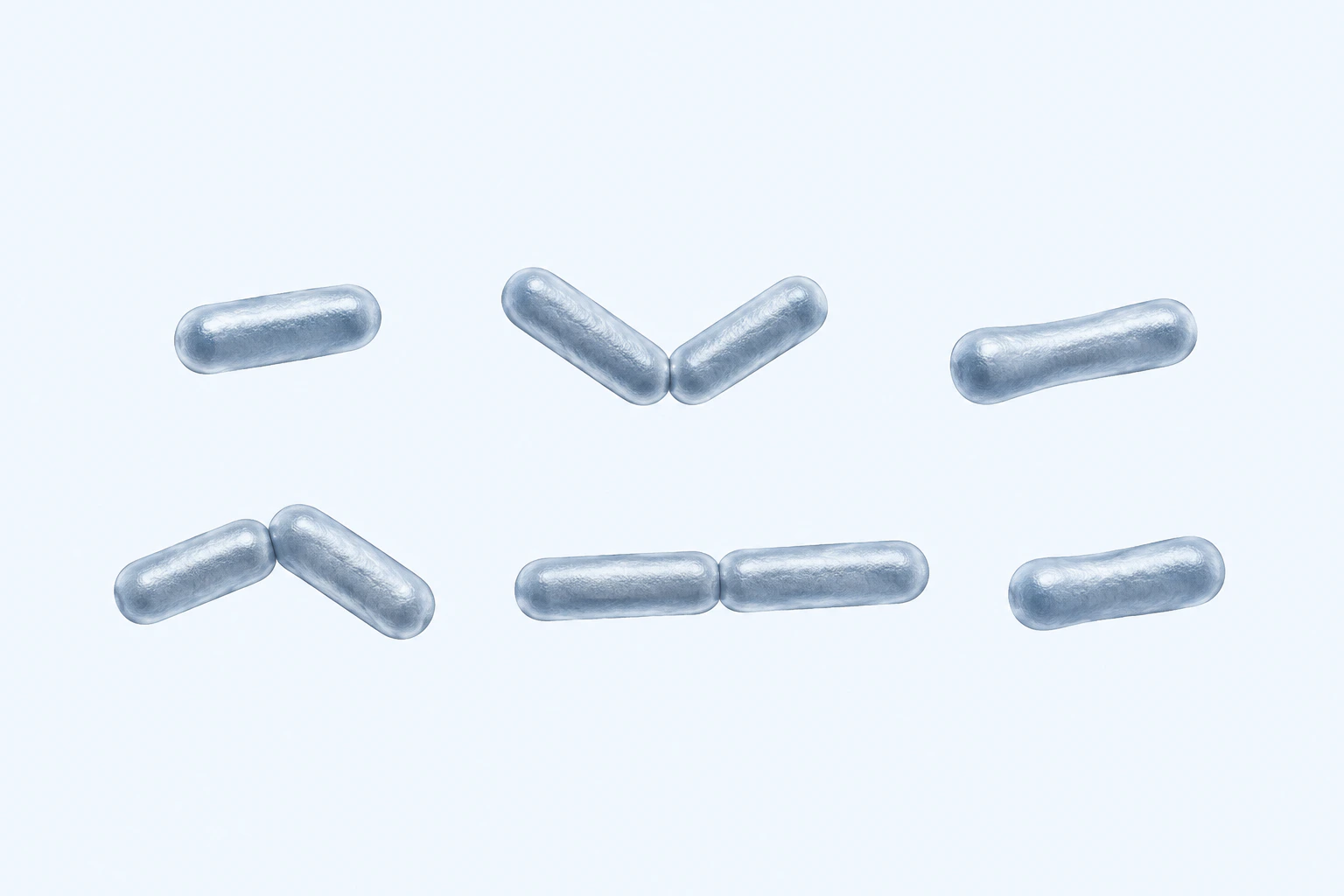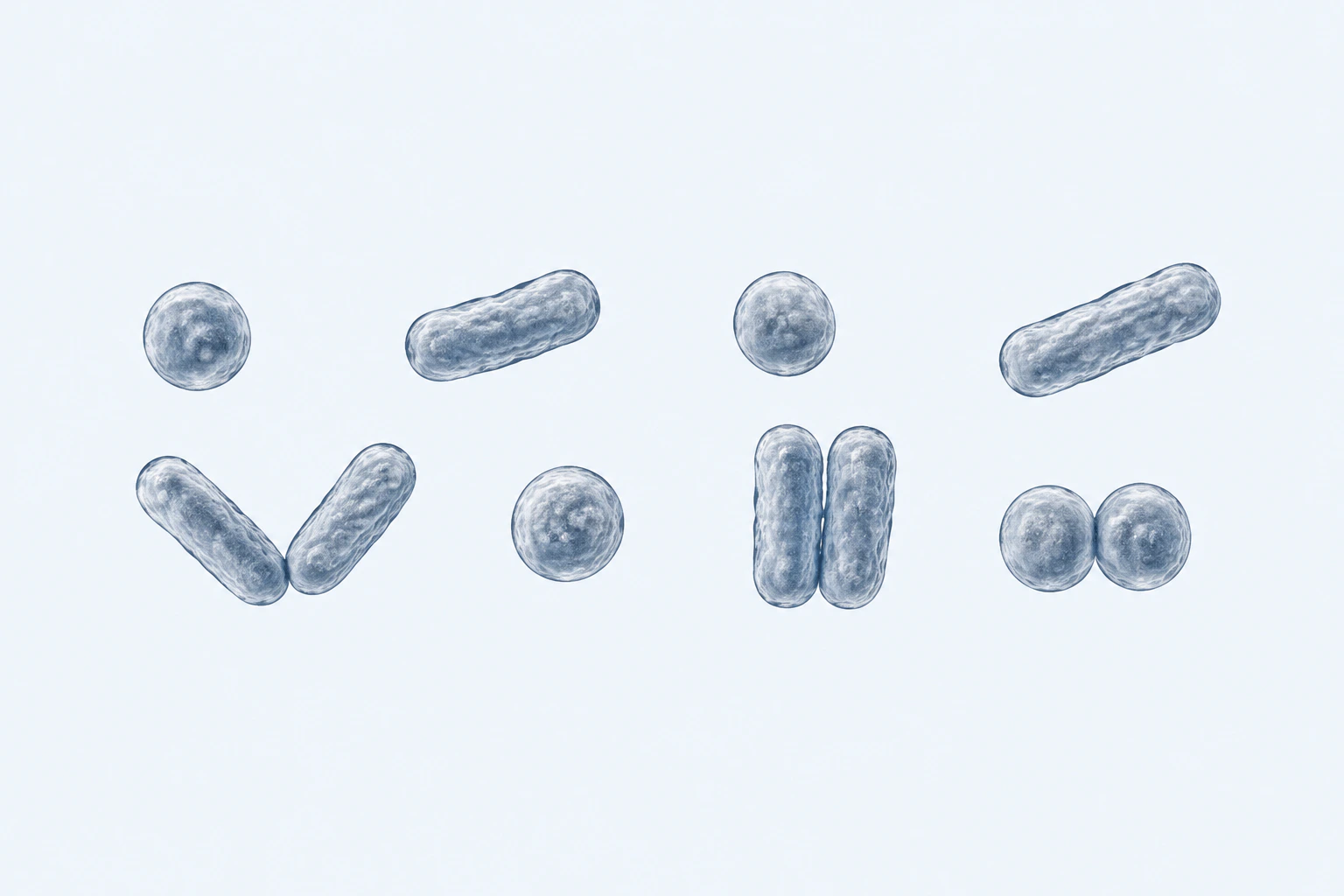

Actinobacteria (Actinomycetota)
This knowledge-base record is being expanded from WikiBiome’s evidence graph.
WikiBiomeThe human microbiome encyclopediaRanked matches across titles, topics, categories, and article introductions.
This knowledge-base record is being expanded from WikiBiome’s evidence graph.
Alloscardovia is a genus of anaerobic, Gram-positive bacteria in the family Bifidobacteriaceae (phylum Actinobacteria). The primary species is A. omnicolens, which colonizes the human urogenital tract. In the WikiBiome vault, Alloscardovia appears exclusively in endomet…
Atopobium is a genus of obligate anaerobic, Gram-positive bacteria in the phylum Actinobacteria. The primary species of clinical relevance is A. vaginae (recently reclassified as Fannyhessea vaginae), which is one of the hallmark organisms of bacterial vaginosis (BV) an…
This knowledge-base record is being expanded from WikiBiome’s evidence graph.
Bifidobacteriaceae is the family containing bifidobacterium and related genera (alloscardovia). It is the dominant family in the healthy infant gut and a significant commensal family in adults. Family-level depletion is documented in ASD (marked reduction of Actinobacte…
This knowledge-base record is being expanded from WikiBiome’s evidence graph.
Bifidobacterium adolescentis is a Gram-positive, obligate anaerobic species within the phylum Actinobacteria and the dominant Bifidobacterium species in the adult human gut. It is a specialist degrader of resistant starch and dietary fiber, producing acetate and lactate…
Bifidobacterium breve is a Gram-positive, obligate anaerobic species within the phylum Actinobacteria, predominantly found in the infant gut and breast milk. It is among the earliest colonizers of the neonatal intestine and plays a key role in human milk oligosaccharide…
A genus of Gram-positive, obligate anaerobic bacteria within the Actinobacteria phylum (family Coriobacteriaceae) that has emerged as a consistent pathobiont enriched in cardiometabolic and autoimmune diseases. C. aerofaciens is the most studied species, with establishe…
Eggerthella is a genus of Gram-positive, strictly anaerobic, non-spore-forming bacteria in the family Eggerthellaceae (phylum Actinobacteria). The most studied species, Eggerthella lenta, was originally classified as Eubacterium lentum before reclassification. It is a n…
This knowledge-base record is being expanded from WikiBiome’s evidence graph.
Propionibacterium (largely reclassified as Cutibacterium for skin species) is a genus of Gram-positive, anaerobic to aerotolerant bacteria that produce propionic acid as their primary fermentation product. P. acnes (now Cutibacterium acnes) is the dominant skin commensa…
Rothia is a genus of Gram-positive, facultatively anaerobic bacteria in the family Micrococcaceae (phylum Actinobacteria). The most commonly identified species in microbiome studies are Rothia dentocariosa and Rothia mucilaginosa, both of which are primary inhabitants o…
A Gram-positive, obligate anaerobic genus within the phylum Actinobacteria (family Coriobacteriaceae) that has emerged as one of the most frequently identified taxa in Mendelian randomization studies across disparate conditions -- erectile dysfunction, chronic kidney di…