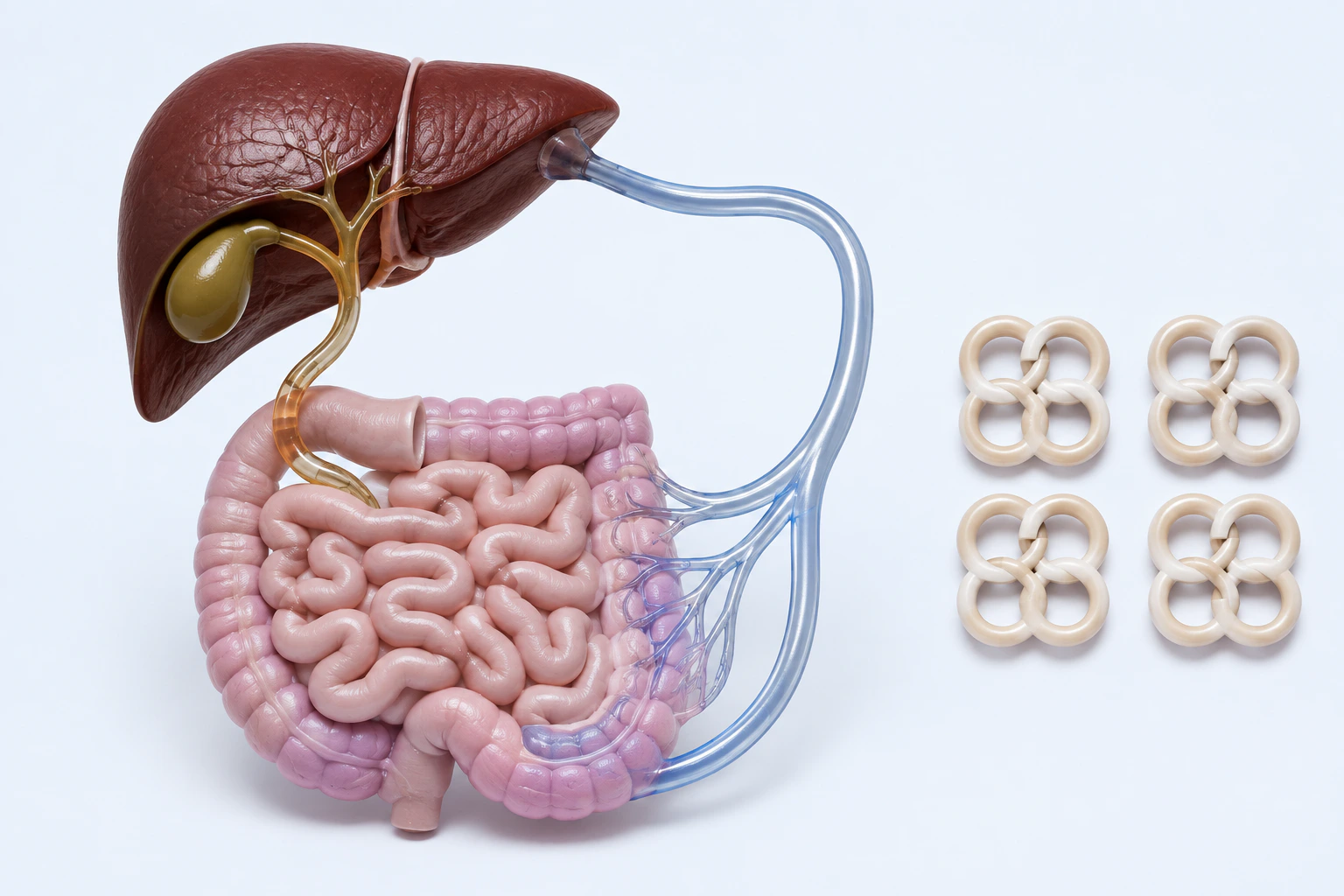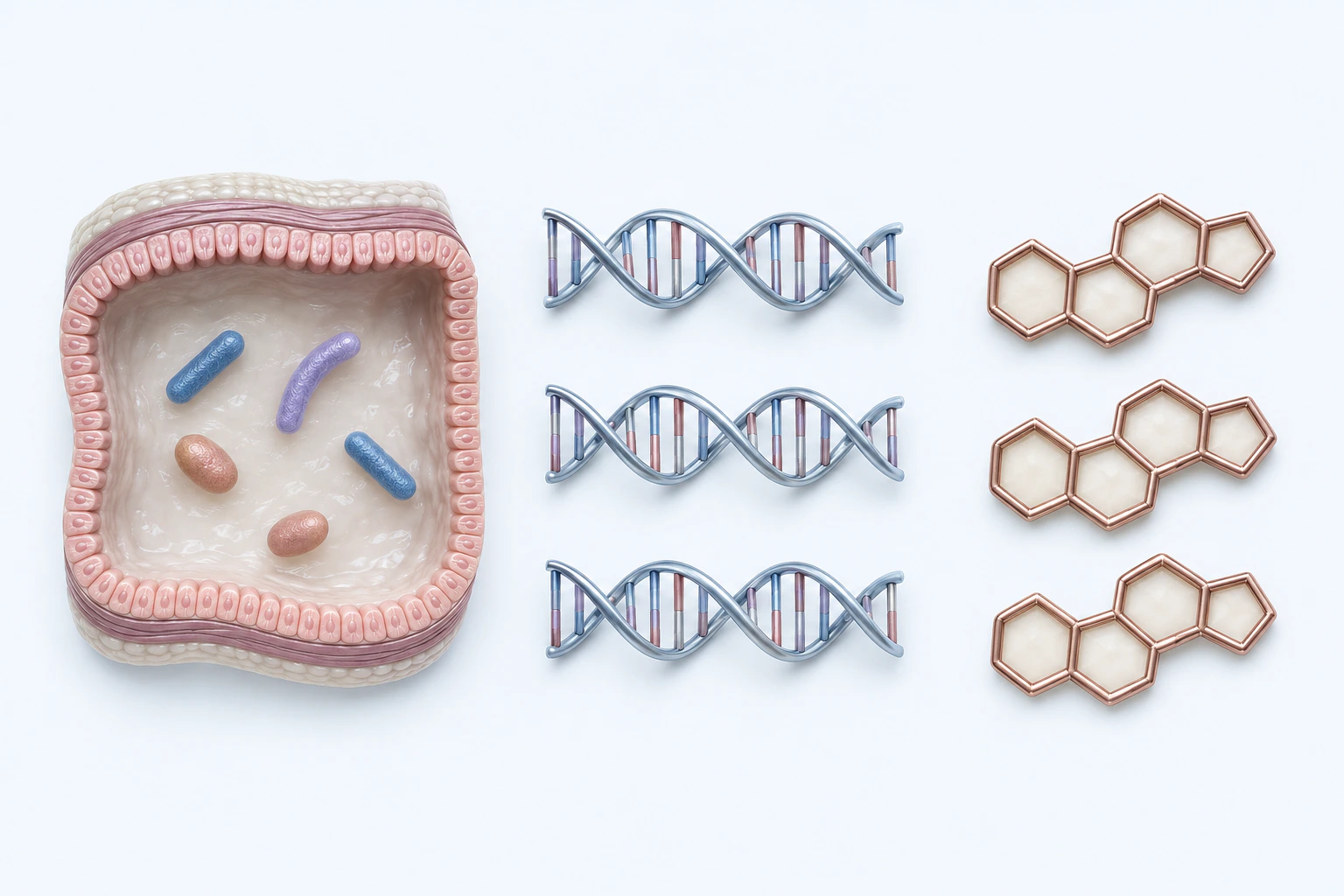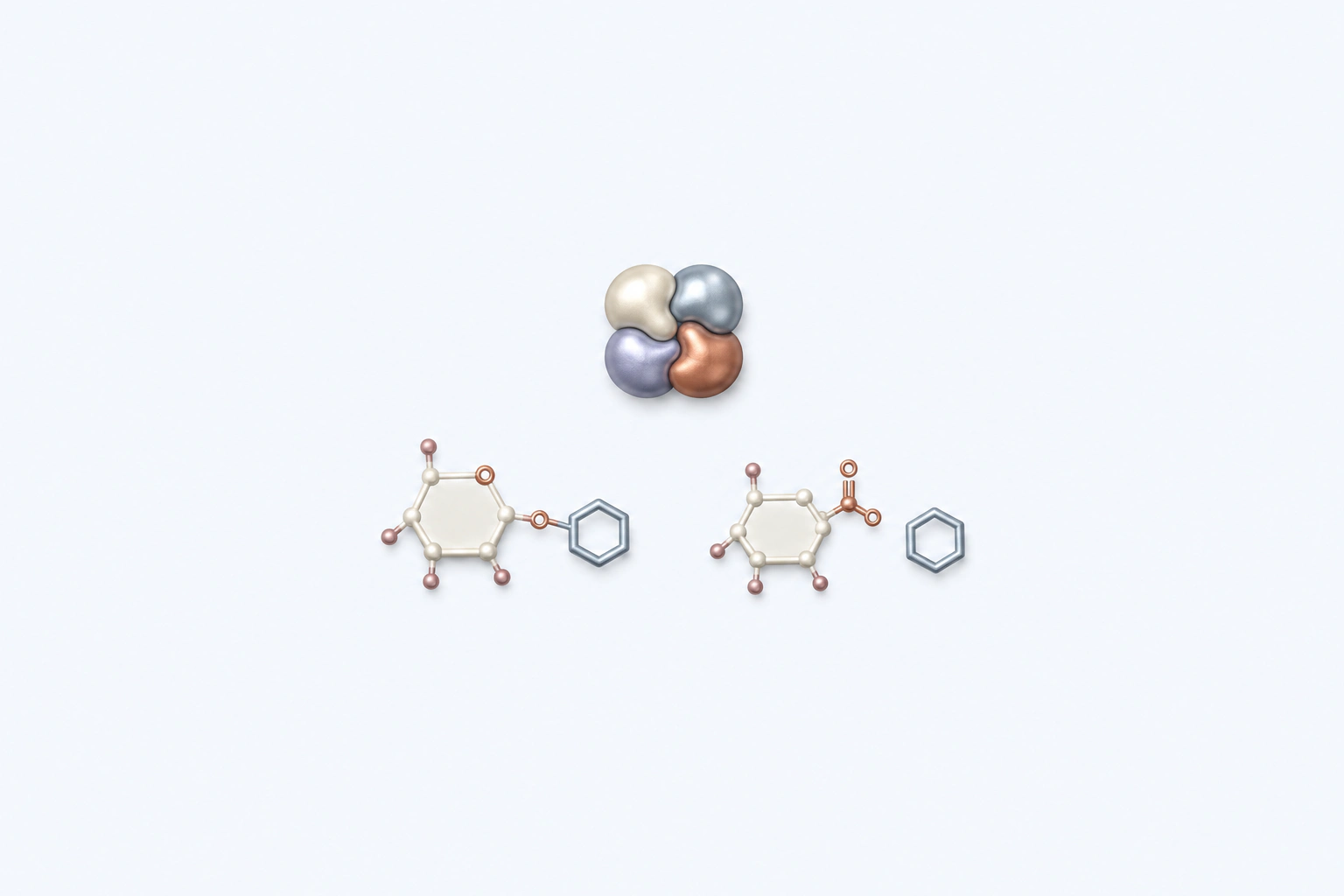
Beta-Glucuronidase
This knowledge-base record is being expanded from WikiBiome’s evidence graph.
WikiBiomeThe human microbiome encyclopediaRanked matches across titles, topics, categories, and article introductions.
This knowledge-base record is being expanded from WikiBiome’s evidence graph.
A Gram-negative obligate anaerobe and the most clinically significant member of the Bacteroides genus. B. fragilis occupies a unique dual position in gut microbiology: as a non-toxigenic commensal (NTBF), it produces polysaccharide A (PSA) that shapes immune tolerance; …
A Gram-negative obligate anaerobe that exemplifies the commensal-pathobiont spectrum. B. vulgatus is a common component of the healthy gut microbiota, yet is significantly enriched in colorectal cancer and depression, suggesting a context-dependent pathogenic potential.…
A Gram-positive obligate anaerobe and key estrobolome member that links metabolic dysbiosis to hormone-driven diseases, particularly endometriosis. E. lenta is remarkable for its ability to inactivate cardiac glycosides (like digoxin) and to produce beta-glucuronidase, …
Escherichia is a genus of Gram-negative, facultatively anaerobic bacteria in the Enterobacteriaceae family. The primary species E. coli is simultaneously the most studied bacterium in biology and one of the most consistently enriched organisms in disease-associated micr…
This knowledge-base record is being expanded from WikiBiome’s evidence graph.
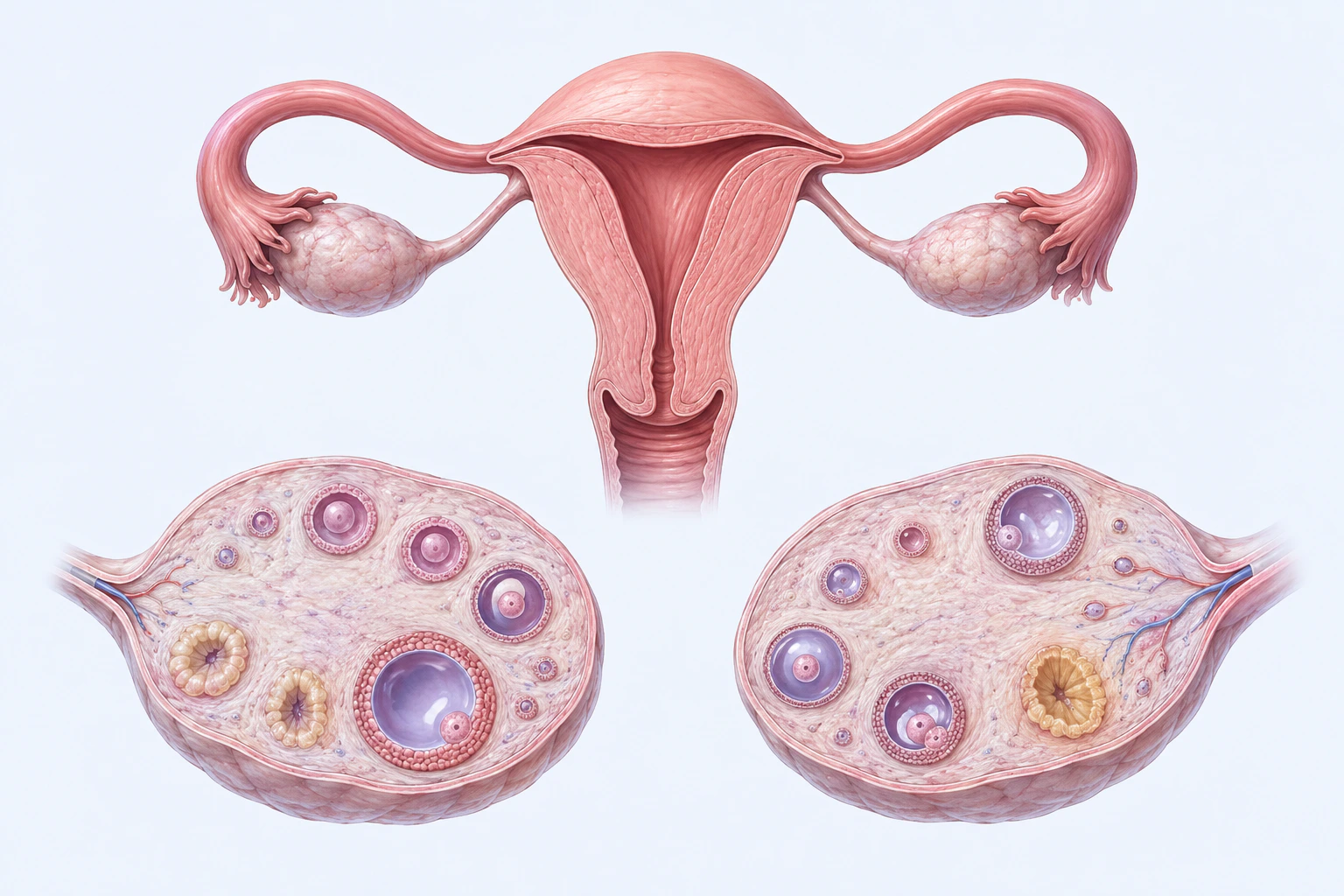
Affects approximately 48 million women worldwide (WHO global infertility prevalence estimates). From a microbiome-metallomics perspective, female infertility sits at the intersection of the estrobolome (microbial estrogen metabolism), heavy metal reproductive toxicity (…
Alphabetical definitions of specialist terms used throughout this wiki. Where a full concept page exists, the term links to it. --- AhR (aryl hydrocarbon receptor) -- A ligand-activated transcription factor that senses microbial metabolites (especially indoles from tryp…
--- title: Hungatella type: entity subtype: microbe created: 2026-04-10 updated: 2026-04-16 lastsubstantiveupdate: 2026-04-16 sources: [altinok-dindar-2023-gut-microbiota-breast-cancer-diet, qin-2024-consistent-microbiome-signatures-old-young-onset-crc, zhang-2025-gut-v…
This knowledge-base record is being expanded from WikiBiome’s evidence graph.
Premenstrual Dysphoric Disorder (PMDD) affects 3-8% of menstruating individuals Epperson et al. 2012, causing severe mood disturbances, irritability, anxiety, and physical symptoms during the luteal phase of the menstrual cycle. Distinguished from premenstrual syndrome …
This knowledge-base record is being expanded from WikiBiome’s evidence graph.
Research summary -- not medical advice. This page synthesizes published research on why a commonly recommended intervention may be counterproductive in this specific clinical context. Consult a qualified healthcare provider before making any changes to treatment.
Streptococcus agalactiae, also known as Group B Streptococcus (GBS), is a Gram-positive, facultatively anaerobic coccus that exists in two clinical contexts: (1) as a major neonatal pathogen causing life-threatening meningitis and sepsis in newborns, and (2) as an enric…