Anxiety Disorders
This knowledge-base record is being expanded from WikiBiome’s evidence graph.
WikiBiomeThe human microbiome encyclopediaRanked matches across titles, topics, categories, and article introductions.
This knowledge-base record is being expanded from WikiBiome’s evidence graph.
A neurodevelopmental condition affecting approximately 1 in 36 children (US CDC 2023 estimate), characterized by differences in social communication, restricted interests, and repetitive behaviors. From a metallomics perspective, ASD presents a compelling convergence of…
This knowledge-base record is being expanded from WikiBiome’s evidence graph.
Major depressive disorder (MDD) is a psychiatric condition characterized by persistent depressed mood, anhedonia, and cognitive/somatic symptoms. In the WikiBiome framework, MDD is a paradigm case for the gut brain axis: gut dysbiosis drives systemic inflammation and ne…
This knowledge-base record is being expanded from WikiBiome’s evidence graph.
Premenstrual Dysphoric Disorder (PMDD) affects 3-8% of menstruating individuals Epperson et al. 2012, causing severe mood disturbances, irritability, anxiety, and physical symptoms during the luteal phase of the menstrual cycle. Distinguished from premenstrual syndrome …
This knowledge-base record is being expanded from WikiBiome’s evidence graph.
A Gram-negative, obligate anaerobic genus within the Bacteroidetes phylum (family Rikenellaceae). Alistipes occupies a complex and context-dependent role in the gut ecosystem — some species carry well-documented anti-inflammatory properties, while the genus is paradoxic…
The most common form of dementia, affecting an estimated 55 million people worldwide and projected to triple by 2050 zhang 2024 recent advances alzheimers mechanisms trials. Characterized by progressive memory loss, cognitive decline, amyloid-beta plaques, and neurofibr…
A genus of Gram-positive obligate anaerobes in the family Lachnospiraceae (Clostridium cluster XIVa) that occupy a critical metabolic relay position in gut ecosystem stability: converting lactate to butyrate. Anaerostipes is one of the most consistently depleted genera …
Viruses that exclusively infect bacteria. Bacteriophages -- phages for short -- are the most abundant biological entities on Earth, outnumbering bacteria in most environments by ratios of 1:1 to 10:1. In the human gut, the phageome represents a powerful but underexplore…
Bacteroidaceae is a family of obligate anaerobic, Gram-negative bacteria in the order bacteroidales. The dominant genus is bacteroides, which includes B. fragilis, B. vulgatus, B. thetaiotaomicron, and B. uniformis. Bacteroidaceae are among the most abundant gut bacteri…
Bacteroidales is an order of obligate anaerobic, Gram-negative bacteria within the phylum Bacteroidetes. It includes the families Bacteroidaceae (bacteroides), Prevotellaceae (prevotella), Rikenellaceae, and Porphyromonadaceae (porphyromonas). Bacteroidales are among th…
A class of Gram-negative bacteria within the phylum Proteobacteria that has emerged as a causal risk factor for schizophrenia and bipolar disorder through Mendelian randomization studies. Betaproteobacteria includes genera with notable metal tolerance -- particularly wi…
Bifidobacterium breve is a Gram-positive, obligate anaerobic species within the phylum Actinobacteria, predominantly found in the infant gut and breast milk. It is among the earliest colonizers of the neonatal intestine and plays a key role in human milk oligosaccharide…
A selective semipermeable border formed by brain endothelial cells connected by tight junctions, pericytes, and astrocytic end-feet. The BBB restricts passage of most molecules from blood to brain, protecting the CNS from toxins, pathogens, and inflammatory mediators. M…
A genus of Gram-positive, strictly anaerobic, butyrate-producing bacteria in the order Clostridiales (phylum Firmicutes). The type species, Butyricicoccus pullicaecorum, was originally isolated from chicken caecal content but has since been identified as a significant m…
Butyrivibrio is a genus of Gram-positive, obligate anaerobic bacteria within the family Lachnospiraceae (phylum Firmicutes). Originally characterized as a dominant fiber-fermenting genus in the rumen, Butyrivibrio species are also found in the human colon where they con…
This knowledge-base record is being expanded from WikiBiome’s evidence graph.
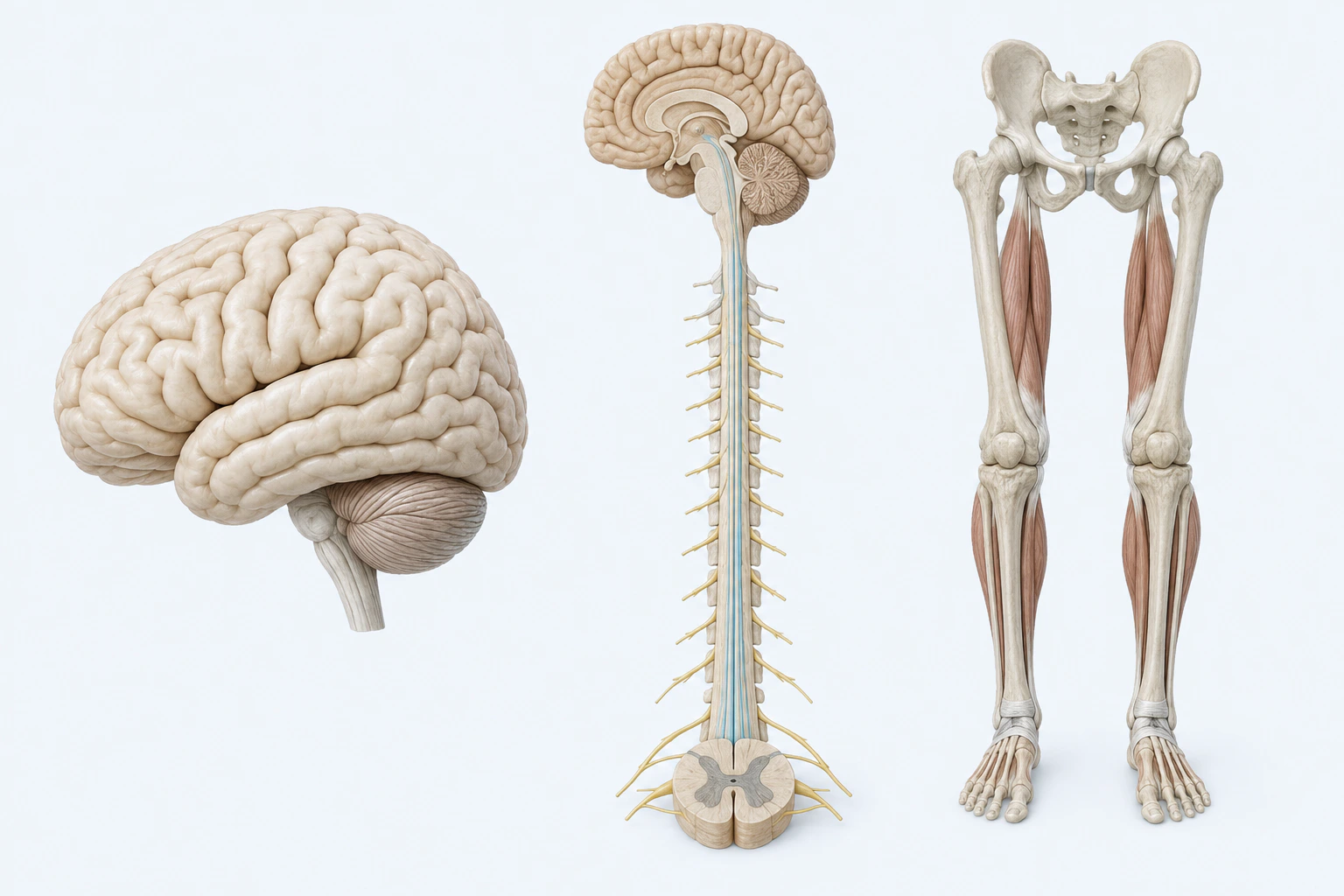
Cerebral palsy (CP) is the most common motor disability in childhood, affecting 2-3 per 1,000 live births allen 2021 multi organ dysfunction cerebral palsy. Characterized by non-progressive disturbances in movement and posture arising from injury to the developing brain…
Christensenellaceae is a family of Gram-negative, strictly anaerobic bacteria within the order Clostridiales (phylum Firmicutes) that has emerged as one of the most consistently health-associated and heritable members of the human gut microbiome. First formally describe…
An order of Gram-positive, obligate anaerobic bacteria within the class clostridia (phylum Firmicutes) that represents the single most functionally important taxonomic group in the human gut. Clostridiales encompasses the major butyrate-producing families (lachnospirace…
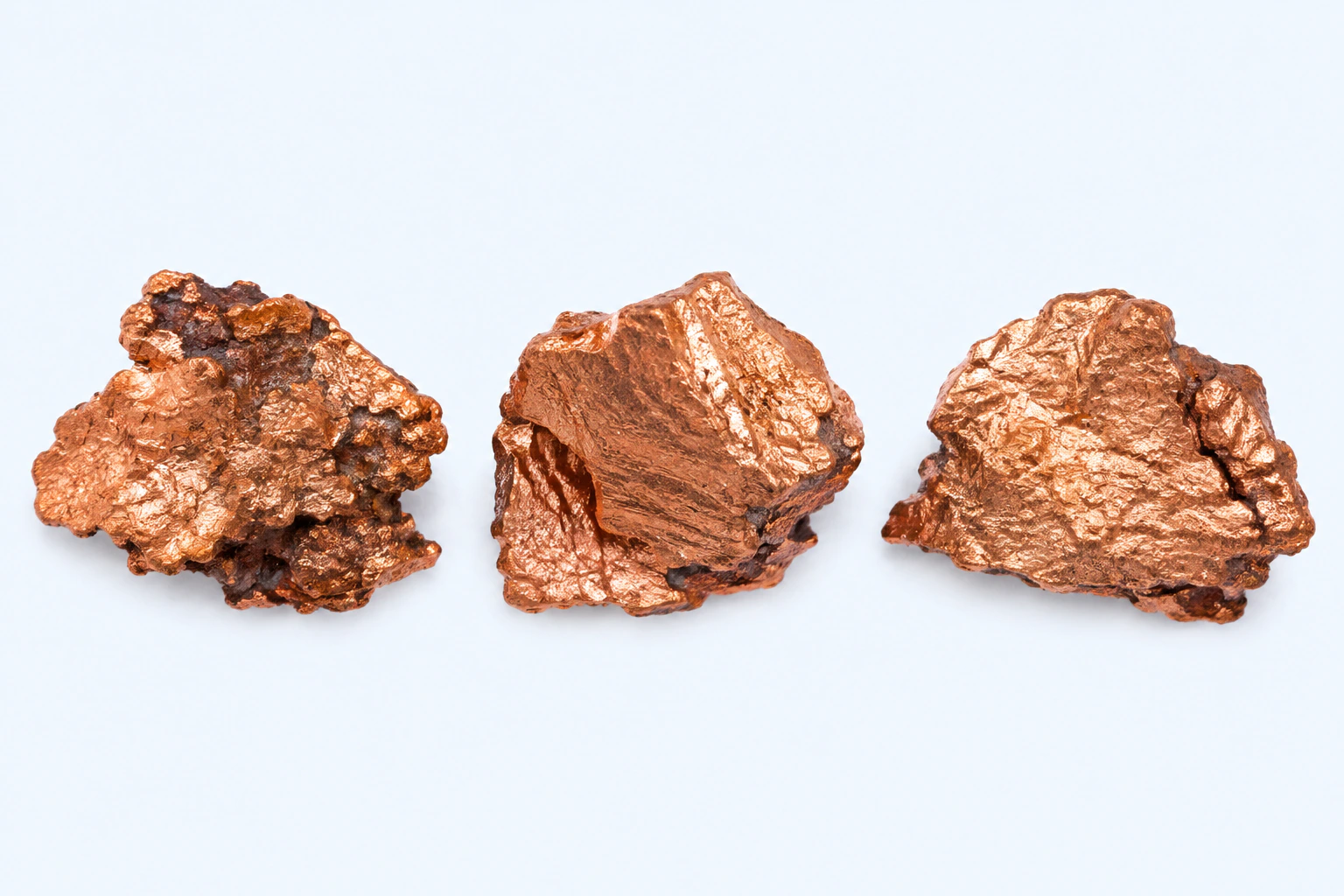
An essential trace element with a striking dual nature: required for survival as a cofactor for critical enzymes (SOD1, cytochrome c oxidase, ceruloplasmin), yet toxic in excess through Fenton-like redox cycling and mis metallation of iron-sulfur clusters. Copper is ele…
Perhaps the most pervasive metallomic finding across human disease: copper is elevated in nearly every pathological condition examined in this wiki -- cancer (pan-cancer), PCOS, cardiovascular disease, depression, schizophrenia, IBD, and rheumatoid arthritis. Simultaneo…
Depression is the most prevalent mental health disorder globally, affecting over 280 million people zhu 2025 microbiota gut brain axis depression review, and one of the most metal-sensitive conditions in this wiki. It sits at the convergence of nearly every pathway cata…
An order of Gram-negative, strictly anaerobic sulfate-reducing bacteria (SRB) within the class Deltaproteobacteria. The defining metabolic feature of Desulfovibrionales is dissimilatory sulfate reduction -- using sulfate as a terminal electron acceptor and producing hyd…
This page unifies the infant formula contamination, pregnancy complications, autism spectrum disorder, necrotizing enterocolitis, and neurodevelopmental toxicity threads around a single organizing insight: metal toxicity is disproportionately severe during specific deve…
Dialister is a genus of Gram-negative, obligate anaerobic bacteria within the family Veillonellaceae that represents one of the strongest protective associations in gut-brain-axis research. Dialister depletion is a consistent and independent biomarker of depression, anx…
A Gram-positive, obligate anaerobic genus within the lachnospiraceae family (Firmicutes phylum). Dorea occupies a mixed role in the gut ecosystem -- while it is a core member of the healthy human microbiome, several species are consistently enriched in autoimmune and ne…
This knowledge-base record is being expanded from WikiBiome’s evidence graph.
Erectile dysfunction (ED) affects 30-50% of men aged 40-70 Feldman et al. 1994, with prevalence increasing with age. Conventionally understood as a vascular and/or neurogenic disorder, ED is now recognized as a condition with a significant gut microbiome component -- th…
Erysipelotrichaceae is a family within the phylum Firmicutes that has drawn increasing attention for its consistent enrichment in metabolic disorders. Members of this family are Gram-positive, obligate anaerobes found throughout the mammalian gastrointestinal tract, whe…
The transfer of processed stool from a healthy donor into a recipient's gastrointestinal tract to restore a disrupted microbial community. FMT is the most direct form of microbiome intervention -- replacing the entire community rather than supplementing individual strai…
Fibromyalgia (FM) is a chronic pain syndrome affecting 2-4% of the global population Heidari et al. 2017, characterized by widespread musculoskeletal pain, fatigue, cognitive dysfunction ("fibro fog"), and sleep disturbances. Conventionally attributed to central sensiti…
A Gram-positive obligate anaerobe in the family Ruminococcaceae (Clostridium cluster IV) whose defining metabolic activity is the degradation of dietary flavonoids — the very polyphenols that serve as anti-inflammatory, antioxidant, and antimicrobial agents. When Flavon…
An order of Gram-negative, obligate anaerobic bacteria within the phylum Fusobacteriota (formerly Fusobacteria). This order-level page covers the broader taxonomic group that includes the well-characterized genus fusobacterium and its key species fusobacterium nucleatum…
Alphabetical definitions of specialist terms used throughout this wiki. Where a full concept page exists, the term links to it. --- AhR (aryl hydrocarbon receptor) -- A ligand-activated transcription factor that senses microbial metabolites (especially indoles from tryp…
A genus of Gram-positive, strictly anaerobic bacteria in the family Erysipelotrichaceae (phylum Firmicutes) that is emerging as one of the most consistently protective gut commensals in human disease. Holdemanella is depleted across a striking range of conditions -- inf…
Interleukin-6 is a pleiotropic cytokine that sits at the crossroads of innate immunity, adaptive immunity, and metabolism. It is one of the most frequently elevated inflammatory mediators across conditions in this wiki — appearing in disease signatures spanning IBD, aut…
The most abundant transition metal in the human body and arguably the most consequential metal in biology. Iron sits at the center of a paradox that drives pathology across virtually every disease domain: organisms need it for oxygen transport, energy metabolism, DNA sy…
A functional gastrointestinal disorder affecting 10-15% of the global population, characterized by chronic abdominal pain, bloating, and altered bowel habits (diarrhea-predominant, constipation-predominant, or mixed) without identifiable structural pathology. From a met…
A fundamental ordering of divalent transition metal ion binding affinities, established by Harry Irving and Robert Williams in 1953: Mg2+ < Mn2+ < Fe2+ < Co2+ < Ni2+ < Cu2+ Zn2+ This series holds for virtually all ligands and biological chelators. It means that copper b…
Lachnobacterium is a genus of Gram-positive, obligate anaerobic bacteria within the family Lachnospiraceae (phylum Firmicutes). It is a commensal member of the healthy human gut microbiota, though relatively understudied compared to other Lachnospiraceae genera. Lachnob…
Lachnospira is a genus of Gram-positive, obligate anaerobic bacteria within the lachnospiraceae family (Firmicutes phylum). L. pectinoschiza, the type species, is a specialist pectin fermenter that produces short chain fatty acids from plant-derived polysaccharides. The…
A family within the Firmicutes phylum (order Clostridiales, formerly Clostridium cluster XIVa) that serves as a sentinel indicator of gut health -- its depletion is the single most consistent microbiome signature across nearly every disease represented in this wiki. The…
Lactococcus lactis is a Gram-positive, facultatively anaerobic, lactic acid bacterium best known as the workhorse of the dairy fermentation industry. It holds GRAS (Generally Recognized As Safe) status and has emerged as a versatile platform for probiotic and therapeuti…
This knowledge-base record is being expanded from WikiBiome’s evidence graph.
Mercury is the most toxic heavy metal with no known biological function. Its organic form -- methylmercury (MeHg) -- is the primary concern for dietary exposure via fish consumption. Mercury's toxicity centers on thiol group binding, glutathione depletion, and blood-bra…
A family of small (6-7 kDa), cysteine-rich proteins that bind heavy metals with extraordinary affinity. Metallothioneins (MTs) are the cell's primary chemical defense against metal toxicity -- they sequester cadmium, mercury, lead, and other toxic metals, preventing the…
Microglia are the resident immune cells of the central nervous system, constituting 5-12% of all brain cells. They function as the brain's surveillance and defense system -- scanning for damage, clearing debris, pruning synapses during development, and mounting inflamma…
This knowledge-base record is being expanded from WikiBiome’s evidence graph.
Chronic inflammatory activation within the central nervous system, driven by microglia, astrocytes, and infiltrating peripheral immune cells. Neuroinflammation is a convergent pathological mechanism across alzheimers disease, parkinsons disease, multiple sclerosis, and …
An order of Gram-positive, obligate anaerobic bacteria within the class Clostridia (phylum Firmicutes) that has emerged as one of the most consistent markers of a healthy gut ecosystem. Oscillospirales members are butyrate producers associated with leanness and metaboli…
Oxidative stress is the imbalance between the production of reactive oxygen and nitrogen species (ROS/RNS) and the capacity of biological antioxidant defense systems to detoxify them. It is the single most commonly invoked mechanism across metal toxicology in this wiki,…
A microbial metabolite produced by gut bacteria through tyrosine fermentation that has emerged as one of the most consistent biomarkers linking gut dysbiosis to neurological and renal disease. p-Cresol (4-methylphenol) is a simple aromatic compound, but its effects are …
Paraprevotella is a genus of obligate anaerobic, Gram-negative bacteria in the family Prevotellaceae, related to prevotella. It is a gut commensal with emerging associations across neuropsychiatric and reproductive conditions. - Schizophrenia: Altered in gut-brain axis …
The second most common neurodegenerative disease, affecting over 10 million people worldwide dorsey 2018 parkinsons incidence meta analysis. Characterized by progressive loss of dopaminergic neurons in the substantia nigra, alpha-synuclein aggregation (Lewy bodies), and…
A Gram-negative, obligate anaerobic genus within the Firmicutes phylum (family Acidaminococcaceae, class Negativicutes). The primary species P. faecium and the recently characterized P. succinatutens are specialized propionate producers that utilize succinate as their m…
Phenylalanine is an essential aromatic amino acid that sits at a metabolic crossroads: it is the precursor to tyrosine (and through it to dopamine, norepinephrine, and epinephrine), a substrate for microbial conversion to cardiovascular risk metabolites, and a participa…
A metabolic-endocrine disorder affecting 6-20% of reproductive-age women worldwide, characterized by hyperandrogenism, oligo/anovulation, and polycystic ovary morphology (Rotterdam criteria) barrea 2019 mediterranean diet pcos. PCOS is the leading cause of anovulatory i…
Premenstrual syndrome (PMS) affects an estimated 20-40% of women of reproductive age, characterized by cyclical physical and psychological symptoms in the luteal phase (post-ovulation, pre-menstruation). While PMS has traditionally been attributed solely to hormonal flu…
A family of Gram-negative, obligate anaerobic bacteria within the phylum Bacteroidota (formerly Bacteroidetes) that includes the genus prevotella and the recently described alloprevotella. Prevotellaceae are specialist fiber fermenters producing short-chain fatty acids,…
A three-carbon short-chain fatty acid (SCFA) produced primarily by Bacteroidetes and certain Firmicutes through anaerobic fermentation of dietary substrates. At physiological concentrations in healthy gut microbiomes, propionic acid (PPA) is a normal fermentation produc…
A filamentous fungus in the order Hypocreales (family Ophiocordycipitaceae), historically studied as an insect and nematode pathogen (P. lilacinum, formerly Paecilomyces lilacinus), now emerging as a clinically significant protective member of the gut mycobiome — and it…
Ruminococcaceae is a family of obligate anaerobic, Gram-positive bacteria in the order Clostridiales (phylum Firmicutes) that represents one of the most important butyrate-producing and fiber-degrading families in the human gut. Key genera include faecalibacterium (incl…
A genus of ascomycete yeasts that includes both a proven therapeutic probiotic (S. boulardii) and species associated with disease states (S. cerevisiae enriched in CRC mycobiome). This dual nature -- commensal/probiotic versus disease-associated -- parallels the bacteri…
See also: saccharomyces (genus page) Saccharomyces boulardii is a non-pathogenic yeast strain used as a probiotic across a wide range of gastrointestinal and inflammatory conditions. Taxonomically a strain of S. cerevisiae, it is phenotypically distinct — optimally acti…
A severe neuropsychiatric disorder affecting approximately 1% of the global population, characterized by positive symptoms (hallucinations, delusions), negative symptoms (anhedonia, social withdrawal, flat affect), and cognitive deficits. Life expectancy is reduced by 1…
An essential trace element that is primarily protective in its biological roles. Unlike most metals in this wiki, selenium's toxicological significance lies more in the consequences of its deficiency than its excess. Selenium is the backbone of the selenoproteome -- a f…
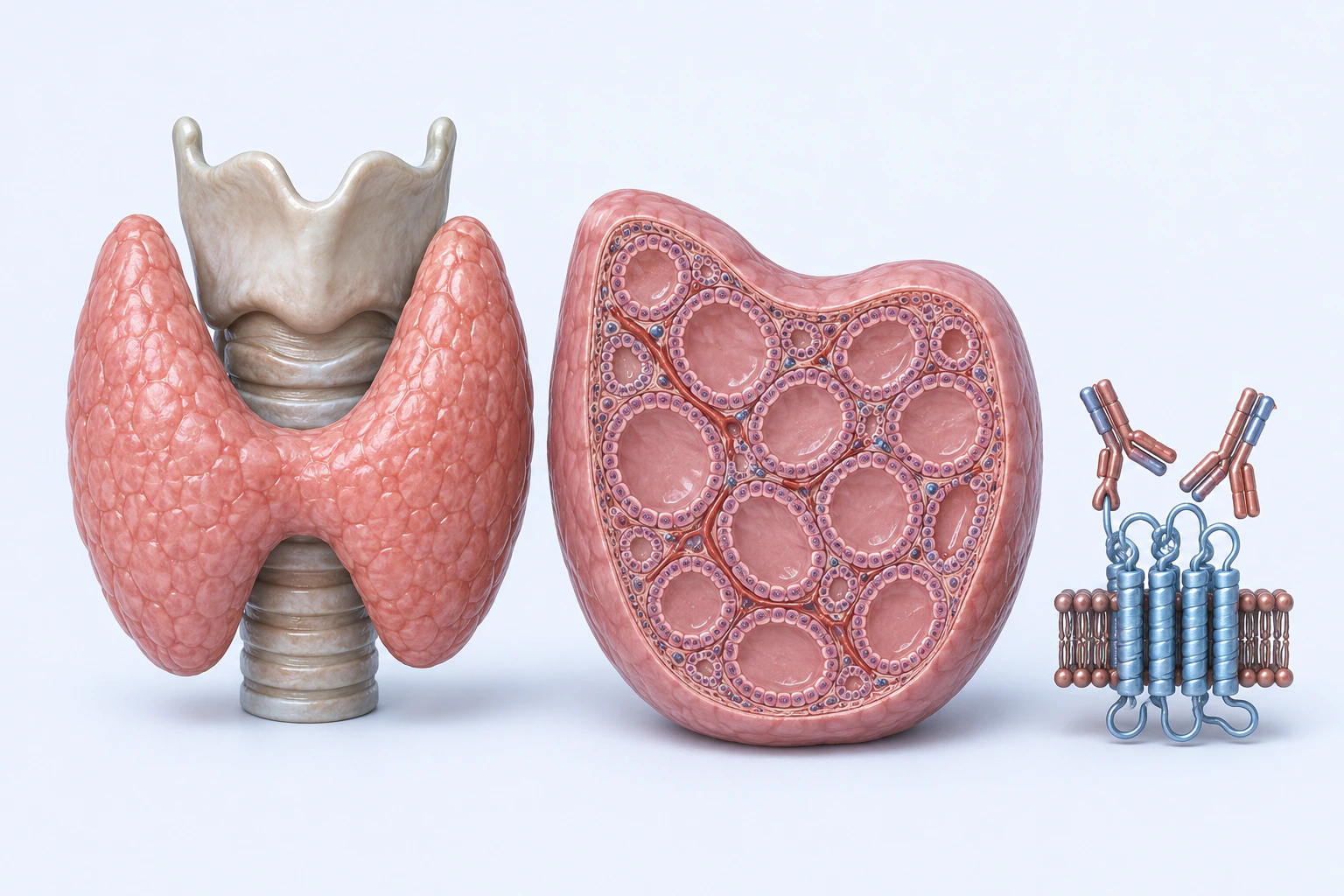
A Gram-negative, microaerophilic genus within the Proteobacteria phylum (family Sutterellaceae). The primary species S. wadsworthensis is classified as a pathobiont due to its IgA-degrading capacity and associations with neurodevelopmental and inflammatory conditions. H…

Fish is the primary dietary source of methylmercury (MeHg) -- a potent neurotoxin that crosses the blood-brain barrier, depletes glutathione, and can increase amyloid-beta production and tau phosphorylation mercury. MeHg is 95-100% absorbed in the intestinal tract. An e…
Tryptophan (Trp) is an essential amino acid metabolized via three competing pathways: the kynurenine pathway, the serotonin pathway, and the microbial indole pathway. The balance among these pathways is profoundly influenced by the gut microbiome, inflammation, and meta…
A Gram-positive, facultatively anaerobic genus within the class Erysipelotrichia (phylum Firmicutes) that has become one of the most frequently identified taxa in gut-brain and gut-immune Mendelian randomization studies. Turicibacter sanguinis, the type species, possess…
Tyzzerella is a genus of Gram-positive, strictly anaerobic bacteria within the family Lachnospiraceae (order Clostridiales, phylum Firmicutes). It was recently reclassified from Clostridium cluster XIVa and remains poorly characterized at the species level. The genus in…
A Gram-negative, obligate anaerobic genus within the Firmicutes phylum (class Negativicutes, family Veillonellaceae). The primary species V. parvula is a specialized lactate utilizer that occupies a unique metabolic niche by cross-feeding with lactate-producing bacteria…
This knowledge-base record is being expanded from WikiBiome’s evidence graph.