Dopamine
This knowledge-base record is being expanded from WikiBiome’s evidence graph.
WikiBiomeThe human microbiome encyclopediaRanked matches across titles, topics, categories, and article introductions.
This knowledge-base record is being expanded from WikiBiome’s evidence graph.
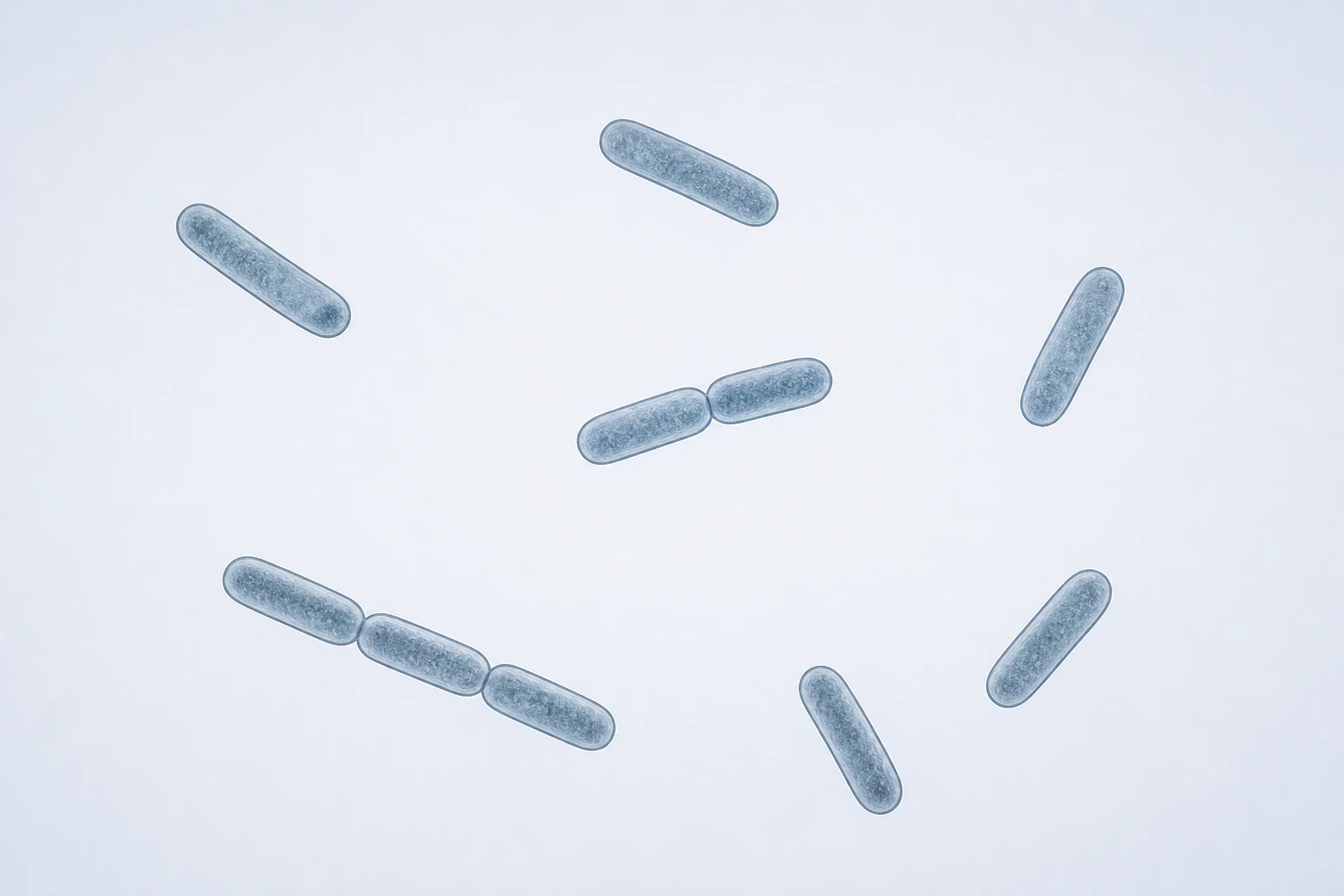
Eggerthella is a genus of Gram-positive, strictly anaerobic, non-spore-forming bacteria in the family Eggerthellaceae (phylum Actinobacteria). The most studied species, Eggerthella lenta, was originally classified as Eubacterium lentum before reclassification. It is a n…
A microbial metabolite produced by gut bacteria through tyrosine fermentation that has emerged as one of the most consistent biomarkers linking gut dysbiosis to neurological and renal disease. p-Cresol (4-methylphenol) is a simple aromatic compound, but its effects are …
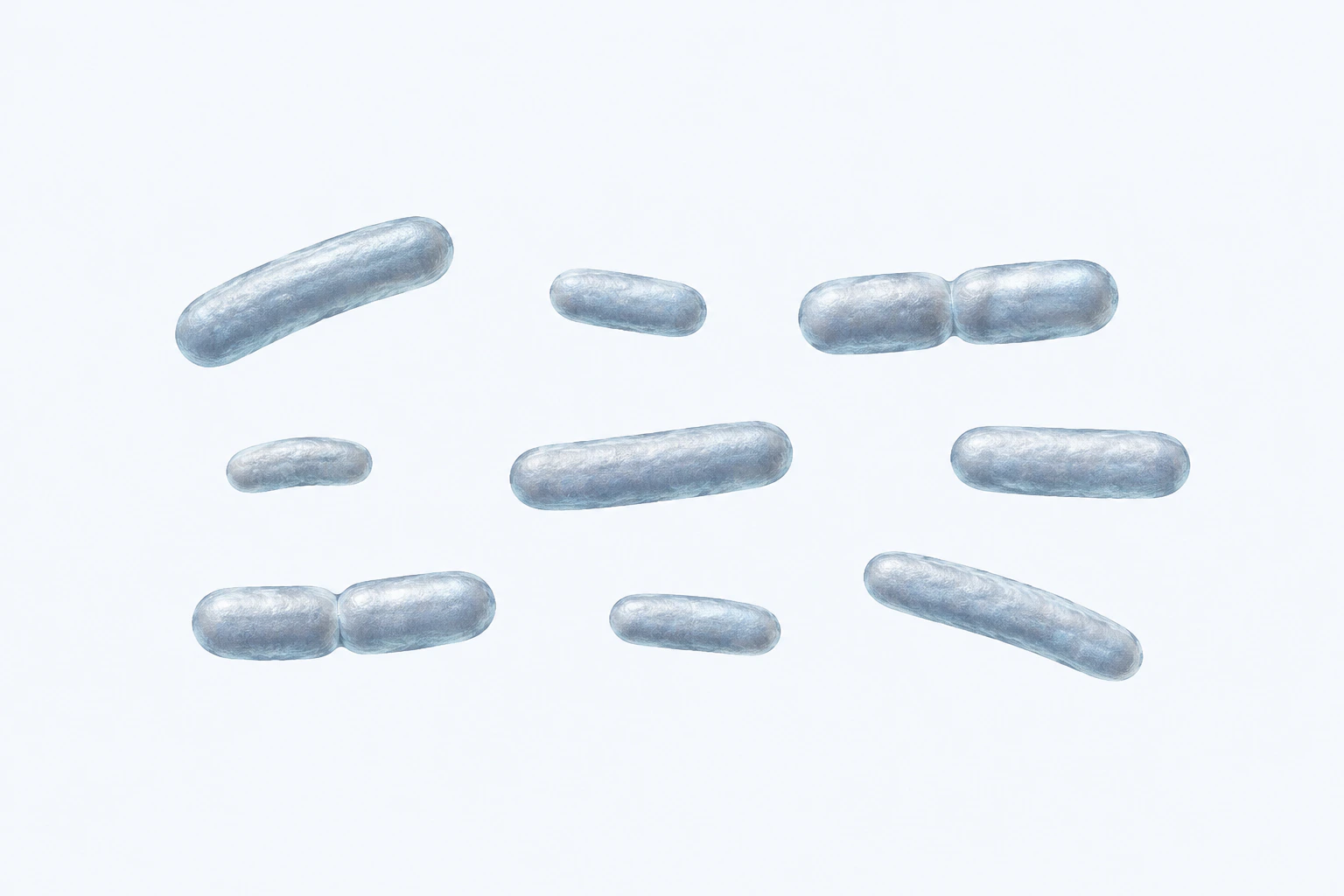
Paraprevotella is a genus of obligate anaerobic, Gram-negative bacteria in the family Prevotellaceae, related to prevotella. It is a gut commensal with emerging associations across neuropsychiatric and reproductive conditions. - Schizophrenia: Altered in gut-brain axis …
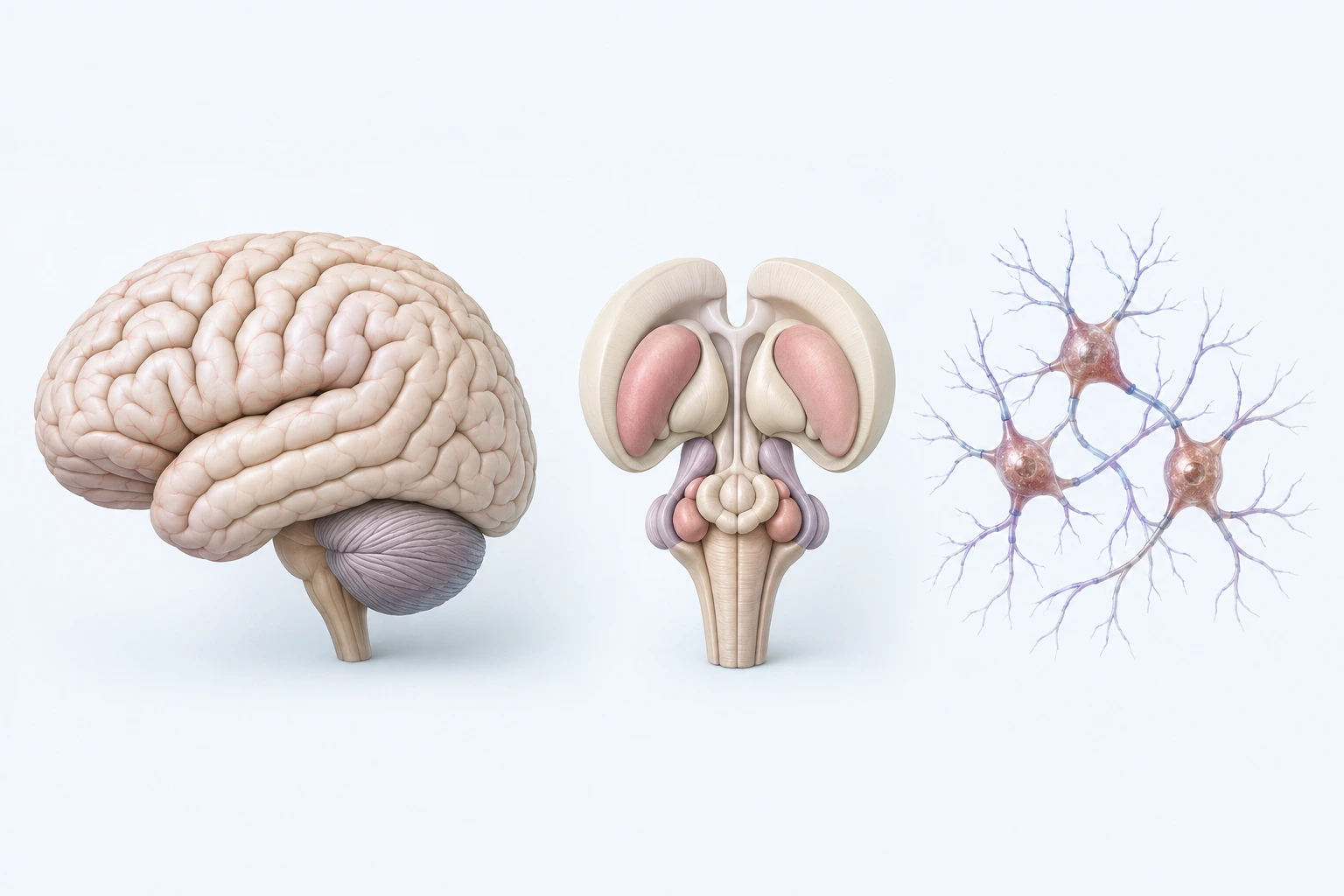
The second most common neurodegenerative disease, affecting over 10 million people worldwide dorsey 2018 parkinsons incidence meta analysis. Characterized by progressive loss of dopaminergic neurons in the substantia nigra, alpha-synuclein aggregation (Lewy bodies), and…
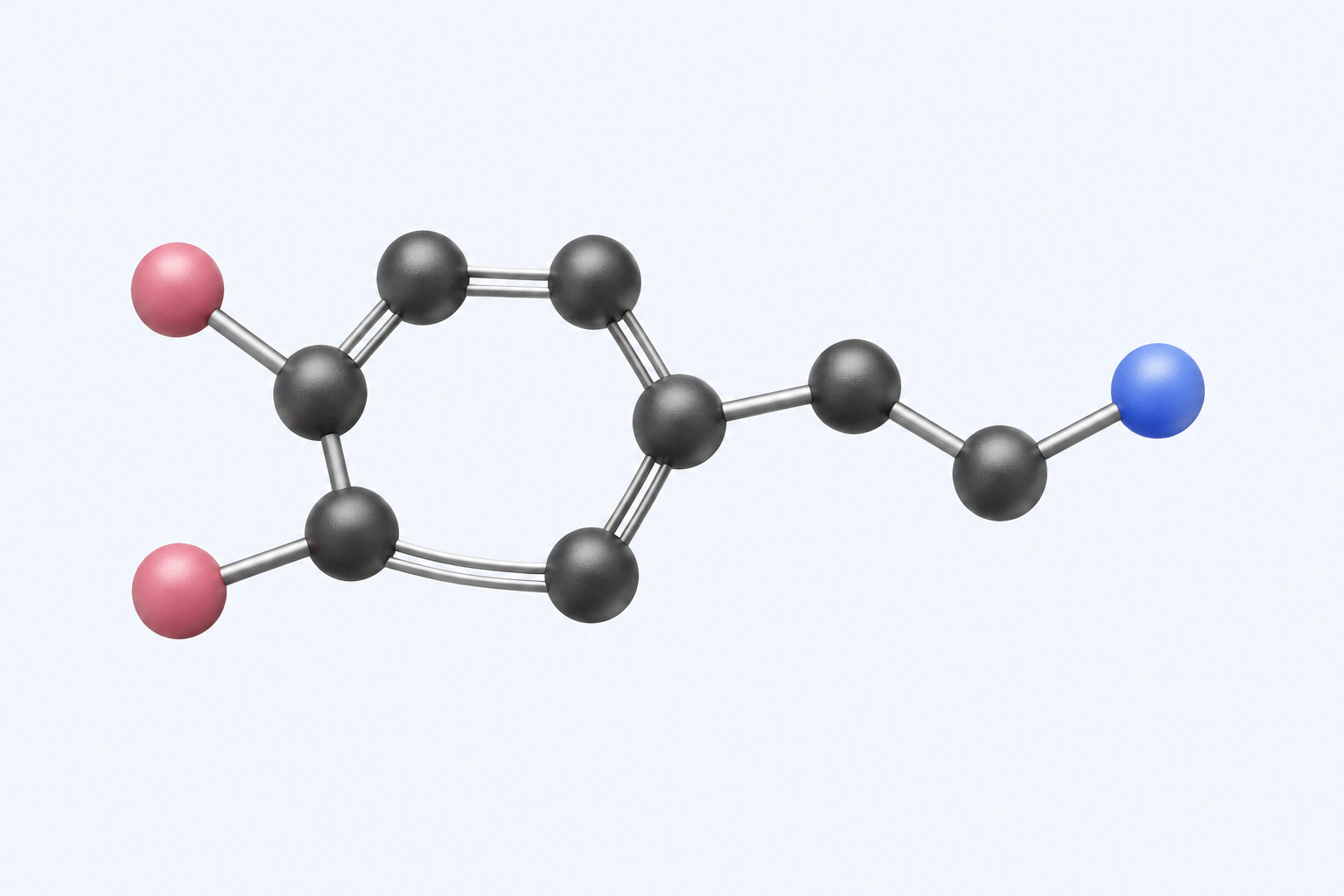
Phenylalanine is an essential aromatic amino acid that sits at a metabolic crossroads: it is the precursor to tyrosine (and through it to dopamine, norepinephrine, and epinephrine), a substrate for microbial conversion to cardiovascular risk metabolites, and a participa…
Iron deficiency is common and clinically significant across multiple conditions: postpartum anemia increases PPD risk 1.89-fold (RR = 1.887), low ferritin (<1 ug) increases PPD risk 3.98-fold azami 2019 anemia ppd meta analysis, iron deficiency impairs thyroid peroxidas…