Virome
This knowledge-base record is being expanded from WikiBiome’s evidence graph.
WikiBiomeThe human microbiome encyclopediaRanked matches across titles, topics, categories, and article introductions.
This knowledge-base record is being expanded from WikiBiome’s evidence graph.
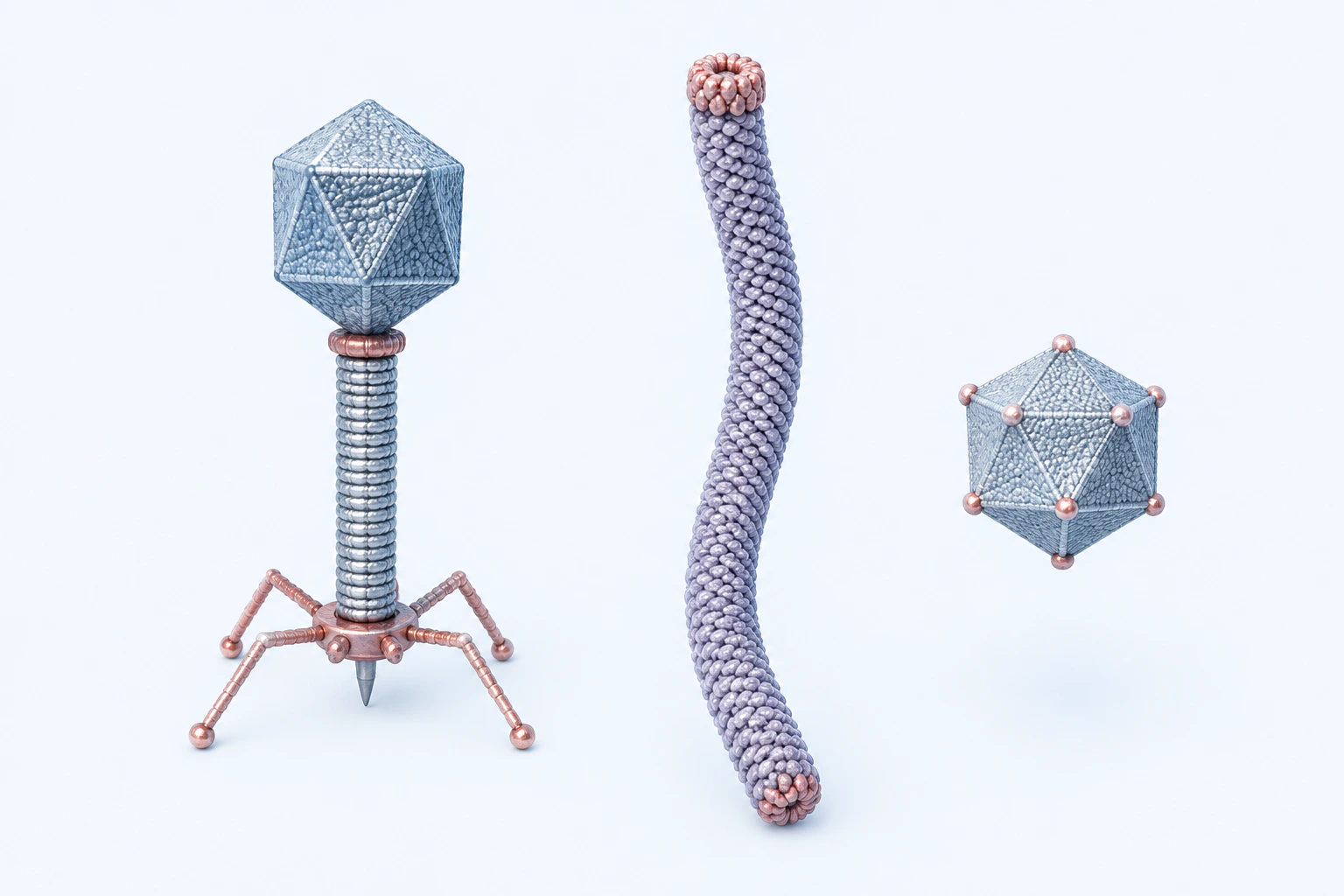
Viruses that exclusively infect bacteria. Bacteriophages -- phages for short -- are the most abundant biological entities on Earth, outnumbering bacteria in most environments by ratios of 1:1 to 10:1. In the human gut, the phageome represents a powerful but underexplore…
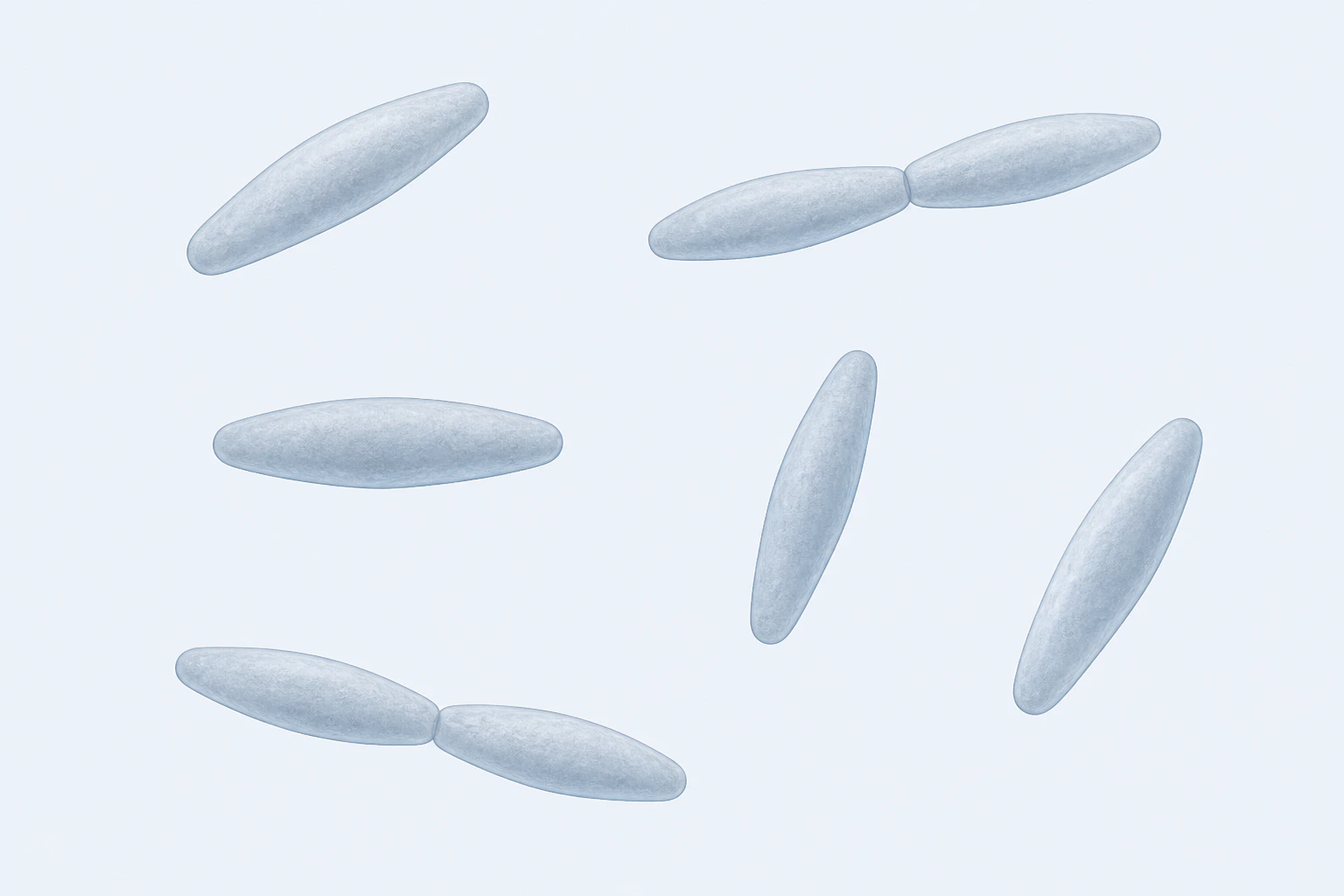
Bacteroidaceae is a family of obligate anaerobic, Gram-negative bacteria in the order bacteroidales. The dominant genus is bacteroides, which includes B. fragilis, B. vulgatus, B. thetaiotaomicron, and B. uniformis. Bacteroidaceae are among the most abundant gut bacteri…
Bifidobacteriaceae is the family containing bifidobacterium and related genera (alloscardovia). It is the dominant family in the healthy infant gut and a significant commensal family in adults. Family-level depletion is documented in ASD (marked reduction of Actinobacte…
Clostridium symbiosum is a Gram-positive, obligately anaerobic bacterium within the Clostridium cluster XIVa — a taxonomic group enriched for short-chain fatty acid (SCFA) producers and specialized bile acid metabolizers. Despite its ambiguous name (suggesting symbiotic…
This knowledge-base record is being expanded from WikiBiome’s evidence graph.
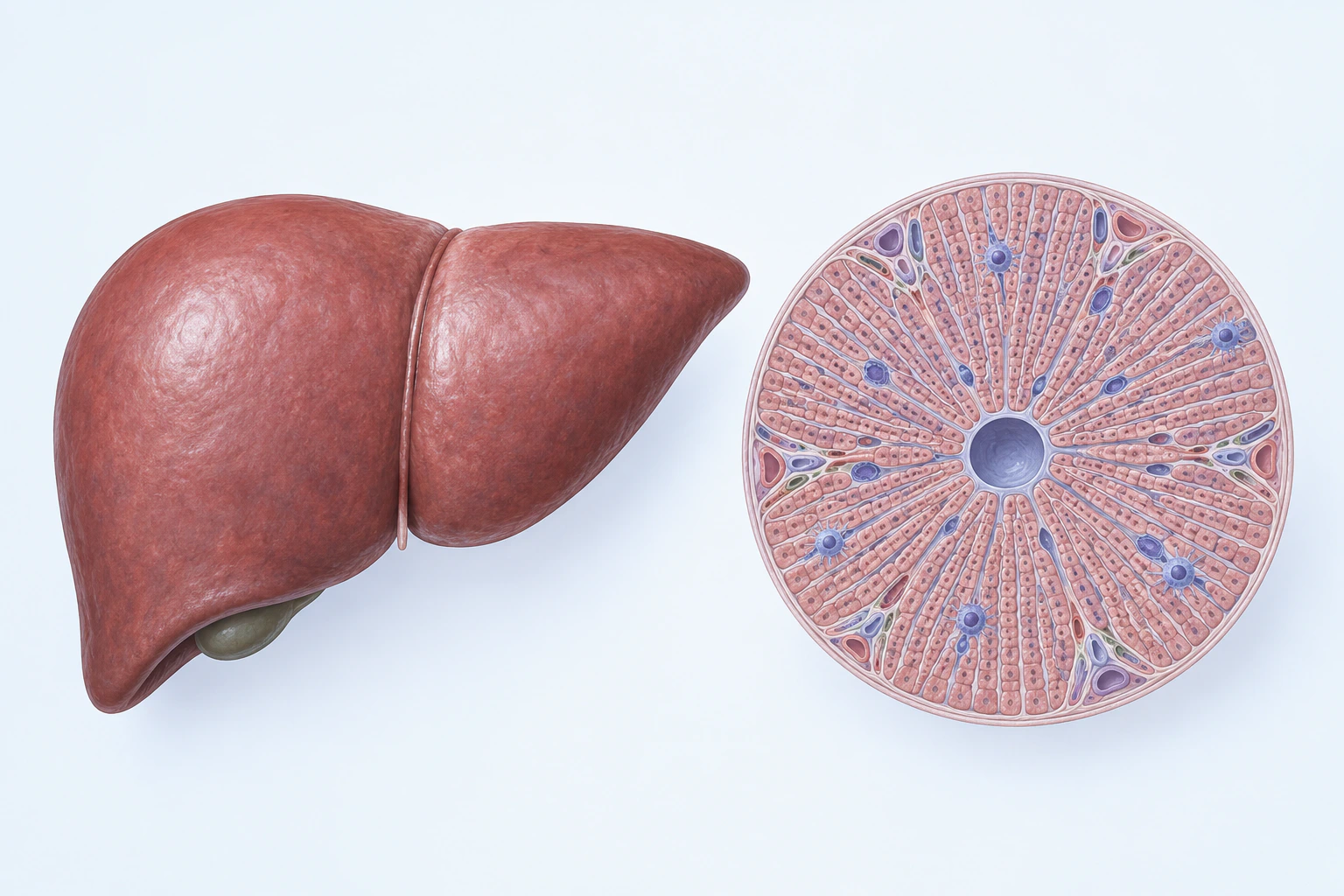
Hepatitis (liver inflammation) encompasses viral (HBV, HCV, HAV), autoimmune, alcoholic, and toxin-induced forms. In the WikiBiome framework, the gut-liver axis is central — portal blood delivers gut-derived microbial products (LPS, bacterial DNA) directly to the liver …
--- title: Hungatella type: entity subtype: microbe created: 2026-04-10 updated: 2026-04-16 lastsubstantiveupdate: 2026-04-16 sources: [altinok-dindar-2023-gut-microbiota-breast-cancer-diet, qin-2024-consistent-microbiome-signatures-old-young-onset-crc, zhang-2025-gut-v…
This knowledge-base record is being expanded from WikiBiome’s evidence graph.
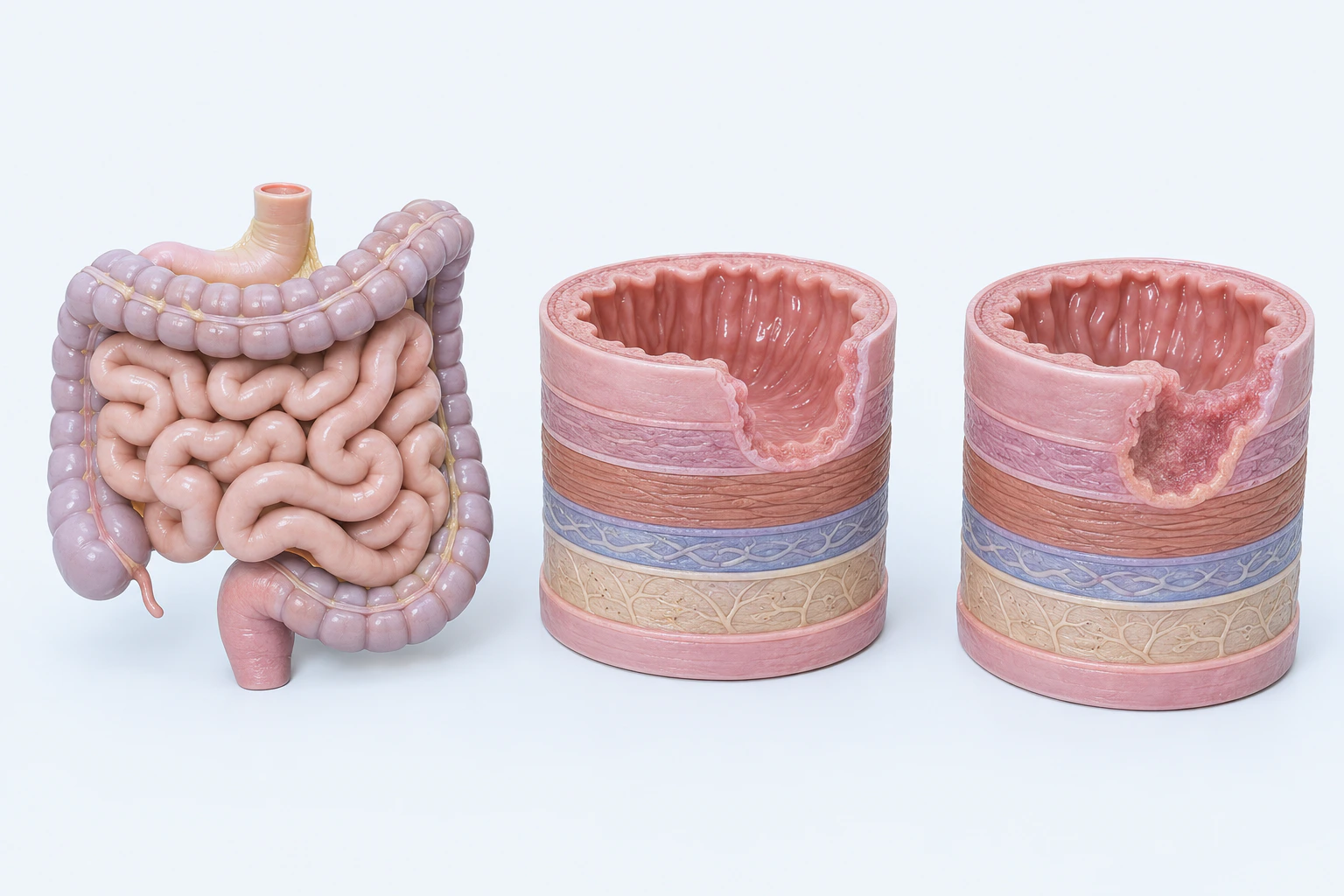
Necrotizing enterocolitis (NEC) is the most common and lethal gastrointestinal emergency in premature infants, affecting 5-12% of very low birth weight neonates (<1500 g) with mortality rates of 20-30%. Characterized by intestinal inflammation, necrosis, and perforation…
This knowledge-base record is being expanded from WikiBiome’s evidence graph.
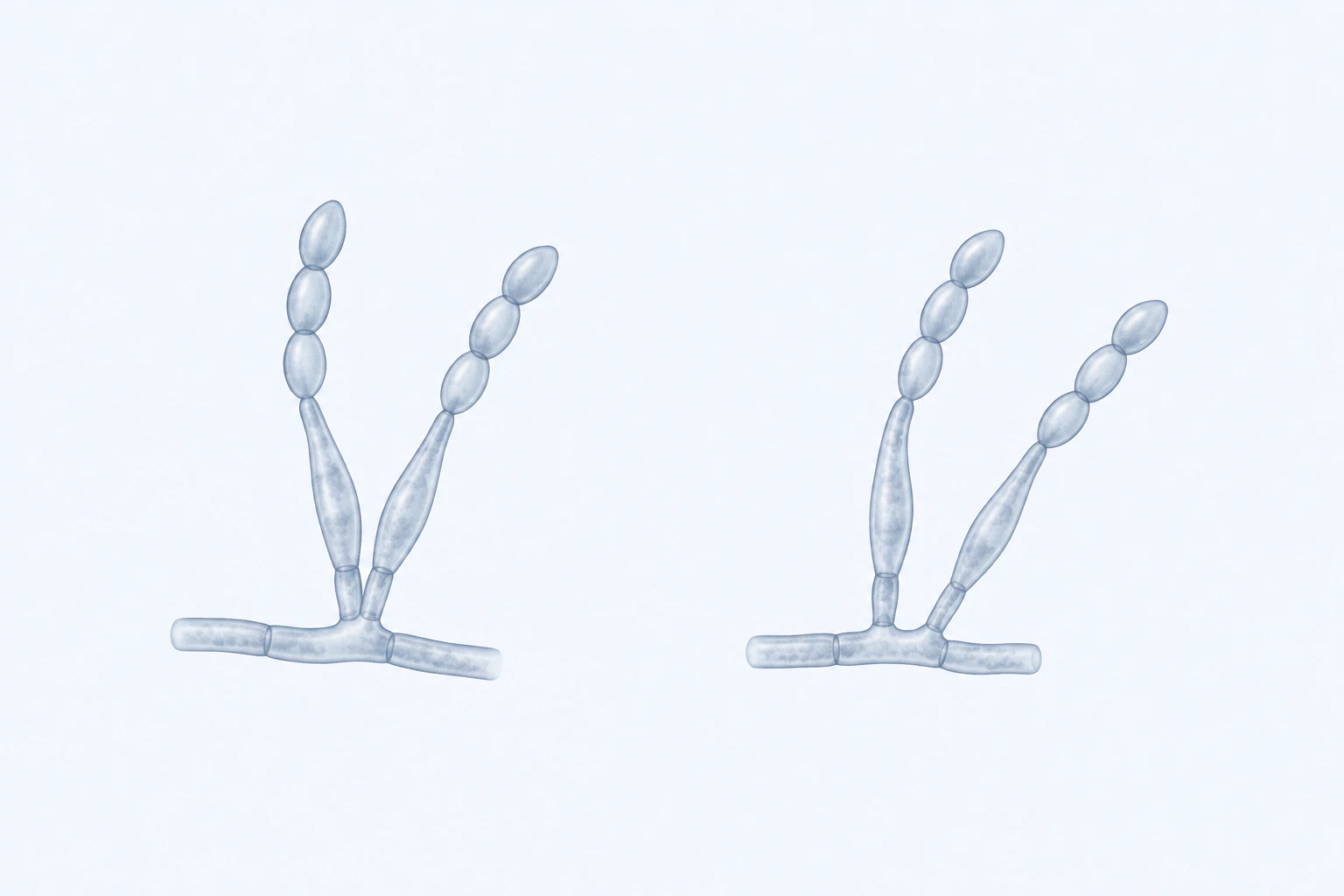
A filamentous fungus in the order Hypocreales (family Ophiocordycipitaceae), historically studied as an insect and nematode pathogen (P. lilacinum, formerly Paecilomyces lilacinus), now emerging as a clinically significant protective member of the gut mycobiome — and it…
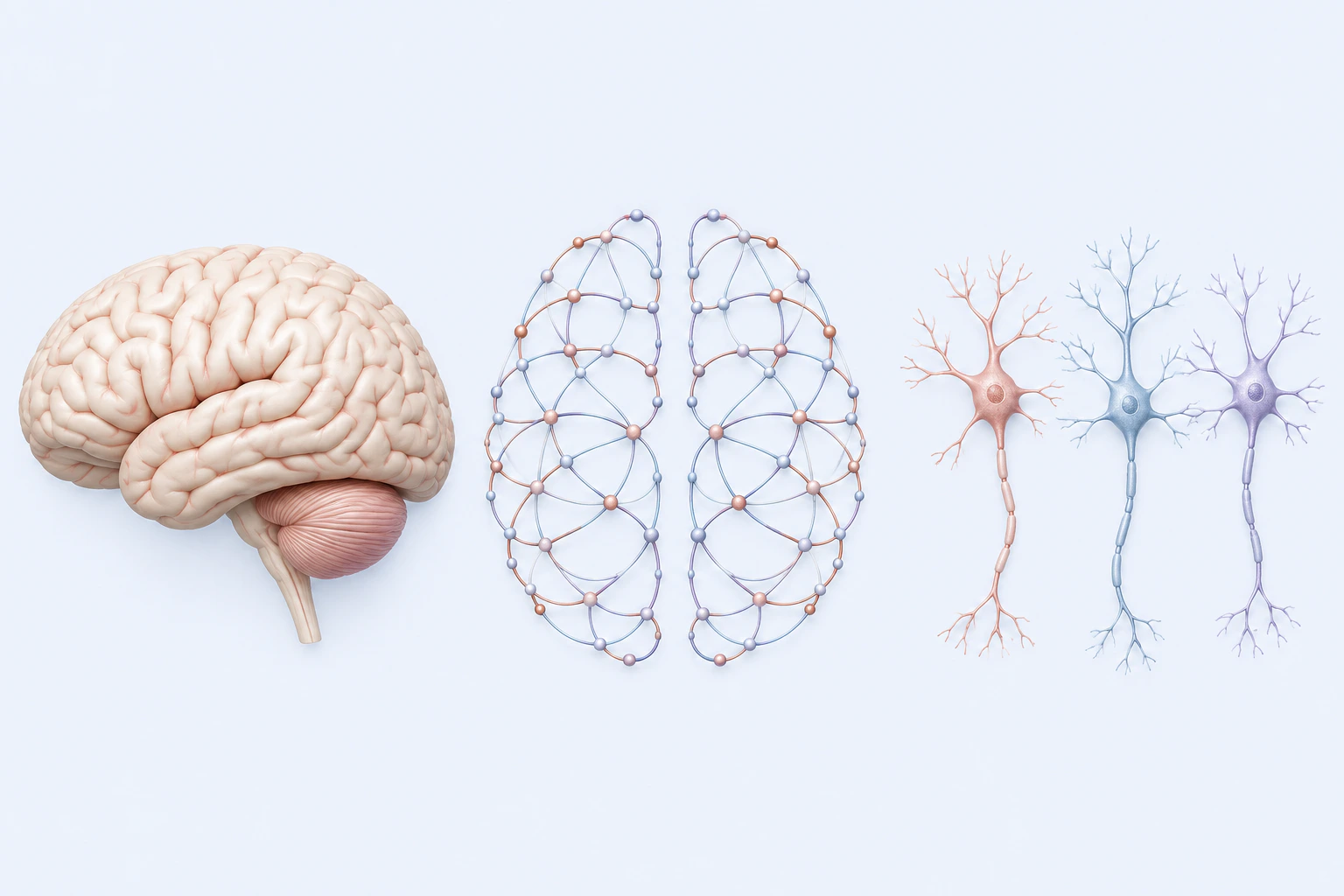
A severe neuropsychiatric disorder affecting approximately 1% of the global population, characterized by positive symptoms (hallucinations, delusions), negative symptoms (anhedonia, social withdrawal, flat affect), and cognitive deficits. Life expectancy is reduced by 1…
This page serves as a redirect and cross-reference point for the comprehensive virome concept page, which covers the gut virome, bacteriophage-bacteria interactions, phage therapy, and virome-disease associations in detail. The term viral microbiota emphasizes that viru…