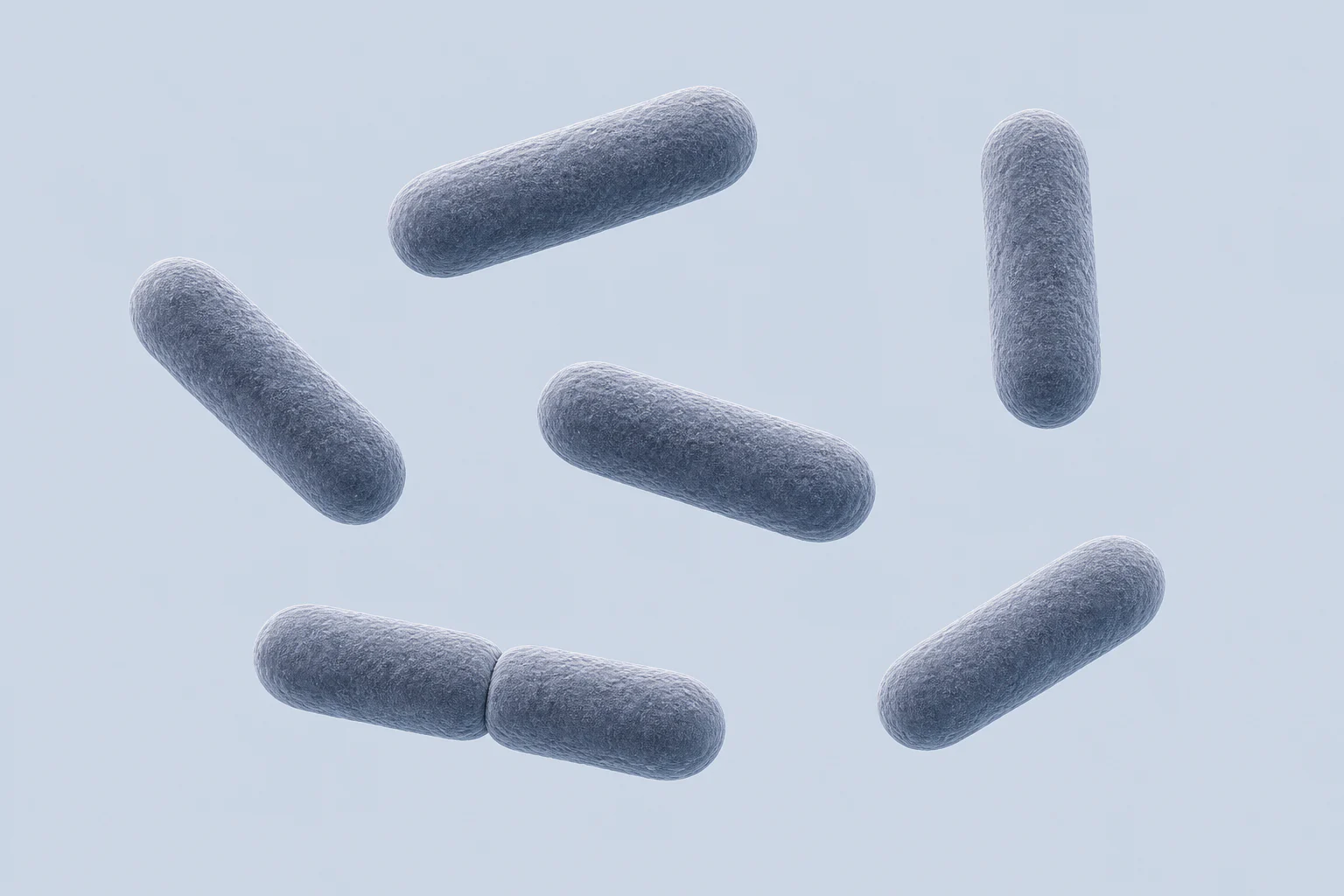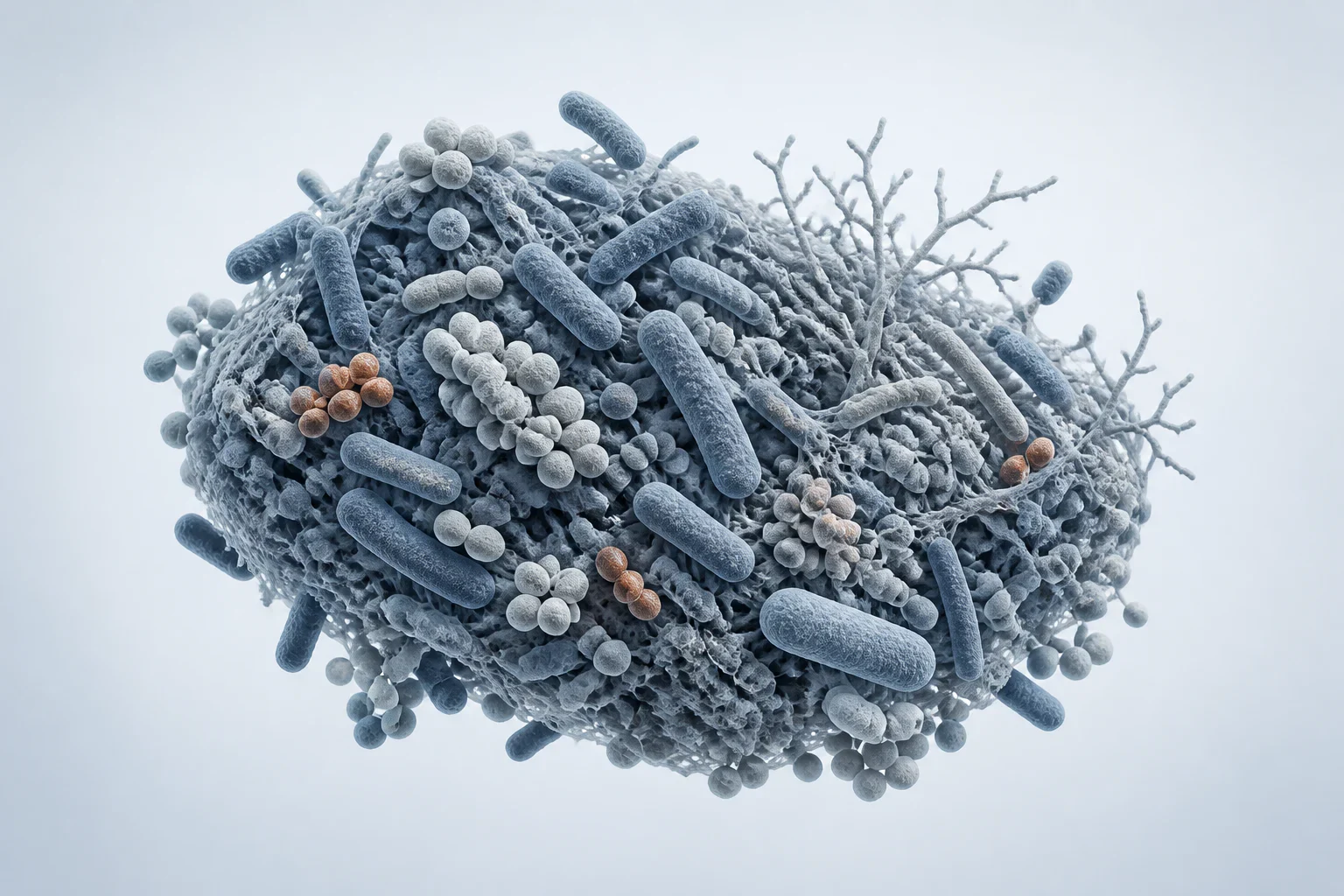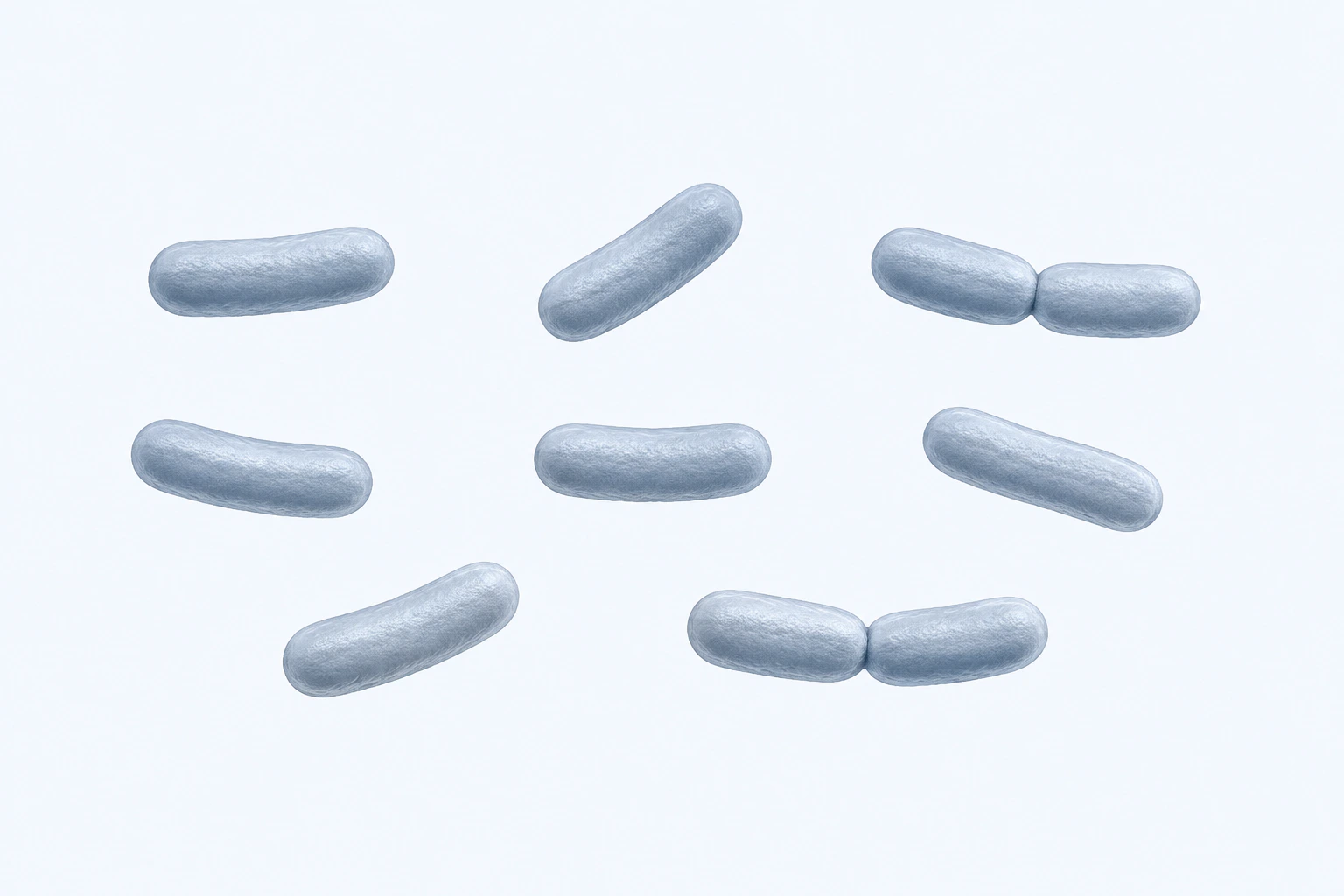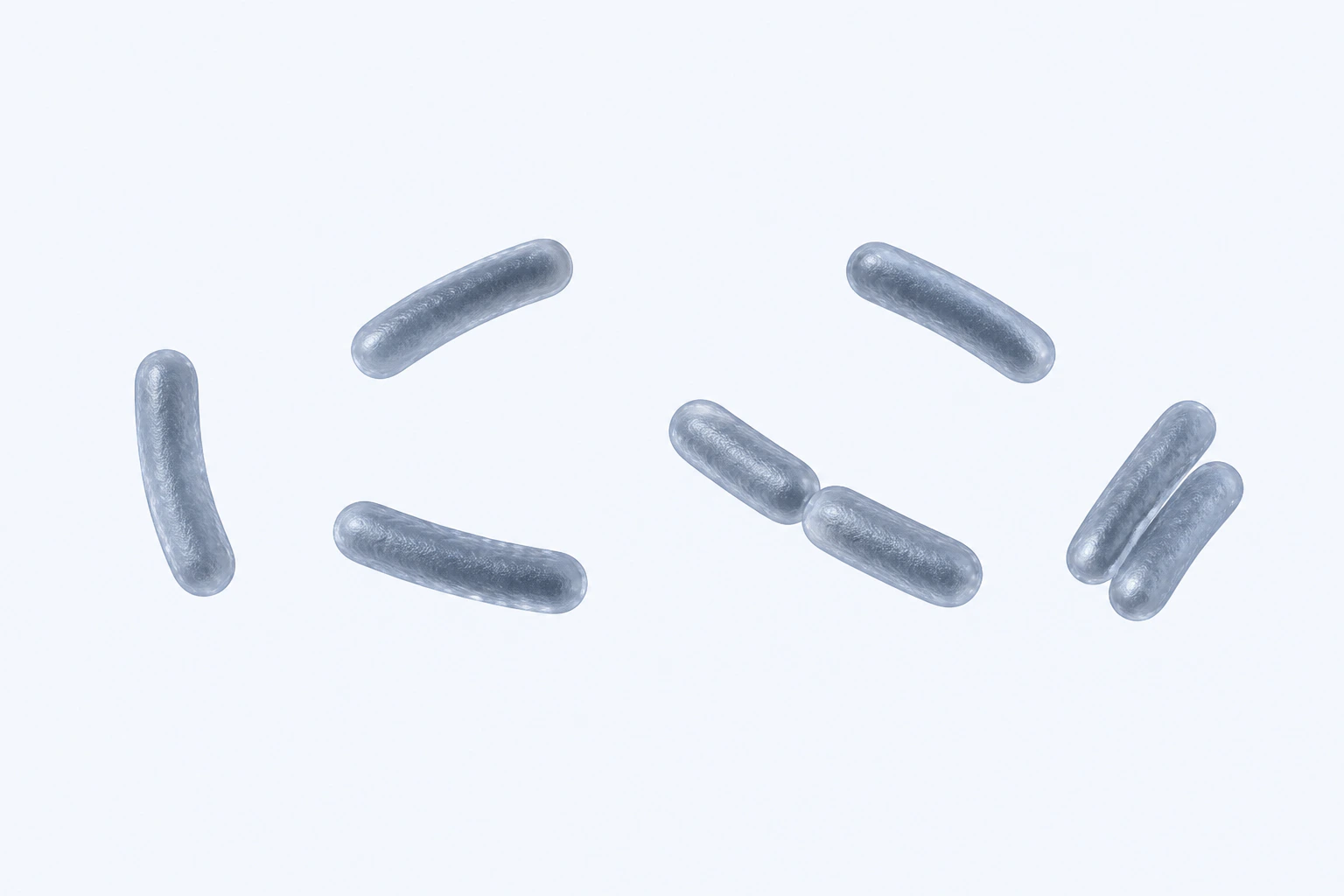
Bacteroidetes (Bacteroidota)
This knowledge-base record is being expanded from WikiBiome’s evidence graph.
WikiBiomeThe human microbiome encyclopediaRanked matches across titles, topics, categories, and article introductions.
This knowledge-base record is being expanded from WikiBiome’s evidence graph.
A Gram-negative, obligate anaerobic genus within the Bacteroidetes phylum (family Rikenellaceae). Alistipes occupies a complex and context-dependent role in the gut ecosystem — some species carry well-documented anti-inflammatory properties, while the genus is paradoxic…
Bacteroidaceae is a family of obligate anaerobic, Gram-negative bacteria in the order bacteroidales. The dominant genus is bacteroides, which includes B. fragilis, B. vulgatus, B. thetaiotaomicron, and B. uniformis. Bacteroidaceae are among the most abundant gut bacteri…
Bacteroidales is an order of obligate anaerobic, Gram-negative bacteria within the phylum Bacteroidetes. It includes the families Bacteroidaceae (bacteroides), Prevotellaceae (prevotella), Rikenellaceae, and Porphyromonadaceae (porphyromonas). Bacteroidales are among th…
This knowledge-base record is being expanded from WikiBiome’s evidence graph.
A Gram-negative, obligate anaerobic bacterium within the phylum Bacteroidetes and a common member of the healthy human gut microbiota. B. uniformis is a versatile polysaccharide degrader with emerging significance as an anti-inflammatory commensal whose depletion appear…
Barnesella is a genus of obligate anaerobic, Gram-negative bacteria in the phylum Bacteroidetes. It is a relatively understudied gut commensal that appears in the WikiBiome vault primarily in the context of endometriosis microbiome studies, where it is part of the compl…
Barnesiella is a genus of Gram-negative, obligate anaerobic bacteria within the phylum Bacteroidetes. It is a commensal member of the healthy human gut microbiota, recognized for its role in colonization resistance — the ability of the resident microbiome to prevent est…
A Gram-negative, obligate anaerobic genus within the Bacteroidetes phylum (family Odoribacteraceae). Despite its relatively recent characterization, Butyricimonas has gained significant attention as a member of the protective butyrate-producing consortium that is consis…
Disruption of the normal composition and metabolic function of microbial communities, particularly the gut microbiome. In the metallomics context, dysbiosis is both a consequence of metal toxicity and an amplifier of further disease -- creating vicious cycles where meta…
This knowledge-base record is being expanded from WikiBiome’s evidence graph.
The community of trillions of microorganisms — bacteria, archaea, fungi (mycobiome), viruses, and bacteriophages — inhabiting the human gastrointestinal tract, with the highest density in the colon (~10¹¹ cells/g). The gut microbiome encodes 100–150 times more genes tha…
A chronic metabolic condition affecting over 1 billion people globally, characterized by excess adipose tissue accumulation, systemic low-grade inflammation, and gut microbiome disruption pendergrass 2026 heavy metals obesity epidemic. From a metallomics perspective, ob…
Odoribacter splanchnicus is a Gram-negative, obligate anaerobic bacterium belonging to the family Odoribacteraceae within the phylum Bacteroidota (formerly Bacteroidetes). It is a commensal resident of the human colon recognized primarily as a producer of short chain fa…
A Gram-negative, obligate anaerobic genus within the Bacteroidetes phylum, closely related to bacteroides fragilis. The best-characterized species, P. distasonis, has emerged as a key anti-inflammatory commensal with significant roles in bile acid metabolism and metabol…
This knowledge-base record is being expanded from WikiBiome’s evidence graph.
A Gram-negative, obligate anaerobic genus within the phylum Bacteroidota (formerly Bacteroidetes) that was recently reclassified from Bacteroides based on phylogenomic evidence (Garcia-Lopez et al., 2019). The key species -- Phocaeicola vulgatus (formerly Bacteroides vu…
See also: porphyromonas (genus page), porphyromonas gingivalis (species page) Porphyromonas bennonis is an obligate anaerobic, Gram-negative bacterium related to the periodontal pathogen porphyromonas gingivalis. Unlike its oral relative, P. bennonis is primarily associ…
A Gram-negative, obligate anaerobic genus within the Bacteroidetes phylum that exemplifies context-dependent microbiome effects -- beneficial in some settings, pathogenic in others. P. copri is the dominant species in the human gut and a hallmark of plant-rich, fiber-ri…
A family of Gram-negative, obligate anaerobic bacteria within the phylum Bacteroidota (formerly Bacteroidetes) that includes the genus prevotella and the recently described alloprevotella. Prevotellaceae are specialist fiber fermenters producing short-chain fatty acids,…
A three-carbon short-chain fatty acid (SCFA) produced primarily by Bacteroidetes and certain Firmicutes through anaerobic fermentation of dietary substrates. At physiological concentrations in healthy gut microbiomes, propionic acid (PPA) is a normal fermentation produc…
Rikenella is a genus of obligate anaerobic, Gram-negative bacteria in the family Rikenellaceae (phylum Bacteroidetes). The primary species is R. microfusus. In the WikiBiome vault, Rikenella is consistently depleted across disease states — a protective commensal whose l…
This knowledge-base record is being expanded from WikiBiome’s evidence graph.