Actinobacteria (Actinomycetota)
This knowledge-base record is being expanded from WikiBiome’s evidence graph.
WikiBiomeThe human microbiome encyclopediaRanked matches across titles, topics, categories, and article introductions.
This knowledge-base record is being expanded from WikiBiome’s evidence graph.
A Gram-negative, obligate anaerobic genus within the Bacteroidetes phylum (family Rikenellaceae). Alistipes occupies a complex and context-dependent role in the gut ecosystem — some species carry well-documented anti-inflammatory properties, while the genus is paradoxic…
This knowledge-base record is being expanded from WikiBiome’s evidence graph.
A Gram-negative obligate anaerobe that exemplifies the commensal-pathobiont spectrum. B. vulgatus is a common component of the healthy gut microbiota, yet is significantly enriched in colorectal cancer and depression, suggesting a context-dependent pathogenic potential.…
A genus of Gram-positive, obligate anaerobic bacteria within the lachnospiraceae family that produces short chain fatty acids and plays a significant role in bile acid metabolism. Key species include B. obeum, B. wexlerae, B. hydrogenotrophica, and B. producta. While pr…
A large, polyphyletic genus of Gram-positive, obligate anaerobic, spore-forming bacteria encompassing both critical beneficial commensals and dangerous pathogens. Former Clostridium clusters IV and XIVa are now reclassified into ruminococcus-family Ruminococcaceae and l…
Dialister is a genus of Gram-negative, obligate anaerobic bacteria within the family Veillonellaceae that represents one of the strongest protective associations in gut-brain-axis research. Dialister depletion is a consistent and independent biomarker of depression, anx…
This knowledge-base record is being expanded from WikiBiome’s evidence graph.
--- title: Intestinibacter type: entity subtype: microbe created: 2026-04-10 updated: 2026-04-16 lastsubstantiveupdate: 2026-04-16 sources: [dai-2024-gut-microbiota-cvd-bidirectional-mr, xiang-2023-host-gene-microbiome-crc-mr, wu-2017-metformin-gut-microbiome-t2d-nature…
Lachnospira is a genus of Gram-positive, obligate anaerobic bacteria within the lachnospiraceae family (Firmicutes phylum). L. pectinoschiza, the type species, is a specialist pectin fermenter that produces short chain fatty acids from plant-derived polysaccharides. The…
This knowledge-base record is being expanded from WikiBiome’s evidence graph.
Megasphaera is a genus of obligate anaerobic, Gram-negative bacteria in the family Veillonellaceae (class Negativicutes, phylum Firmicutes). The genus occupies two distinct ecological niches — the vaginal microbiome (where it is a hallmark of bacterial vaginosis) and th…
Odoribacter splanchnicus is a Gram-negative, obligate anaerobic bacterium belonging to the family Odoribacteraceae within the phylum Bacteroidota (formerly Bacteroidetes). It is a commensal resident of the human colon recognized primarily as a producer of short chain fa…
A Gram-negative, obligate anaerobic genus within the Firmicutes phylum (family Acidaminococcaceae, class Negativicutes). The primary species P. faecium and the recently characterized P. succinatutens are specialized propionate producers that utilize succinate as their m…
Polyamines -- putrescine, spermidine, spermine, and cadaverine -- are small polycationic molecules produced by both the host and the gut microbiome. They regulate cell growth, differentiation, apoptosis, and immune function. In the gut ecosystem, polyamines are metaboli…
A Gram-negative, obligate anaerobic genus within the Bacteroidetes phylum that exemplifies context-dependent microbiome effects -- beneficial in some settings, pathogenic in others. P. copri is the dominant species in the human gut and a hallmark of plant-rich, fiber-ri…
A Gram-negative obligate anaerobe that occupies a unique context-dependent niche in the human gut microbiome. P. copri is significantly enriched in rheumatoid arthritis patients and is associated with metabolic syndrome and obesity, yet in other contexts it can function…
A family of Gram-negative, obligate anaerobic bacteria within the phylum Bacteroidota (formerly Bacteroidetes) that includes the genus prevotella and the recently described alloprevotella. Prevotellaceae are specialist fiber fermenters producing short-chain fatty acids,…
This knowledge-base record is being expanded from WikiBiome’s evidence graph.
A genus of Gram-positive, obligate anaerobic cocci within the Firmicutes phylum that exemplifies dual-nature microbiology — containing both keystone beneficial species and disease-associated pathobionts within the same genus. The genus spans multiple former taxonomic gr…
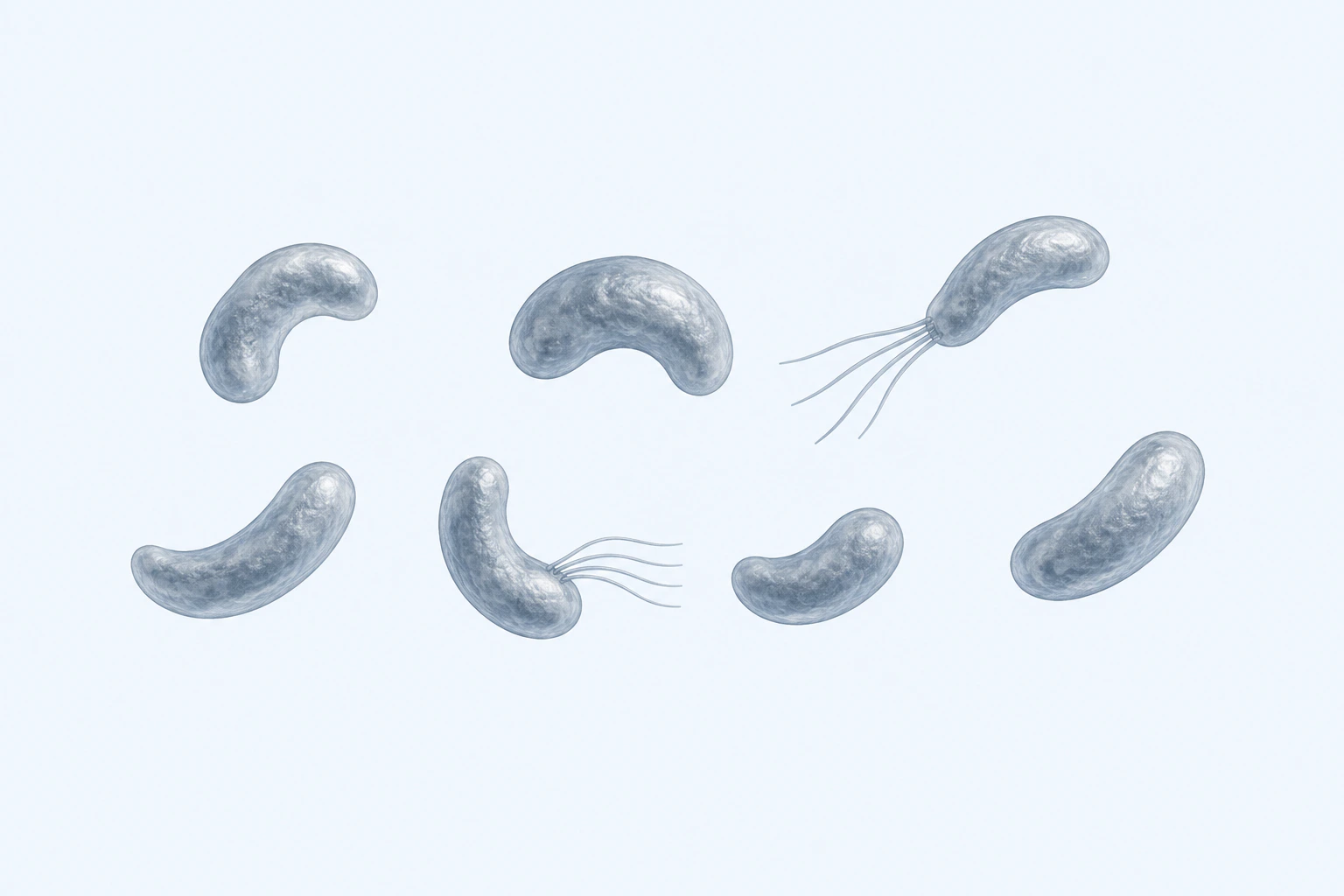
A genus of Gram-negative, crescent-shaped, strictly anaerobic bacteria found in both the oral cavity and the gastrointestinal tract. Selenomonas species are characterized by their distinctive morphology -- a curved rod with a tuft of flagella arising from the concave si…