Chromium
This knowledge-base record is being expanded from WikiBiome’s evidence graph.
WikiBiomeThe human microbiome encyclopediaRanked matches across titles, topics, categories, and article introductions.
This knowledge-base record is being expanded from WikiBiome’s evidence graph.
Vitamin C (ascorbate) is broadly protective: it reduces nickel absorption from food (acting as a competitive inhibitor in the GI tract), is the most commonly recommended adjunct to low-nickel diets zirwas 2009 dietary nickel dermatitis, and is a critical cofactor for DN…
While Cr(III) deficiency may contribute to glucose intolerance, supplementation trials have produced inconsistent results. The disconnect between mechanistic plausibility and clinical trial evidence suggests that Cr supplementation may only benefit the subset of patient…
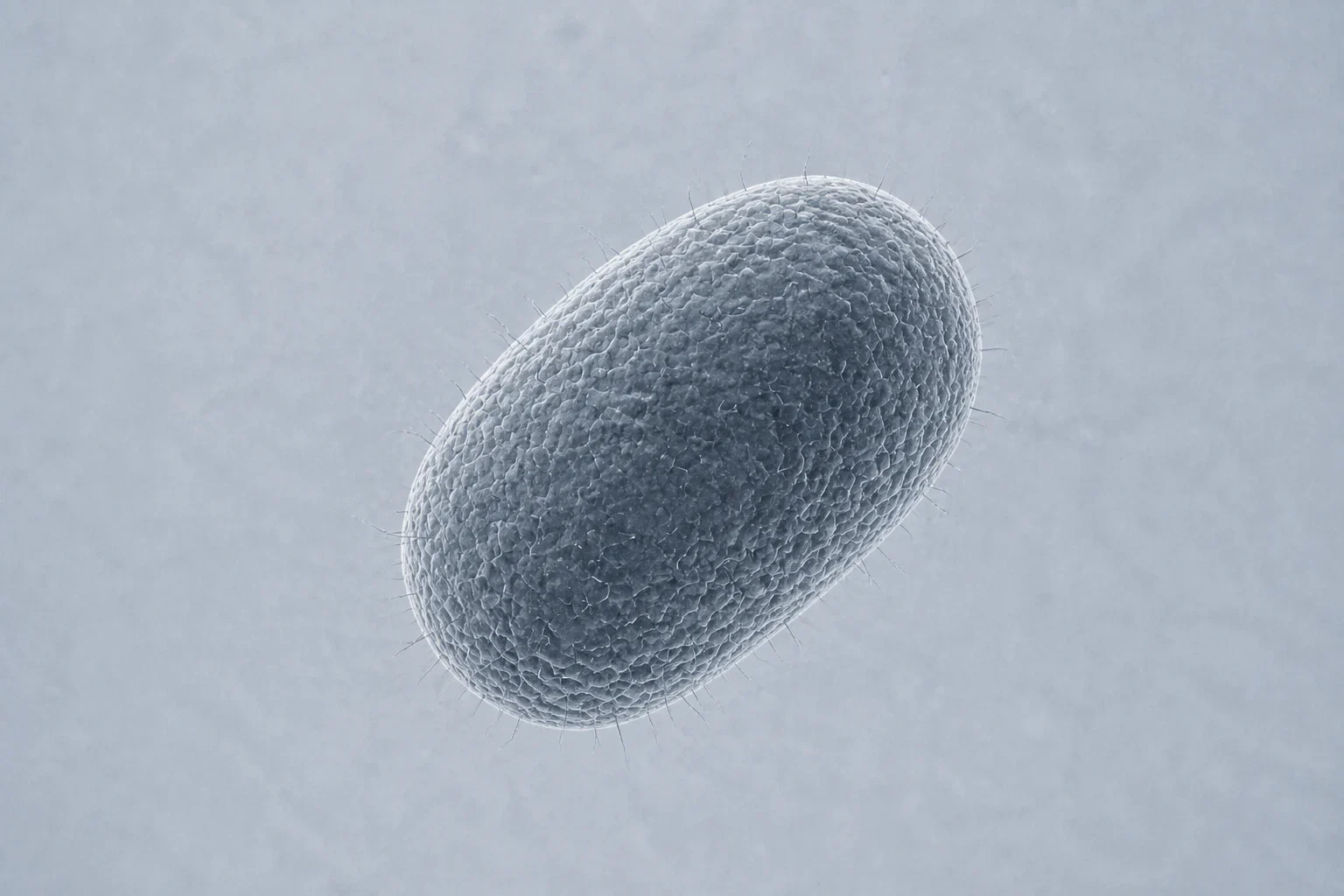
A Gram-negative, obligate anaerobic, mucin-degrading bacterium that colonizes the intestinal mucus layer and has emerged as one of the most important next-generation probiotics. A. muciniphila is consistently depleted in disease states associated with metal dyshomeostas…
A selective semipermeable border formed by brain endothelial cells connected by tight junctions, pericytes, and astrocytic end-feet. The BBB restricts passage of most molecules from blood to brain, protecting the CNS from toxins, pathogens, and inflammatory mediators. M…
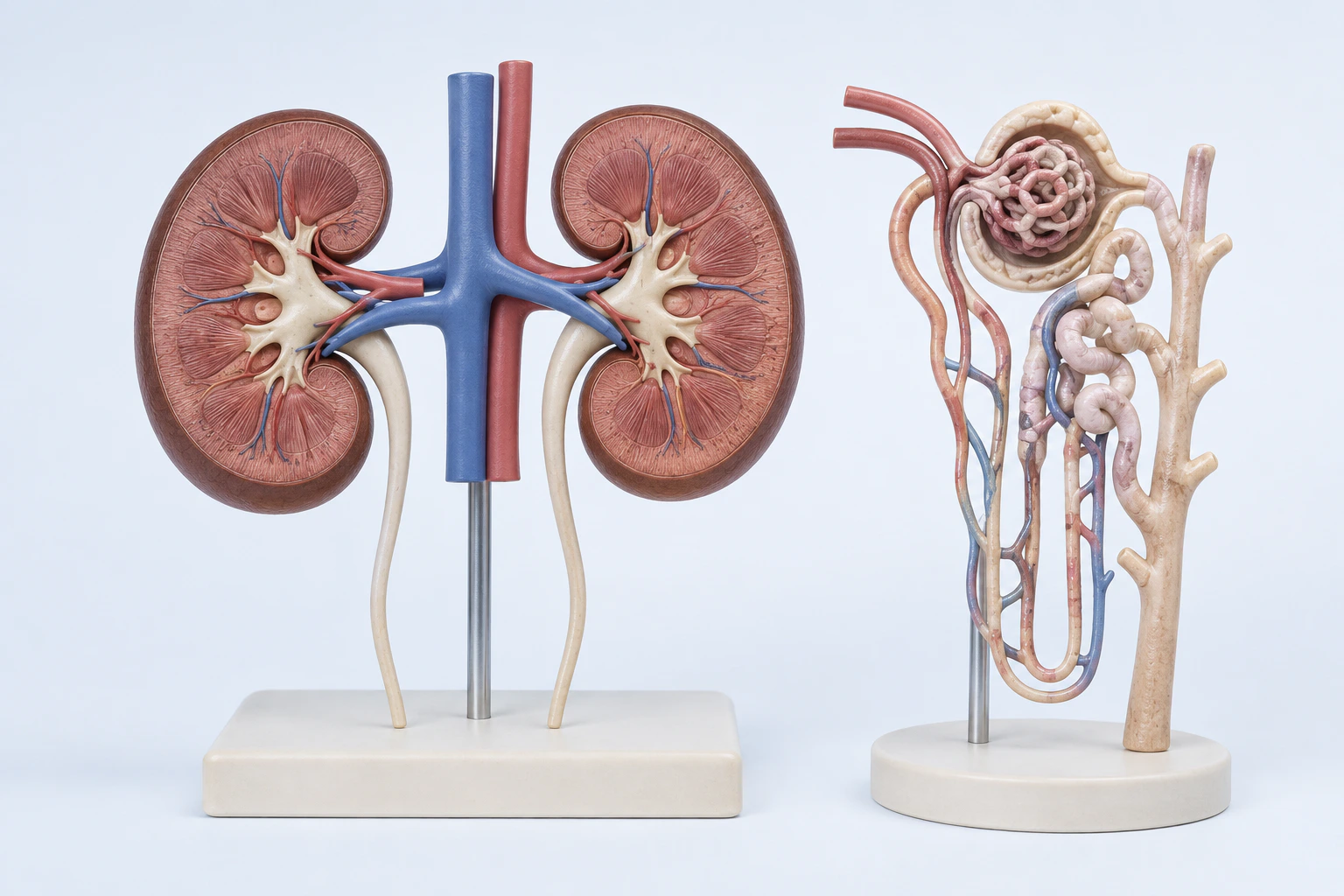
A progressive loss of kidney function affecting approximately 850 million people worldwide (10–14% of adults), causing 1.2 million deaths annually. CKD is unique among diseases in this wiki because it occupies both sides of the metal-disease equation: heavy metals (Cd, …
This knowledge-base record is being expanded from WikiBiome’s evidence graph.
This page identifies the contradictions and clinical dilemmas that become visible only when the 236 source pages in this wiki are read together. Each paradox describes a situation where evidence-based dietary or supplementation advice -- advice that is correct for most …
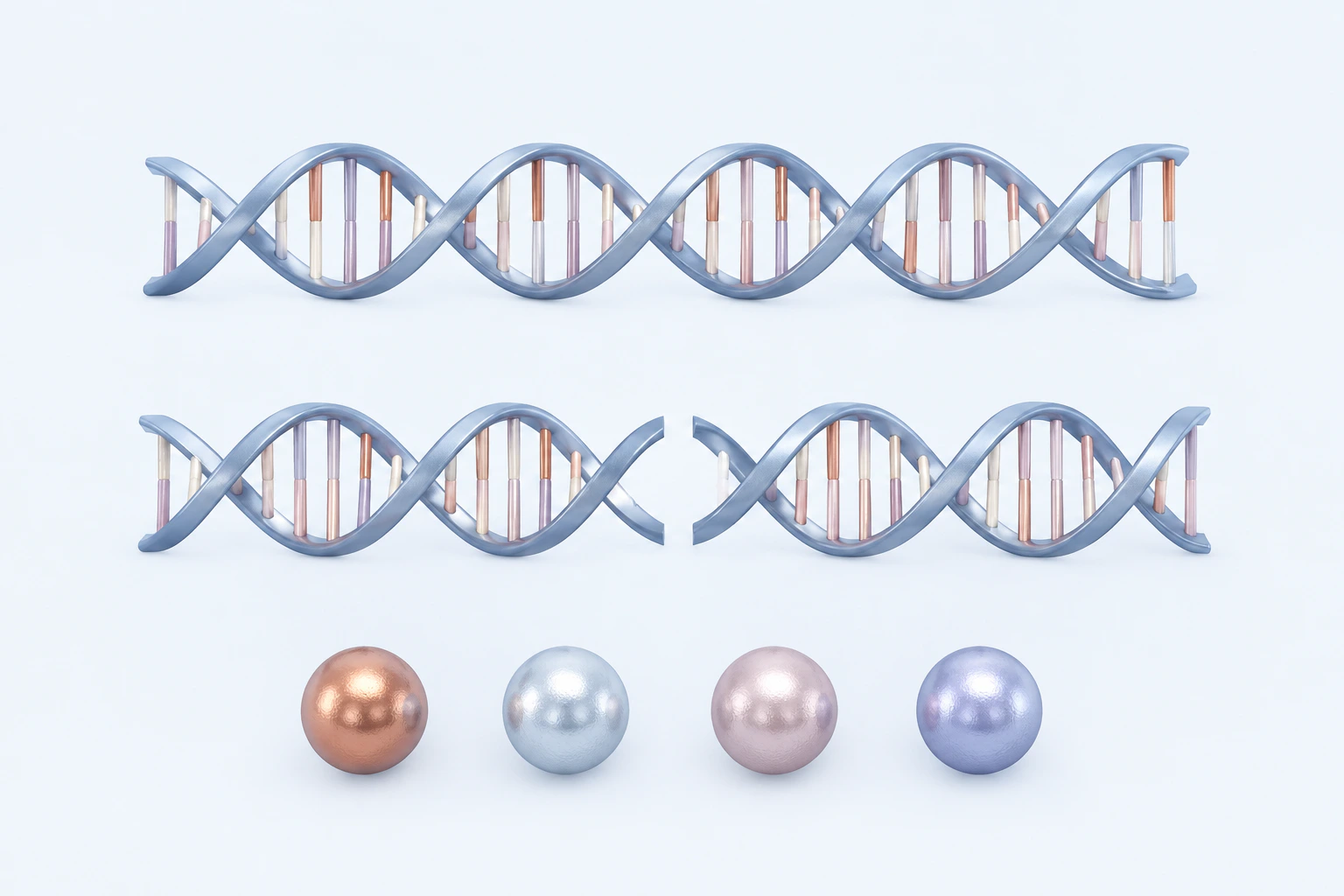
Direct DNA damage is the primary carcinogenic mechanism for chromium but is notably absent or minor for nickel and arsenic. This distinction is fundamental to understanding why these three metals cause cancer through such different pathways.
This knowledge-base record is being expanded from WikiBiome’s evidence graph.
Hyperparathyroidism is the overproduction of parathyroid hormone (PTH), a master regulator of calcium homeostasis. While primary hyperparathyroidism (from parathyroid adenoma) is well described, the WikiBiome framework highlights secondary hyperparathyroidism -- the com…
Activation of the hypoxia-inducible factor pathway under normoxic conditions is a hallmark mechanism of nickel carcinogenesis, distinguishing it from arsenic and chromium.
A condition in which cells fail to respond normally to insulin, requiring progressively higher insulin levels to maintain glucose homeostasis. Insulin resistance is central to PCOS, type 2 diabetes, and metabolic syndrome, and has extensive but complex connections to me…
The ability of certain metals to cause cancer has been known since the 19th century. The three metals covered in this wiki — nickel, arsenic, and chromium — represent distinct mechanistic paradigms that collectively illustrate the diversity of metal-induced carcinogenes…
Oxidative stress is the imbalance between the production of reactive oxygen and nitrogen species (ROS/RNS) and the capacity of biological antioxidant defense systems to detoxify them. It is the single most commonly invoked mechanism across metal toxicology in this wiki,…
This knowledge-base record is being expanded from WikiBiome’s evidence graph.