Mediterranean Diet for Ovarian Cancer Survival
This knowledge-base record is being expanded from WikiBiome’s evidence graph.
WikiBiomeThe human microbiome encyclopediaRanked matches across titles, topics, categories, and article introductions.
This knowledge-base record is being expanded from WikiBiome’s evidence graph.
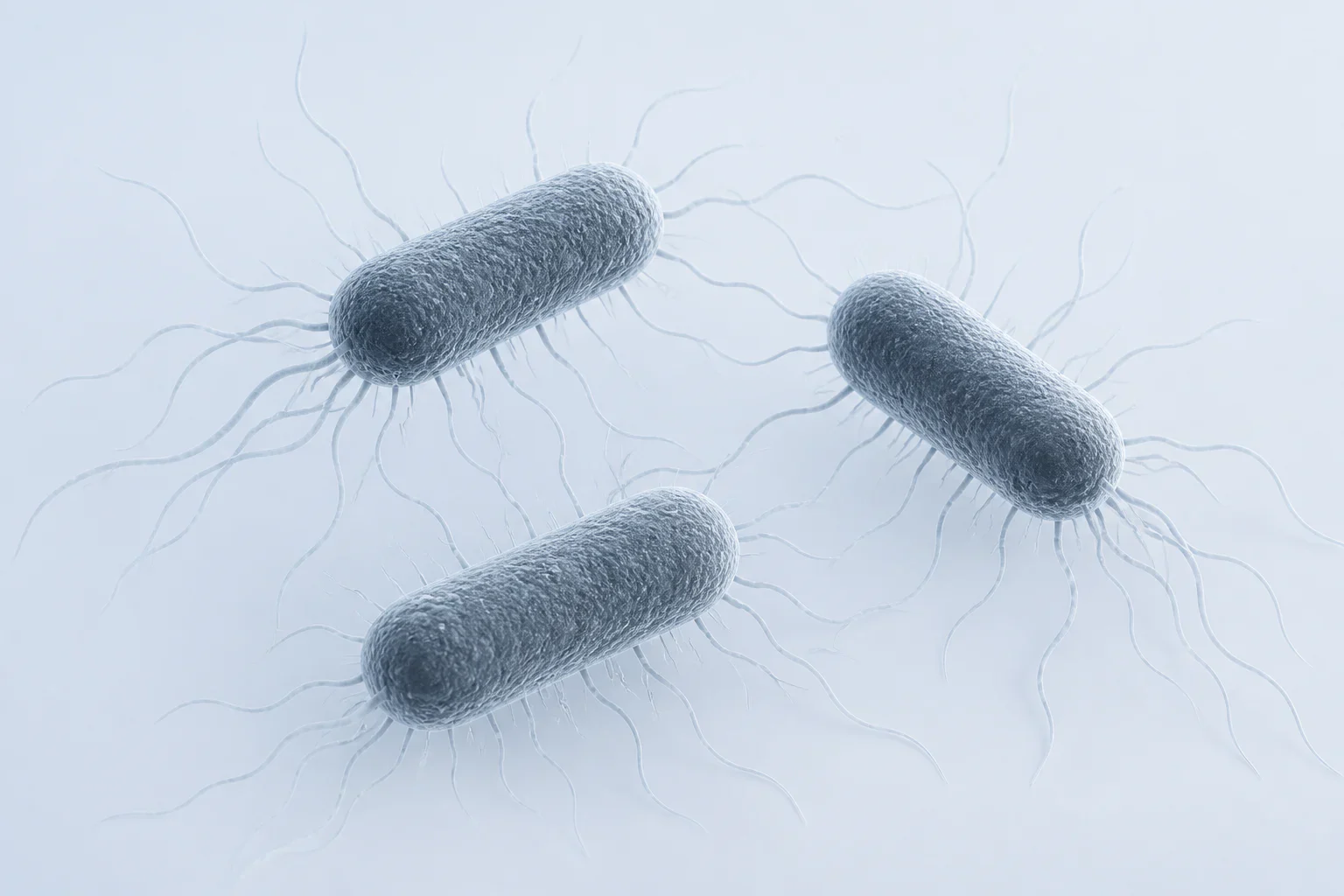
A pathotype of escherichia coli that adheres to and invades intestinal epithelial cells, survives and replicates within macrophages, and is strongly associated with ileal Crohn's disease. Unlike classical diarrheagenic E. coli pathotypes (EPEC, ETEC, EHEC), AIEC does no…
A genus of Gram-negative intracellular pathogens causing brucellosis, the most common bacterial zoonosis worldwide. Brucella species depend on nickel-activated urease for gastrointestinal survival during the initial phase of infection, and urease immunization has been s…
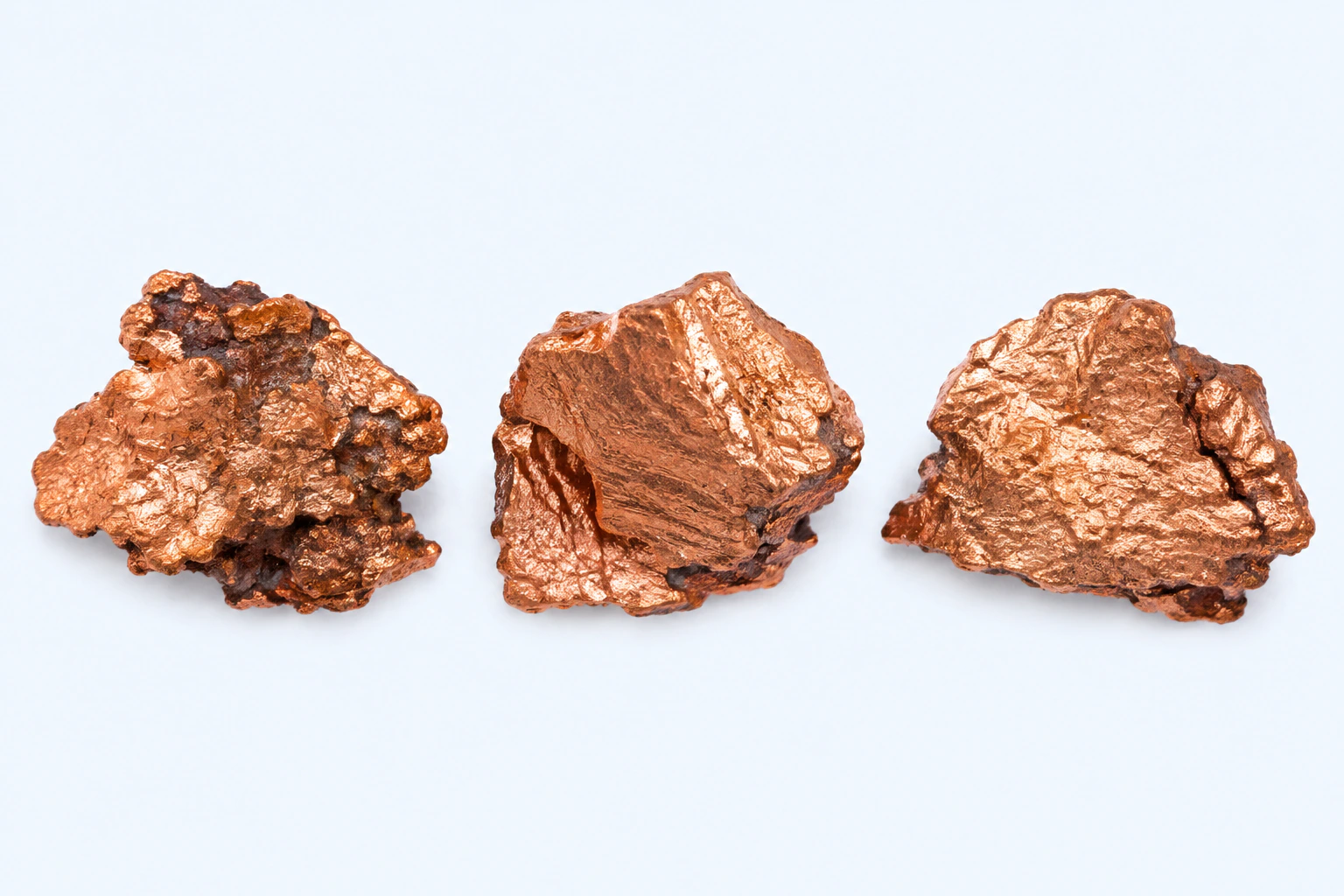
An essential trace element with a striking dual nature: required for survival as a cofactor for critical enzymes (SOD1, cytochrome c oxidase, ceruloplasmin), yet toxic in excess through Fenton-like redox cycling and mis metallation of iron-sulfur clusters. Copper is ele…
A Gram-negative bacterium that spans the commensal-pathogen spectrum, with pathogenic variants (UPEC, STEC, EHEC) deploying nickel-dependent enzymes as virulence factors. E. coli is the model organism for nickel transport biology -- the NikABCDE system was first charact…
The causative agent of tuberculosis (TB), the leading infectious disease killer worldwide (~1.3 million deaths annually). M. tuberculosis has an exceptionally complex metal biology: it deploys nickel-dependent hydrogenase and urease for intracellular survival, species-s…
Nuclear factor kappa-light-chain-enhancer of activated B cells (NF-kB) is a family of transcription factors that regulate inflammation, immune responses, cell survival, and proliferation. NF-kB is a convergence point where metal toxicity, pathogen signaling, and chronic…
This knowledge-base record is being expanded from WikiBiome’s evidence graph.
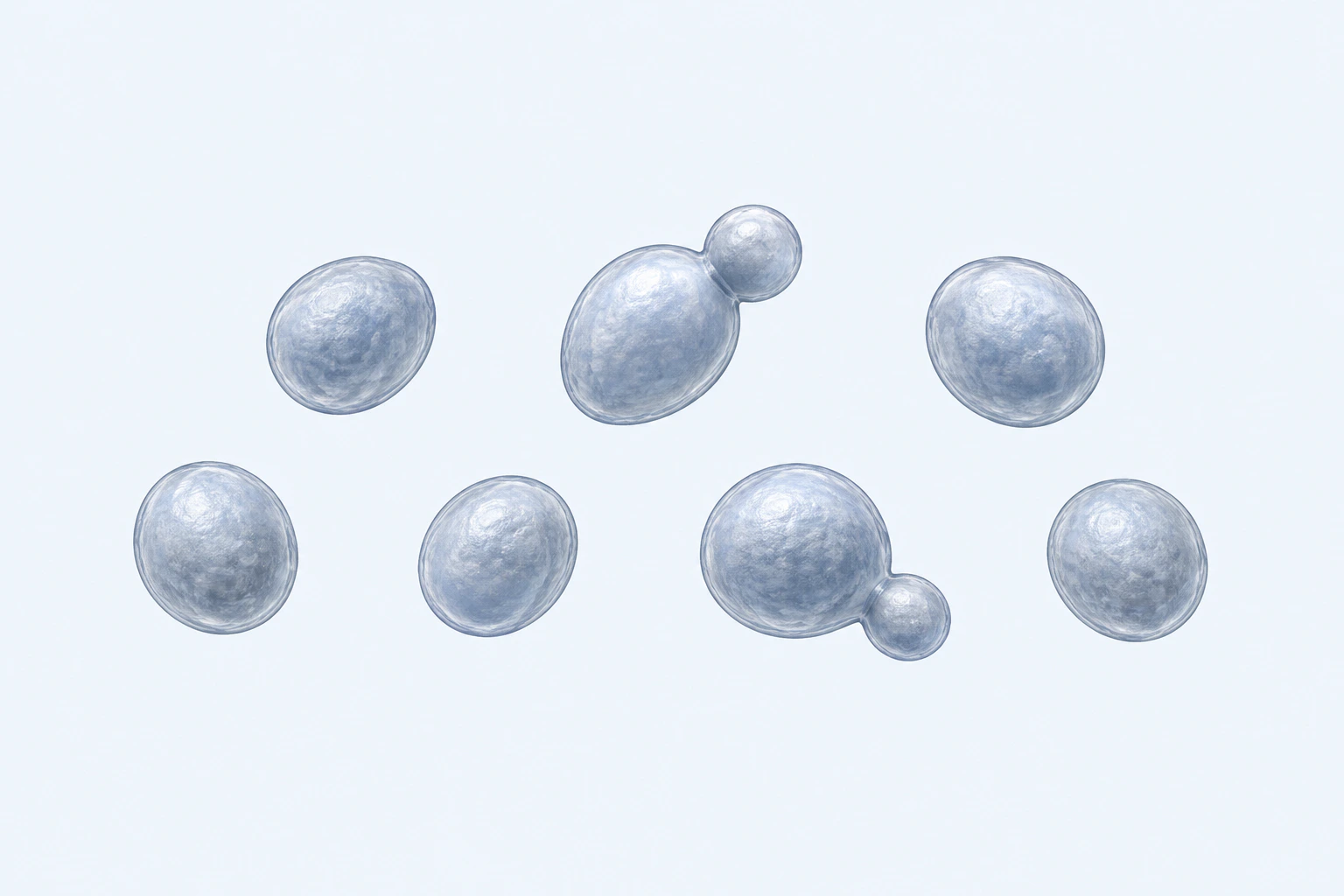
Saccharomyces cerevisiae is a unicellular budding fungus (ascomycete) ubiquitous in fermentation, brewing, bread-making, and increasingly used as a pharmaceutical probiotic (Hatoum et al. 2012). The strain S. boulardii (also called S. cerevisiae var. boulardii) is the m…
Salmonella is a genus of Gram-negative, facultatively anaerobic bacteria in the family Enterobacteriaceae. The two species — S. enterica (with 2,500 serovars including Typhimurium and Typhi) and S. bongori — cause a spectrum of disease from self-limiting gastroenteritis…
A Gram-negative enteric pathogen that possesses four distinct [NiFe] hydrogenases -- the most of any well-characterized human pathogen. These hydrogenases are critical for intracellular survival within macrophages, and a triple hydrogenase mutant is 100% avirulent in mo…
A Gram-negative intracellular pathogen causing bacillary dysentery (shigellosis), responsible for approximately 165 million illness episodes and over 1 million deaths annually, predominantly in children under 5 in developing countries. S. flexneri relies on nickel-depen…
The primary architect of dental caries -- the most prevalent chronic infectious disease worldwide. S. mutans is a Gram-positive, facultative anaerobe that colonizes tooth surfaces and produces the acid-rich, metal-managed biofilms known as dental plaque. What sets this …
The most widespread nickel-dependent virulence factor across human pathogens. Urease is found in at least 40 prokaryotic and 9 eukaryotic pathogenic species, making it the single most important enzyme linking dietary/environmental nickel to infectious disease.