Statin Therapy
<!-- STUB: triangle evidence needs completion --
WikiBiomeThe human microbiome encyclopediaRanked matches across titles, topics, categories, and article introductions.
<!-- STUB: triangle evidence needs completion --
This knowledge-base record is being expanded from WikiBiome’s evidence graph.
See also the genus page: gardnerella Gardnerella vaginalis is the primary causative agent of bacterial vaginosis (BV), the most common vaginal infection worldwide. This species page focuses on the species-level biology — particularly the vaginolysin cytotoxin and biofil…
Heavy metals exert some of their most devastating effects on the nervous system. lead, mercury, and arsenic are the three metals with the most extensively documented neurotoxic mechanisms, but cadmium, manganese, aluminum, and nickel also contribute to neurological dama…
--- title: Neisseria meningitidis type: entity subtype: microbe created: 2026-04-09 updated: 2026-04-16 lastsubstantiveupdate: 2026-04-16 sources: [maier-2019-nickel-microbial-pathogenesis, patil-2021-infection-metallomics-critical-care, patil-2021-infection-metallomics…
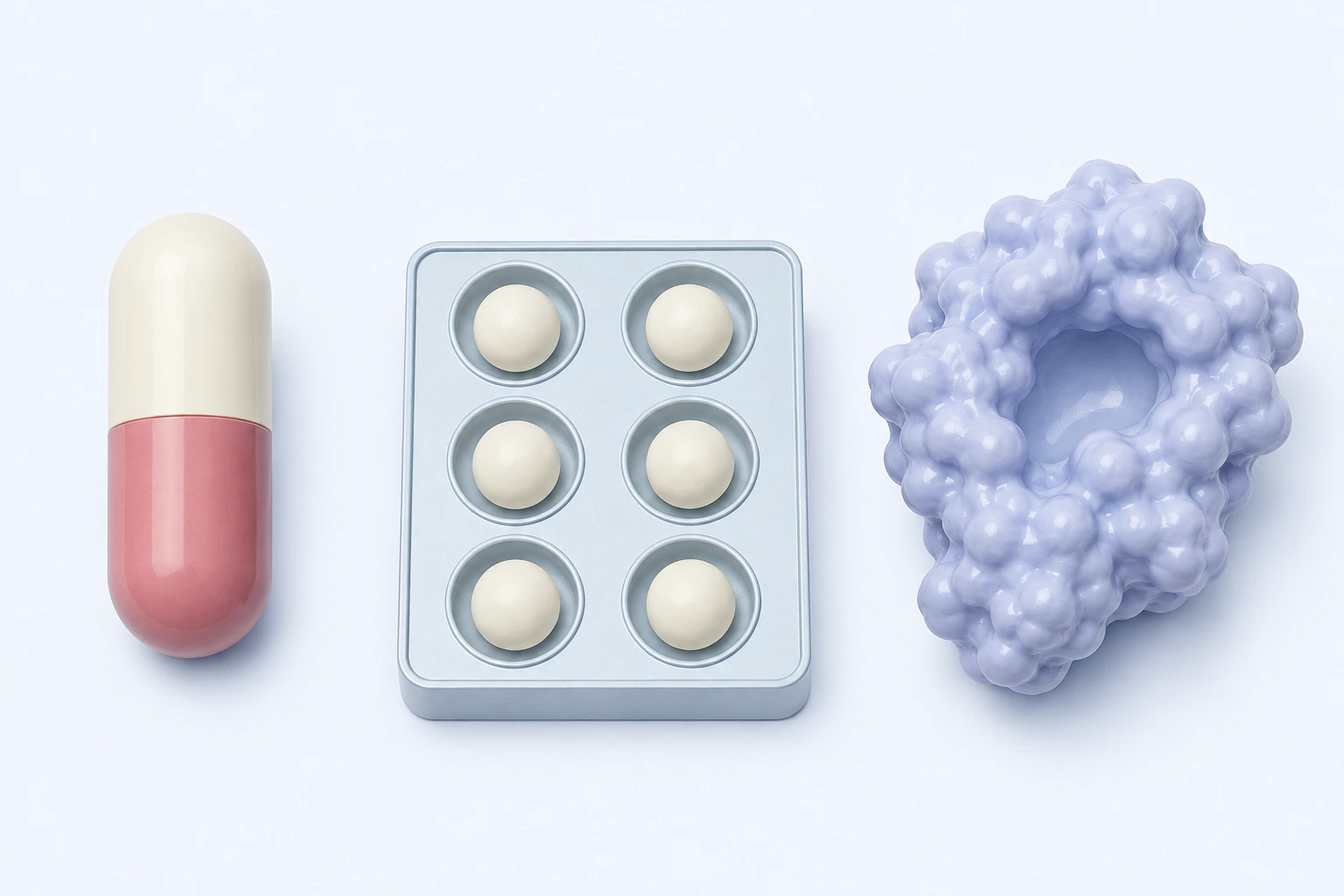
Pharmacomicrobiomics is the study of bidirectional interactions between drugs and the microbiome. The gut microbiome is not a passive bystander in pharmacology -- it actively metabolizes drugs, alters their bioavailability, and modulates therapeutic efficacy. Conversely…
The causative agent of plague -- one of the most devastating infectious diseases in human history and a modern bioterrorism concern (Tier 1 Select Agent). Y. pestis depends on nickel for glyoxalase I-mediated metabolic detoxification and produces the archetypal dual-fun…