
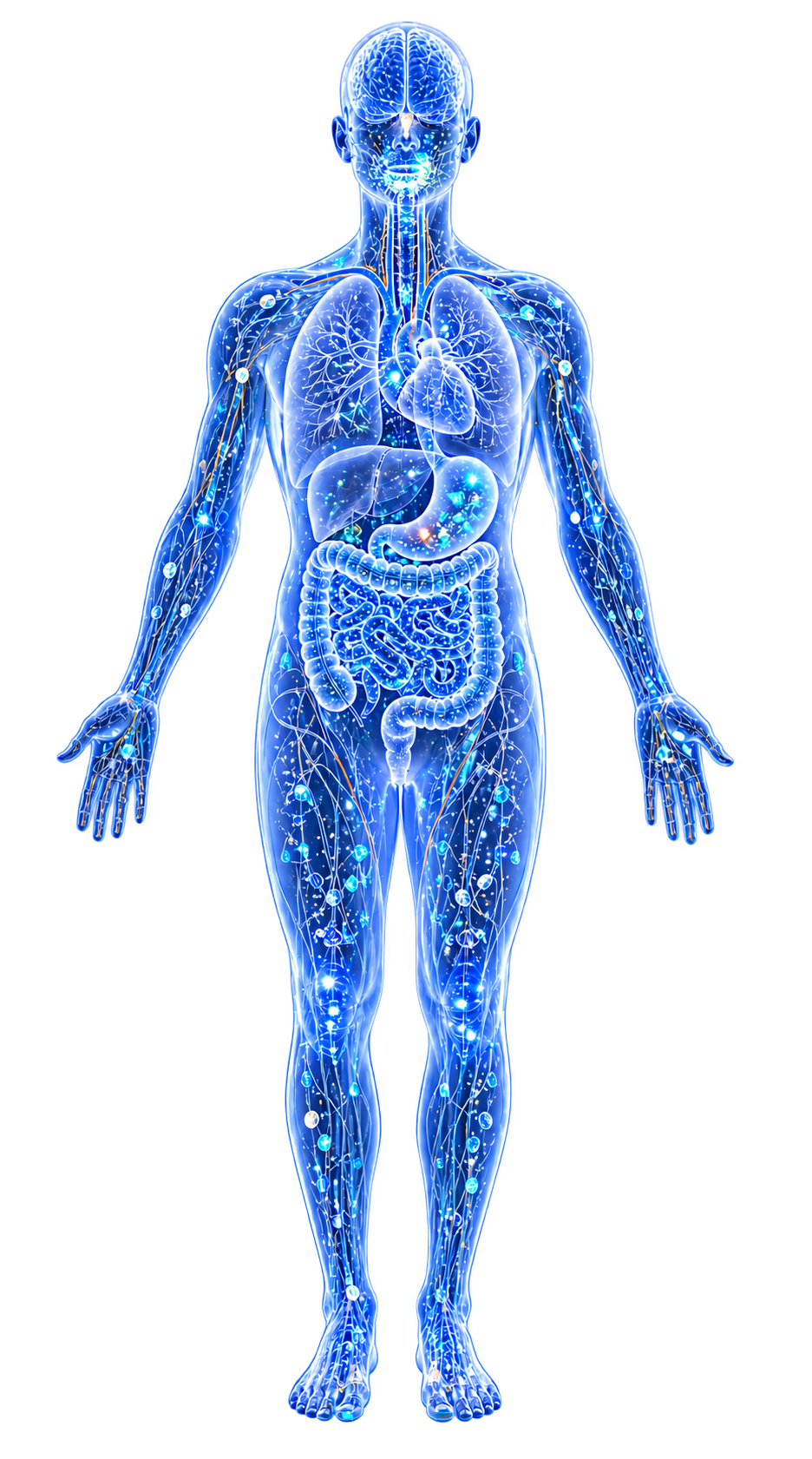
Statins (HMG-CoA reductase inhibitors) are the most prescribed drug class worldwide for cholesterol lowering. In the WikiBiome framework, statins are notable for their microbiome-modulating effects and drug repurposing potential beyond cardiovascular disease—including anti-vaginolysin activity against Gardnerella vaginalis, neuroprotection in Parkinson's, and cancer chemoprevention.
Evidence map6 cited passagesInspect provenance +
Rosuvastatin alters gut microbiome composition during lipid-lowering therapy.
Simvastatin promotes Lactobacillus expansion and cholesterol metabolism in CRC context.
BV/vaginolysin: Statins deplete membrane cholesterol → reduce vaginolysin (cholesterol-dependent cytolysin) binding → attenuate Gardnerella virulence.
Parkinson's: Statin use associated with altered gut microbiome and potential neuroprotection.
Cancer: Statins show chemopreventive effects in breast and colorectal cancer.
Preterm birth: Statin repurposing for preterm delivery prevention.
Microbiome Effects#
Rosuvastatin alters gut microbiome composition during lipid-lowering therapy.[1]Gut Microbiome Associates With Lipid-Lowering Effect of Rosuvastatin in VivoYinhui Liu, Xiaobo Song, Huimin Zhou et al. · 2018Open reference 1 ↓ Simvastatin promotes Lactobacillus expansion and cholesterol metabolism in CRC context.[2]Cholesterol-induced colorectal cancer progression and its mitigation through gut microbiota remodeling and simvastatin treatmentXiaoliang Xie, Wenjing Wang, Haiming Zhang et al. · 2025Open reference 2 ↓ Statin users show distinct gut microbiome profiles compared to non-users.
Drug Repurposing#
BV/vaginolysin: Statins deplete membrane cholesterol → reduce vaginolysin (cholesterol-dependent cytolysin) binding → attenuate Gardnerella virulence.[3]Abdelmaksoud 2017 — Association between Statin Use, the Vaginal Microbiome, and Gardnerella vaginalis Vaginolysin-Mediated CytotoxicityAbdelmaksoud AA, Girerd PH, Garcia EM et al. · 2017Open reference 3 ↓ Parkinson's: Statin use associated with altered gut microbiome and potential neuroprotection.[4]Mertsalmi 2023 -- Statins and Gut Microbiome in Parkinson's DiseaseEero Mertsalmi, Velma T E Aho, Pedro A B Pereira et al. · 2023Open reference 4 ↓
Cancer: Statins show chemopreventive effects in breast and colorectal cancer.[5]The role of statins in the regulation of breast and colorectal cancer and future directionsDang Y, Zhang Y, Wang Z · 2025Open reference 5 ↓ Preterm birth: Statin repurposing for preterm delivery prevention.[6]Whitaker 2021 — Could Statins Be a Novel Therapeutic for the Prevention of Preterm Delivery? Evidence from an Animal Model and Phase II Feasibility TrialEleanor Whitaker · 2021Open reference 6 ↓
Cross-References#
- Gardnerella vaginalis—vaginolysin inhibition by membrane cholesterol depletion
- Lipid Metabolism—primary therapeutic target
- Pharmacomicrobiomics—drug-microbiome interaction
References 6
Numbered by first appearance in the article, then reconciled with its declared source list.
- 1
Yinhui Liu, Xiaobo Song, Huimin Zhou et al. (2018). Gut Microbiome Associates With Lipid-Lowering Effect of Rosuvastatin in Vivo. Frontiers in Microbiology.
- 2
Xiaoliang Xie, Wenjing Wang, Haiming Zhang et al. (2025). Cholesterol-induced colorectal cancer progression and its mitigation through gut microbiota remodeling and simvastatin treatment. BMC Cancer.
- 3
Abdelmaksoud AA, Girerd PH, Garcia EM et al. (2017). Abdelmaksoud 2017 — Association between Statin Use, the Vaginal Microbiome, and Gardnerella vaginalis Vaginolysin-Mediated Cytotoxicity. PLOS ONE.
- 4
Eero Mertsalmi, Velma T E Aho, Pedro A B Pereira et al. (2023). Mertsalmi 2023 -- Statins and Gut Microbiome in Parkinson's Disease. Nature Communications.
- 5
Dang Y, Zhang Y, Wang Z (2025). The role of statins in the regulation of breast and colorectal cancer and future directions. Frontiers in Pharmacology.
- 6
Eleanor Whitaker (2021). Whitaker 2021 — Could Statins Be a Novel Therapeutic for the Prevention of Preterm Delivery? Evidence from an Animal Model and Phase II Feasibility Trial. University of Edinburgh (PhD thesis).
Article network
Mentioned here 3
Connect the evidence
Publicly readable discussion by ORCID-authenticated researchers. Questions, interpretation, methods, corrections, and new evidence stay attached to this record.
No discussion yet. Start with a precise question or a source-backed observation.
Activity and accepted changes
Accepted researcher context, editorial status, public discussion, and upstream Git revisions are shown together. Pending, declined, and withdrawn proposals remain private.
- published revision
massive wiki expansion: 149 stubs fixed, 100+ new pages, Rule 15 scan, keystone papers
WikiBiome Deploy Bot · +51 −0
Inspect exact Git diff ↗