
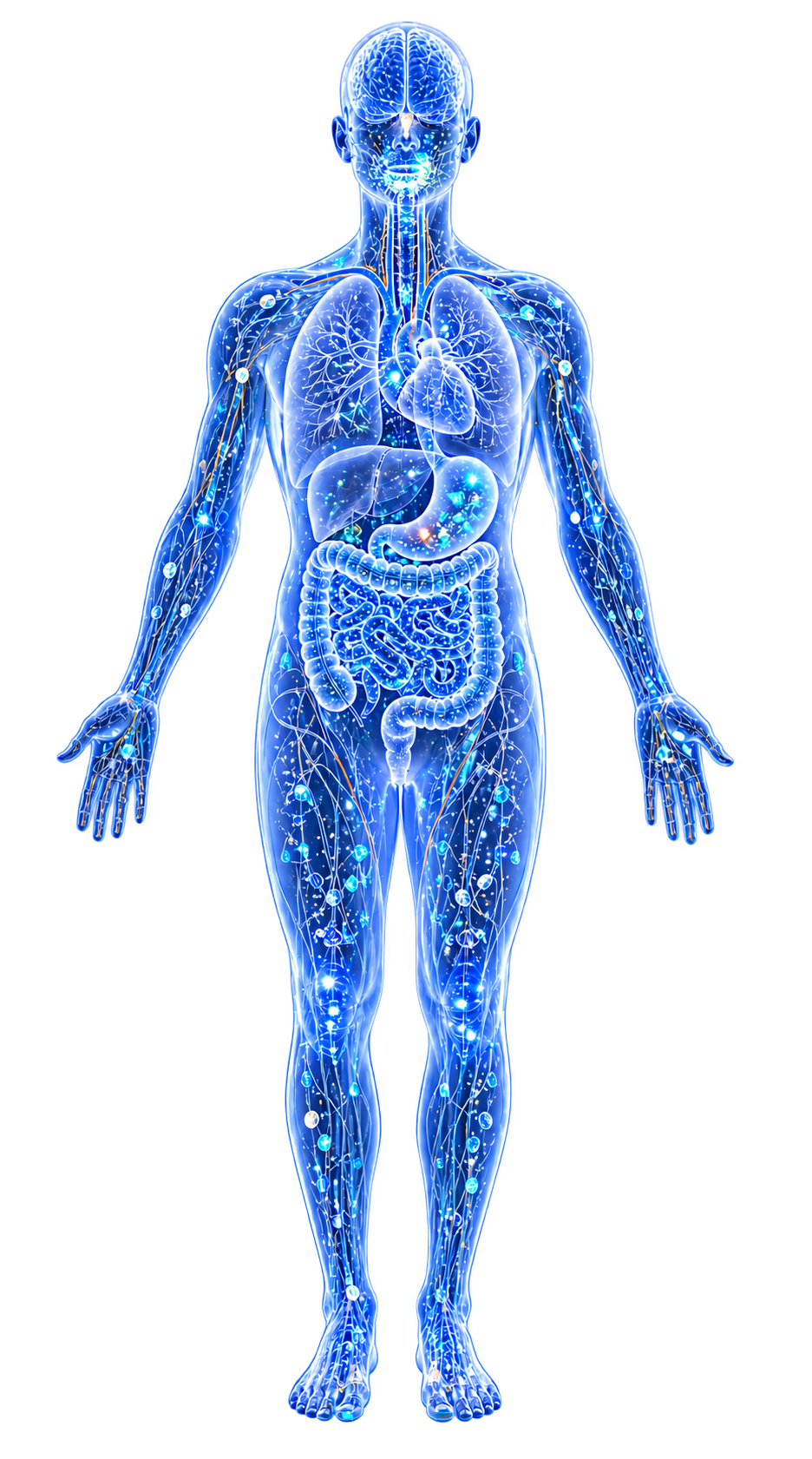
Siderophores are small, high-affinity iron-chelating molecules secreted by bacteria, fungi, and some plants to scavenge ferric iron (iron(III) (Fe3+)) from their environment. In the context of infection, siderophores are the molecular weapons pathogens deploy to break through Nutritional Immunity (Metal Sequestration)—the host strategy of starving invaders of essential metals.
The evolutionary arms race between siderophore-producing pathogens and host counter-defenses (like Lipocalin-2, Lactoferrin, and Transferrin) is one of the most ancient and consequential battles in biology.
For the broader story of metal-scavenging molecules including nickelophores and dual-function metallophores, see Siderophores and Metallophores.
Evidence map9 cited passagesInspect provenance +
This creates a direct link to disease: organisms that produce the most effective siderophores, or that possess the most sophisticated iron-uptake systems, hold a competitive advantage in the metal-scarce gut environment. When inflammation drives hepcidin up and sequesters iron further, the selective pressure favoring siderophore-producers intensifies—expl
Lipocalin-2 (siderocalin, NGAL): Binds and neutralizes enterobactin, the most potent bacterial siderophore. However, some pathogens have evolved "stealth siderophores"—glucosylated variants like salmochelin that evade lipocalin-2 binding.
Siderophore-antibiotic conjugates exploit bacterial iron-uptake machinery to deliver drugs directly into pathogen cells. The bacterium imports what it thinks is an iron-loaded siderophore, but instead internalizes a lethal antibiotic payload. Cefiderocol is the first FDA-approved siderophore-cephalosporin conjugate. Gallium-siderophore hybrids (e.g., galbofl
Berberine supplementation in Graves' disease patients significantly upregulated enterobactin biosynthesis pathways, improving iron acquisition and correlating with thyroid function recovery—since iron is required for thyroid peroxidase (TPO) activity. This demonstrates that siderophore modulation can be therapeutically beneficial, not just a pathogenic str
Probiotic organisms that produce their own siderophores can outcompete pathogens for iron. This is the ecological logic of Karen's Brain Primitive 8 (Siderophore Competition and Iron Ecology): introduce organisms with superior iron-acquisition systems to displace pathogenic siderophore-producers.
Siderophores in patient specimens (urine, serum, sputum) can serve as biomarkers for specific infections. TAFC detection identifies invasive aspergillosis; mycobactin profiles distinguish mycobacterial species.
Inflammatory bowel disease: Inflammation-driven iron sequestration selects for siderophore-producing Enterobacteriaceae, explaining the characteristic bloom of E. coli in IBD.
Necrotizing enterocolitis: Siderophore-producing organisms are enriched in NEC microbiomes, and oral iron supplementation in preterm infants may fuel these populations.
Sepsis and critical illness: Siderophore levels in blood correlate with infection severity and pathogen iron-acquisition capacity.
Contents
1. Why Siderophores Matter2. Major Siderophore Classes3. The Host Counter-Attack4. The Siderophore as Achilles' Heel5. Disease Context6. Cross-ReferencesWhy Siderophores Matter#
Free iron in the human body is vanishingly scarce—approximately 10^-24 M free iron(III) (Fe3+) in serum, far below the ~10^-6 M bacteria need to grow.
The host achieves this through an elaborate system of iron-binding proteins: transferrin in blood, lactoferrin at mucosal surfaces, ferritin in storage, and hepcidin-mediated sequestration during infection. Siderophores are how pathogens fight back, producing chelators with binding affinities that can exceed those of host proteins.
This creates a direct link to disease: organisms that produce the most effective siderophores, or that possess the most sophisticated iron-uptake systems, hold a competitive advantage in the metal-scarce gut environment.
When Metal-Driven Inflammation drives hepcidin up and sequesters iron further, the selective pressure favoring siderophore-producers intensifies—explaining why Dysbiosis during inflammation typically enriches iron-pirating Enterobacteriaceae at the expense of commensals.[1]Khorsand 2022 — Overrepresentation of Enterobacteriaceae and Escherichia coli is the major gut microbiome signature in Crohn's and UC: comprehensive metagenomic analysis of IBDMDB datasetsBabak Khorsand, Hamid Asadzadeh Aghdaei, Ehsan Nazemalhosseini-Mojarad et al. · 2022Open reference 1 ↓
Major Siderophore Classes#
| Siderophore | Producer | Type | iron(III) (Fe3+) Affinity | Notable Feature |
|---|---|---|---|---|
| Enterobactin | E. coli, Enterobacteriaceae | Catecholate | Kd ~10^-49 M (strongest known) | Countered by host Lipocalin-2 |
| Salmochelin | Salmonella, uropathogenic E. coli | Glucosylated catecholate | High | Evades lipocalin-2 binding |
| Yersiniabactin | Yersinia, Klebsiella, UPEC | Mixed | High | Also binds nickel (dual metallophore) |
| Pyoverdine | Pseudomonas aeruginosa | Hydroxamate/catecholate | Very high | Fluorescent; also chelates aluminum (Al), nickel (Ni), zinc (Zn) |
| Staphyloferrin A/B | Staphylococcus aureus | Carboxylate | Moderate | Critical when heme unavailable |
| Mycobactins | M. tuberculosis | Mixed | High | Species-specific side chains enable diagnostics |
| TAFC | Aspergillus fumigatus | Hydroxamate | High | Detectable in patient urine within hours |
The Host Counter-Attack#
The host has evolved multiple counter-siderophore defenses. Lipocalin-2 (siderocalin, NGAL): Binds and neutralizes enterobactin, the most potent bacterial siderophore. However, some pathogens have evolved "stealth siderophores"—glucosylated variants like salmochelin that evade lipocalin-2 binding.[2]Chairatana et al. 2015 — Salmochelin Conjugates for Pathogen-Selective KillingChairatana, P., et al. · 2015Open reference 2 ↓
Lactoferrin: Binds free iron at mucosal surfaces, reducing substrate availability for siderophore loading.
Hepcidin: The master regulator of systemic iron; drives iron into macrophages and away from serum during infection, but this creates collateral damage by producing Iron-loaded macrophages that some intracellular pathogens exploit.
Calprotectin: Sequesters zinc and manganese rather than iron, but the principle is identical—metal denial as antimicrobial defense.
The Siderophore as Achilles' Heel#
The dependence of pathogens on siderophores creates therapeutic opportunities:
Trojan Horse Antibiotics#
Siderophore-antibiotic conjugates exploit bacterial iron-uptake machinery to deliver drugs directly into pathogen cells. The bacterium imports what it thinks is an iron-loaded siderophore, but instead internalizes a lethal antibiotic payload. Cefiderocol is the first FDA-approved siderophore-cephalosporin conjugate.
Gallium-siderophore hybrids (e.g., galbofloxacin) are in development—gallium mimics iron but cannot be reduced, jamming iron-dependent enzymes once inside the cell.[3]Pandey et al. 2021 — Galbofloxacin: Rationally Designed Gallium-Siderophore Antibiotic Against S. aureusPandey, A., et al. · 2021Open reference 3 ↓[4]de Carvalho & Fernandes 2014 — Siderophores as Trojan Horses Against MDR Pathogensde Carvalho, C.C.C.R., Fernandes et al. · 2014Open reference 4 ↓
Therapeutic Siderophore Upregulation#
Berberine supplementation in Graves' disease patients significantly upregulated enterobactin biosynthesis pathways, improving iron acquisition and correlating with thyroid function recovery—since iron is required for thyroid peroxidase (TPO) activity.[5]Han et al. 2022 — The Potential Prebiotic Berberine Combined With Methimazole Improved the Therapeutic Effect of Graves' Disease Patients Through Regulating the Intestinal MicrobiomeHan Z, Cen C, Ou Q et al. · 2022Open reference 5 ↓ This demonstrates that siderophore modulation can be therapeutically beneficial, not just a pathogenic strategy.
Competitive Exclusion#
Probiotic organisms that produce their own siderophores can outcompete pathogens for iron. This is the ecological logic of Karen's Brain Primitive 8 (Siderophore Competition and Iron Ecology): introduce organisms with superior iron-acquisition systems to displace pathogenic siderophore-producers.[6]Passari et al. 2023 — Siderophores: Medical Applications Beyond AntimicrobialsPassari, A.K., et al. · 2023Open reference 6 ↓
Diagnostic Applications#
Siderophores in patient specimens (urine, serum, sputum) can serve as biomarkers for specific infections. TAFC detection identifies invasive aspergillosis; mycobactin profiles distinguish mycobacterial species.[7]Patil 2021 — Infection Metallomics in the COVID EraPatil, A., Gholap et al. · 2021Open reference 7 ↓
Disease Context#
Siderophore competition is relevant across multiple disease signatures. Inflammatory bowel disease: Inflammation-driven iron sequestration selects for siderophore-producing Enterobacteriaceae, explaining the characteristic bloom of E. coli in IBD.[1]Khorsand 2022 — Overrepresentation of Enterobacteriaceae and Escherichia coli is the major gut microbiome signature in Crohn's and UC: comprehensive metagenomic analysis of IBDMDB datasetsBabak Khorsand, Hamid Asadzadeh Aghdaei, Ehsan Nazemalhosseini-Mojarad et al. · 2022Open reference 1 ↓
Necrotizing enterocolitis: Siderophore-producing organisms are enriched in NEC microbiomes, and oral iron supplementation in preterm infants may fuel these populations.[8]Devarajalu 2025 — Gut microbiota signatures in Indian preterm infants with NEC: shotgun metagenomic approachPrabavathi Devarajalu, Savita Verma Attri, Jogender Kumar et al. · 2025Open reference 8 ↓
Urinary tract infection: UPEC's yersiniabactin enables iron and nickel acquisition in the iron-scarce urinary tract. Sepsis and critical illness: Siderophore levels in blood correlate with infection severity and pathogen iron-acquisition capacity.[7]Patil 2021 — Infection Metallomics in the COVID EraPatil, A., Gholap et al. · 2021Open reference 7 ↓
Cross-References#
- Siderophores and Metallophores—the broader metallophore family including nickelophores
- Iron—the metal siderophores primarily target
- Nutritional Immunity (Metal Sequestration)—the host strategy siderophores are designed to overcome
- Lipocalin-2—the primary host counter-siderophore defense
- Lactoferrin—mucosal iron sequestration
- Hepcidin—systemic iron regulation during infection
- Dietary Iron and Gut Ecology—how dietary iron influences siderophore competition
- Functional Shielding—biofilm-mediated protection of siderophore-producers
References 14
Numbered by first appearance in the article, then reconciled with its declared source list.
- 1
Babak Khorsand, Hamid Asadzadeh Aghdaei, Ehsan Nazemalhosseini-Mojarad et al. (2022). Khorsand 2022 — Overrepresentation of Enterobacteriaceae and Escherichia coli is the major gut microbiome signature in Crohn's and UC: comprehensive metagenomic analysis of IBDMDB datasets. Frontiers in Cellular and Infection Microbiology.
- 2
Chairatana, P., et al. (2015). Chairatana et al. 2015 — Salmochelin Conjugates for Pathogen-Selective Killing. Chemical Science.
- 3
Pandey, A., et al. (2021). Pandey et al. 2021 — Galbofloxacin: Rationally Designed Gallium-Siderophore Antibiotic Against S. aureus. Chemical Science.
- 4
de Carvalho, C.C.C.R., Fernandes et al. (2014). de Carvalho & Fernandes 2014 — Siderophores as Trojan Horses Against MDR Pathogens. Frontiers in Microbiology.
- 5
Han Z, Cen C, Ou Q et al. (2022). Han et al. 2022 — The Potential Prebiotic Berberine Combined With Methimazole Improved the Therapeutic Effect of Graves' Disease Patients Through Regulating the Intestinal Microbiome. Frontiers in Immunology.
- 6
Passari, A.K., et al. (2023). Passari et al. 2023 — Siderophores: Medical Applications Beyond Antimicrobials. Applied Microbiology and Biotechnology.
- 7
Patil, A., Gholap et al. (2021). Patil 2021 — Infection Metallomics in the COVID Era. Mass Spectrometry Reviews.
- 8
Prabavathi Devarajalu, Savita Verma Attri, Jogender Kumar et al. (2025). Devarajalu 2025 — Gut microbiota signatures in Indian preterm infants with NEC: shotgun metagenomic approach. Frontiers in Cellular and Infection Microbiology.
- 9
Braud A, Geoffroy V, Hoegy F et al. (2010). Presence of the siderophores pyoverdine and pyochelin in the extracellular medium reduces toxic metal accumulation in Pseudomonas aeruginosa and increases bacterial metal tolerance. Environmental Microbiology Reports.
- 10
★James E. Cassat, Eric P. Skaar (2012). Metal Ion Acquisition in Staphylococcus aureus: Overcoming Nutritional Immunity. Seminars in Immunopathology.
- 11
★Robert J. Maier, Stéphane L. Benoit (2019). Role of Nickel in Microbial Pathogenesis. Inorganics.
- 12
★Honghong Bao, Yi Wang, Hanlin Xiong et al. (2024). Mechanism of Iron Ion Homeostasis in Intestinal Immunity and Gut Microbiota Remodeling. International Journal of Molecular Sciences.
- 13
Karen Pendergrass (2026). Nickel as a Catalytic Driver of Necrotizing Enterocolitis: Dietary Nickel, Microbial Metallomics, and the Activation of Nickel-Dependent Virulence Pathways in the Preterm Gut. Zenodo Preprint.
- 14
Maria Elena Romero-Espejel, Marco A. Gonzalez-Lopez, Jose de Jesus Olivares-Trejo (2013). Streptococcus pneumoniae Requires Iron for Its Viability and Expresses Two Membrane Proteins That Bind Haemoglobin and Haem. Metallomics.
Article network
Mentioned here 14
Pages linking here 20
Connect the evidence
Publicly readable discussion by ORCID-authenticated researchers. Questions, interpretation, methods, corrections, and new evidence stay attached to this record.
No discussion yet. Start with a precise question or a source-backed observation.
Activity and accepted changes
Accepted researcher context, editorial status, public discussion, and upstream Git revisions are shown together. Pending, declined, and withdrawn proposals remain private.
- published revision
Complete corpus-wide Dysbiosis linking
Karen Pendergrass · +1 −1
Inspect exact Git diff ↗ - published revision
massive wiki expansion: 149 stubs fixed, 100+ new pages, Rule 15 scan, keystone papers
WikiBiome Deploy Bot · +16 −16
Inspect exact Git diff ↗ - published revision
Fix duplicate YAML frontmatter keys and deploy updated content
WikiBiome Deploy Bot · +5 −2
Inspect exact Git diff ↗ - published revision
pre-overnight checkpoint 2026-04-18
WikiBiome Deploy Bot · +79 −0
Inspect exact Git diff ↗ - published revision
WikiBiome update — 2026-04-11 22:49
WikiBiome Deploy Bot · +0 −82
Inspect exact Git diff ↗ - published revision
WikiBiome update — integrity fixes, metallomic diet pages, cross-condition analyses
WikiBiome Deploy Bot · +22 −20
Inspect exact Git diff ↗ - published revision
WikiBiome update — 2026-04-10 17:16
WikiBiome Deploy Bot · +80 −0
Inspect exact Git diff ↗