Arachidonic Acid
This knowledge-base record is being expanded from WikiBiome’s evidence graph.
WikiBiomeThe human microbiome encyclopediaRanked matches across titles, topics, categories, and article introductions.
This knowledge-base record is being expanded from WikiBiome’s evidence graph.
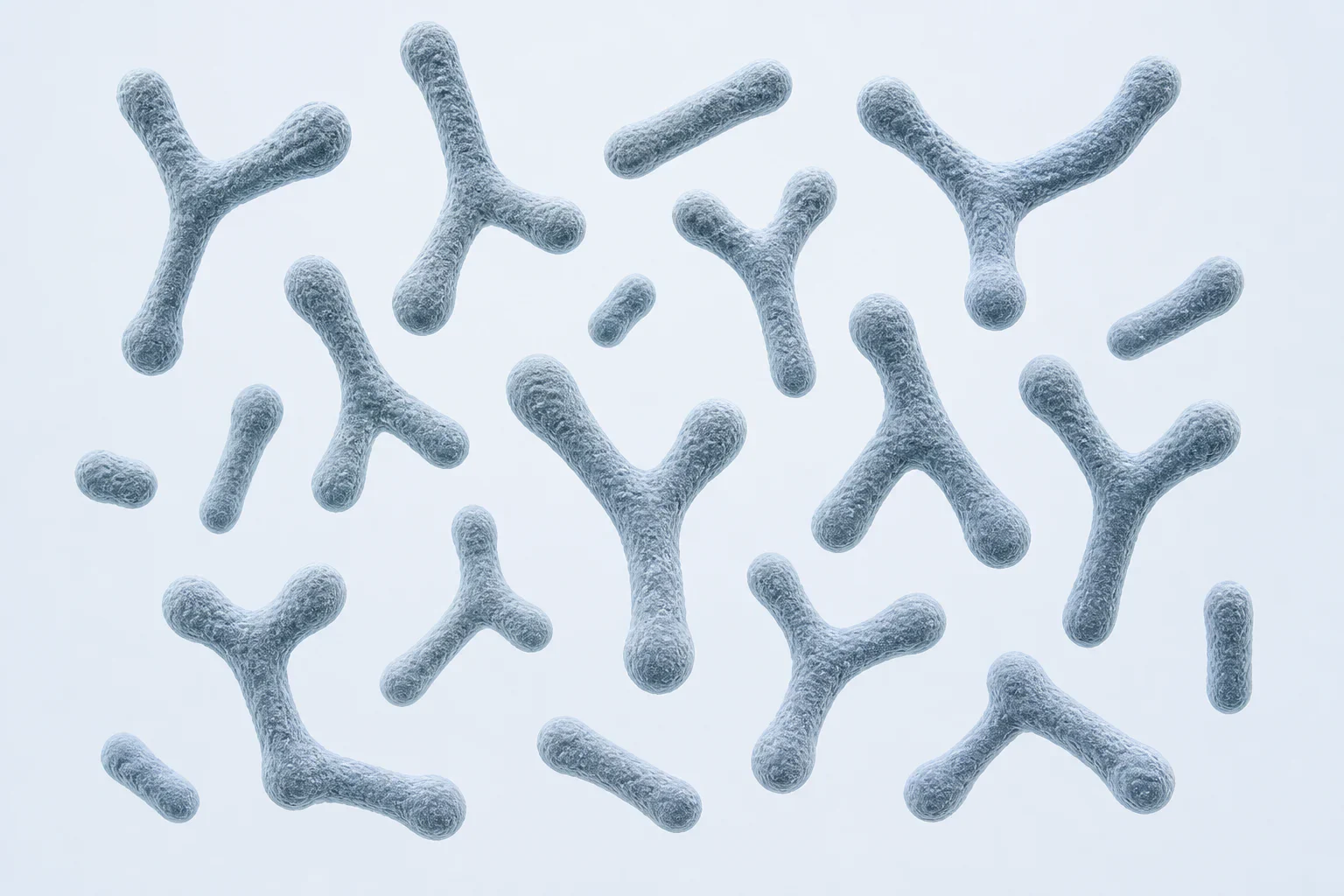
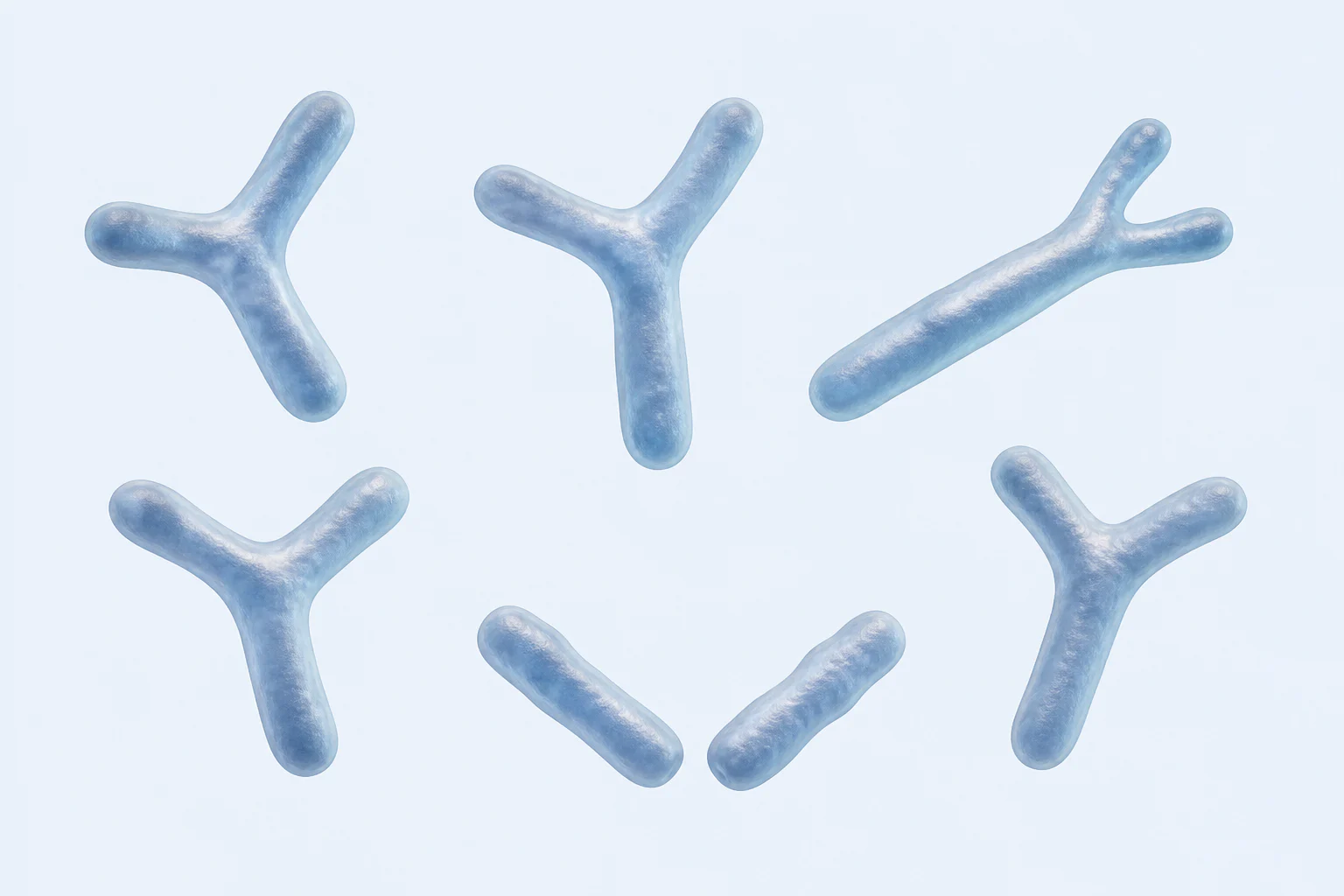
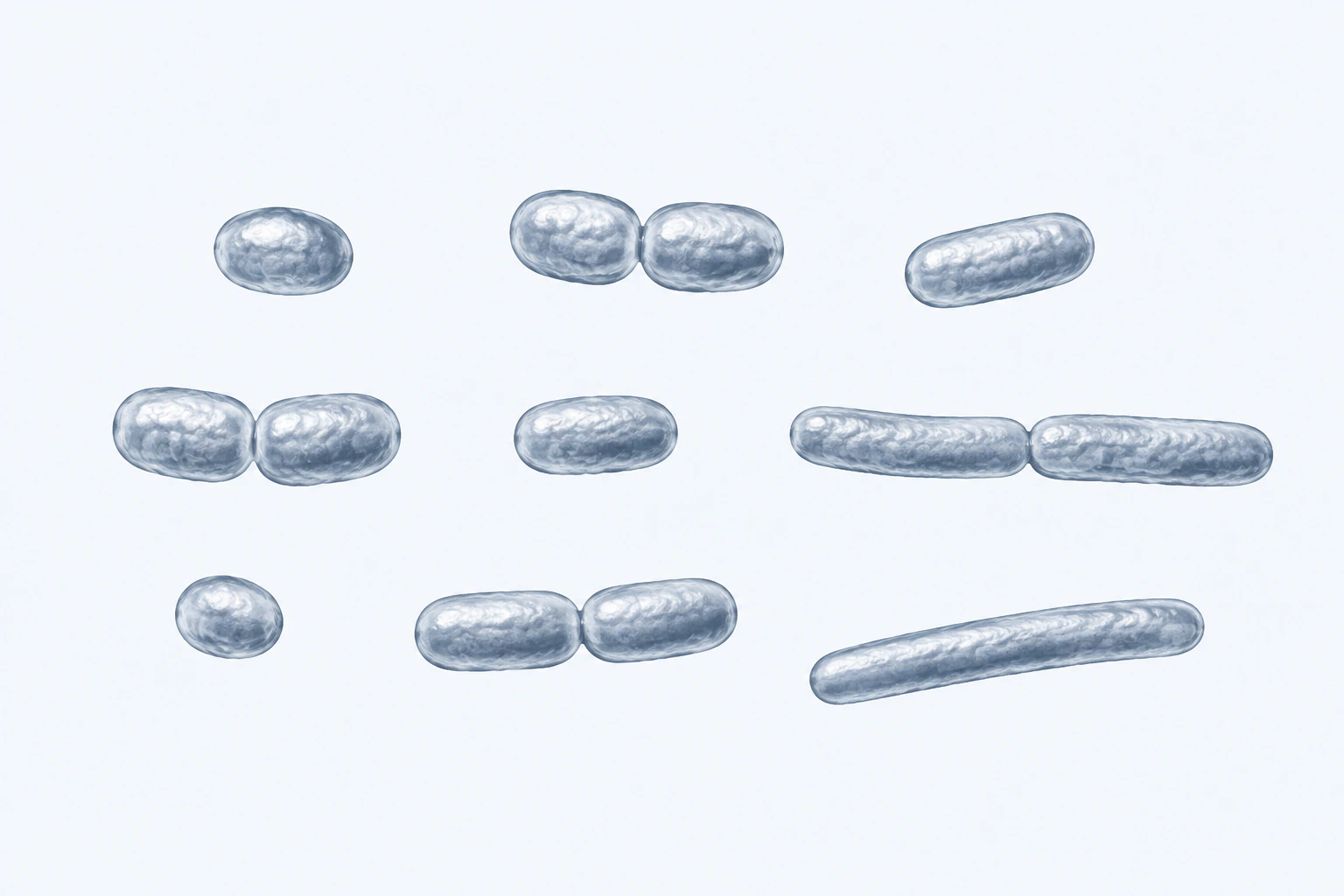
Bifidobacteriaceae is the family containing bifidobacterium and related genera (alloscardovia). It is the dominant family in the healthy infant gut and a significant commensal family in adults. Family-level depletion is documented in ASD (marked reduction of Actinobacte…
This knowledge-base record is being expanded from WikiBiome’s evidence graph.
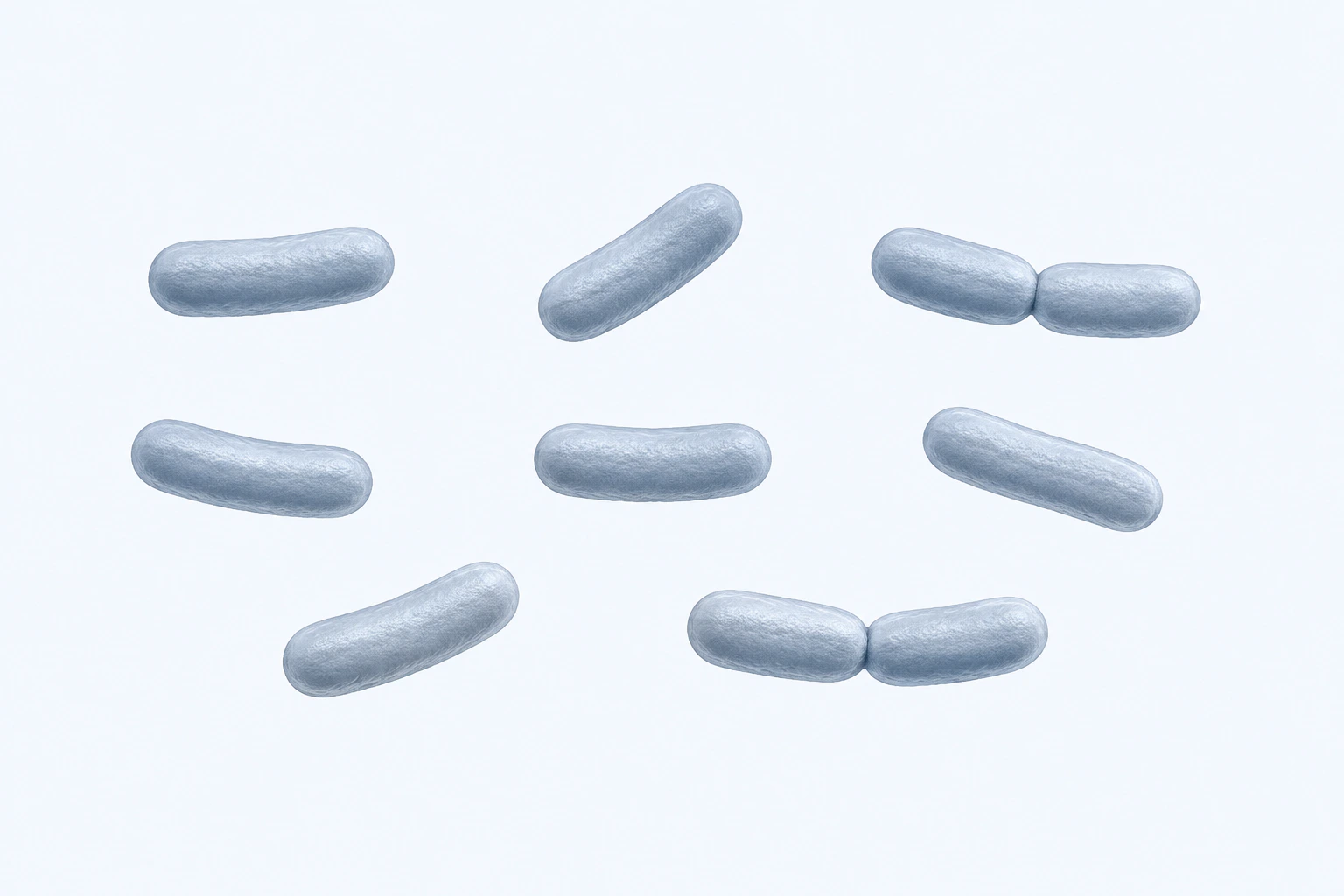
A genus of Gram-positive, obligate anaerobic bacteria that dominate the infant gut microbiome and remain important commensals throughout life. Bifidobacterium species are distinctive in the metallomics context because some species possess Ni-dependent urease -- an unusu…
Bifidobacterium adolescentis is a Gram-positive, obligate anaerobic species within the phylum Actinobacteria and the dominant Bifidobacterium species in the adult human gut. It is a specialist degrader of resistant starch and dietary fiber, producing acetate and lactate…
Bifidobacterium bifidum is an obligate anaerobic, Gram-positive species that specializes in human milk oligosaccharide (HMO) and mucin glycan degradation. It is one of the earliest colonizers of the infant gut and a widely used probiotic species.
Bifidobacterium breve is a Gram-positive, obligate anaerobic species within the phylum Actinobacteria, predominantly found in the infant gut and breast milk. It is among the earliest colonizers of the neonatal intestine and plays a key role in human milk oligosaccharide…
Bifidobacterium longum subsp. infantis (commonly called B. infantis) is the premier human milk oligosaccharide (HMO)-utilizing bacterium and the dominant species in the breastfed infant gut. It drives immune maturation, Treg induction, and pathogen exclusion in early li…
This knowledge-base record is being expanded from WikiBiome’s evidence graph.
Lactobacillus acidophilus is one of the most widely used probiotic species, with clinical trial evidence spanning multiple conditions. It is a component of many multi-strain probiotic formulations and has been tested in RCTs for schizophrenia, breast cancer chemotherapy…
This knowledge-base record is being expanded from WikiBiome’s evidence graph.
Research summary — not medical advice. This page synthesizes published research on a mechanism-level intervention. It is not a clinical recommendation. Consult a qualified healthcare provider before making any changes to diet, supplementation, or treatment.
This knowledge-base record is being expanded from WikiBiome’s evidence graph.
Alloscardovia is a genus of anaerobic, Gram-positive bacteria in the family Bifidobacteriaceae (phylum Actinobacteria). The primary species is A. omnicolens, which colonizes the human urogenital tract. In the WikiBiome vault, Alloscardovia appears exclusively in endomet…
This knowledge-base record is being expanded from WikiBiome’s evidence graph.
Depression is the most prevalent mental health disorder globally, affecting over 280 million people zhu 2025 microbiota gut brain axis depression review, and one of the most metal-sensitive conditions in this wiki. It sits at the convergence of nearly every pathway cata…
This knowledge-base record is being expanded from WikiBiome’s evidence graph.
Alphabetical definitions of specialist terms used throughout this wiki. Where a full concept page exists, the term links to it. --- AhR (aryl hydrocarbon receptor) -- A ligand-activated transcription factor that senses microbial metabolites (especially indoles from tryp…
This knowledge-base record is being expanded from WikiBiome’s evidence graph.
Gut barrier dysfunction -- colloquially "leaky gut" -- is the pathological increase in intestinal permeability that permits translocation of bacteria, bacterial products (LPS, peptidoglycan), metals, and dietary antigens from the gut lumen into the systemic circulation.…
Human milk oligosaccharides are a diverse family of over 200 structurally distinct complex sugars found in breast milk. They are the third most abundant solid component of human milk (after lactose and lipids), yet they are not digestible by the infant. Their sole purpo…
This knowledge-base record is being expanded from WikiBiome’s evidence graph.
--- title: Intestinibacter type: entity subtype: microbe created: 2026-04-10 updated: 2026-04-16 lastsubstantiveupdate: 2026-04-16 sources: [dai-2024-gut-microbiota-cvd-bidirectional-mr, xiang-2023-host-gene-microbiome-crc-mr, wu-2017-metformin-gut-microbiome-t2d-nature…
This knowledge-base record is being expanded from WikiBiome’s evidence graph.
The kynurenine pathway (KP) is the dominant route of tryptophan catabolism, accounting for approximately 95% of dietary tryptophan degradation. It produces a cascade of neuroactive, immunomodulatory, and potentially neurotoxic metabolites whose balance determines whethe…
Lactobacillaceae is the family containing the genus lactobacillus and related genera. It is the dominant family in the healthy vaginal microbiome and a significant family in the gut. Family-level depletion is reported across schizophrenia szeligowski 2020 gut microbiome…
Research summary — not medical advice. This page synthesizes published research on a mechanism-level intervention. It is not a clinical recommendation. Consult a qualified healthcare provider before making any changes to diet, supplementation, or treatment.
This knowledge-base record is being expanded from WikiBiome’s evidence graph.
Mortierella is a genus of soil-dwelling fungi in the phylum Mortierellomycota (formerly placed in Zygomycota). While primarily known as environmental saprotrophs, Mortierella species have recently been identified as residents of the human gut mycobiome -- the fungal com…
Necrotizing enterocolitis (NEC) is the most common and lethal gastrointestinal emergency in premature infants, affecting 5-12% of very low birth weight neonates (<1500 g) with mortality rates of 20-30%. Characterized by intestinal inflammation, necrosis, and perforation…
Odoribacter splanchnicus is a Gram-negative, obligate anaerobic bacterium belonging to the family Odoribacteraceae within the phylum Bacteroidota (formerly Bacteroidetes). It is a commensal resident of the human colon recognized primarily as a producer of short chain fa…
--- title: Parvimonas type: entity subtype: microbe created: 2026-04-10 updated: 2026-04-16 lastsubstantiveupdate: 2026-04-16 sources: [qin-2024-consistent-microbiome-signatures-old-young-onset-crc, saito-2019-metagenomic-gut-microbiota-colorectal-adenoma, wu-2021-micro…
A Gram-negative, obligate anaerobic genus within the phylum Bacteroidota (formerly Bacteroidetes) that was recently reclassified from Bacteroides based on phylogenomic evidence (Garcia-Lopez et al., 2019). The key species -- Phocaeicola vulgatus (formerly Bacteroides vu…
This knowledge-base record is being expanded from WikiBiome’s evidence graph.
Non-digestible food substrates that selectively stimulate the growth and/or activity of beneficial gut microorganisms, conferring health benefits to the host. Distinct from probiotics (live organisms) and postbiotics (microbial metabolic products), prebiotics act as fue…
Research summary — not medical advice. This page synthesizes published research on a mechanism-level intervention. It is not a clinical recommendation. Consult a qualified healthcare provider before making any changes to diet, supplementation, or treatment.
A family of Gram-negative, obligate anaerobic bacteria within the phylum Bacteroidota (formerly Bacteroidetes) that includes the genus prevotella and the recently described alloprevotella. Prevotellaceae are specialist fiber fermenters producing short-chain fatty acids,…
This knowledge-base record is being expanded from WikiBiome’s evidence graph.
Harm potential: YELLOW — True iron deficiency anemia requires supplementation regardless of inflammatory state.
Harm potential: GREEN — PPIs remain appropriate first-line therapy; this STOP recommends co-administration of probiotics, not PPI avoidance.
Restricting dietary nickel has clear benefits for nickel-sensitive individuals: it resolves SNAS symptoms, improves Ni ACM, and even enhances H. pylori eradication. Campanale et al. (2014) found that adding a nickel-free diet to standard triple therapy increased H. pylo…
Probiotics protect the gut barrier from heavy metal toxicity. Zhai et al. (2016) demonstrated that L. plantarum CCFM8610 protected intestinal epithelial cells from cadmium through a four-part mechanism: metal sequestration in the gut lumen, alleviation of oxidative stre…
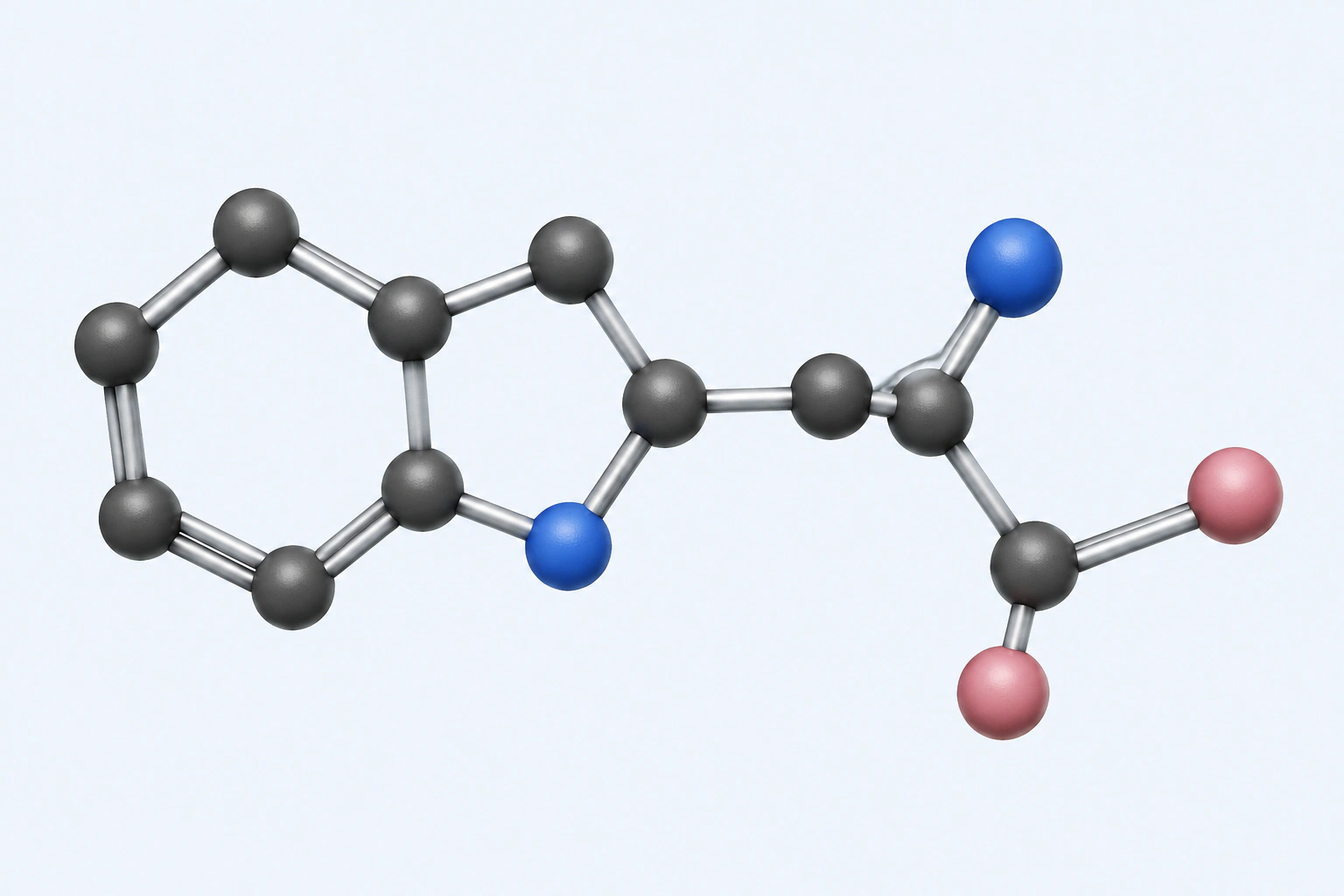
Tryptophan (Trp) is an essential amino acid that the human body cannot synthesize and must obtain from diet. It occupies a uniquely important position at the intersection of neuroscience, immunology, and microbial ecology because it is the sole precursor to serotonin, a…
Tryptophan (Trp) is an essential amino acid metabolized via three competing pathways: the kynurenine pathway, the serotonin pathway, and the microbial indole pathway. The balance among these pathways is profoundly influenced by the gut microbiome, inflammation, and meta…
This knowledge-base record is being expanded from WikiBiome’s evidence graph.