
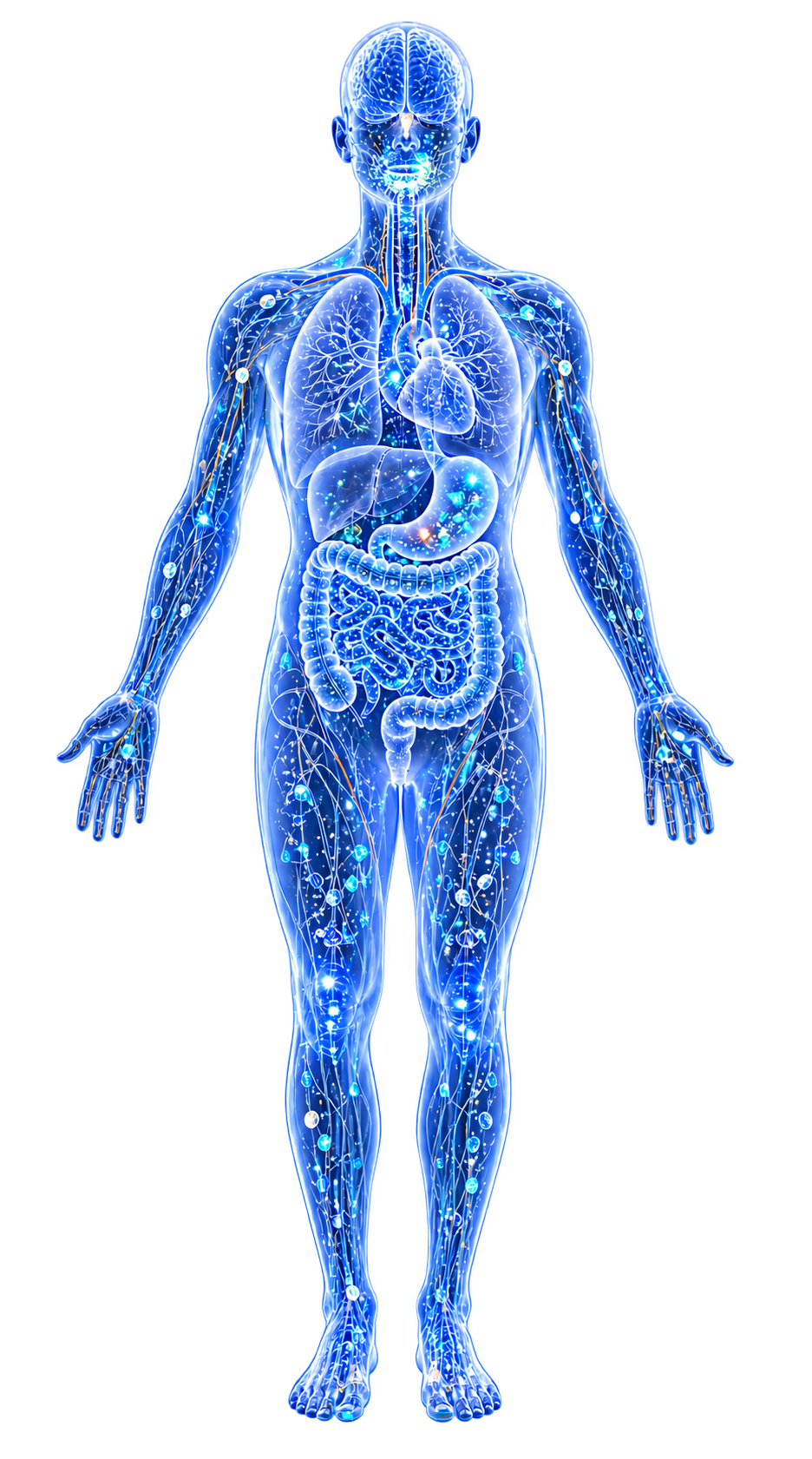
Probiotic supplementation targeting the dysbiosis-thyroid axis aims to restore Lactobacillus and Bifidobacterium populations depleted in Hashimoto's thyroiditis, with potential downstream effects on iodine and selenium metabolism.
Mechanism#
Gut barrier restoration: Lactobacillus and Bifidobacterium strengthen tight junctions, reducing translocation of antigens that trigger molecular mimicry against thyroid peroxidase (TPO) and thyroglobulin. Immune modulation: Probiotic-induced Treg expansion may dampen the Th1/Th17-driven autoimmune response targeting the thyroid.
Mineral metabolism: Gut microbiome composition influences absorption and bioavailability of iodine and selenium, both critical for thyroid hormone synthesis and antioxidant defense.
Clinical Evidence#
Currently in-progress. Small case series suggest benefit, but well-powered condition-specific RCTs are lacking. The mechanistic rationale is supported by established gut-thyroid axis literature.
Clinical Considerations#
Should be used alongside standard thyroid hormone replacement, not as a substitute. Strain selection may matter: Lactobacillus and Bifidobacterium species with established immunomodulatory properties preferred. Monitor thyroid function during supplementation—improved absorption of levothyroxine may necessitate dose adjustment.
Cross-References#
Article network
Mentioned here 3
Pages linking here 2
Connect the evidence
Publicly readable discussion by ORCID-authenticated researchers. Questions, interpretation, methods, corrections, and new evidence stay attached to this record.
No discussion yet. Start with a precise question or a source-backed observation.
Activity and accepted changes
Accepted researcher context, editorial status, public discussion, and upstream Git revisions are shown together. Pending, declined, and withdrawn proposals remain private.
- published revision
Deepen metal/concept entities + 8 new sources for T1D/schizophrenia
WikiBiome Deploy Bot · +56 −0
Inspect exact Git diff ↗