Enterohepatic Circulation
This knowledge-base record is being expanded from WikiBiome’s evidence graph.
WikiBiomeThe human microbiome encyclopediaRanked matches across titles, topics, categories, and article introductions.
This knowledge-base record is being expanded from WikiBiome’s evidence graph.
A Gram-negative, microaerophilic bacterium within the Epsilonproteobacteria (family Helicobacteraceae) that is the primary murine model of hepatobiliary and intestinal disease. Unlike its more famous relative helicobacter pylori, which colonizes the stomach, H. hepaticu…
Hepatitis (liver inflammation) encompasses viral (HBV, HCV, HAV), autoimmune, alcoholic, and toxin-induced forms. In the WikiBiome framework, the gut-liver axis is central — portal blood delivers gut-derived microbial products (LPS, bacterial DNA) directly to the liver …
This knowledge-base record is being expanded from WikiBiome’s evidence graph.
Purpose: Introduce the paper submission pathway with suggested donation. Sent only to authors who engaged with the first email (replied, visited their source page, or submitted corrections). When to send: 2–3 weeks after first-touch, only if the author engaged. Subject …
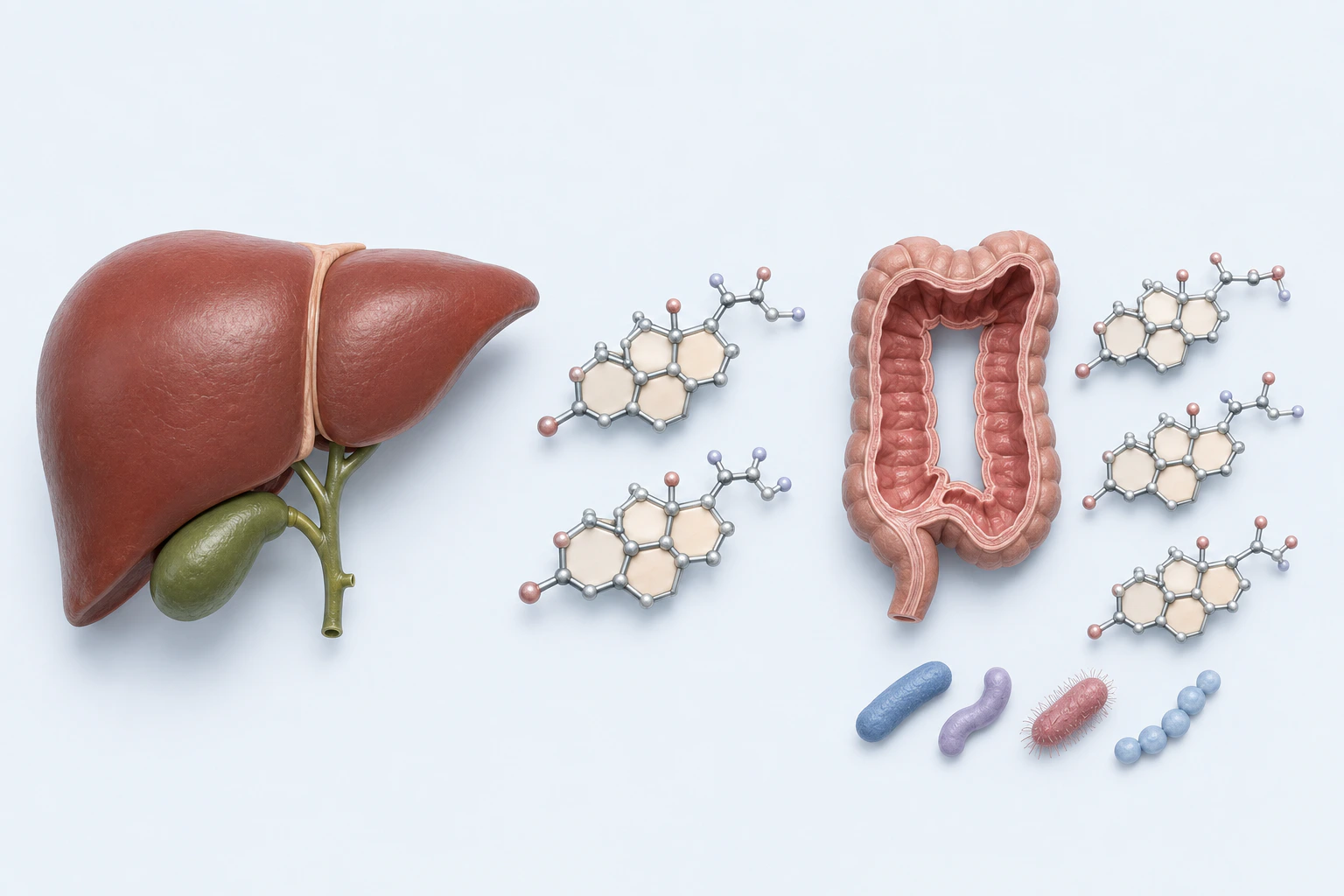
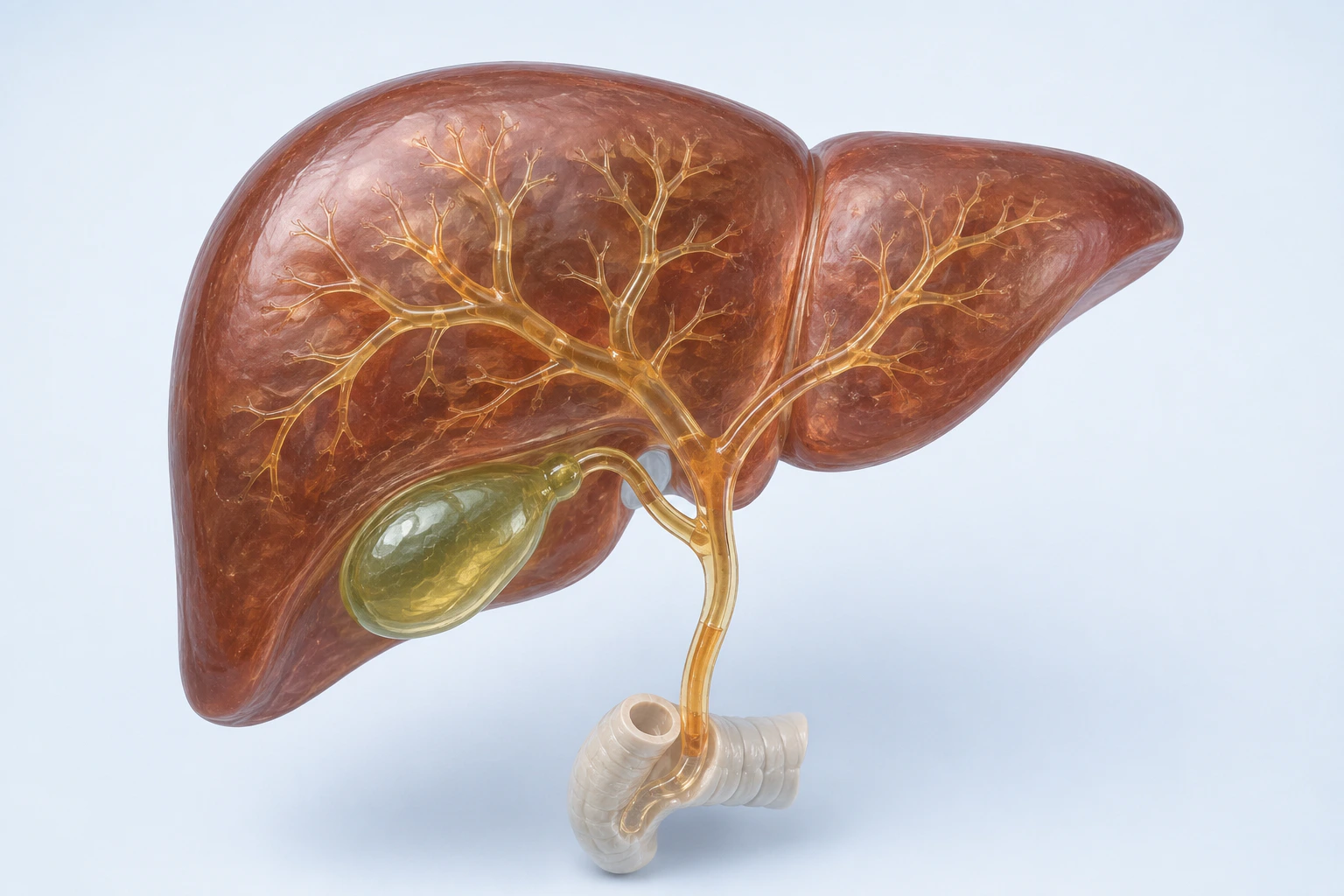
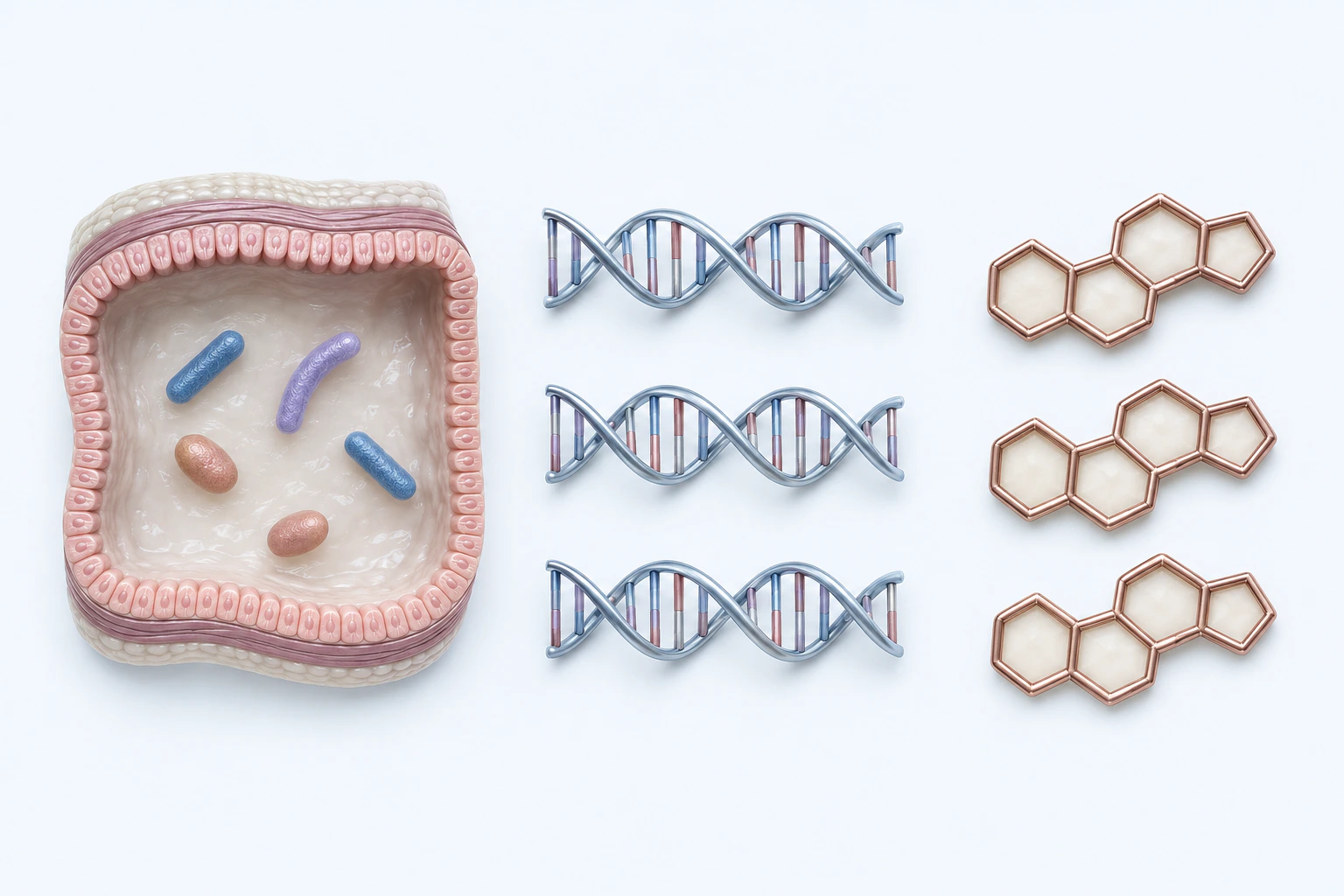
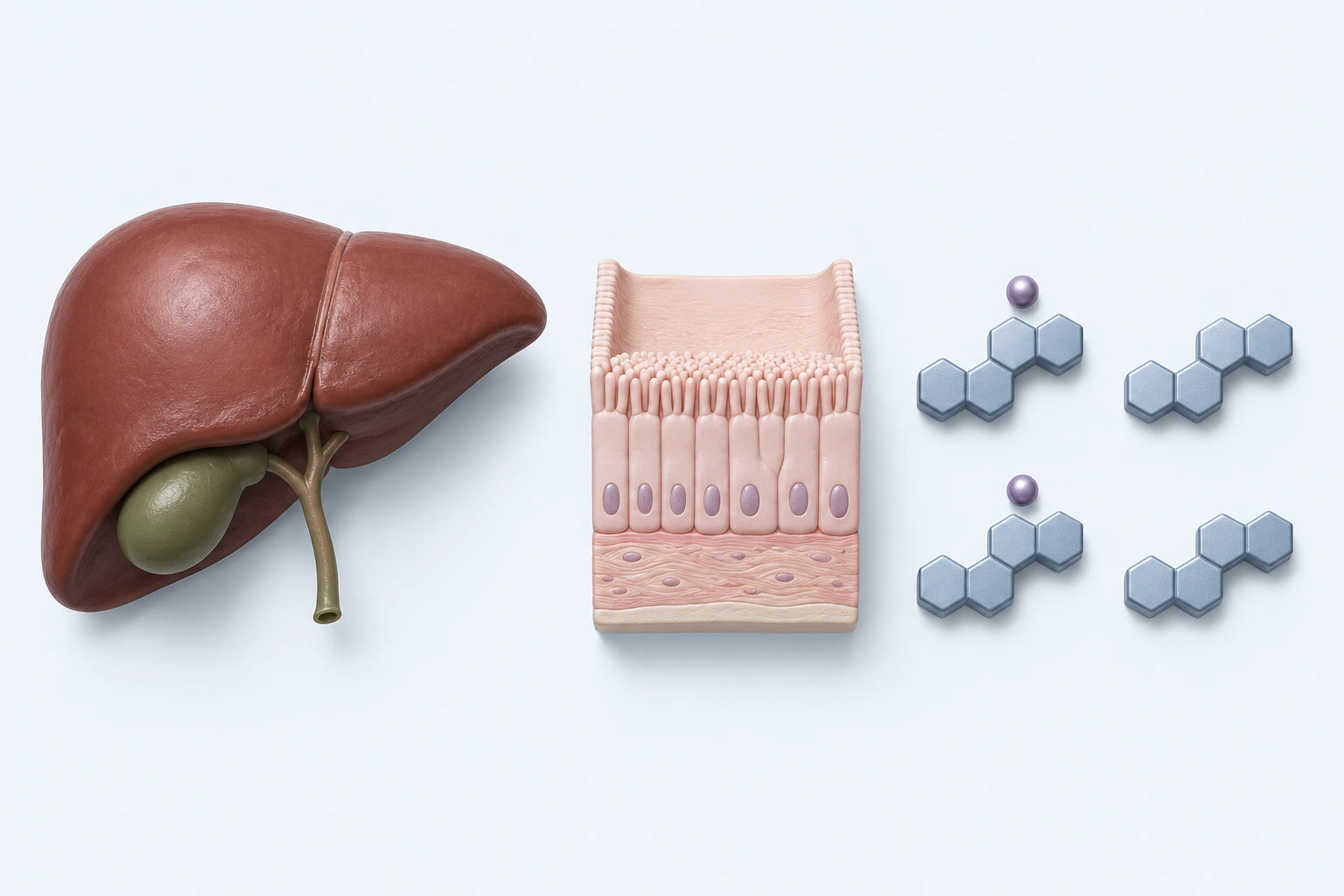
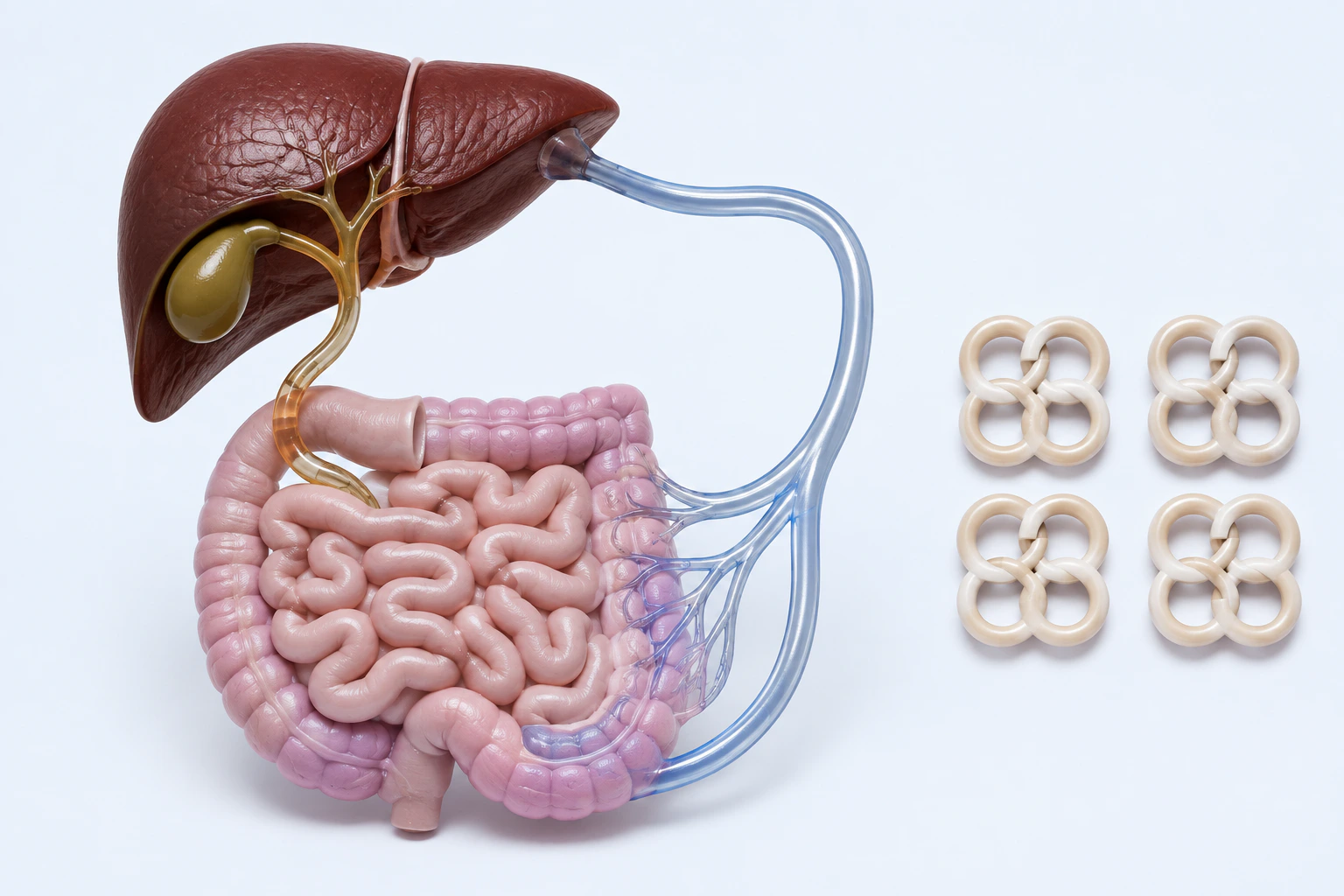
Bile acids are cholesterol-derived amphipathic molecules synthesized in the liver, secreted into the duodenum, and extensively modified by gut bacteria. The host-microbe co-metabolism of bile acids creates a signaling network with profound effects on lipid metabolism, g…
This knowledge-base record is being expanded from WikiBiome’s evidence graph.
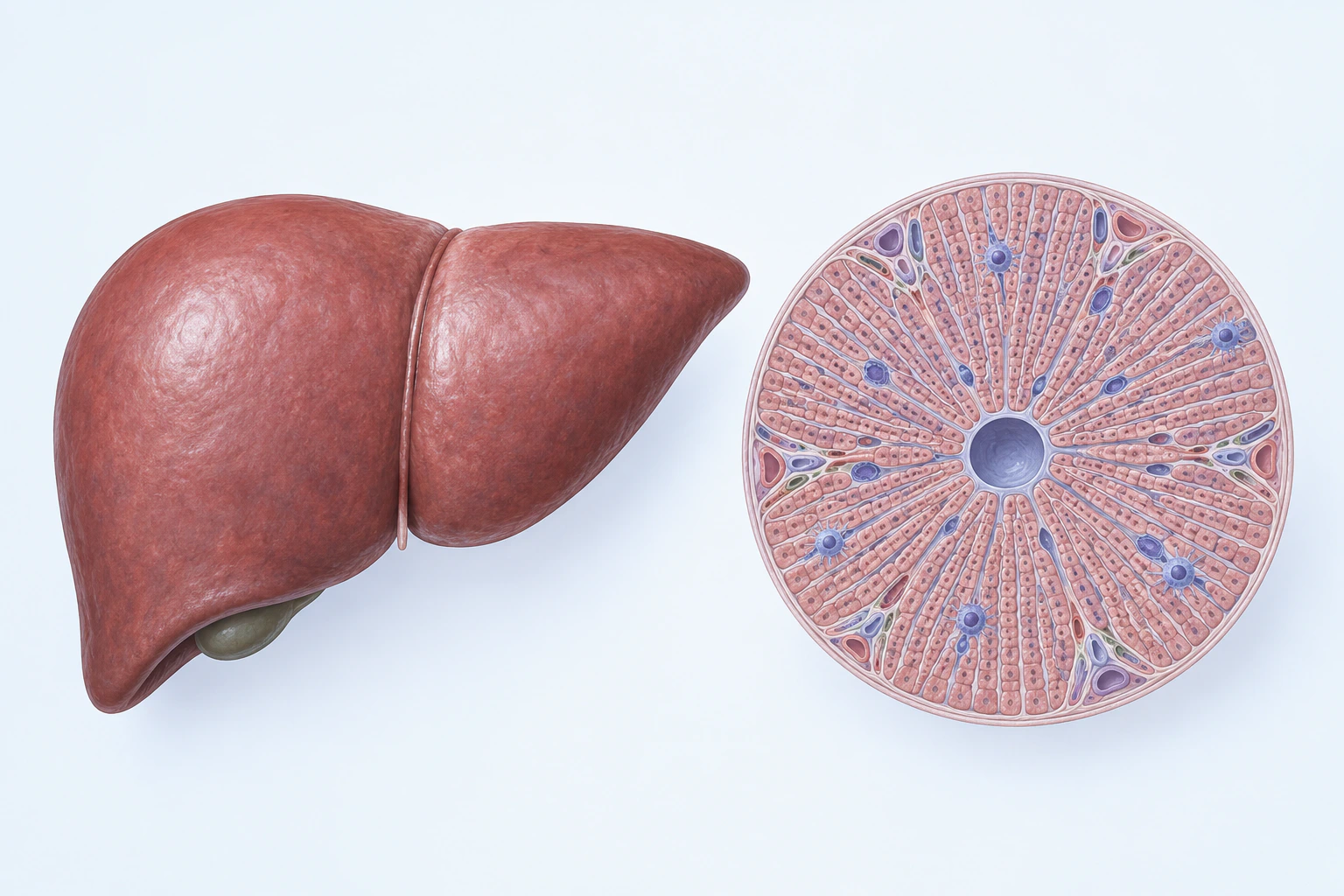
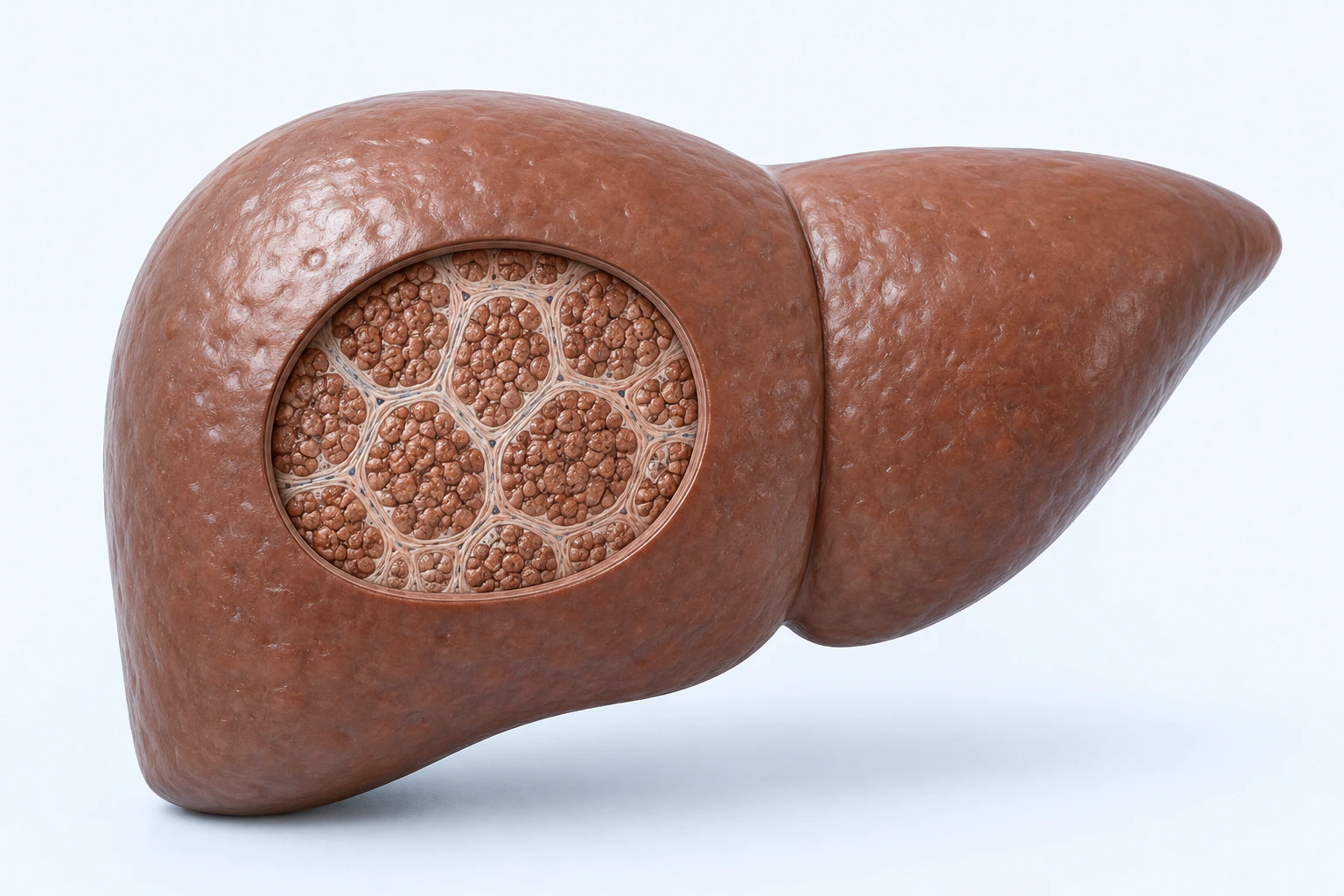
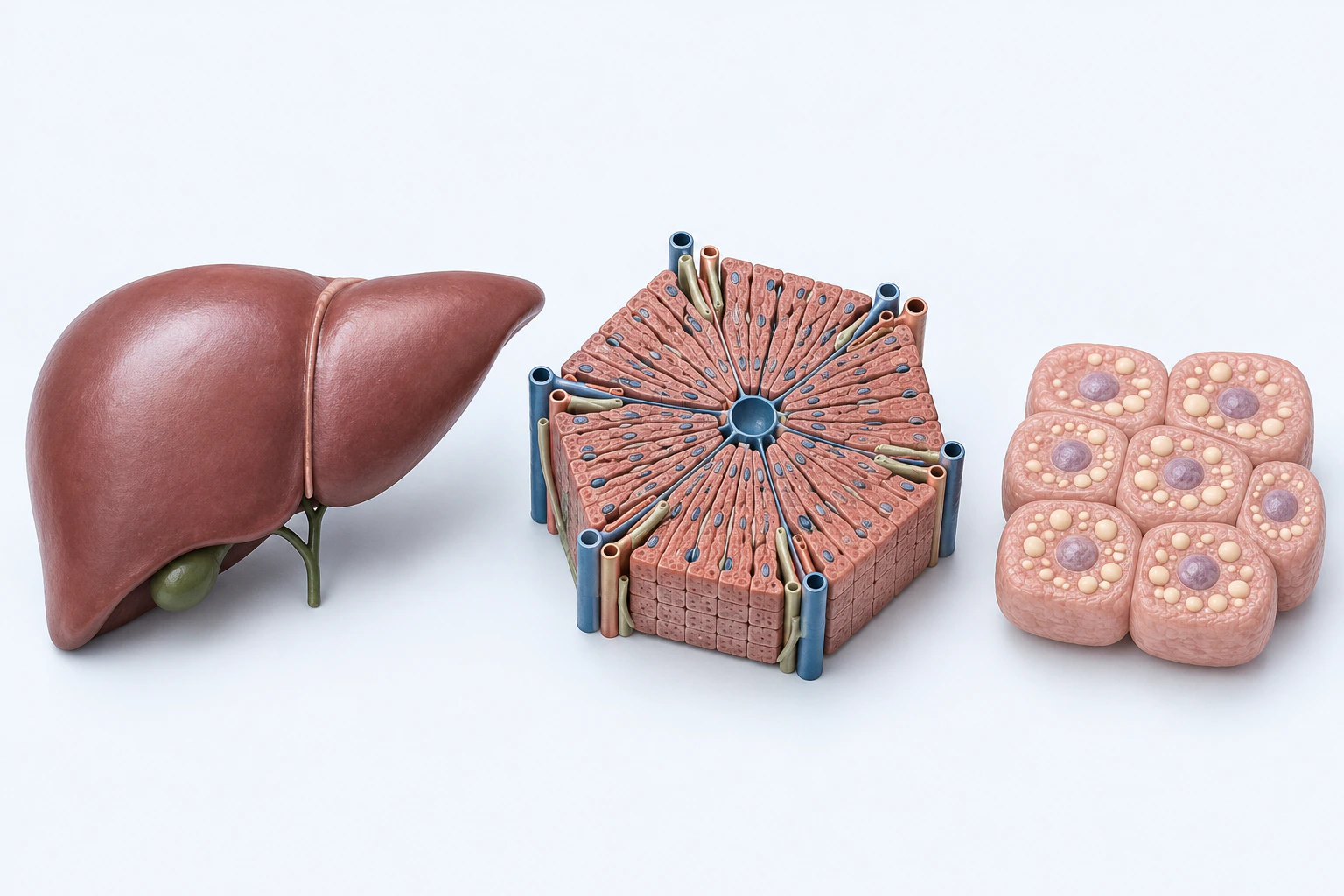
Cirrhosis is end-stage liver fibrosis characterized by nodular regeneration, portal hypertension, and progressive hepatic failure. The gut-liver axis is central: portal venous blood delivers gut-derived LPS, bacterial DNA, and viable bacteria directly to the liver, and …
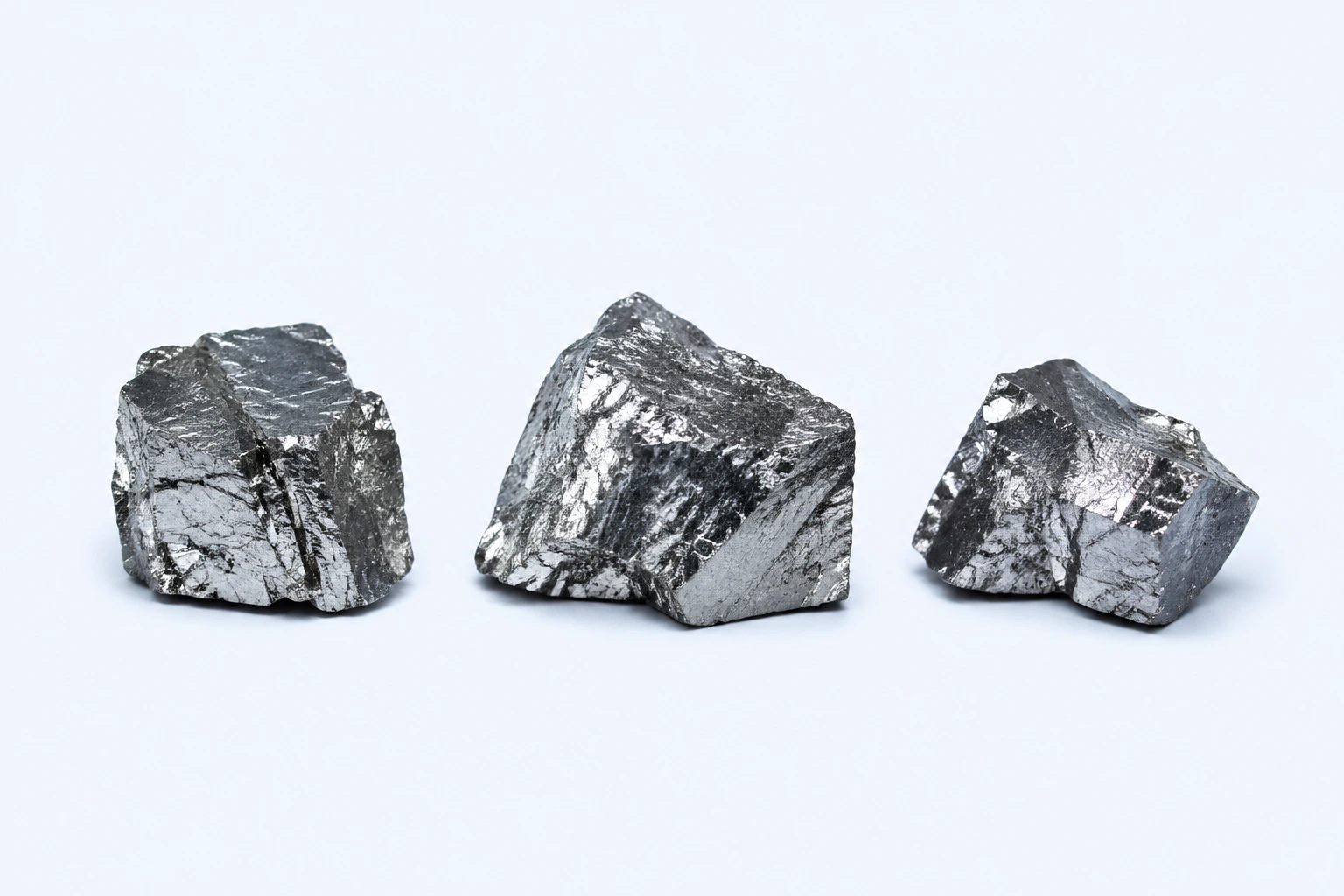
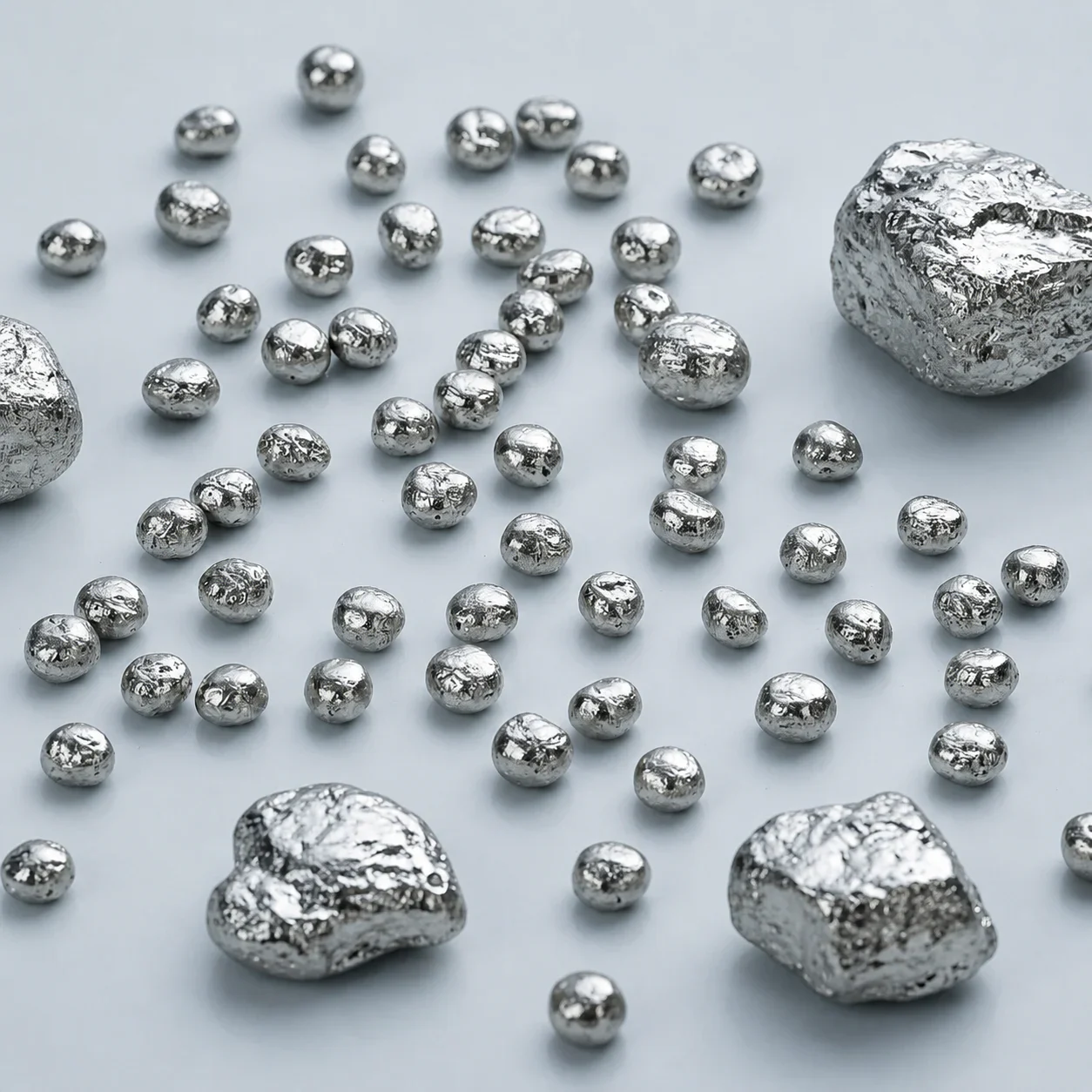
arsenic (As) is unique among dietary heavy metals because it exists in two fundamentally different forms with dramatically different toxicities: inorganic arsenic (iAs, the dangerous form) and organic arsenic (arsenobetaine, arsenosugars — largely non-toxic). Understand…
Direct DNA damage is the primary carcinogenic mechanism for chromium but is notably absent or minor for nickel and arsenic. This distinction is fundamental to understanding why these three metals cause cancer through such different pathways.
A Gram-positive obligate anaerobe and key estrobolome member that links metabolic dysbiosis to hormone-driven diseases, particularly endometriosis. E. lenta is remarkable for its ability to inactivate cardiac glycosides (like digoxin) and to produce beta-glucuronidase, …
Escherichia is a genus of Gram-negative, facultatively anaerobic bacteria in the Enterobacteriaceae family. The primary species E. coli is simultaneously the most studied bacterium in biology and one of the most consistently enriched organisms in disease-associated micr…
This knowledge-base record is being expanded from WikiBiome’s evidence graph.
Research summary — not medical advice. This page synthesizes published research on a mechanism-level intervention. It is not a clinical recommendation. Consult a qualified healthcare provider before making any changes to diet, supplementation, or treatment.
The only known cellular iron exporter in mammals. Encoded by the SLC40A1 gene, ferroportin (FPN) sits on the basolateral membrane of enterocytes, the surface of macrophages, and the membrane of hepatocytes, controlling the flow of iron from these cells into the bloodstr…
Alphabetical definitions of specialist terms used throughout this wiki. Where a full concept page exists, the term links to it. --- AhR (aryl hydrocarbon receptor) -- A ligand-activated transcription factor that senses microbial metabolites (especially indoles from tryp…
The master regulator of systemic iron homeostasis. Hepcidin is a 25-amino-acid peptide hormone produced primarily by hepatocytes that controls iron absorption, recycling, and distribution by binding to and degrading ferroportin (SLC40A1/FPN) -- the only known cellular i…
[NiFe] hydrogenases are the second major nickel-dependent virulence factor class in human pathogens. Less widespread than urease but critical for energy metabolism in gastric, enteric, and intracellular pathogens. The discovery that H. pylori hydrogenase powers CagA tra…
Indoxyl sulfate (IS) is a protein-bound uremic toxin produced through a two-step process: gut bacteria convert dietary tryptophan to indole, which is then absorbed and sulfated by hepatic sulfotransferases (SULT1A1). IS exemplifies how dysbiosis-driven metabolite overpr…
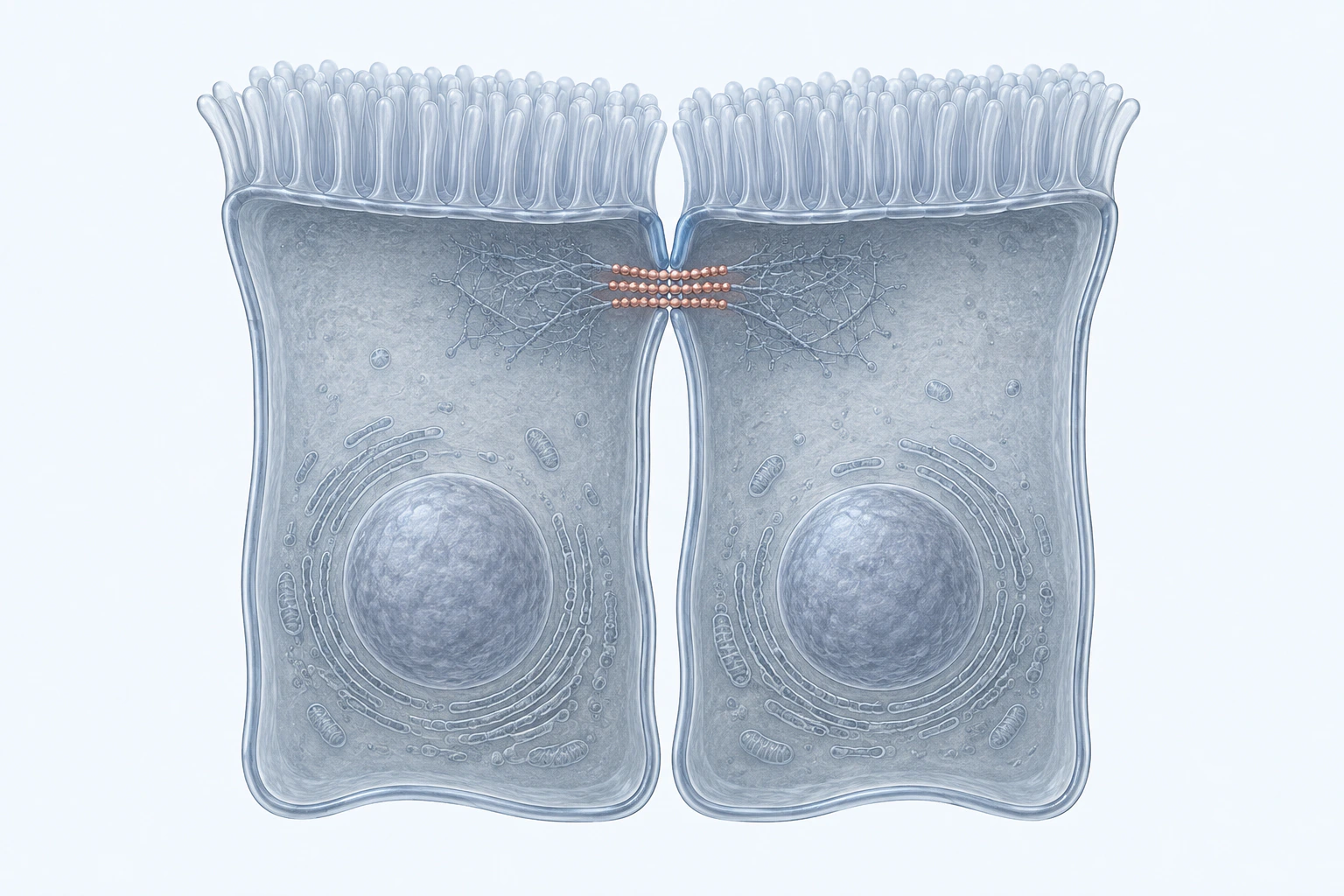
The intestinal epithelium is a single-cell-thick barrier separating the lumen -- home to trillions of microbes and ingested metals -- from the systemic circulation. When this barrier fails, the consequences cascade: microbial products translocate, metals gain unrestrict…
A Gram-positive, obligate anaerobic genus within the Firmicutes phylum (family Oscillospiraceae or Ruminococcaceae depending on classification) that possesses a unique metabolic capability: butyrate production from lysine fermentation rather than from dietary fiber. Thi…
Ketone bodies (beta-hydroxybutyrate [BHB], acetoacetate, acetone) are produced by hepatic fatty acid oxidation during carbohydrate restriction, fasting, or ketogenic diet consumption. BHB is the most abundant and is structurally and functionally analogous to butyrate — …
The ability of certain metals to cause cancer has been known since the 19th century. The three metals covered in this wiki — nickel, arsenic, and chromium — represent distinct mechanistic paradigms that collectively illustrate the diversity of metal-induced carcinogenes…
A transition metal occupying a central position in this wiki's evidence base. Nickel is toxic and carcinogenic to humans, yet an essential cofactor for pathogen virulence enzymes. It is the most frequent contact allergen worldwide and drives a wide spectrum of systemic …
This knowledge-base record is being expanded from WikiBiome’s evidence graph.
Vitamin C (ascorbate) is broadly protective: it reduces nickel absorption from food (acting as a competitive inhibitor in the GI tract), is the most commonly recommended adjunct to low-nickel diets zirwas 2009 dietary nickel dermatitis, and is a critical cofactor for DN…
Copper is elevated in the blood/serum of nearly every disease state examined in this wiki: | Disease | Cu Direction | Evidence | |---|---|---| | PCOS | Elevated | SMD = 0.51, p < 0.0001 (meta-analysis of 9 studies) | | Breast cancer | Elevated | SMD 2.44 in plasma/serum…
Fish is the primary dietary source of methylmercury (MeHg) -- a potent neurotoxin that crosses the blood-brain barrier, depletes glutathione, and can increase amyloid-beta production and tau phosphorylation mercury. MeHg is 95-100% absorbed in the intestinal tract. An e…
A gut microbiome-derived metabolite that has emerged as one of the strongest microbial biomarkers for cardiovascular disease risk. TMAO exemplifies how microbial metabolism of dietary nutrients can generate systemically toxic products -- a fundamentally different paradi…
Ursodeoxycholic acid is a hydrophilic secondary bile acid used therapeutically for primary biliary cholangitis (PBC), gallstone dissolution, and cholestatic liver disease. It is also a microbial metabolite — gut bacteria (7α/β-hydroxysteroid dehydrogenases) convert chen…