Microbial Metabolites
This knowledge-base record is being expanded from WikiBiome’s evidence graph.
WikiBiomeThe human microbiome encyclopediaRanked matches across titles, topics, categories, and article introductions.
This knowledge-base record is being expanded from WikiBiome’s evidence graph.
Small molecules produced, modified, or activated by gut microbiota that function as the primary chemical language between the microbiome and its host. These metabolites are not passive byproducts — they regulate gene expression, immune cell differentiation, gut barrier …
The aryl hydrocarbon receptor (AhR) is a ligand-activated transcription factor that functions as a master sensor at the intersection of gut microbial metabolism, environmental chemical exposure, and immune regulation. It is expressed broadly across immune cells, intesti…
A Gram-negative, obligate anaerobic genus within the Bacteroidetes phylum (family Rikenellaceae). Alistipes occupies a complex and context-dependent role in the gut ecosystem — some species carry well-documented anti-inflammatory properties, while the genus is paradoxic…
Alloprevotella is a genus of Gram-negative, obligate anaerobic bacteria within the family Prevotellaceae that represents a distinct clade from prevotella with specific protective roles in type 2 diabetes prevention and metabolic health. Alloprevotella depletion is one o…
This page serves as a cross-reference point for the existing ahr concept page, which provides comprehensive coverage of AhR signaling, microbiome-derived ligands, and immune regulation. The aryl hydrocarbon receptor is a ligand-activated transcription factor that integr…
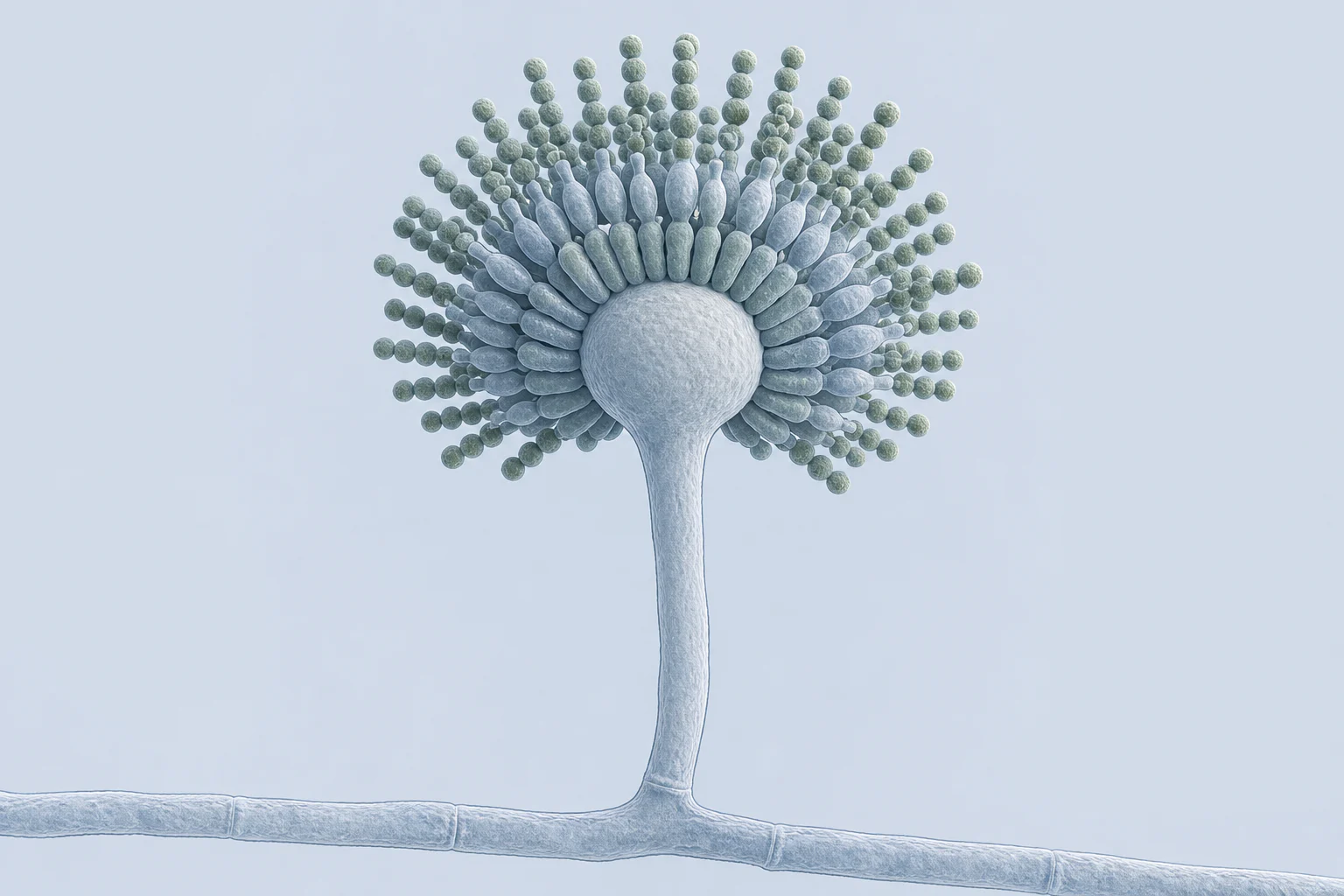
A ubiquitous filamentous fungal genus that is both an environmental saprophyte and an opportunistic human pathogen. A. fumigatus is the primary cause of invasive aspergillosis in immunocompromised patients, while A. niger is relevant to food contamination. The genus is …
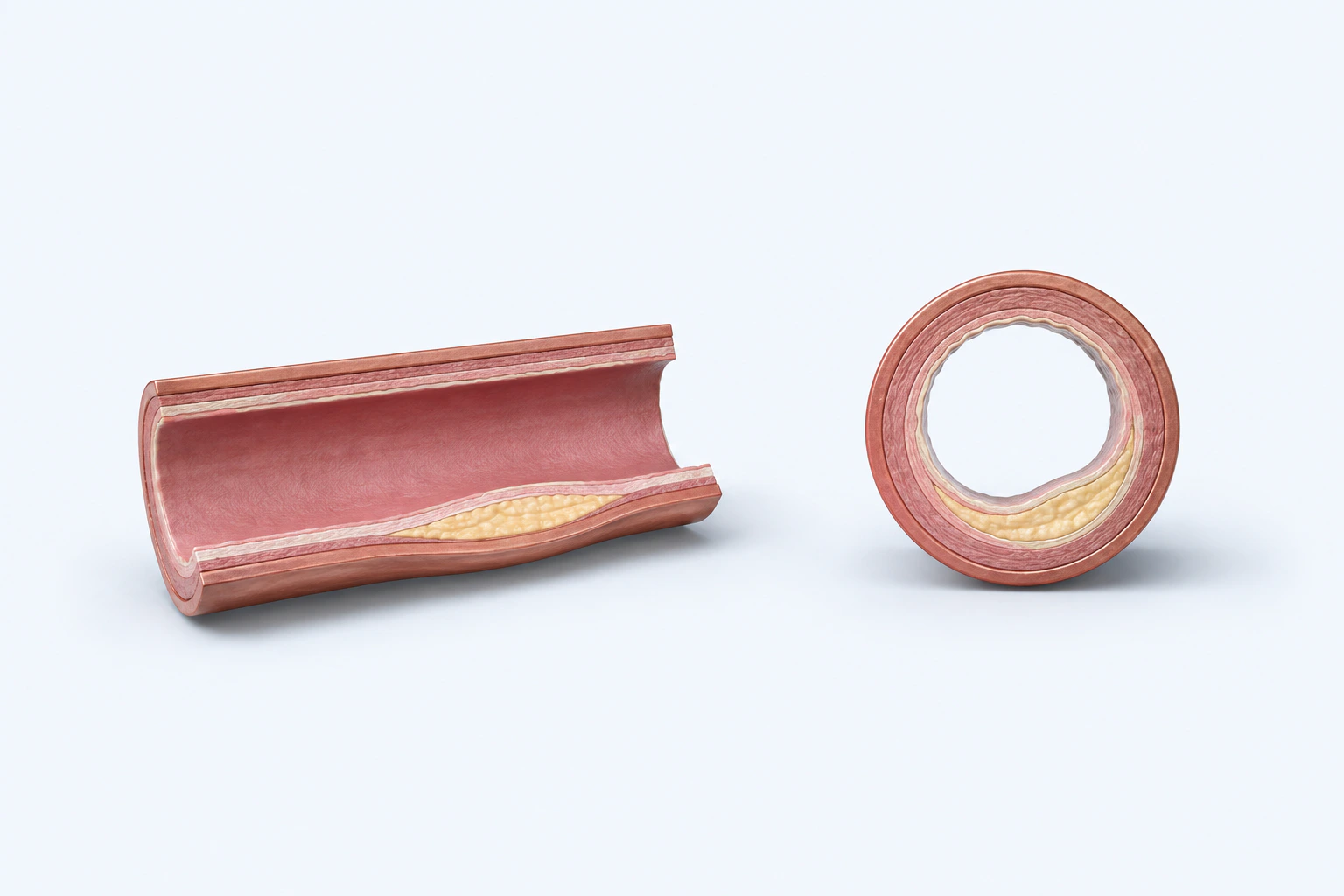
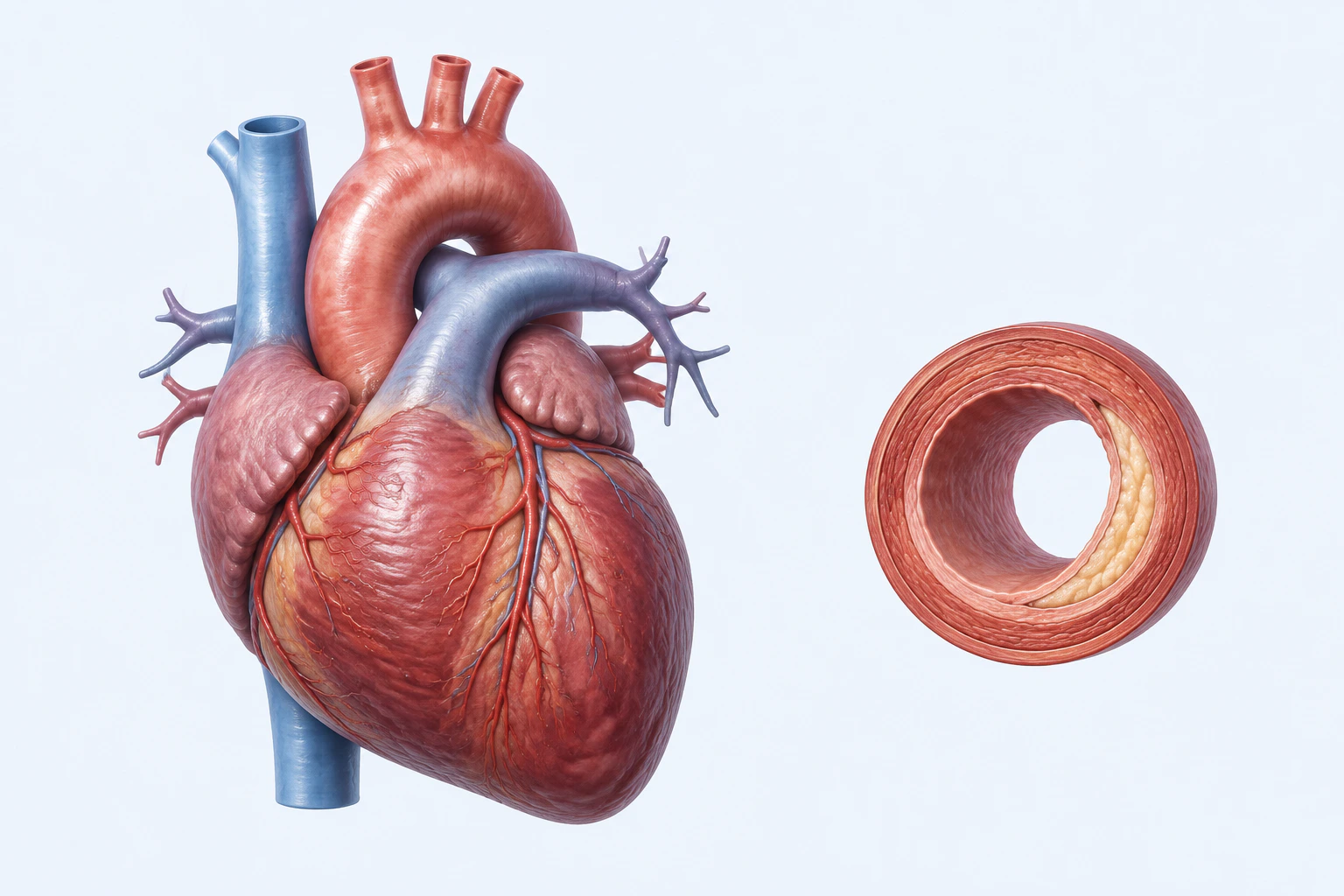
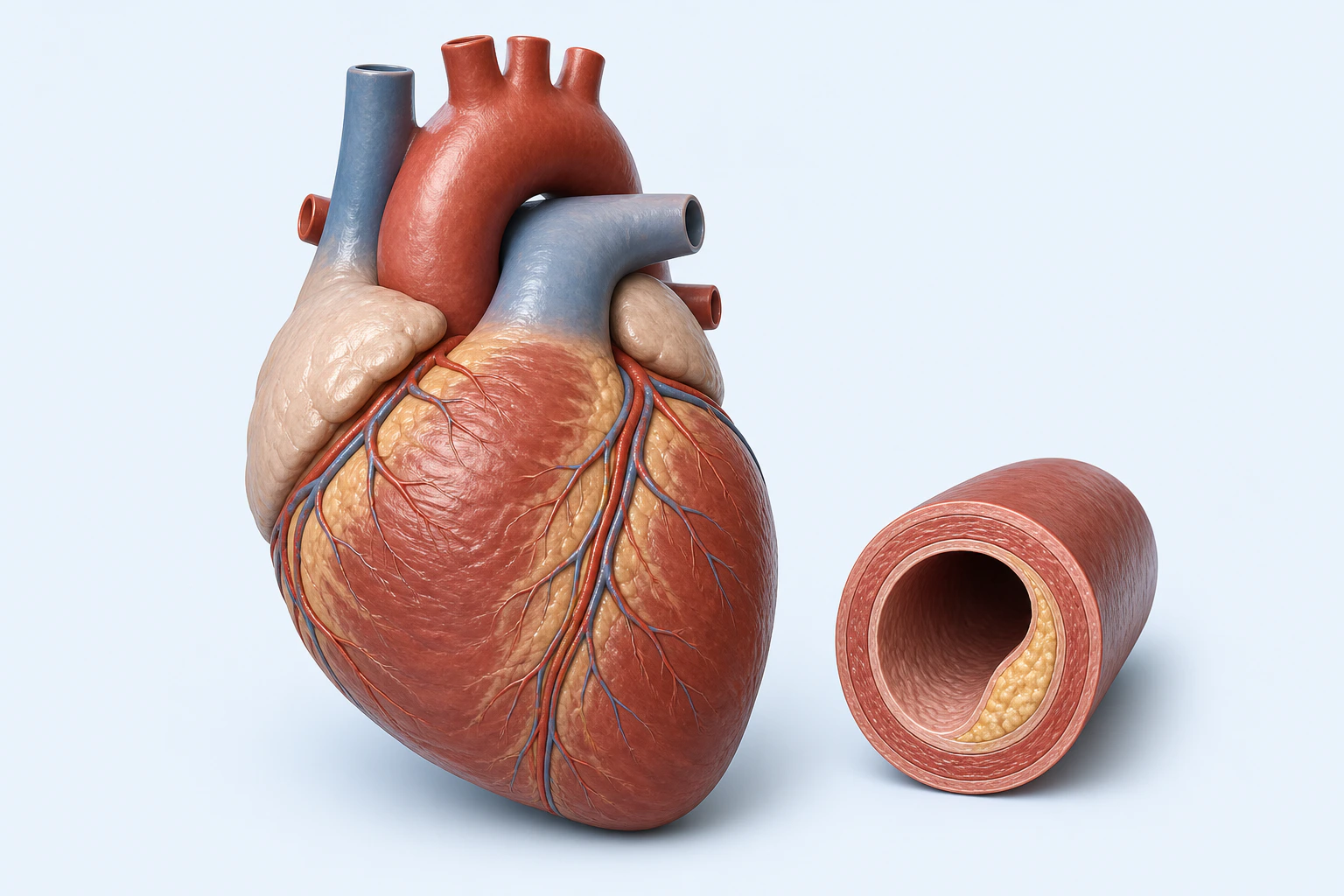
Progressive inflammatory disease of the arterial wall characterized by lipid accumulation, immune cell infiltration, and fibrous plaque formation. In the metallomics framework, atherosclerosis sits at the convergence of three interacting systems: heavy metal toxicity, g…
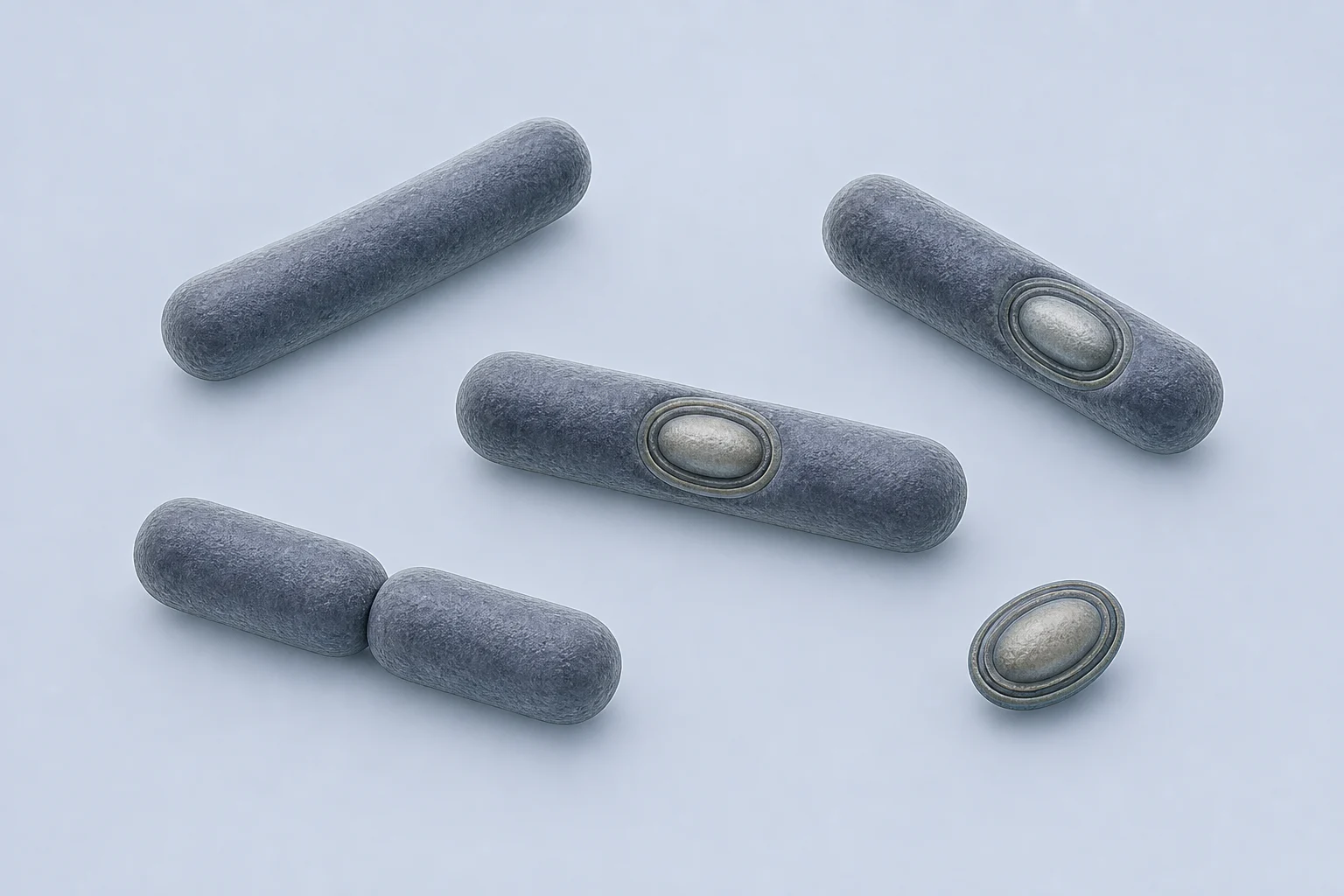
A Gram-positive, aerobic to facultatively anaerobic, spore-forming genus that bridges environmental and human microbiology. The genus encompasses both beneficial species (B. subtilis, B. coagulans as probiotics) and pathogens (B. cereus causing food poisoning, B. anthra…
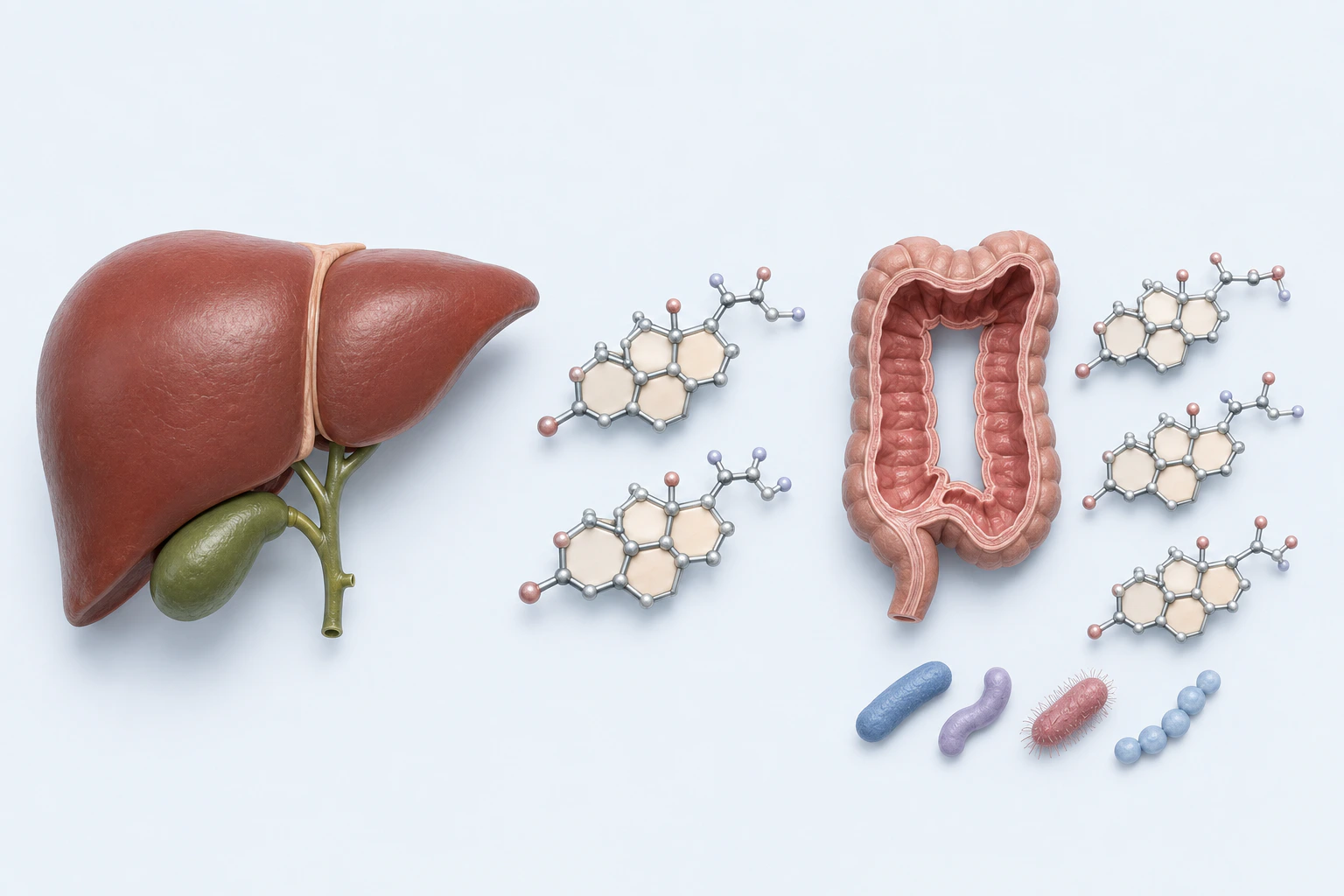
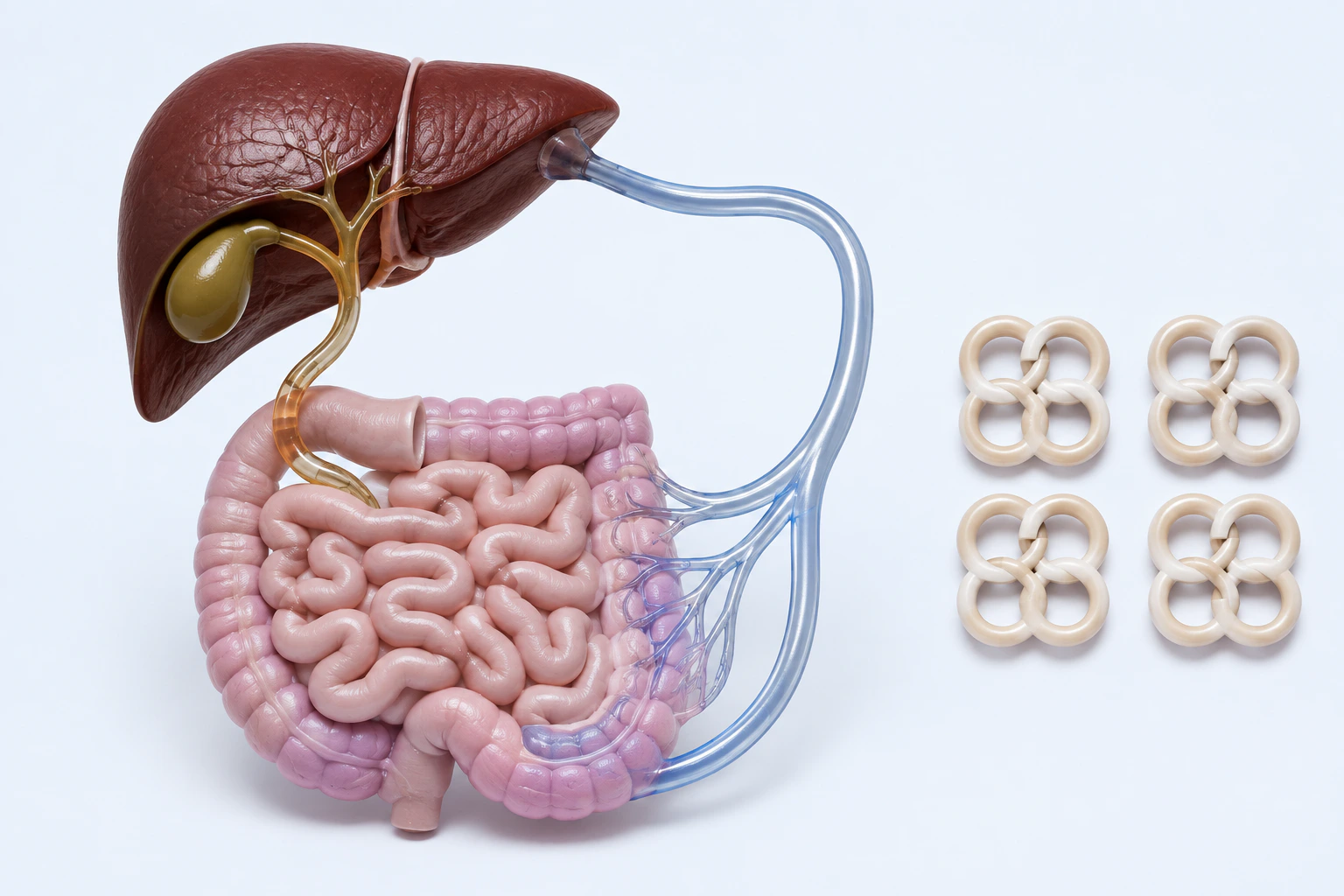
Bile acids are cholesterol-derived amphipathic molecules synthesized in the liver, secreted into the duodenum, and extensively modified by gut bacteria. The host-microbe co-metabolism of bile acids creates a signaling network with profound effects on lipid metabolism, g…
A genus of Gram-positive, obligate anaerobic bacteria within the lachnospiraceae family that produces short chain fatty acids and plays a significant role in bile acid metabolism. Key species include B. obeum, B. wexlerae, B. hydrogenotrophica, and B. producta. While pr…
A Gram-negative, obligate anaerobic genus within the Bacteroidetes phylum (family Odoribacteraceae). Despite its relatively recent characterization, Butyricimonas has gained significant attention as a member of the protective butyrate-producing consortium that is consis…
This knowledge-base record is being expanded from WikiBiome’s evidence graph.
A large, polyphyletic genus of Gram-positive, obligate anaerobic, spore-forming bacteria encompassing both critical beneficial commensals and dangerous pathogens. Former Clostridium clusters IV and XIVa are now reclassified into ruminococcus-family Ruminococcaceae and l…
Clostridium symbiosum is a Gram-positive, obligately anaerobic bacterium within the Clostridium cluster XIVa — a taxonomic group enriched for short-chain fatty acid (SCFA) producers and specialized bile acid metabolizers. Despite its ambiguous name (suggesting symbiotic…
A genus of Gram-positive, obligate anaerobic bacteria within the Actinobacteria phylum (family Coriobacteriaceae) that has emerged as a consistent pathobiont enriched in cardiometabolic and autoimmune diseases. C. aerofaciens is the most studied species, with establishe…
A Gram-positive, obligate anaerobic genus within the lachnospiraceae family (Firmicutes phylum). Coprococcus is one of the most important butyrate-producing commensals in the human gut and has gained particular attention as the "happiness bug" -- one of very few taxa di…
Debaryomyces is a genus of ascomycetous fungi, with D. hansenii being the most clinically relevant species, that represents a prominent opportunistic pathobiont enriched in inflammatory bowel disease, particularly crohns disease. Unlike many commensal fungi, Debaryomyce…
A genus of Gram-negative, obligate anaerobic, sulfate-reducing bacteria (SRB) that produces hydrogen sulfide (H2S) as its primary metabolic end-product. H2S is a potent cytotoxin that disrupts colonocyte energy metabolism, damages the gut barrier, and promotes chronic i…
Dialister is a genus of Gram-negative, obligate anaerobic bacteria within the family Veillonellaceae that represents one of the strongest protective associations in gut-brain-axis research. Dialister depletion is a consistent and independent biomarker of depression, anx…
This knowledge-base record is being expanded from WikiBiome’s evidence graph.
A Gram-positive, obligate anaerobic genus within the lachnospiraceae family (Firmicutes phylum). Dorea occupies a mixed role in the gut ecosystem -- while it is a core member of the healthy human microbiome, several species are consistently enriched in autoimmune and ne…
A family of Gram-negative, facultative anaerobic Gammaproteobacteria that includes many of the most important human pathogens: escherichia coli, klebsiella pneumoniae, salmonella typhimurium, shigella flexneri, yersinia pestis, proteus mirabilis, Morganella, and Serrati…
A genus of Gram-positive, obligate anaerobic bacteria within the Firmicutes phylum that includes several of the most important butyrate producers in the human colon. Key species are E. rectale, E. hallii (now reclassified as Anaerobutyricum hallii), and E. limosum. Cons…
A Gram-negative, obligate anaerobic bacterium that has emerged as the most consistently CRC-associated microorganism in human gut microbiome studies. F. nucleatum is the primary species of concern, originally a commensal of the oral cavity that translocates to colorecta…
Alphabetical definitions of specialist terms used throughout this wiki. Where a full concept page exists, the term links to it. --- AhR (aryl hydrocarbon receptor) -- A ligand-activated transcription factor that senses microbial metabolites (especially indoles from tryp…
Gordonibacter urolithinfaciens is a Gram-positive, obligate anaerobic bacterium belonging to the family Eggerthellaceae that plays a specialized and critical role in polyphenol metabolism and conversion of ellagic acid to urolithin A. This microbial conversion is one of…
The community of trillions of microorganisms — bacteria, archaea, fungi (mycobiome), viruses, and bacteriophages — inhabiting the human gastrointestinal tract, with the highest density in the colon (~10¹¹ cells/g). The gut microbiome encodes 100–150 times more genes tha…
Bidirectional communication between the gut microbiota and the central nervous system, mediated by neural (vagus nerve, enteric nervous system), immune (cytokines, microglia), endocrine (HPA axis), and metabolic (SCFAs, neurotransmitter precursors, tryptophan metabolite…
This knowledge-base record is being expanded from WikiBiome’s evidence graph.
Heavy metals exert some of their most devastating effects on the nervous system. lead, mercury, and arsenic are the three metals with the most extensively documented neurotoxic mechanisms, but cadmium, manganese, aluminum, and nickel also contribute to neurological dama…
Sustained elevation of systemic blood pressure, affecting an estimated 1.3 billion adults worldwide and the leading modifiable risk factor for cardiovascular disease, stroke, and chronic kidney disease. The gut microbiome-blood pressure axis has emerged as a major resea…
This knowledge-base record is being expanded from WikiBiome’s evidence graph.
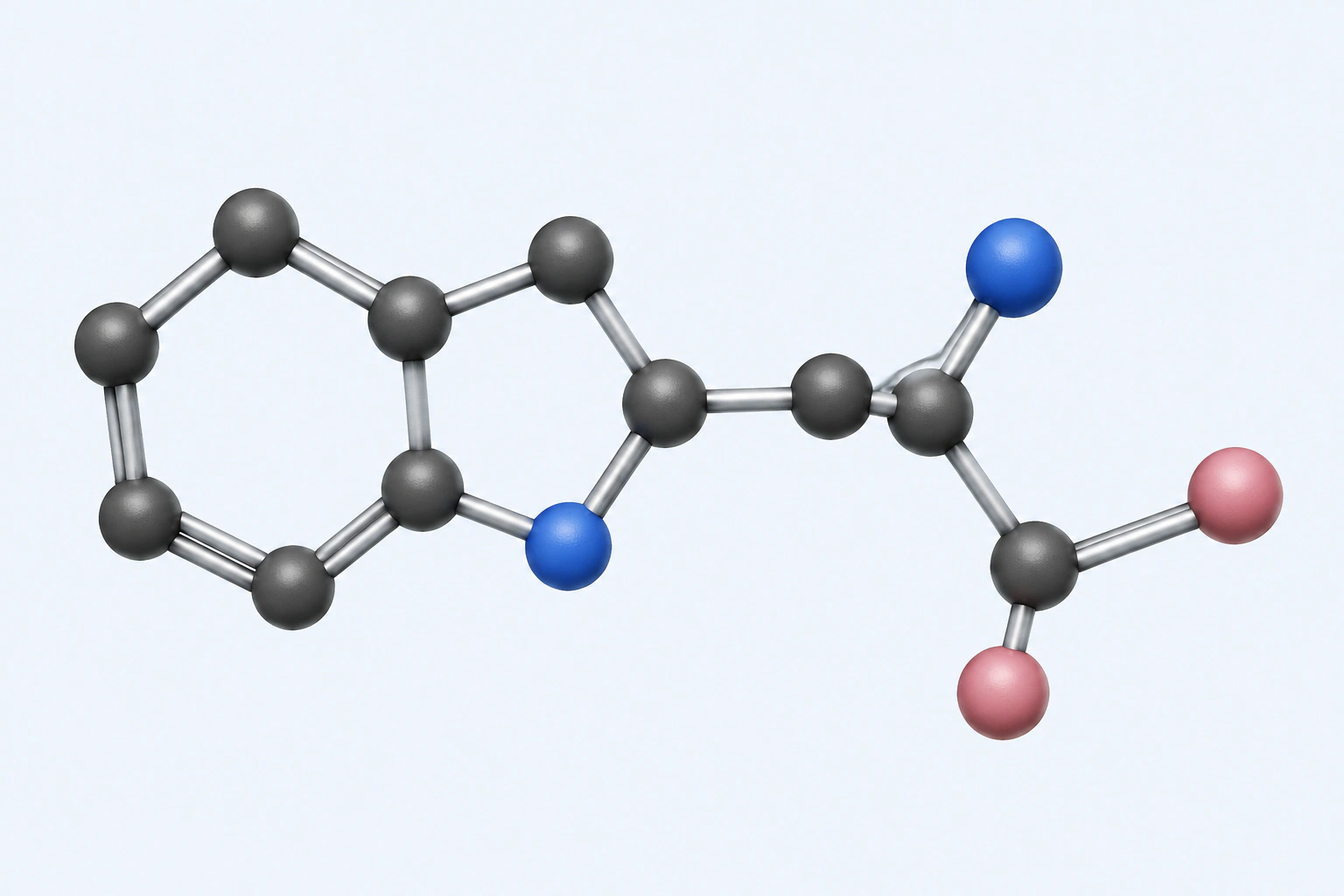
Microbial tryptophan metabolites produced by gut bacteria through the third branch of tryptophan metabolism -- the indole pathway. Unlike the host-dominated kynurenine pathway (~95% of Trp) and the serotonin pathway (~1-2%), the indole pathway is exclusively microbial a…
This knowledge-base record is being expanded from WikiBiome’s evidence graph.
The kynurenine pathway (KP) is the dominant route of tryptophan catabolism, accounting for approximately 95% of dietary tryptophan degradation. It produces a cascade of neuroactive, immunomodulatory, and potentially neurotoxic metabolites whose balance determines whethe…
Lactobacillus reuteri is one of the most extensively studied probiotic species, notable for its production of neuroactive metabolites (GABA, histamine) and its effects on the hypothalamic-pituitary-gonadal axis (testosterone, oxytocin).
Major depressive disorder (MDD) is a psychiatric condition characterized by persistent depressed mood, anhedonia, and cognitive/somatic symptoms. In the WikiBiome framework, MDD is a paradigm case for the gut brain axis: gut dysbiosis drives systemic inflammation and ne…
A genus of lipophilic basidiomycete yeasts that is the dominant fungus on human skin and has recently been recognized as a significant component of the gut mycobiome. M. restricta, M. globosa, and M. furfur are the primary species. Originally studied as the cause of dan…
This knowledge-base record is being expanded from WikiBiome’s evidence graph.
The only archaeon represented in this wiki -- Methanobrevibacter smithii is the dominant methane-producing microorganism in the human gut, belonging to the domain Archaea rather than Bacteria. As a hydrogenotrophic methanogen, it converts H2 + CO2 into methane (CH4), pl…
The use of gut microbiome composition, microbial metabolites, or microbial products as diagnostic, prognostic, or monitoring tools for disease. Unlike traditional clinical biomarkers, microbial biomarkers capture the functional state of the host-microbiome ecosystem and…
Microglia are the resident immune cells of the central nervous system, constituting 5-12% of all brain cells. They function as the brain's surveillance and defense system -- scanning for damage, clearing debris, pruning synapses during development, and mounting inflamma…
Mitochondrial dysfunction refers to the impairment of mitochondrial energy production, redox balance, and signaling functions. Mitochondria are the primary targets of heavy metal toxicity in human cells, and they are also the organelles most dependent on metal cofactors…
A Gram-negative, obligate anaerobic genus within the Bacteroidetes phylum, closely related to bacteroides fragilis. The best-characterized species, P. distasonis, has emerged as a key anti-inflammatory commensal with significant roles in bile acid metabolism and metabol…
A Gram-positive, obligate anaerobic genus that has emerged as one of the most consistently enriched taxa in colorectal cancer. The key pathogenic species P. anaerobius promotes colorectal carcinogenesis through multiple mechanisms including cholesterol biosynthesis indu…
Peptostreptococcus stomatis is a Gram-positive, obligately anaerobic coccus originally isolated from the human oral cavity (oral streptococcal species) that has emerged as a carcinogenic oral pathobiont enriched in colorectal cancer, particularly in advanced stages. Unl…
A Gram-negative, obligate anaerobic genus within the Firmicutes phylum (family Acidaminococcaceae, class Negativicutes). The primary species P. faecium and the recently characterized P. succinatutens are specialized propionate producers that utilize succinate as their m…
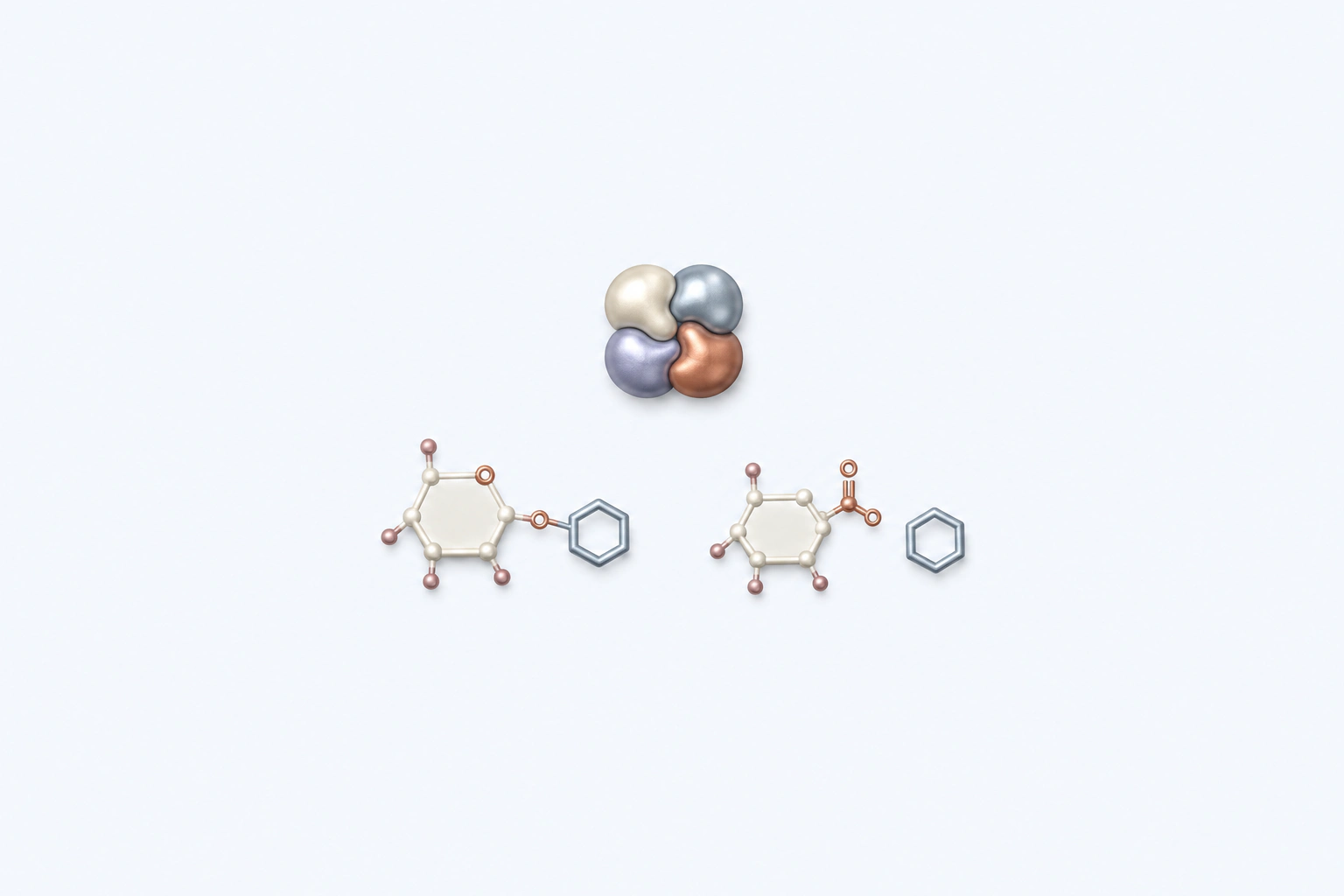
Phenylalanine is an essential aromatic amino acid that sits at a metabolic crossroads: it is the precursor to tyrosine (and through it to dopamine, norepinephrine, and epinephrine), a substrate for microbial conversion to cardiovascular risk metabolites, and a participa…
Polyamines -- putrescine, spermidine, spermine, and cadaverine -- are small polycationic molecules produced by both the host and the gut microbiome. They regulate cell growth, differentiation, apoptosis, and immune function. In the gut ecosystem, polyamines are metaboli…
A Gram-negative, obligate anaerobic genus with the keystone pathogen P. gingivalis at its center. Named for its porphyrin (heme) requirement, Porphyromonas is the prototypical periodontal pathogen and one of the most important organisms connecting oral health to systemi…
This knowledge-base record is being expanded from WikiBiome’s evidence graph.
A Gram-negative, obligate anaerobic genus within the Bacteroidetes phylum that exemplifies context-dependent microbiome effects -- beneficial in some settings, pathogenic in others. P. copri is the dominant species in the human gut and a hallmark of plant-rich, fiber-ri…
A three-carbon short-chain fatty acid (SCFA) produced primarily by Bacteroidetes and certain Firmicutes through anaerobic fermentation of dietary substrates. At physiological concentrations in healthy gut microbiomes, propionic acid (PPA) is a normal fermentation produc…
A genus of Gram-positive, obligate anaerobic, flagellated bacteria within the lachnospiraceae family that ranks among the most important butyrate producers in the human gut. Key species include R. intestinalis and R. hominis. Roseburia is consistently depleted across in…
A genus of Gram-positive, obligate anaerobic cocci within the Firmicutes phylum that exemplifies dual-nature microbiology — containing both keystone beneficial species and disease-associated pathobionts within the same genus. The genus spans multiple former taxonomic gr…
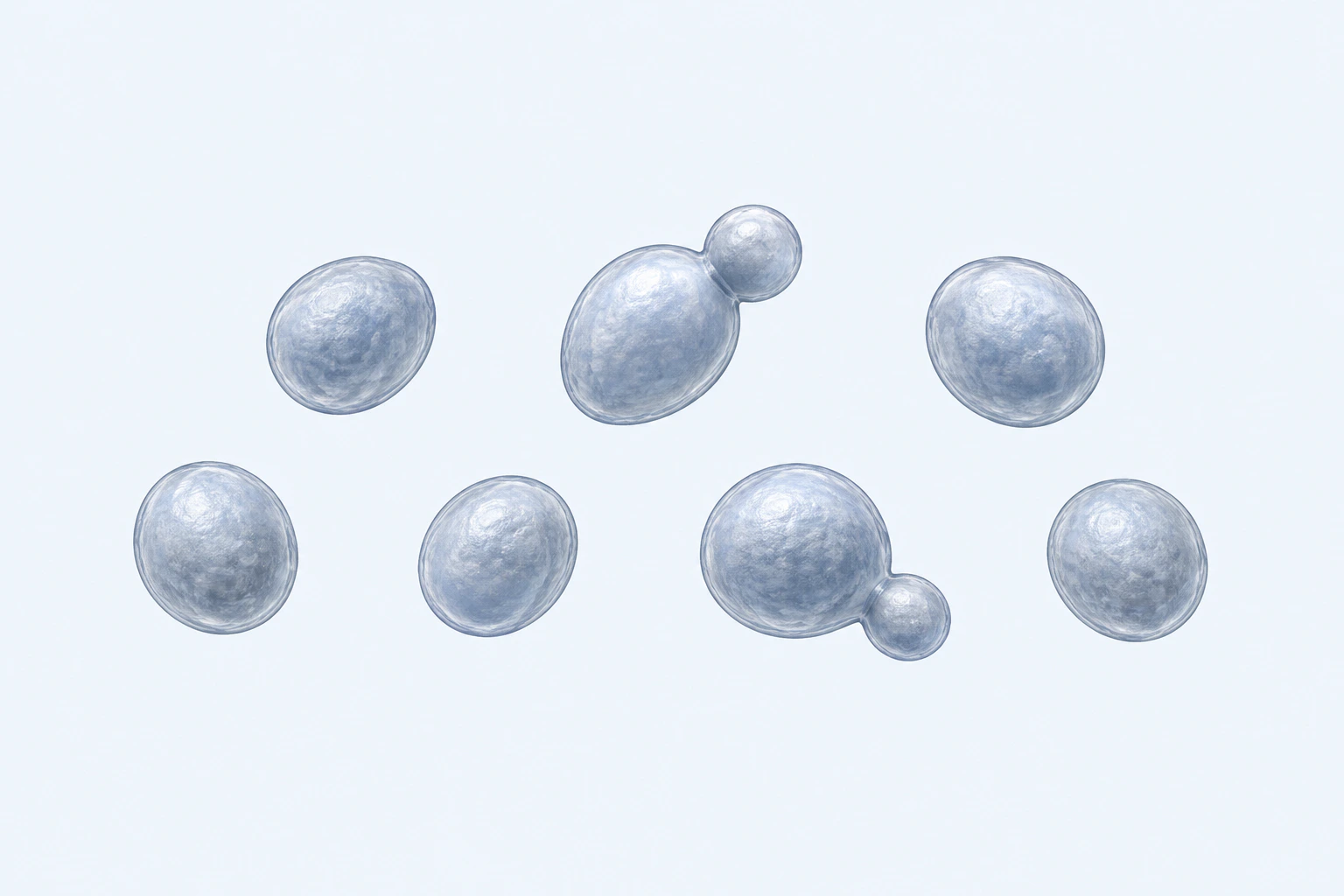
A genus of ascomycete yeasts that includes both a proven therapeutic probiotic (S. boulardii) and species associated with disease states (S. cerevisiae enriched in CRC mycobiome). This dual nature -- commensal/probiotic versus disease-associated -- parallels the bacteri…
Saccharomyces cerevisiae is a unicellular budding fungus (ascomycete) ubiquitous in fermentation, brewing, bread-making, and increasingly used as a pharmaceutical probiotic (Hatoum et al. 2012). The strain S. boulardii (also called S. cerevisiae var. boulardii) is the m…
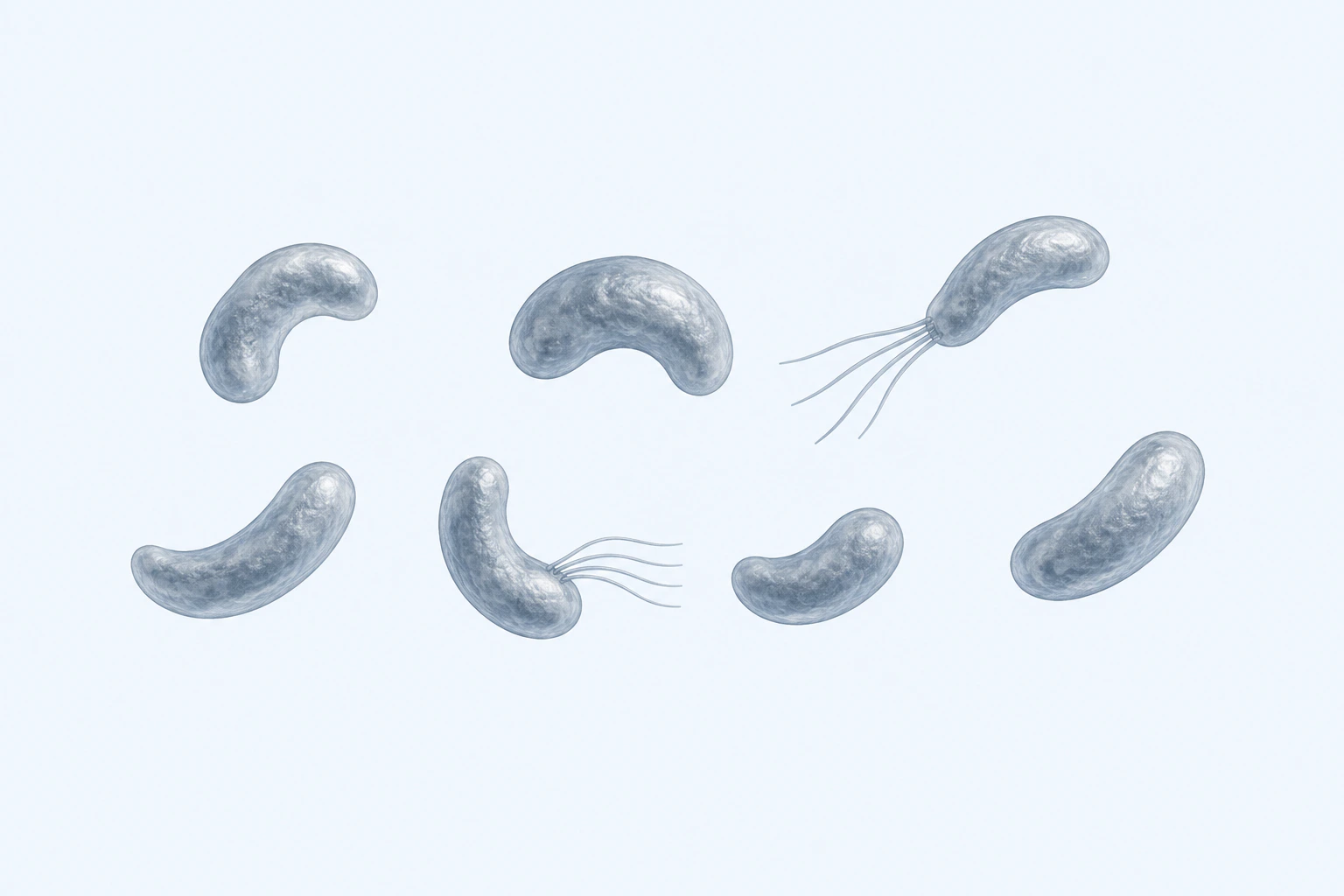
A genus of Gram-negative, crescent-shaped, strictly anaerobic bacteria found in both the oral cavity and the gastrointestinal tract. Selenomonas species are characterized by their distinctive morphology -- a curved rod with a tuft of flagella arising from the concave si…
The most extensively referenced missing concept in this wiki. SCFAs -- acetate (C2), propionate (C3), and butyrate (C4) -- are the primary metabolic products of anaerobic bacterial fermentation of dietary fiber in the colon. They serve as the critical molecular link bet…
A Gram-negative, microaerophilic genus within the Proteobacteria phylum (family Sutterellaceae). The primary species S. wadsworthensis is classified as a pathobiont due to its IgA-degrading capacity and associations with neurodevelopmental and inflammatory conditions. H…
Tryptophan (Trp) is an essential amino acid that the human body cannot synthesize and must obtain from diet. It occupies a uniquely important position at the intersection of neuroscience, immunology, and microbial ecology because it is the sole precursor to serotonin, a…
Tryptophan (Trp) is an essential amino acid metabolized via three competing pathways: the kynurenine pathway, the serotonin pathway, and the microbial indole pathway. The balance among these pathways is profoundly influenced by the gut microbiome, inflammation, and meta…
A Gram-negative, obligate anaerobic genus within the Firmicutes phylum (class Negativicutes, family Veillonellaceae). The primary species V. parvula is a specialized lactate utilizer that occupies a unique metabolic niche by cross-feeding with lactate-producing bacteria…