Pancreatitis
This knowledge-base record is being expanded from WikiBiome’s evidence graph.
WikiBiomeThe human microbiome encyclopediaRanked matches across titles, topics, categories, and article introductions.
This knowledge-base record is being expanded from WikiBiome’s evidence graph.
A class of Gram-positive, obligate anaerobic bacteria within the phylum Firmicutes that represents the most functionally diverse and clinically significant taxonomic class in the human gut microbiome. Clostridia encompasses the dominant butyrate producers sustaining col…
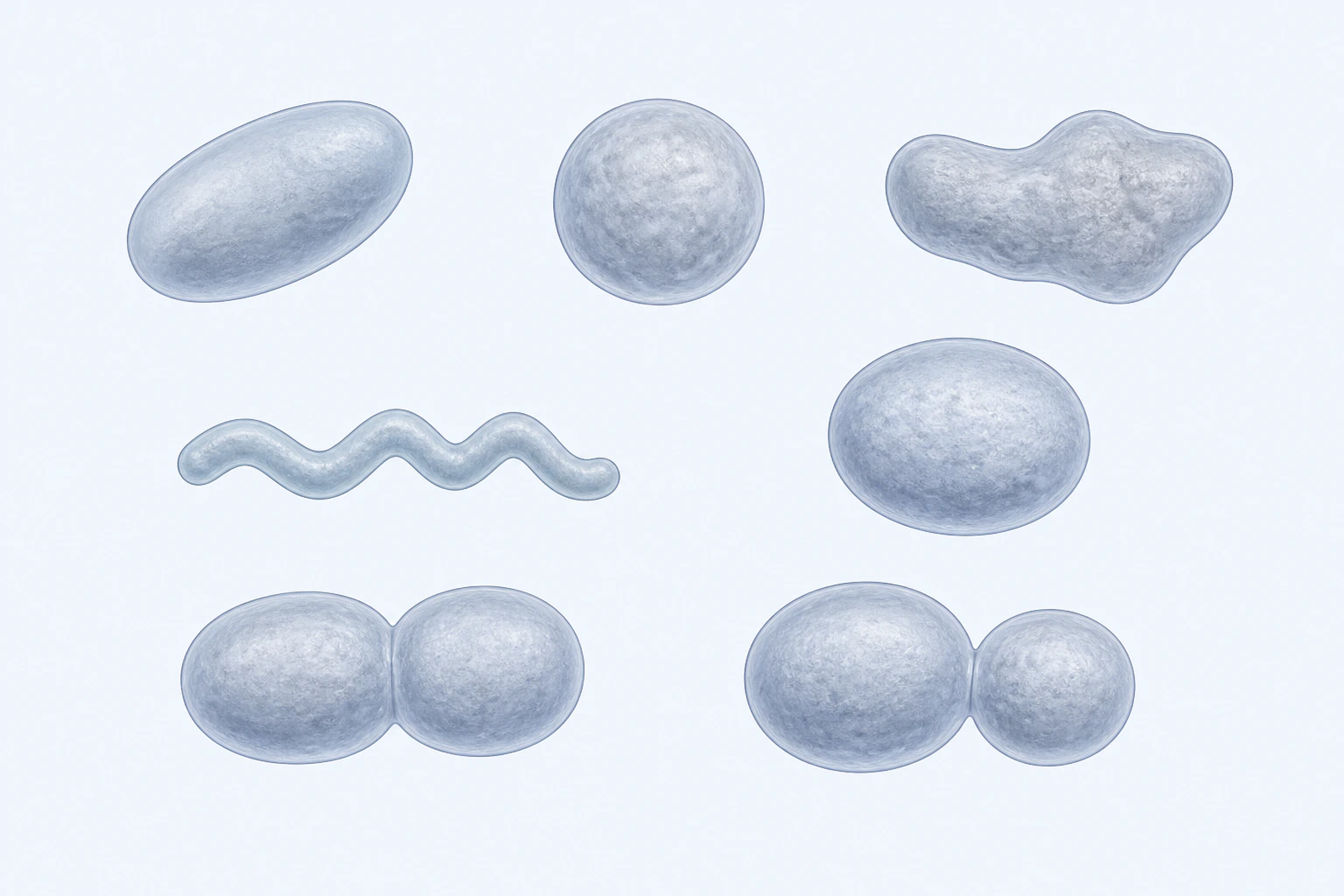
A class of bacteria within the phylum Tenericutes defined by the complete absence of a cell wall -- the smallest self-replicating organisms known, with minimal genomes (580 kb-1.4 Mb). While Mollicutes are best known through their pathogenic members (Mycoplasma pneumoni…
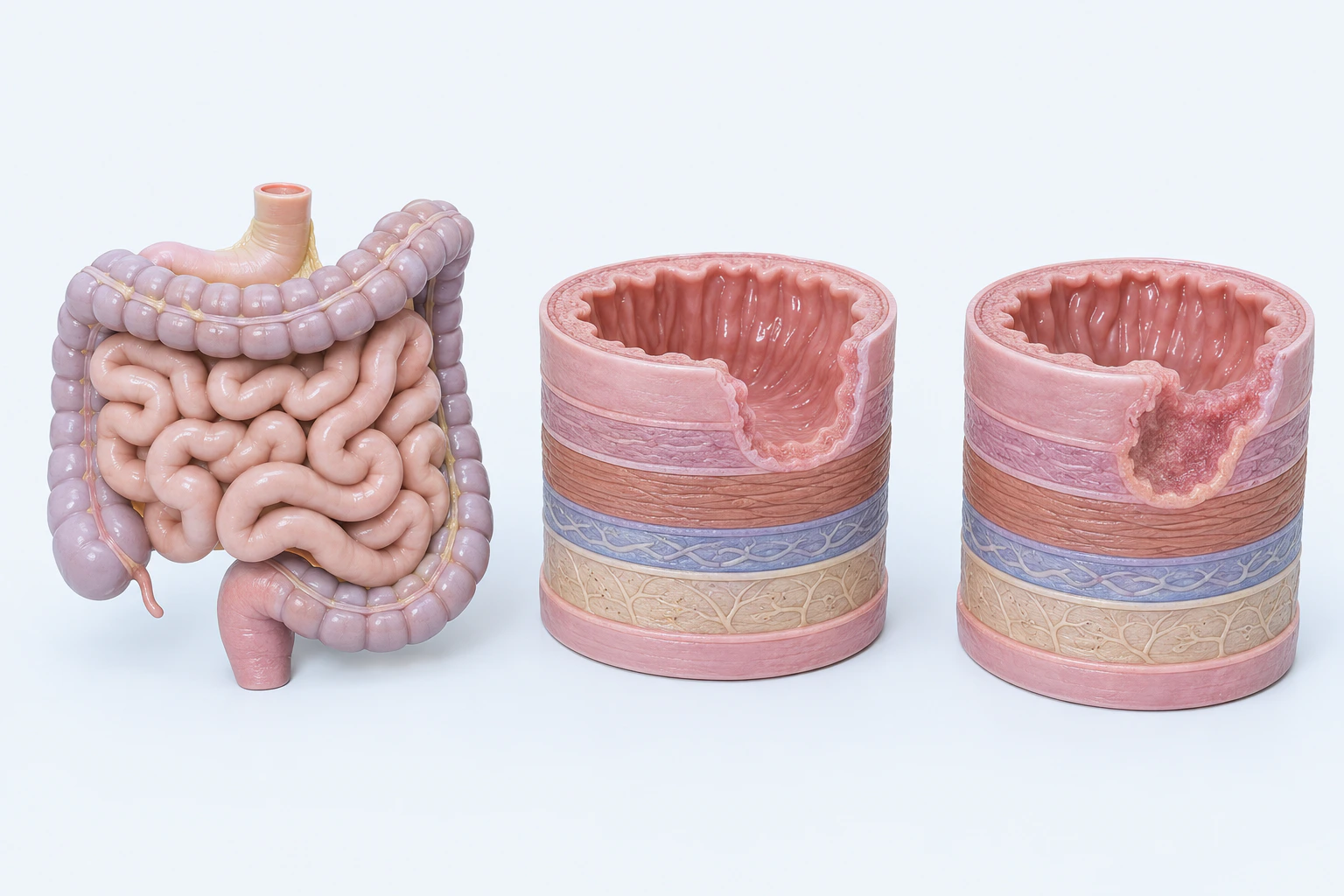
Necrotizing enterocolitis (NEC) is the most common and lethal gastrointestinal emergency in premature infants, affecting 5-12% of very low birth weight neonates (<1500 g) with mortality rates of 20-30%. Characterized by intestinal inflammation, necrosis, and perforation…
Parenteral nutrition (PN) -- the delivery of nutrients directly into the bloodstream via intravenous infusion -- is a life-saving intervention for patients who cannot absorb nutrition enterally. However, PN presents unique challenges for the metal-microbiome axis: it in…
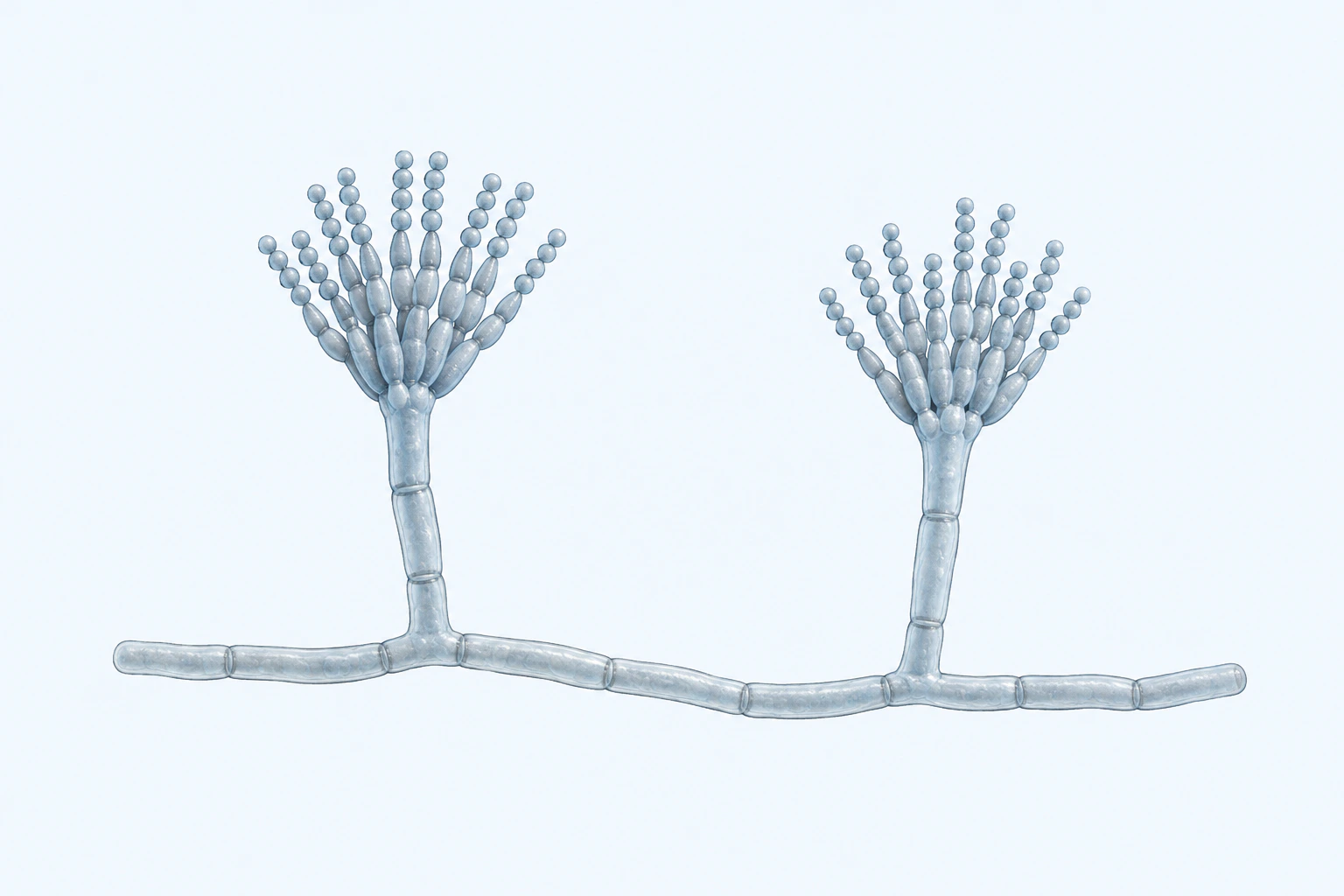
Penicillium is a genus of filamentous fungi best known as the source of penicillin. In the WikiBiome context, Penicillium appears in the gut mycobiome — the fungal component of the microbiome — with associations across ASD, pancreatitis, and cardiometabolic disease.