Nutritional Immunity (Metal Sequestration)
The strategy by which mammalian hosts withhold essential metals from invading pathogens to limit their growth. Well-established for iron and zinc; underexplored but potentially powerful for nickel.
WikiBiomeThe human microbiome encyclopediaRanked matches across titles, topics, categories, and article introductions.
The strategy by which mammalian hosts withhold essential metals from invading pathogens to limit their growth. Well-established for iron and zinc; underexplored but potentially powerful for nickel.
Parenteral nutrition (PN) -- the delivery of nutrients directly into the bloodstream via intravenous infusion -- is a life-saving intervention for patients who cannot absorb nutrition enterally. However, PN presents unique challenges for the metal-microbiome axis: it in…
The most common form of dementia, affecting an estimated 55 million people worldwide and projected to triple by 2050 zhang 2024 recent advances alzheimers mechanisms trials. Characterized by progressive memory loss, cognitive decline, amyloid-beta plaques, and neurofibr…
This knowledge-base record is being expanded from WikiBiome’s evidence graph.
Arsenic is a metalloid and potent carcinogen (IARC Group 1) that ranks among the most widespread environmental toxicants affecting human health. An estimated 225 million people worldwide are chronically exposed through contaminated drinking water alone ghosh 2023 heavy …
This knowledge-base record is being expanded from WikiBiome’s evidence graph.
A neurodevelopmental condition affecting approximately 1 in 36 children (US CDC 2023 estimate), characterized by differences in social communication, restricted interests, and repetitive behaviors. From a metallomics perspective, ASD presents a compelling convergence of…
Autoimmunity occurs when the immune system attacks the body's own tissues. What has emerged over the past two decades is that the gut microbiome is not merely associated with autoimmune disease -- it is a mechanistic driver of immune tolerance breakdown. Metals add a se…
A Gram-negative obligate anaerobe and the most clinically significant member of the Bacteroides genus. B. fragilis occupies a unique dual position in gut microbiology: as a non-toxigenic commensal (NTBF), it produces polysaccharide A (PSA) that shapes immune tolerance; …
This knowledge-base record is being expanded from WikiBiome’s evidence graph.
Structured microbial communities encased in a self-produced extracellular polymeric substance (EPS) matrix. Biofilms are the predominant mode of bacterial and fungal growth in chronic infections, device-associated infections, and the gut. From a metallomics perspective,…
A heavy metal traditionally considered safe enough for over-the-counter gastrointestinal remedies (Pepto-Bismol, De-Nol), bismuth is re-emerging as a potent antimicrobial synergist. Its key property: Bi3+ competes with Fe3+ for binding sites on siderophores and bacteria…
A genus of spirochete bacteria transmitted by Ixodes ticks, best known as the causative agent of Lyme disease -- the most common tick-borne illness in the Northern Hemisphere. Borrelia burgdorferi sensu lato comprises approximately 20 genospecies, with B. burgdorferi se…
This knowledge-base record is being expanded from WikiBiome’s evidence graph.
A heterodimer of S100A8 and S100A9 calcium-binding proteins that constitutes approximately 60% of the cytosolic protein content of neutrophils. Calprotectin is a central effector of nutritional immunity, sequestering essential transition metals from invading pathogens a…
An opportunistic fungal pathogen whose relationship with metals is multifaceted: C. albicans can biosorb heavy metals from its environment, heavy metal exposure promotes its virulence in immunocompromised hosts, and metal nanoparticles are being developed as antifungal …
This knowledge-base record is being expanded from WikiBiome’s evidence graph.
Celiac disease is a chronic autoimmune condition triggered by dietary gluten (gliadin proteins from wheat, barley, and rye) in genetically susceptible individuals (HLA-DQ2/DQ8, carried by ~30-40% of Europeans but penetrant in only ~1% of carriers). Gluten exposure cause…
Cerebral palsy (CP) is the most common motor disability in childhood, affecting 2-3 per 1,000 live births allen 2021 multi organ dysfunction cerebral palsy. Characterized by non-progressive disturbances in movement and posture arising from injury to the developing brain…
Chitotriosidase (CHIT1) is a human chitinase that degrades chitin — the structural polysaccharide of fungal cell walls, insect exoskeletons, and parasitic helminths. It is the most abundant chitinase in human serum and represents a direct arm of innate nutritional immun…
Chlamydia is a genus of obligate intracellular, Gram-negative bacteria with a unique biphasic developmental cycle. The genus includes three species pathogenic to humans: chlamydia trachomatis (STI and trachoma), C. pneumoniae (respiratory infections, atherosclerosis ass…
This knowledge-base record is being expanded from WikiBiome’s evidence graph.
A progressive loss of kidney function affecting approximately 850 million people worldwide (10–14% of adults), causing 1.2 million deaths annually. CKD is unique among diseases in this wiki because it occupies both sides of the metal-disease equation: heavy metals (Cd, …
The process by which selection pressure from one agent — typically a heavy metal — simultaneously selects for resistance to a structurally unrelated agent such as an antibiotic, because the resistance determinants are genetically linked on the same mobile genetic elemen…
This knowledge-base record is being expanded from WikiBiome’s evidence graph.
An essential trace element with a striking dual nature: required for survival as a cofactor for critical enzymes (SOD1, cytochrome c oxidase, ceruloplasmin), yet toxic in excess through Fenton-like redox cycling and mis metallation of iron-sulfur clusters. Copper is ele…
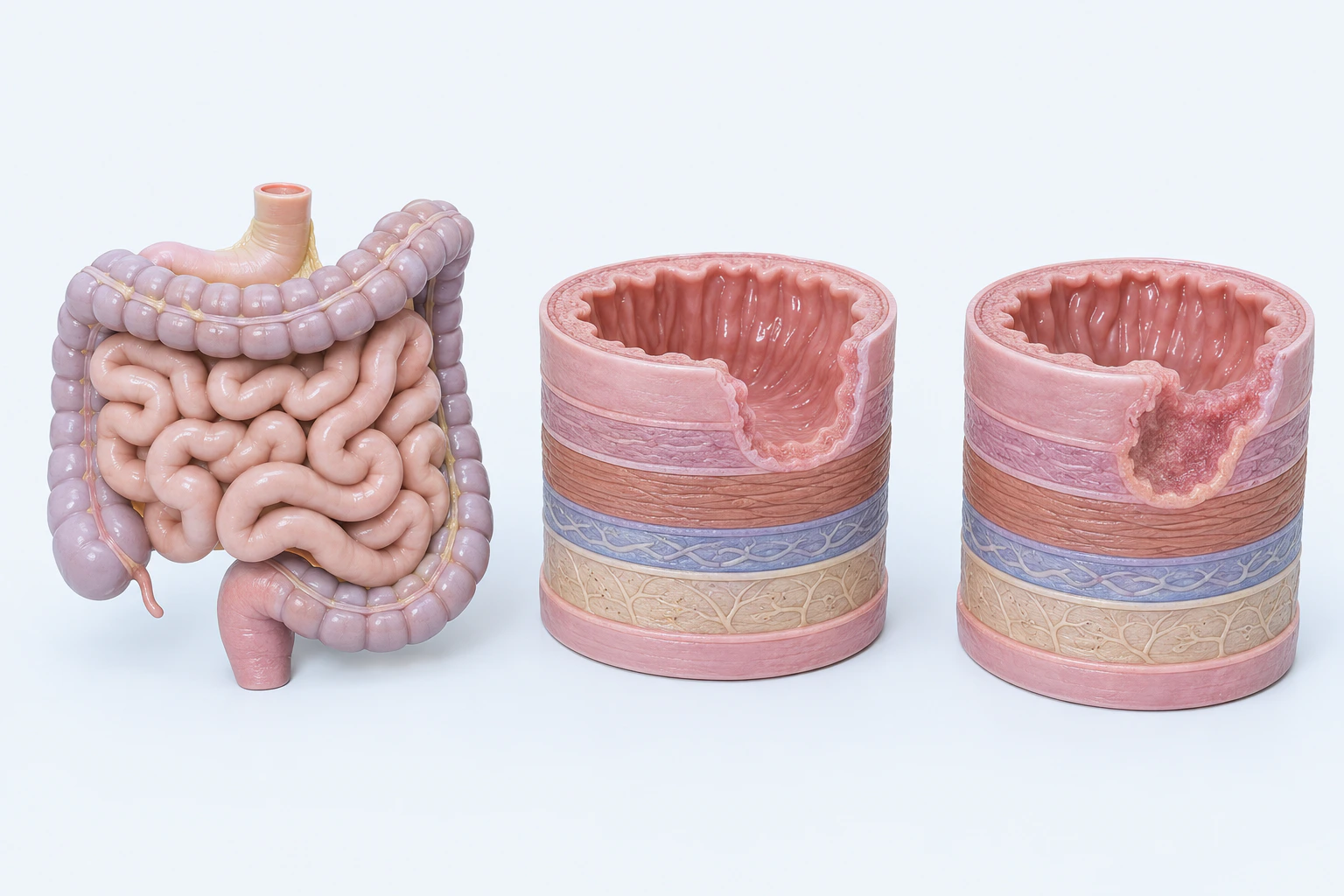
A chronic, relapsing-remitting inflammatory bowel disease (IBD) characterized by transmural inflammation of the gastrointestinal tract, most commonly affecting the terminal ileum and colon but capable of involving any segment from mouth to anus zhang 2017 intestinal mic…
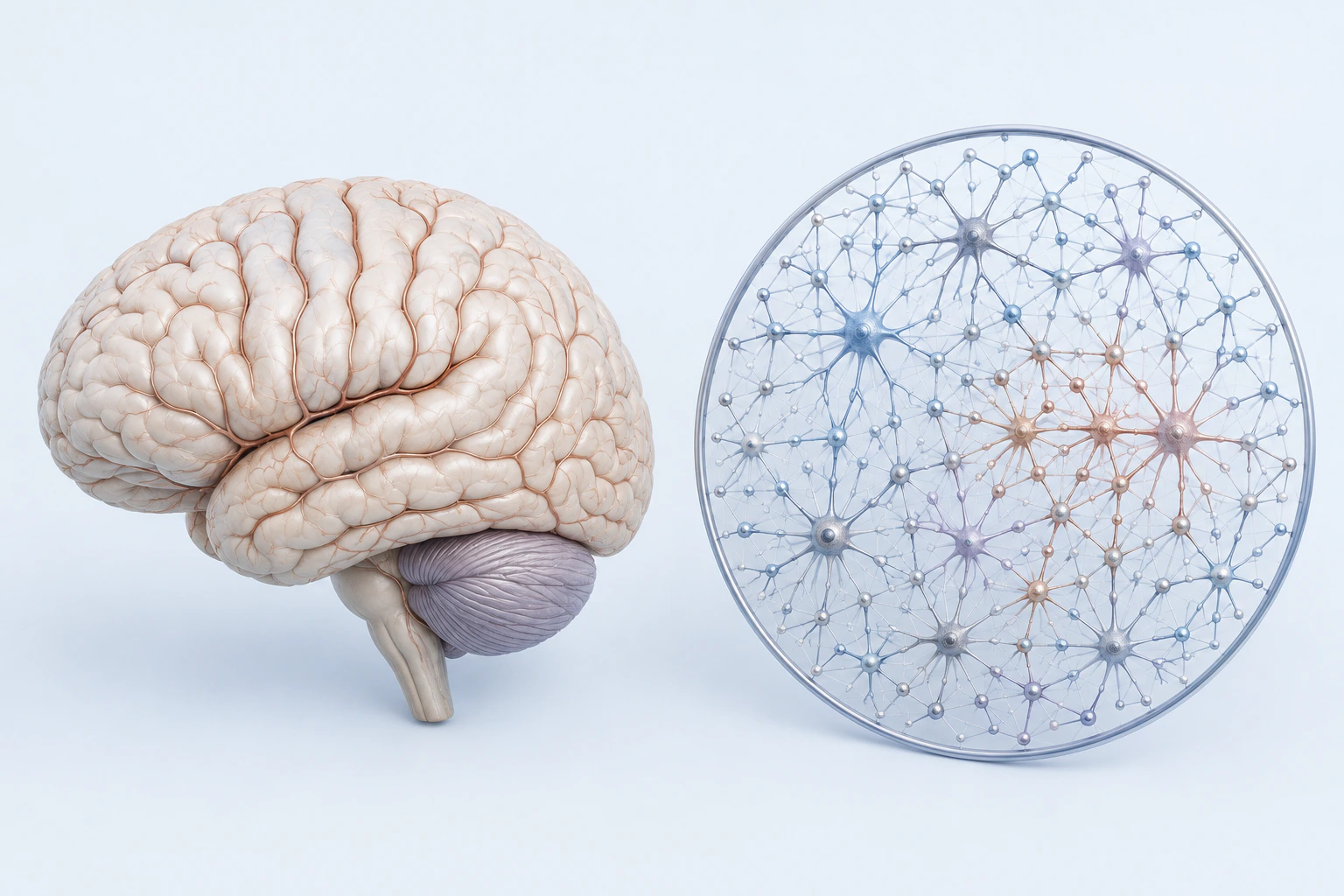
Depression is the most prevalent mental health disorder globally, affecting over 280 million people zhu 2025 microbiota gut brain axis depression review, and one of the most metal-sensitive conditions in this wiki. It sits at the convergence of nearly every pathway cata…
cadmium (Cd) enters the human body primarily through food. Unlike nickel, which has high-concentration food categories that can be avoided, cadmium contamination is diffuse — embedded in staple crops, leafy greens, and grains that form the basis of most dietary patterns…
iron occupies a unique position among dietary metals: it is both an essential nutrient and a selective pressure that shapes the gut microbial ecosystem. The form, quantity, and bioavailability of dietary iron determines which microbes thrive and which are competitively …
This page identifies the contradictions and clinical dilemmas that become visible only when the 236 source pages in this wiki are read together. Each paradox describes a situation where evidence-based dietary or supplementation advice -- advice that is correct for most …
The pathological disruption of normal metal homeostasis — the tightly regulated balance of essential trace elements (iron, zinc, copper, manganese, selenium, cobalt) and the effective exclusion of toxic metals (cadmium, lead, mercury, arsenic). Dyshomeostasis is a conve…
This knowledge-base record is being expanded from WikiBiome’s evidence graph.
A genus of Gram-positive bacteria (primarily E. faecalis and E. faecium) that exemplifies the metal-antibiotic resistance co-selection crisis. Enterococci carry diverse metal tolerance genes for mercury, arsenic, copper, and cadmium on the same mobile genetic elements a…
This knowledge-base record is being expanded from WikiBiome’s evidence graph.
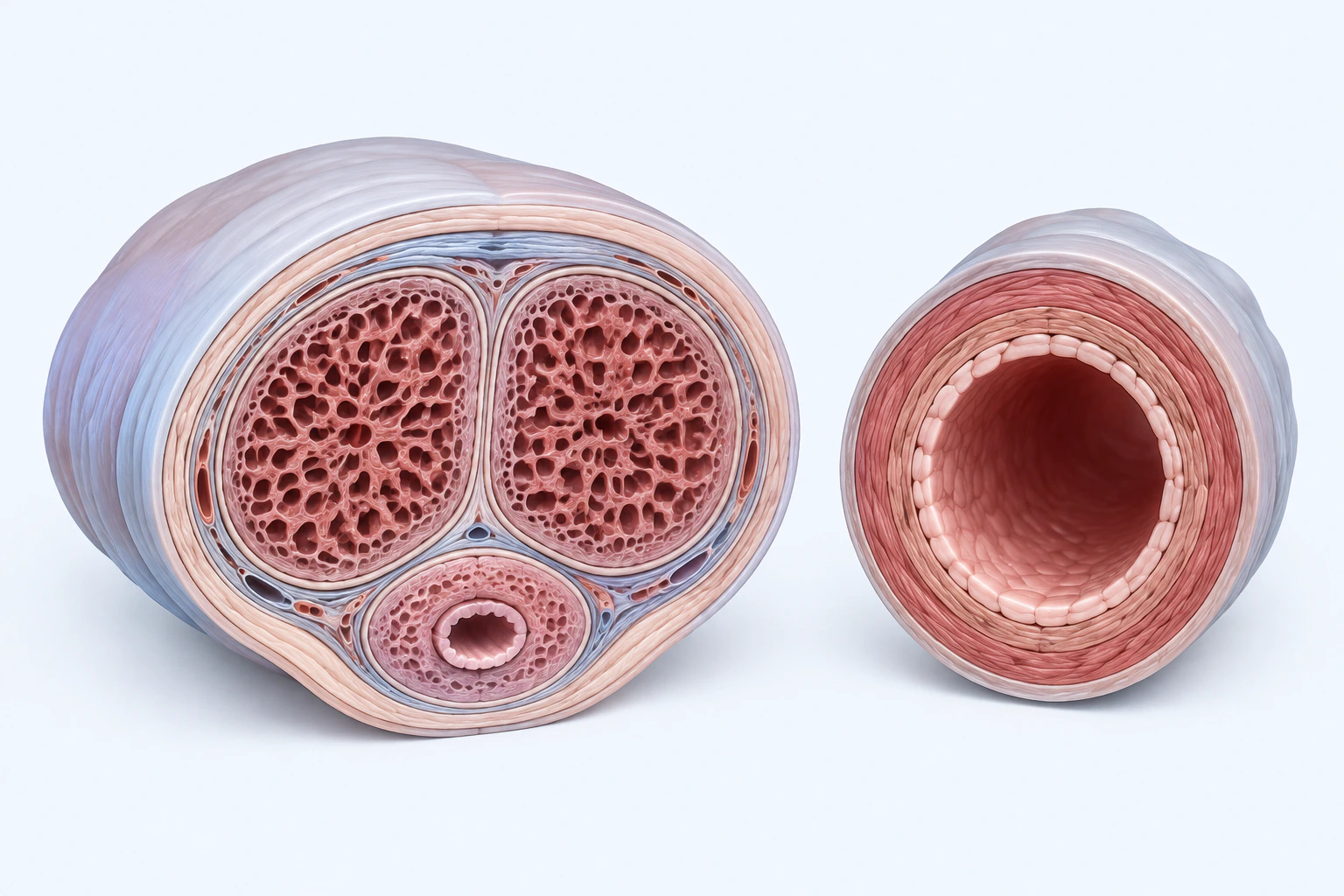
Erectile dysfunction (ED) affects 30-50% of men aged 40-70 Feldman et al. 1994, with prevalence increasing with age. Conventionally understood as a vascular and/or neurogenic disorder, ED is now recognized as a condition with a significant gut microbiome component -- th…
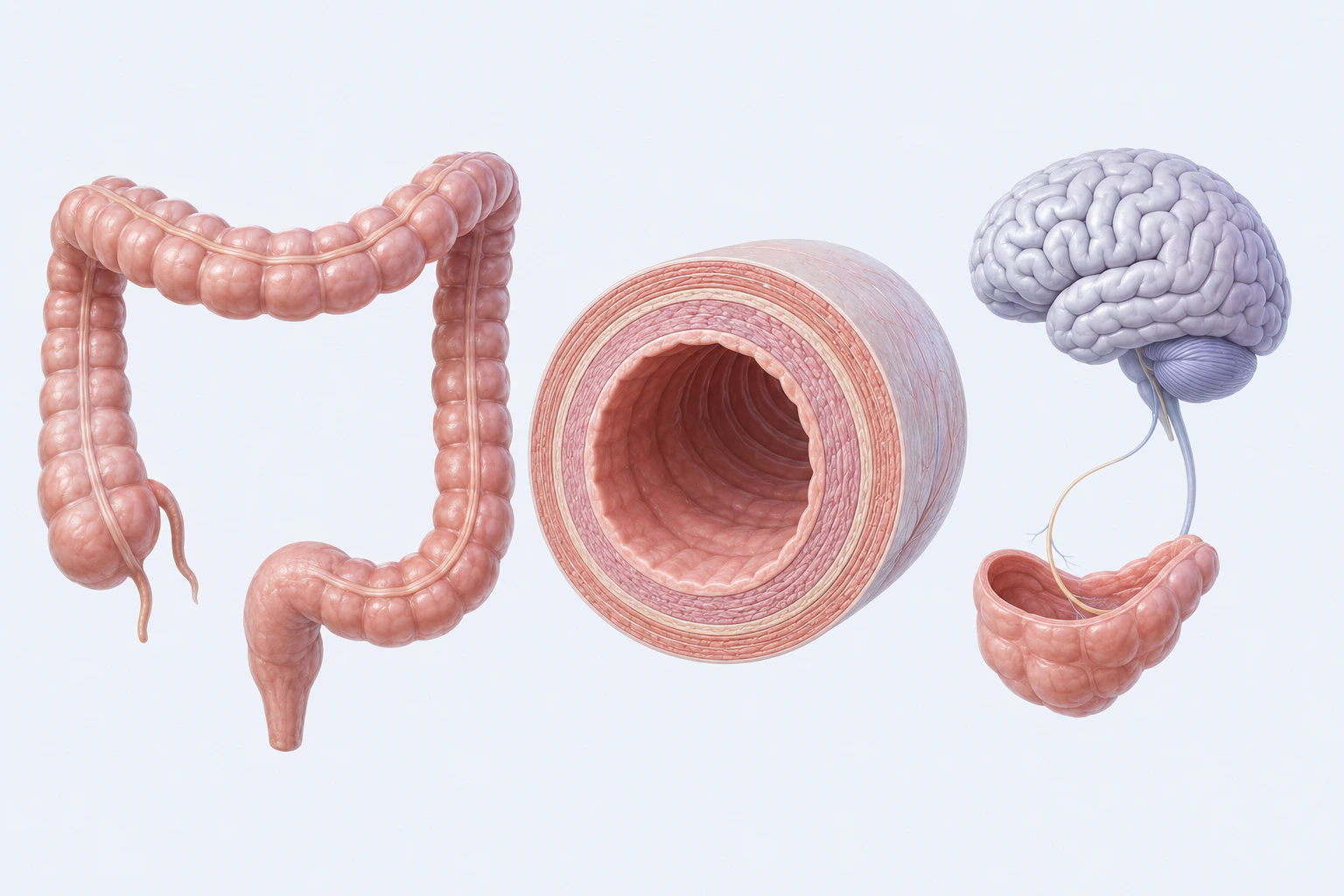
A Gram-negative bacterium that spans the commensal-pathogen spectrum, with pathogenic variants (UPEC, STEC, EHEC) deploying nickel-dependent enzymes as virulence factors. E. coli is the model organism for nickel transport biology -- the NikABCDE system was first charact…
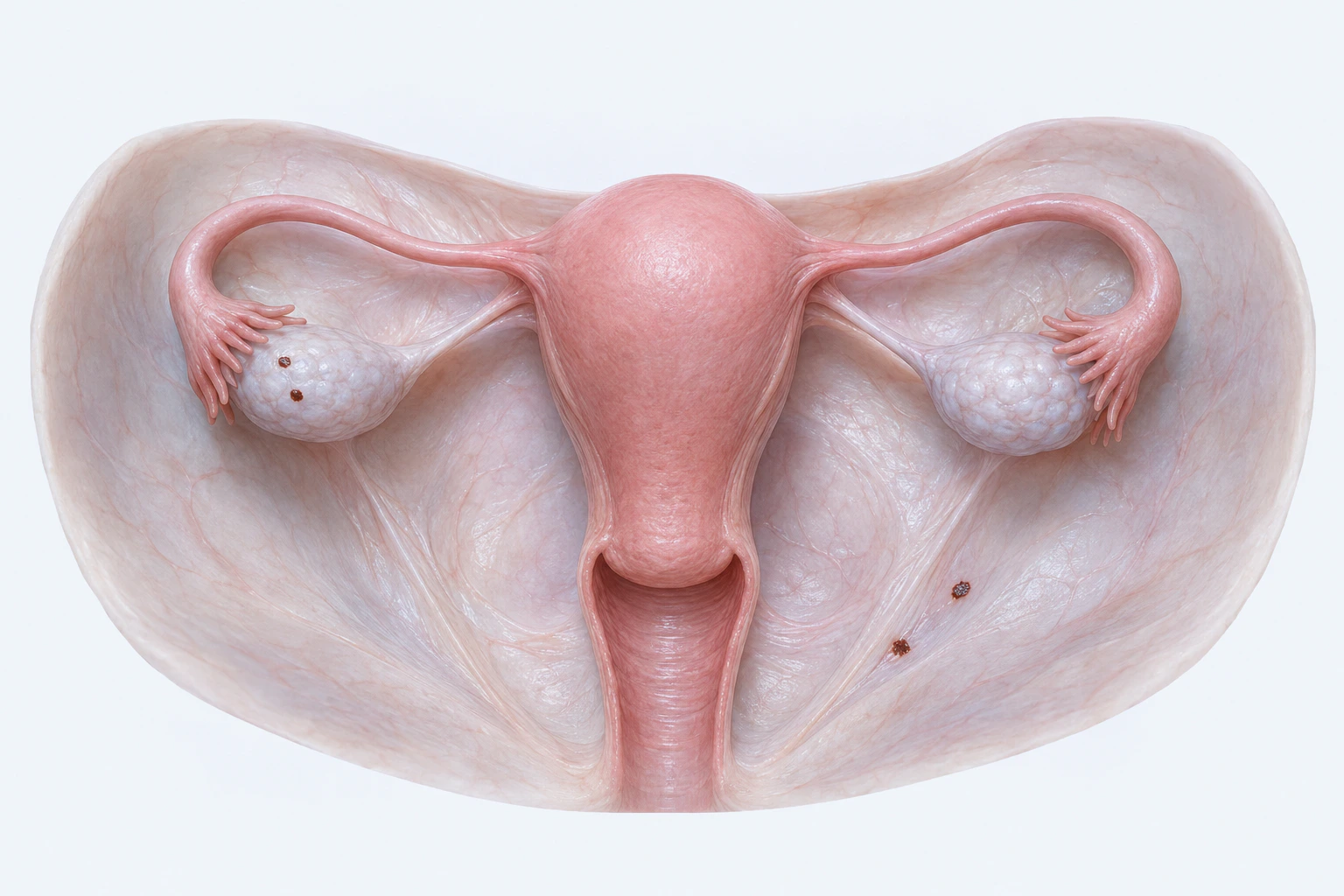
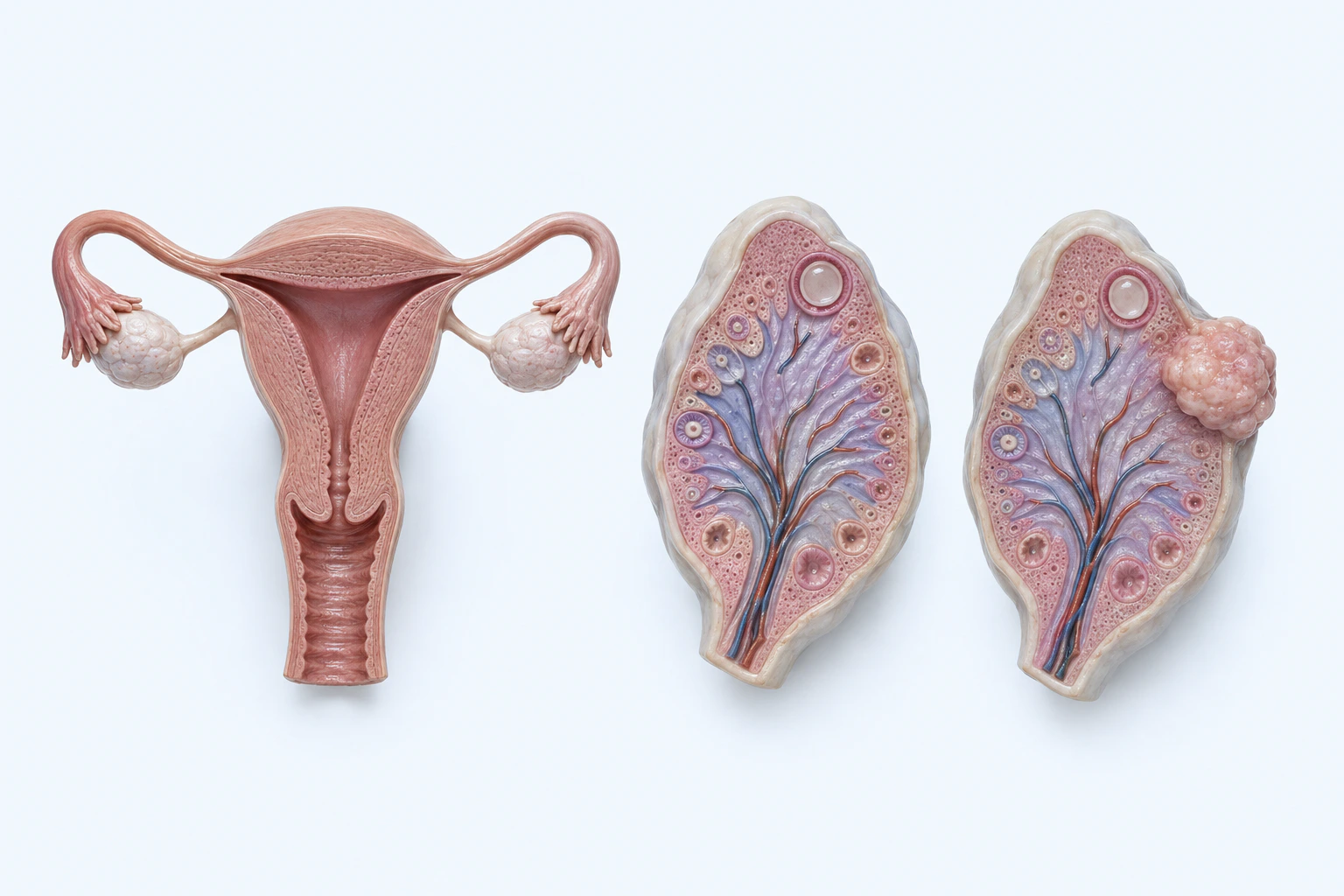
Affects approximately 48 million women worldwide (WHO global infertility prevalence estimates). From a microbiome-metallomics perspective, female infertility sits at the intersection of the estrobolome (microbial estrogen metabolism), heavy metal reproductive toxicity (…
The primary intracellular iron storage protein, capable of sequestering up to 4,500 iron atoms in a single molecule as a mineralized ferric oxyhydroxide core. Ferritin is one of the most elegant solutions evolution has produced for the iron paradox: iron is essential fo…
The only known cellular iron exporter in mammals. Encoded by the SLC40A1 gene, ferroportin (FPN) sits on the basolateral membrane of enterocytes, the surface of macrophages, and the membrane of hepatocytes, controlling the flow of iron from these cells into the bloodstr…
Fibromyalgia (FM) is a chronic pain syndrome affecting 2-4% of the global population Heidari et al. 2017, characterized by widespread musculoskeletal pain, fatigue, cognitive dysfunction ("fibro fog"), and sleep disturbances. Conventionally attributed to central sensiti…
The fifth most common cancer worldwide and third leading cause of cancer death, with over 1 million new cases annually. Gastric cancer stands unique in this wiki as the disease where a single microorganism -- helicobacter pylori -- provides the dominant causal pathway, …
This knowledge-base record is being expanded from WikiBiome’s evidence graph.
Alphabetical definitions of specialist terms used throughout this wiki. Where a full concept page exists, the term links to it. --- AhR (aryl hydrocarbon receptor) -- A ligand-activated transcription factor that senses microbial metabolites (especially indoles from tryp…
This knowledge-base record is being expanded from WikiBiome’s evidence graph.
The master regulator of systemic iron homeostasis. Hepcidin is a 25-amino-acid peptide hormone produced primarily by hepatocytes that controls iron absorption, recycling, and distribution by binding to and degrading ferroportin (SLC40A1/FPN) -- the only known cellular i…
Sustained elevation of systemic blood pressure, affecting an estimated 1.3 billion adults worldwide and the leading modifiable risk factor for cardiovascular disease, stroke, and chronic kidney disease. The gut microbiome-blood pressure axis has emerged as a major resea…
This knowledge-base record is being expanded from WikiBiome’s evidence graph.
The developing infant represents a uniquely vulnerable window for heavy metal toxicity. Three factors converge to make the first years of life a critical period: an immature and rapidly assembling gut microbiome, a developing blood-brain barrier, and proportionally high…
An umbrella term for chronic relapsing-remitting inflammatory conditions of the gastrointestinal tract, principally crohns disease (CD; transmural, any GI segment) and ulcerative colitis (UC; mucosal, colon only). Approximately 6 million patients worldwide. IBD represen…
This knowledge-base record is being expanded from WikiBiome’s evidence graph.
The most abundant transition metal in the human body and arguably the most consequential metal in biology. Iron sits at the center of a paradox that drives pathology across virtually every disease domain: organisms need it for oxygen transport, energy metabolism, DNA sy…
A functional gastrointestinal disorder affecting 10-15% of the global population, characterized by chronic abdominal pain, bloating, and altered bowel habits (diarrhea-predominant, constipation-predominant, or mixed) without identifiable structural pathology. From a met…
A fundamental ordering of divalent transition metal ion binding affinities, established by Harry Irving and Robert Williams in 1953: Mg2+ < Mn2+ < Fe2+ < Co2+ < Ni2+ < Cu2+ Zn2+ This series holds for virtually all ligands and biological chelators. It means that copper b…
This knowledge-base record is being expanded from WikiBiome’s evidence graph.
An iron-binding glycoprotein of the transferrin family that sequesters iron (and potentially other metals) from pathogens at mucosal surfaces and sites of inflammation. Lactoferrin is a key effector of nutritional immunity, complementing calprotectin's role in metal res…
Research summary — not medical advice. This page synthesizes published research on a mechanism-level intervention. It is not a clinical recommendation. Consult a qualified healthcare provider before making any changes to diet, supplementation, or treatment.
This knowledge-base record is being expanded from WikiBiome’s evidence graph.
Post-acute sequelae of SARS-CoV-2 infection (PASC), affecting an estimated 10-30% of COVID-19 survivors (WHO and CDC post-acute surveillance estimates) with symptoms persisting 12 weeks. Characterized by fatigue, cognitive dysfunction ("brain fog"), exercise intolerance…
Research summary — not medical advice. This page synthesizes published research on a mechanism-level intervention. It is not a clinical recommendation. Consult a qualified healthcare provider before making any changes to diet, supplementation, or treatment.
This knowledge-base record is being expanded from WikiBiome’s evidence graph.
Mercury is the most toxic heavy metal with no known biological function. Its organic form -- methylmercury (MeHg) -- is the primary concern for dietary exposure via fish consumption. Mercury's toxicity centers on thiol group binding, glutathione depletion, and blood-bra…
The biological processes by which organisms maintain proper intracellular and systemic concentrations of essential metals -- importing what is needed, storing excess safely, and exporting or sequestering surplus. Both host and microbial systems have evolved elaborate me…
This knowledge-base record is being expanded from WikiBiome’s evidence graph.
Protein-based transcription factors that sense intracellular metal concentrations and regulate gene expression accordingly. Metalloregulators are the decision-making layer of bacterial metal homeostasis -- they read the labile metal pool, determine whether a specific me…
This knowledge-base record is being expanded from WikiBiome’s evidence graph.
Necrotizing enterocolitis (NEC) is the most common and lethal gastrointestinal emergency in premature infants, affecting 5-12% of very low birth weight neonates (<1500 g) with mortality rates of 20-30%. Characterized by intestinal inflammation, necrosis, and perforation…
A transition metal occupying a central position in this wiki's evidence base. Nickel is toxic and carcinogenic to humans, yet an essential cofactor for pathogen virulence enzymes. It is the most frequent contact allergen worldwide and drives a wide spectrum of systemic …
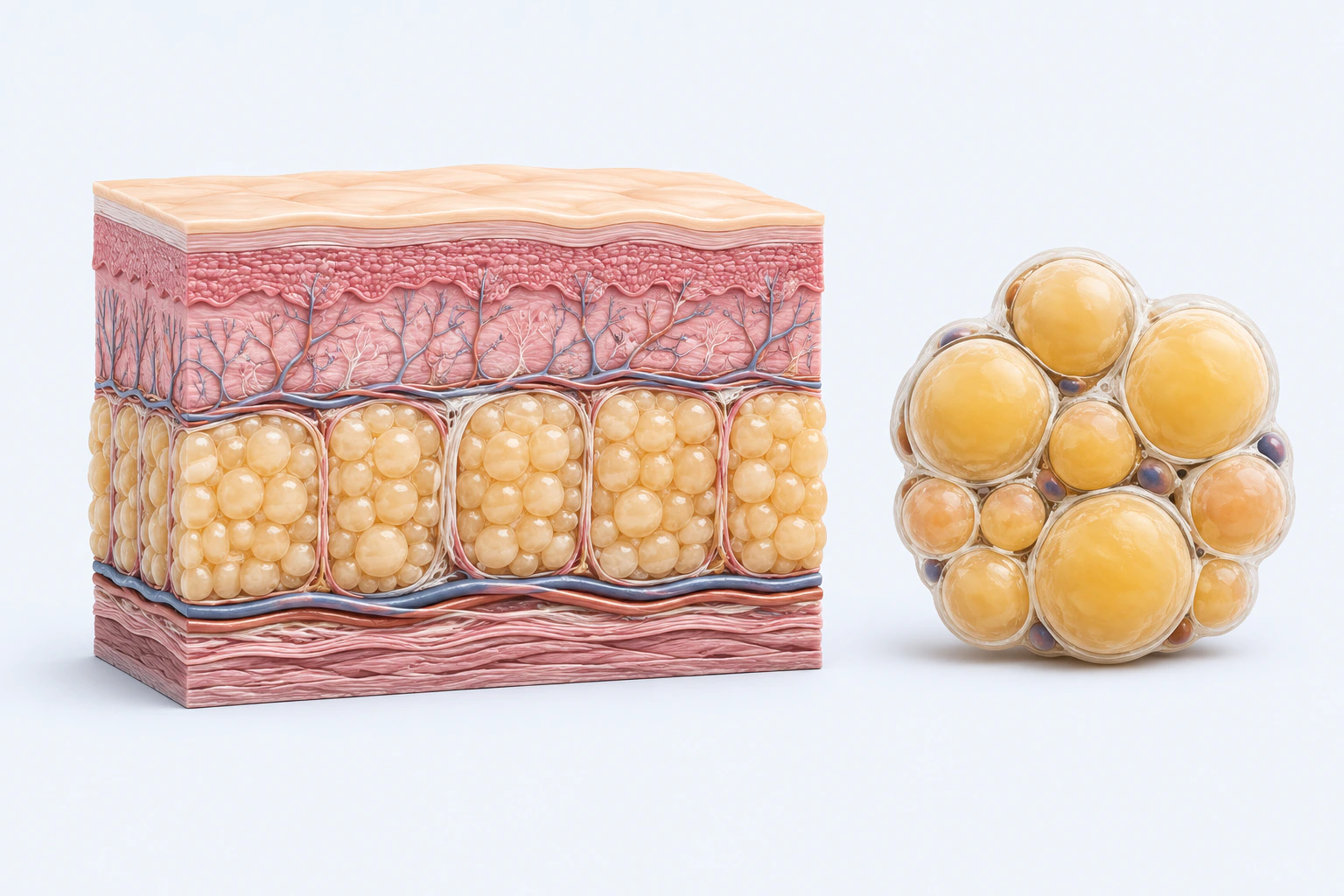
A chronic metabolic condition affecting over 1 billion people globally, characterized by excess adipose tissue accumulation, systemic low-grade inflammation, and gut microbiome disruption pendergrass 2026 heavy metals obesity epidemic. From a metallomics perspective, ob…
This knowledge-base record is being expanded from WikiBiome’s evidence graph.
The second most common neurodegenerative disease, affecting over 10 million people worldwide dorsey 2018 parkinsons incidence meta analysis. Characterized by progressive loss of dopaminergic neurons in the substantia nigra, alpha-synuclein aggregation (Lewy bodies), and…