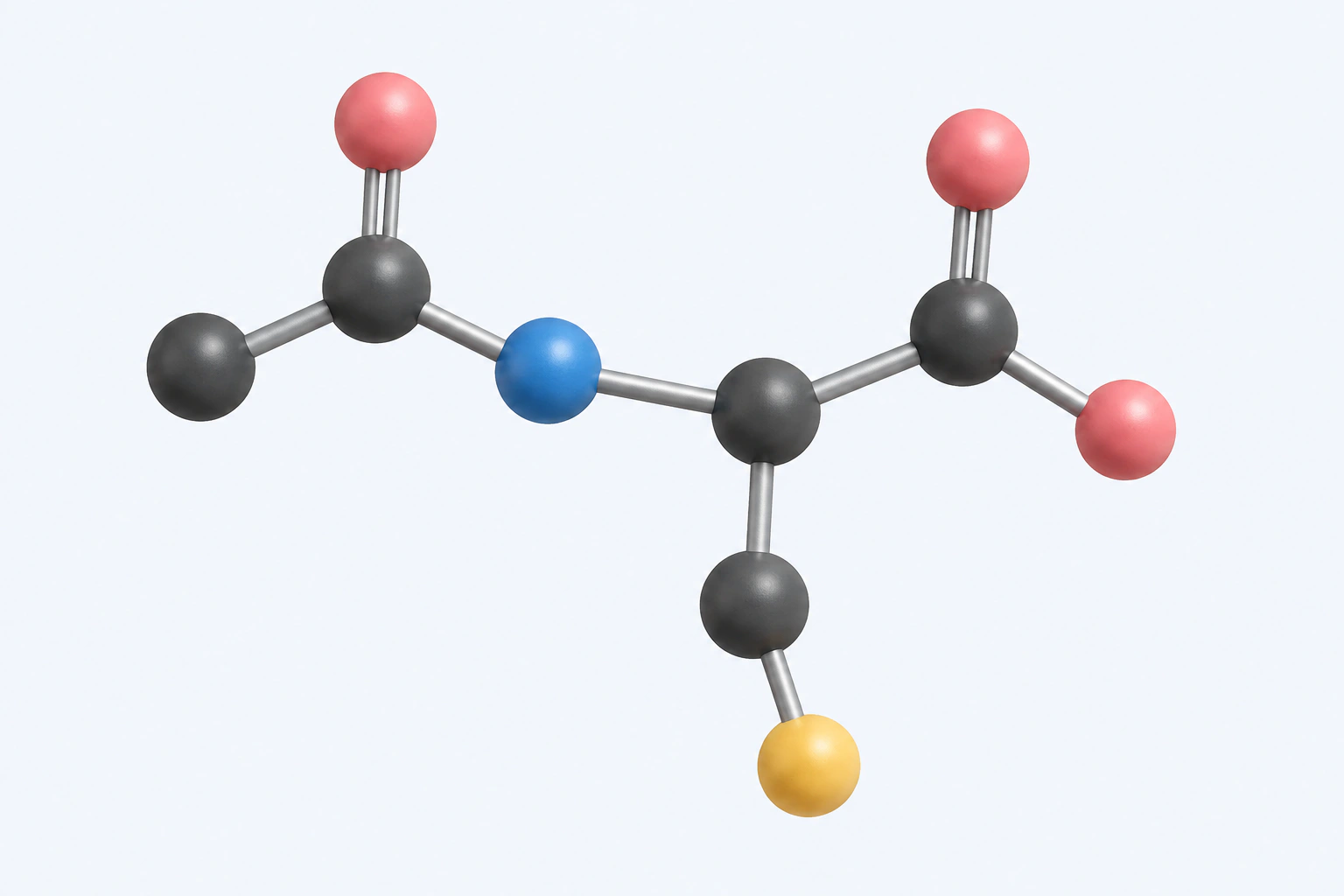
N-Acetylcysteine (NAC)
This knowledge-base record is being expanded from WikiBiome’s evidence graph.
WikiBiomeThe human microbiome encyclopediaRanked matches across titles, topics, categories, and article introductions.
This knowledge-base record is being expanded from WikiBiome’s evidence graph.
Research summary — not medical advice. This page synthesizes published research on a mechanism-level intervention. It is not a clinical recommendation. Consult a qualified healthcare provider before making any changes to diet, supplementation, or treatment.
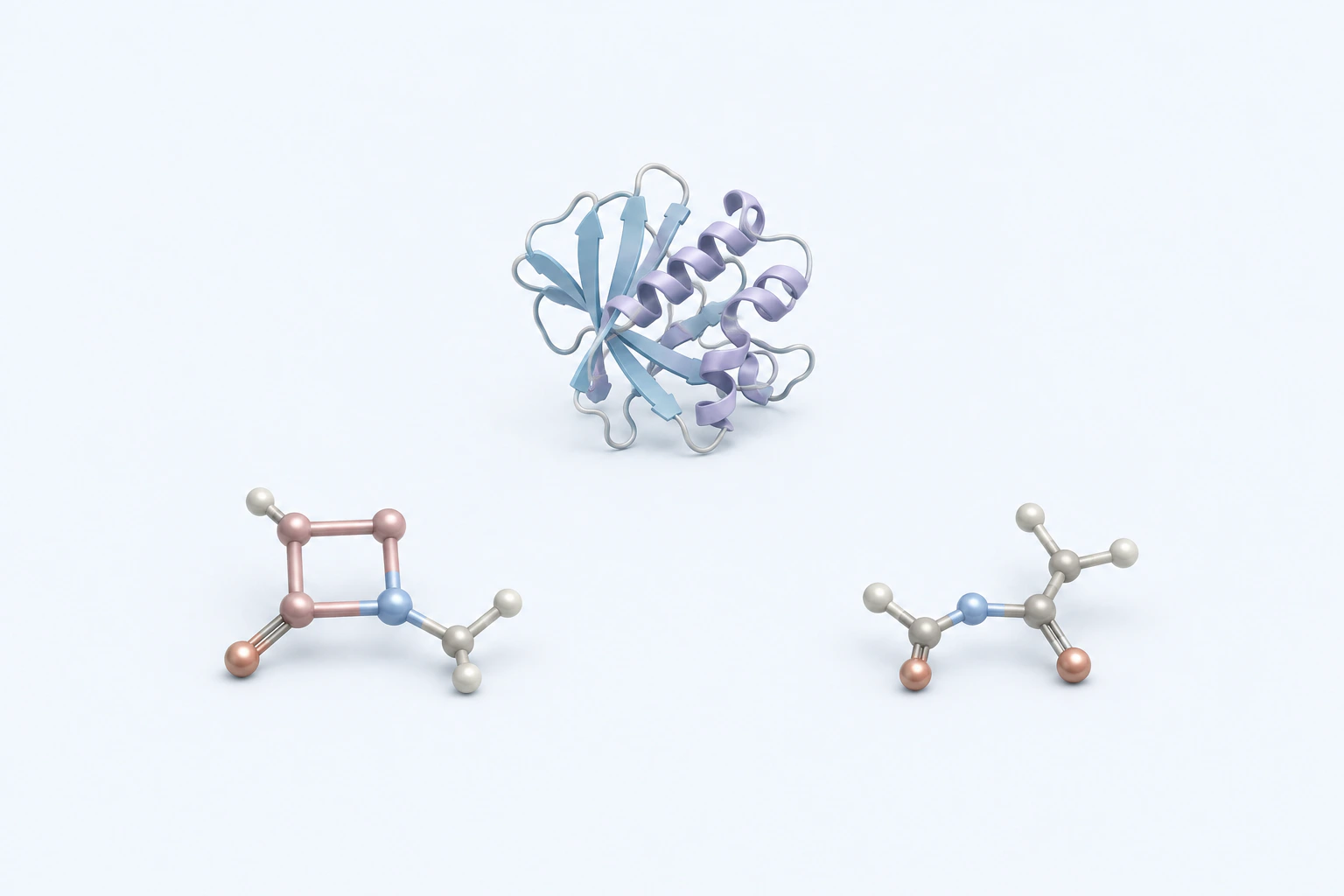
Beta-lactamases are bacterial enzymes that hydrolyze the beta-lactam ring of penicillins, cephalosporins, and carbapenems, rendering them inactive. They are the most common mechanism of antibiotic resistance and a central concern in the antimicrobial resistance crisis. …
A Gram-positive obligate anaerobe and key estrobolome member that links metabolic dysbiosis to hormone-driven diseases, particularly endometriosis. E. lenta is remarkable for its ability to inactivate cardiac glycosides (like digoxin) and to produce beta-glucuronidase, …
This knowledge-base record is being expanded from WikiBiome’s evidence graph.
Oxalate (oxalic acid) is a dietary compound (spinach, rhubarb, nuts, chocolate) and endogenous metabolic end-product that forms insoluble calcium oxalate crystals — the primary component of ~80% of kidney stones. The gut microbiome is the primary route of oxalate degrad…
Ralstonia is a genus of Gram-negative, aerobic bacteria in the class Betaproteobacteria. While Wikipedia focuses on R. solanacearum (a plant pathogen), the WikiBiome-relevant species are R. pickettii and R. metallidurans (now Cupriavidus metallidurans) — organisms with …
This knowledge-base record is being expanded from WikiBiome’s evidence graph.