Interventions0 sources
Dietary Fiber + Probiotics for Cerebral Palsy Constipation
This knowledge-base record is being expanded from WikiBiome’s evidence graph.
 WikiBiomeThe human microbiome encyclopedia
Ranked matches across titles, topics, categories, and article introductions.
This knowledge-base record is being expanded from WikiBiome’s evidence graph.
This knowledge-base record is being expanded from WikiBiome’s evidence graph.
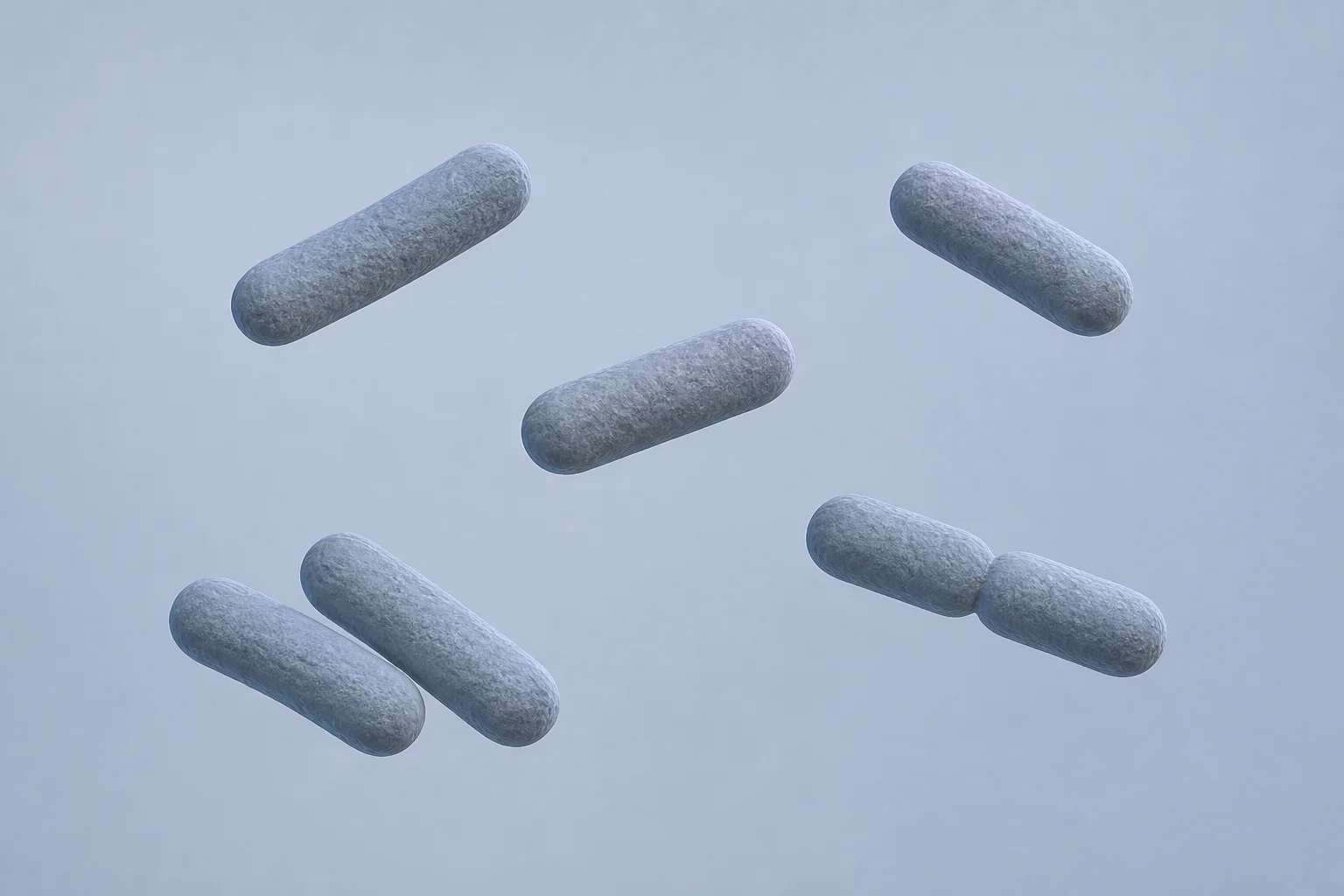
A genus of Gram-positive obligate anaerobes in the family Lachnospiraceae (Clostridium cluster XIVa) that occupy a critical metabolic relay position in gut ecosystem stability: converting lactate to butyrate. Anaerostipes is one of the most consistently depleted genera …
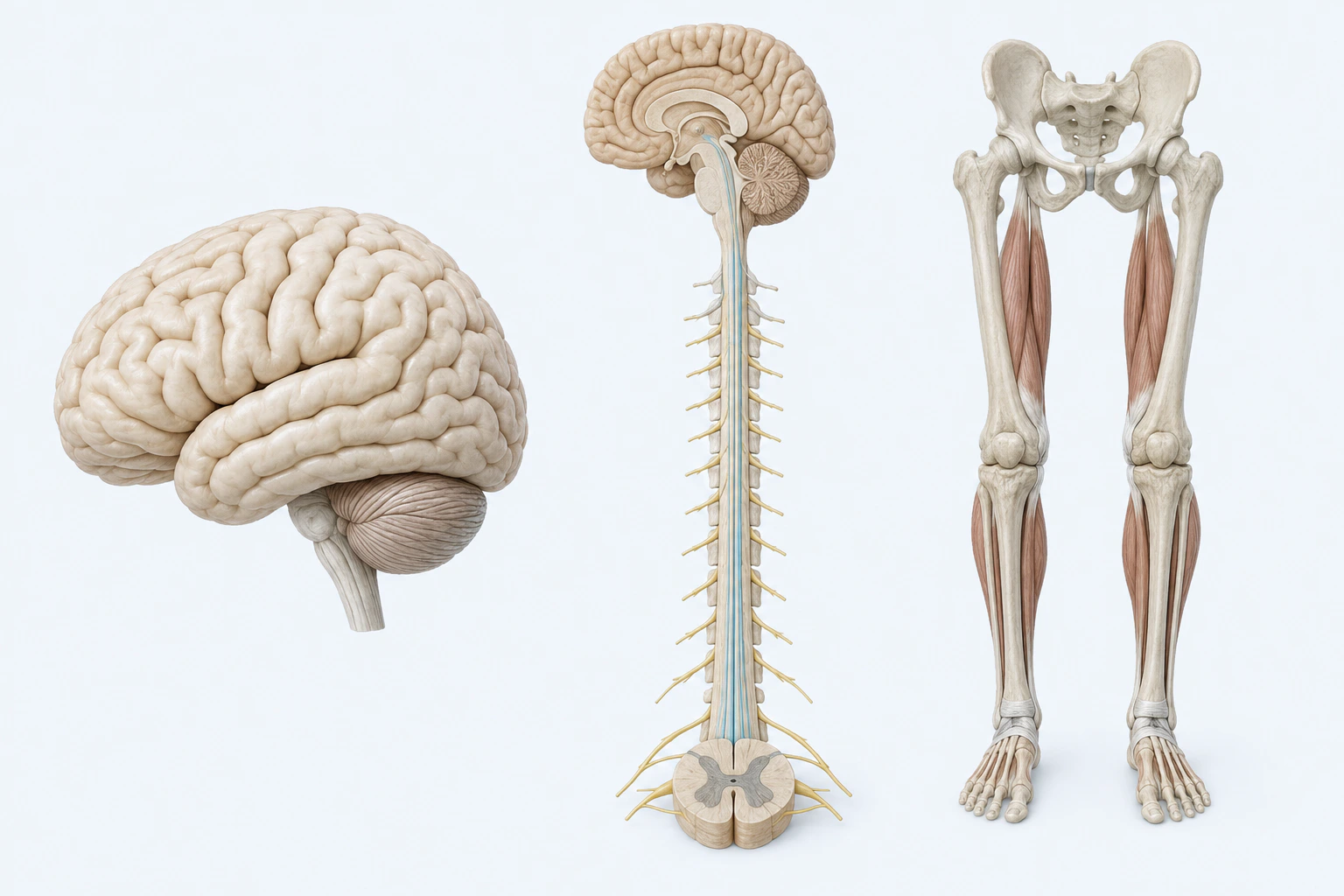
Cerebral palsy (CP) is the most common motor disability in childhood, affecting 2-3 per 1,000 live births allen 2021 multi organ dysfunction cerebral palsy. Characterized by non-progressive disturbances in movement and posture arising from injury to the developing brain…
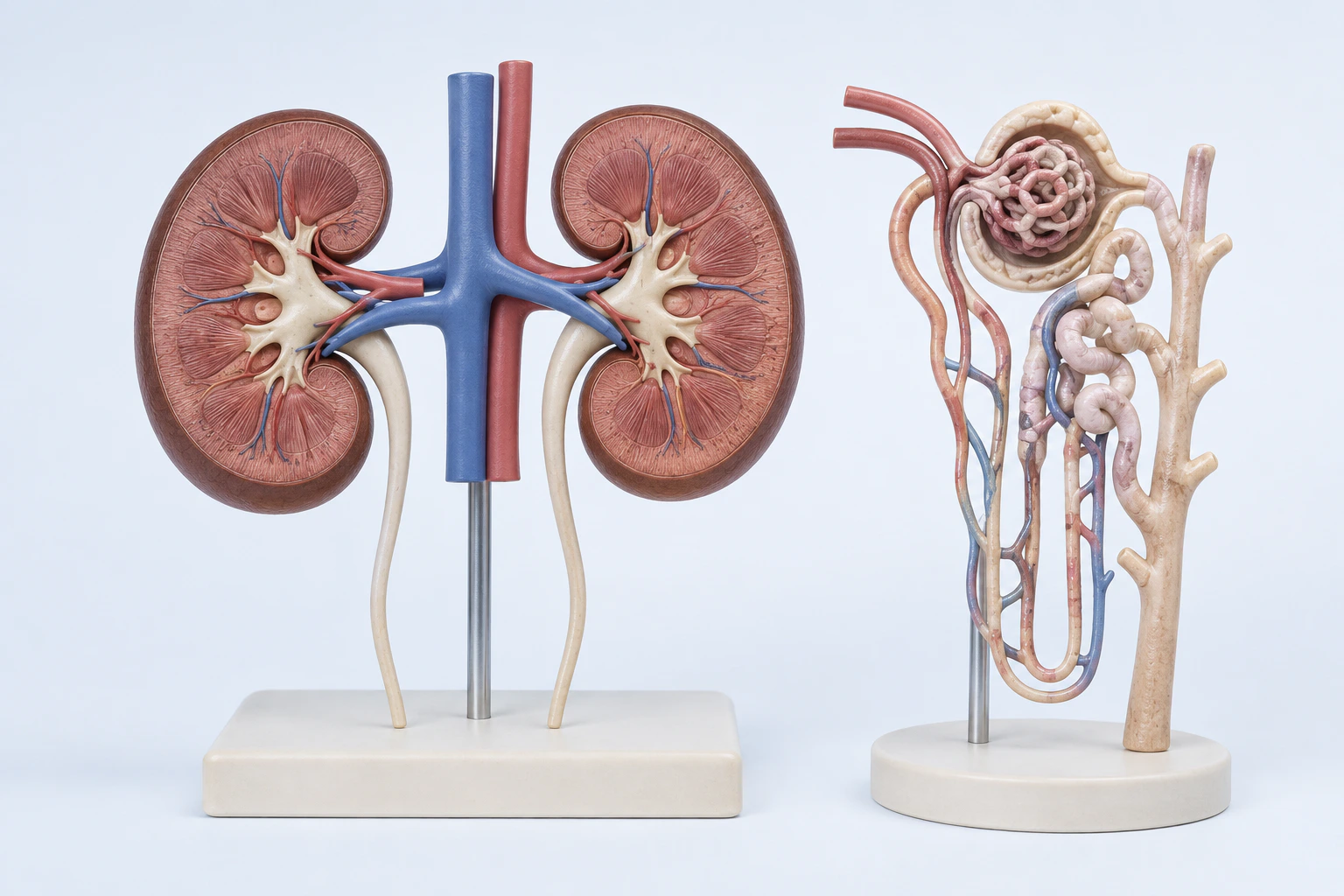
A progressive loss of kidney function affecting approximately 850 million people worldwide (10–14% of adults), causing 1.2 million deaths annually. CKD is unique among diseases in this wiki because it occupies both sides of the metal-disease equation: heavy metals (Cd, …
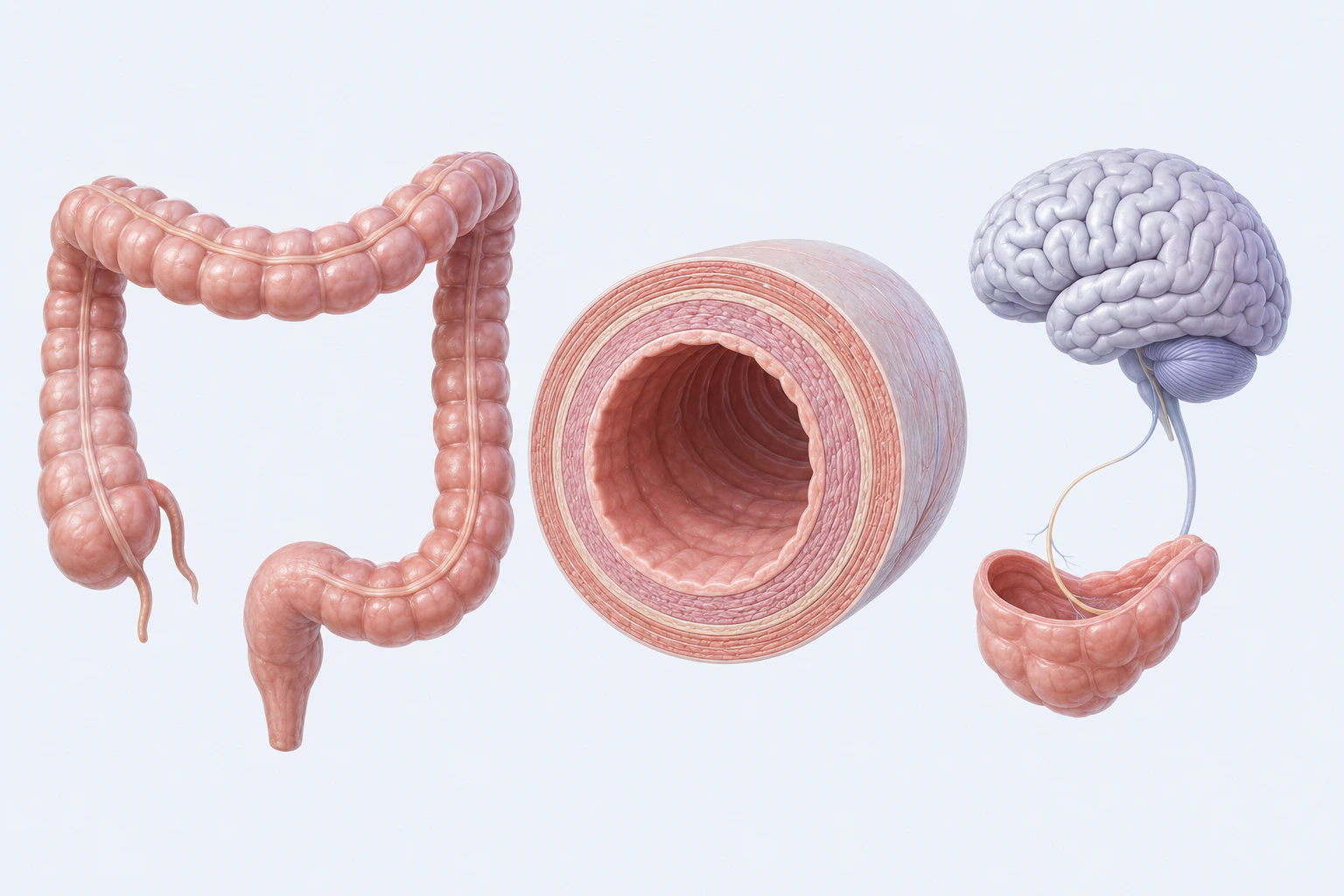
A functional gastrointestinal disorder affecting 10-15% of the global population, characterized by chronic abdominal pain, bloating, and altered bowel habits (diarrhea-predominant, constipation-predominant, or mixed) without identifiable structural pathology. From a met…
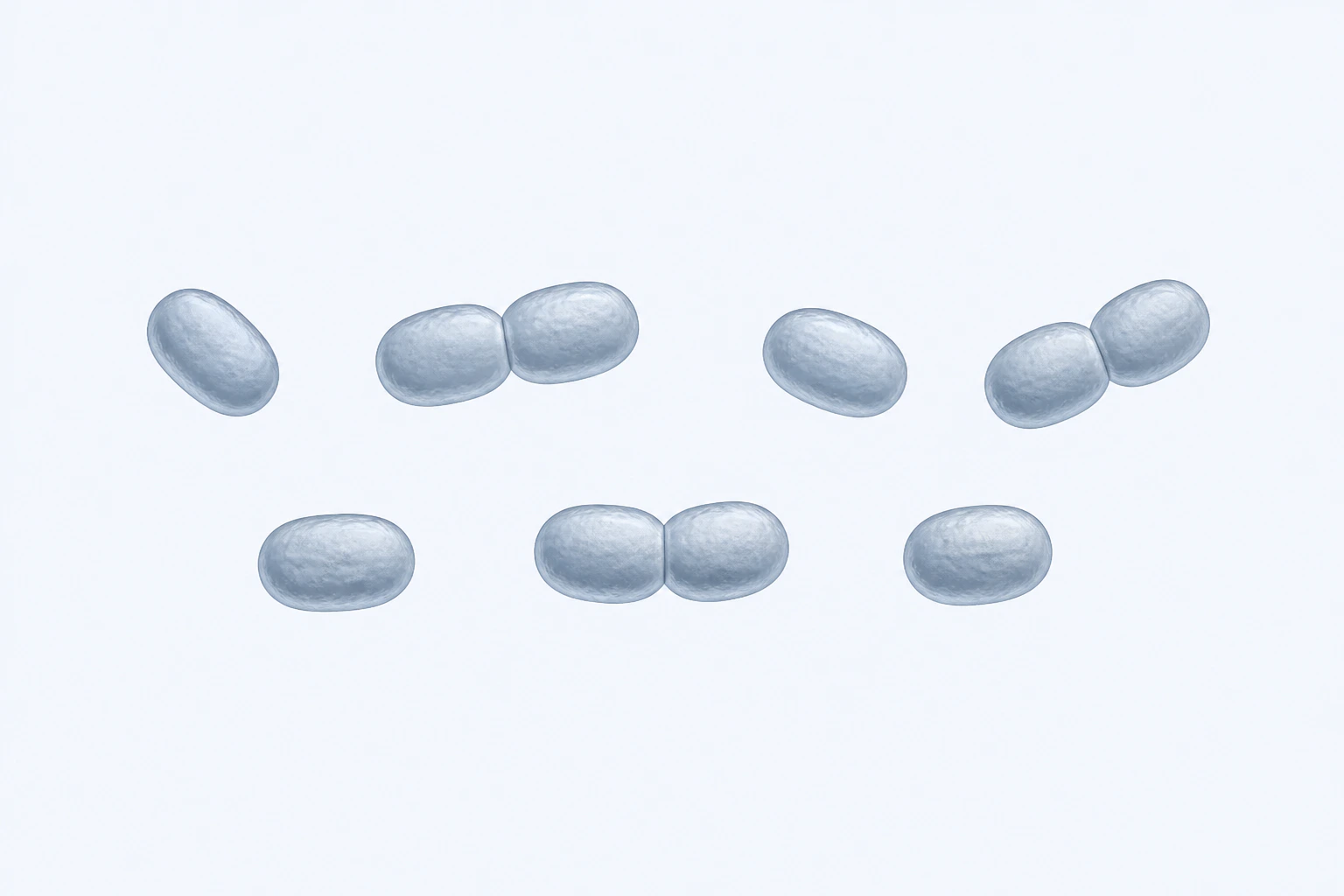
The only archaeon represented in this wiki -- Methanobrevibacter smithii is the dominant methane-producing microorganism in the human gut, belonging to the domain Archaea rather than Bacteria. As a hydrogenotrophic methanogen, it converts H2 + CO2 into methane (CH4), pl…
Methanobrevibacter smithii is the dominant methanogenic archaeon in the human gut, responsible for consuming hydrogen gas produced by fermentative bacteria and converting it to methane. Despite being an archaeon rather than a bacterium, it represents 0–15% of gut microb…