
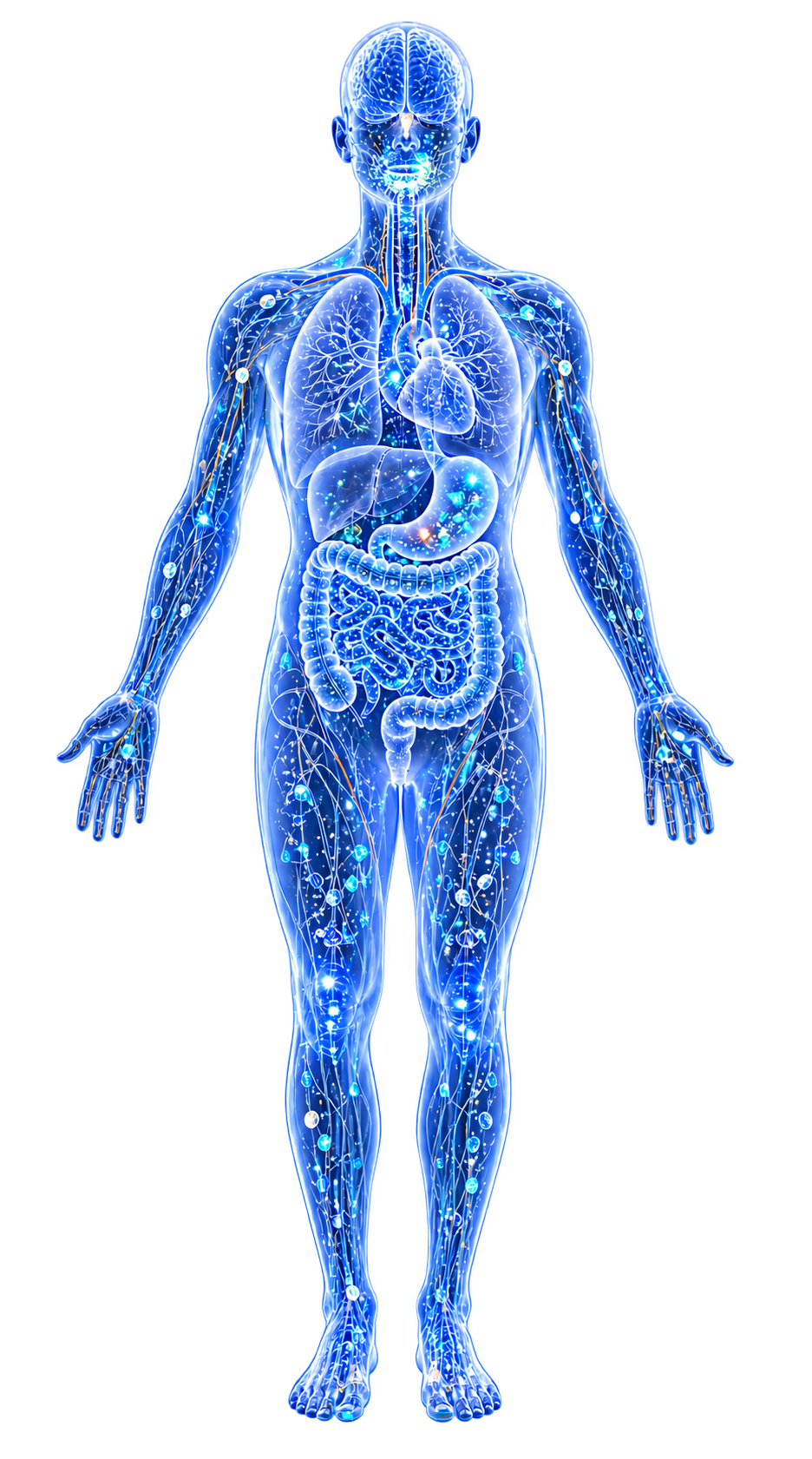
Mechanism#
Psyllium seed husk is a soluble fiber that forms a gel matrix in the colon, increasing stool bulk and water retention while serving as a fermentation substrate for SCFA-producing bacteria. Combined with multi-strain probiotics (Bifidobacterium and Lactobacillus species), the intervention restores depleted commensals and boosts butyrate production.
Butyrate stimulates colonic motility through enteric nervous system signaling and serotonin release.
Rationale#
Children with cerebral palsy experience chronic constipation due to impaired motility, inadequate fiber intake, and gut dysbiosis. This intervention applies two-sided ecological engineering (Primitive 5)—the prebiotic fiber feeds beneficial taxa while the probiotic component reintroduces missing functional species, addressing both the substrate deficit and the ecological imbalance.
Evidence Status#
Clinical: Quasi-experimental study in CP children showed significant improvement in defecation frequency (2.17 to 3.61/week, p<0.05) and Bristol stool form score (1.68 to 3.71) over 6 months.
Mechanistic: Psyllium fermentation increases colonic butyrate; probiotics enhance this effect. Safety: Well-tolerated in pediatric populations with no serious adverse events reported.
Open Questions#
Unresolved questions identified by the current evidence record.
01Optimal probiotic strain combination for CP-specific dysbiosis.+
The current WikiBiome record identifies this as an unresolved evidence gap.
02Whether benefits persist after supplementation cessation.+
The current WikiBiome record identifies this as an unresolved evidence gap.
03Applicability across different CP severity classifications (GMFCS levels).+
The current WikiBiome record identifies this as an unresolved evidence gap.
Article network
Mentioned here 1
Connect the evidence
Publicly readable discussion by ORCID-authenticated researchers. Questions, interpretation, methods, corrections, and new evidence stay attached to this record.
No discussion yet. Start with a precise question or a source-backed observation.
Activity and accepted changes
Accepted researcher context, editorial status, public discussion, and upstream Git revisions are shown together. Pending, declined, and withdrawn proposals remain private.
- published revision
Deepen metal/concept entities + 8 new sources for T1D/schizophrenia
WikiBiome Deploy Bot · +50 −0
Inspect exact Git diff ↗