WikiBiomeThe human microbiome encyclopedia
WikiBiome/Search: “STI”
Encyclopedia search

Search: “STI”

Ranked matches across titles, topics, categories, and article introductions, filtered to mechanism.

80 records in this view
Mechanisms3 sources

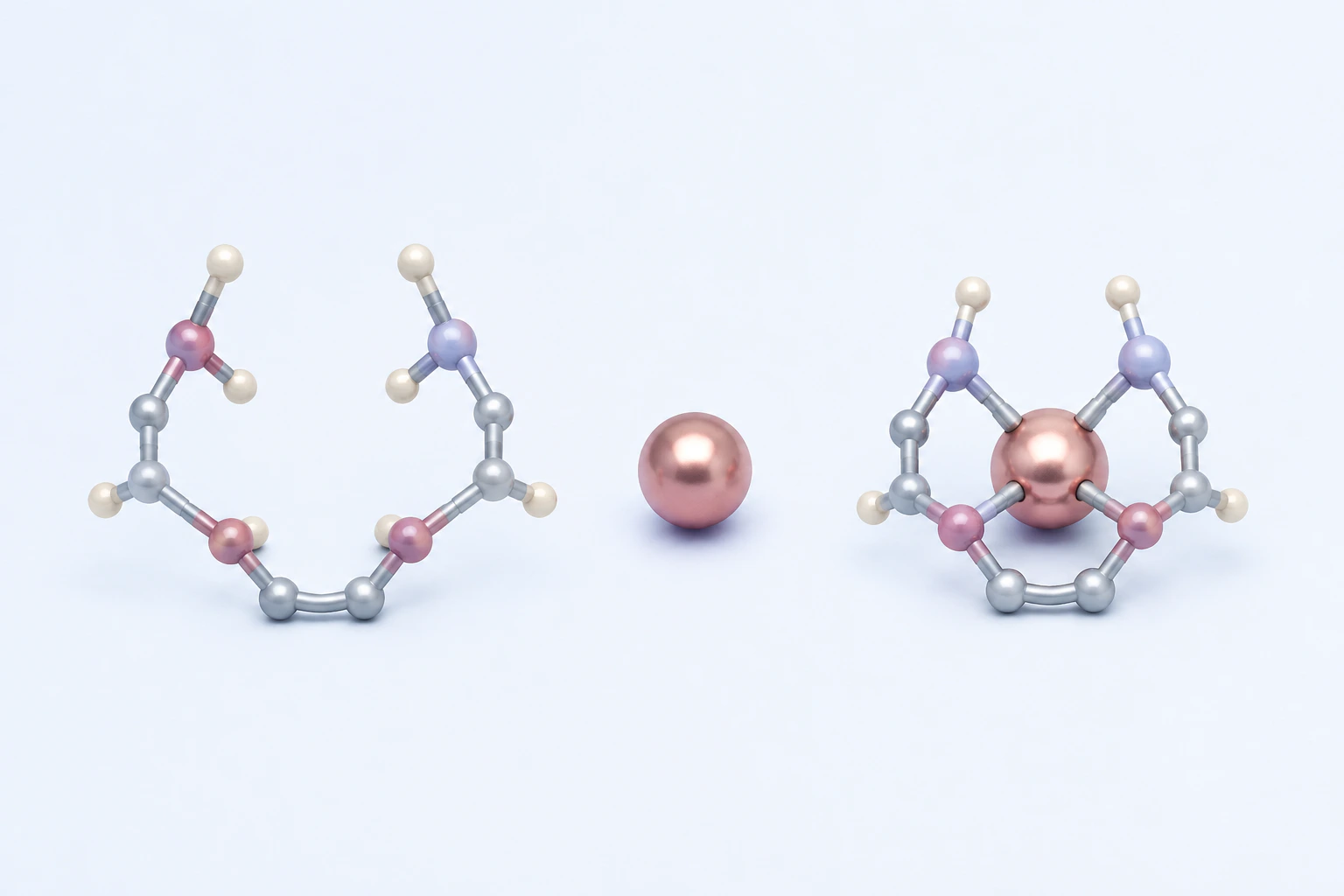
Histidine

Histidine is a semi-essential amino acid with a unique property that makes it central to metal biology: its imidazole side chain is one of the strongest biological metal-binding groups, coordinating zinc, nickel, copper, iron, and other transition metals in enzymes and

Mechanisms4 sources

Cuproptosis

A distinct form of regulated cell death caused by excess intracellular copper binding to lipoylated proteins in the TCA cycle, first characterized by Tsvetkov et al. in Science (2022). Unlike ferroptosis (iron-dependent lipid peroxidation) or apoptosis (caspase-dependen

Mechanisms14 sources

Dysbiosis

Disruption of the normal composition and metabolic function of microbial communities, particularly the gut microbiome. In the metallomics context, dysbiosis is both a consequence of metal toxicity and an amplifier of further disease -- creating vicious cycles where meta

Mechanisms3 sources

Mycobiome

The fungal component of the human microbiome, comprising ~0.1-1% of the total gut microbial community by abundance but disproportionately active in immune signaling and cross-kingdom interactions. While bacterial communities dominate microbiome research, emerging eviden

Mechanisms3 sources

Prebiotics

Non-digestible food substrates that selectively stimulate the growth and/or activity of beneficial gut microorganisms, conferring health benefits to the host. Distinct from probiotics (live organisms) and postbiotics (microbial metabolic products), prebiotics act as fue

Mechanisms5 sources

The Exposome

The exposome is the totality of environmental exposures an individual experiences from conception to death. Coined by Christopher Wild in 2005, it complements the genome by capturing the environmental side of the gene-environment equation. Metals are among the most quan

Mechanisms3 sources

Thyroid Autoimmunity

Autoimmune thyroid diseases (AITDs) -- hashimotos thyroiditis and graves disease -- are the most common organ-specific autoimmune conditions, affecting 5-10% of the global population. The thyroid gland sits at a remarkable intersection of metal biology and immune regula