Acidic Microenvironment
This knowledge-base record is being expanded from WikiBiome’s evidence graph.
WikiBiomeThe human microbiome encyclopediaRanked matches across titles, topics, categories, and article introductions, filtered to mechanism.
This knowledge-base record is being expanded from WikiBiome’s evidence graph.
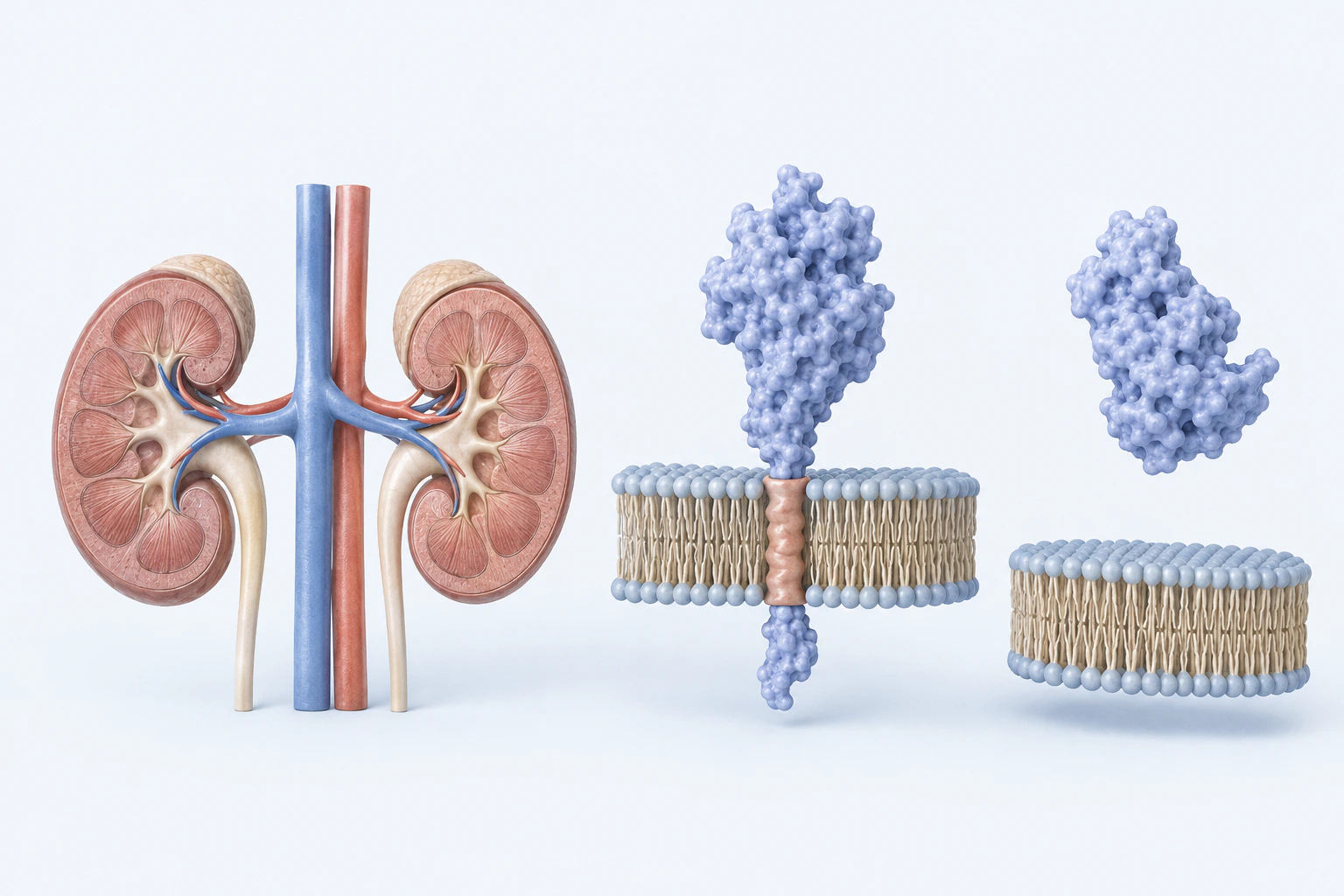
An anti-aging protein that has emerged as a critical mediator between heavy metal exposure and chronic kidney disease progression. Originally discovered as a gene whose mutation caused premature aging in mice, alpha-klotho is now understood to be a multifunctional prote…
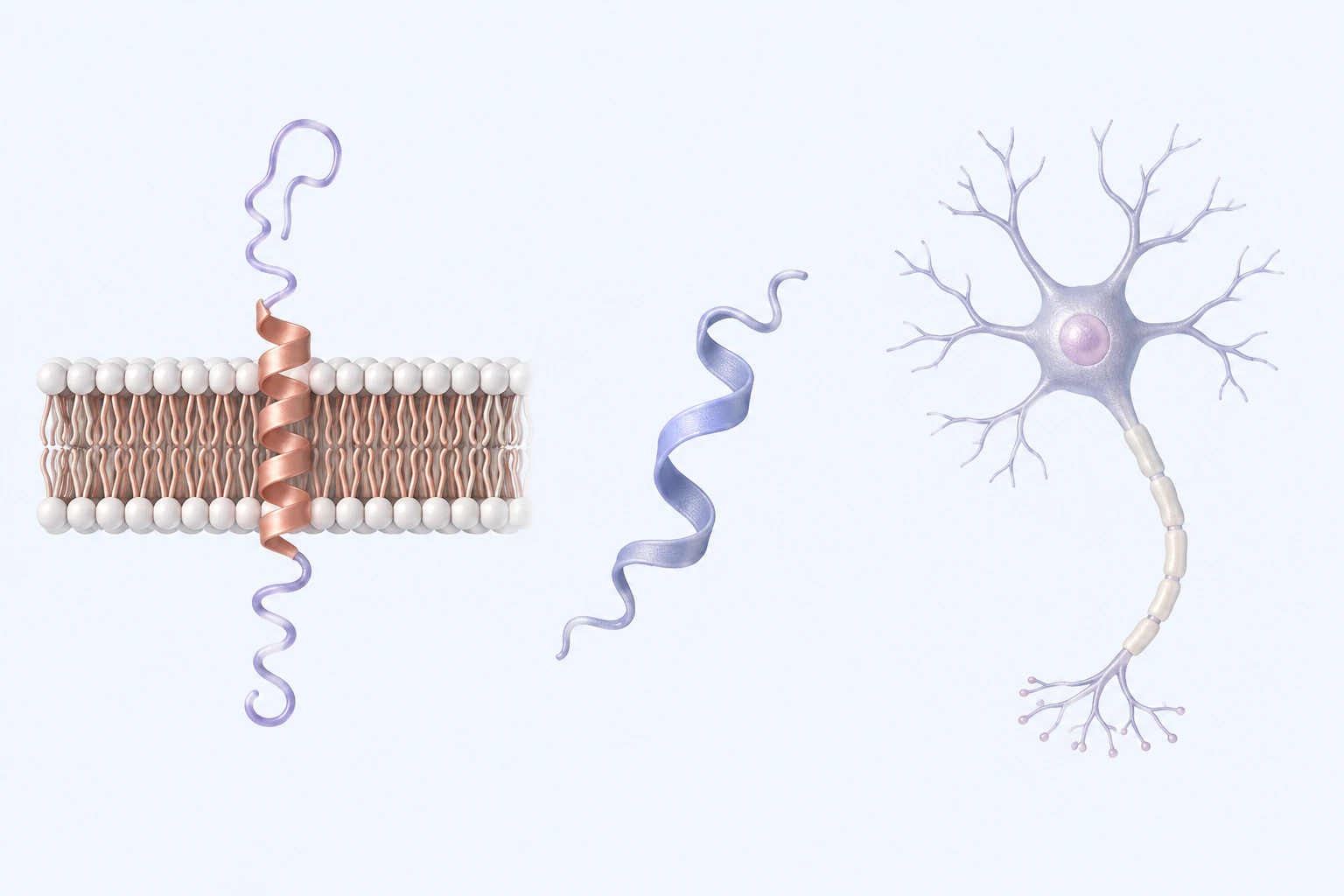
A 140-amino-acid presynaptic protein whose misfolding into insoluble fibrils and their deposition in Lewy bodies is the defining neuropathological hallmark of parkinsons disease and the broader family of synucleinopathies (including Lewy body dementia and multiple syste…
Amyloid-beta (Aβ) is a 36–43 amino acid peptide derived from the proteolytic cleavage of amyloid precursor protein (APP) by beta-secretase (BACE1) and gamma-secretase. Its aggregation from soluble monomers into insoluble fibrillar plaques in the brain is the defining ne…
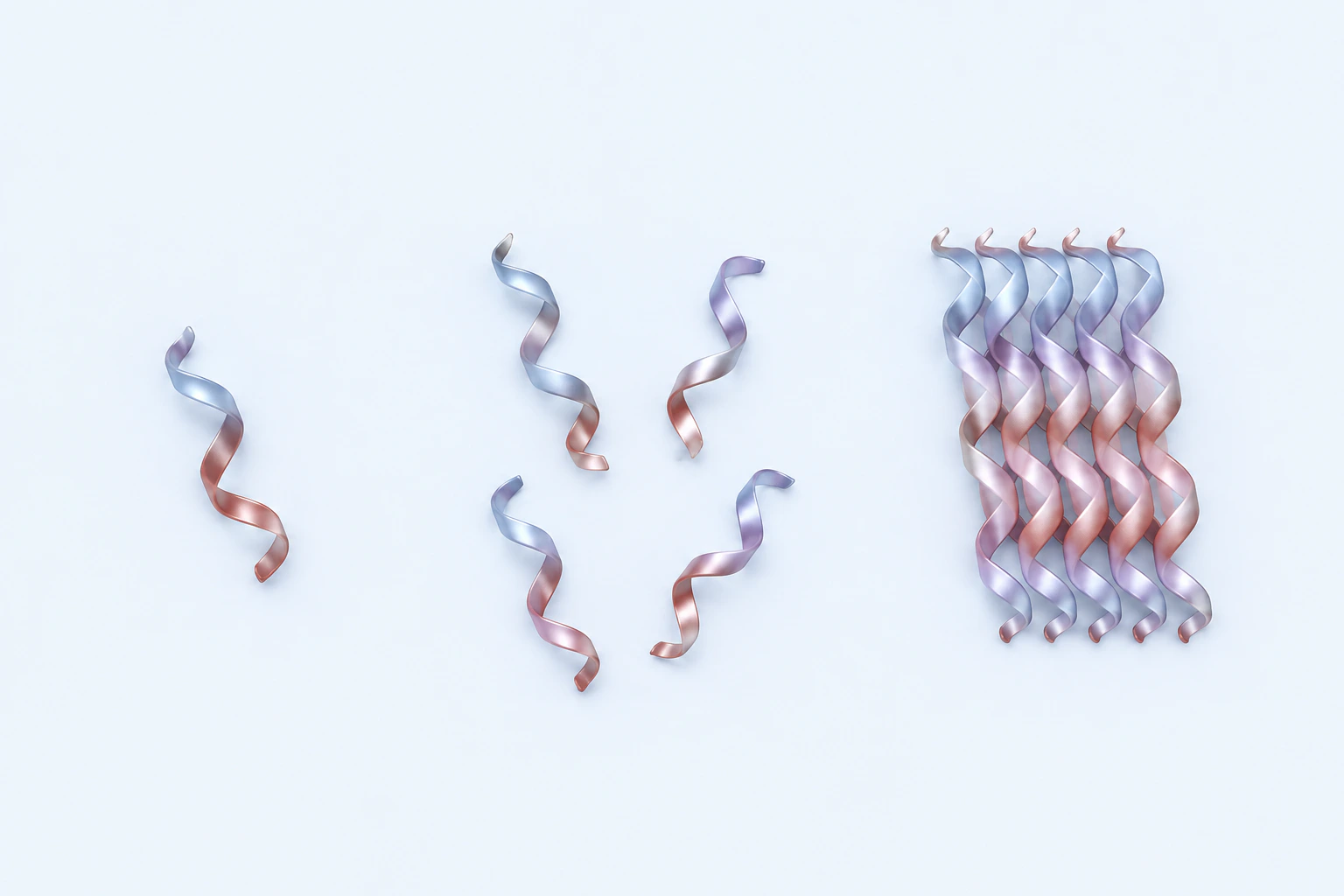
The process by which soluble amyloid-beta (Aβ) monomers assemble into neurotoxic oligomers and insoluble fibrillar plaques in the brain -- the defining neuropathological event of alzheimers disease. What distinguishes WikiBiome's treatment of this process from conventio…
This knowledge-base record is being expanded from WikiBiome’s evidence graph.
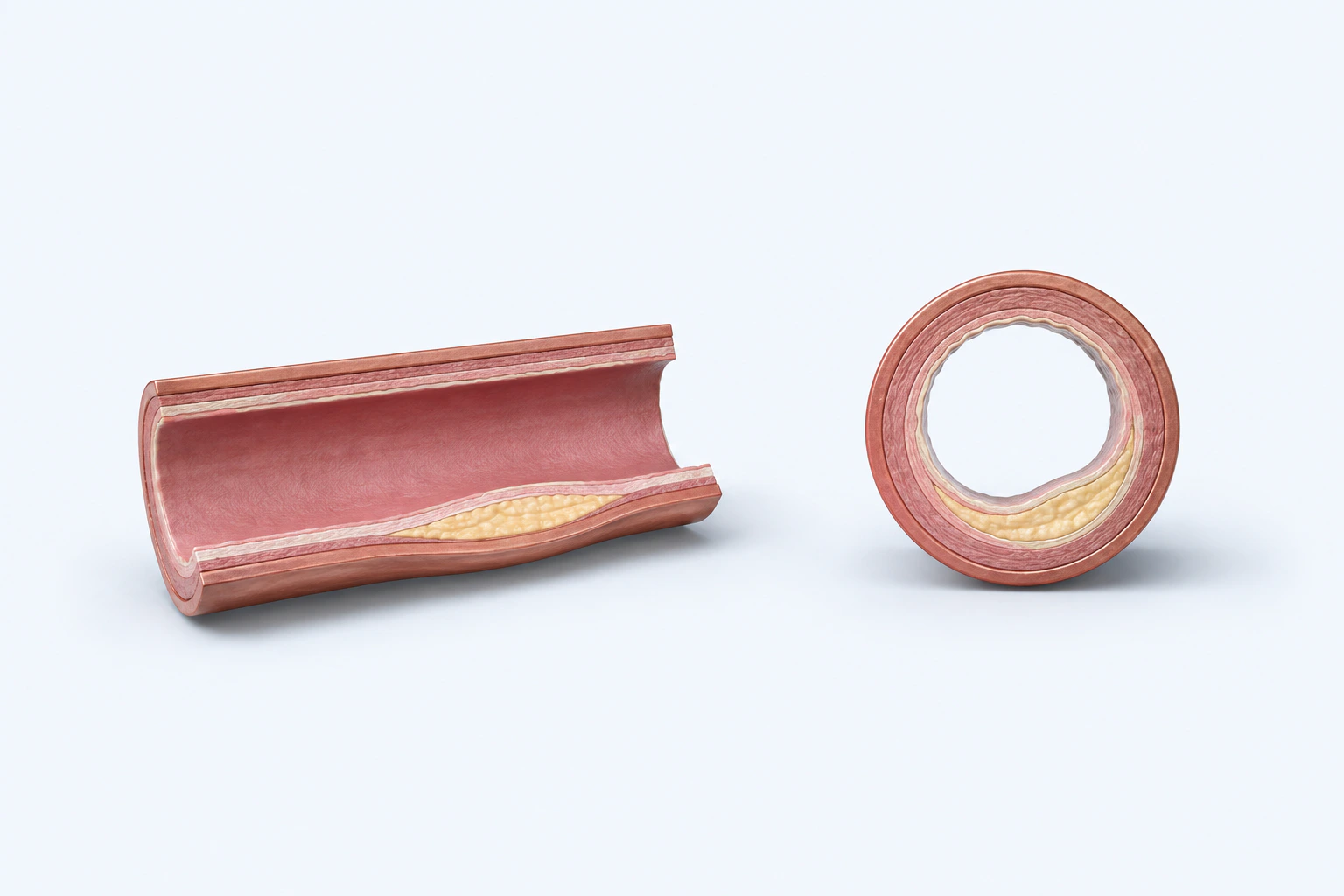
Progressive inflammatory disease of the arterial wall characterized by lipid accumulation, immune cell infiltration, and fibrous plaque formation. In the metallomics framework, atherosclerosis sits at the convergence of three interacting systems: heavy metal toxicity, g…
Autophagy (from Greek, "self-eating") is the cellular process of degrading and recycling damaged organelles, misfolded proteins, and intracellular pathogens through lysosomal digestion. It is the cell's primary quality control mechanism -- a housekeeping system that bec…
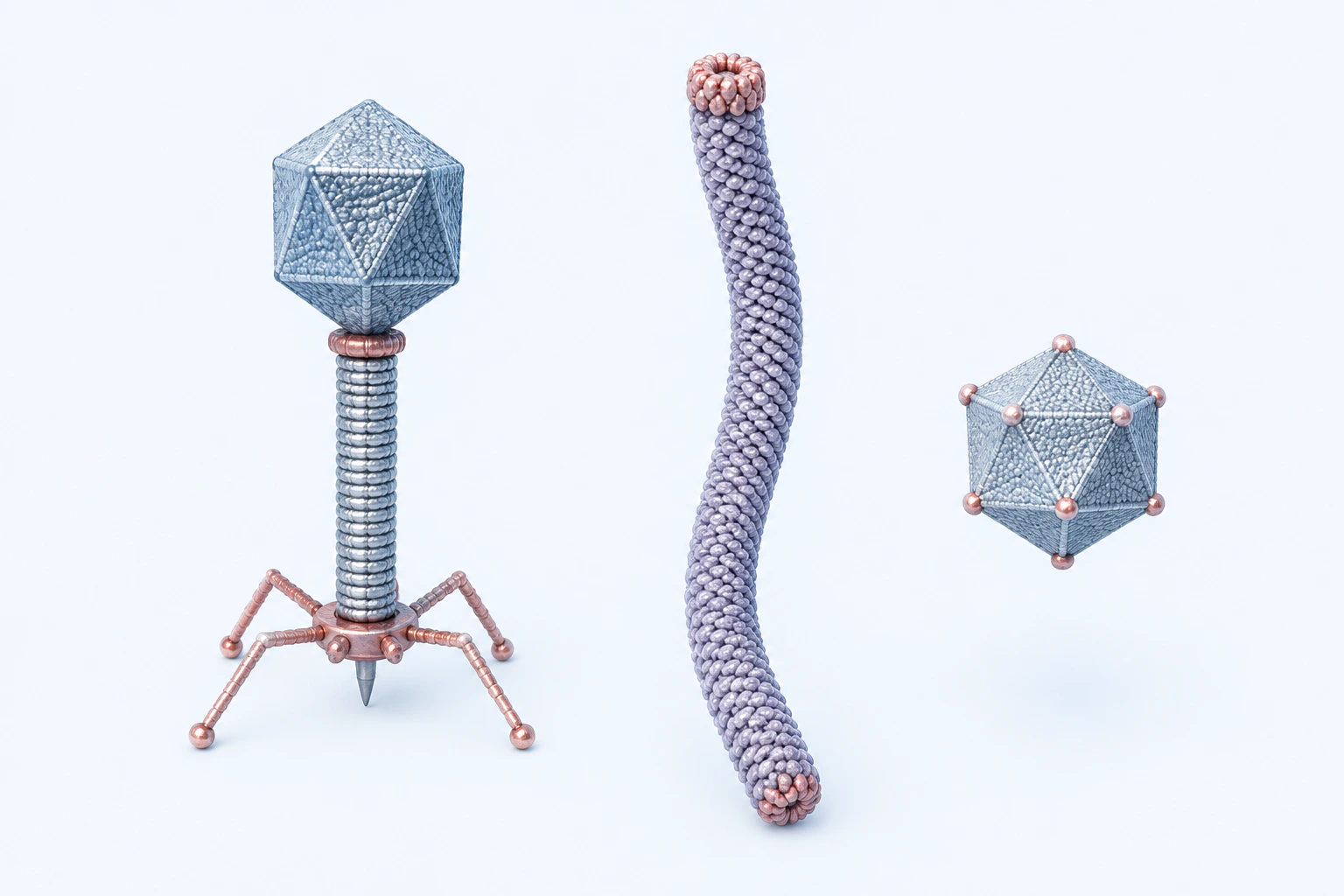
Viruses that exclusively infect bacteria. Bacteriophages -- phages for short -- are the most abundant biological entities on Earth, outnumbering bacteria in most environments by ratios of 1:1 to 10:1. In the human gut, the phageome represents a powerful but underexplore…
This knowledge-base record is being expanded from WikiBiome’s evidence graph.
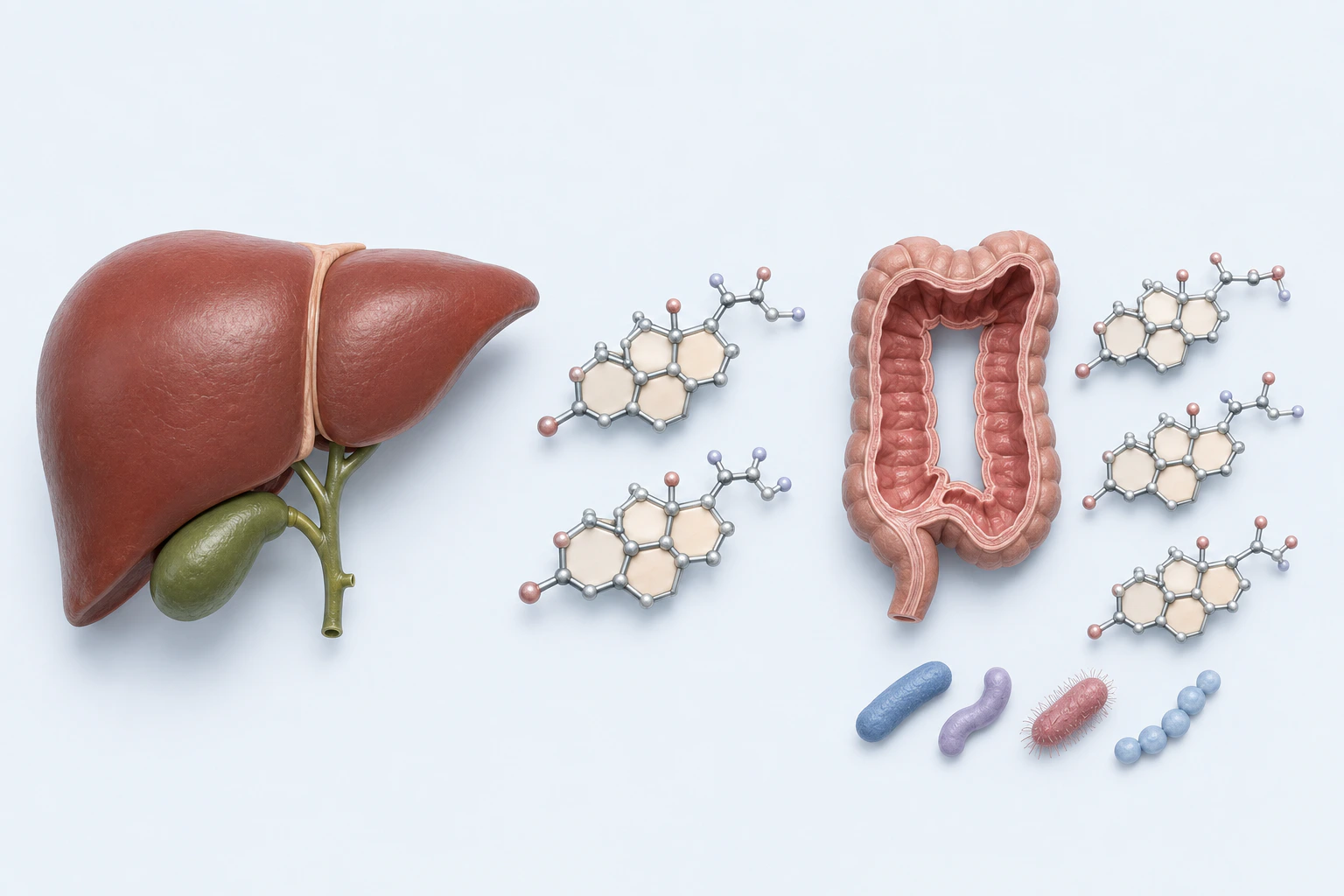
Bile acids are cholesterol-derived amphipathic molecules synthesized in the liver, secreted into the duodenum, and extensively modified by gut bacteria. The host-microbe co-metabolism of bile acids creates a signaling network with profound effects on lipid metabolism, g…
Measurable indicators of biological state, exposure, or disease. In the metallomics context, biomarkers span three interconnected domains: metal biomarkers (quantifying exposure and body burden), microbiome biomarkers (reflecting microbial community disruption), and met…
A selective semipermeable border formed by brain endothelial cells connected by tight junctions, pericytes, and astrocytic end-feet. The BBB restricts passage of most molecules from blood to brain, protecting the CNS from toxins, pathogens, and inflammatory mediators. M…
The most biologically potent short-chain fatty acid (C4). Butyrate is the primary energy source for colonocytes, a histone deacetylase (HDAC) inhibitor with broad epigenetic effects, and a key anti-inflammatory mediator. Its depletion -- driven by loss of butyrate-produ…
The major copper-carrying protein in human blood, binding approximately 95% of circulating copper. Ceruloplasmin is far more than a passive transport vehicle -- it is a multicopper oxidase with ferroxidase activity, an acute-phase reactant that rises with inflammation, …
Chitotriosidase (CHIT1) is a human chitinase that degrades chitin — the structural polysaccharide of fungal cell walls, insect exoskeletons, and parasitic helminths. It is the most abundant chitinase in human serum and represents a direct arm of innate nutritional immun…
The collective ability of the resident gut microbiome to prevent colonization by exogenous pathogens and suppress expansion of resident pathobionts. Colonization resistance is not a property of any single organism but an emergent function of the whole microbial communit…
The co-occurrence of multiple diseases in the same individual at rates exceeding chance. Comorbidity patterns are a central puzzle in medicine -- why do IBD patients develop CVD? Why does PCOS cluster with T2D? Why do neurodegenerative diseases associate with depression…
Perhaps the most pervasive metallomic finding across human disease: copper is elevated in nearly every pathological condition examined in this wiki -- cancer (pan-cancer), PCOS, cardiovascular disease, depression, schizophrenia, IBD, and rheumatoid arthritis. Simultaneo…
This knowledge-base record is being expanded from WikiBiome’s evidence graph.
A distinct form of regulated cell death caused by excess intracellular copper binding to lipoylated proteins in the TCA cycle, first characterized by Tsvetkov et al. in Science (2022). Unlike ferroptosis (iron-dependent lipid peroxidation) or apoptosis (caspase-dependen…
This knowledge-base record is being expanded from WikiBiome’s evidence graph.
Food is the primary source of nickel exposure for the general (non-occupational) population. While food nickel poses minimal risk to most adults, children and nickel-sensitized individuals are high-risk groups.
This knowledge-base record is being expanded from WikiBiome’s evidence graph.
Disruption of the normal composition and metabolic function of microbial communities, particularly the gut microbiome. In the metallomics context, dysbiosis is both a consequence of metal toxicity and an amplifier of further disease -- creating vicious cycles where meta…
This knowledge-base record is being expanded from WikiBiome’s evidence graph.
Epigenetics is the study of heritable changes in gene expression that occur without alterations to the DNA sequence itself. These changes -- primarily DNA methylation, histone modifications, and non-coding RNA regulation -- represent a molecular memory system that can b…
This knowledge-base record is being expanded from WikiBiome’s evidence graph.
The transfer of processed stool from a healthy donor into a recipient's gastrointestinal tract to restore a disrupted microbial community. FMT is the most direct form of microbiome intervention -- replacing the entire community rather than supplementing individual strai…
This knowledge-base record is being expanded from WikiBiome’s evidence graph.
Gut barrier dysfunction -- colloquially "leaky gut" -- is the pathological increase in intestinal permeability that permits translocation of bacteria, bacterial products (LPS, peptidoglycan), metals, and dietary antigens from the gut lumen into the systemic circulation.…
Bidirectional communication between the gut microbiota and the central nervous system, mediated by neural (vagus nerve, enteric nervous system), immune (cytokines, microglia), endocrine (HPA axis), and metabolic (SCFAs, neurotransmitter precursors, tryptophan metabolite…
This knowledge-base record is being expanded from WikiBiome’s evidence graph.
Heavy metals exert some of their most devastating effects on the nervous system. lead, mercury, and arsenic are the three metals with the most extensively documented neurotoxic mechanisms, but cadmium, manganese, aluminum, and nickel also contribute to neurological dama…
This knowledge-base record is being expanded from WikiBiome’s evidence graph.
Hyperparathyroidism is the overproduction of parathyroid hormone (PTH), a master regulator of calcium homeostasis. While primary hyperparathyroidism (from parathyroid adenoma) is well described, the WikiBiome framework highlights secondary hyperparathyroidism -- the com…
This knowledge-base record is being expanded from WikiBiome’s evidence graph.
The immune system is not a monolith but a dynamic equilibrium between pro-inflammatory effector responses (Th1, Th2, Th17) and anti-inflammatory regulatory responses (Treg, IL-10, TGF-beta). Metals and the microbiome are two of the most potent environmental modulators o…
This knowledge-base record is being expanded from WikiBiome’s evidence graph.
Microbial tryptophan metabolites produced by gut bacteria through the third branch of tryptophan metabolism -- the indole pathway. Unlike the host-dominated kynurenine pathway (~95% of Trp) and the serotonin pathway (~1-2%), the indole pathway is exclusively microbial a…
Indoxyl sulfate (IS) is a protein-bound uremic toxin produced through a two-step process: gut bacteria convert dietary tryptophan to indole, which is then absorbed and sulfated by hepatic sulfotransferases (SULT1A1). IS exemplifies how dysbiosis-driven metabolite overpr…
The developing infant represents a uniquely vulnerable window for heavy metal toxicity. Three factors converge to make the first years of life a critical period: an immature and rapidly assembling gut microbiome, a developing blood-brain barrier, and proportionally high…
Interleukin-6 is a pleiotropic cytokine that sits at the crossroads of innate immunity, adaptive immunity, and metabolism. It is one of the most frequently elevated inflammatory mediators across conditions in this wiki — appearing in disease signatures spanning IBD, aut…
The intestinal epithelium is a single-cell-thick barrier separating the lumen -- home to trillions of microbes and ingested metals -- from the systemic circulation. When this barrier fails, the consequences cascade: microbial products translocate, metals gain unrestrict…
A fundamental ordering of divalent transition metal ion binding affinities, established by Harry Irving and Robert Williams in 1953: Mg2+ < Mn2+ < Fe2+ < Co2+ < Ni2+ < Cu2+ Zn2+ This series holds for virtually all ligands and biological chelators. It means that copper b…
This knowledge-base record is being expanded from WikiBiome’s evidence graph.
The kynurenine pathway (KP) is the dominant route of tryptophan catabolism, accounting for approximately 95% of dietary tryptophan degradation. It produces a cascade of neuroactive, immunomodulatory, and potentially neurotoxic metabolites whose balance determines whethe…
This knowledge-base record is being expanded from WikiBiome’s evidence graph.
An anti-inflammatory dietary pattern characterized by high consumption of extra-virgin olive oil, fruits, vegetables, legumes, whole grains, nuts, and fish, with limited red meat, processed food, and added sugars. The Mediterranean diet (MD) has evidence across multiple…
This knowledge-base record is being expanded from WikiBiome’s evidence graph.
Chelation therapy uses molecules with high affinity for specific metal ions to form stable, excretable complexes, removing toxic metals from the body. The word derives from Greek "chele" (claw) -- the chelator grips the metal ion at multiple coordination sites. While ch…
A metal ion that activates estrogen receptors and mimics the biological effects of estradiol. Metalloestrogens represent a distinct class of endocrine-disrupting compounds where the active agent is an inorganic metal rather than an organic xenoestrogen like BPA or phtha…
This knowledge-base record is being expanded from WikiBiome’s evidence graph.
A family of small (6-7 kDa), cysteine-rich proteins that bind heavy metals with extraordinary affinity. Metallothioneins (MTs) are the cell's primary chemical defense against metal toxicity -- they sequester cadmium, mercury, lead, and other toxic metals, preventing the…
The use of gut microbiome composition, microbial metabolites, or microbial products as diagnostic, prognostic, or monitoring tools for disease. Unlike traditional clinical biomarkers, microbial biomarkers capture the functional state of the host-microbiome ecosystem and…
Small molecules produced, modified, or activated by gut microbiota that function as the primary chemical language between the microbiome and its host. These metabolites are not passive byproducts — they regulate gene expression, immune cell differentiation, gut barrier …
Microglia are the resident immune cells of the central nervous system, constituting 5-12% of all brain cells. They function as the brain's surveillance and defense system -- scanning for damage, clearing debris, pruning synapses during development, and mounting inflamma…
Mitochondrial dysfunction refers to the impairment of mitochondrial energy production, redox balance, and signaling functions. Mitochondria are the primary targets of heavy metal toxicity in human cells, and they are also the organelles most dependent on metal cofactors…
The fungal component of the human microbiome, comprising ~0.1-1% of the total gut microbial community by abundance but disproportionately active in immune signaling and cross-kingdom interactions. While bacterial communities dominate microbiome research, emerging eviden…
An umbrella concept encompassing the metallomic dimensions of Alzheimer's disease, Parkinson's disease, and other neurodegenerative conditions. The brain is uniquely vulnerable to metal toxicity: it has high metabolic demand, limited regenerative capacity, region-specif…
Chronic inflammatory activation within the central nervous system, driven by microglia, astrocytes, and infiltrating peripheral immune cells. Neuroinflammation is a convergent pathological mechanism across alzheimers disease, parkinsons disease, multiple sclerosis, and …
Nuclear factor kappa-light-chain-enhancer of activated B cells (NF-kB) is a family of transcription factors that regulate inflammation, immune responses, cell survival, and proliferation. NF-kB is a convergence point where metal toxicity, pathogen signaling, and chronic…
This knowledge-base record is being expanded from WikiBiome’s evidence graph.
Oxalate (ethanedioic acid, C2O4^2-) is a small dicarboxylic acid found in many plant foods that has outsized significance for mineral metabolism and kidney health. In the gut, oxalate's fate is determined by a single specialist bacterium -- Oxalobacter formigenes -- who…
Oxidative stress is the imbalance between the production of reactive oxygen and nitrogen species (ROS/RNS) and the capacity of biological antioxidant defense systems to detoxify them. It is the single most commonly invoked mechanism across metal toxicology in this wiki,…
This knowledge-base record is being expanded from WikiBiome’s evidence graph.
A microbial metabolite produced by gut bacteria through tyrosine fermentation that has emerged as one of the most consistent biomarkers linking gut dysbiosis to neurological and renal disease. p-Cresol (4-methylphenol) is a simple aromatic compound, but its effects are …
Pharmacomicrobiomics is the study of bidirectional interactions between drugs and the microbiome. The gut microbiome is not a passive bystander in pharmacology -- it actively metabolizes drugs, alters their bioavailability, and modulates therapeutic efficacy. Conversely…