WikiBiomeThe human microbiome encyclopedia
WikiBiome/Search: “Gram-positive”
Encyclopedia search

Search: “Gram-positive”

Ranked matches across titles, topics, categories, and article introductions, filtered to microbe.

80 records in this view
A
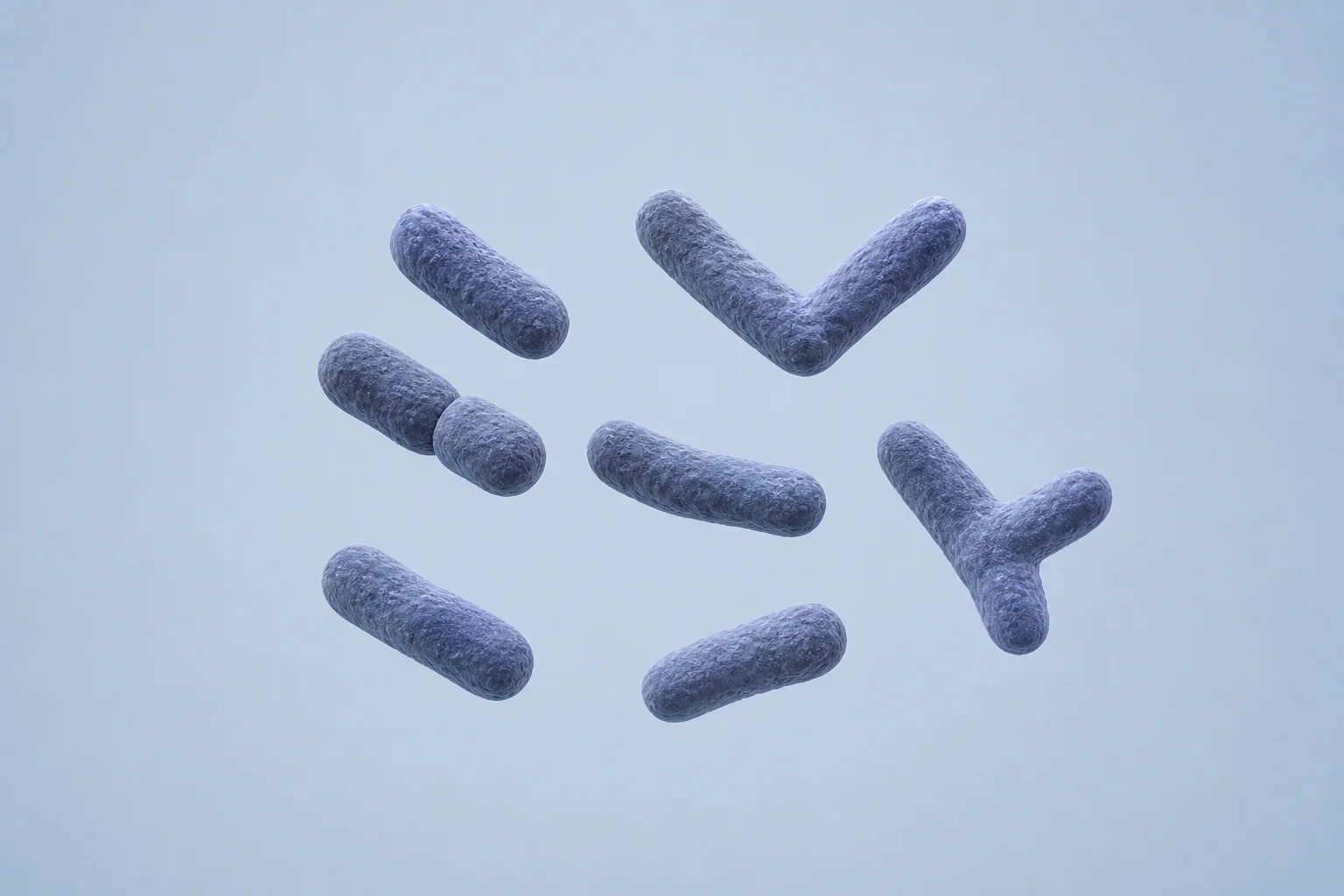
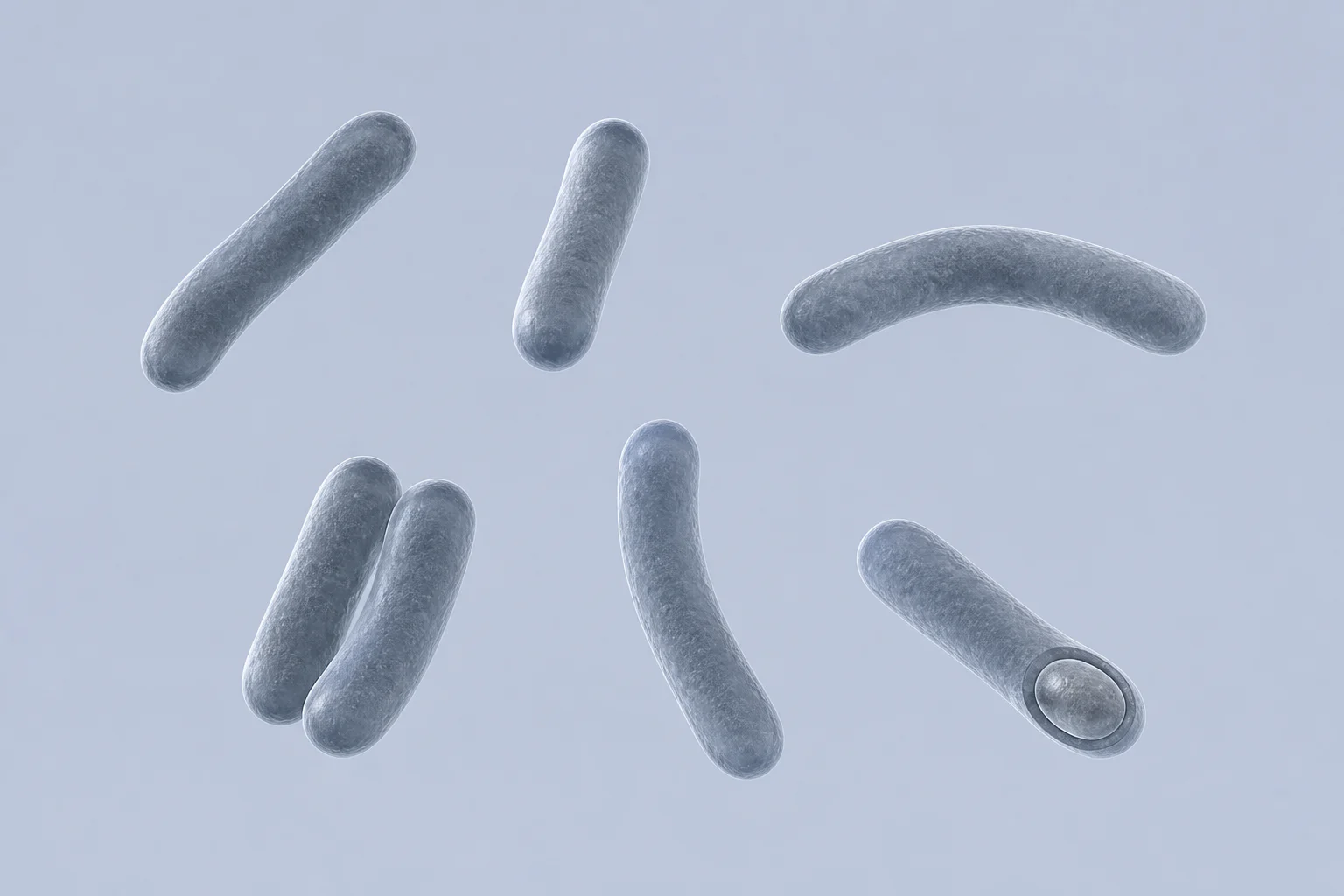
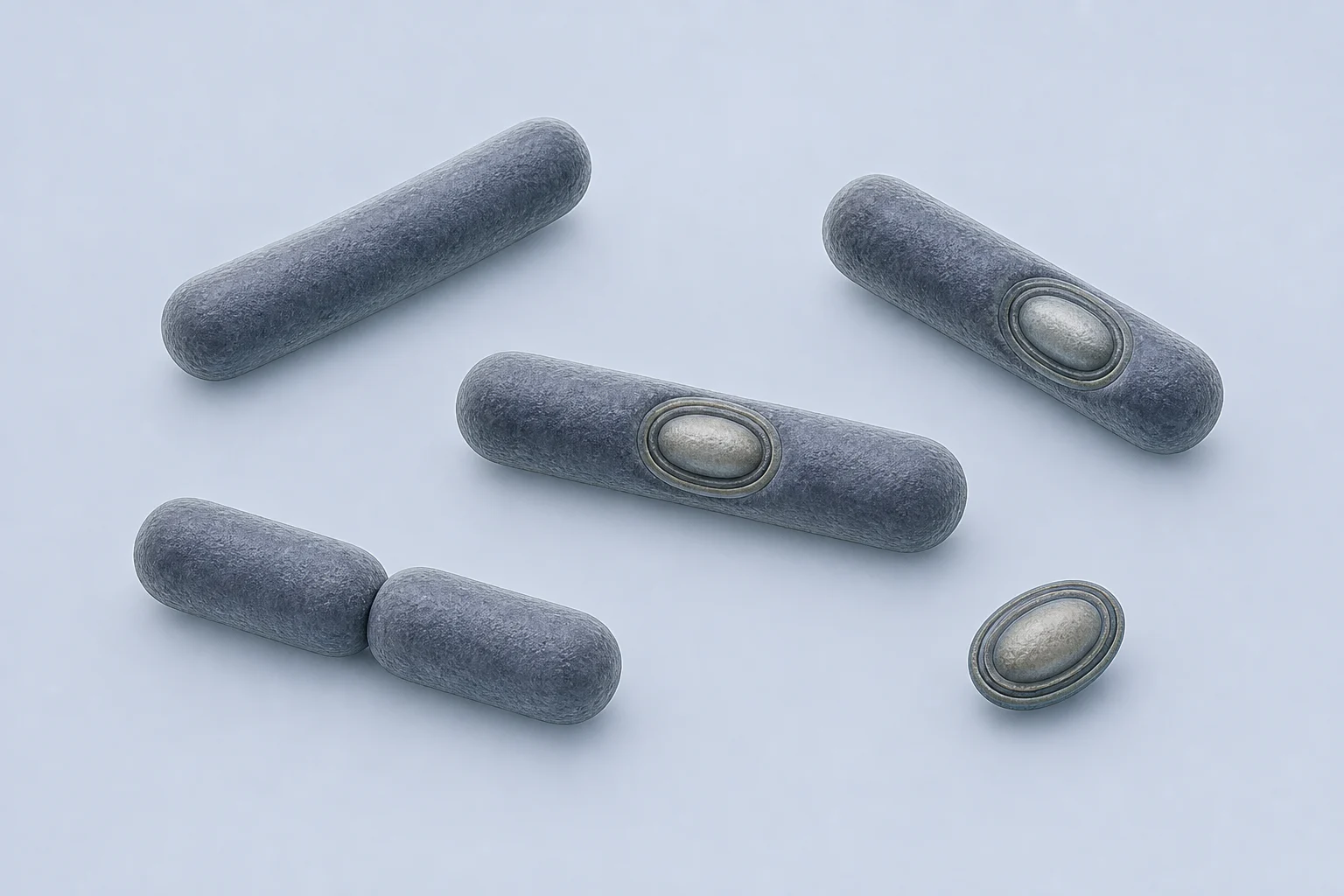
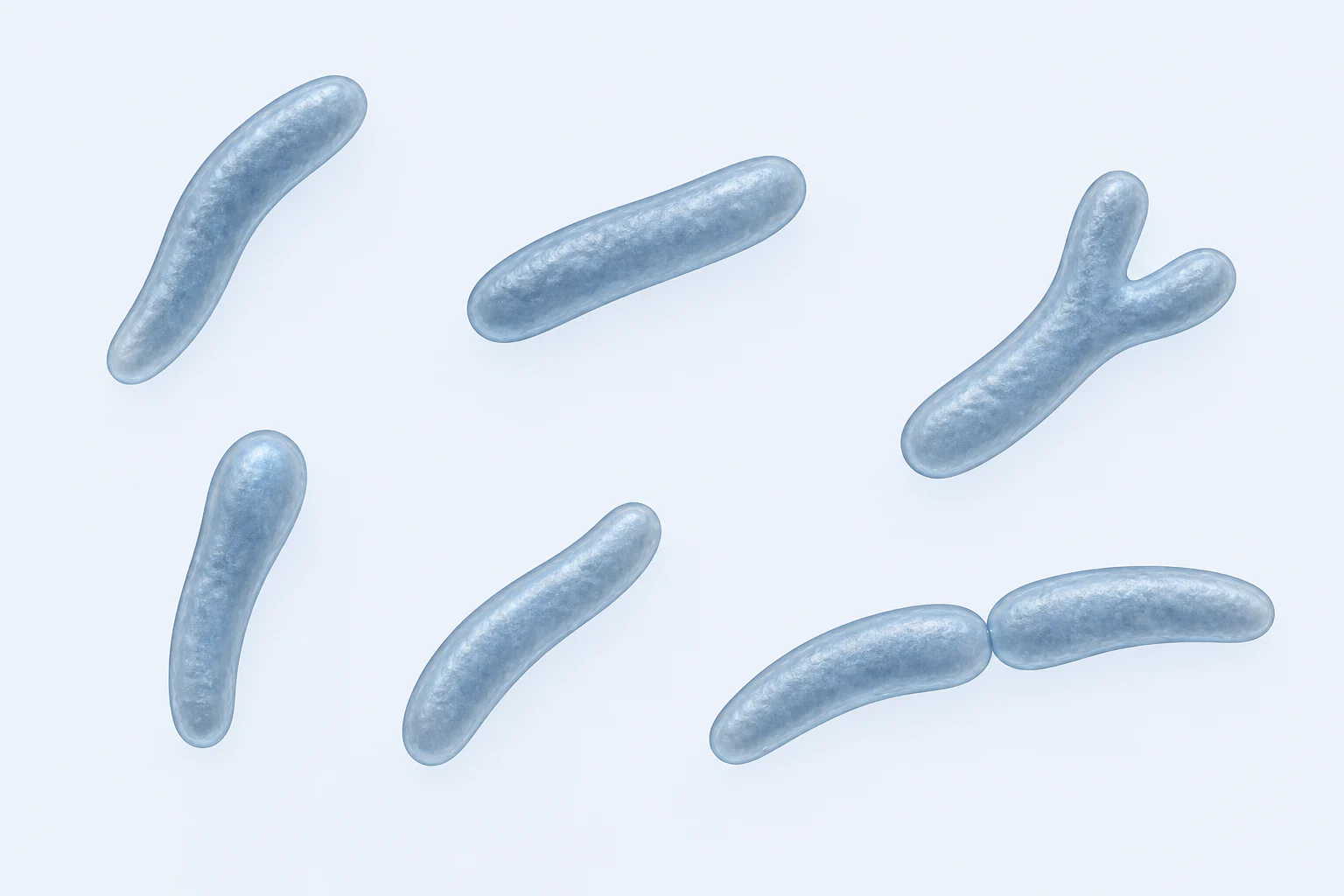
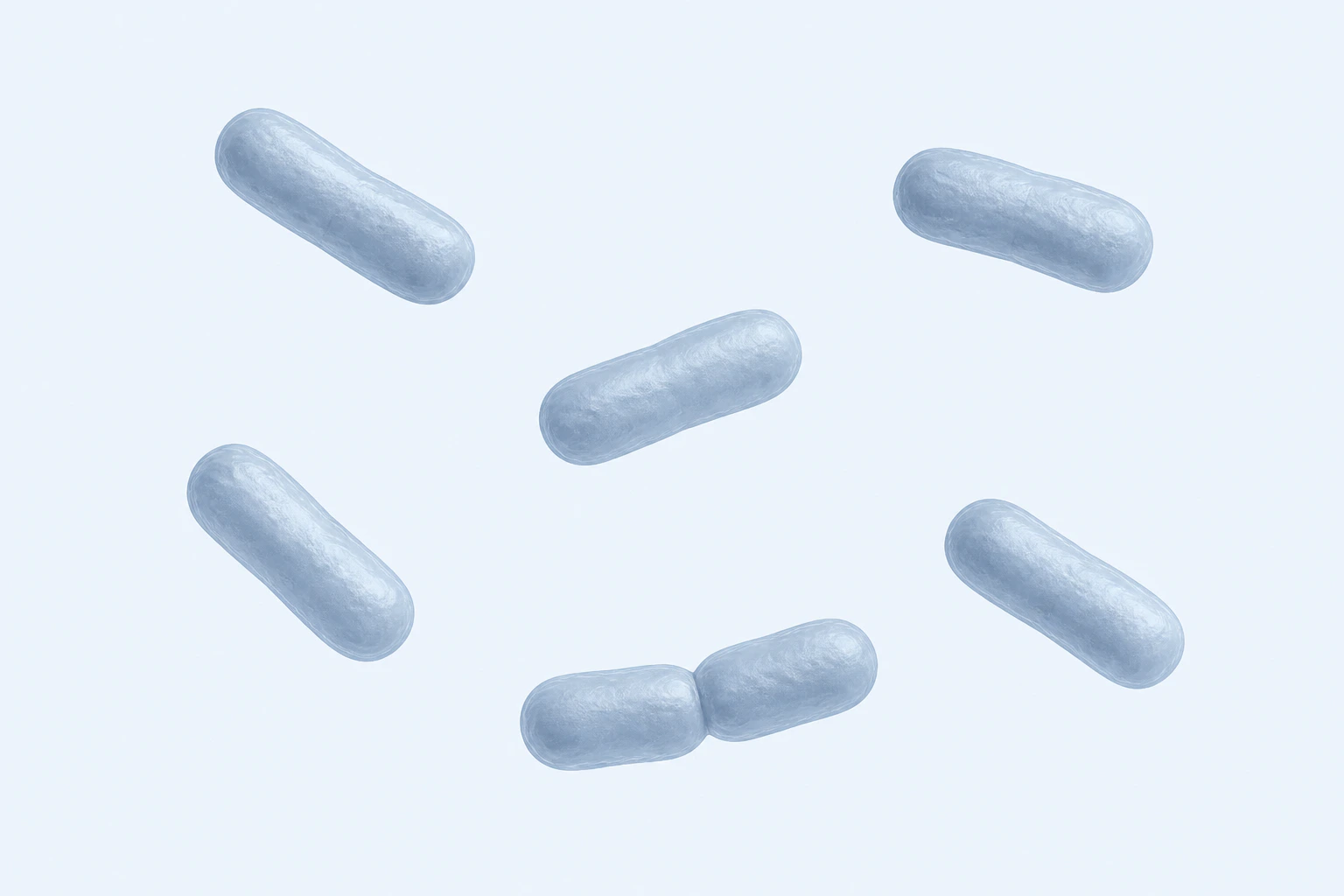
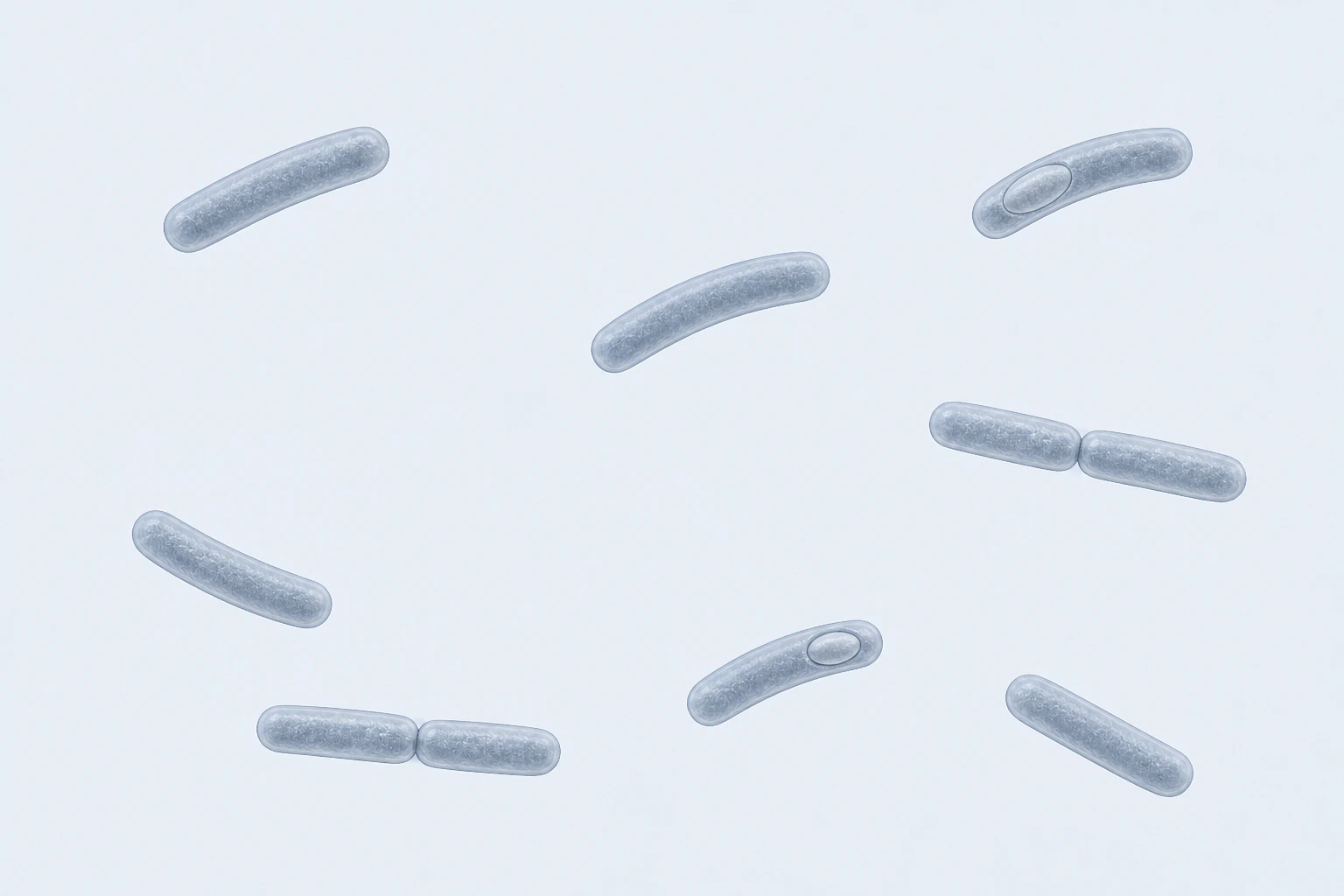
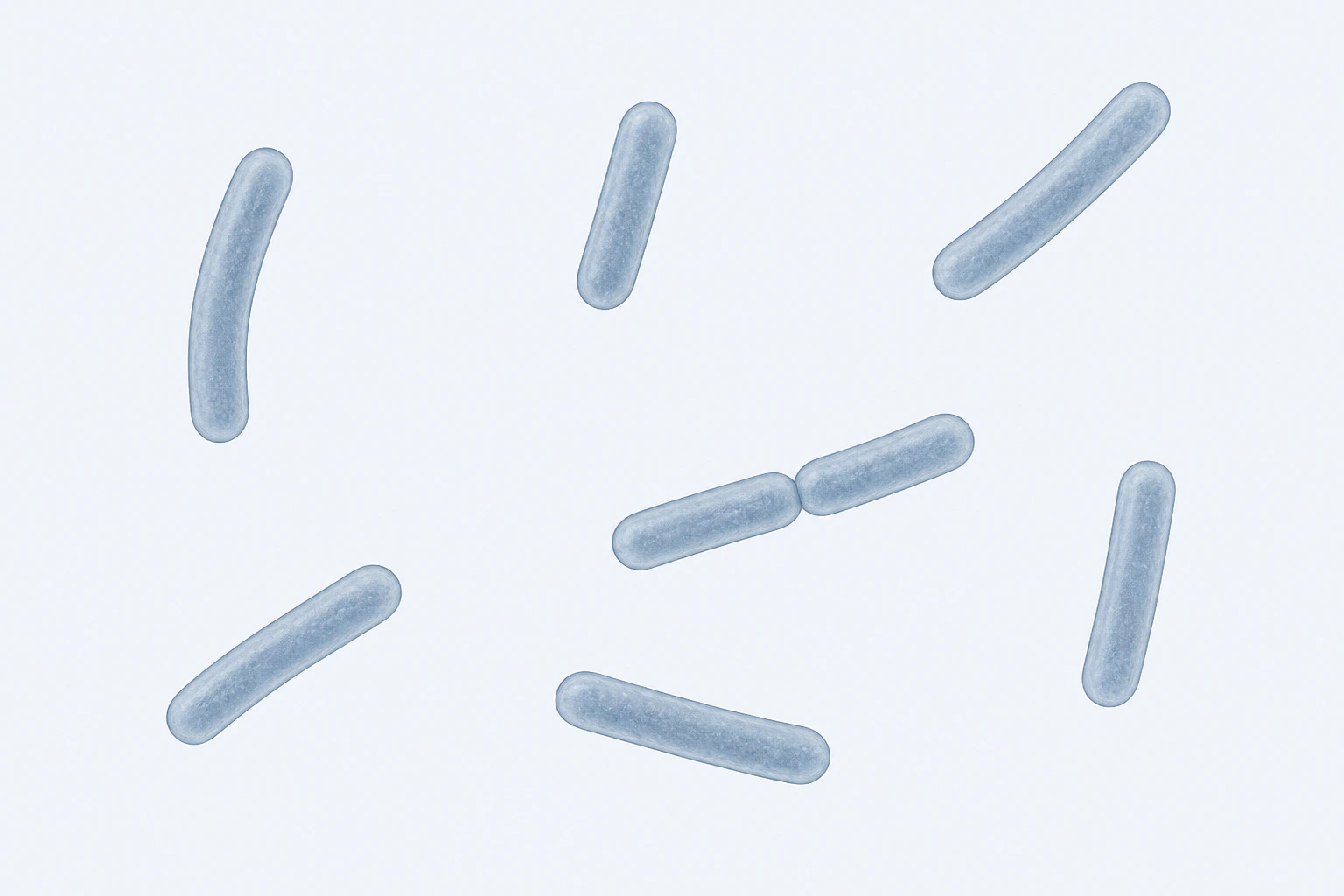
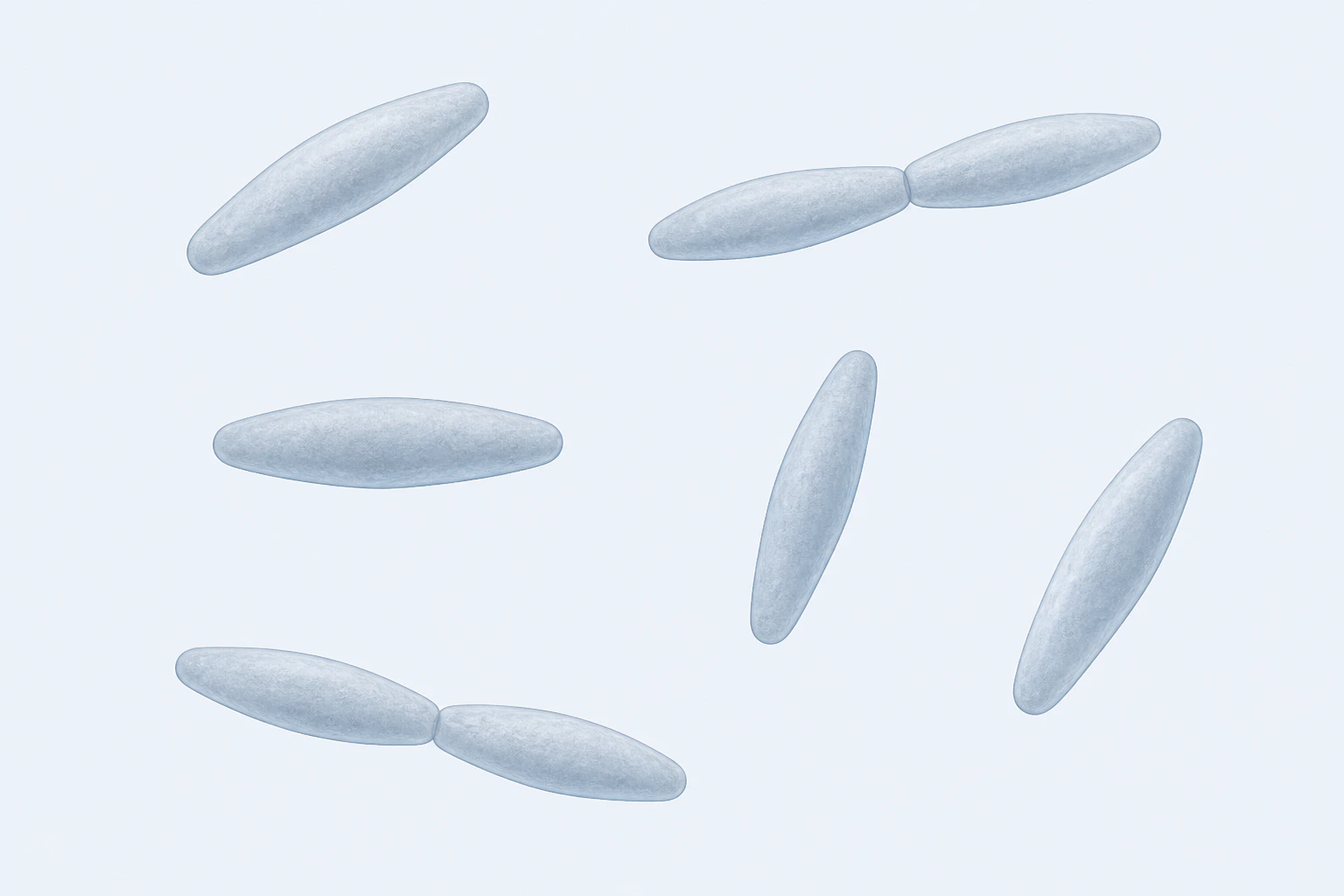
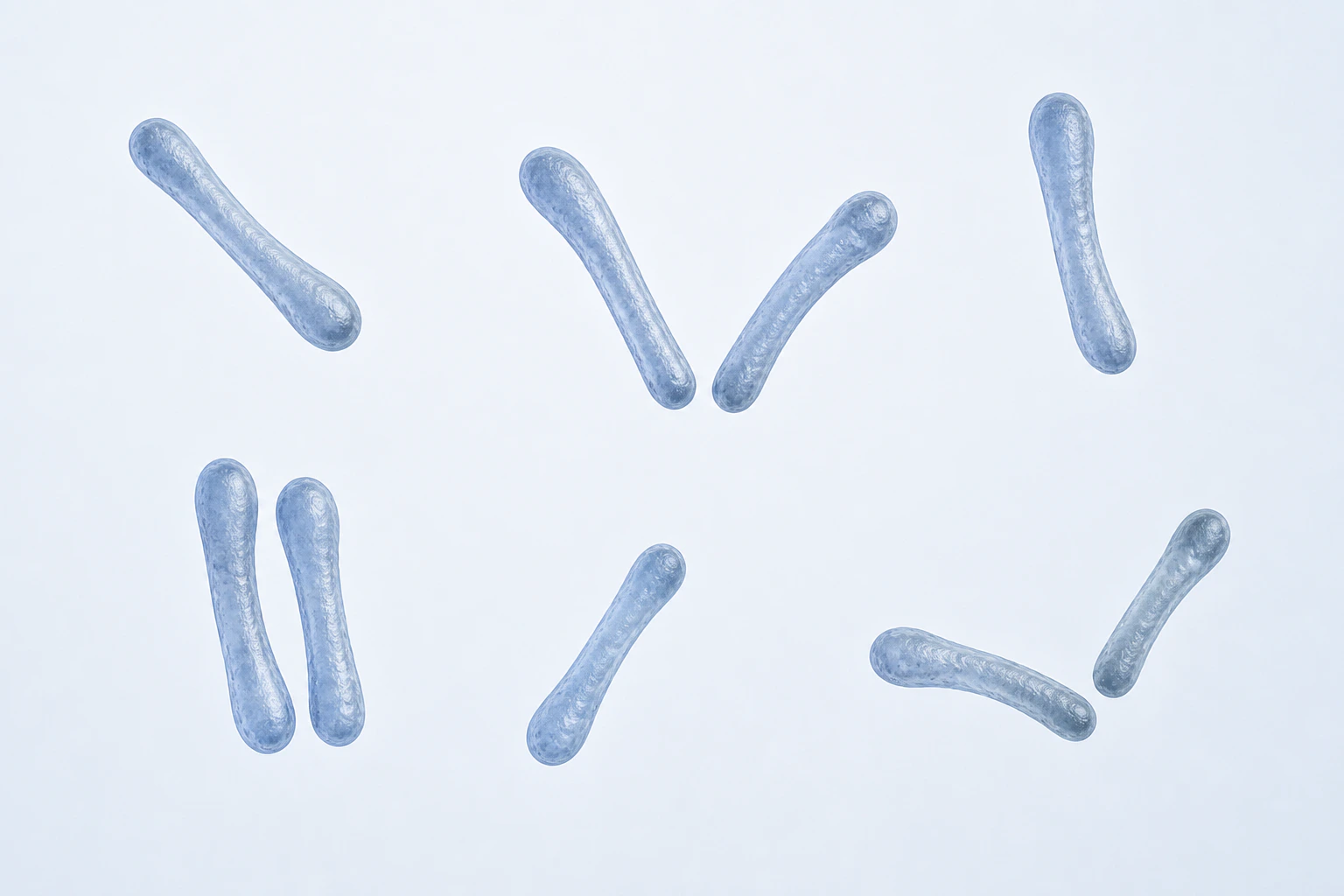
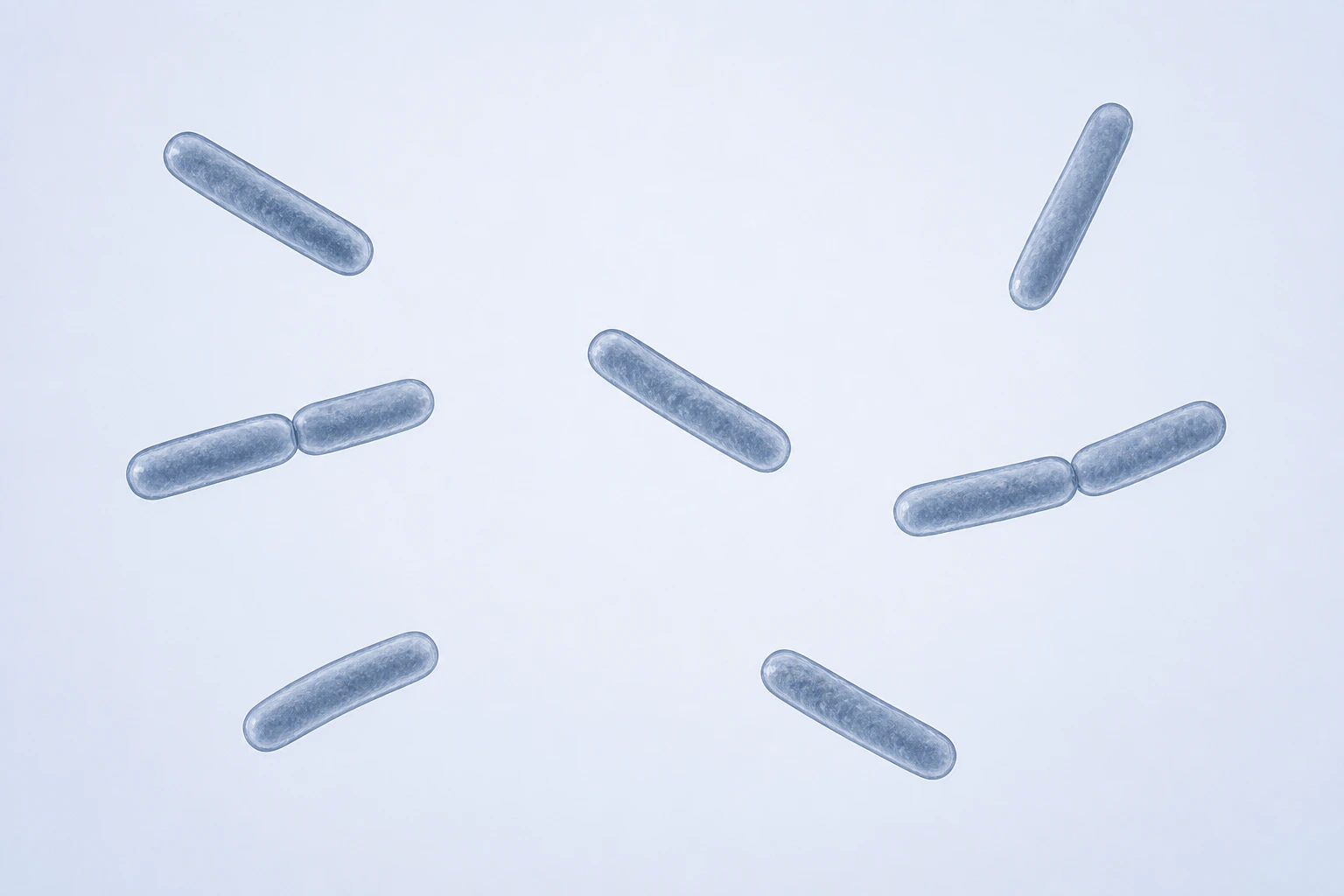
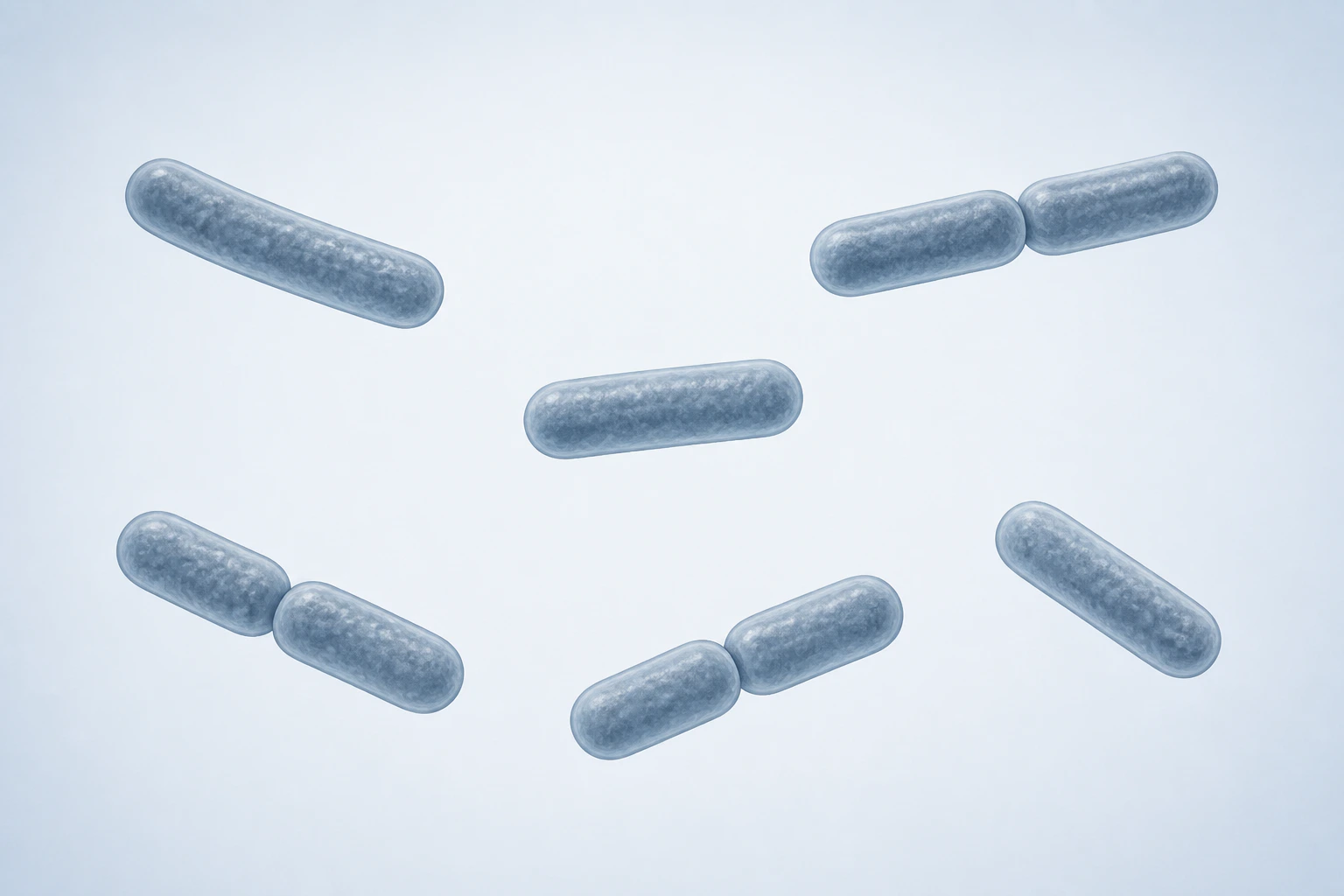
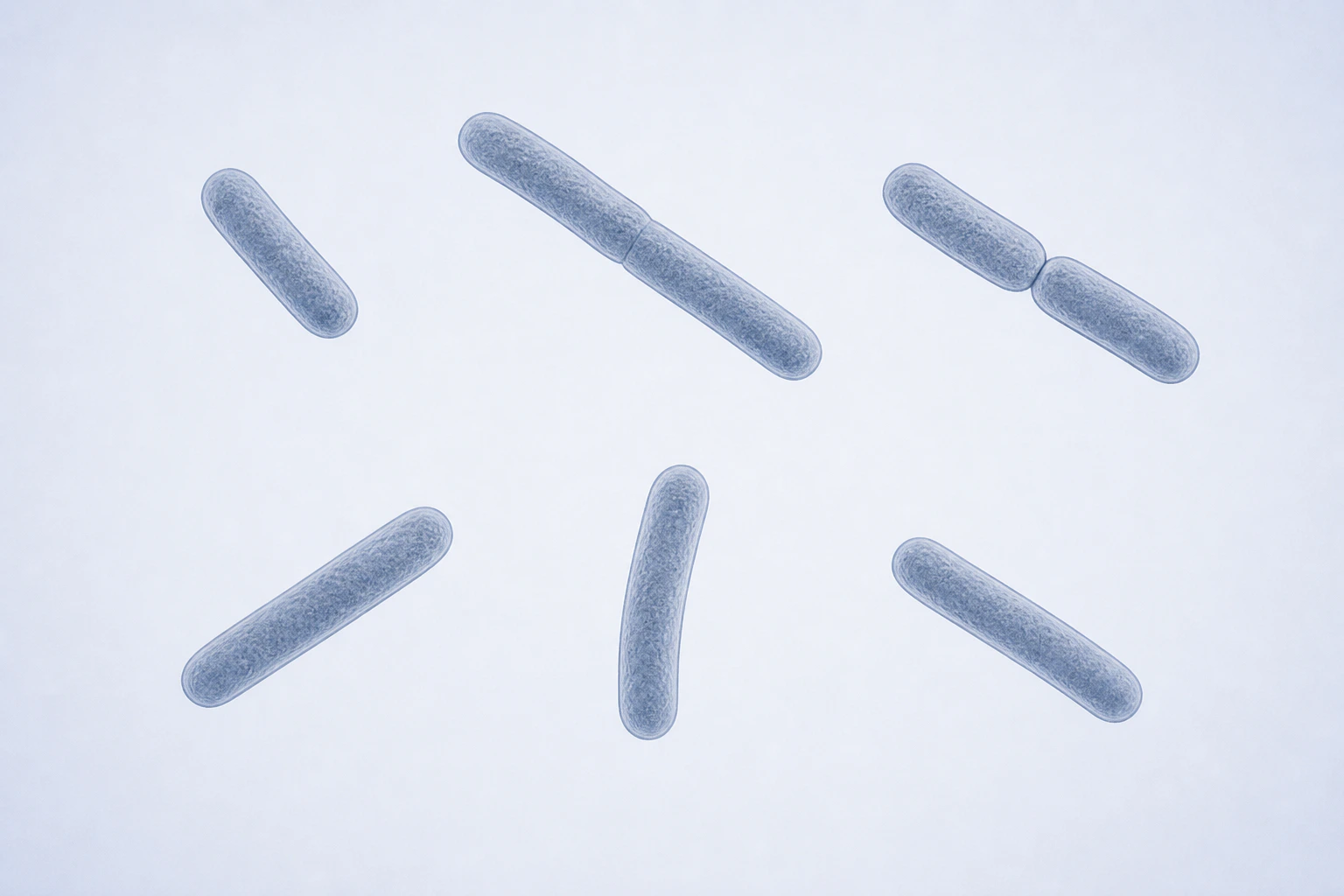
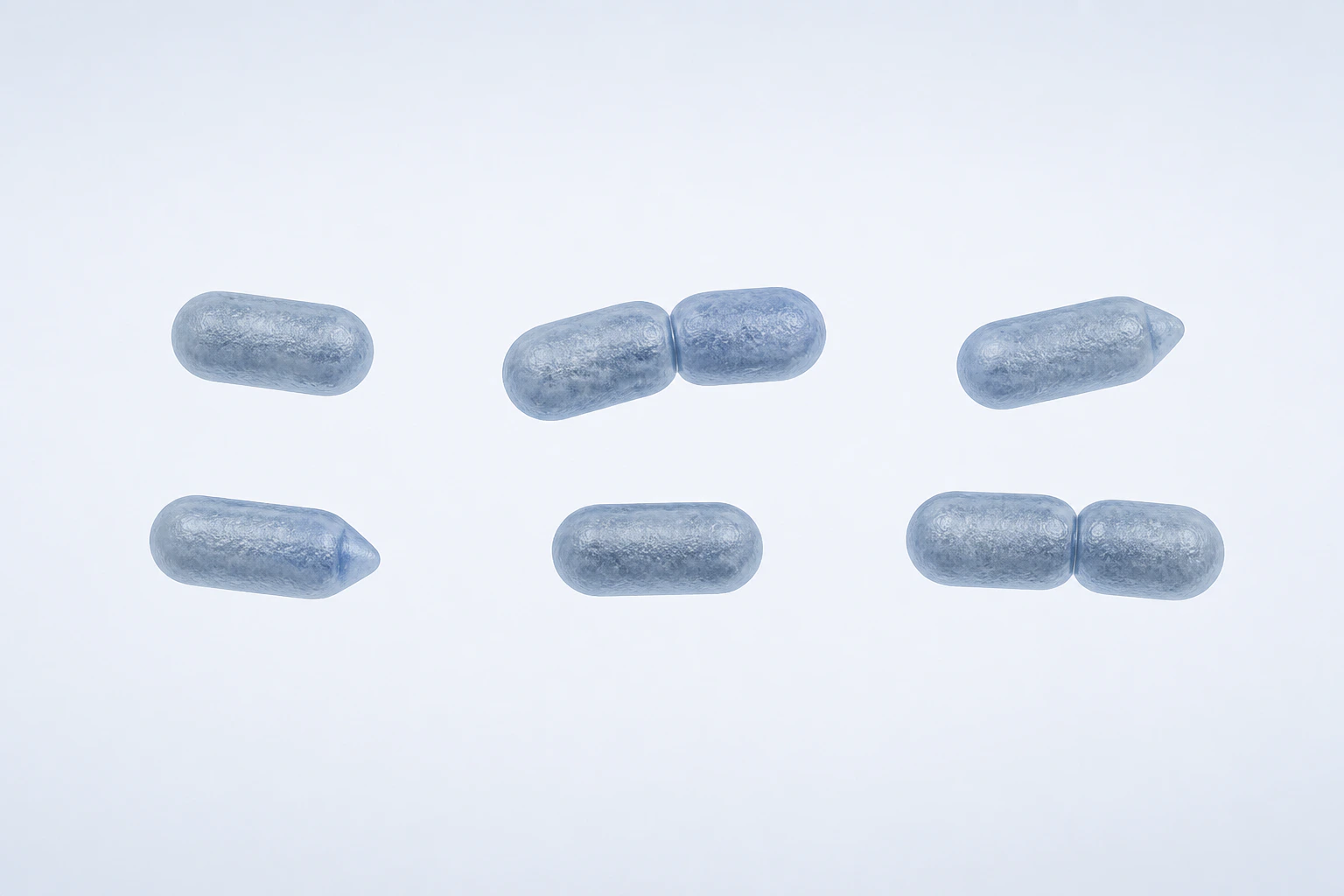
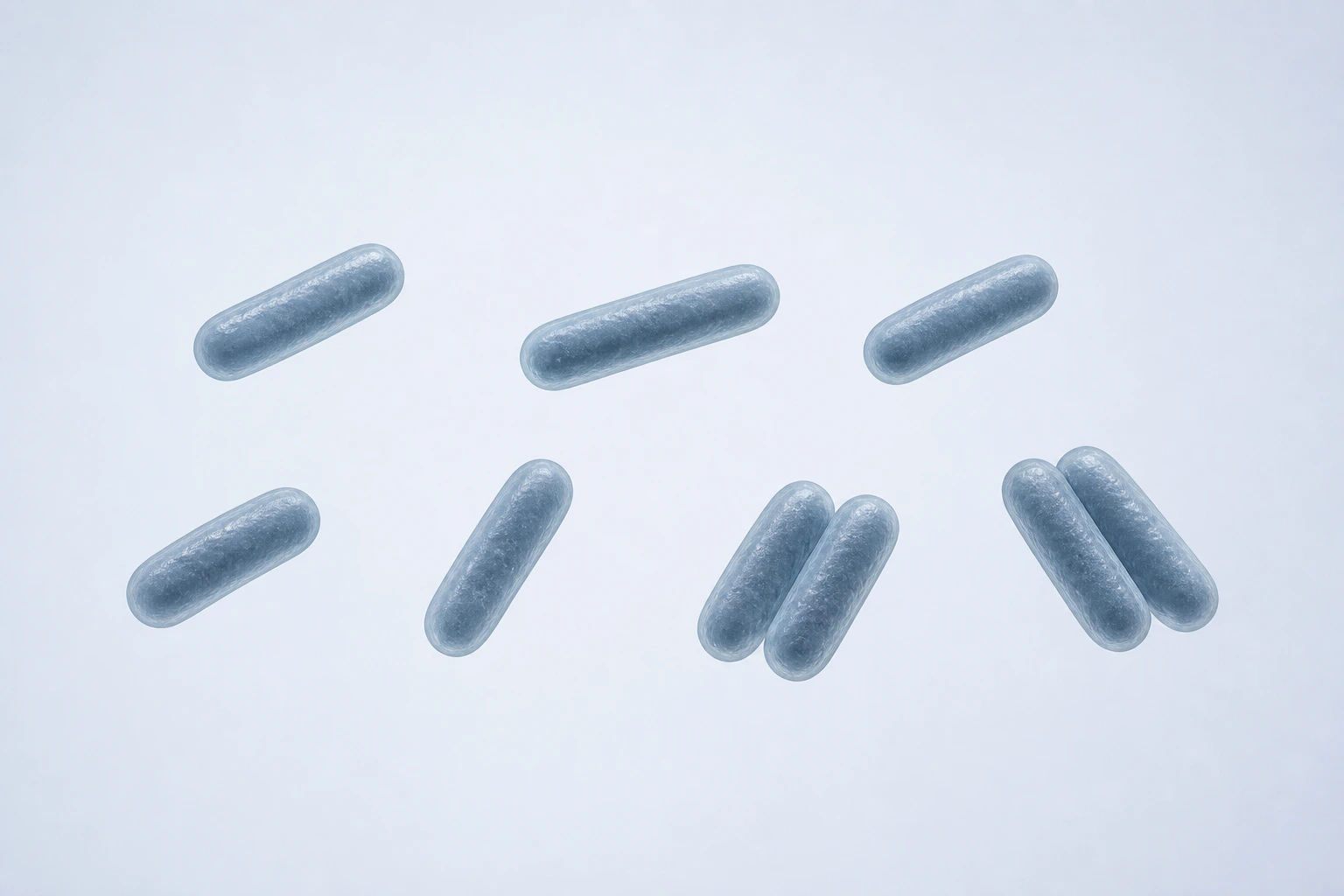
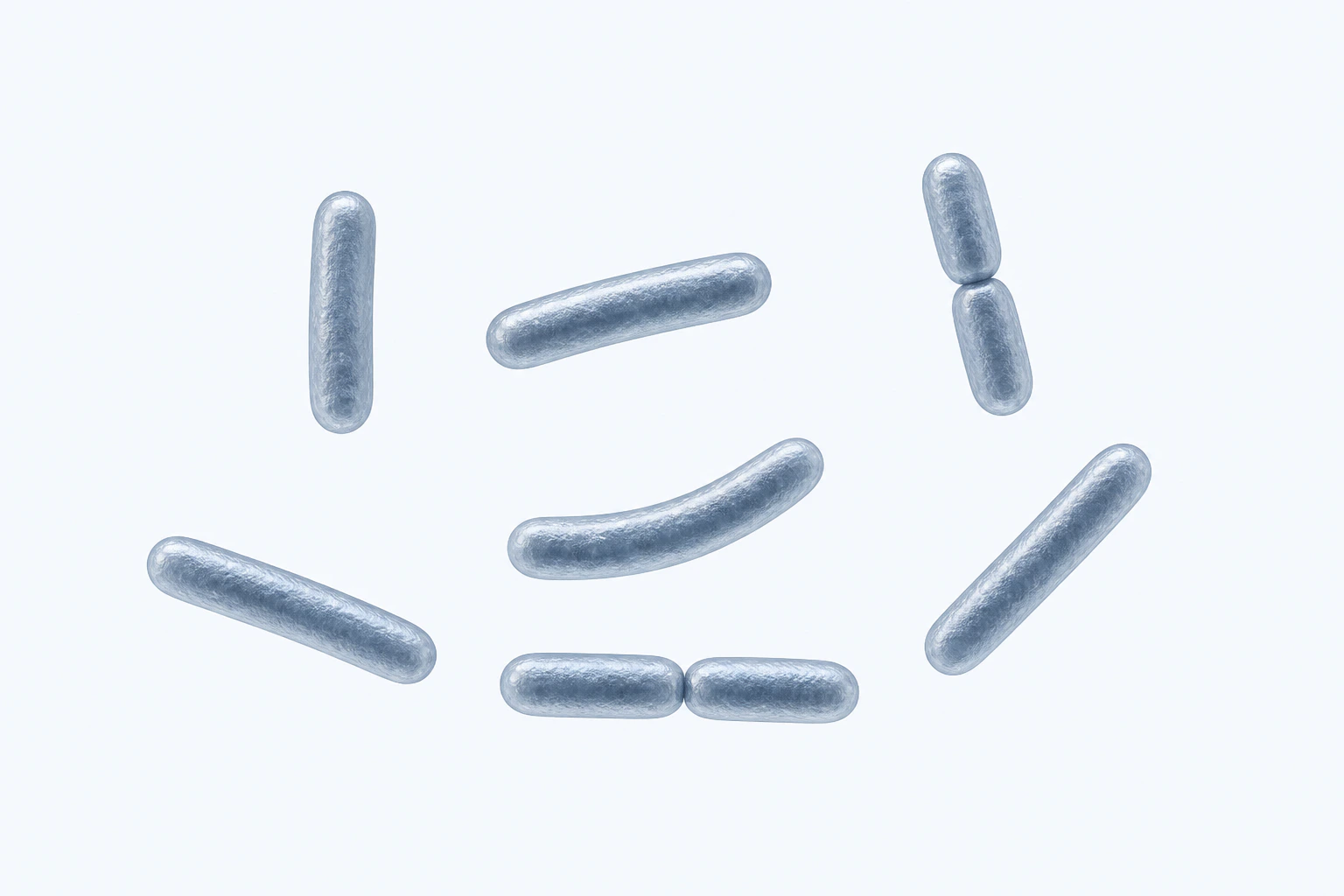
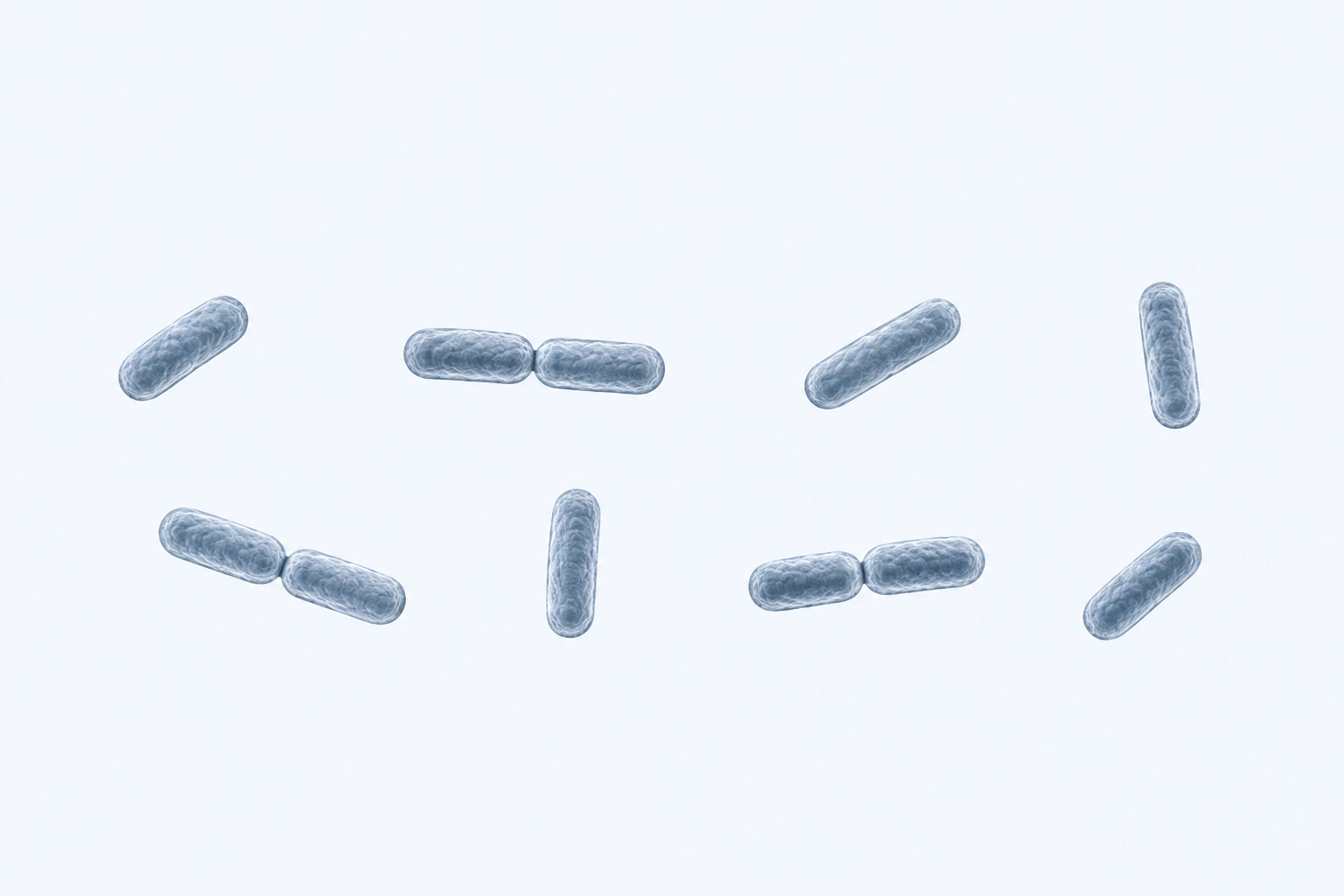
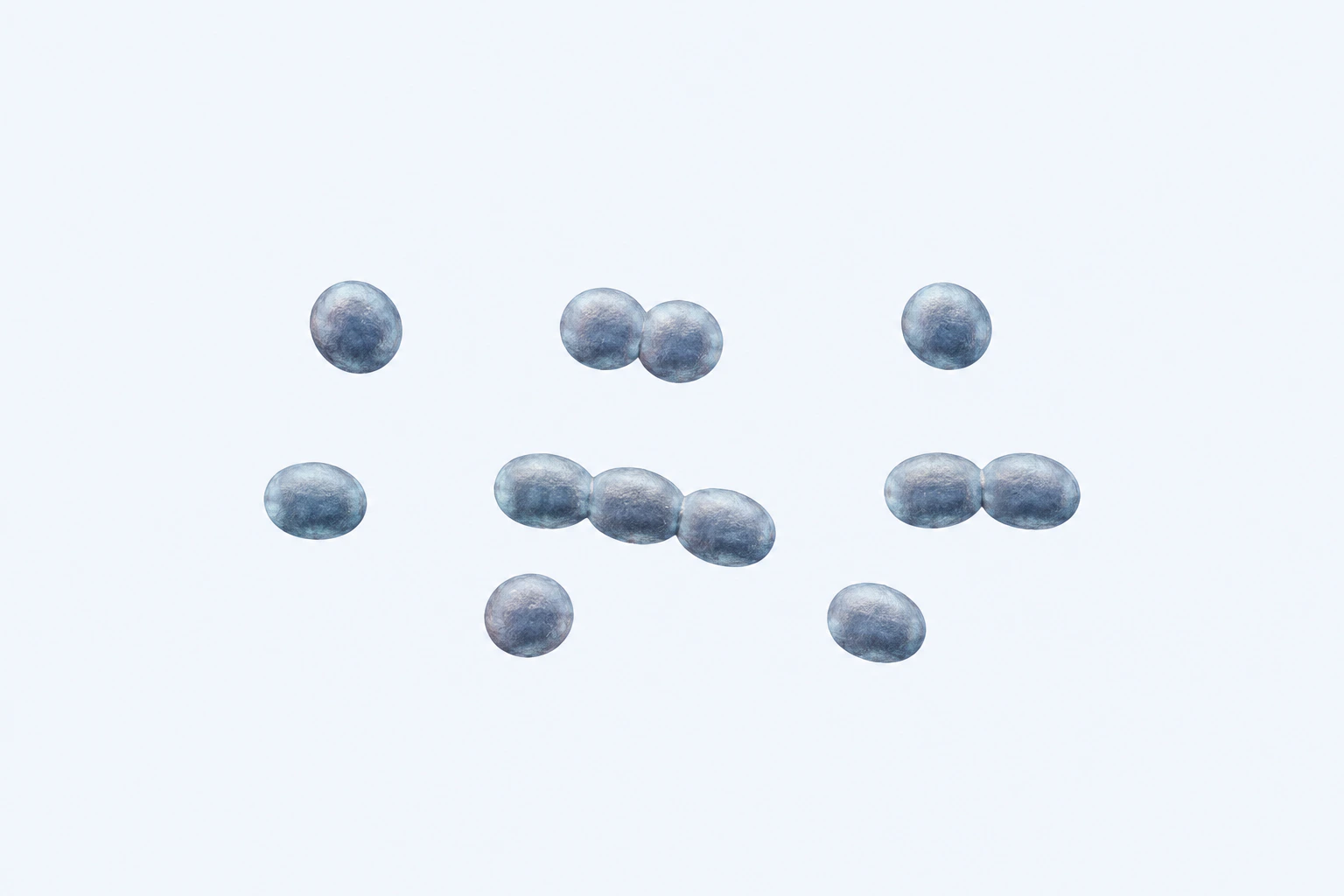
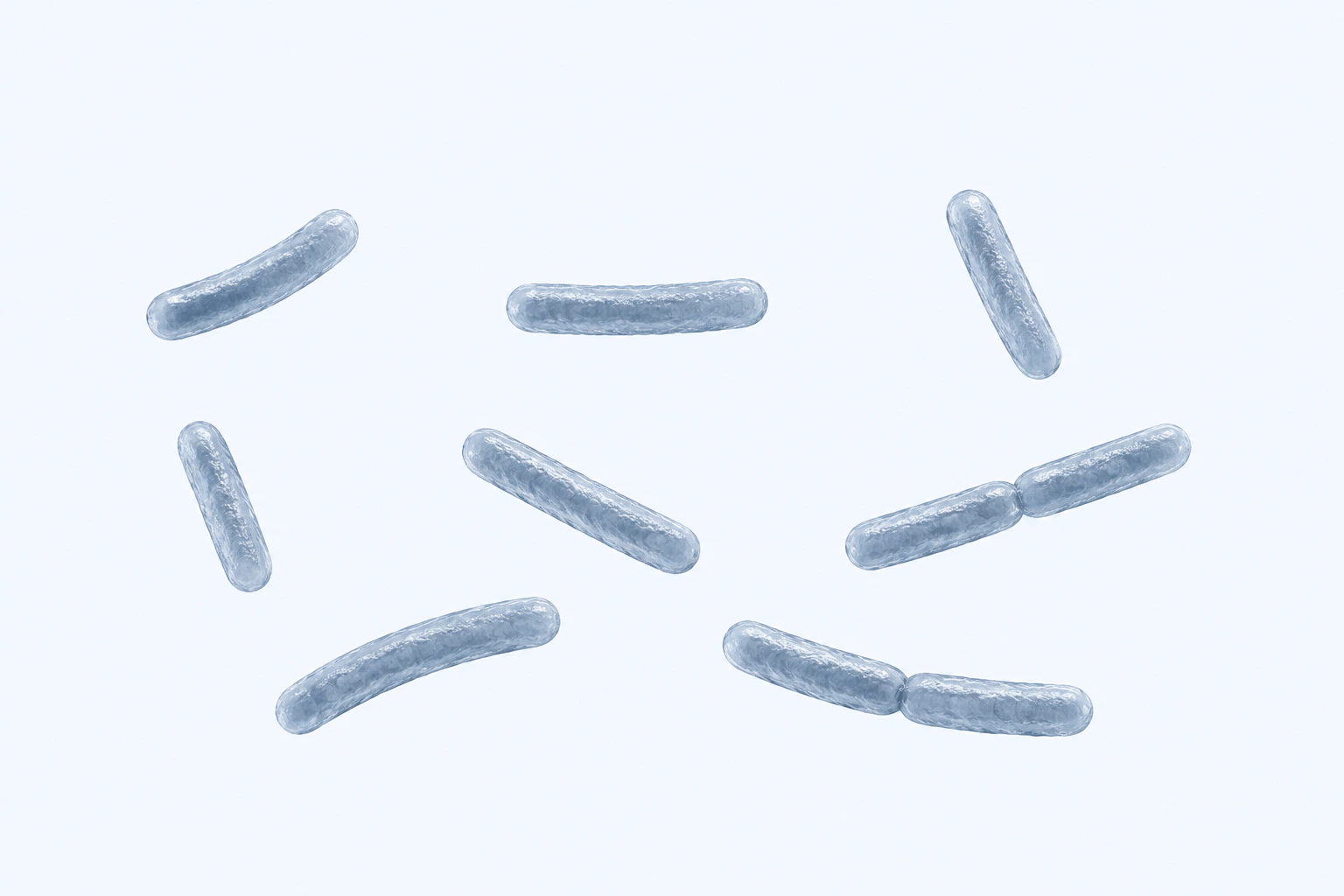
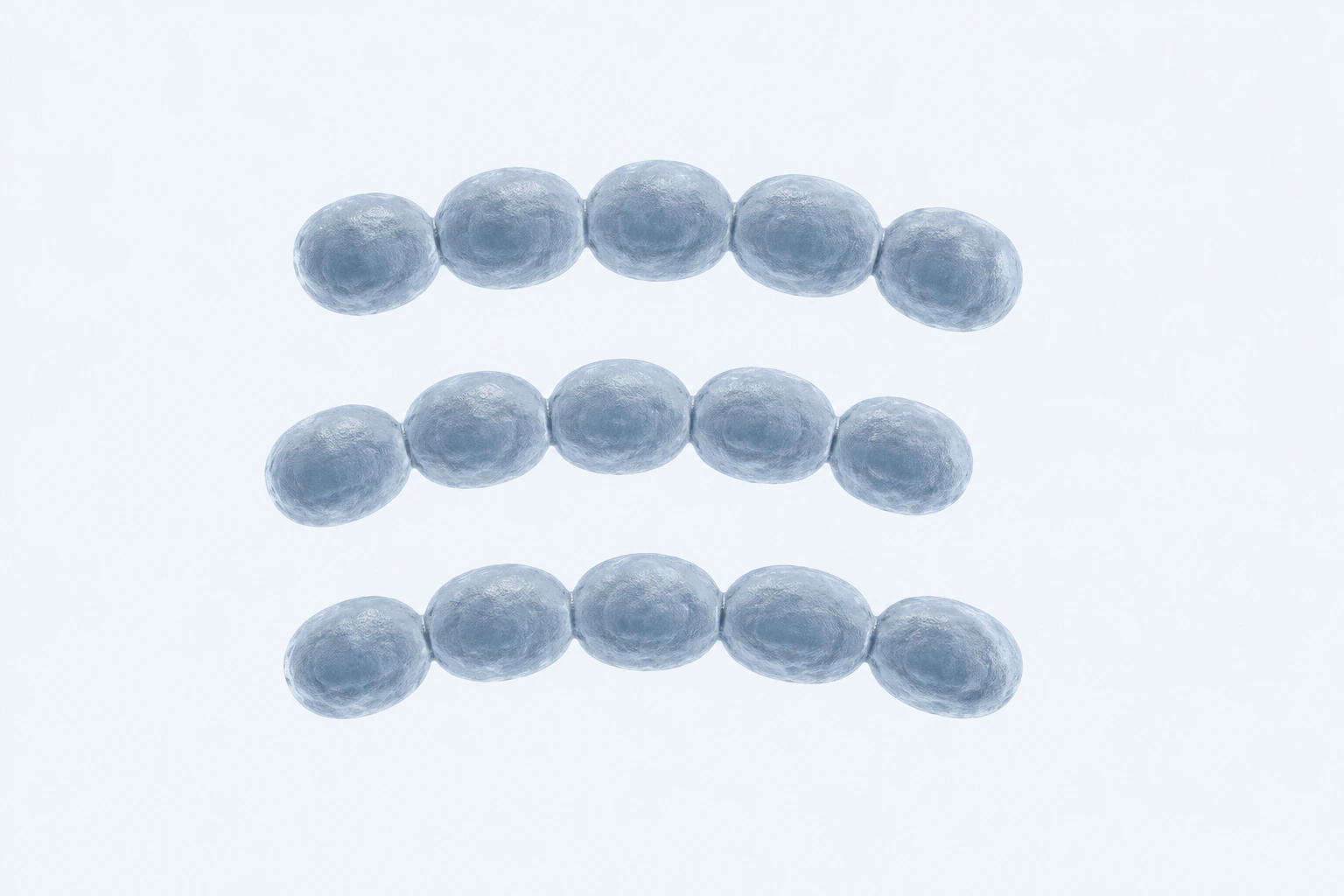
Seven thin Anaerotruncus bacilli, including a loose pair and one cell with an oval terminal endospore, on a pale cool field.
Microorganisms8 sources

Anaerotruncus

Anaerotruncus is a Gram-positive obligate anaerobic genus within the Ruminococcaceae (Firmicutes). First isolated from human feces, it is a minor member of the healthy gut community that has attracted attention for its consistent enrichment in aging-related conditions a

B
C
D
E
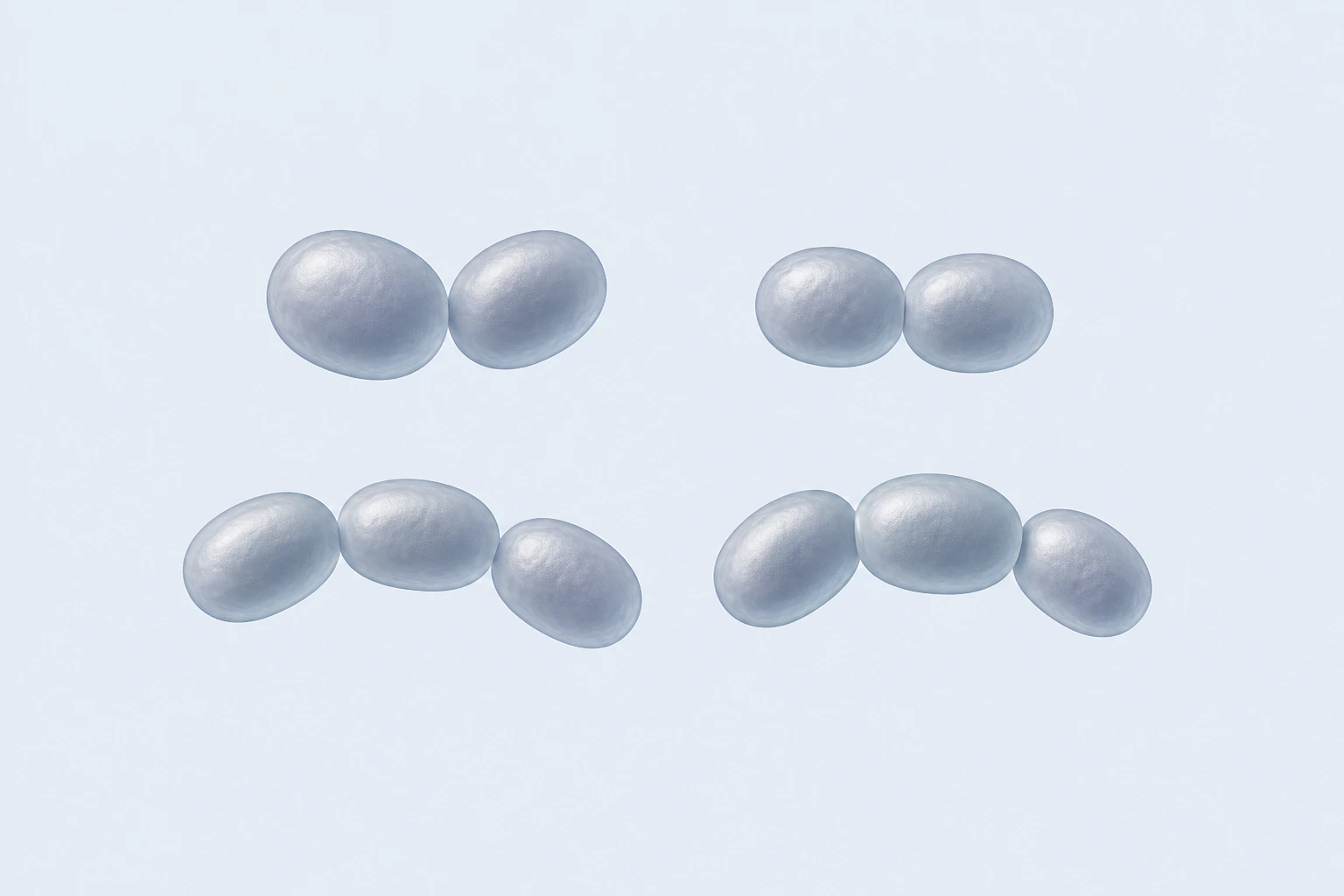
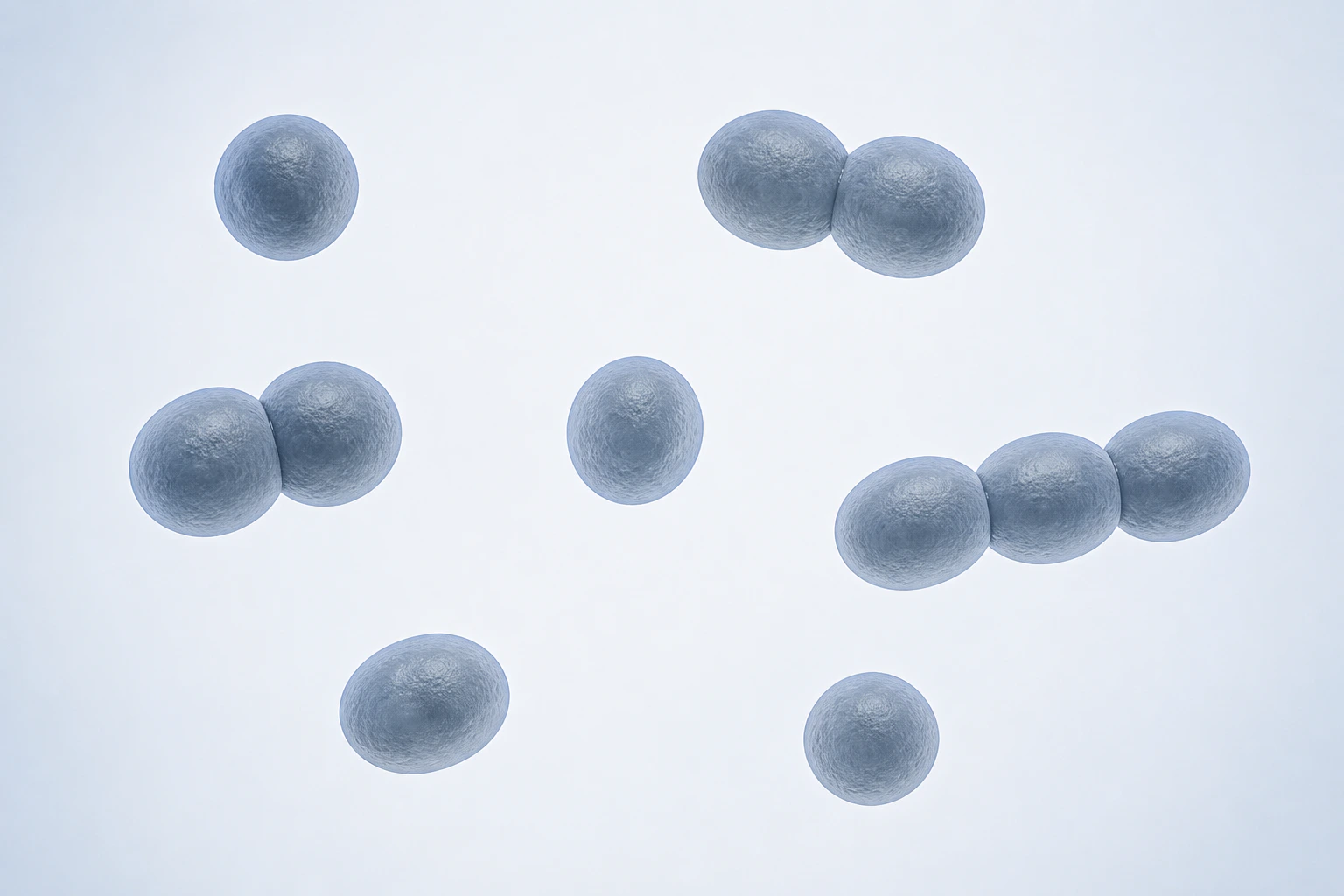
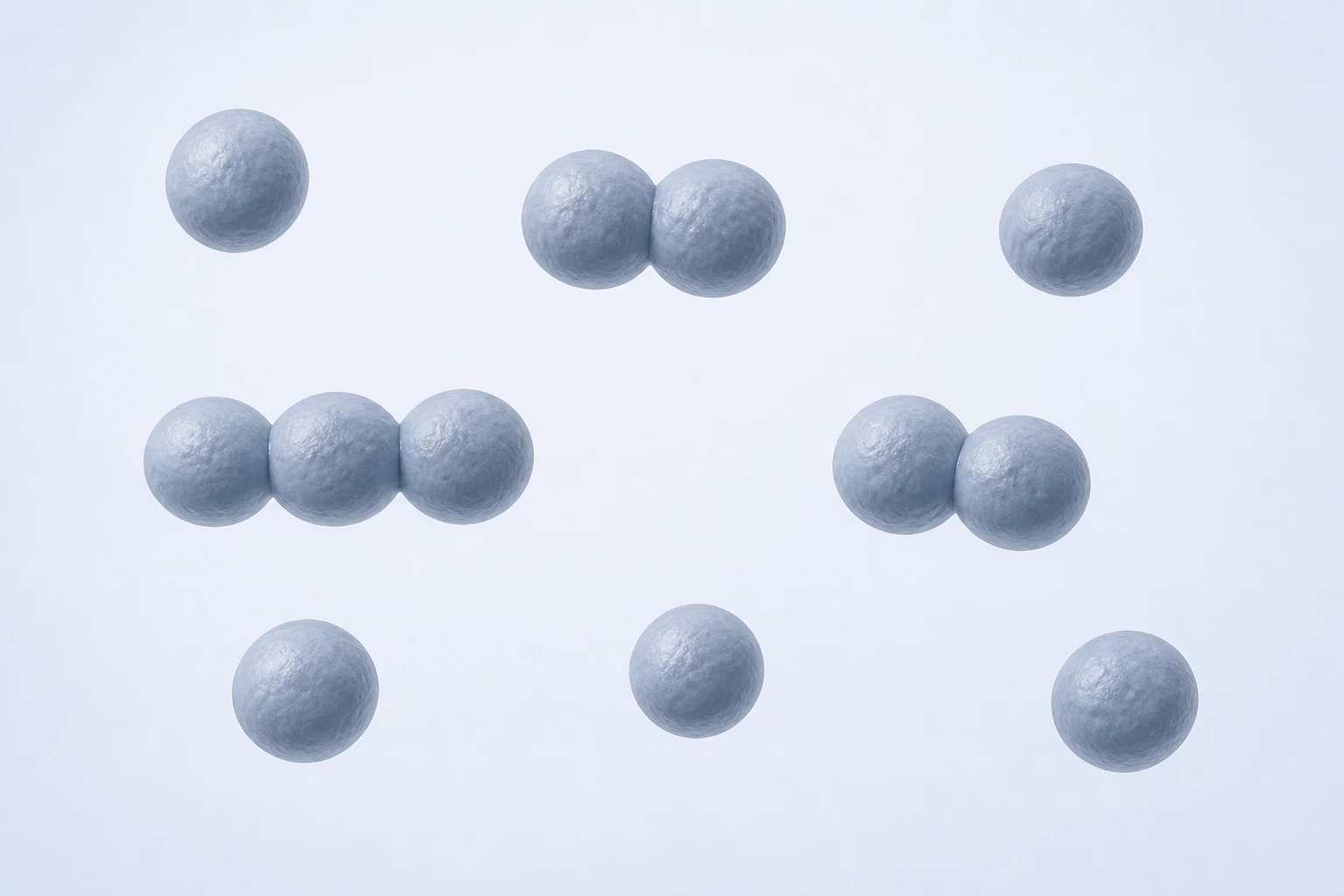
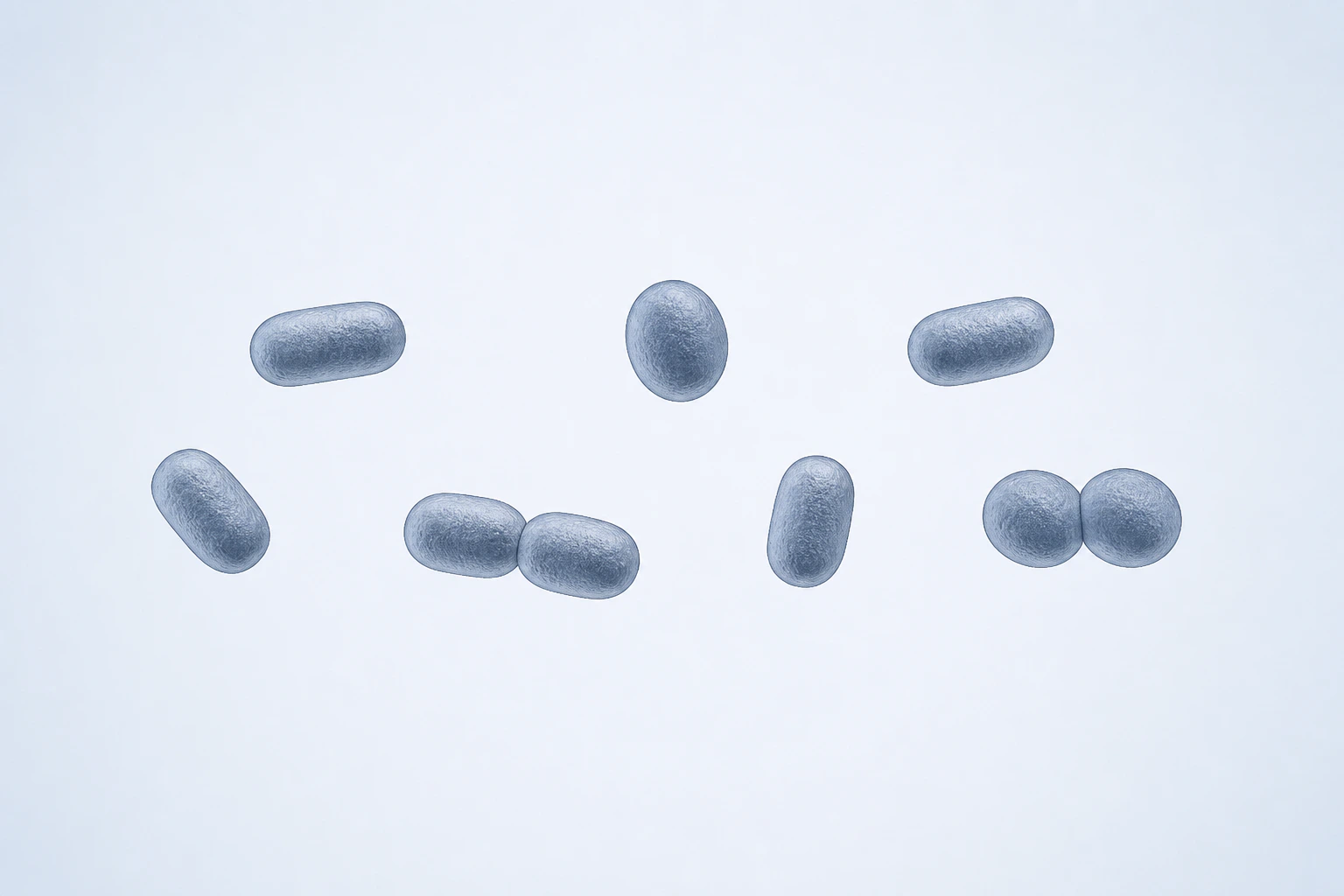
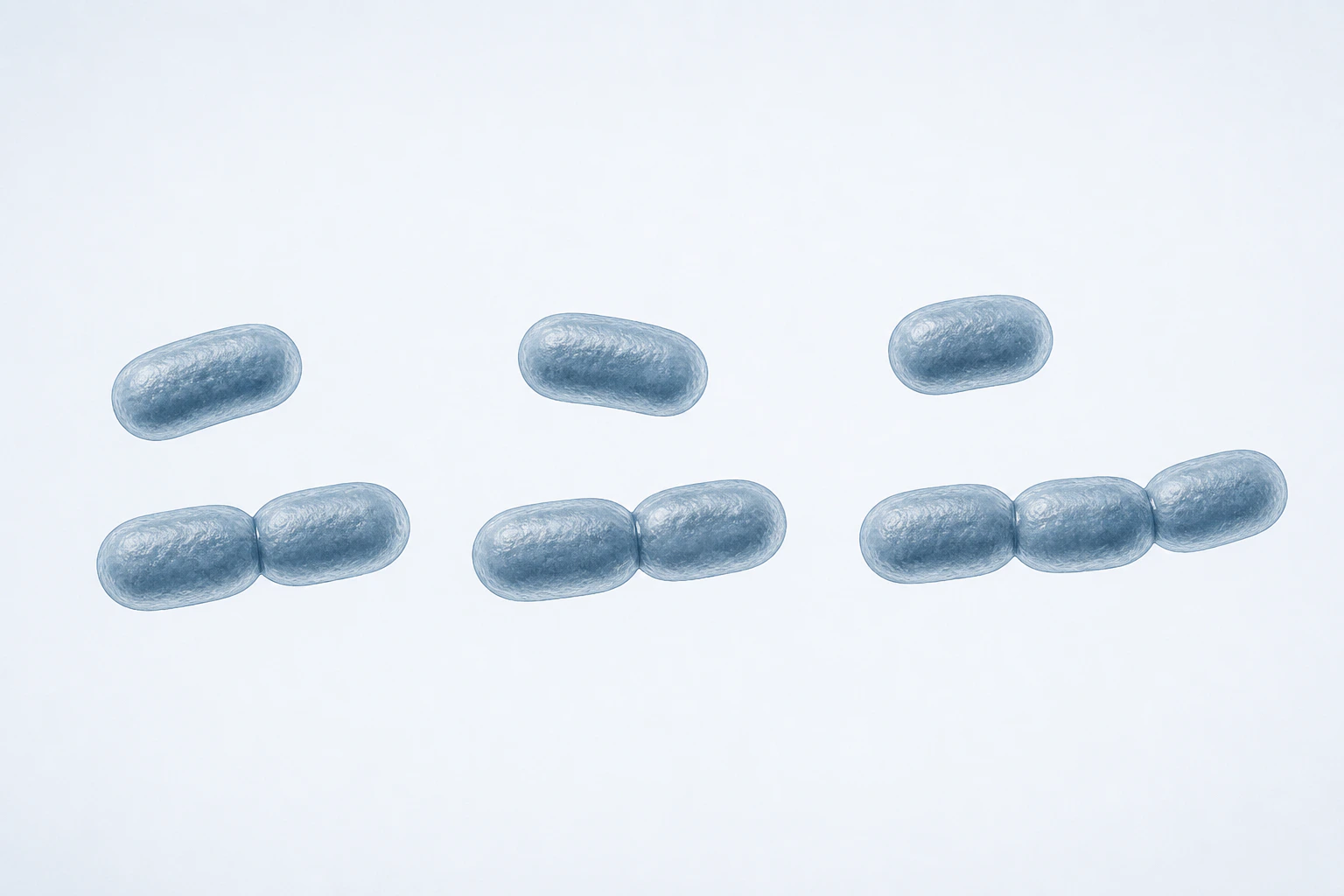
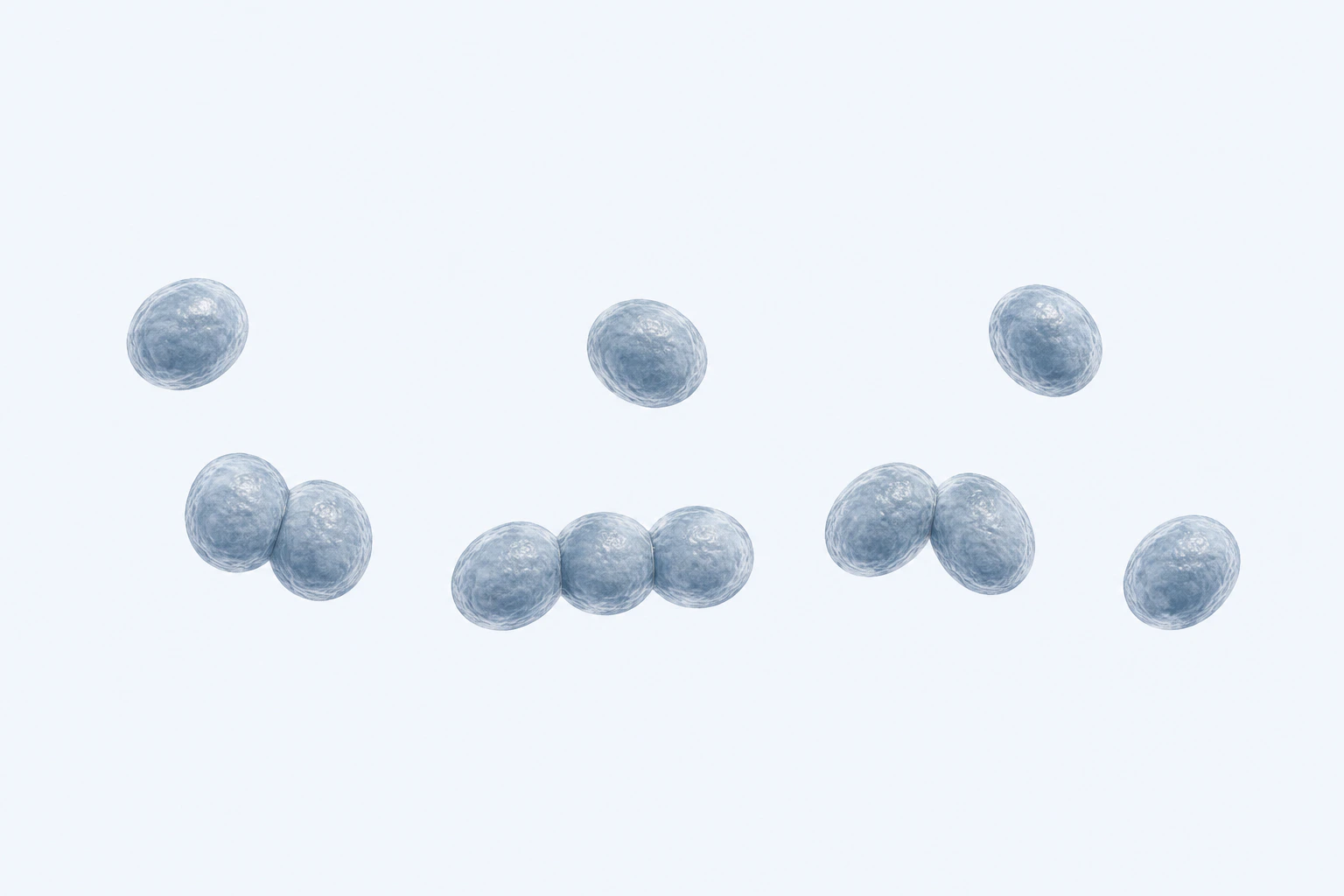
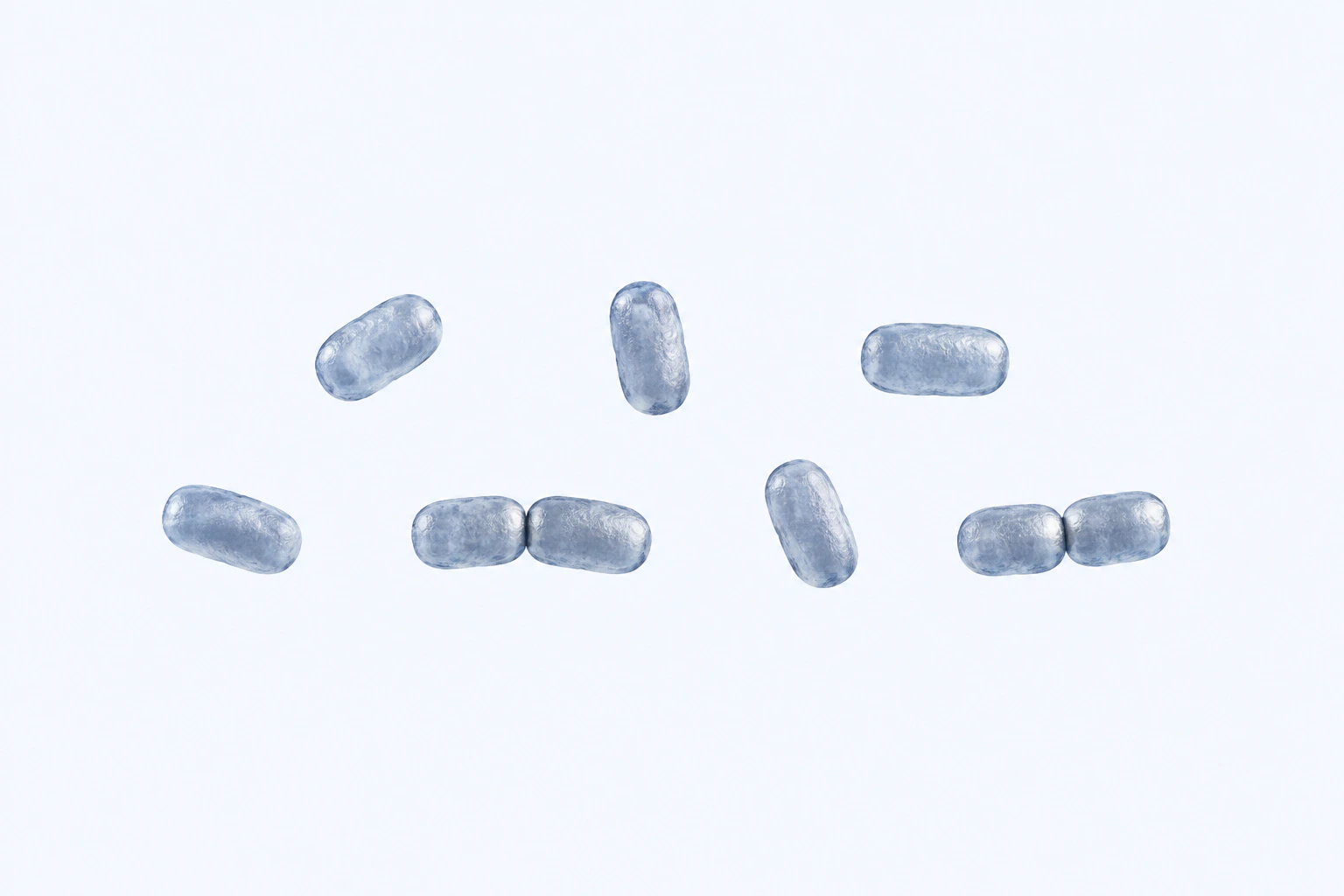
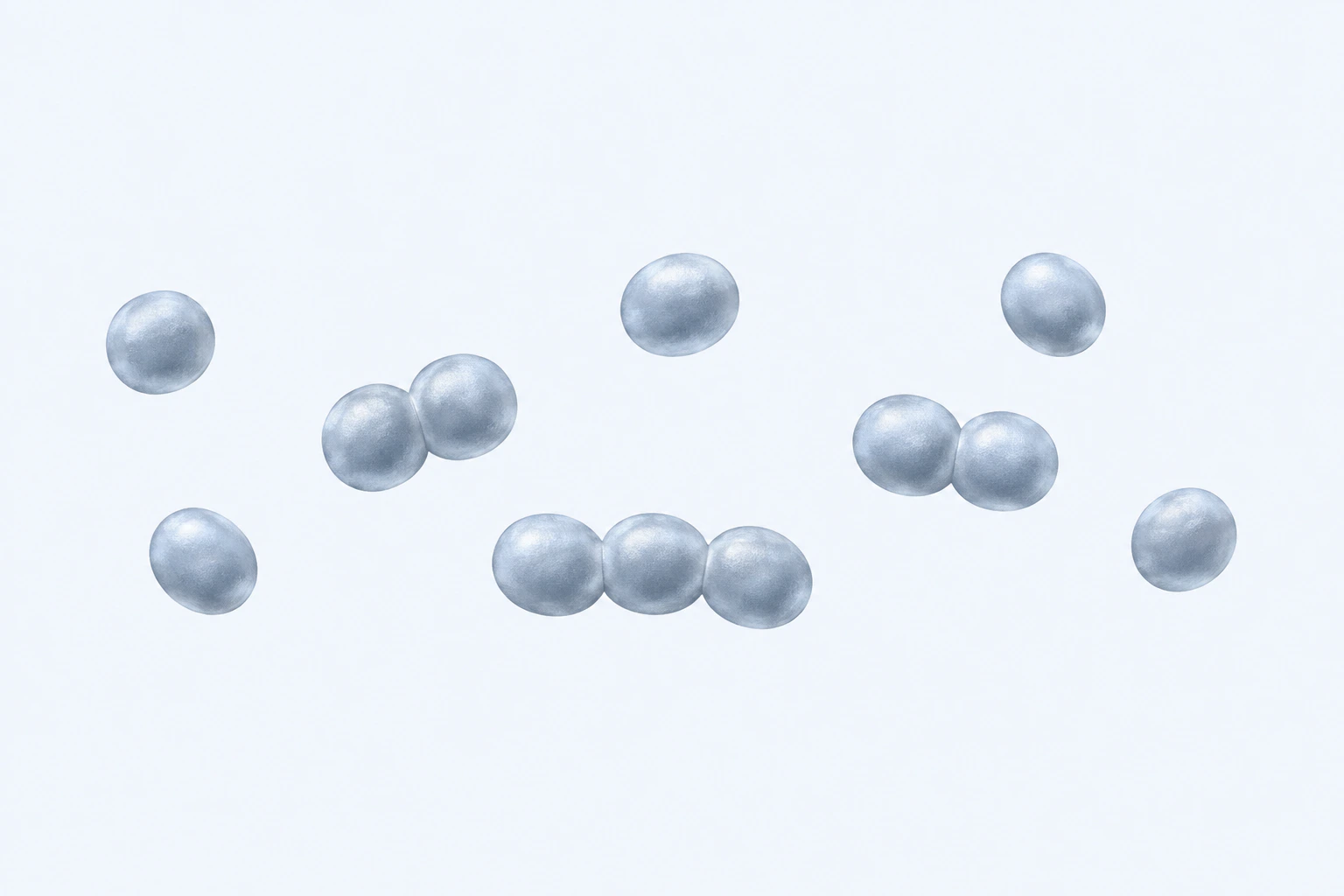
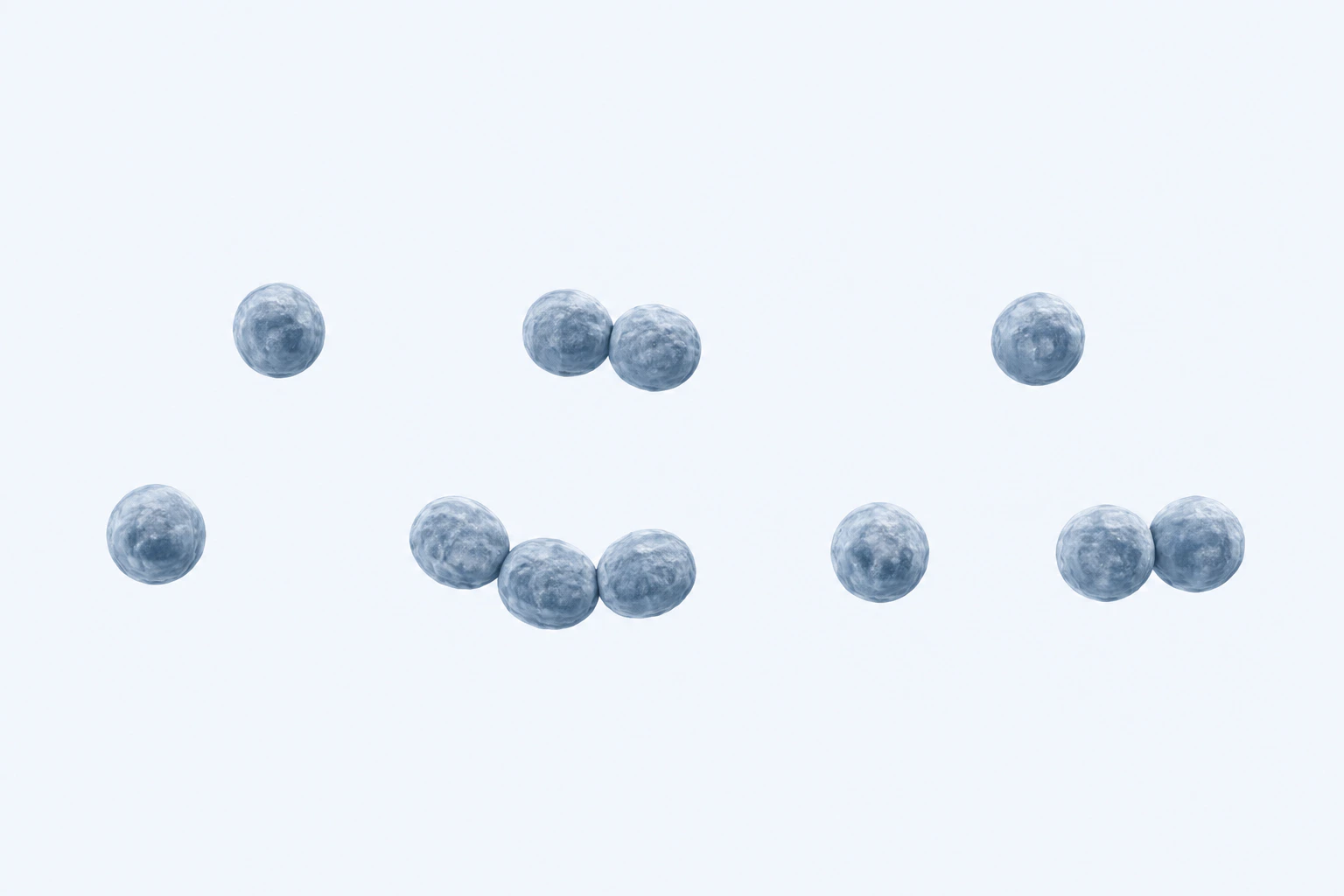
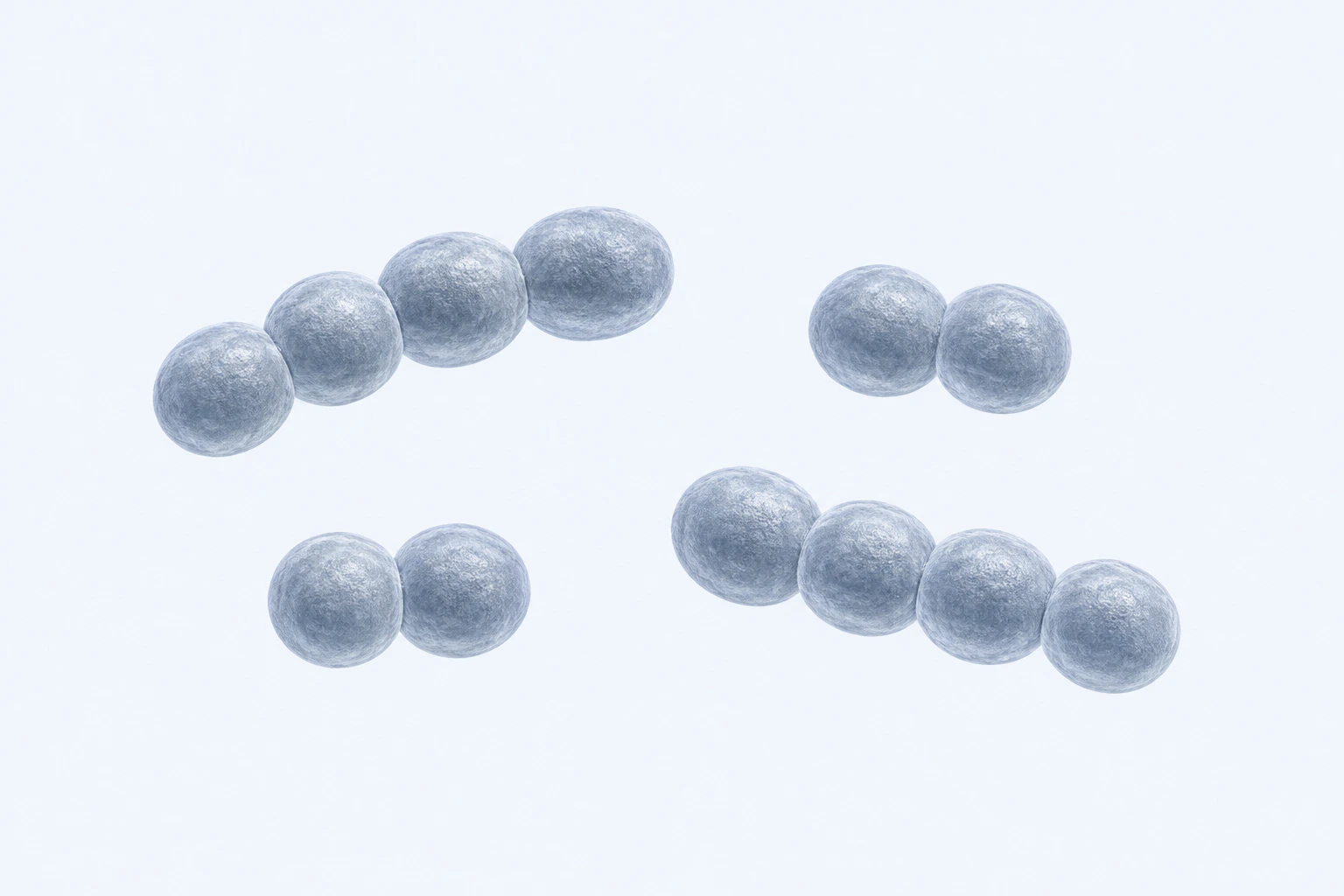
Eleven selected Enterococcus spherical-to-ovoid bodies appear in seven groupings: four singles, two touching pairs, and one short three-cell chain.
Microorganisms3 sources

Enterococcus

A genus of Gram-positive bacteria (primarily E. faecalis and E. faecium) that exemplifies the metal-antibiotic resistance co-selection crisis. Enterococci carry diverse metal tolerance genes for mercury, arsenic, copper, and cadmium on the same mobile genetic elements a

F
G
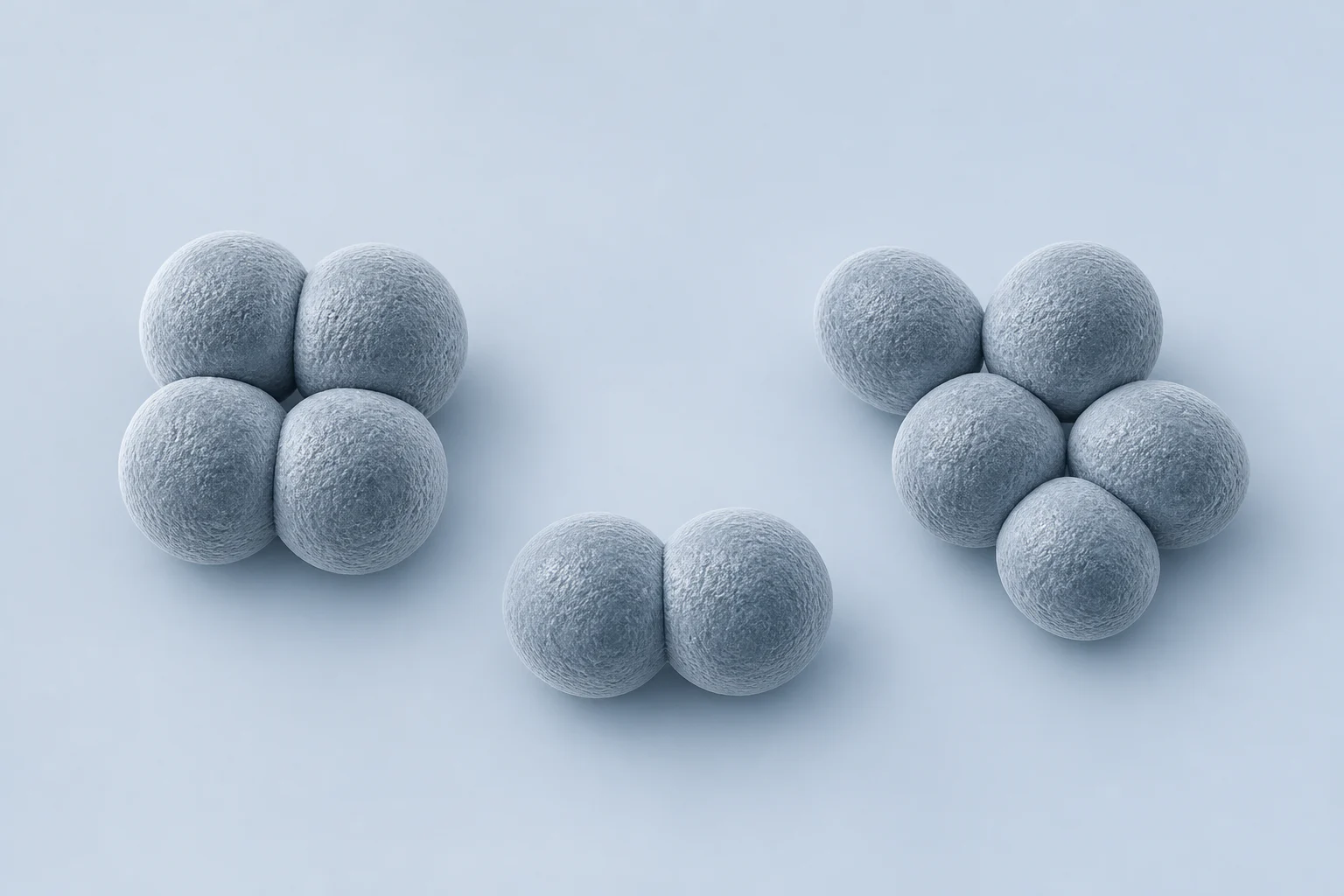
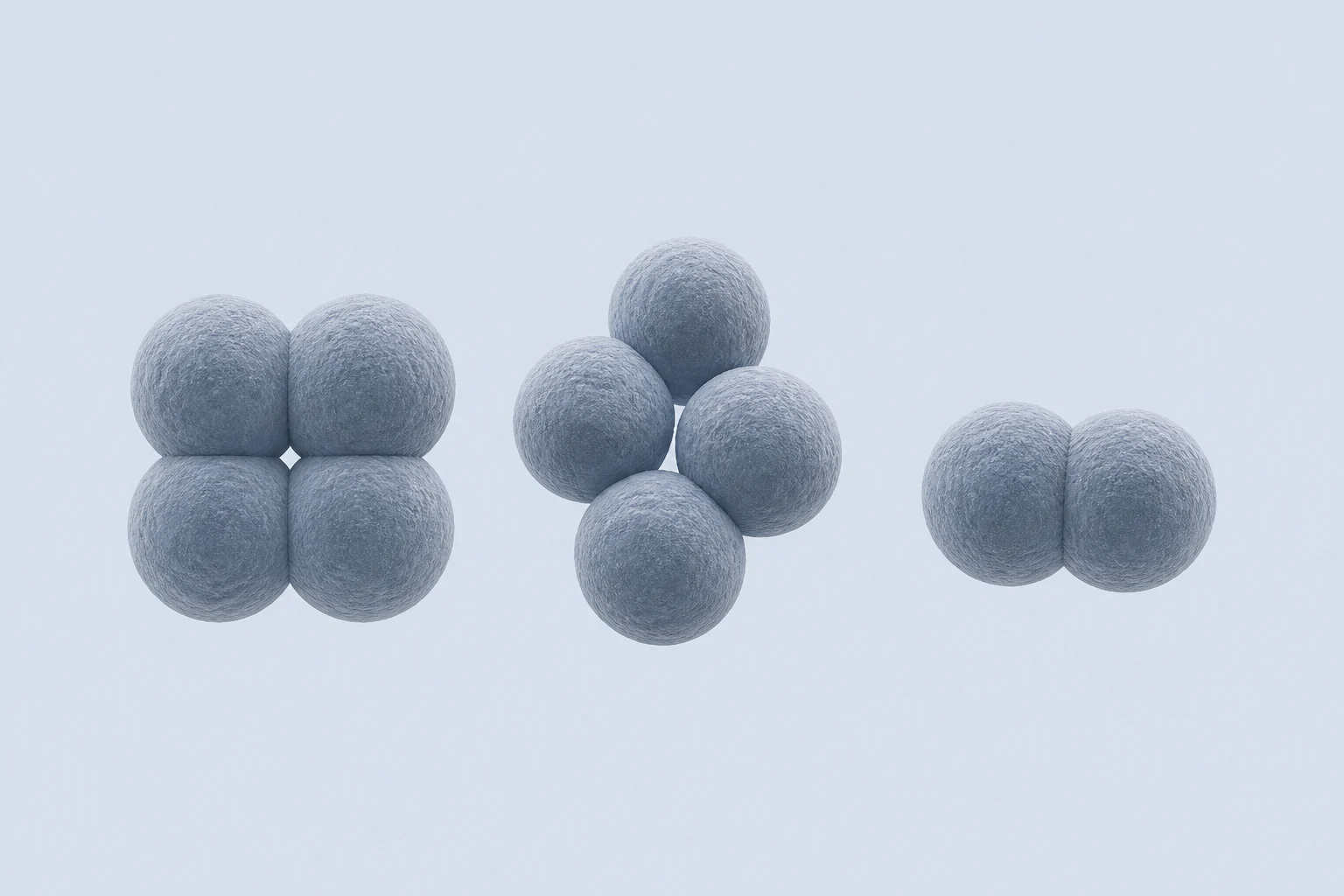
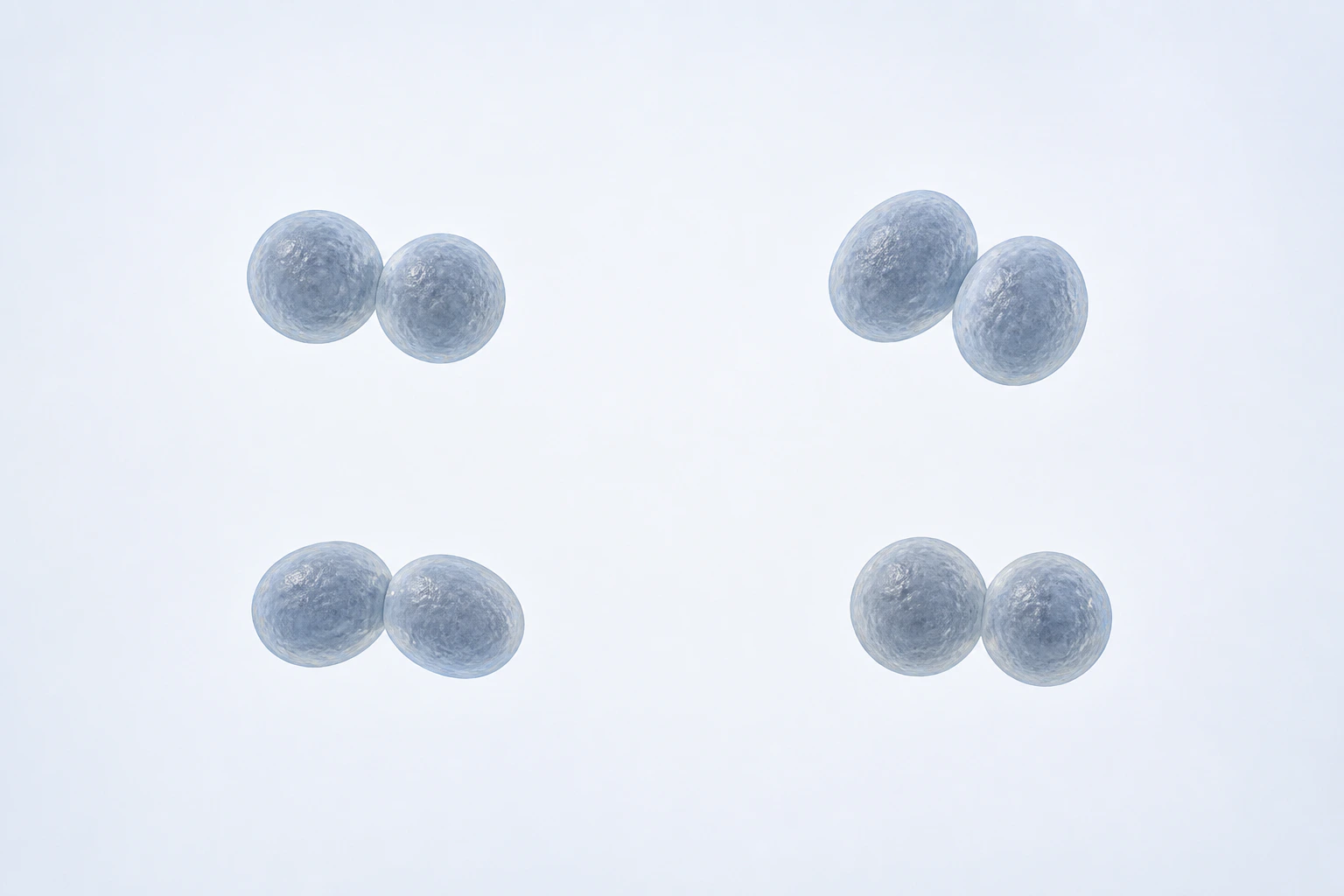
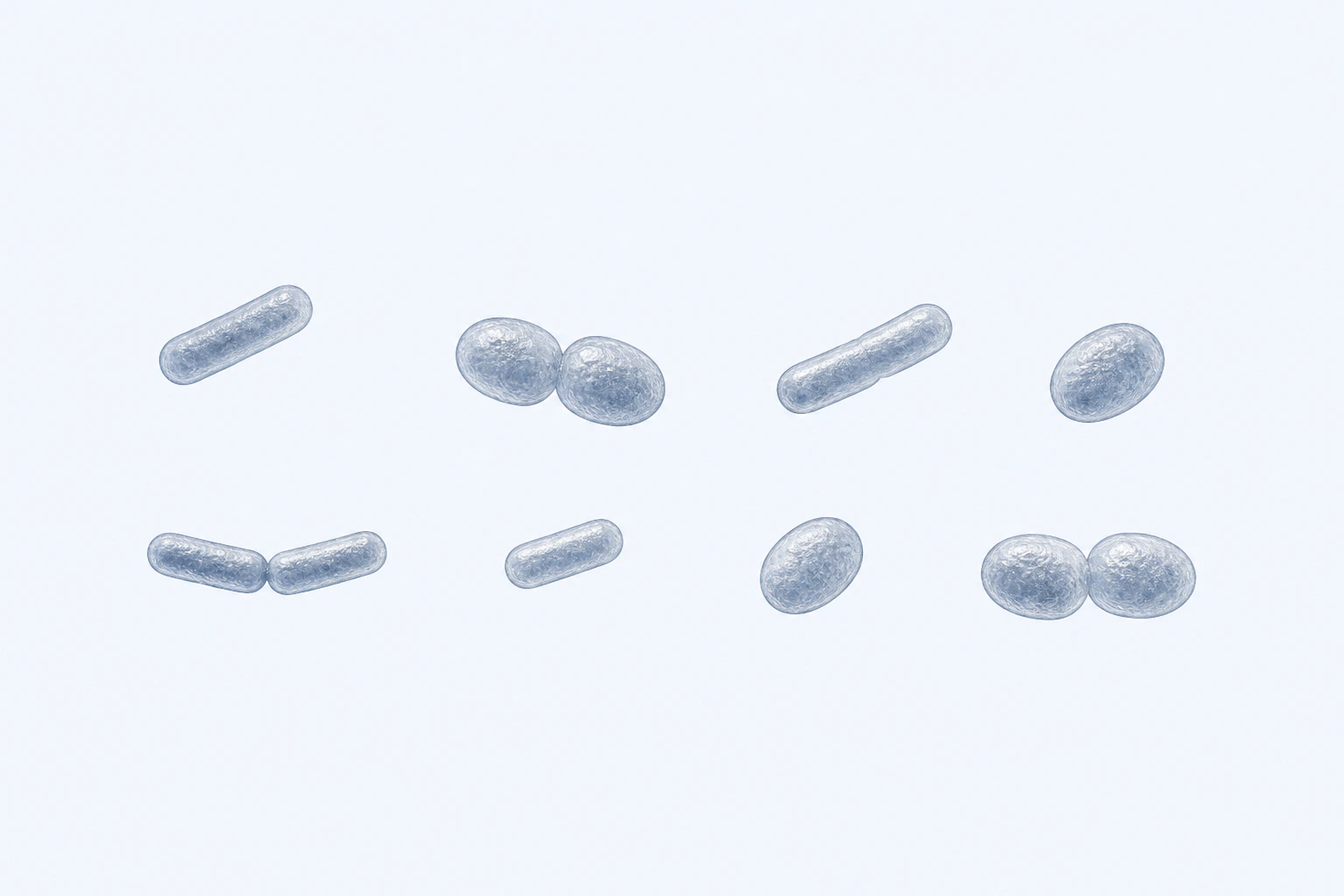
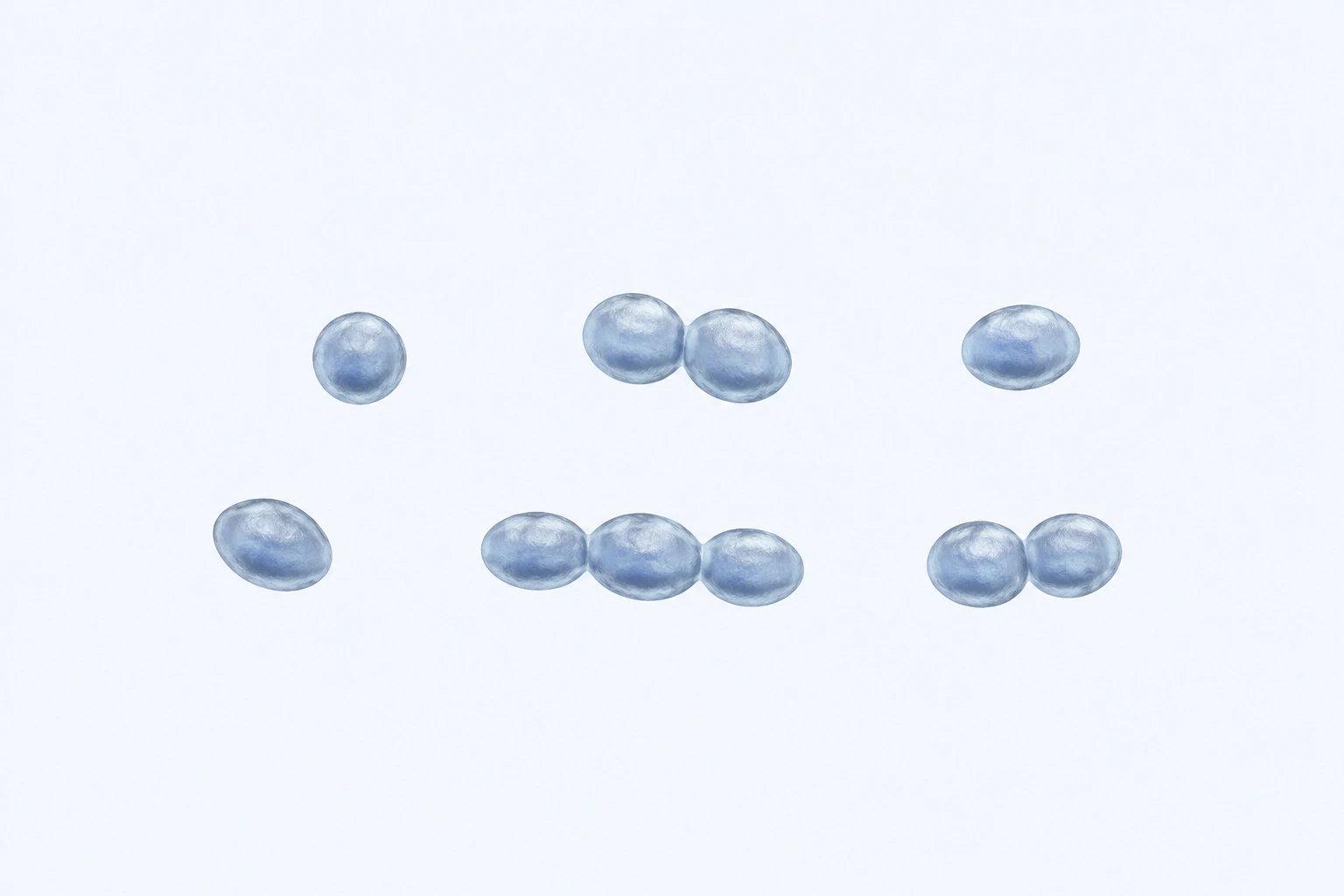
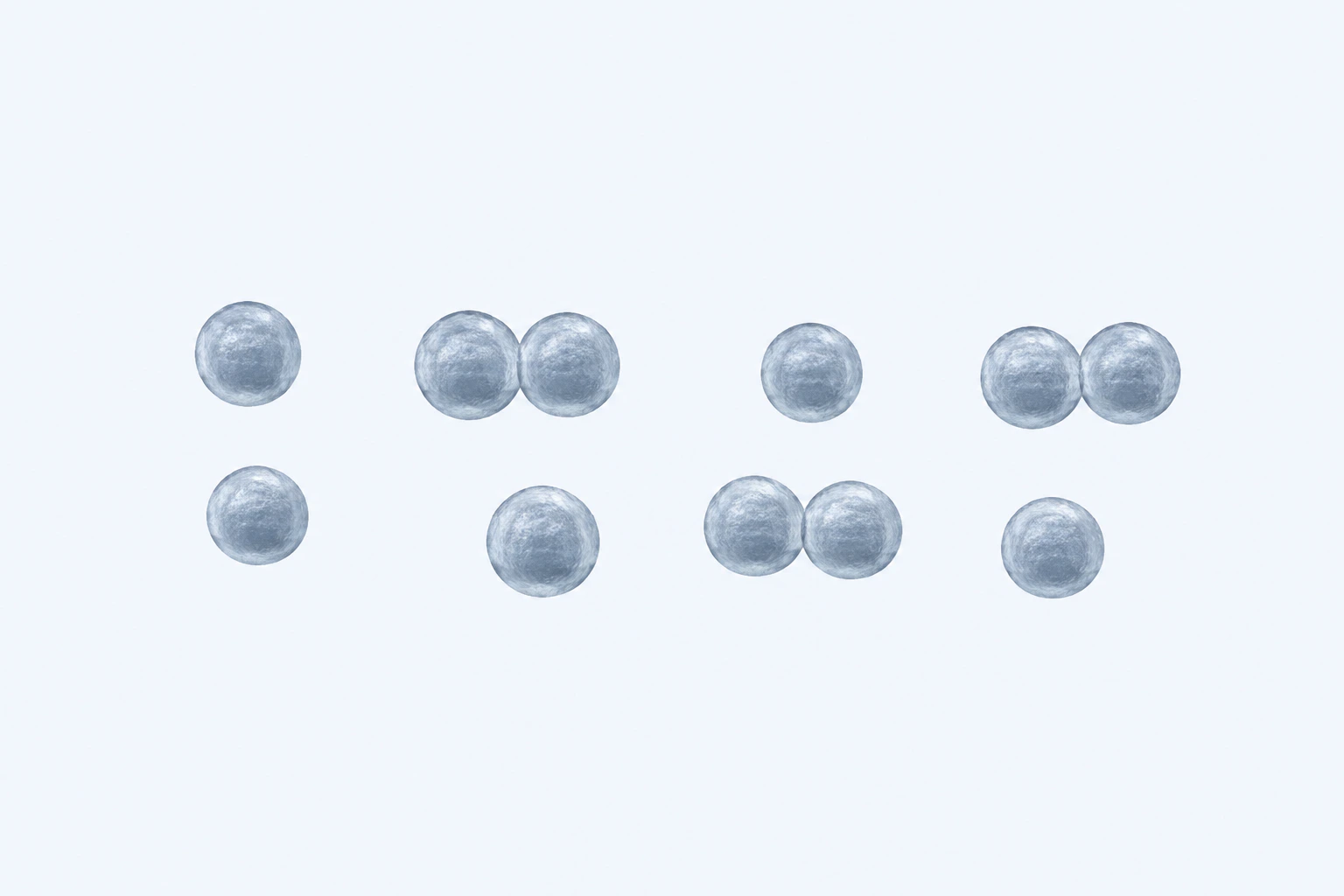
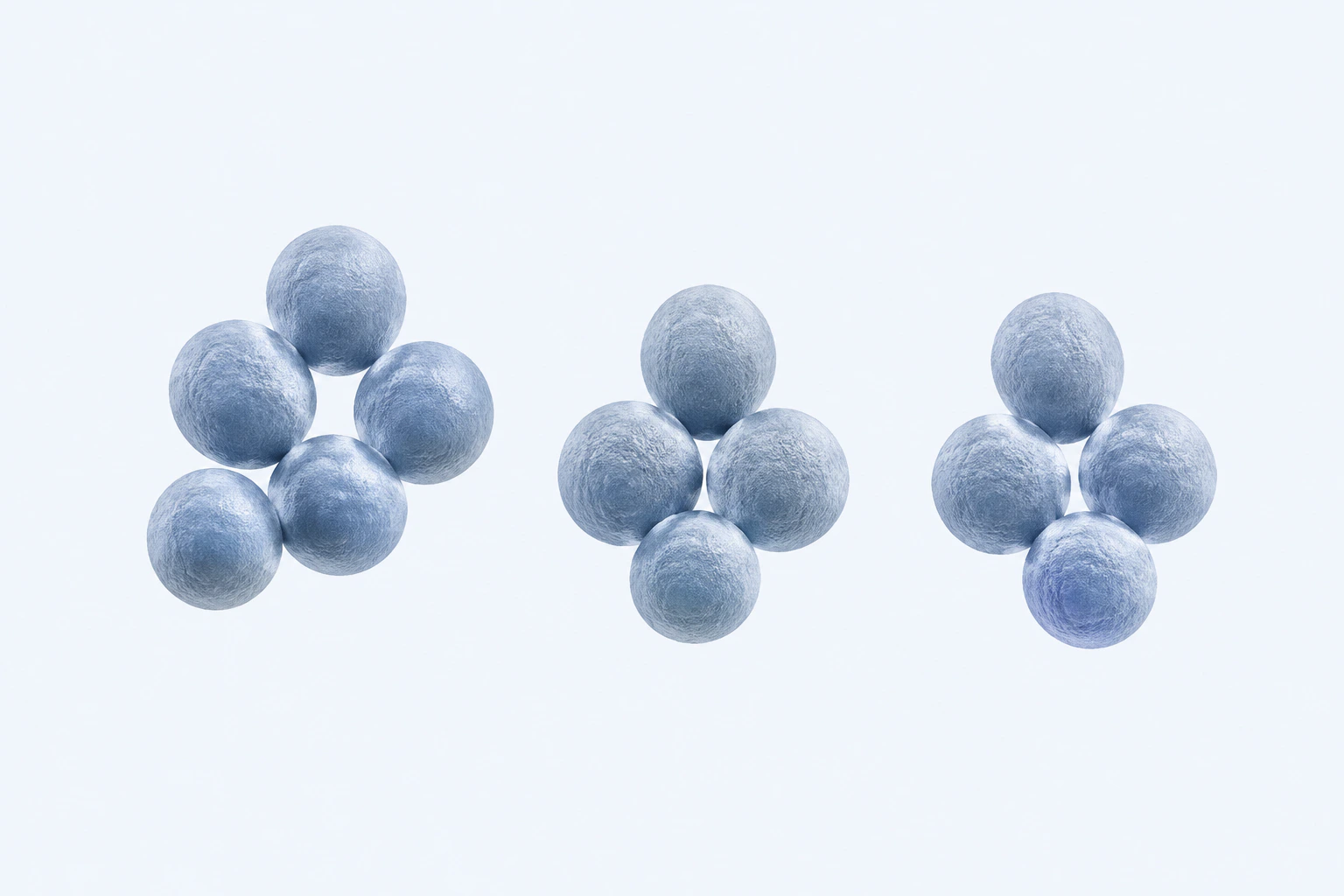
Eleven selected Gemella coccoid bodies appear in six groupings: three singles, two touching pairs, and one compact tetrad.
Microorganisms7 sources

Gemella

Gemella is a genus of Gram-positive, facultatively anaerobic cocci that are normal commensals of the oral cavity. Species include G. morbillorum, G. haemolysans, and G. sanguinis. In the WikiBiome context, Gemella is notable for its oral-gut translocation pattern — an o

H
I
L
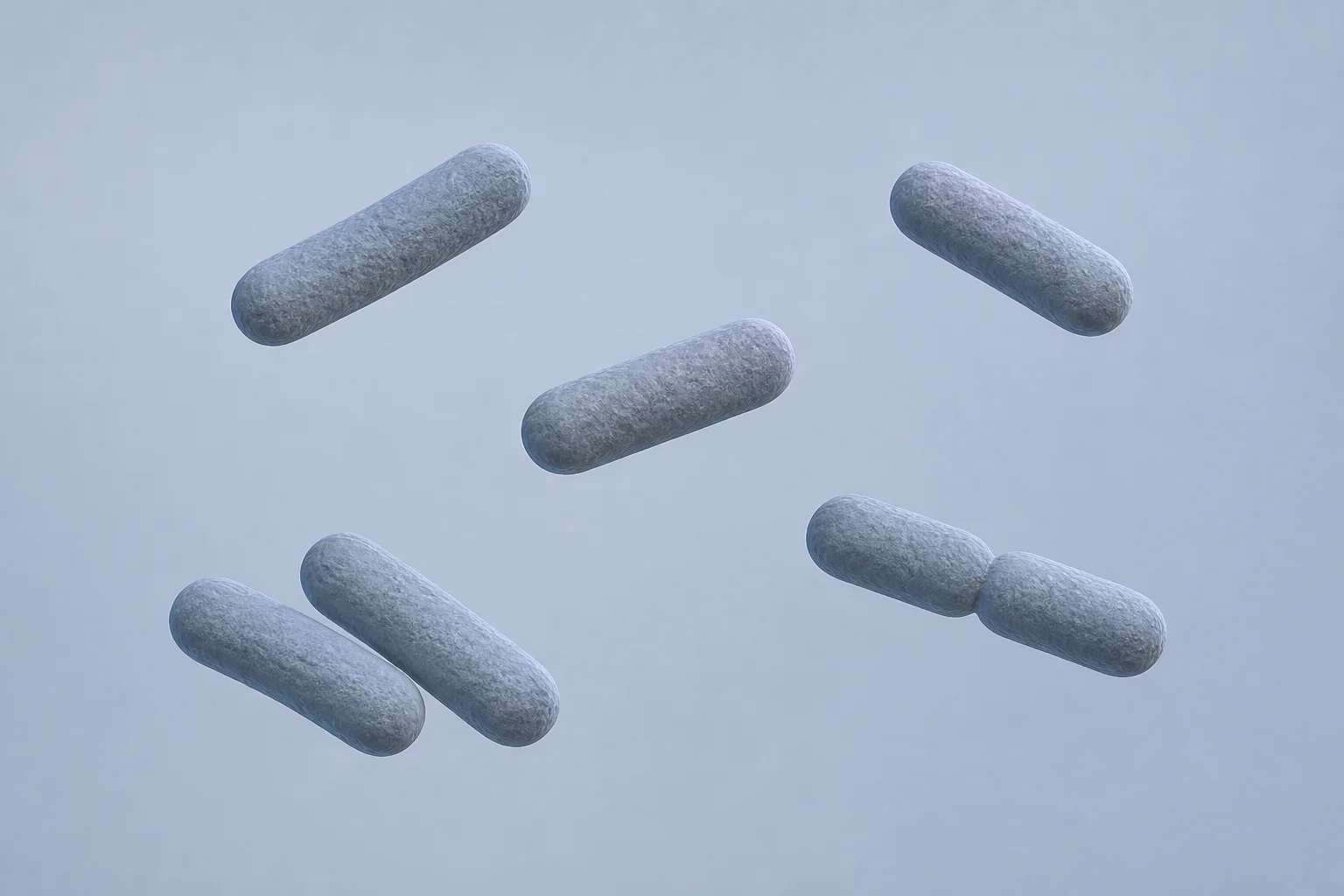
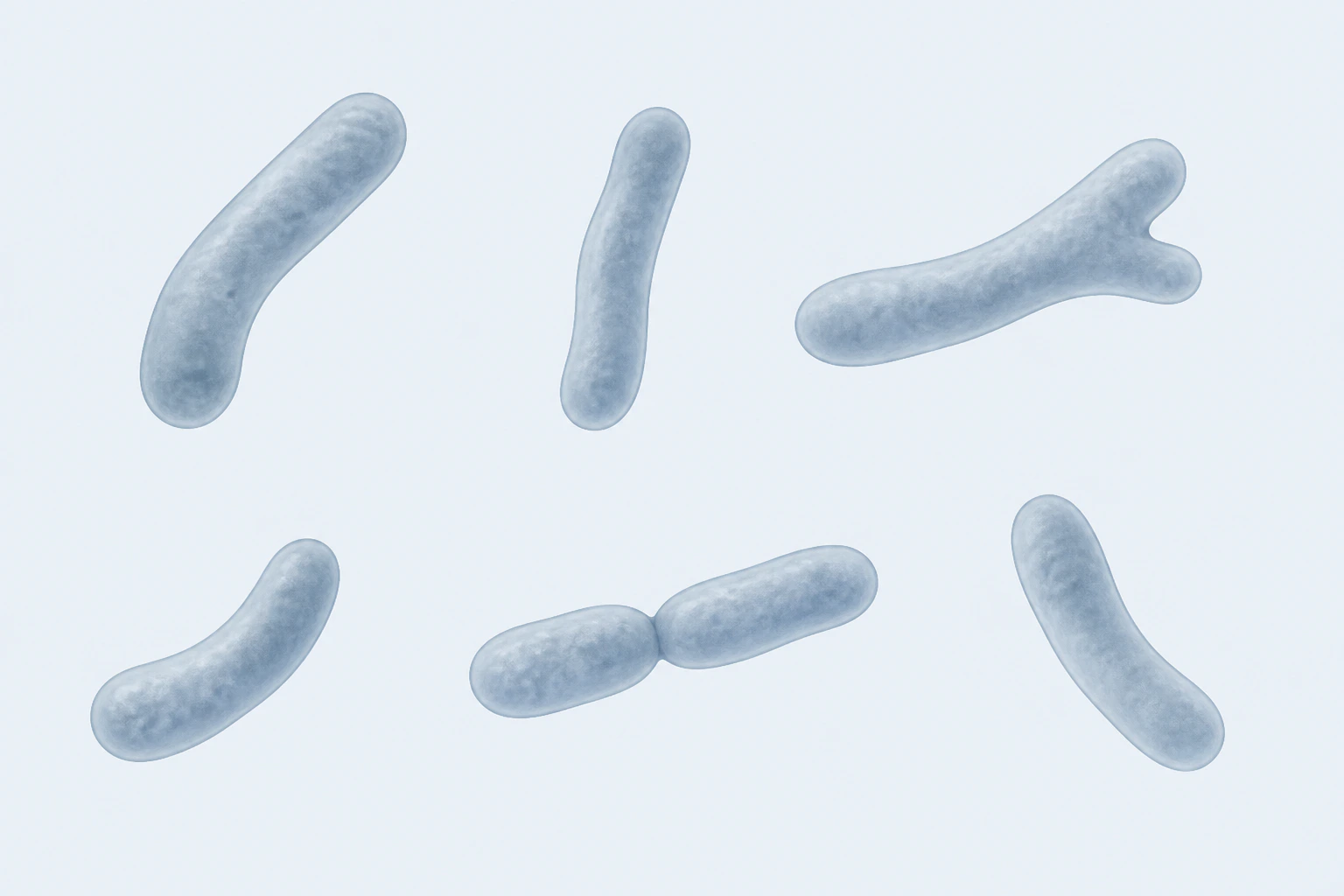
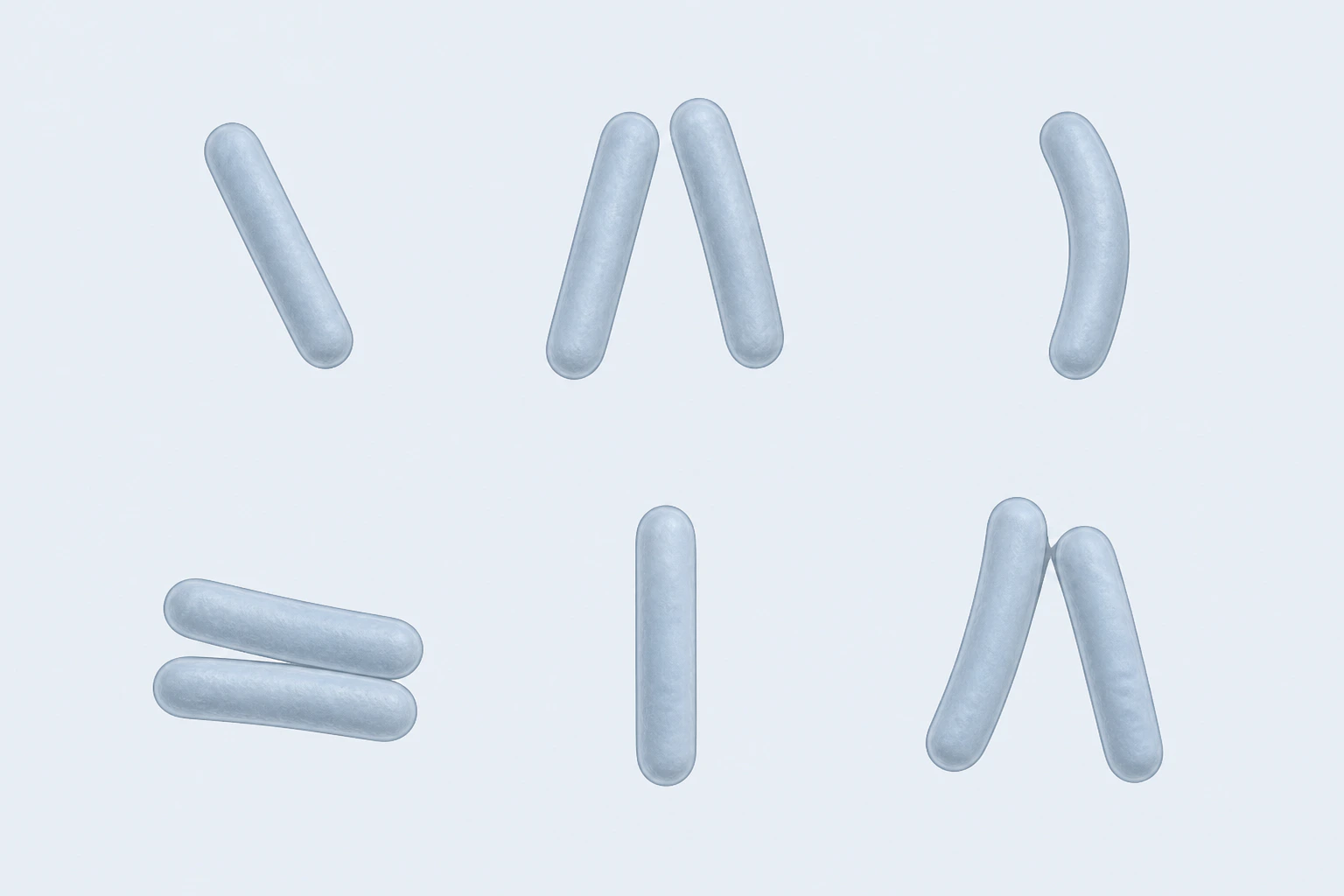
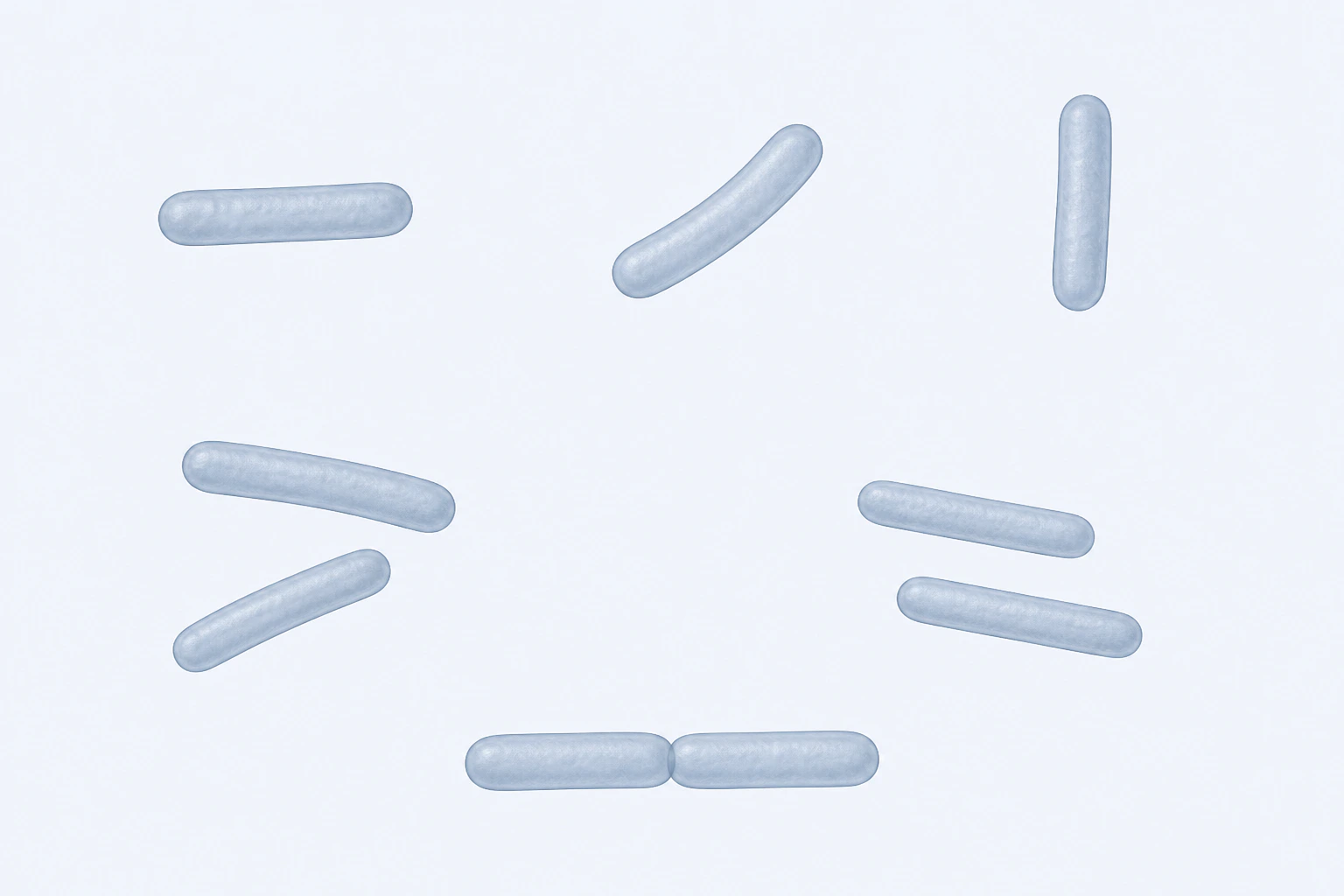
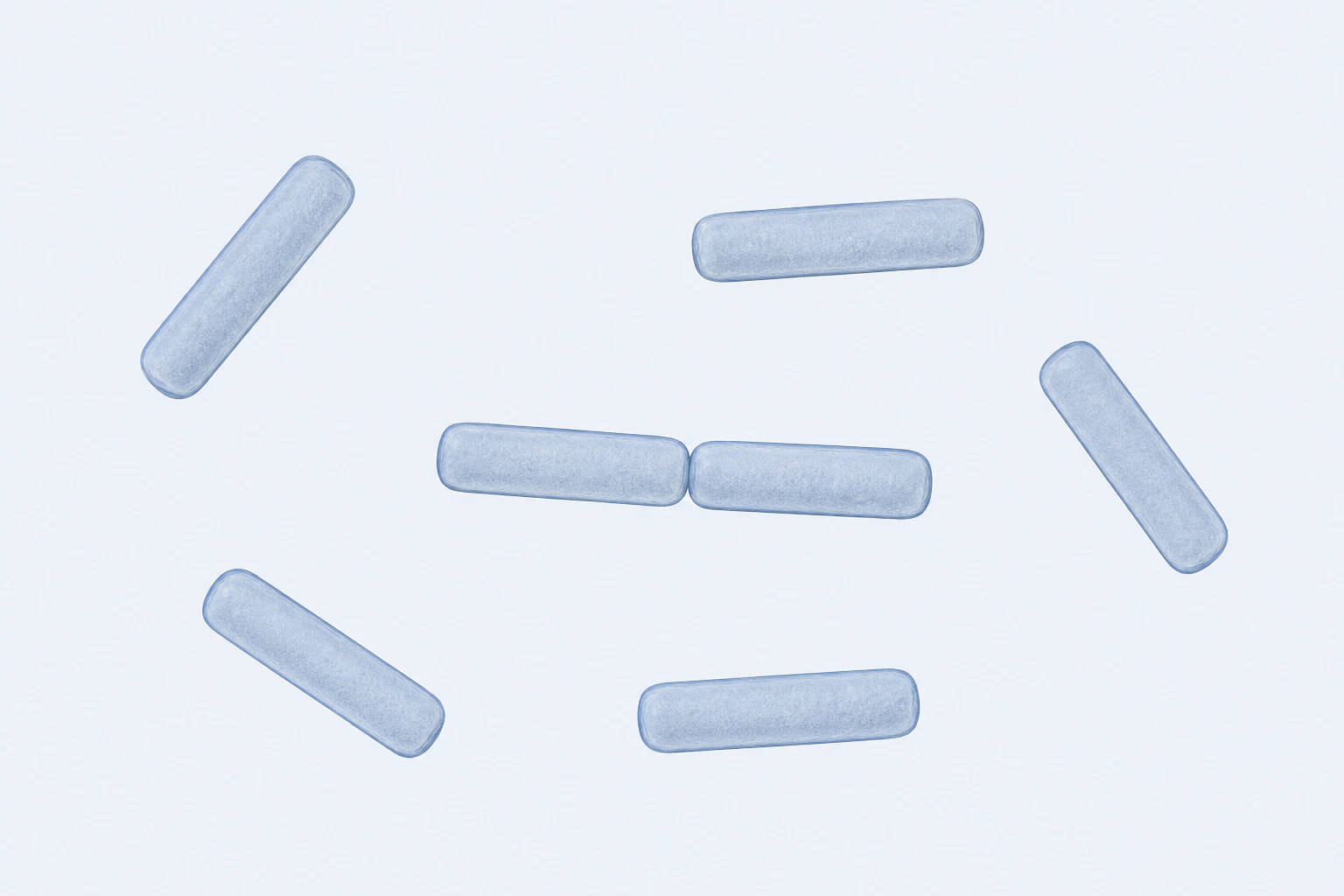
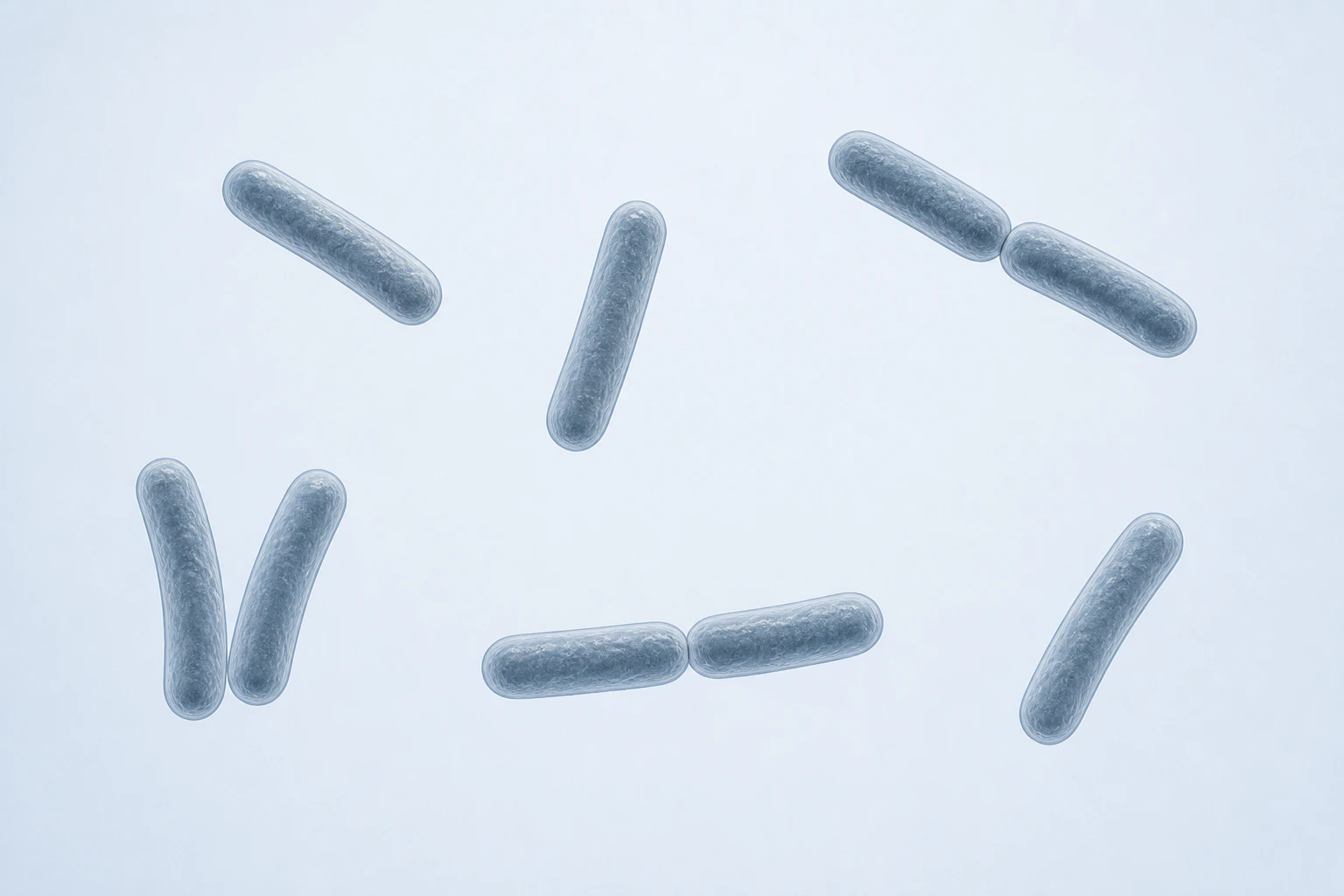
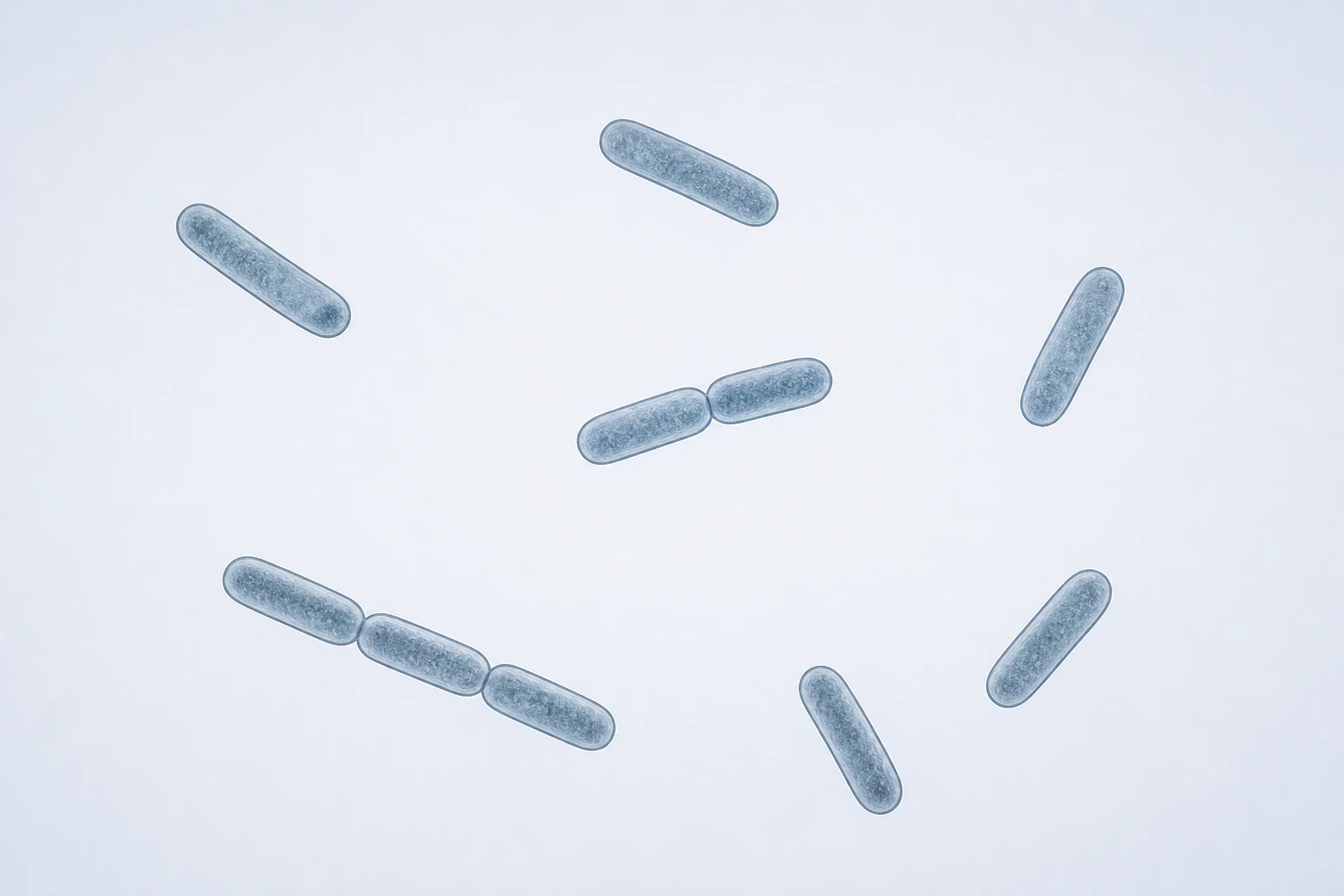
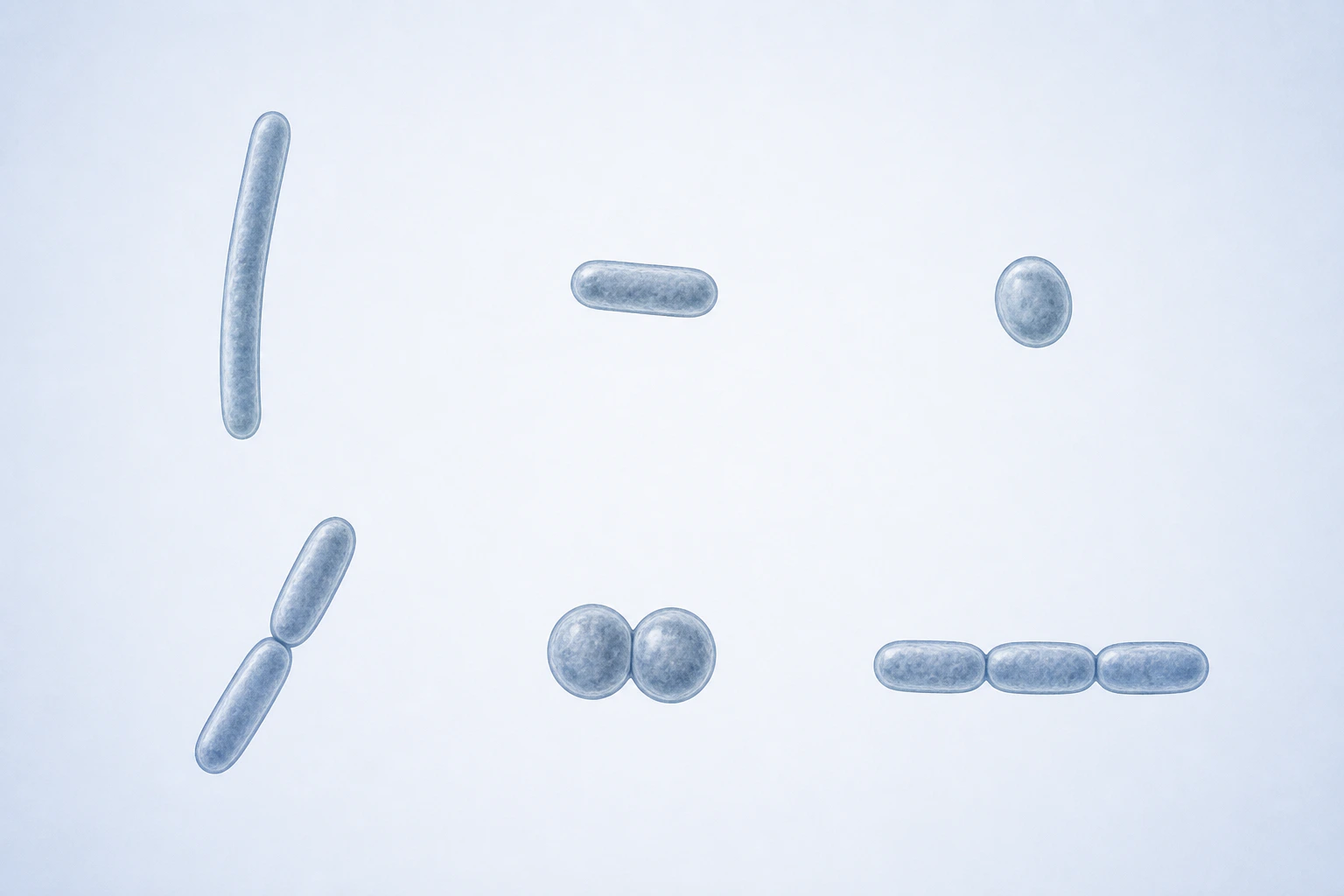
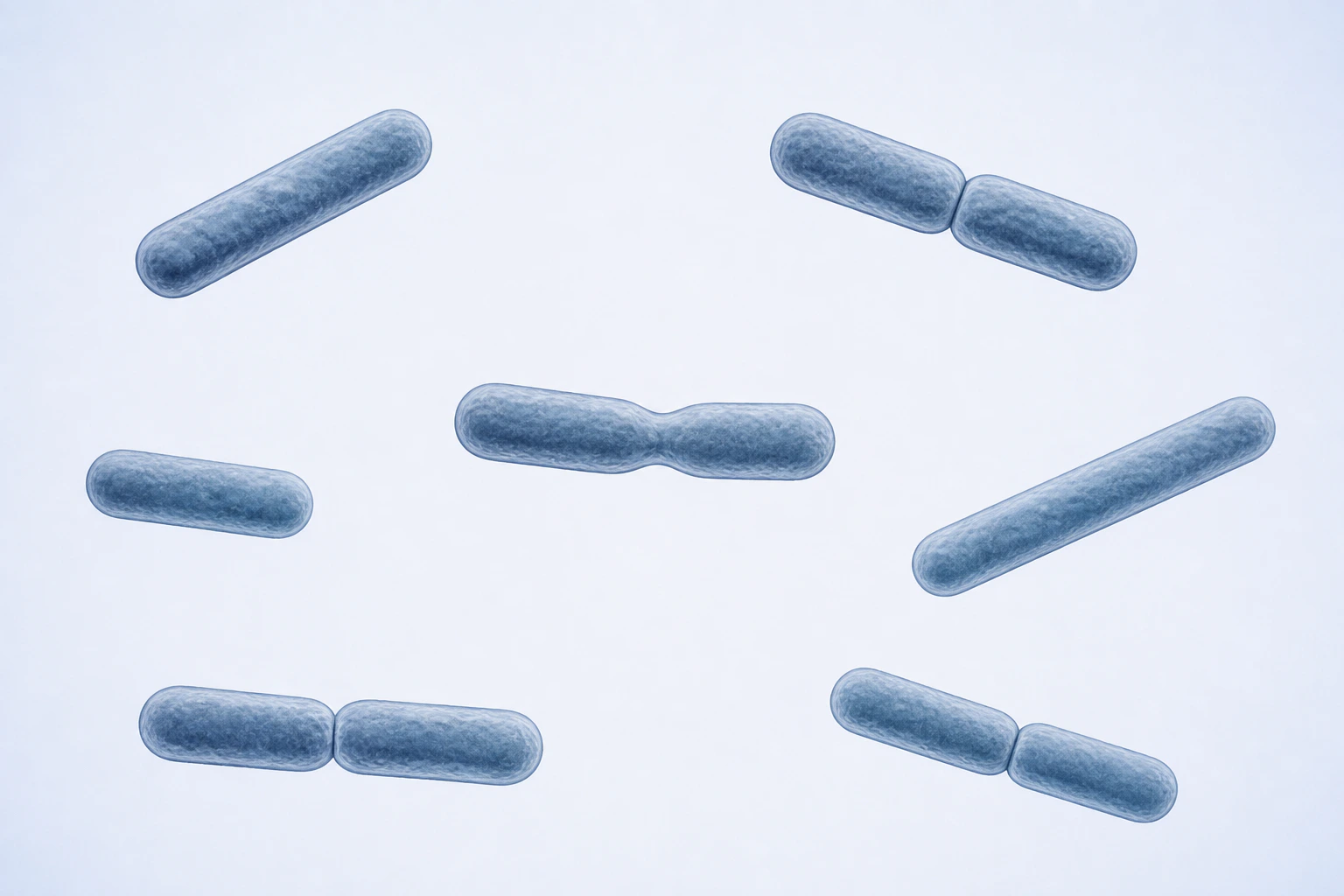
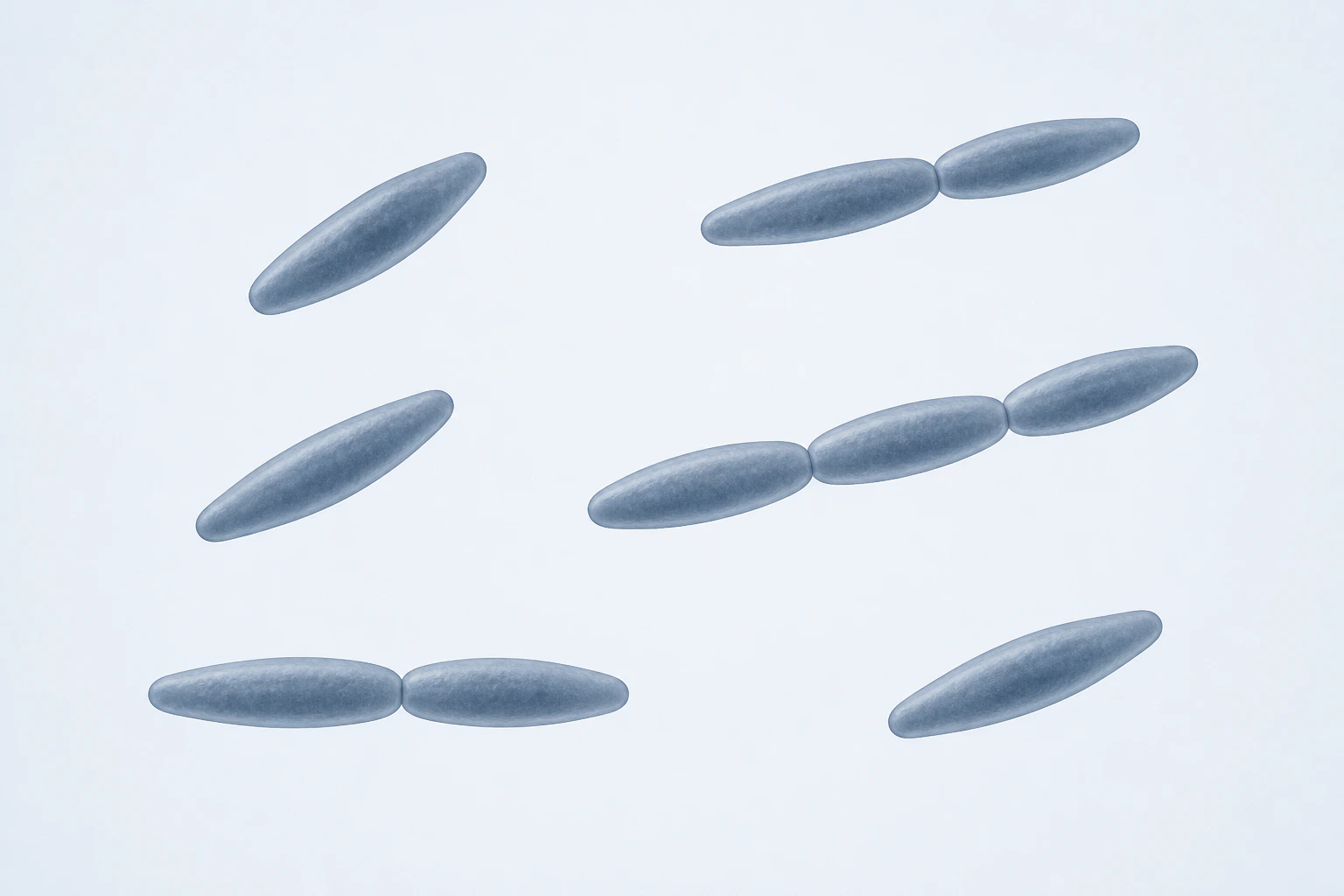
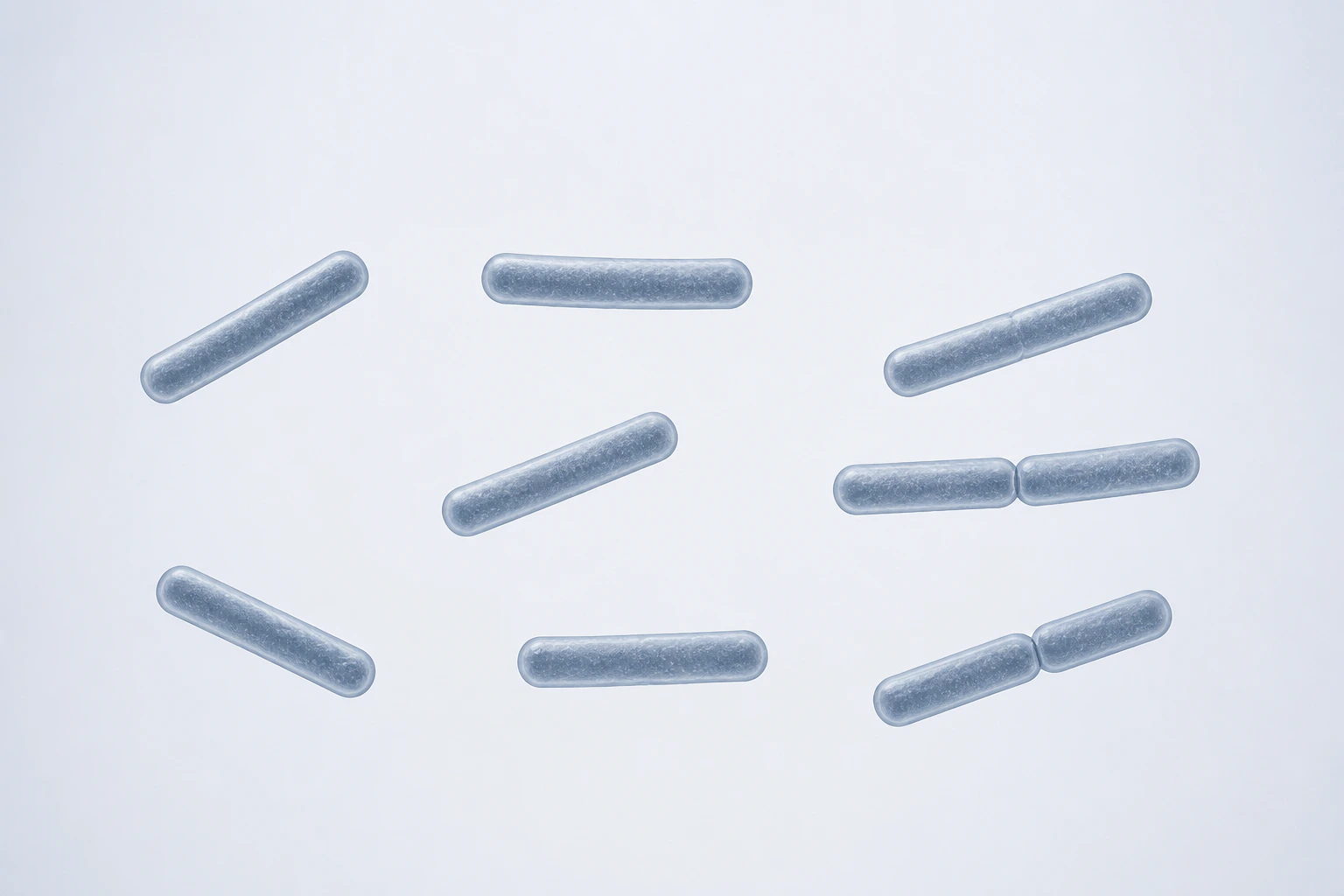
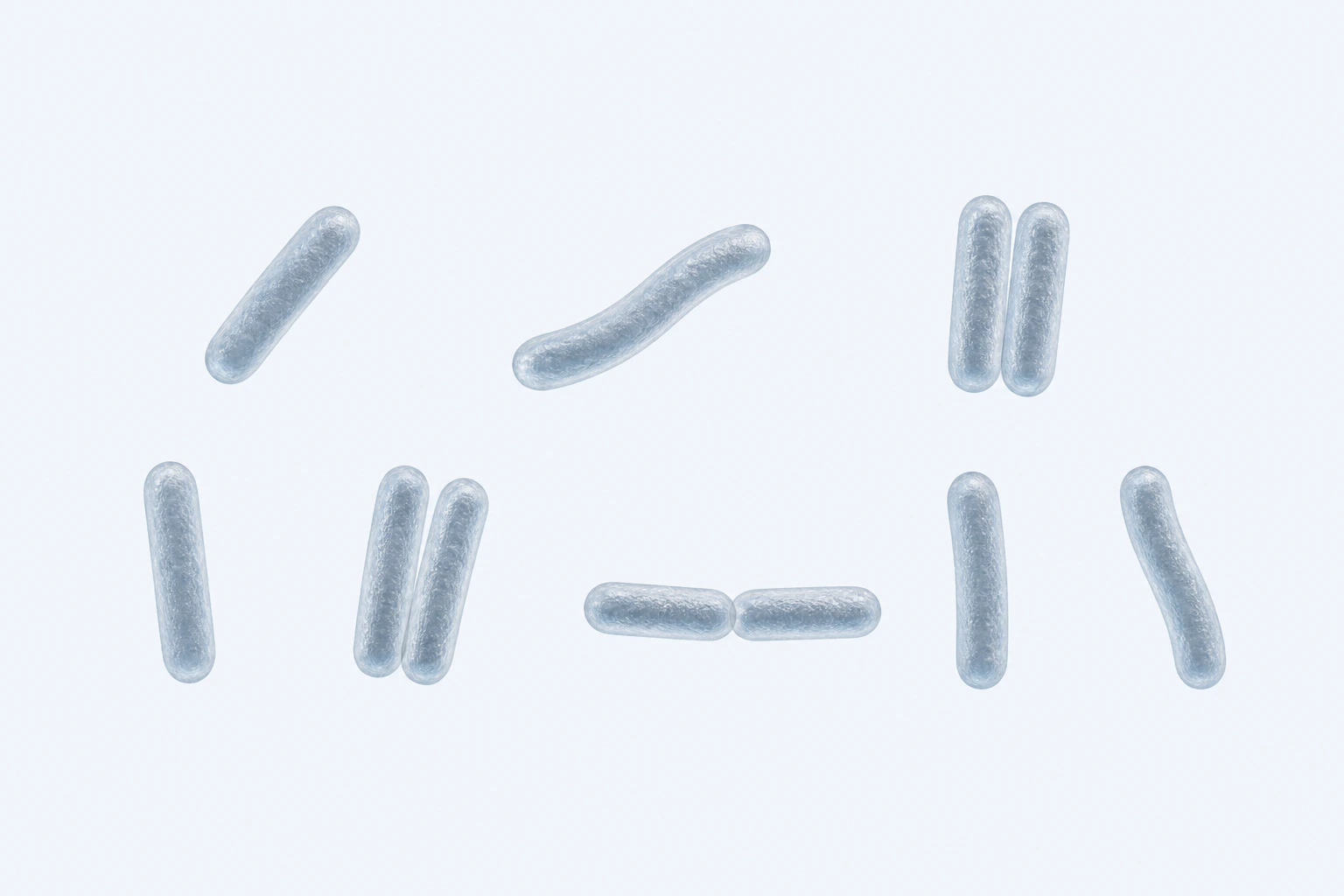
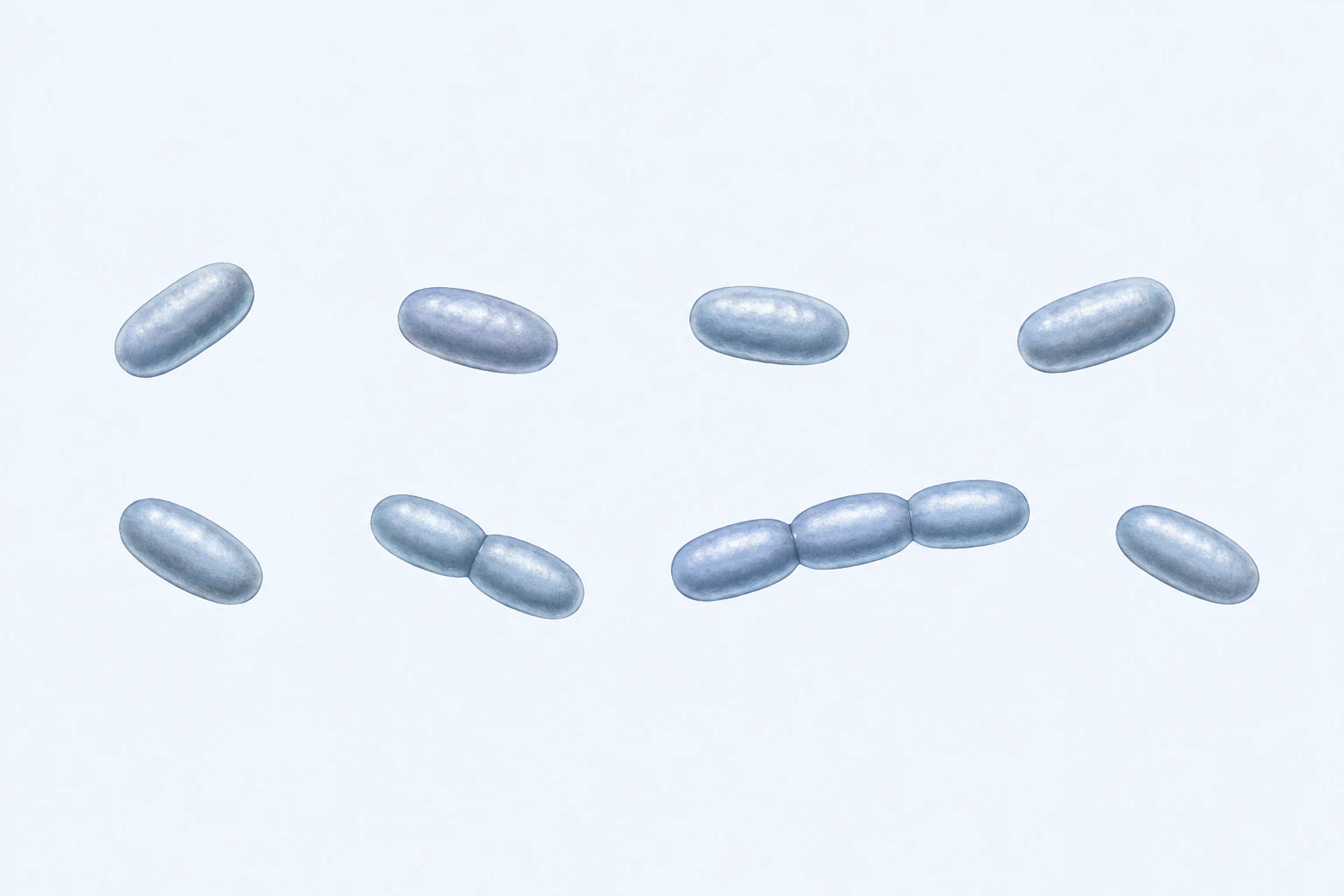
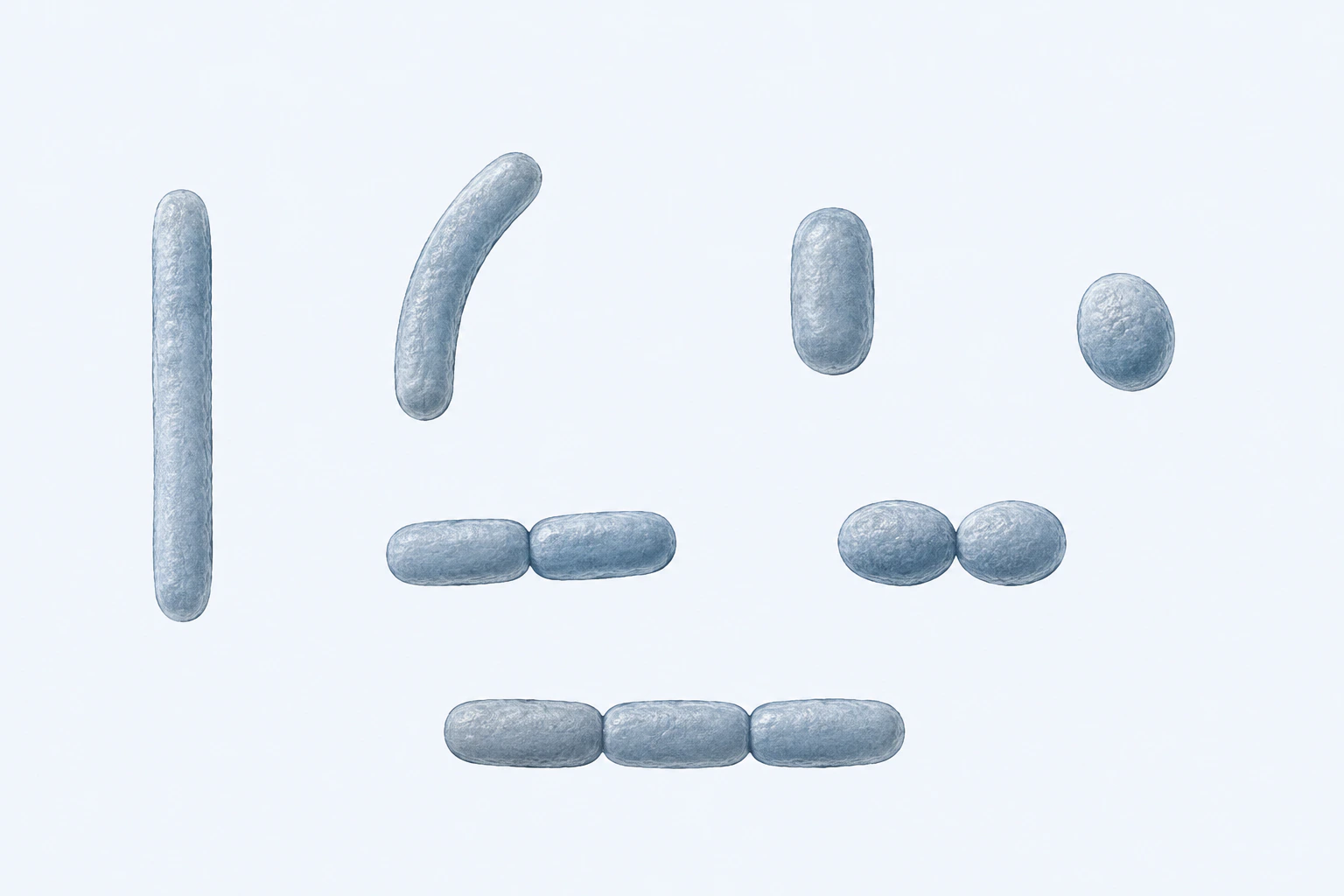
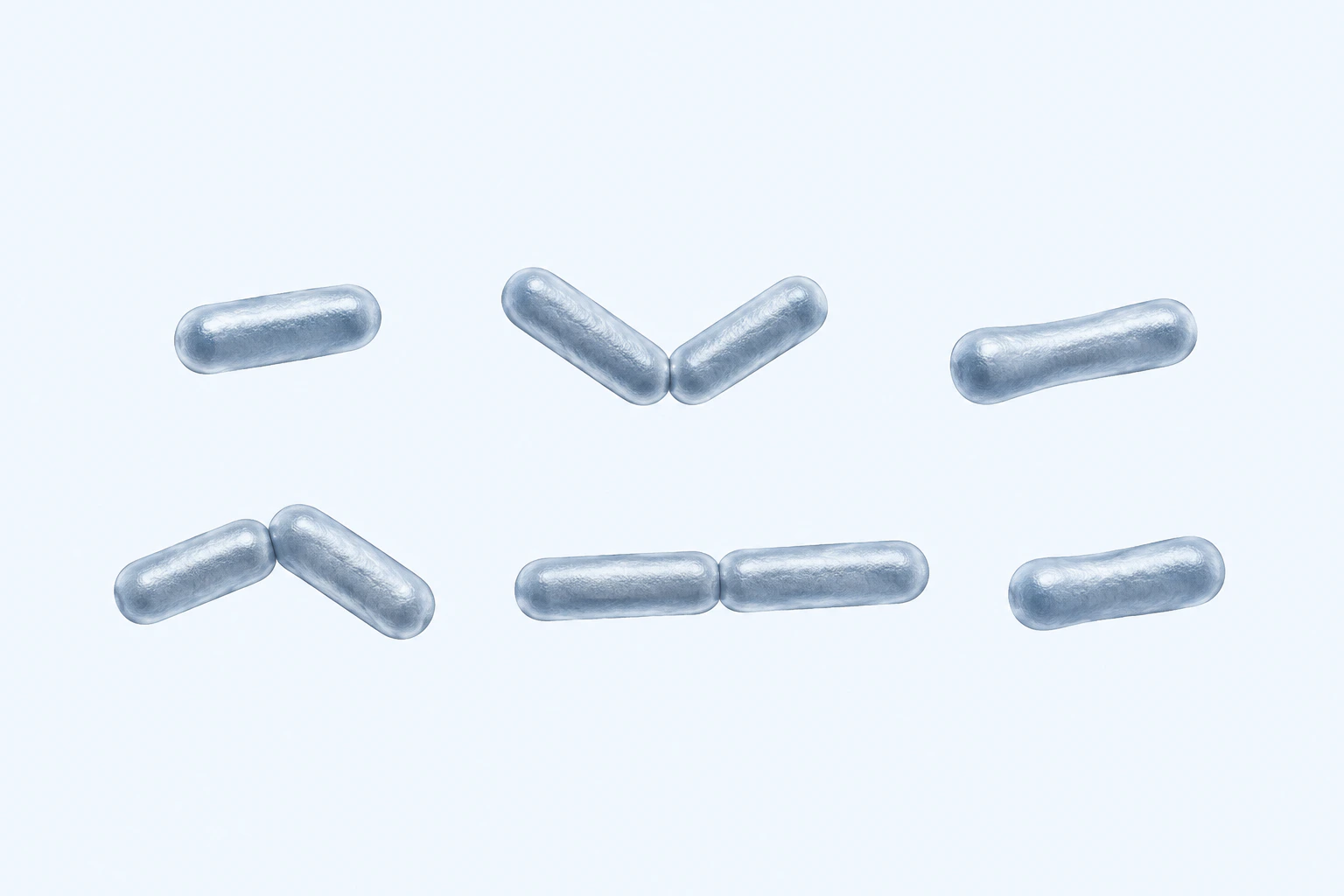
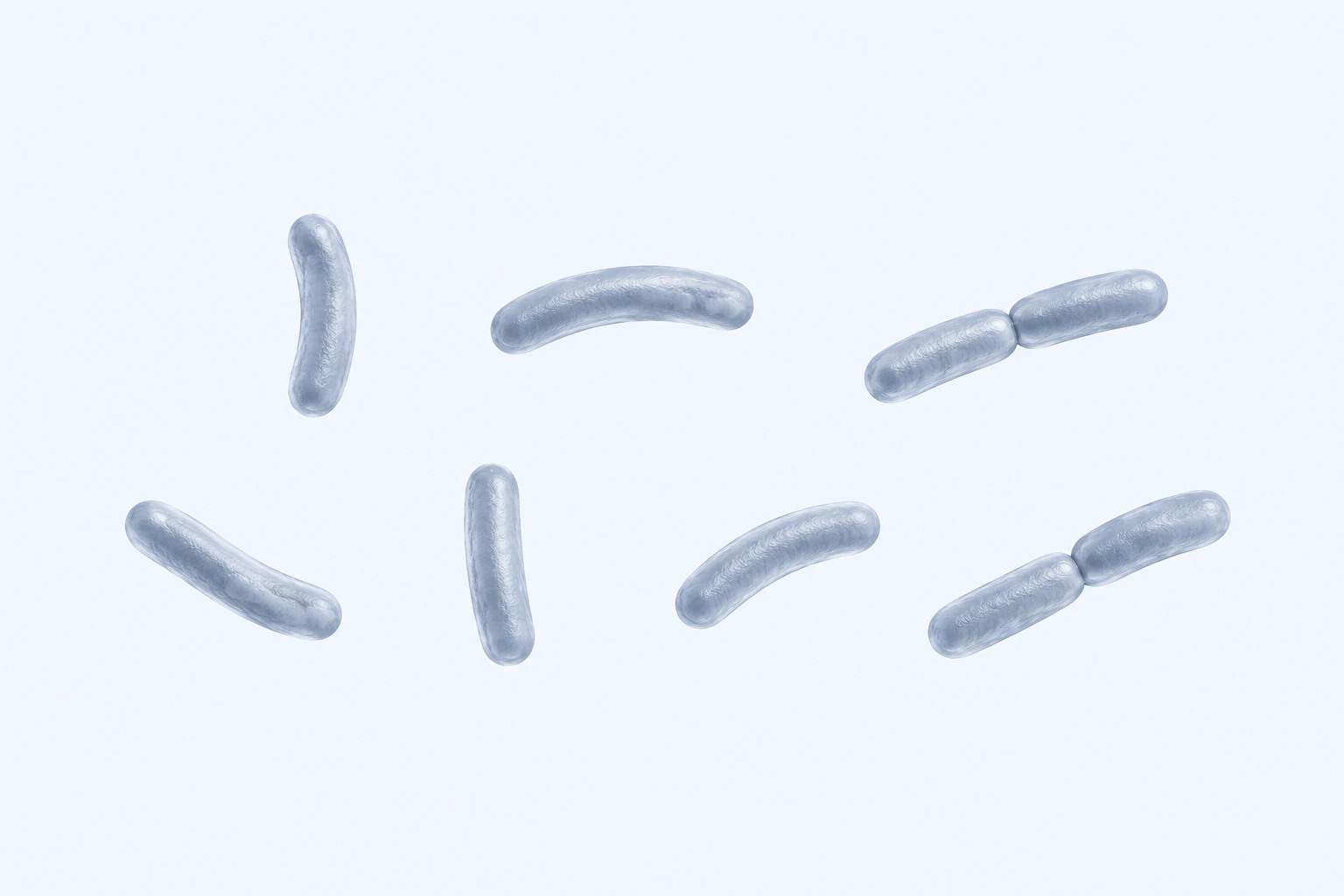
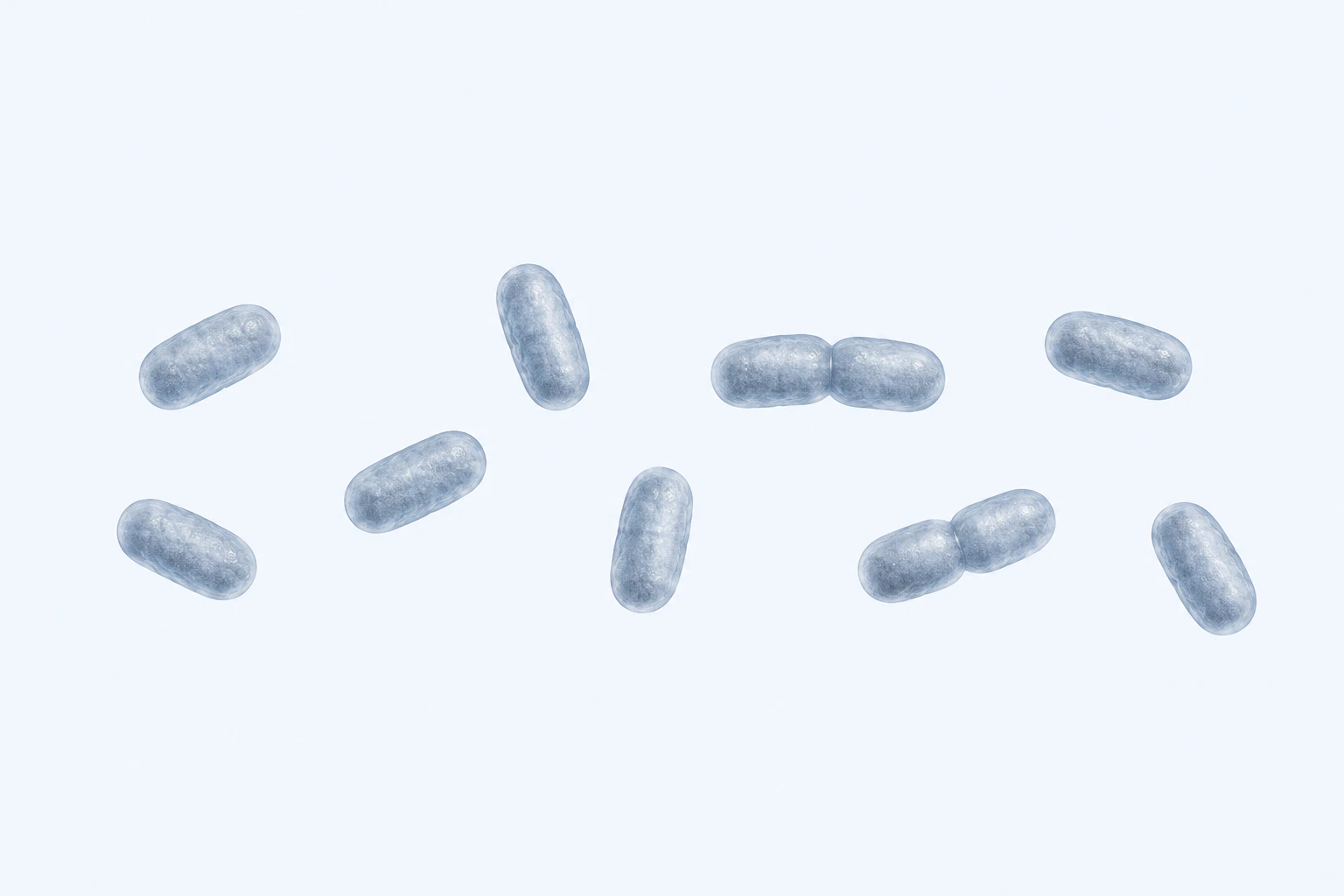
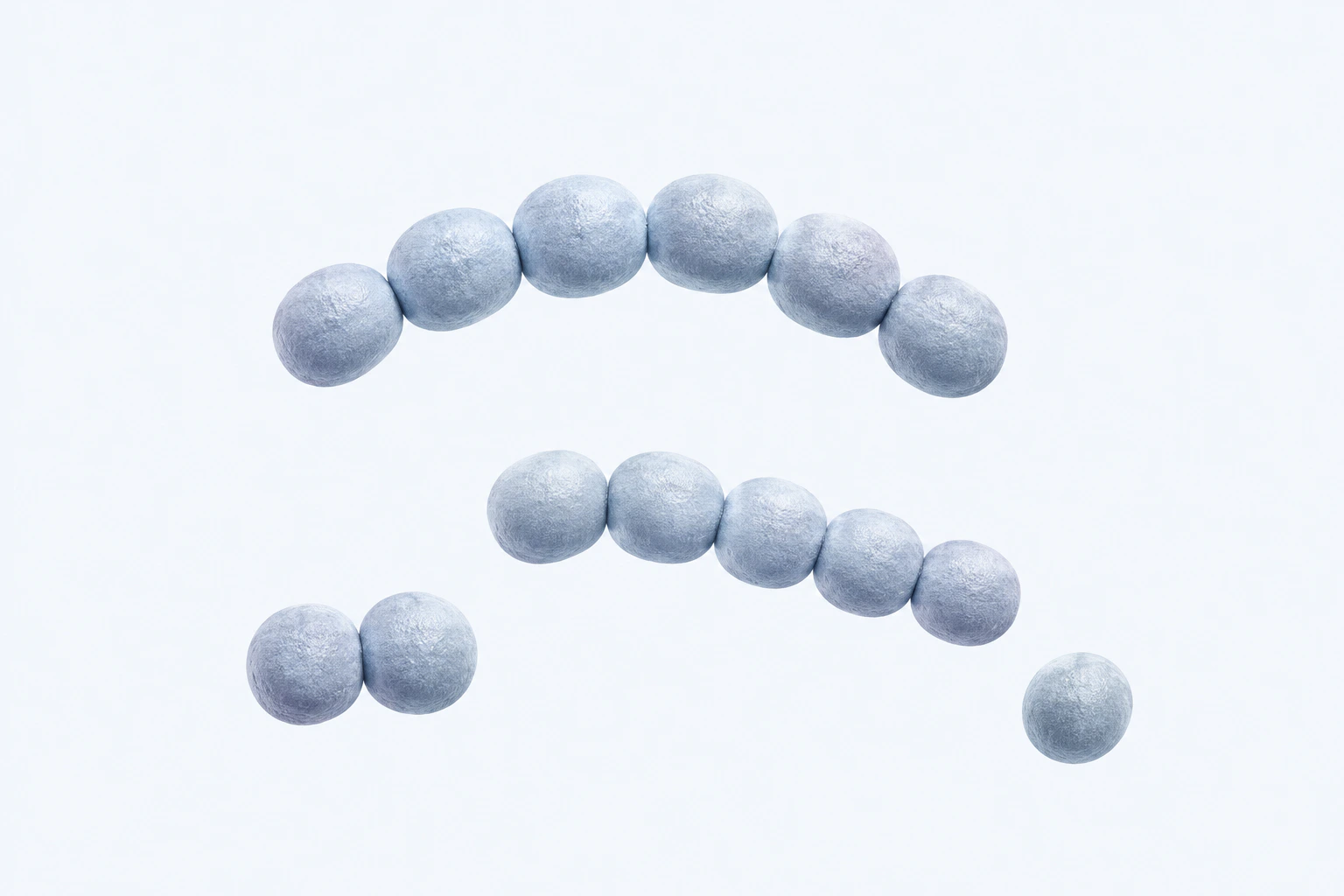
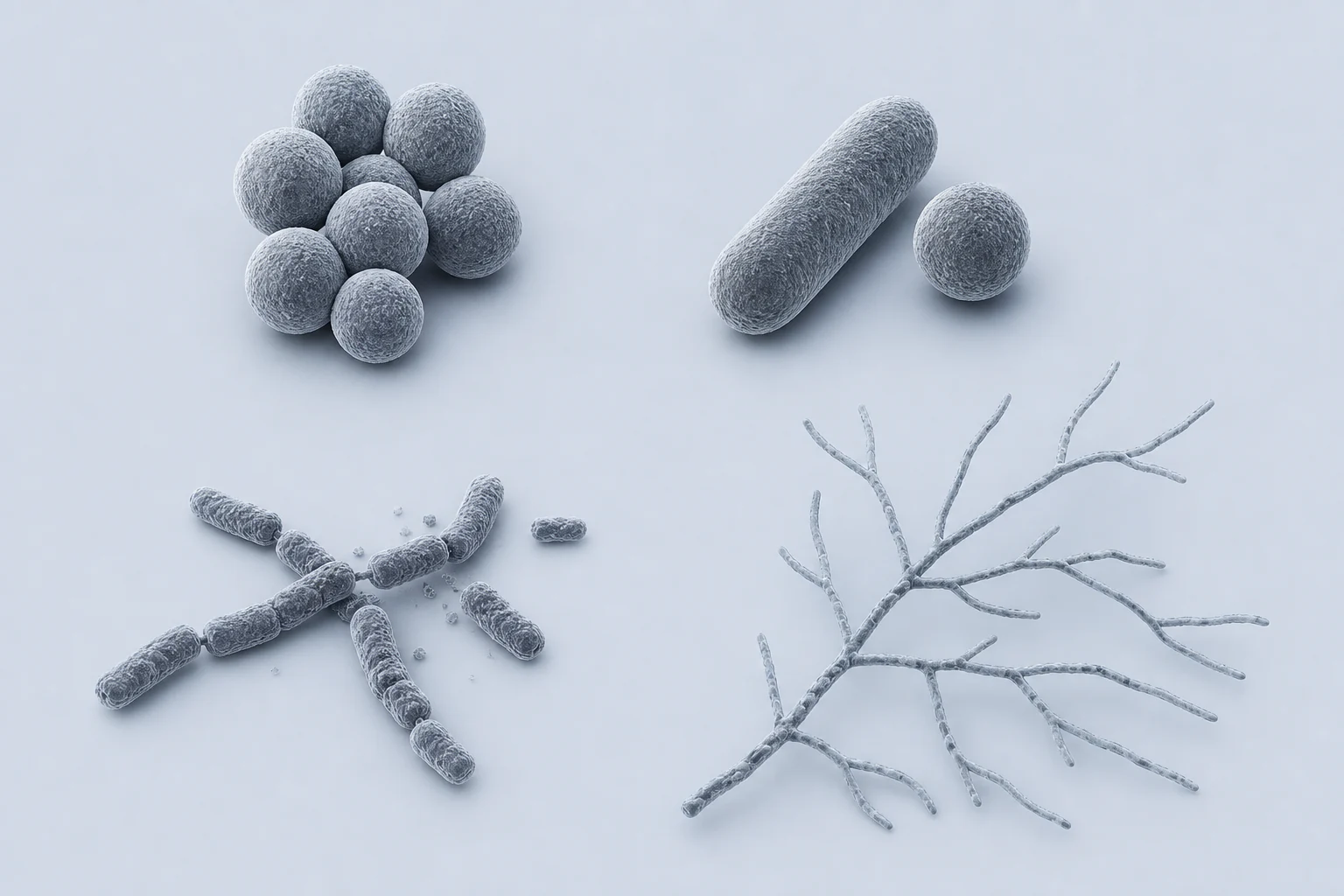
Eleven selected Lachnobacterium slender rods appear in eight groupings: five singles and three touching end-to-end pairs.
Microorganisms8 sources

Lachnobacterium

Lachnobacterium is a genus of Gram-positive, obligate anaerobic bacteria within the family Lachnospiraceae (phylum Firmicutes). It is a commensal member of the healthy human gut microbiota, though relatively understudied compared to other Lachnospiraceae genera. Lachnob

M
O
P
R
S
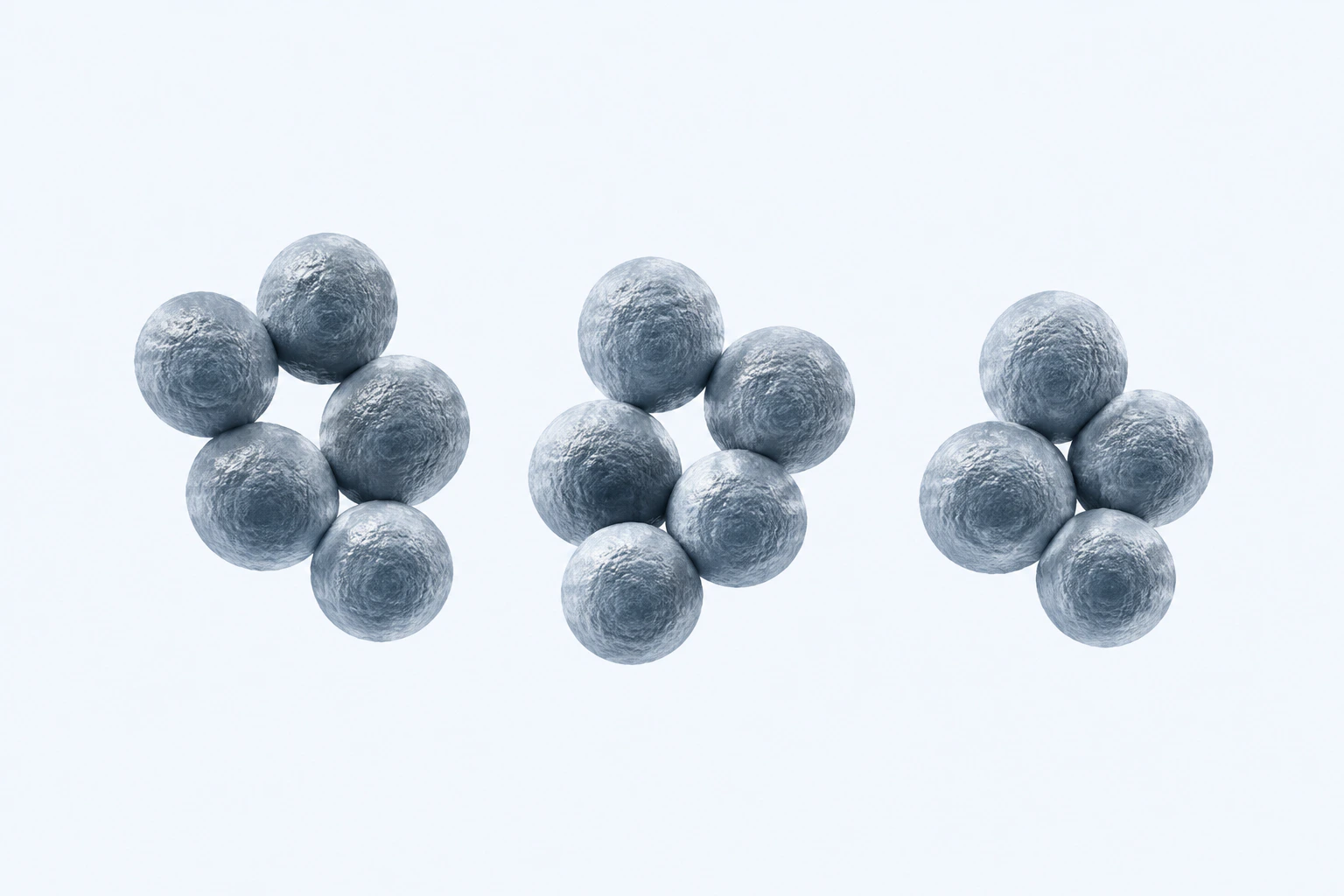
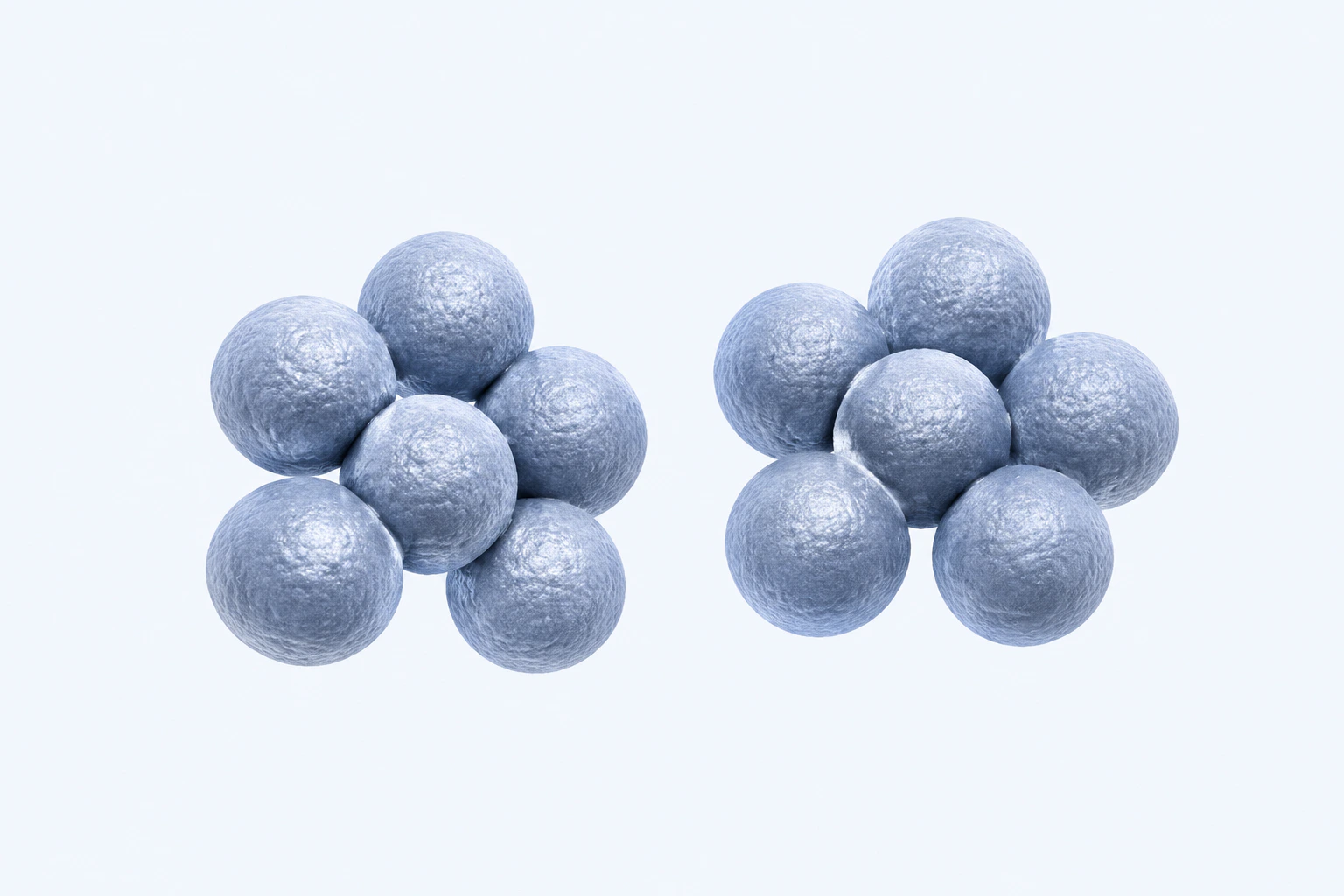
Twelve selected Staphylococcus aureus cocci appear in two irregular clusters of six.
Microorganisms6 sources

Staphylococcus aureus

A versatile Gram-positive pathogen with one of the best-characterized nutritional immunity evasion systems known. S. aureus requires nickel, iron, zinc, and manganese for virulence and has evolved dedicated acquisition systems for each, including the novel metallophore

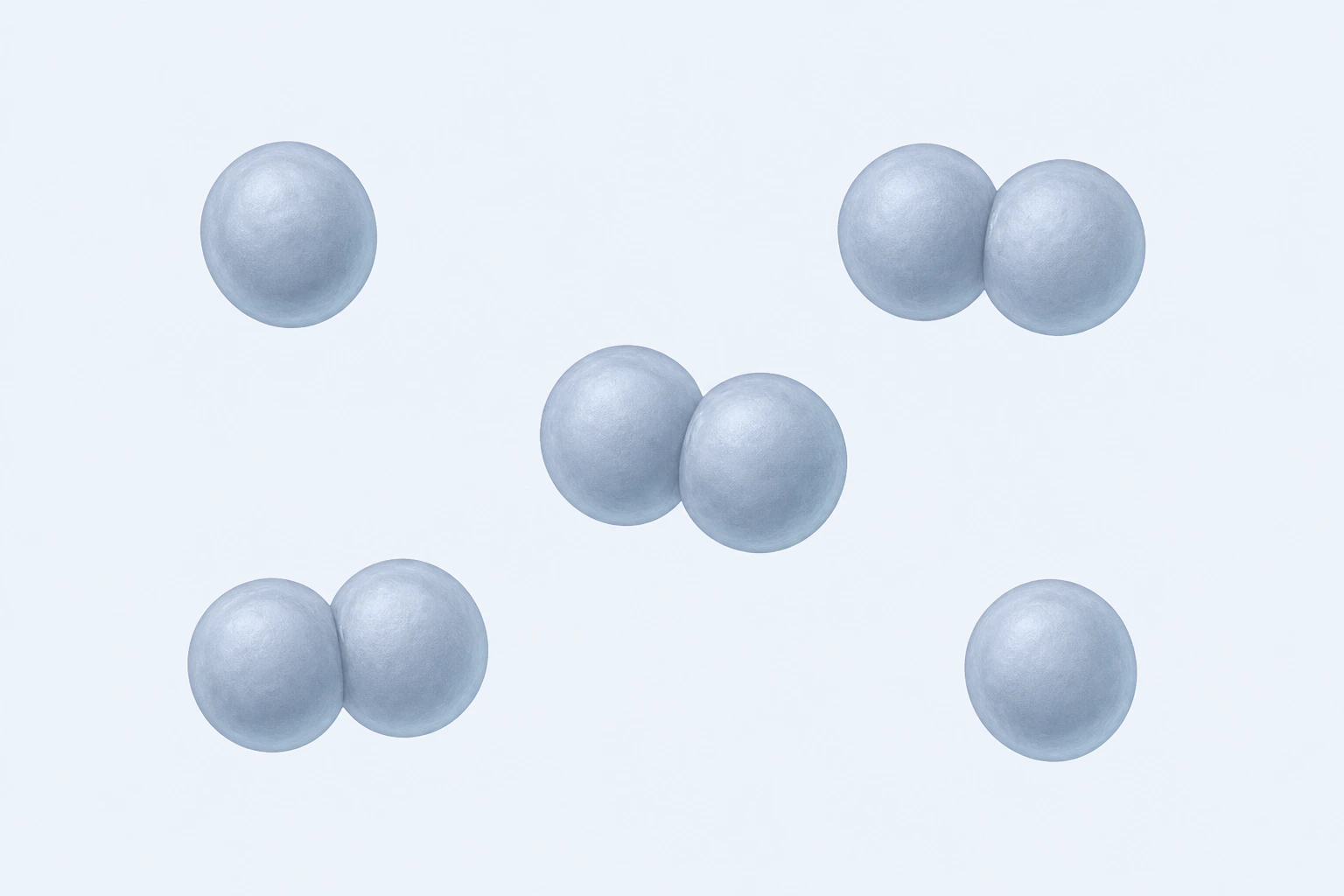
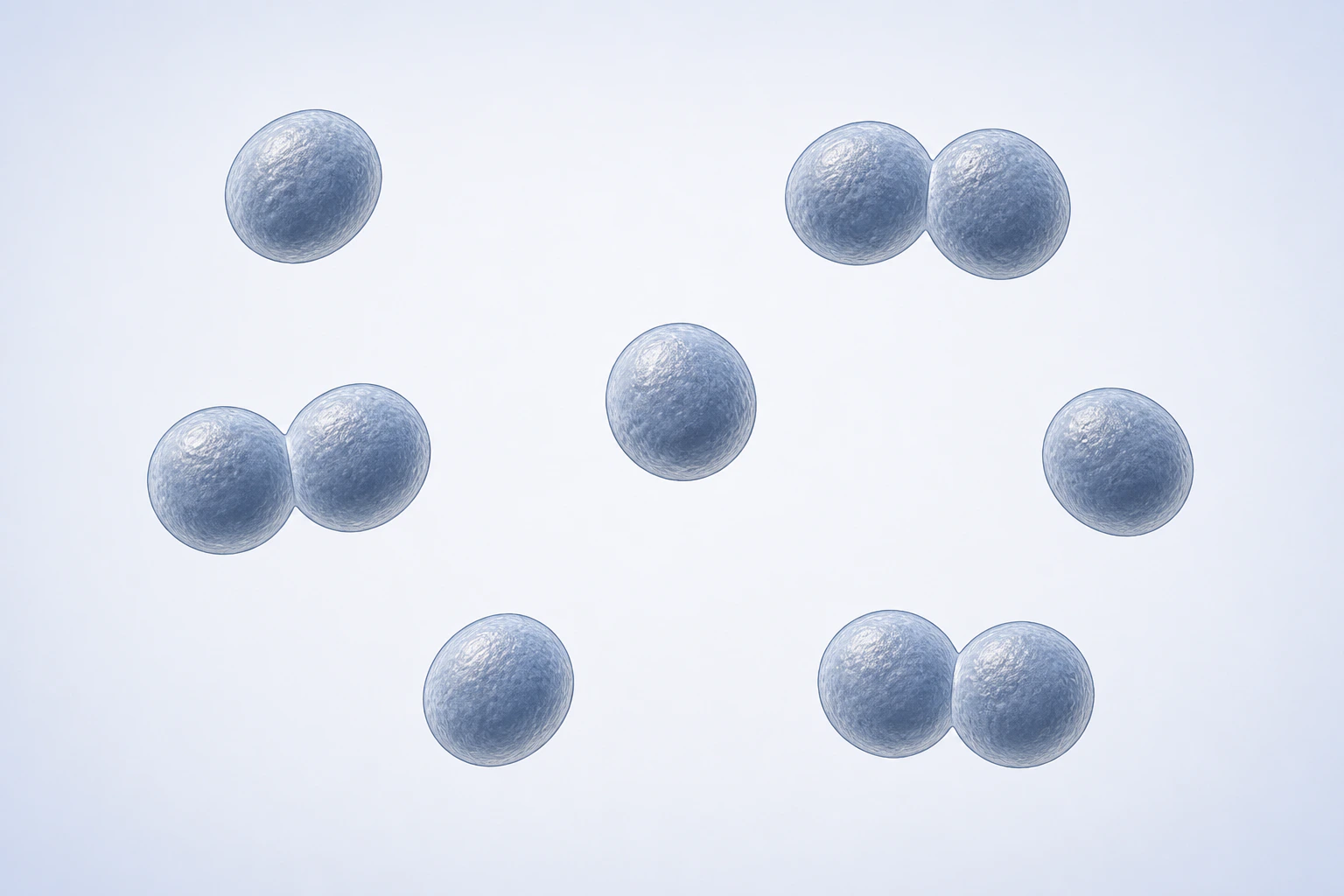
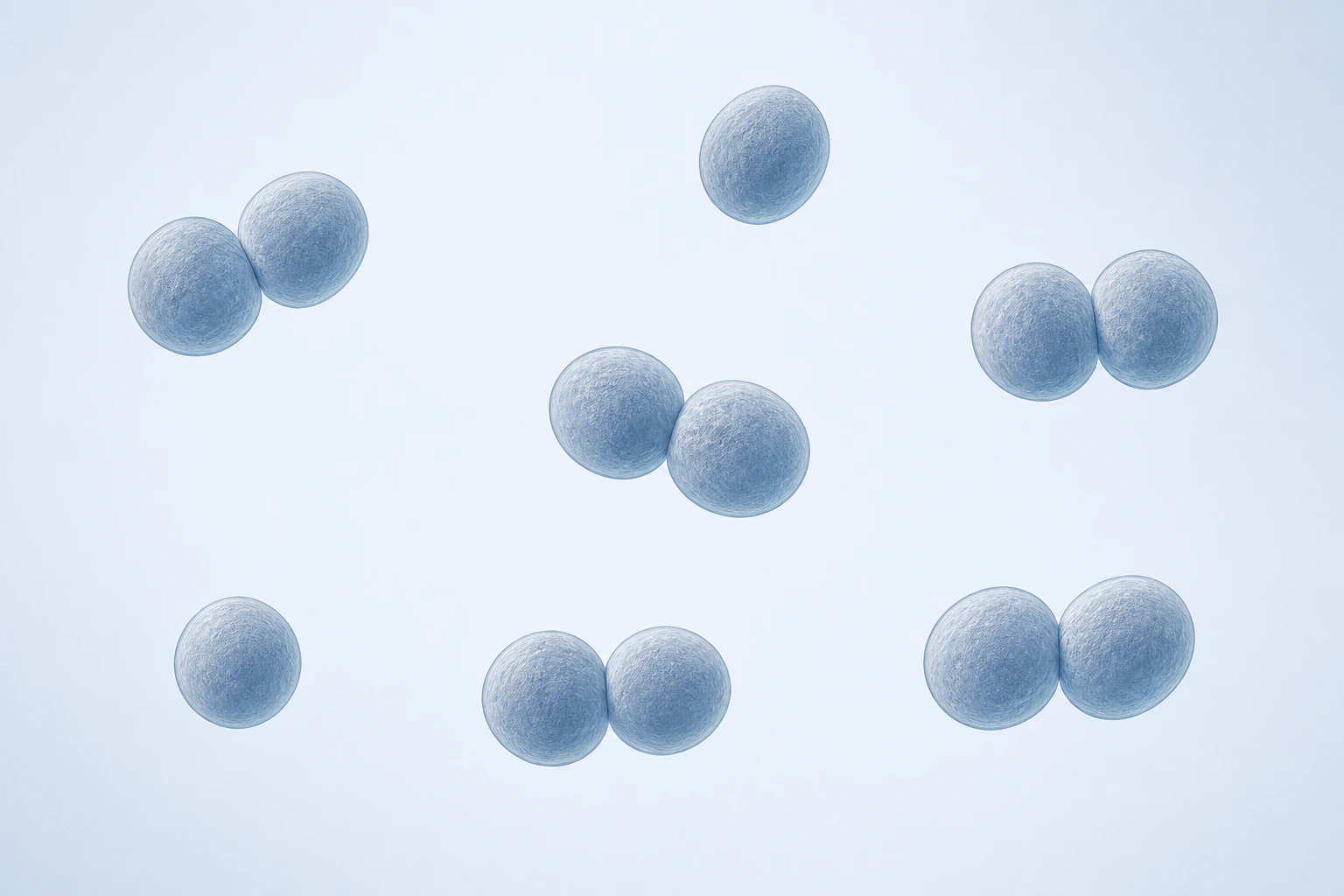
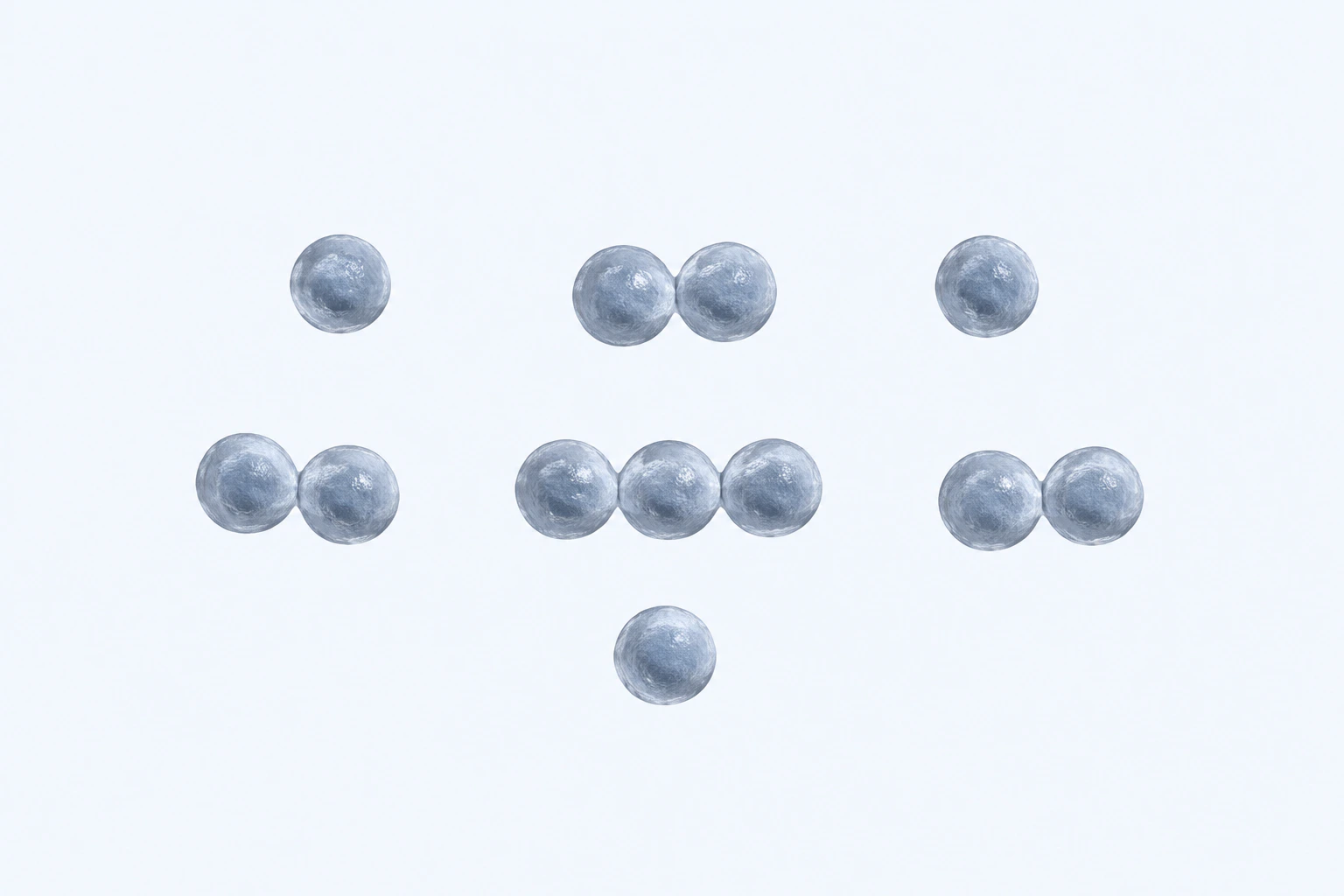
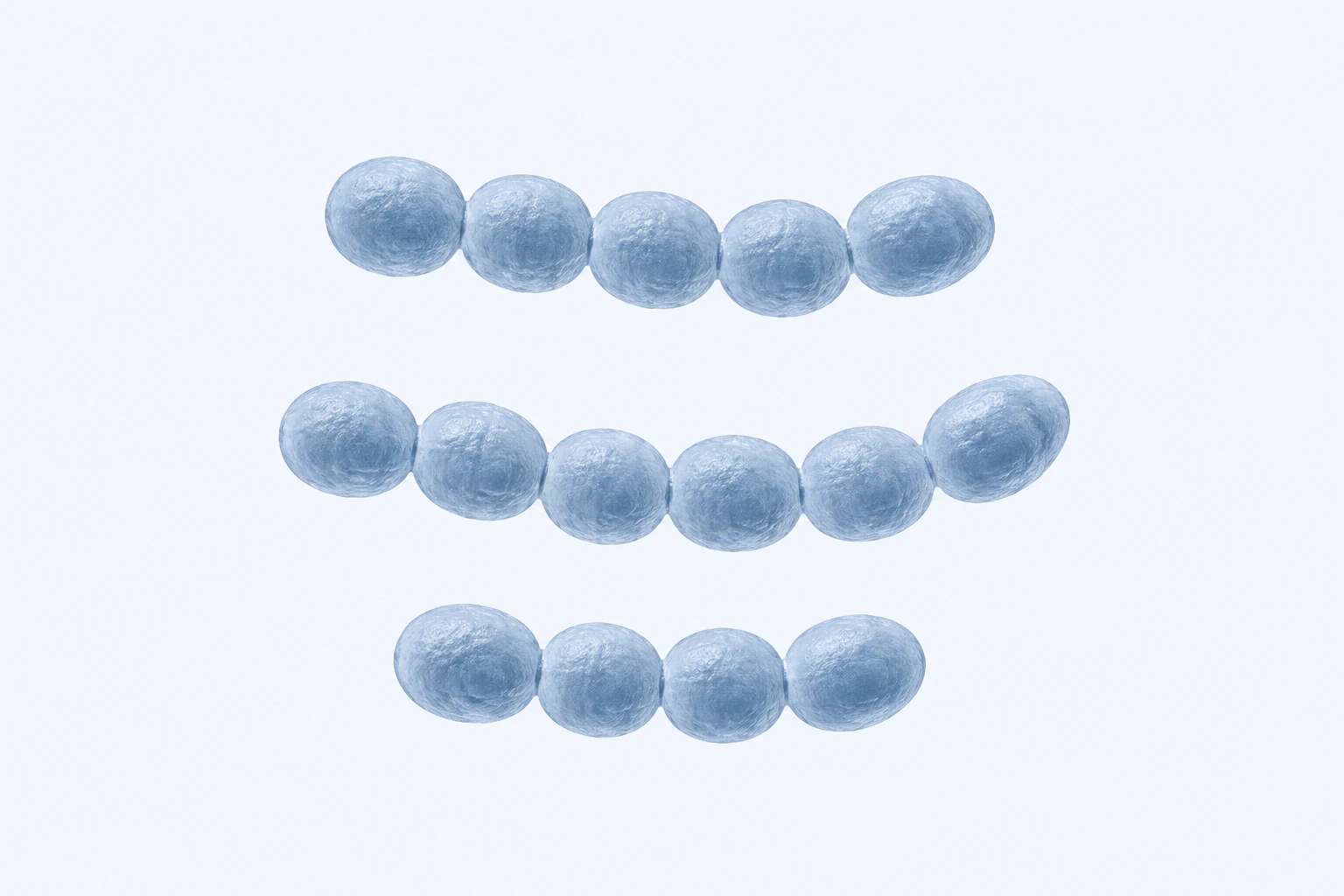
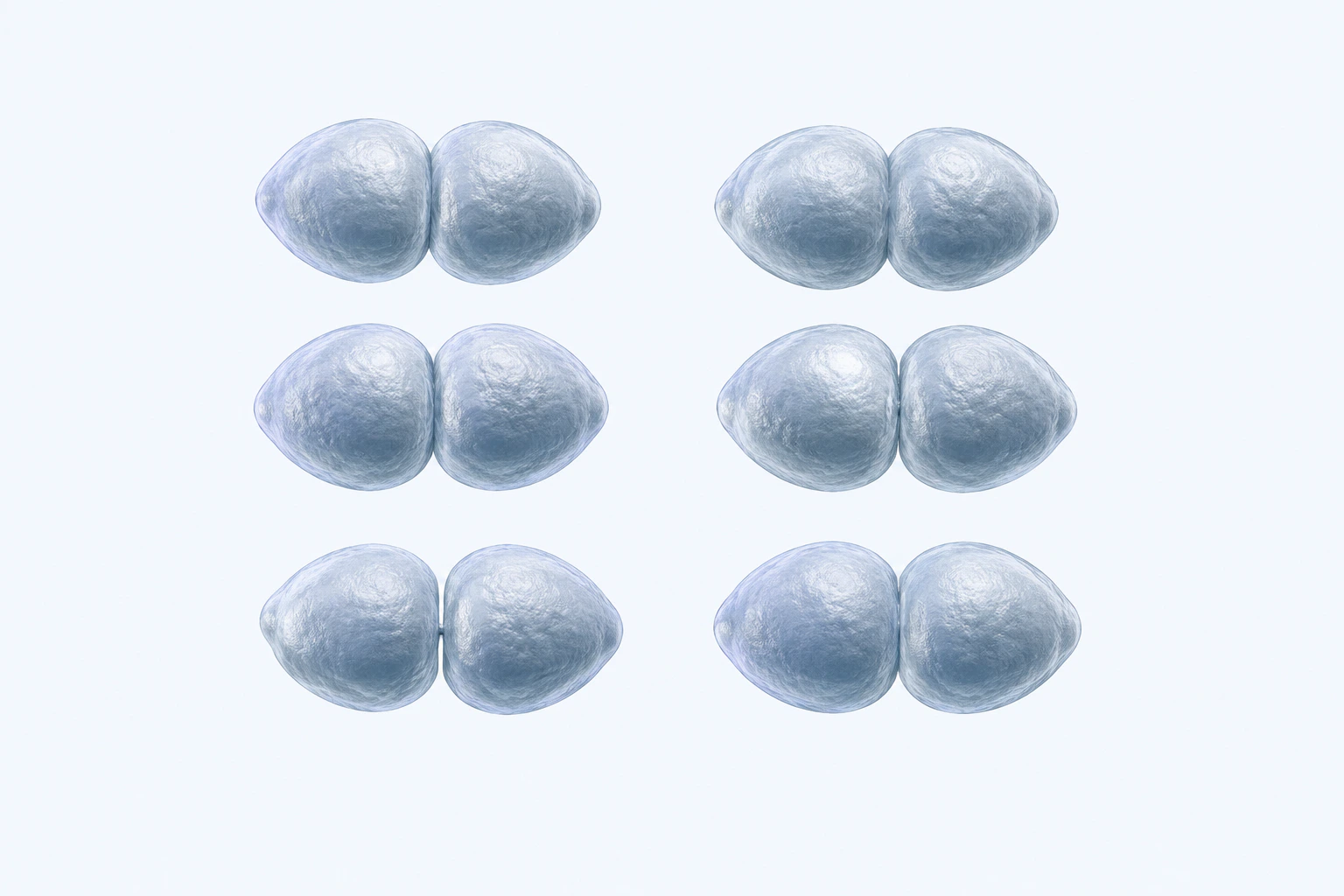
Twelve selected Streptococcus pneumoniae cocci appear as six opposed ovoid pairs.
Microorganisms7 sources

Streptococcus pneumoniae

A Gram-positive pathogen (the "pneumococcus") that depends on iron, manganese, and zinc for virulence and has evolved dedicated transport systems for each. Iron is required for viability itself, manganese powers the superoxide dismutase needed to survive the oxidative b