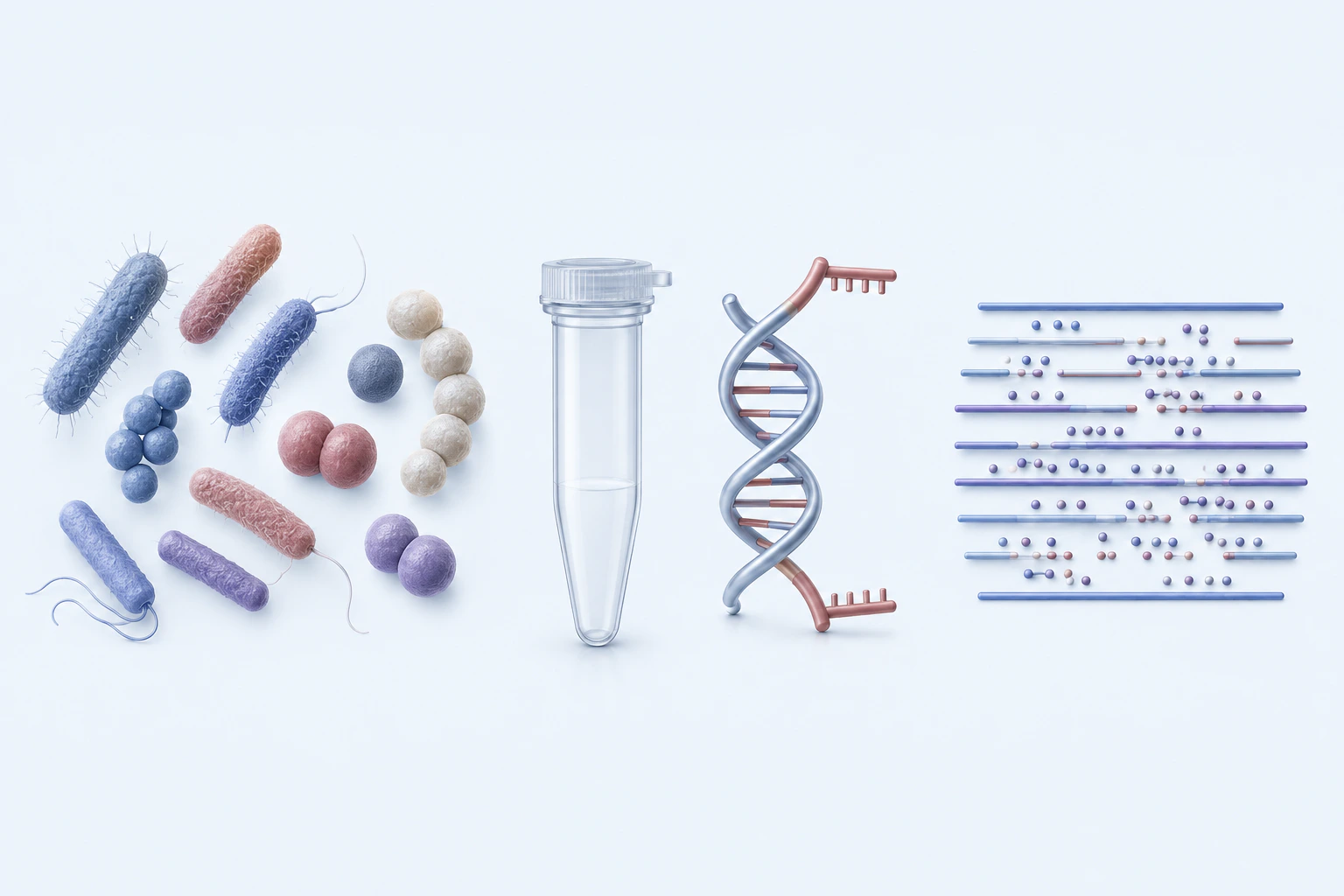
16S rRNA Sequencing
This knowledge-base record is being expanded from WikiBiome’s evidence graph.
WikiBiomeThe human microbiome encyclopediaRanked matches across titles, topics, categories, and article introductions, filtered to mechanism.
This knowledge-base record is being expanded from WikiBiome’s evidence graph.
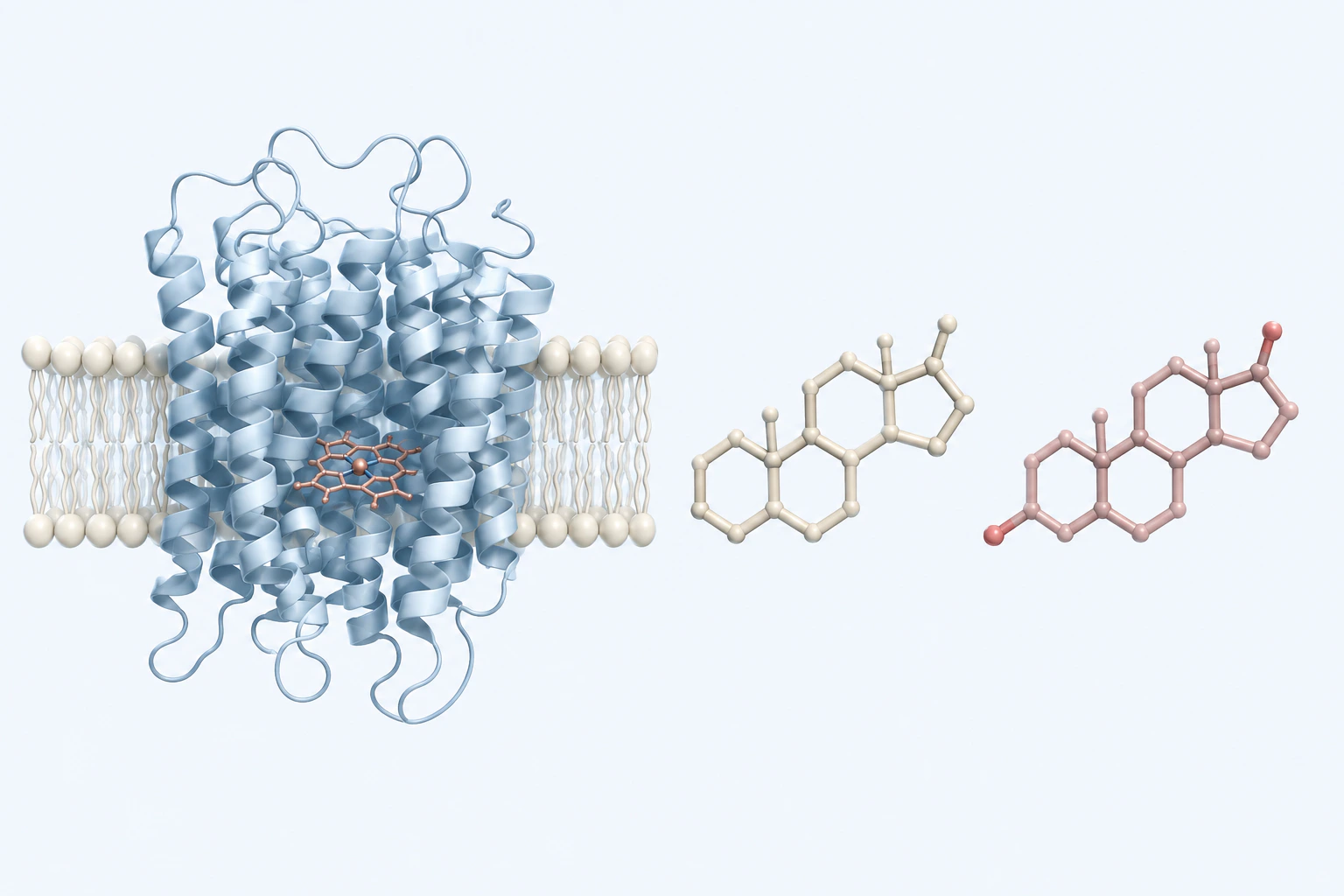
The aryl hydrocarbon receptor (AhR) is a ligand-activated transcription factor that functions as a master sensor at the intersection of gut microbial metabolism, environmental chemical exposure, and immune regulation. It is expressed broadly across immune cells, intesti…
This knowledge-base record is being expanded from WikiBiome’s evidence graph.
An anti-aging protein that has emerged as a critical mediator between heavy metal exposure and chronic kidney disease progression. Originally discovered as a gene whose mutation caused premature aging in mice, alpha-klotho is now understood to be a multifunctional prote…
A 140-amino-acid presynaptic protein whose misfolding into insoluble fibrils and their deposition in Lewy bodies is the defining neuropathological hallmark of parkinsons disease and the broader family of synucleinopathies (including Lewy body dementia and multiple syste…
Amyloid-beta (Aβ) is a 36–43 amino acid peptide derived from the proteolytic cleavage of amyloid precursor protein (APP) by beta-secretase (BACE1) and gamma-secretase. Its aggregation from soluble monomers into insoluble fibrillar plaques in the brain is the defining ne…
The process by which soluble amyloid-beta (Aβ) monomers assemble into neurotoxic oligomers and insoluble fibrillar plaques in the brain -- the defining neuropathological event of alzheimers disease. What distinguishes WikiBiome's treatment of this process from conventio…
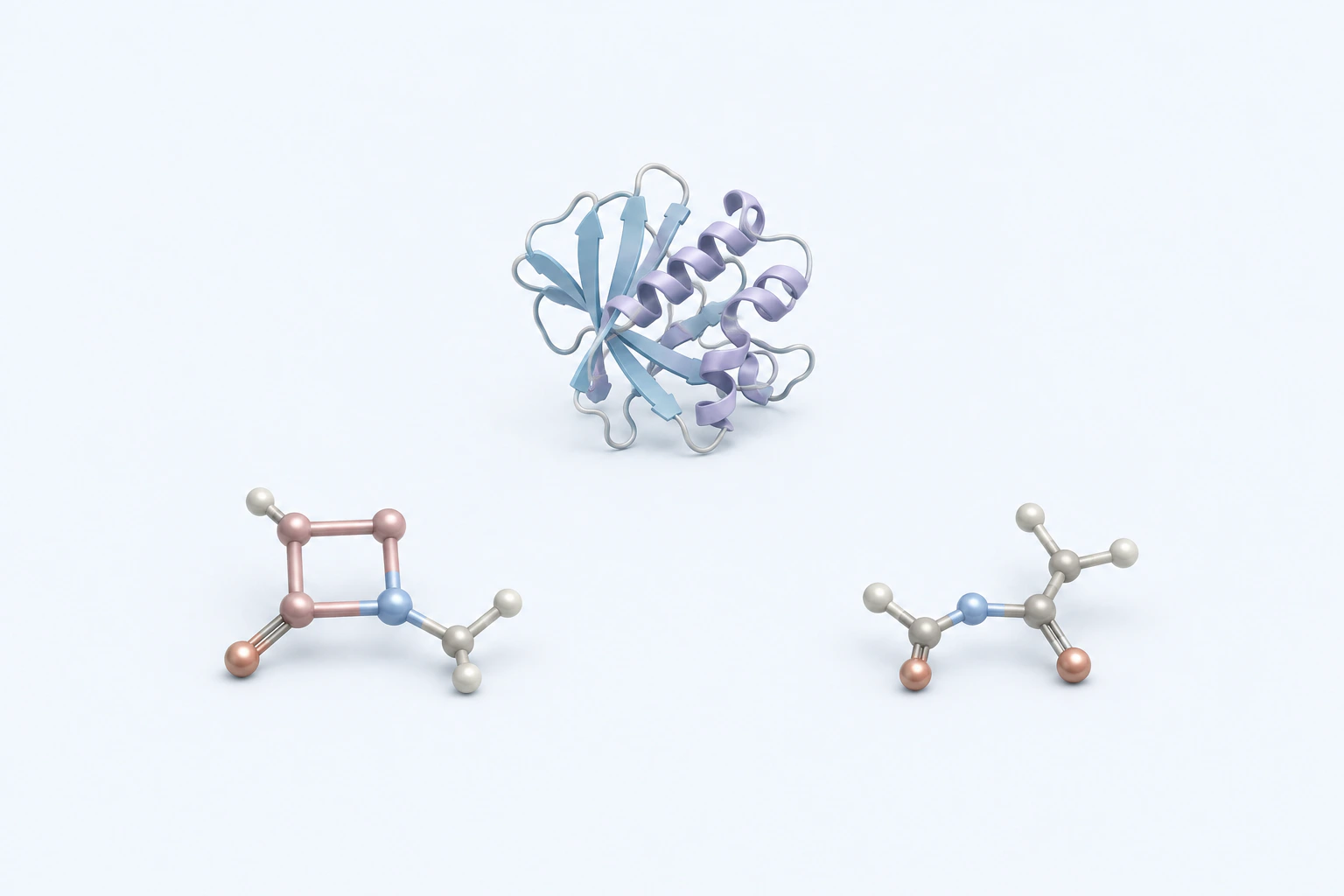
The ability of microorganisms to survive and replicate in the presence of antimicrobial agents — antibiotics, antifungals, antivirals, antiparasitic drugs — at concentrations that would normally inhibit or kill them. Antimicrobial resistance (AMR) is designated by the W…
This knowledge-base record is being expanded from WikiBiome’s evidence graph.
This page serves as a cross-reference point for the existing ahr concept page, which provides comprehensive coverage of AhR signaling, microbiome-derived ligands, and immune regulation. The aryl hydrocarbon receptor is a ligand-activated transcription factor that integr…
This knowledge-base record is being expanded from WikiBiome’s evidence graph.
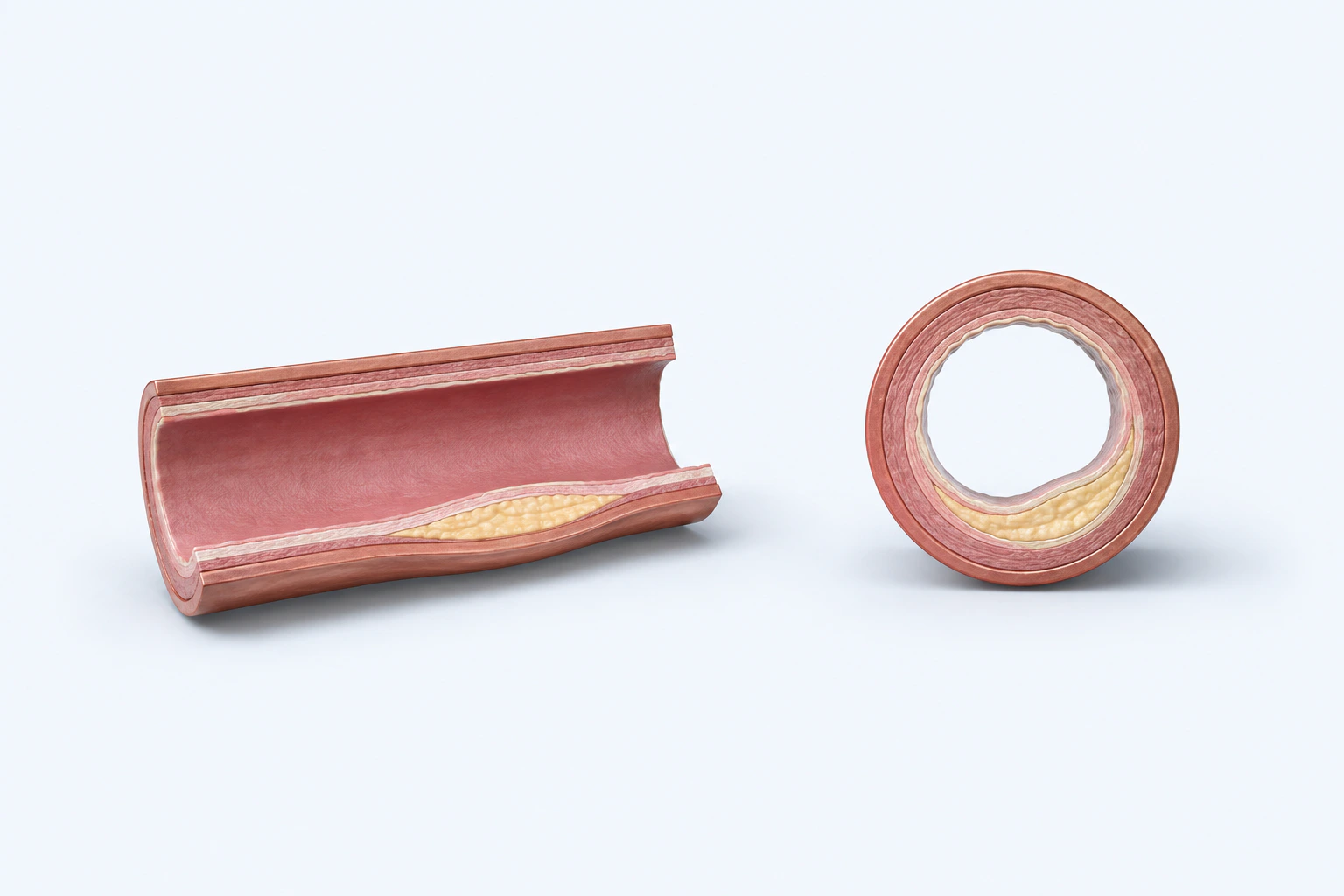
Progressive inflammatory disease of the arterial wall characterized by lipid accumulation, immune cell infiltration, and fibrous plaque formation. In the metallomics framework, atherosclerosis sits at the convergence of three interacting systems: heavy metal toxicity, g…
Autophagy (from Greek, "self-eating") is the cellular process of degrading and recycling damaged organelles, misfolded proteins, and intracellular pathogens through lysosomal digestion. It is the cell's primary quality control mechanism -- a housekeeping system that bec…
This knowledge-base record is being expanded from WikiBiome’s evidence graph.
Bacterial vaginosis (BV) is the most common vaginal infection in women of reproductive age, affecting an estimated 29% of women globally. Rather than an infection by a single pathogen, BV represents a polymicrobial dysbiotic state -- a collapse of the protective Lactoba…
Viruses that exclusively infect bacteria. Bacteriophages -- phages for short -- are the most abundant biological entities on Earth, outnumbering bacteria in most environments by ratios of 1:1 to 10:1. In the human gut, the phageome represents a powerful but underexplore…
This knowledge-base record is being expanded from WikiBiome’s evidence graph.
Beta-lactamases are bacterial enzymes that hydrolyze the beta-lactam ring of penicillins, cephalosporins, and carbapenems, rendering them inactive. They are the most common mechanism of antibiotic resistance and a central concern in the antimicrobial resistance crisis. …
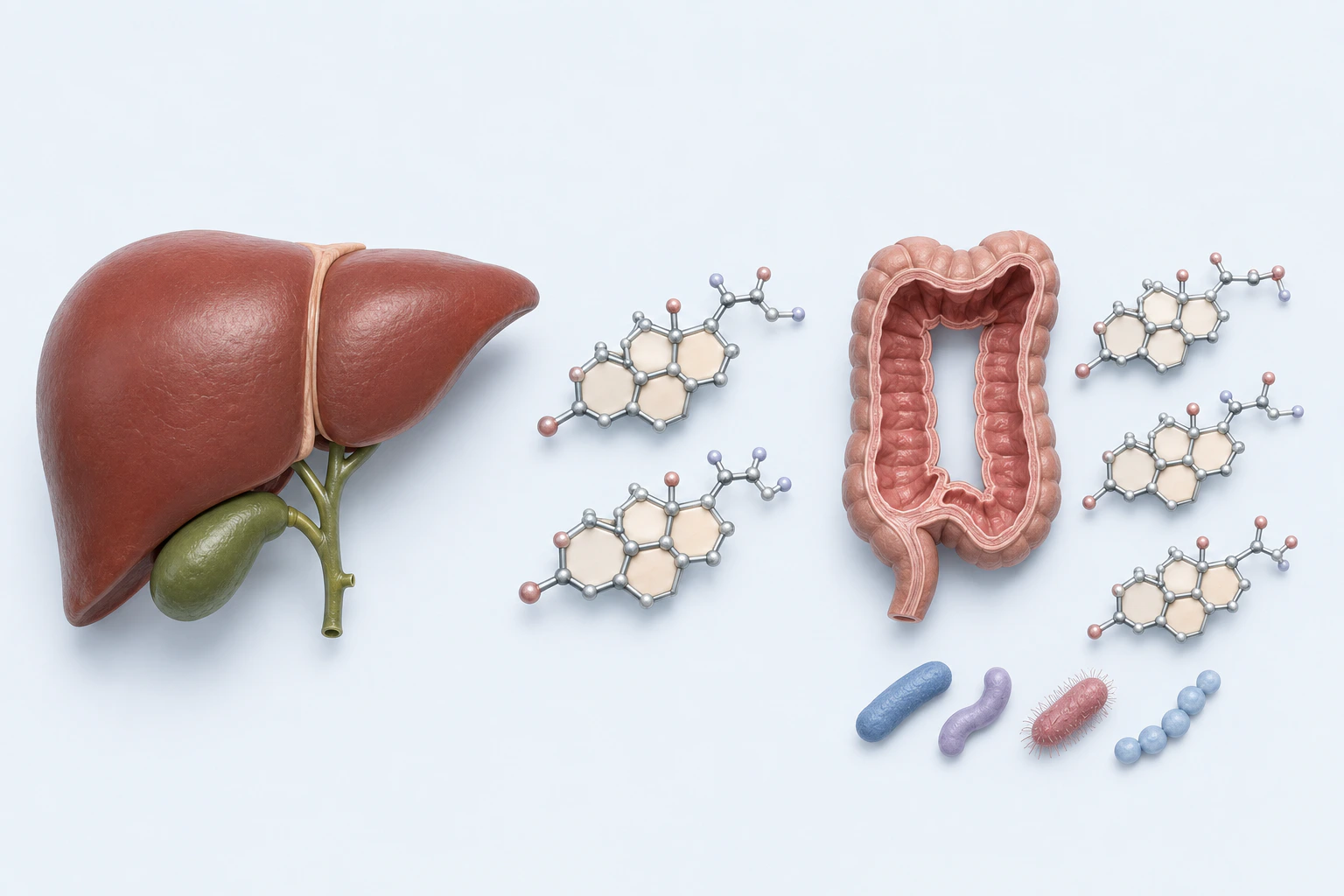
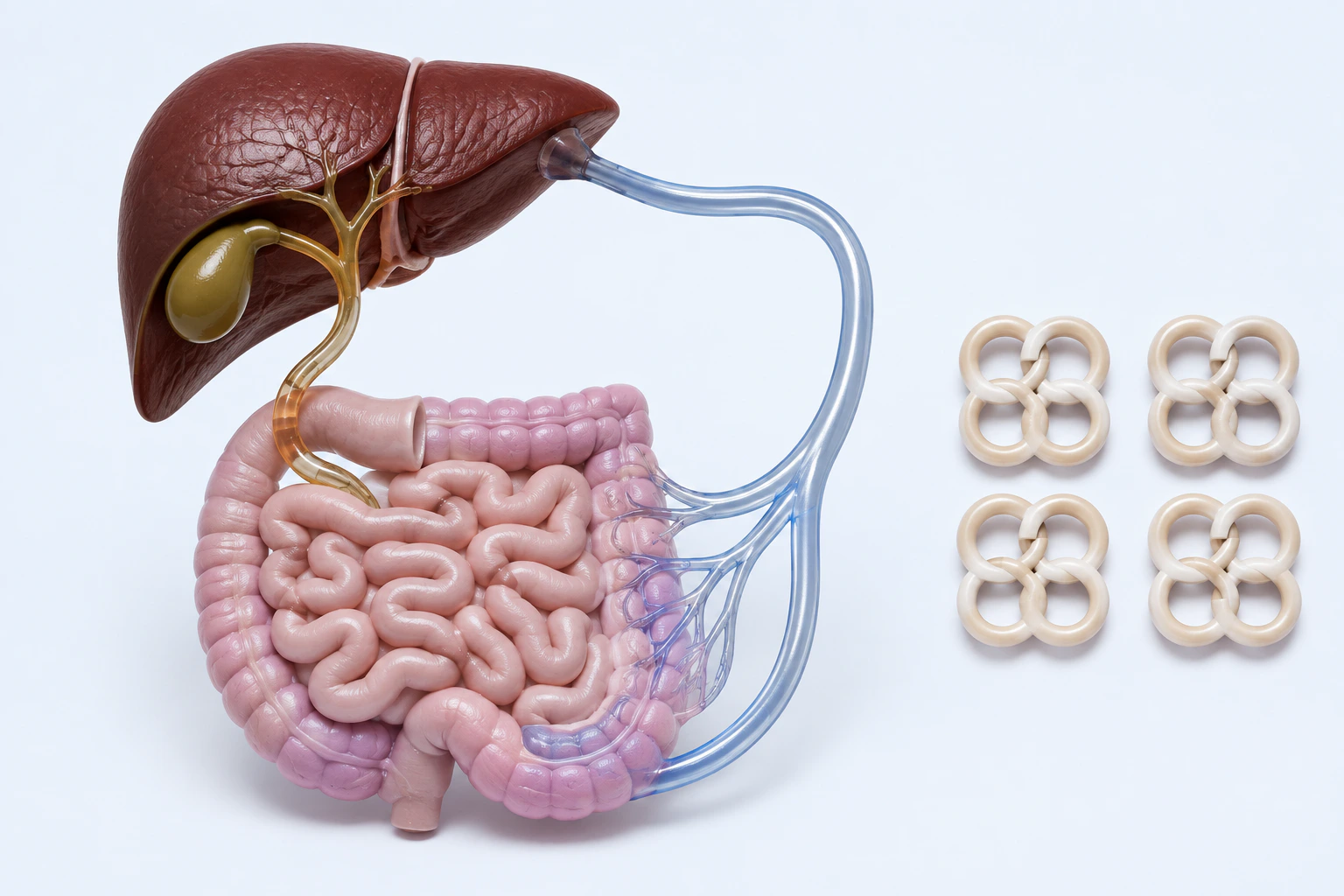
Bile acids are cholesterol-derived amphipathic molecules synthesized in the liver, secreted into the duodenum, and extensively modified by gut bacteria. The host-microbe co-metabolism of bile acids creates a signaling network with profound effects on lipid metabolism, g…
This knowledge-base record is being expanded from WikiBiome’s evidence graph.
Measurable indicators of biological state, exposure, or disease. In the metallomics context, biomarkers span three interconnected domains: metal biomarkers (quantifying exposure and body burden), microbiome biomarkers (reflecting microbial community disruption), and met…
A selective semipermeable border formed by brain endothelial cells connected by tight junctions, pericytes, and astrocytic end-feet. The BBB restricts passage of most molecules from blood to brain, protecting the CNS from toxins, pathogens, and inflammatory mediators. M…
The most biologically potent short-chain fatty acid (C4). Butyrate is the primary energy source for colonocytes, a histone deacetylase (HDAC) inhibitor with broad epigenetic effects, and a key anti-inflammatory mediator. Its depletion -- driven by loss of butyrate-produ…
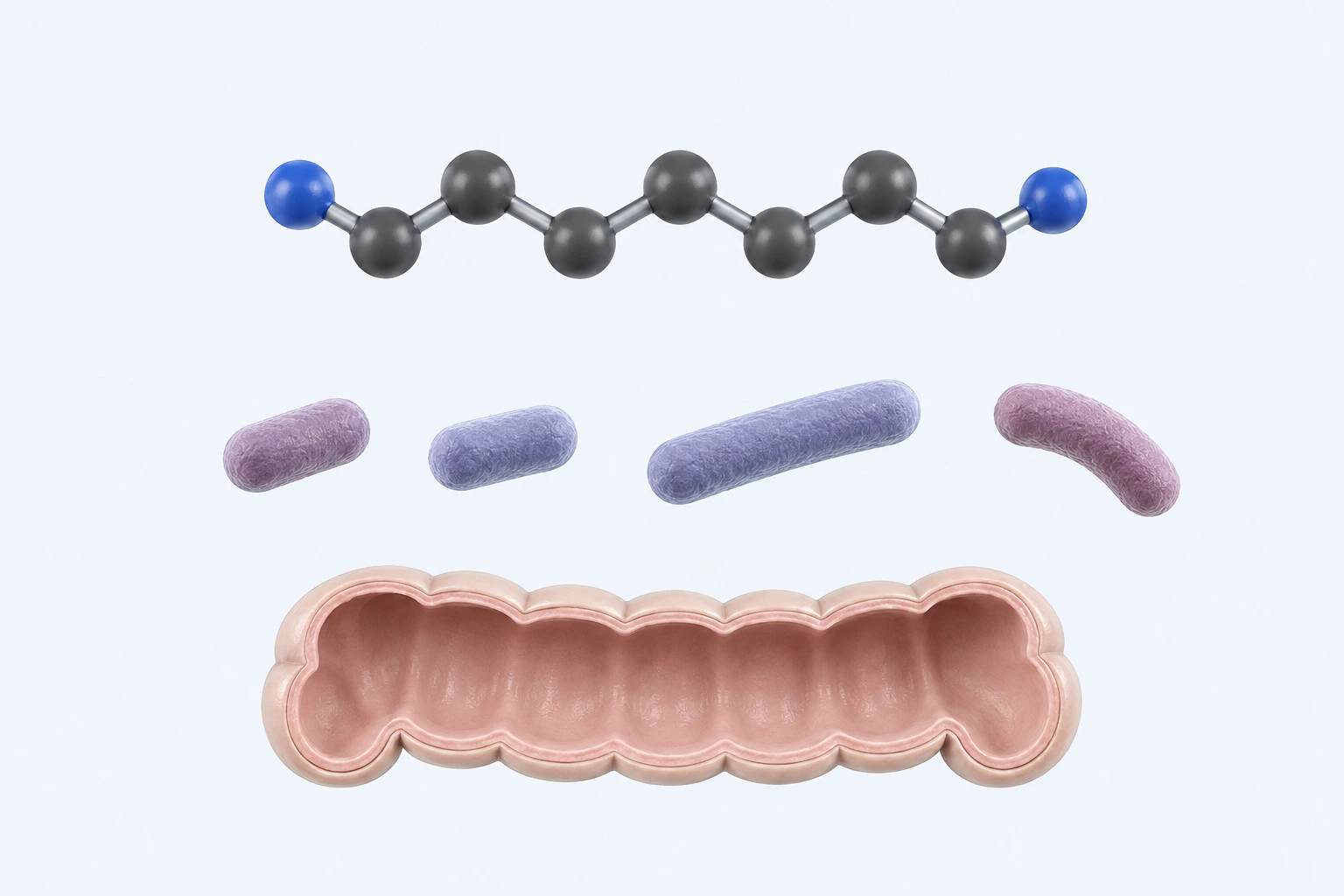
Cadaverine (1,5-diaminopentane) is a biogenic amine produced by bacterial lysine decarboxylase — primarily by Enterobacteriaceae, Fusobacterium, and Clostridium — during proteolytic fermentation of undigested protein in the distal colon. It is a product of putrefaction …
This knowledge-base record is being expanded from WikiBiome’s evidence graph.
Cephalosporins are a class of beta-lactam antibiotics (five generations) that inhibit bacterial cell wall synthesis by binding penicillin-binding proteins. They are among the most prescribed antibiotic classes and among the most disruptive to the gut microbiome.
The major copper-carrying protein in human blood, binding approximately 95% of circulating copper. Ceruloplasmin is far more than a passive transport vehicle -- it is a multicopper oxidase with ferroxidase activity, an acute-phase reactant that rises with inflammation, …
This knowledge-base record is being expanded from WikiBiome’s evidence graph.
Chitotriosidase (CHIT1) is a human chitinase that degrades chitin — the structural polysaccharide of fungal cell walls, insect exoskeletons, and parasitic helminths. It is the most abundant chitinase in human serum and represents a direct arm of innate nutritional immun…
The process by which selection pressure from one agent — typically a heavy metal — simultaneously selects for resistance to a structurally unrelated agent such as an antibiotic, because the resistance determinants are genetically linked on the same mobile genetic elemen…
The collective ability of the resident gut microbiome to prevent colonization by exogenous pathogens and suppress expansion of resident pathobionts. Colonization resistance is not a property of any single organism but an emergent function of the whole microbial communit…
The co-occurrence of multiple diseases in the same individual at rates exceeding chance. Comorbidity patterns are a central puzzle in medicine -- why do IBD patients develop CVD? Why does PCOS cluster with T2D? Why do neurodegenerative diseases associate with depression…
This knowledge-base record is being expanded from WikiBiome’s evidence graph.
Perhaps the most pervasive metallomic finding across human disease: copper is elevated in nearly every pathological condition examined in this wiki -- cancer (pan-cancer), PCOS, cardiovascular disease, depression, schizophrenia, IBD, and rheumatoid arthritis. Simultaneo…
This knowledge-base record is being expanded from WikiBiome’s evidence graph.
A distinct form of regulated cell death caused by excess intracellular copper binding to lipoylated proteins in the TCA cycle, first characterized by Tsvetkov et al. in Science (2022). Unlike ferroptosis (iron-dependent lipid peroxidation) or apoptosis (caspase-dependen…
This knowledge-base record is being expanded from WikiBiome’s evidence graph.
This page unifies the infant formula contamination, pregnancy complications, autism spectrum disorder, necrotizing enterocolitis, and neurodevelopmental toxicity threads around a single organizing insight: metal toxicity is disproportionately severe during specific deve…
arsenic (As) is unique among dietary heavy metals because it exists in two fundamentally different forms with dramatically different toxicities: inorganic arsenic (iAs, the dangerous form) and organic arsenic (arsenobetaine, arsenosugars — largely non-toxic). Understand…
cadmium (Cd) enters the human body primarily through food. Unlike nickel, which has high-concentration food categories that can be avoided, cadmium contamination is diffuse — embedded in staple crops, leafy greens, and grains that form the basis of most dietary patterns…
lead (Pb) has no safe level of exposure. Unlike most dietary metals, lead does not play any known biological role — every atom absorbed represents toxic burden. While environmental lead exposure (paint, soil, air) has decreased dramatically since leaded gasoline phase-o…
Every meal delivers metals to the gut lumen — essential minerals, trace elements, and contaminants alike. These metals do not passively transit the GI tract. They actively reshape the microbial ecosystem, selecting for metal-tolerant organisms, enabling virulence in met…
Food is the primary source of nickel exposure for the general (non-occupational) population. While food nickel poses minimal risk to most adults, children and nickel-sensitized individuals are high-risk groups.
This knowledge-base record is being expanded from WikiBiome’s evidence graph.
Direct DNA damage is the primary carcinogenic mechanism for chromium but is notably absent or minor for nickel and arsenic. This distinction is fundamental to understanding why these three metals cause cancer through such different pathways.
This knowledge-base record is being expanded from WikiBiome’s evidence graph.
Disruption of the normal composition and metabolic function of microbial communities, particularly the gut microbiome. In the metallomics context, dysbiosis is both a consequence of metal toxicity and an amplifier of further disease -- creating vicious cycles where meta…
This knowledge-base record is being expanded from WikiBiome’s evidence graph.
Membrane-spanning protein complexes that actively export substrates from the bacterial cell, using energy from ATP hydrolysis or the proton motive force. In the context of metal-microbiome biology, efflux pumps serve a dual role that has profound clinical consequences: …
This knowledge-base record is being expanded from WikiBiome’s evidence graph.
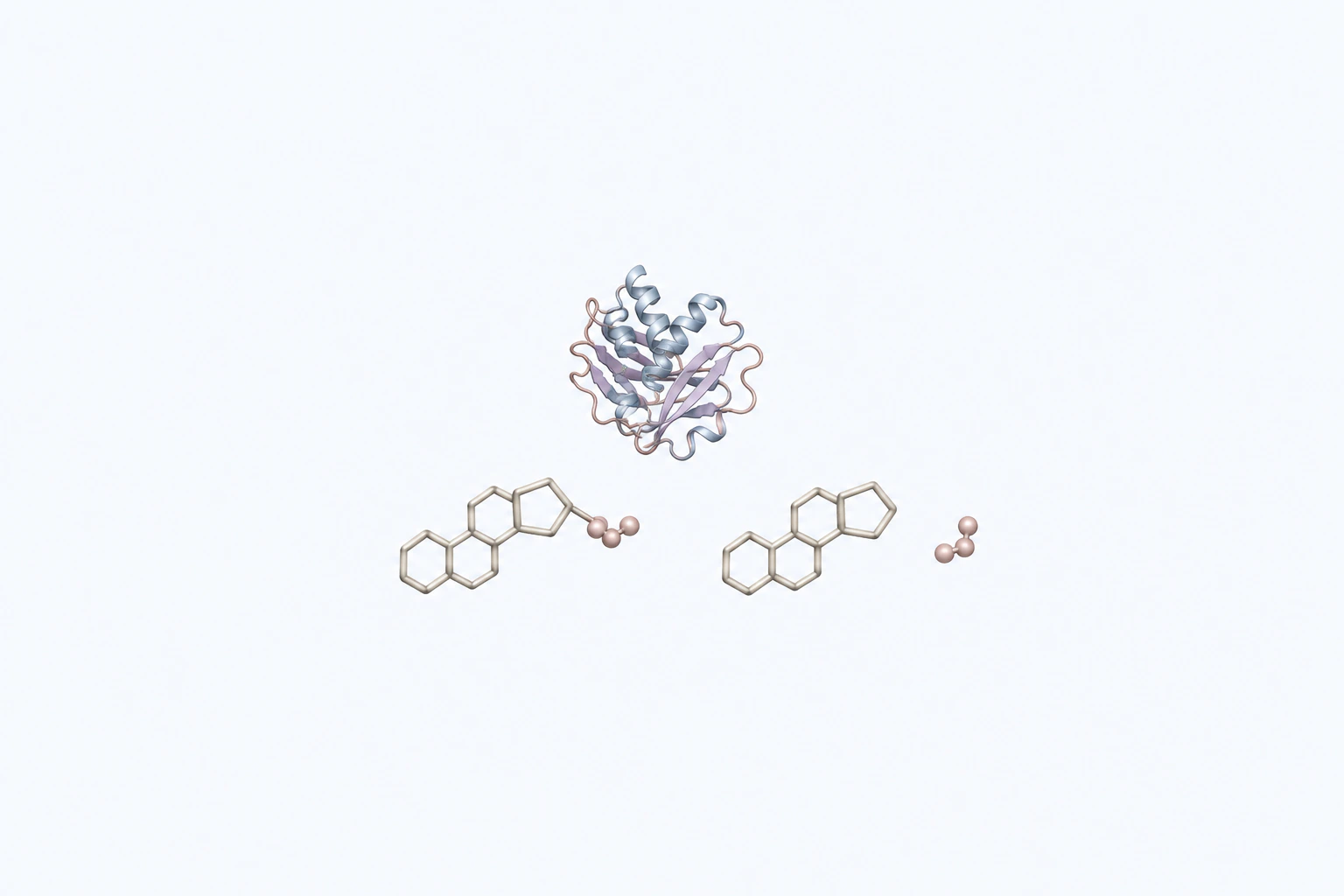
Exogenous chemicals that interfere with hormone synthesis, secretion, transport, binding, or elimination, mimicking or blocking endogenous hormones at physiologically relevant concentrations. In the metallomics-microbiome framework, endocrine disruptors occupy a critica…
This knowledge-base record is being expanded from WikiBiome’s evidence graph.
Epigenetics is the study of heritable changes in gene expression that occur without alterations to the DNA sequence itself. These changes -- primarily DNA methylation, histone modifications, and non-coding RNA regulation -- represent a molecular memory system that can b…
This knowledge-base record is being expanded from WikiBiome’s evidence graph.
The transfer of processed stool from a healthy donor into a recipient's gastrointestinal tract to restore a disrupted microbial community. FMT is the most direct form of microbiome intervention -- replacing the entire community rather than supplementing individual strai…
This knowledge-base record is being expanded from WikiBiome’s evidence graph.