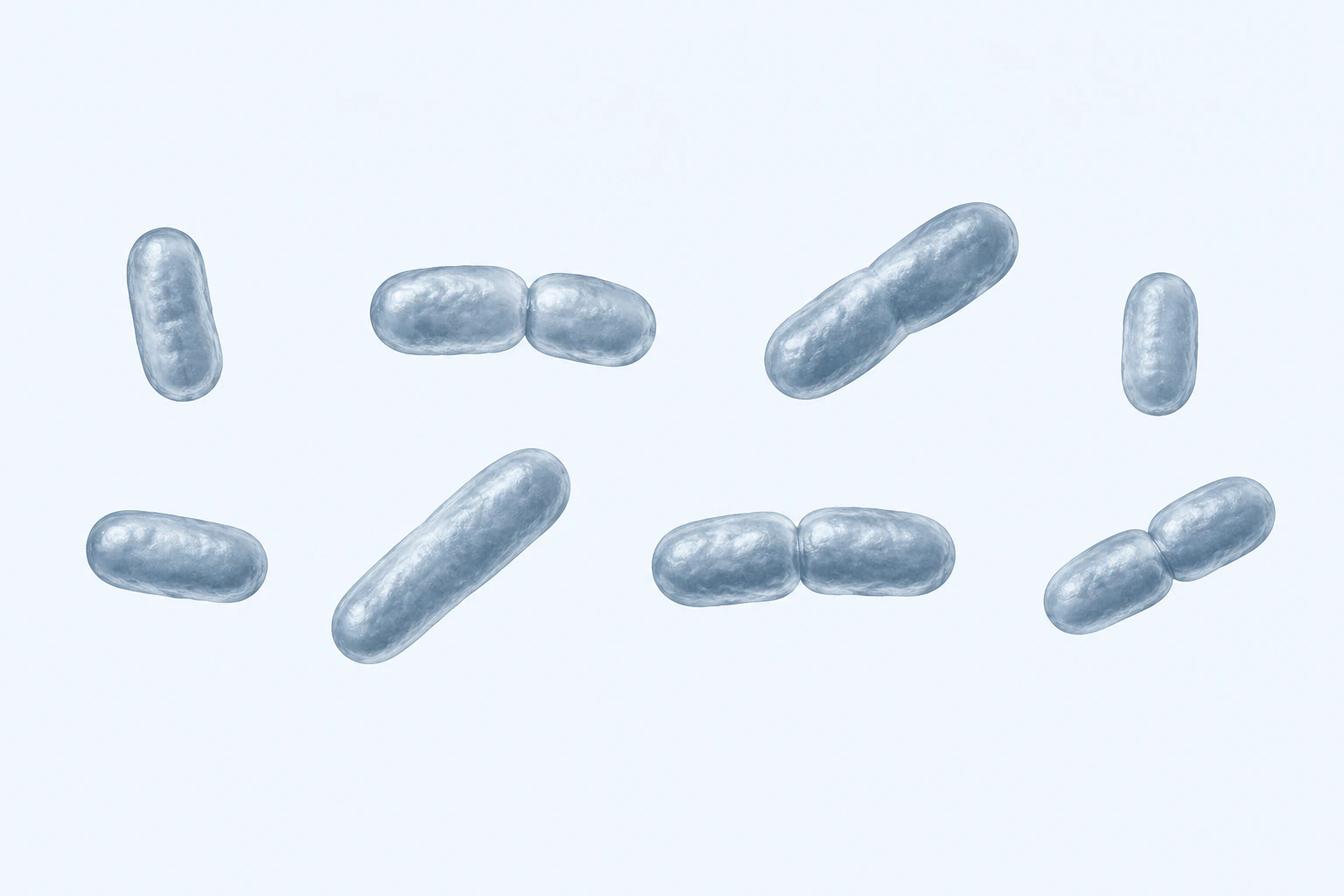
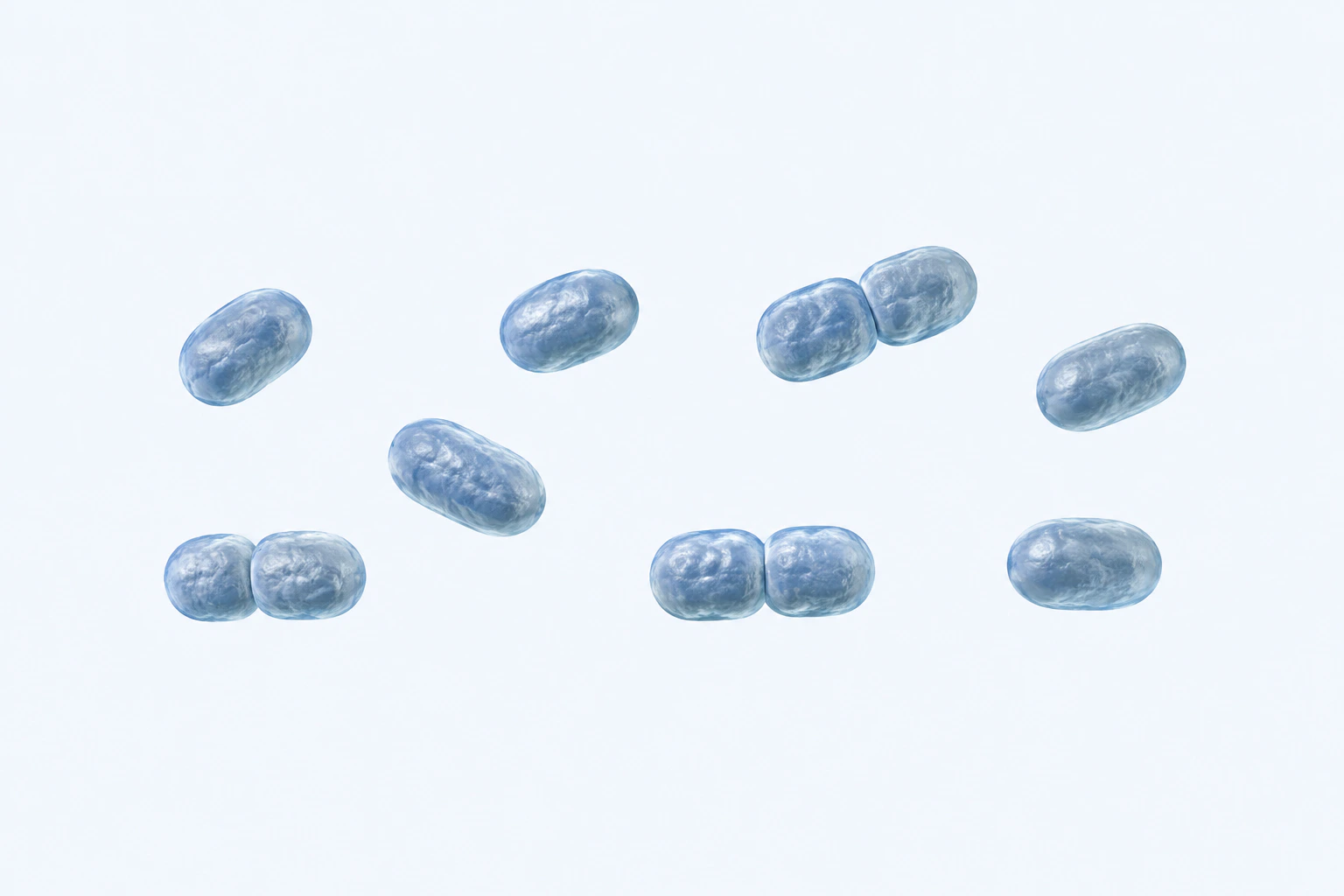
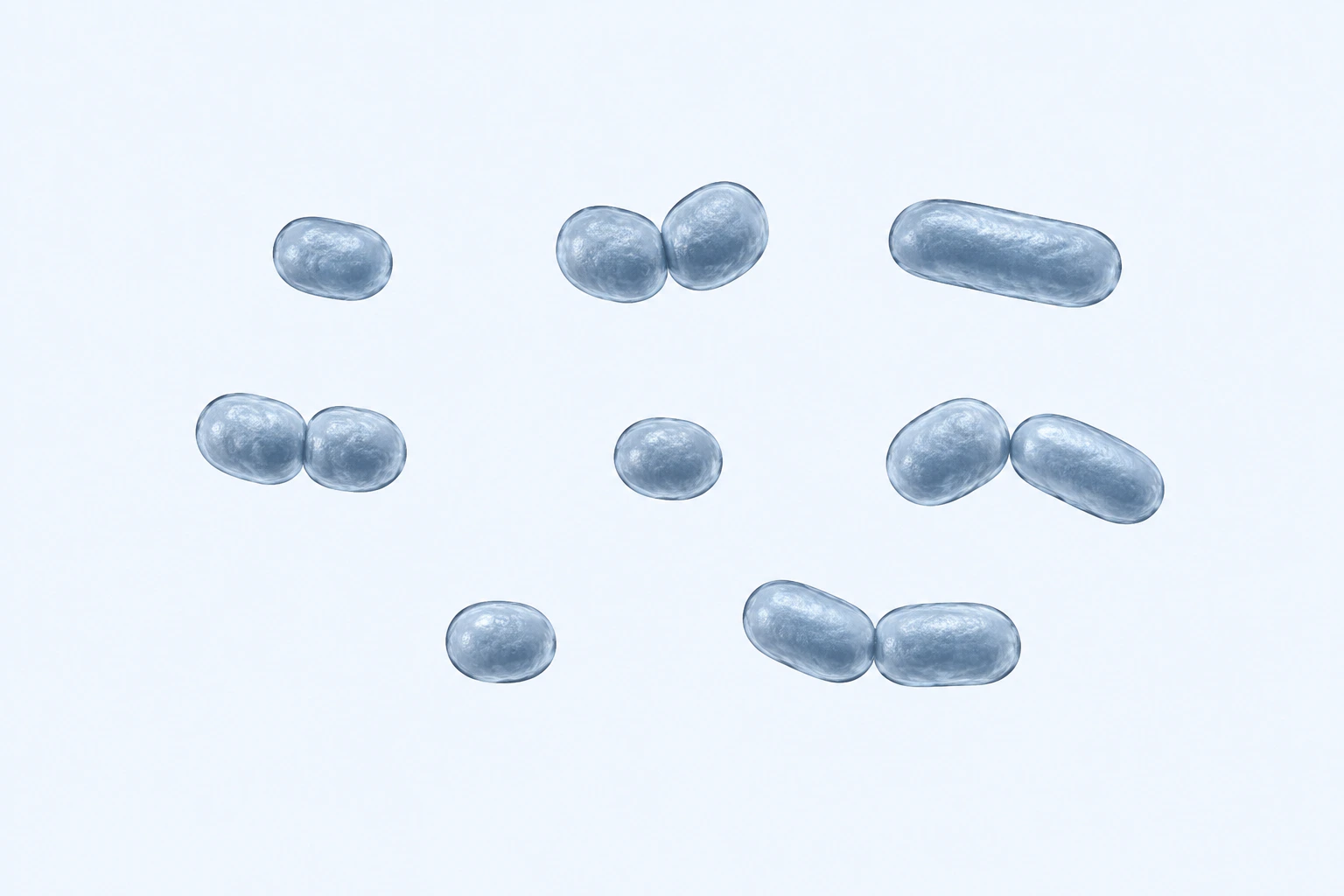
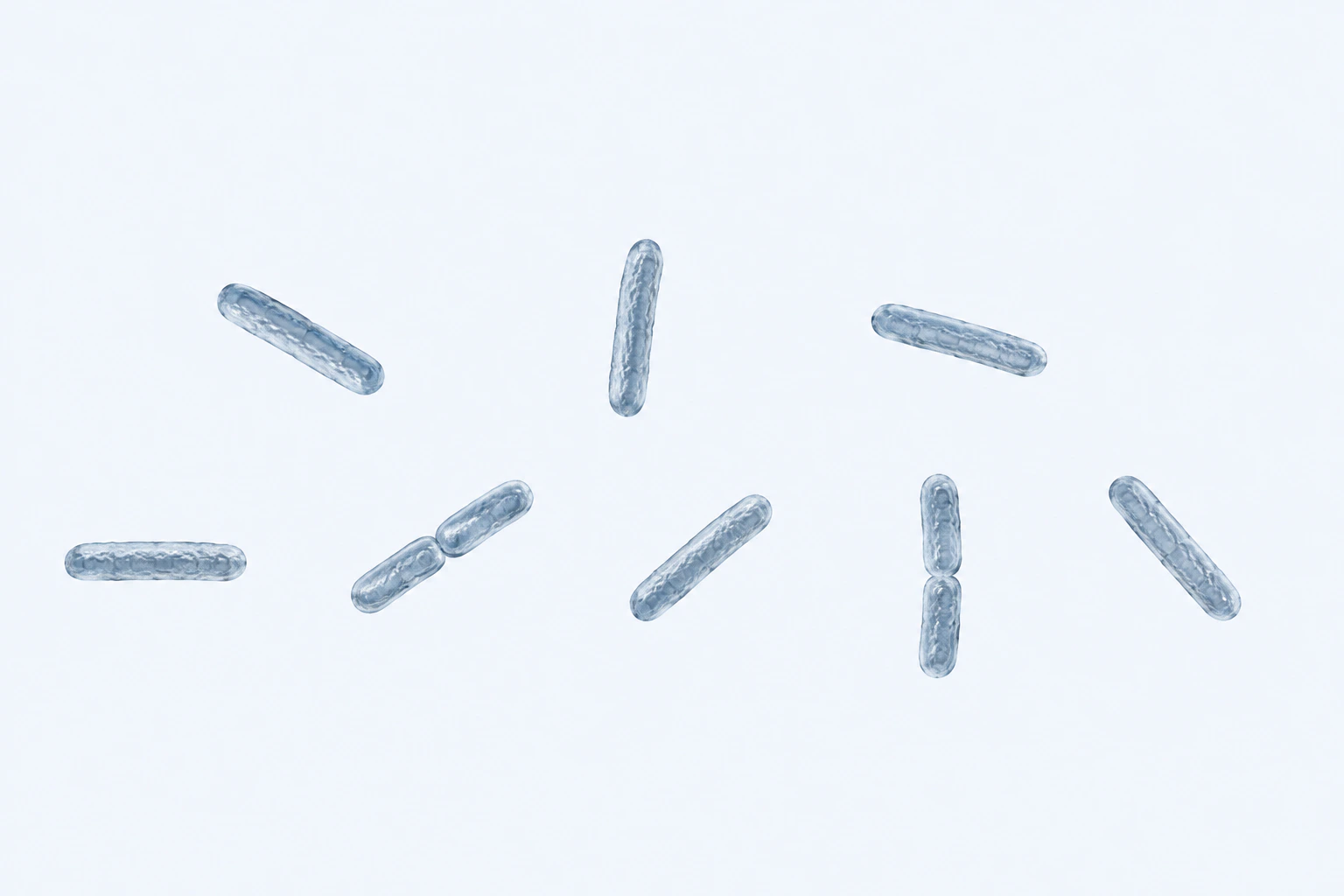
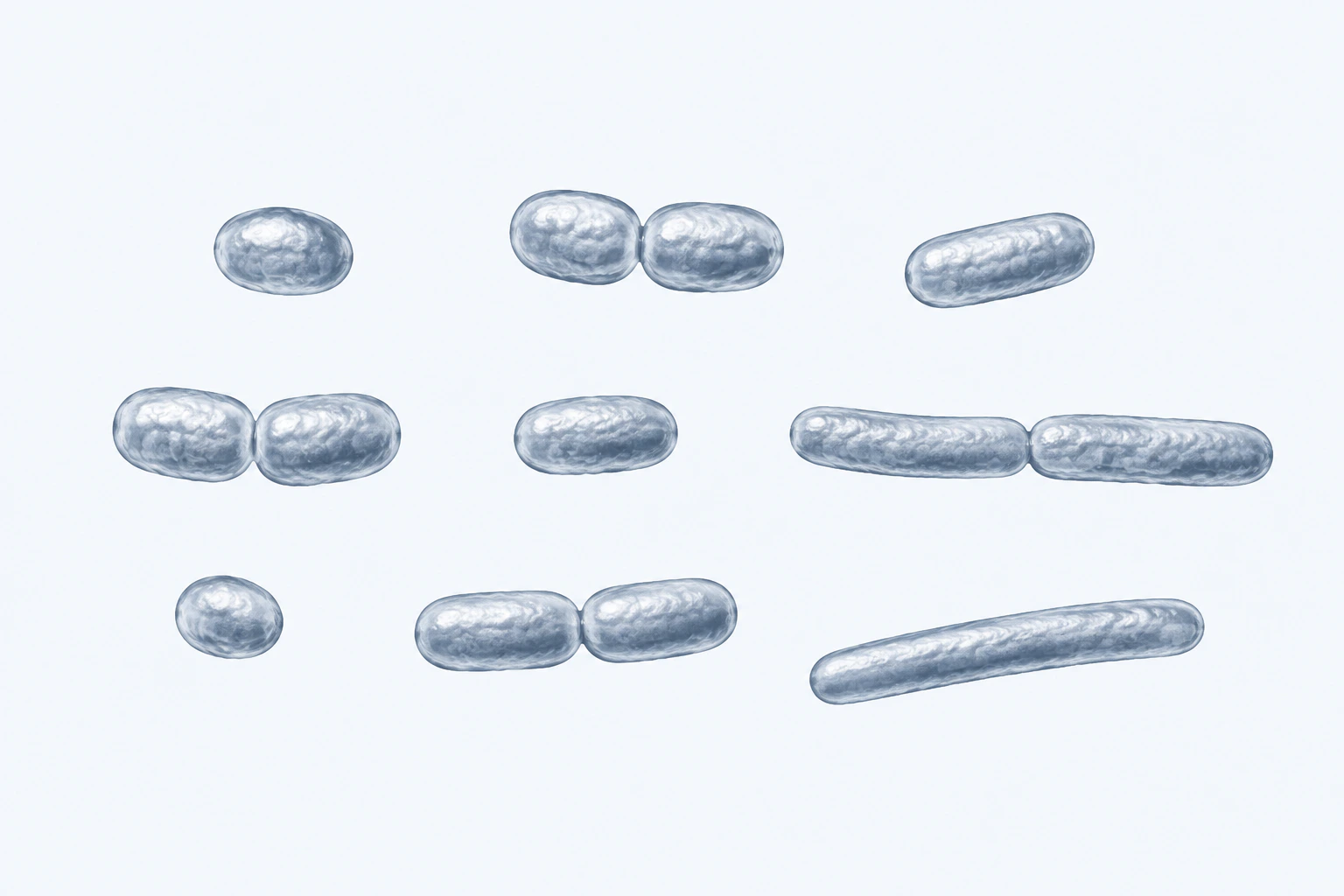
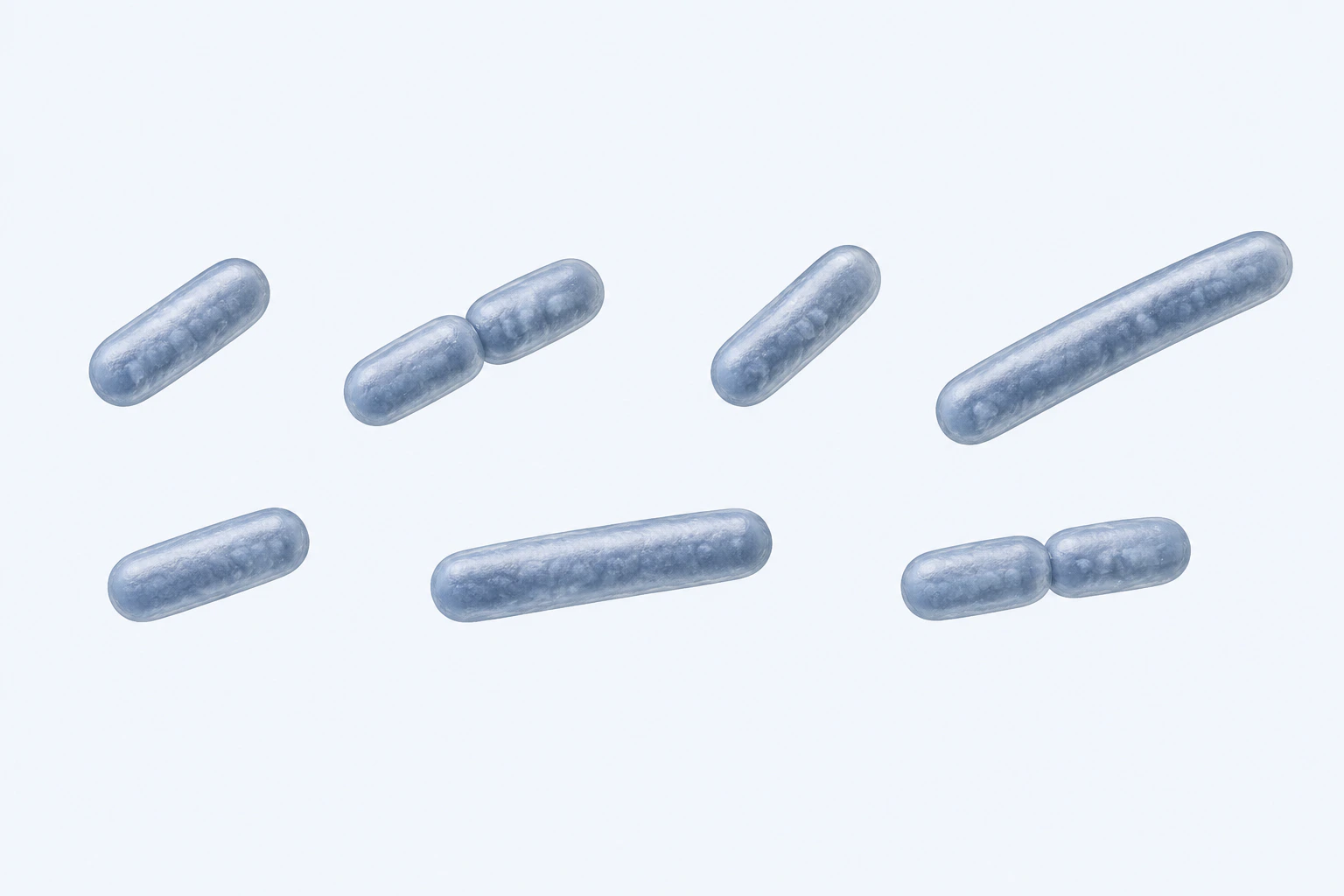
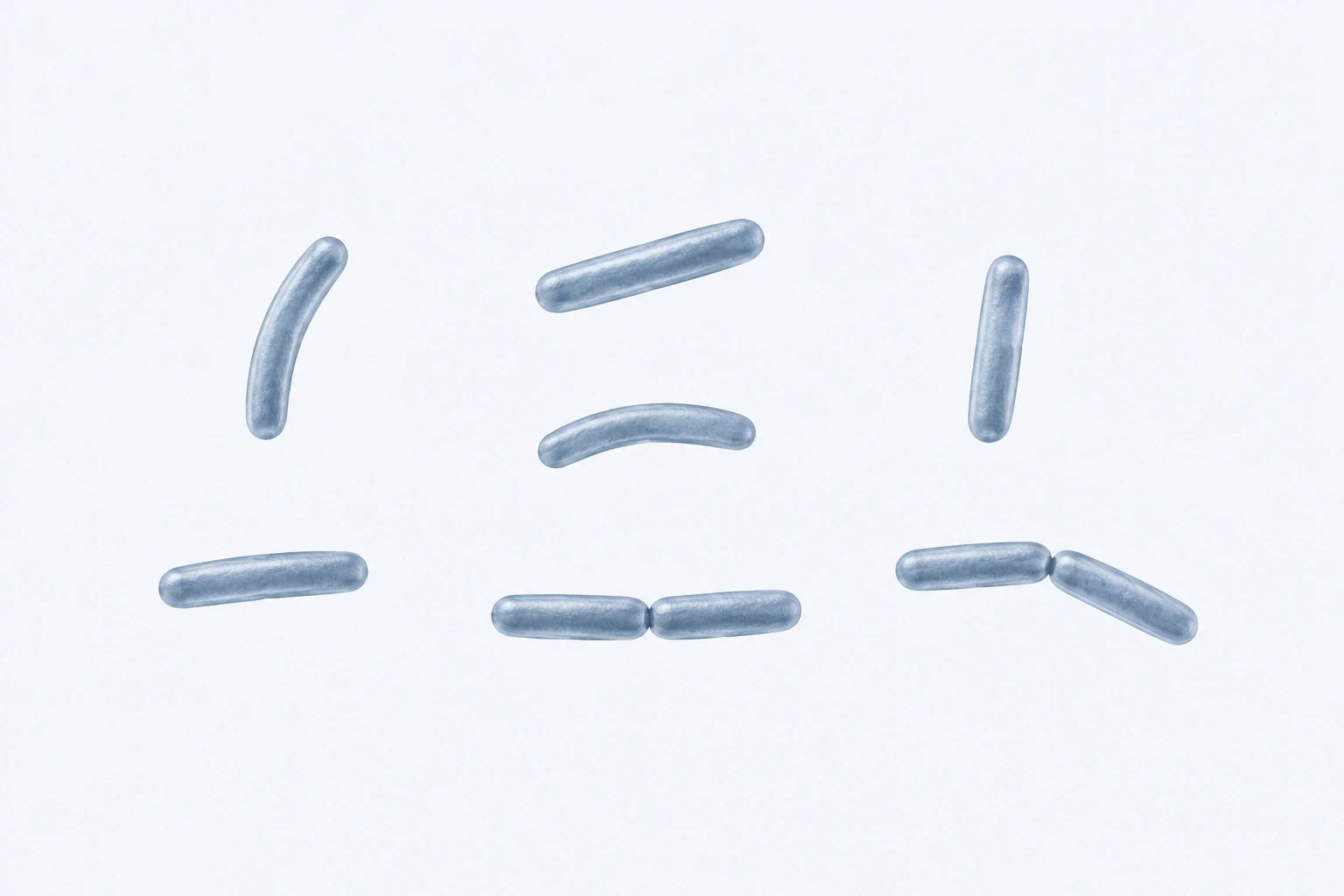
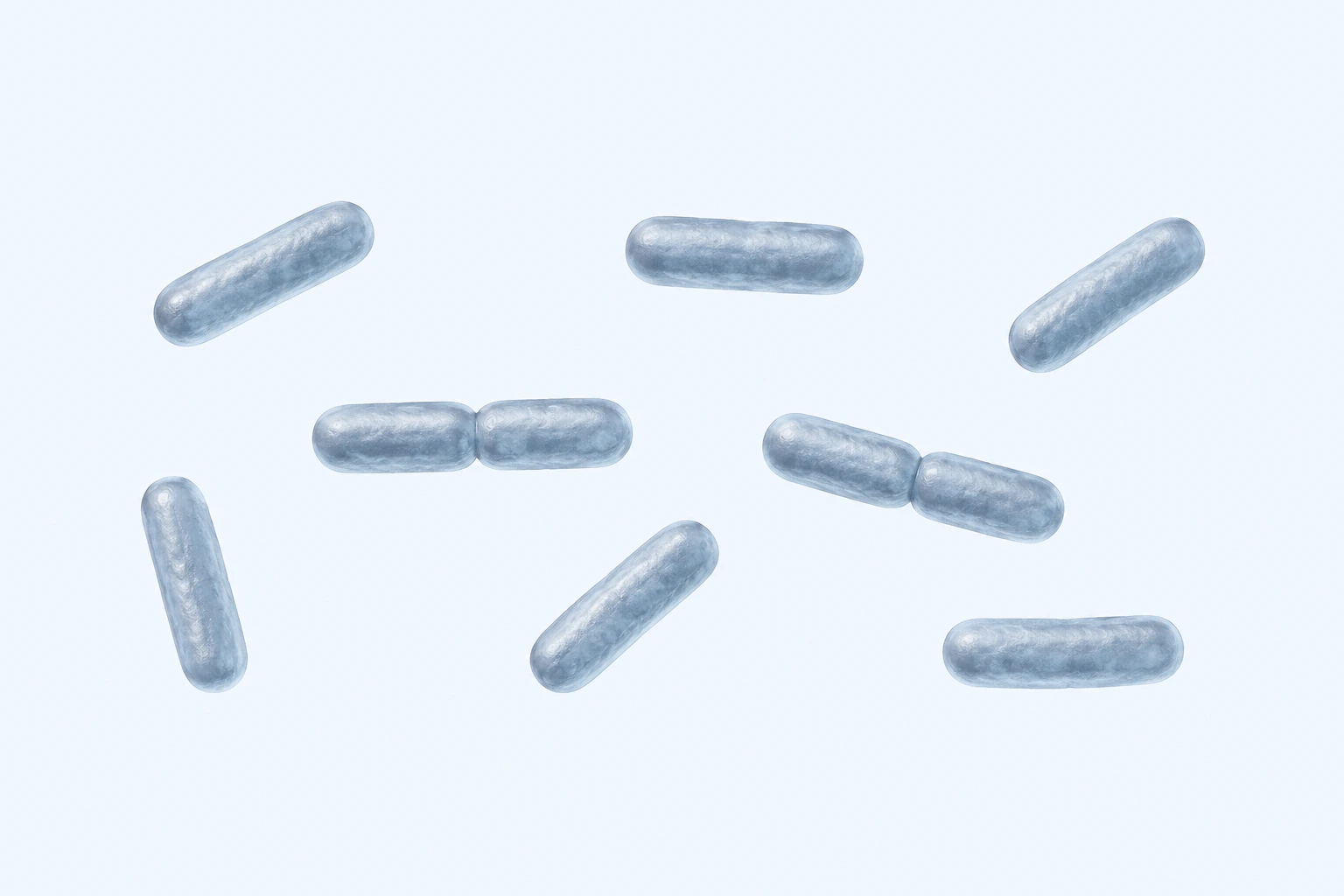
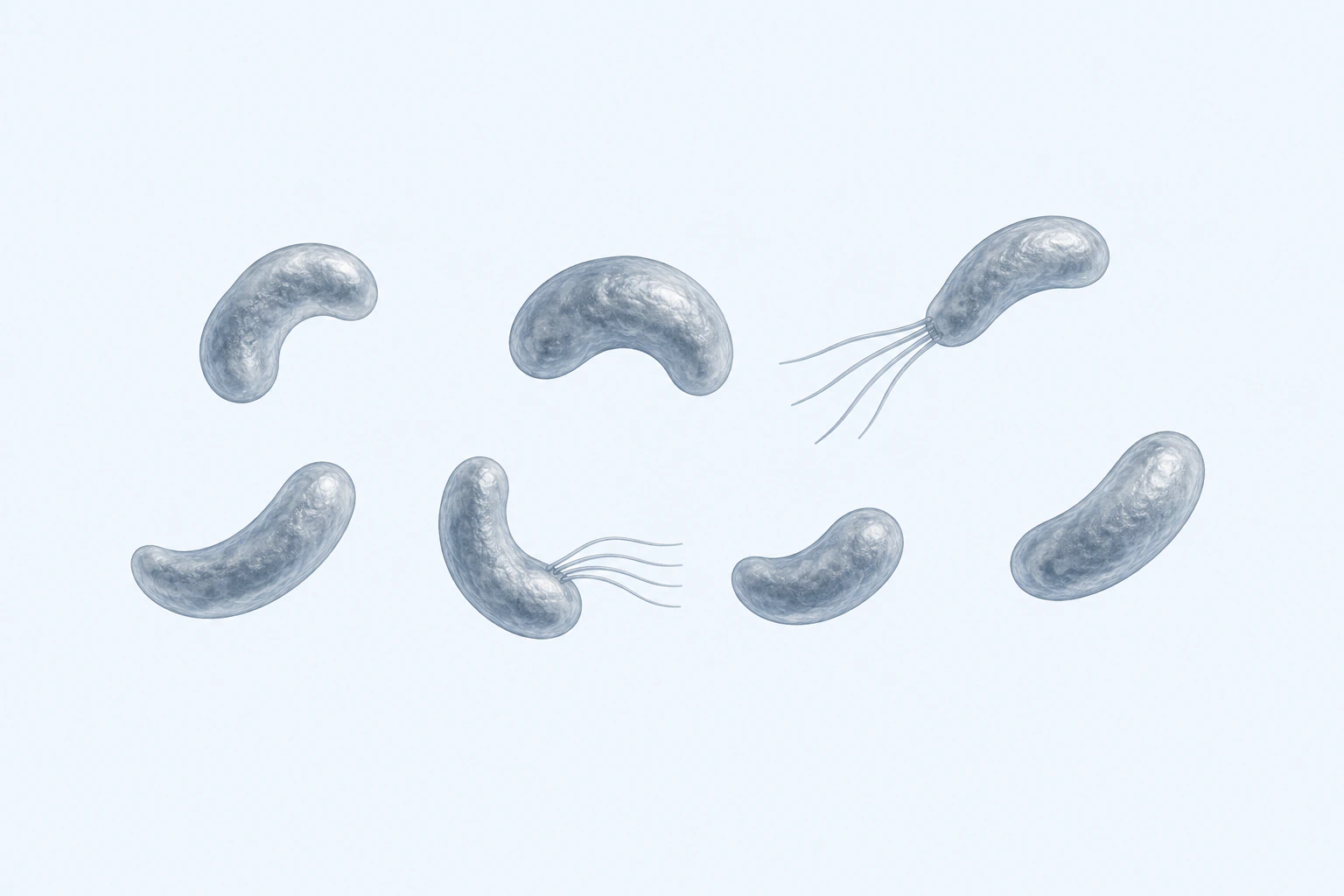
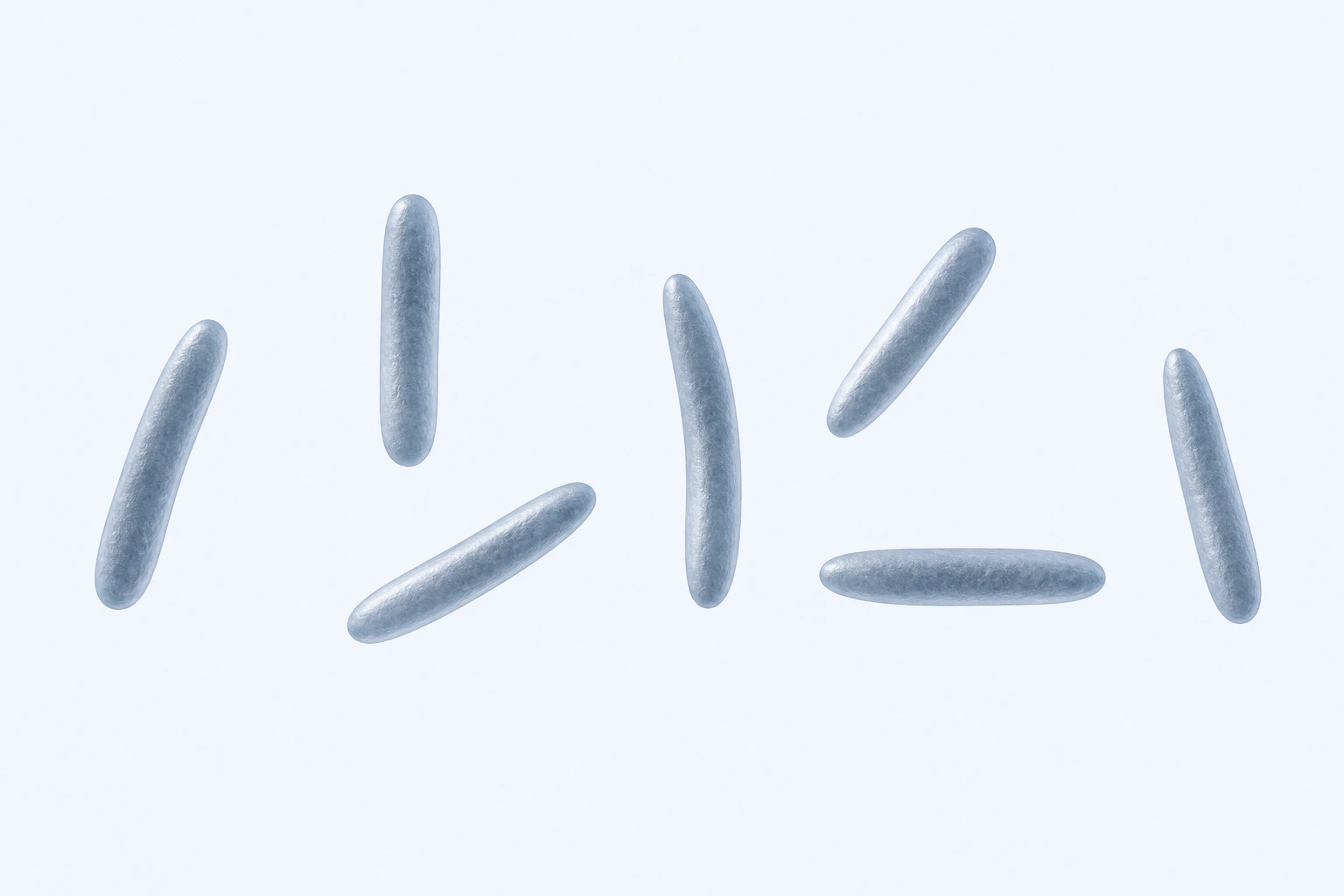
A Gram-negative, obligate anaerobic genus within the family veillonellaceae (class Negativicutes, phylum Firmicutes) defined by its specialized amino acid fermentation -- the genus name literally means "acid from amino acids." Acidaminococcus ferments glutamate as its p…
A Gram-negative, aerobic, non-fermenting coccobacillus and a member of the ESKAPE group of priority pathogens (Enterococcus, Staphylococcus, Klebsiella, Acinetobacter, Pseudomonas, Enterobacter). Acinetobacter baumannii is among the most problematic nosocomial pathogens…
WHO Priority 1: Critical. A Gram-negative, strictly aerobic coccobacillus and one of the most dangerous nosocomial pathogens on the planet. A. baumannii belongs to the ESKAPE group and causes ventilator-associated pneumonia, wound infections, and bloodstream infections …
Aeromonas is a genus of Gram-negative, facultatively anaerobic bacteria found in aquatic environments and, increasingly recognized as an opportunistic gut pathogen. Several species — particularly Aeromonas hydrophila, A. veronii, and A. caviae — are associated with gast…
A Gram-negative, obligate anaerobic, mucin-degrading bacterium that colonizes the intestinal mucus layer and has emerged as one of the most important next-generation probiotics. A. muciniphila is consistently depleted in disease states associated with metal dyshomeostas…
Alishewanella is a genus of Gram-negative, facultative anaerobic bacteria within the class Gammaproteobacteria. Primarily known as environmental organisms, Alishewanella species have been identified in the microbiome of deep endometriosis — both in vaginal samples and w…
A Gram-negative, obligate anaerobic genus within the Bacteroidetes phylum (family Rikenellaceae). Alistipes occupies a complex and context-dependent role in the gut ecosystem — some species carry well-documented anti-inflammatory properties, while the genus is paradoxic…
Alloprevotella is a genus of Gram-negative, obligate anaerobic bacteria within the family Prevotellaceae that represents a distinct clade from prevotella with specific protective roles in type 2 diabetes prevention and metabolic health. Alloprevotella depletion is one o…
Bacteroidaceae is a family of obligate anaerobic, Gram-negative bacteria in the order bacteroidales. The dominant genus is bacteroides, which includes B. fragilis, B. vulgatus, B. thetaiotaomicron, and B. uniformis. Bacteroidaceae are among the most abundant gut bacteri…
Bacteroidales is an order of obligate anaerobic, Gram-negative bacteria within the phylum Bacteroidetes. It includes the families Bacteroidaceae (bacteroides), Prevotellaceae (prevotella), Rikenellaceae, and Porphyromonadaceae (porphyromonas). Bacteroidales are among th…
Bacteroides caccae is a Gram-negative, obligate anaerobic member of the bacteroidetes phylum and a common fiber-degrading commensal in the human colon. While less individually prominent than bacteroides fragilis or bacteroides thetaiotaomicron, B. caccae has emerged as …
A Gram-negative obligate anaerobe and the most clinically significant member of the Bacteroides genus. B. fragilis occupies a unique dual position in gut microbiology: as a non-toxigenic commensal (NTBF), it produces polysaccharide A (PSA) that shapes immune tolerance; …
Bacteroides thetaiotaomicron is one of the most abundant and metabolically versatile commensals of the human gut, routinely cited as a model organism for studying host-microbe symbiosis. Its genome was one of the first human gut bacterial genomes fully sequenced, and su…
A Gram-negative, obligate anaerobic bacterium within the phylum Bacteroidetes and a common member of the healthy human gut microbiota. B. uniformis is a versatile polysaccharide degrader with emerging significance as an anti-inflammatory commensal whose depletion appear…
A Gram-negative obligate anaerobe that exemplifies the commensal-pathobiont spectrum. B. vulgatus is a common component of the healthy gut microbiota, yet is significantly enriched in colorectal cancer and depression, suggesting a context-dependent pathogenic potential.…
Bacteroidetes (recently reclassified as Bacteroidota) is one of the two dominant bacterial phyla in the human gut, together with firmicutes typically comprising 90% of the intestinal microbiota. Bacteroidetes are Gram-negative, obligately anaerobic, non-spore-forming ro…
Barnesiella is a validly published genus of Gram-negative, obligately anaerobic bacteria in the phylum Bacteroidota and family Barnesiellaceae. NCBI Taxonomy assigns the genus NCBITaxon:397864, and LPSN lists Barnesiella Sakamoto et al. 2007 as the correct name ncbi tax…
A class of Gram-negative bacteria within the phylum Proteobacteria that has emerged as a causal risk factor for schizophrenia and bipolar disorder through Mendelian randomization studies. Betaproteobacteria includes genera with notable metal tolerance -- particularly wi…
Bilophila wadsworthia is a Gram-negative, obligate anaerobic, sulfite-reducing bacterium that has emerged as a key pathobiont linking high-fat diets, taurine metabolism, hydrogen sulfide production, and inflammatory disease. Its unique metabolic niche -- using taurine-c…
A genus of Gram-negative intracellular pathogens causing brucellosis, the most common bacterial zoonosis worldwide. Brucella species depend on nickel-activated urease for gastrointestinal survival during the initial phase of infection, and urease immunization has been s…
Burkholderiales is an order of Gram-negative Betaproteobacteria that includes environmentally versatile genera such as Ralstonia, Burkholderia, and Sutterella. Many members are notable for their metal resistance mechanisms, which enable survival in heavy metal-contamina…
A Gram-negative, obligate anaerobic genus within the Bacteroidetes phylum (family Odoribacteraceae). Despite its relatively recent characterization, Butyricimonas has gained significant attention as a member of the protective butyrate-producing consortium that is consis…
Campylobacter is a genus of Gram-negative, microaerophilic, spiral-shaped bacteria. C. jejuni is the most common bacterial cause of foodborne gastroenteritis worldwide and a trigger for post-infectious Guillain-Barré syndrome (molecular mimicry between Campylobacter LOS…
Caulobacter is a genus of Gram-negative obligate aerobic Alphaproteobacteria, with C. crescentus serving as one of the premier model organisms for studying bacterial cell biology. Found primarily in oligotrophic freshwater environments, Caulobacter is not a gut commensa…
Chlamydia is a genus of obligate intracellular, Gram-negative bacteria with a unique biphasic developmental cycle. The genus includes three species pathogenic to humans: chlamydia trachomatis (STI and trachoma), C. pneumoniae (respiratory infections, atherosclerosis ass…
Chlamydia trachomatis is a Gram-negative, obligate intracellular bacterium and the most common bacterial sexually transmitted infection worldwide. Its biphasic developmental cycle — alternating between the infectious elementary body (EB) and the replicative reticulate b…
Christensenellaceae is a family of Gram-negative, strictly anaerobic bacteria within the order Clostridiales (phylum Firmicutes) that has emerged as one of the most consistently health-associated and heritable members of the human gut microbiome. First formally describe…
Citrobacter is a genus of Gram-negative, facultatively anaerobic bacteria in the Enterobacteriaceae family, named for its ability to utilize citrate as a sole carbon source. Species include C. freundii, C. koseri, and C. rodentium (a mouse model for EHEC infection). In …
A genus of Gram-negative, obligate anaerobic, sulfate-reducing bacteria (SRB) that produces hydrogen sulfide (H2S) as its primary metabolic end-product. H2S is a potent cytotoxin that disrupts colonocyte energy metabolism, damages the gut barrier, and promotes chronic i…
An order of Gram-negative, strictly anaerobic sulfate-reducing bacteria (SRB) within the class Deltaproteobacteria. The defining metabolic feature of Desulfovibrionales is dissimilatory sulfate reduction -- using sulfate as a terminal electron acceptor and producing hyd…
Dialister is a genus of Gram-negative, obligate anaerobic bacteria within the family Veillonellaceae that represents one of the strongest protective associations in gut-brain-axis research. Dialister depletion is a consistent and independent biomarker of depression, anx…
Enterobacter is a genus of Gram-negative, facultatively anaerobic bacteria in the enterobacteriaceae family. Key species include enterobacter cloacae (the most clinically relevant) and E. hormaechei. Like other Enterobacteriaceae, Enterobacter possesses iron-dependent s…
Enterobacter cloacae is a Gram-negative, facultatively anaerobic member of the Enterobacteriaceae. Ubiquitous in soil, water, and the mammalian gut, it is a leading cause of nosocomial infections and carries clinically significant antibiotic resistance through inducible…
A family of Gram-negative, facultative anaerobic Gammaproteobacteria that includes many of the most important human pathogens: escherichia coli, klebsiella pneumoniae, salmonella typhimurium, shigella flexneri, yersinia pestis, proteus mirabilis, Morganella, and Serrati…
Escherichia is a genus of Gram-negative, facultatively anaerobic bacteria in the Enterobacteriaceae family. The primary species E. coli is simultaneously the most studied bacterium in biology and one of the most consistently enriched organisms in disease-associated micr…
A Gram-negative bacterium that spans the commensal-pathogen spectrum, with pathogenic variants (UPEC, STEC, EHEC) deploying nickel-dependent enzymes as virulence factors. E. coli is the model organism for nickel transport biology -- the NikABCDE system was first charact…
Flavobacterium is a genus of Gram-negative, aerobic bacteria within the phylum Bacteroidetes. Primarily environmental organisms found in soil and freshwater, Flavobacterium species have been identified in human microbiome studies of the cervical and reproductive tract, …
An order of Gram-negative, obligate anaerobic bacteria within the phylum Fusobacteriota (formerly Fusobacteria). This order-level page covers the broader taxonomic group that includes the well-characterized genus fusobacterium and its key species fusobacterium nucleatum…
A Gram-negative, obligate anaerobic bacterium that has emerged as the most consistently CRC-associated microorganism in human gut microbiome studies. F. nucleatum is the primary species of concern, originally a commensal of the oral cavity that translocates to colorecta…
A Gram-negative obligate anaerobe that has emerged as a major pathogen in colorectal cancer (CRC) and inflammatory bowel disease. F. nucleatum is significantly enriched in CRC tissue and tumors compared to healthy mucosa, making it one of the strongest microbe-cancer as…
A Gram-negative obligate anaerobe that occupies a paradoxical niche in the gut microbiota: as a weak butyrate producer (short-chain fatty acid), it has anti-inflammatory potential; as a virulent invasive pathobiont in inflammatory bowel disease (particularly ulcerative …
Haemophilus is a genus of small, Gram-negative, facultatively anaerobic coccobacilli that inhabit the upper respiratory tract, oral cavity, and gastrointestinal tract. The genus name literally means "blood-loving" -- a direct reference to its absolute requirement for he…
A Gram-negative, microaerophilic bacterium within the Epsilonproteobacteria (family Helicobacteraceae) that is the primary murine model of hepatobiliary and intestinal disease. Unlike its more famous relative helicobacter pylori, which colonizes the stomach, H. hepaticu…
Klebsiella is a genus of Gram-negative, encapsulated, facultatively anaerobic bacteria in the Enterobacteriaceae family. With 141 file mentions across the vault, Klebsiella is one of the most frequently referenced opportunistic pathogens. The dominant species is klebsie…
A Gram-negative opportunistic pathogen and member of the ESKAPE group of antibiotic-resistant priority pathogens. K. pneumoniae deploys multiple nickel-dependent enzymes for virulence and relies on the dual-function metallophore yersiniabactin for both iron and nickel s…
A Gram-negative obligate anaerobe traditionally considered an oral commensal, but increasingly recognized as an opportunistic pathobiont with the ability to translocate from oral biofilms to the gastrointestinal tract and bloodstream. Leptotrichia species are prominentl…
Megamonas is a genus of obligate anaerobic, Gram-negative bacteria in the family Veillonellaceae (class Negativicutes, phylum Firmicutes). The type species is Megamonas hypermegale, with M. funiformis also well-characterized. It is a common member of the human gut micro…
Megasphaera is a genus of obligate anaerobic, Gram-negative bacteria in the family Veillonellaceae (class Negativicutes, phylum Firmicutes). The genus occupies two distinct ecological niches — the vaginal microbiome (where it is a hallmark of bacterial vaginosis) and th…
Morganella morganii is a Gram-negative, facultatively anaerobic rod belonging to the family Morganellaceae (formerly classified within Enterobacteriaceae). It inhabits the human gastrointestinal tract as a low-abundance commensal but becomes an opportunistic pathogen in…
Odoribacter splanchnicus is a Gram-negative, obligate anaerobic bacterium belonging to the family Odoribacteraceae within the phylum Bacteroidota (formerly Bacteroidetes). It is a commensal resident of the human colon recognized primarily as a producer of short chain fa…
Oscillibacter is a genus of Gram-negative, strictly anaerobic, motile bacteria within the family Oscillospiraceae (phylum Firmicutes). The type species, Oscillibacter valericigenes, was first isolated from the alimentary canal of a Japanese corbicula clam and named for …
A Gram-negative, obligate anaerobic genus within the Bacteroidetes phylum, closely related to bacteroides fragilis. The best-characterized species, P. distasonis, has emerged as a key anti-inflammatory commensal with significant roles in bile acid metabolism and metabol…
Parabacteroides distasonis is a Gram-negative obligate anaerobe formerly classified within Bacteroides. It is a core member of the healthy human gut microbiome, typically found in the colon where it contributes to polysaccharide degradation and bile acid metabolism.
Paraprevotella is a genus of obligate anaerobic, Gram-negative bacteria in the family Prevotellaceae, related to prevotella. It is a gut commensal with emerging associations across neuropsychiatric and reproductive conditions. - Schizophrenia: Altered in gut-brain axis …
Parasutterella excrementihominis is a Gram-negative, obligate anaerobic bacterium within the Betaproteobacteria class that has gained attention as an emerging biomarker across metabolic, inflammatory, and endocrine conditions. Despite its relatively recent characterizat…
A Gram-negative, obligate anaerobic genus within the Firmicutes phylum (family Acidaminococcaceae, class Negativicutes). The primary species P. faecium and the recently characterized P. succinatutens are specialized propionate producers that utilize succinate as their m…
A Gram-negative, obligate anaerobic genus within the phylum Bacteroidota (formerly Bacteroidetes) that was recently reclassified from Bacteroides based on phylogenomic evidence (Garcia-Lopez et al., 2019). The key species -- Phocaeicola vulgatus (formerly Bacteroides vu…
A Gram-negative, obligate anaerobic genus with the keystone pathogen P. gingivalis at its center. Named for its porphyrin (heme) requirement, Porphyromonas is the prototypical periodontal pathogen and one of the most important organisms connecting oral health to systemi…
See also: porphyromonas (genus page), porphyromonas gingivalis (species page) Porphyromonas bennonis is an obligate anaerobic, Gram-negative bacterium related to the periodontal pathogen porphyromonas gingivalis. Unlike its oral relative, P. bennonis is primarily associ…
A Gram-negative obligate anaerobe and keystone pathogen of the oral microbiome that causes chronic periodontitis and is increasingly implicated in systemic diseases including alzheimers disease and cardiovascular disease. P. gingivalis virulence is fundamentally depende…
A Gram-negative, obligate anaerobic genus within the Bacteroidetes phylum that exemplifies context-dependent microbiome effects -- beneficial in some settings, pathogenic in others. P. copri is the dominant species in the human gut and a hallmark of plant-rich, fiber-ri…
A Gram-negative obligate anaerobe that occupies a unique context-dependent niche in the human gut microbiome. P. copri is significantly enriched in rheumatoid arthritis patients and is associated with metabolic syndrome and obesity, yet in other contexts it can function…
A Gram-negative, obligately anaerobic, black-pigmented bacterium and one of the classical periodontopathogens. P. intermedia belongs to the "orange complex" of periodontal pathogens (Socransky classification) and is distinguished by its iron and heme dependency -- the c…
A family of Gram-negative, obligate anaerobic bacteria within the phylum Bacteroidota (formerly Bacteroidetes) that includes the genus prevotella and the recently described alloprevotella. Prevotellaceae are specialist fiber fermenters producing short-chain fatty acids,…
A Gram-negative uropathogen whose Ni-dependent urease is the central driver of catheter-associated urinary tract infection (CAUTI) pathogenesis. Urease-mediated urea hydrolysis produces ammonia and alkalinizes urine, triggering precipitation of struvite (magnesium ammon…
An opportunistic Gram-negative pathogen with a unique dual-use siderophore system: its pyoverdine and pyochelin serve not only as iron scavengers but as extracellular chelators of toxic metals including nickel, copper, and cadmium. This makes P. aeruginosa unusually wel…
Ralstonia is a genus of Gram-negative, aerobic bacteria in the class Betaproteobacteria. While Wikipedia focuses on R. solanacearum (a plant pathogen), the WikiBiome-relevant species are R. pickettii and R. metallidurans (now Cupriavidus metallidurans) — organisms with …
Rikenella is a genus of obligate anaerobic, Gram-negative bacteria in the family Rikenellaceae (phylum Bacteroidetes). The primary species is R. microfusus. In the WikiBiome vault, Rikenella is consistently depleted across disease states — a protective commensal whose l…
Salmonella is a genus of Gram-negative, facultatively anaerobic bacteria in the family Enterobacteriaceae. The two species — S. enterica (with 2,500 serovars including Typhimurium and Typhi) and S. bongori — cause a spectrum of disease from self-limiting gastroenteritis…
A Gram-negative enteric pathogen that possesses four distinct hydrogenases of the [NiFe] class -- the most of any well-characterized human pathogen. These hydrogenases are critical for intracellular survival within macrophages, and a triple hydrogenase mutant is 100% av…
A genus of Gram-negative, crescent-shaped, strictly anaerobic bacteria found in both the oral cavity and the gastrointestinal tract. Selenomonas species are characterized by their distinctive morphology -- a curved rod with a tuft of flagella arising from the concave si…
Serratia is a genus of Gram-negative, facultatively anaerobic bacteria in the Enterobacteriaceae family. The primary species is S. marcescens, famous for its red pigment prodigiosin and its role as a nosocomial opportunistic pathogen. In the WikiBiome vault, Serratia ap…
Serratia marcescens is a Gram-negative, facultatively anaerobic member of the Enterobacteriaceae, historically recognized by its distinctive red pigment prodigiosin. Once considered a harmless environmental saprophyte, S. marcescens is now recognized as a significant op…
Shigella is a genus of Gram-negative, facultatively anaerobic bacteria in the family Enterobacteriaceae, closely related to Escherichia coli — so closely that many 16S rRNA-based studies report them as the Escherichia/Shigella complex, unable to distinguish the two gene…
A Gram-negative intracellular pathogen causing bacillary dysentery (shigellosis), responsible for approximately 165 million illness episodes and over 1 million deaths annually, predominantly in children under 5 in developing countries. S. flexneri relies on nickel-depen…
Sneathia is a genus of obligate anaerobic, Gram-negative bacteria in the phylum Fusobacteriota (formerly Fusobacteria). The primary species is S. sanguinegens (formerly Leptotrichia sanguinegens), with S. amnii also clinically significant. Sneathia is a member of the BV…
Sphingobium is a genus of Gram-negative, aerobic bacteria within the family Sphingomonadaceae. Primarily known as environmental organisms capable of degrading aromatic compounds, Sphingobium species have been unexpectedly identified in human microbiome studies of the re…
Sphingomonas is a genus of Gram-negative, aerobic, rod-shaped bacteria in the class Alphaproteobacteria, distinguished by the presence of sphingolipids in their outer membrane rather than the lipopolysaccharide (LPS) typical of most Gram-negative bacteria. Originally is…