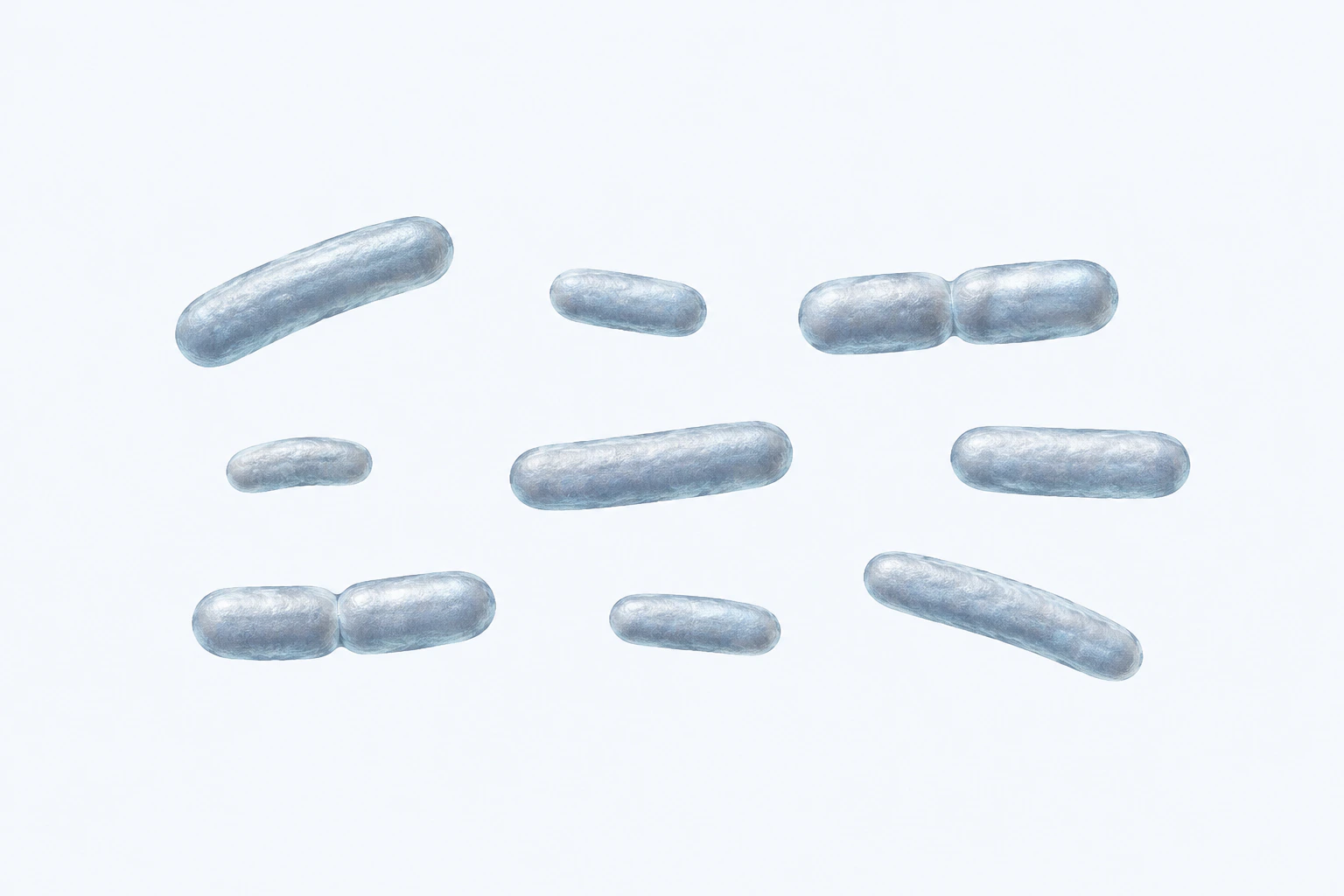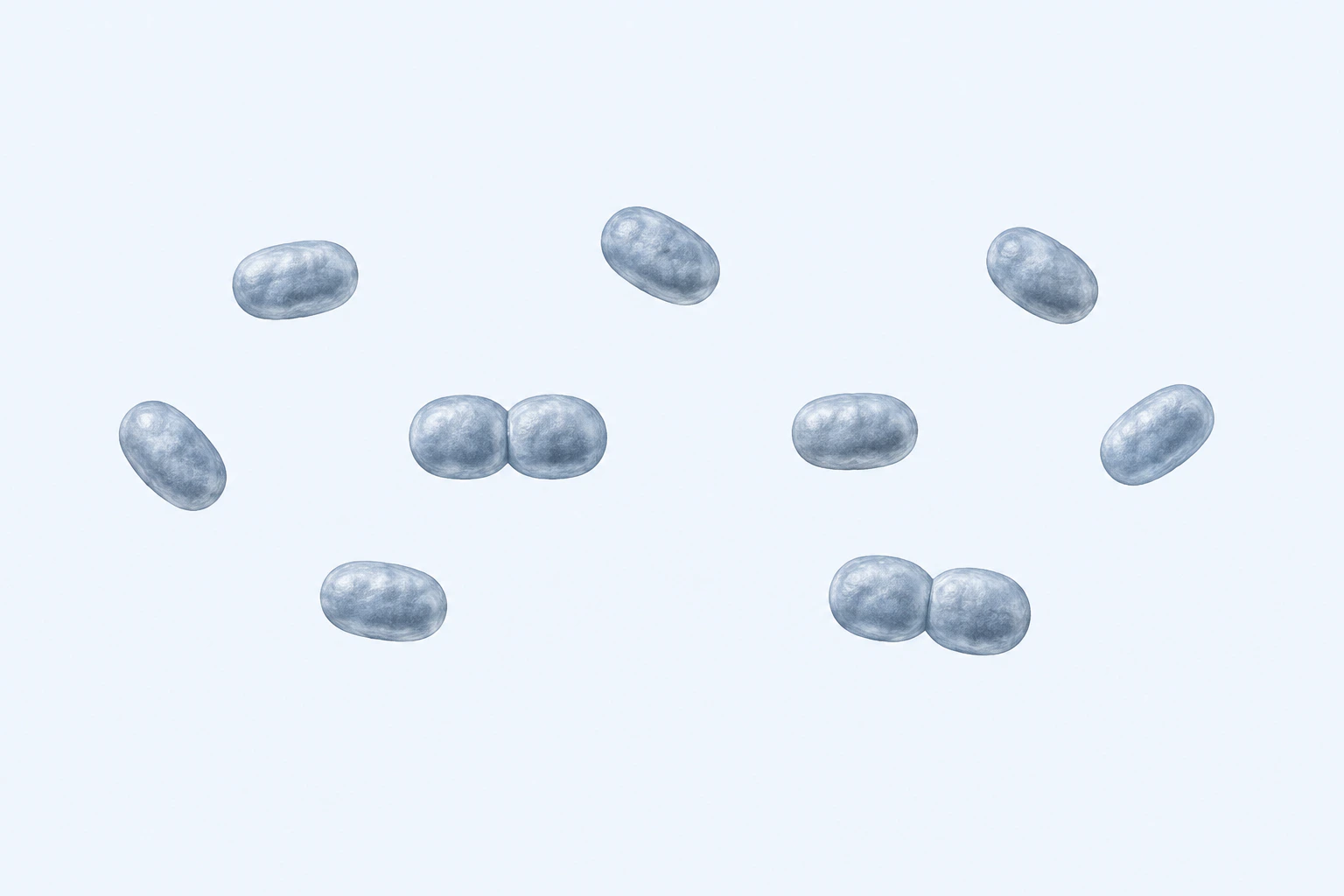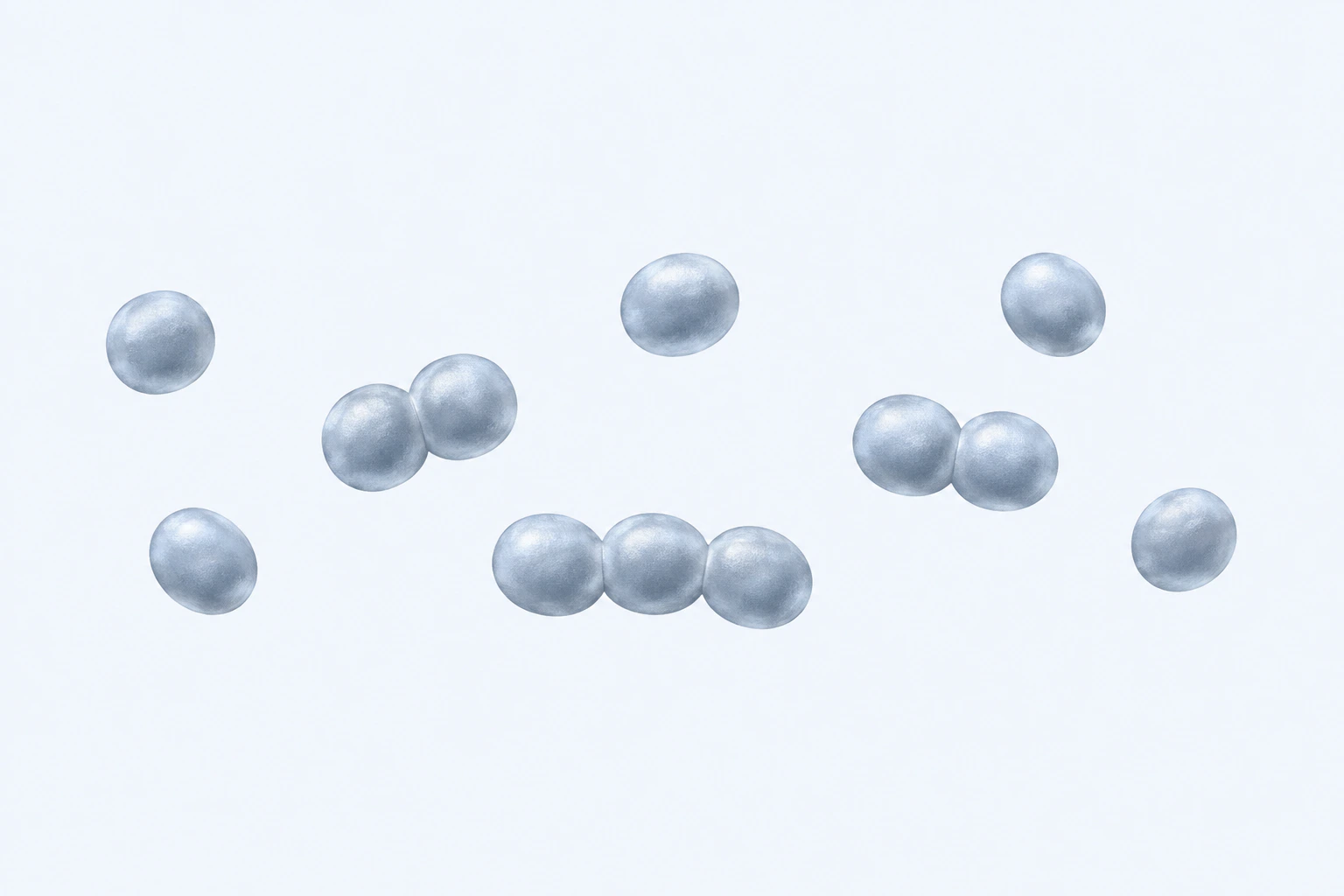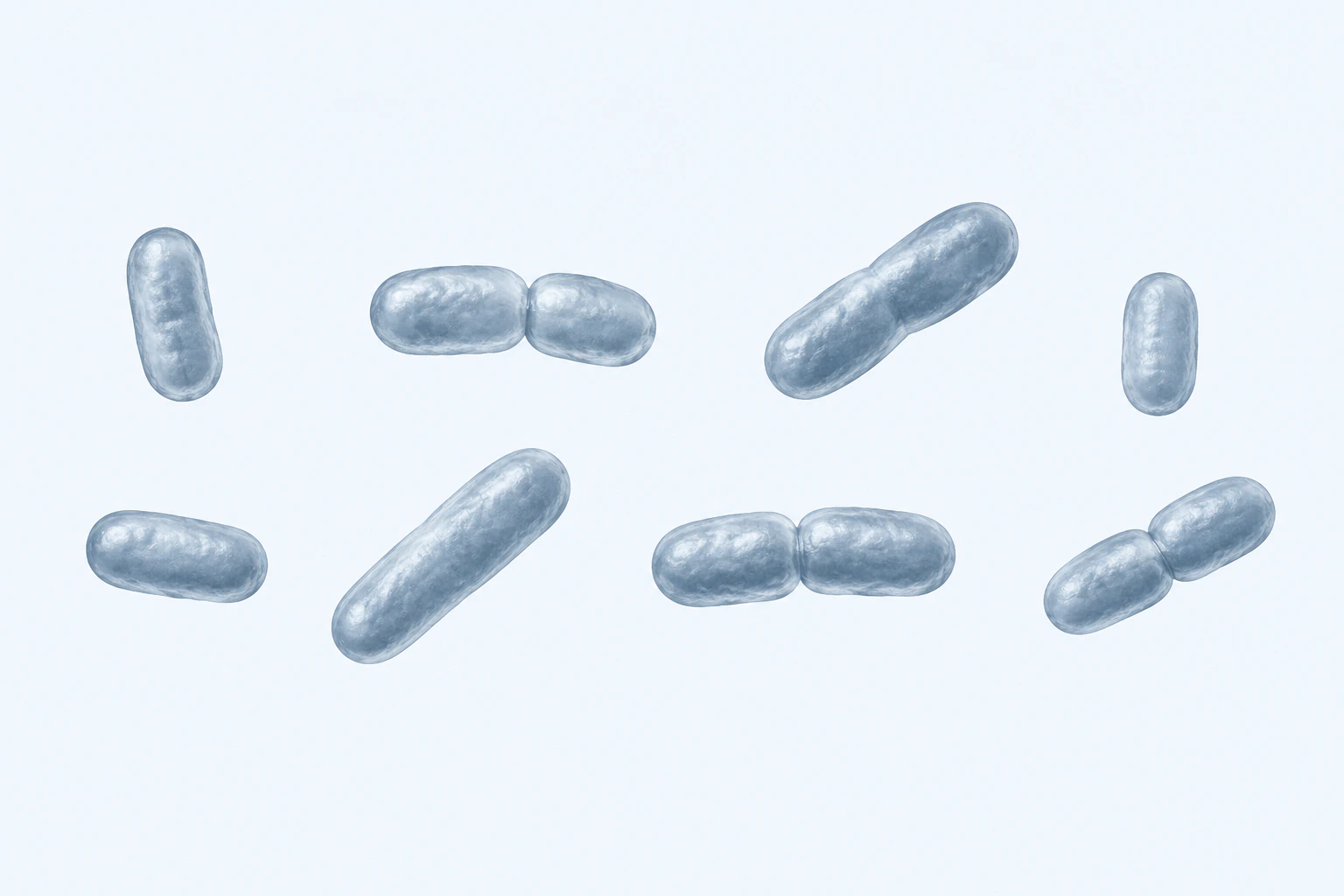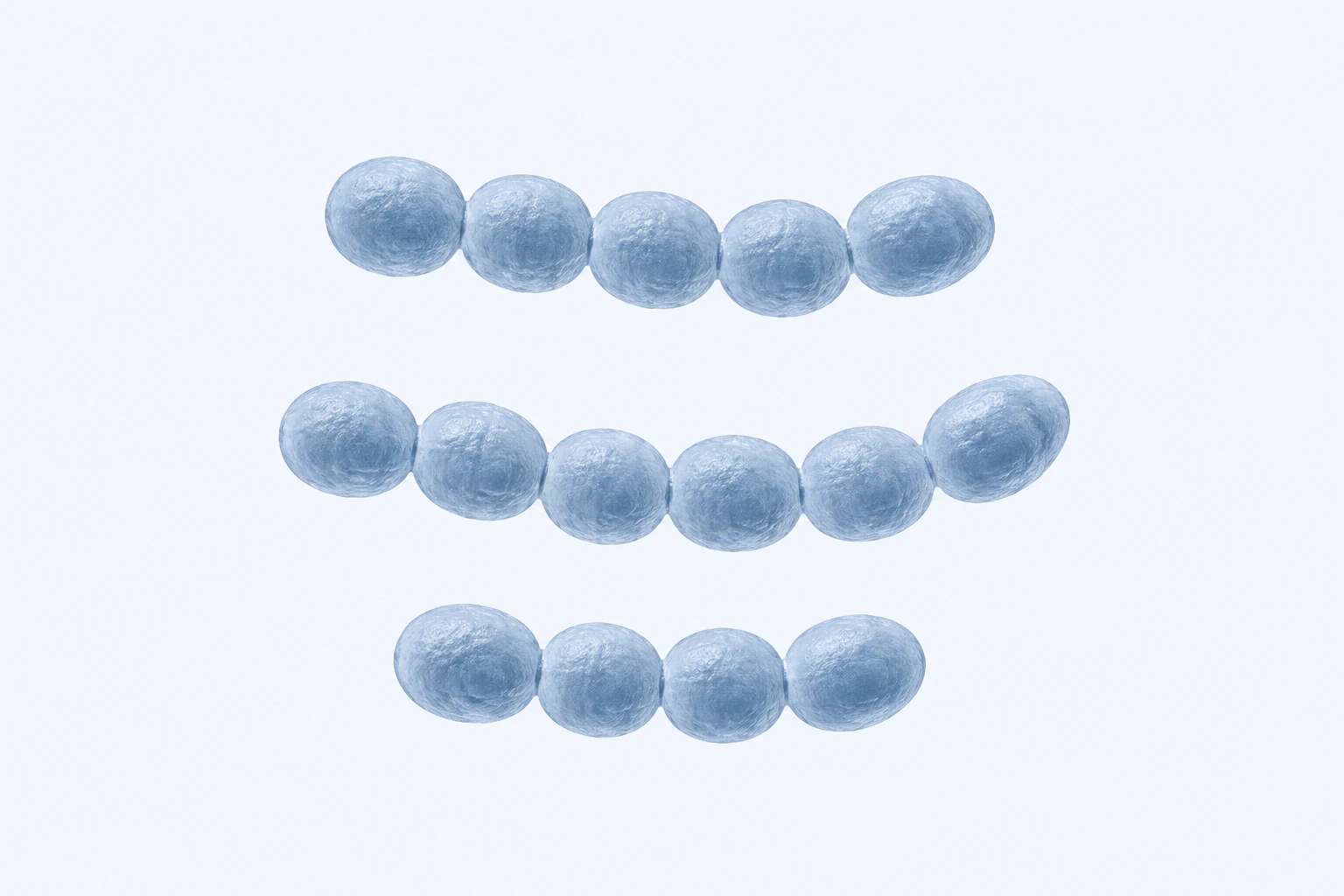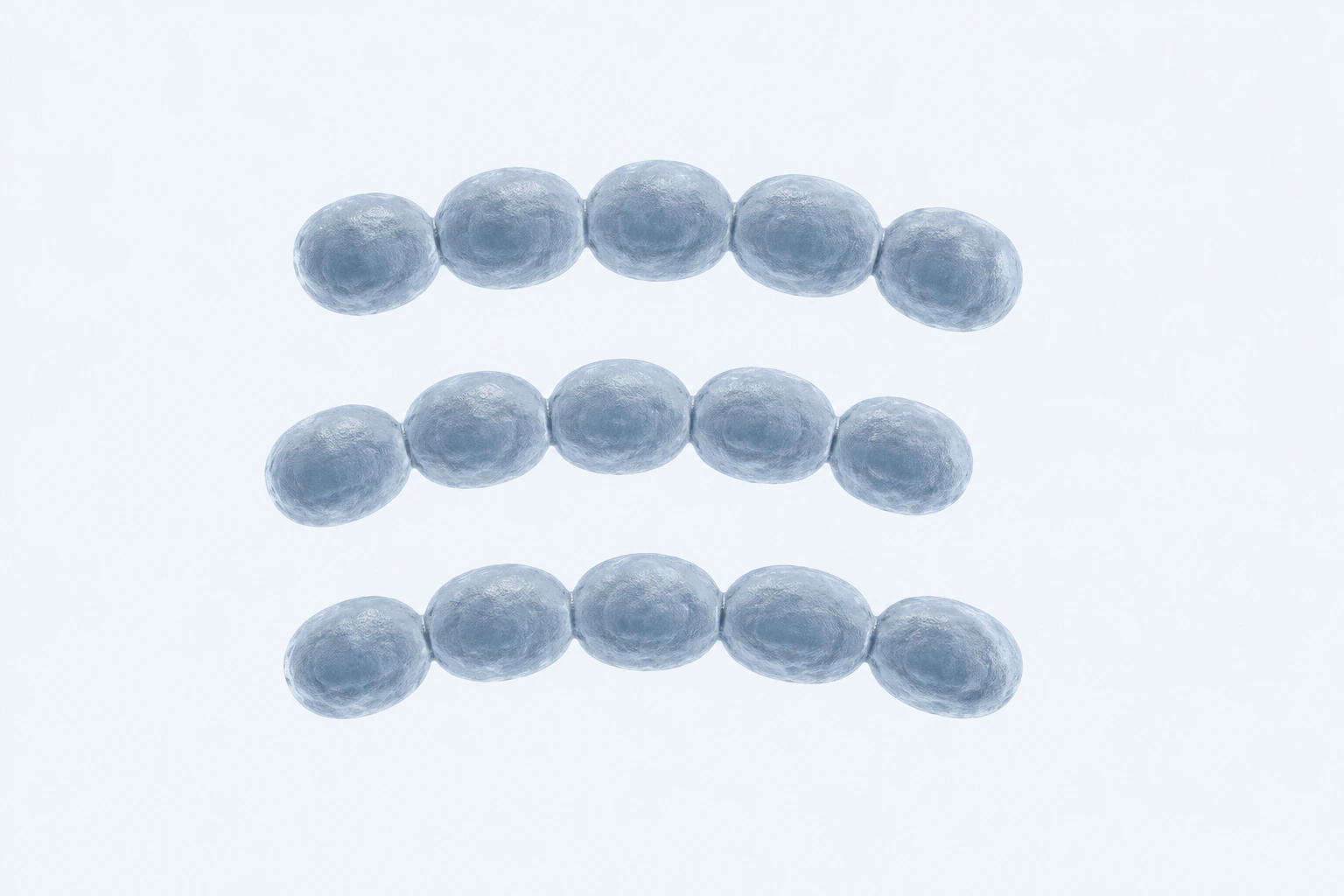

Actinobacteria (Actinomycetota)
This knowledge-base record is being expanded from WikiBiome’s evidence graph.
WikiBiomeThe human microbiome encyclopediaRanked matches across titles, topics, categories, and article introductions, filtered to microbe.
This knowledge-base record is being expanded from WikiBiome’s evidence graph.
Aerococcus is a genus of Gram-positive, alpha-hemolytic, catalase-negative cocci. The primary species of clinical relevance are A. urinae (a cause of urinary tract infections, particularly in elderly men) and A. christensenii (a vaginal commensal). In the WikiBiome vaul…
A Gram-negative, obligate anaerobic, mucin-degrading bacterium first isolated from human feces and formally described as a second species within the genus Akkermansia. Like its well-studied sister species akkermansia muciniphila, A. mucinicola colonizes the intestinal m…
A Gram-negative, obligate anaerobic, mucin-degrading bacterium that colonizes the intestinal mucus layer and has emerged as one of the most important next-generation probiotics. A. muciniphila is consistently depleted in disease states associated with metal dyshomeostas…
A Gram-negative, obligate anaerobic genus within the Bacteroidetes phylum (family Rikenellaceae). Alistipes occupies a complex and context-dependent role in the gut ecosystem — some species carry well-documented anti-inflammatory properties, while the genus is paradoxic…
Alloprevotella is a genus of Gram-negative, obligate anaerobic bacteria within the family Prevotellaceae that represents a distinct clade from prevotella with specific protective roles in type 2 diabetes prevention and metabolic health. Alloprevotella depletion is one o…
Bacteroidales is an order of obligate anaerobic, Gram-negative bacteria within the phylum Bacteroidetes. It includes the families Bacteroidaceae (bacteroides), Prevotellaceae (prevotella), Rikenellaceae, and Porphyromonadaceae (porphyromonas). Bacteroidales are among th…
This knowledge-base record is being expanded from WikiBiome’s evidence graph.
A Gram-negative obligate anaerobe and the most clinically significant member of the Bacteroides genus. B. fragilis occupies a unique dual position in gut microbiology: as a non-toxigenic commensal (NTBF), it produces polysaccharide A (PSA) that shapes immune tolerance; …
This knowledge-base record is being expanded from WikiBiome’s evidence graph.
A Gram-negative, obligate anaerobic bacterium within the phylum Bacteroidetes and a common member of the healthy human gut microbiota. B. uniformis is a versatile polysaccharide degrader with emerging significance as an anti-inflammatory commensal whose depletion appear…
A Gram-negative obligate anaerobe that exemplifies the commensal-pathobiont spectrum. B. vulgatus is a common component of the healthy gut microbiota, yet is significantly enriched in colorectal cancer and depression, suggesting a context-dependent pathogenic potential.…
This knowledge-base record is being expanded from WikiBiome’s evidence graph.
Barnesella is a genus of obligate anaerobic, Gram-negative bacteria in the phylum Bacteroidetes. It is a relatively understudied gut commensal that appears in the WikiBiome vault primarily in the context of endometriosis microbiome studies, where it is part of the compl…
Barnesiella is a genus of Gram-negative, obligate anaerobic bacteria within the phylum Bacteroidetes. It is a commensal member of the healthy human gut microbiota, recognized for its role in colonization resistance — the ability of the resident microbiome to prevent est…

Bifidobacteriaceae is the family containing bifidobacterium and related genera (alloscardovia). It is the dominant family in the healthy infant gut and a significant commensal family in adults. Family-level depletion is documented in ASD (marked reduction of Actinobacte…

This knowledge-base record is being expanded from WikiBiome’s evidence graph.
A genus of Gram-positive, obligate anaerobic bacteria that dominate the infant gut microbiome and remain important commensals throughout life. Bifidobacterium species are distinctive in the metallomics context because some species possess Ni-dependent urease -- an unusu…
Bifidobacterium bifidum is an obligate anaerobic, Gram-positive species that specializes in human milk oligosaccharide (HMO) and mucin glycan degradation. It is one of the earliest colonizers of the infant gut and a widely used probiotic species.
Bifidobacterium longum subsp. infantis (commonly called B. infantis) is the premier human milk oligosaccharide (HMO)-utilizing bacterium and the dominant species in the breastfed infant gut. It drives immune maturation, Treg induction, and pathogen exclusion in early li…
A genus of Gram-positive, obligate anaerobic bacteria within the lachnospiraceae family that produces short chain fatty acids and plays a significant role in bile acid metabolism. Key species include B. obeum, B. wexlerae, B. hydrogenotrophica, and B. producta. While pr…
A genus of Gram-positive, strictly anaerobic, butyrate-producing bacteria in the order Clostridiales (phylum Firmicutes). The type species, Butyricicoccus pullicaecorum, was originally isolated from chicken caecal content but has since been identified as a significant m…
A Gram-negative, obligate anaerobic genus within the Bacteroidetes phylum (family Odoribacteraceae). Despite its relatively recent characterization, Butyricimonas has gained significant attention as a member of the protective butyrate-producing consortium that is consis…
Christensenellaceae is a family of Gram-negative, strictly anaerobic bacteria within the order Clostridiales (phylum Firmicutes) that has emerged as one of the most consistently health-associated and heritable members of the human gut microbiome. First formally describe…
A large, polyphyletic genus of Gram-positive, obligate anaerobic, spore-forming bacteria encompassing both critical beneficial commensals and dangerous pathogens. Former Clostridium clusters IV and XIVa are now reclassified into ruminococcus-family Ruminococcaceae and l…
Clostridium symbiosum is a Gram-positive, obligately anaerobic bacterium within the Clostridium cluster XIVa — a taxonomic group enriched for short-chain fatty acid (SCFA) producers and specialized bile acid metabolizers. Despite its ambiguous name (suggesting symbiotic…
A Gram-positive, obligate anaerobic genus within the lachnospiraceae family (Firmicutes phylum). Coprococcus is one of the most important butyrate-producing commensals in the human gut and has gained particular attention as the "happiness bug" -- one of very few taxa di…
Corynebacterium is a large genus of Gram-positive, club-shaped bacteria with over 130 species spanning commensals, opportunistic pathogens, and the classic pathogen C. diphtheriae. In the WikiBiome context, Corynebacterium is most notable for its dominance in the male r…
Debaryomyces is a genus of ascomycetous fungi, with D. hansenii being the most clinically relevant species, that represents a prominent opportunistic pathobiont enriched in inflammatory bowel disease, particularly crohns disease. Unlike many commensal fungi, Debaryomyce…
A Gram-positive, obligate anaerobic genus within the lachnospiraceae family (Firmicutes phylum). Dorea occupies a mixed role in the gut ecosystem -- while it is a core member of the healthy human microbiome, several species are consistently enriched in autoimmune and ne…
Enterococcus faecalis is a Gram-positive, facultatively anaerobic coccus that inhabits the gastrointestinal tract, oral cavity, and genitourinary tract of humans. It is a commensal in the healthy gut at low abundance but is one of the most clinically significant opportu…
A Gram-negative bacterium that spans the commensal-pathogen spectrum, with pathogenic variants (UPEC, STEC, EHEC) deploying nickel-dependent enzymes as virulence factors. E. coli is the model organism for nickel transport biology -- the NikABCDE system was first charact…
A genus of Gram-positive, obligate anaerobic bacteria within the Firmicutes phylum that includes several of the most important butyrate producers in the human colon. Key species are E. rectale, E. hallii (now reclassified as Anaerobutyricum hallii), and E. limosum. Cons…
Faecalibacterium is a genus of obligate anaerobic, Gram-positive bacteria in the family Ruminococcaceae (phylum Firmicutes). It is the most abundant genus in the healthy human colon (5–15% of fecal bacteria) and its depletion is the single most reproducible microbiome f…
The most abundant bacterium in the healthy human colon (5-15% of total fecal microbiota), F. prausnitzii is the premier butyrate producer in the gut and a cornerstone of anti-inflammatory intestinal homeostasis. Its depletion is one of the most consistent microbiome sig…
This knowledge-base record is being expanded from WikiBiome’s evidence graph.
A Gram-negative, obligate anaerobic bacterium that has emerged as the most consistently CRC-associated microorganism in human gut microbiome studies. F. nucleatum is the primary species of concern, originally a commensal of the oral cavity that translocates to colorecta…
Gemella is a genus of Gram-positive, facultatively anaerobic cocci that are normal commensals of the oral cavity. Species include G. morbillorum, G. haemolysans, and G. sanguinis. In the WikiBiome context, Gemella is notable for its oral-gut translocation pattern — an o…
Haemophilus is a genus of small, Gram-negative, facultatively anaerobic coccobacilli that inhabit the upper respiratory tract, oral cavity, and gastrointestinal tract. The genus name literally means "blood-loving" -- a direct reference to its absolute requirement for he…
A genus of Gram-positive, strictly anaerobic bacteria in the family Erysipelotrichaceae (phylum Firmicutes) that is emerging as one of the most consistently protective gut commensals in human disease. Holdemanella is depleted across a striking range of conditions -- inf…
Lachnobacterium is a genus of Gram-positive, obligate anaerobic bacteria within the family Lachnospiraceae (phylum Firmicutes). It is a commensal member of the healthy human gut microbiota, though relatively understudied compared to other Lachnospiraceae genera. Lachnob…
Lachnoclostridium is a genus of obligate anaerobic, Gram-positive bacteria in the lachnospiraceae family. It is a butyrate-producing commensal with emerging clinical significance as a treatment response biomarker and diagnostic marker.
Lachnospira is a genus of Gram-positive, obligate anaerobic bacteria within the lachnospiraceae family (Firmicutes phylum). L. pectinoschiza, the type species, is a specialist pectin fermenter that produces short chain fatty acids from plant-derived polysaccharides. The…
A genus of Gram-positive, facultatively anaerobic lactic acid bacteria (LAB) that are among the most extensively studied probiotics. In the metallomics context, Lactobacillus species are critical for two reasons: they actively detoxify heavy metals through binding and s…
A Gram-positive, facultatively anaerobic bacterium that is the dominant species in the healthy human vaginal microbiome and a defining member of Community State Type I (CST-I). L. crispatus dominance is associated with reproductive health, pathogen resistance, and reduc…
Lactobacillus gasseri is a vaginal and gut commensal that defines Community State Type II (CST-II) in the vaginal microbiome. It is a common probiotic species with anti-obesity properties in clinical trials.
Lactobacillus jensenii defines Community State Type V (CST-V) in the vaginal microbiome. It produces hydrogen peroxide and lactic acid, contributing to vaginal defense against pathogens, though less dominant than lactobacillus crispatus (CST-I).
A Gram-negative obligate anaerobe traditionally considered an oral commensal, but increasingly recognized as an opportunistic pathobiont with the ability to translocate from oral biofilms to the gastrointestinal tract and bloodstream. Leptotrichia species are prominentl…
A genus of lipophilic basidiomycete yeasts that is the dominant fungus on human skin and has recently been recognized as a significant component of the gut mycobiome. M. restricta, M. globosa, and M. furfur are the primary species. Originally studied as the cause of dan…
A Gram-positive, obligate anaerobic genus within the family lachnospiraceae (phylum Firmicutes) that was recently reclassified from Ruminococcus based on phylogenomic evidence. The key species Mediterraneibacter faecis (formerly Ruminococcus gnavus clade relatives) is a…
Methylobacterium is a genus of methylotrophic alpha-Proteobacteria (phylum Pseudomonadota) predominantly found in soil, water, plant surfaces, and air environments. It is a methylotroph — capable of using one-carbon compounds such as methanol as a carbon and energy sour…
Odoribacter splanchnicus is a Gram-negative, obligate anaerobic bacterium belonging to the family Odoribacteraceae within the phylum Bacteroidota (formerly Bacteroidetes). It is a commensal resident of the human colon recognized primarily as a producer of short chain fa…
A Gram-negative, obligate anaerobic genus within the Bacteroidetes phylum, closely related to bacteroides fragilis. The best-characterized species, P. distasonis, has emerged as a key anti-inflammatory commensal with significant roles in bile acid metabolism and metabol…
This knowledge-base record is being expanded from WikiBiome’s evidence graph.
Paraprevotella is a genus of obligate anaerobic, Gram-negative bacteria in the family Prevotellaceae, related to prevotella. It is a gut commensal with emerging associations across neuropsychiatric and reproductive conditions. - Schizophrenia: Altered in gut-brain axis …
Parasutterella excrementihominis is a Gram-negative, obligate anaerobic bacterium within the Betaproteobacteria class that has gained attention as an emerging biomarker across metabolic, inflammatory, and endocrine conditions. Despite its relatively recent characterizat…
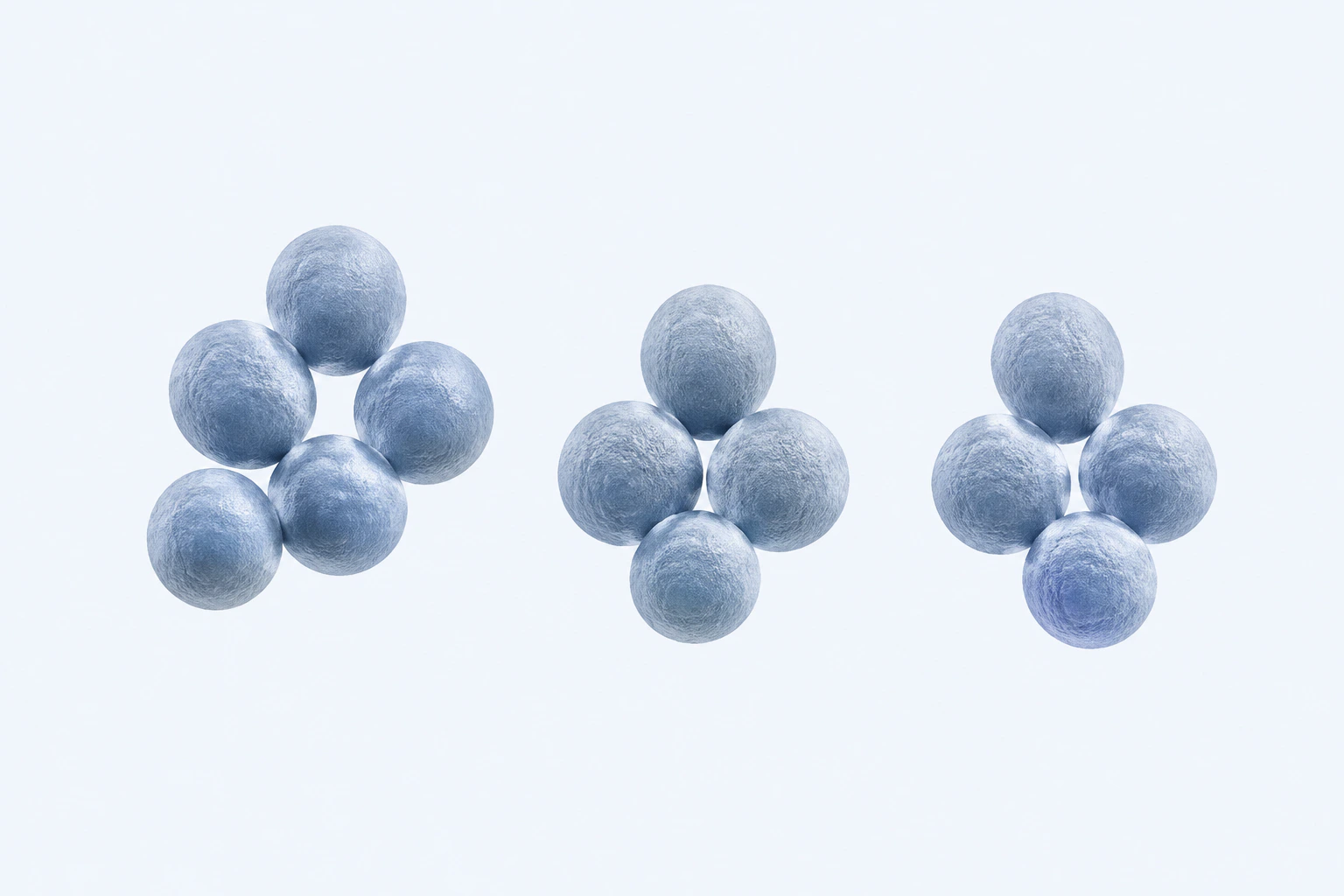
Parvimonas micra is a small (0.5–1.0 µm), Gram-positive, obligately anaerobic coccus originally isolated from the human oral cavity that has emerged as one of the most consistent and universally enriched pathobionts in colorectal cancer across all geographic regions, ag…
Peptostreptococcus stomatis is a Gram-positive, obligately anaerobic coccus originally isolated from the human oral cavity (oral streptococcal species) that has emerged as a carcinogenic oral pathobiont enriched in colorectal cancer, particularly in advanced stages. Unl…
A Gram-negative, obligate anaerobic genus within the Firmicutes phylum (family Acidaminococcaceae, class Negativicutes). The primary species P. faecium and the recently characterized P. succinatutens are specialized propionate producers that utilize succinate as their m…
A Gram-negative, obligate anaerobic genus within the Bacteroidetes phylum that exemplifies context-dependent microbiome effects -- beneficial in some settings, pathogenic in others. P. copri is the dominant species in the human gut and a hallmark of plant-rich, fiber-ri…
A Gram-negative obligate anaerobe that occupies a unique context-dependent niche in the human gut microbiome. P. copri is significantly enriched in rheumatoid arthritis patients and is associated with metabolic syndrome and obesity, yet in other contexts it can function…
Propionibacterium (largely reclassified as Cutibacterium for skin species) is a genus of Gram-positive, anaerobic to aerotolerant bacteria that produce propionic acid as their primary fermentation product. P. acnes (now Cutibacterium acnes) is the dominant skin commensa…
This knowledge-base record is being expanded from WikiBiome’s evidence graph.
Rikenella is a genus of obligate anaerobic, Gram-negative bacteria in the family Rikenellaceae (phylum Bacteroidetes). The primary species is R. microfusus. In the WikiBiome vault, Rikenella is consistently depleted across disease states — a protective commensal whose l…
A genus of Gram-positive, obligate anaerobic, flagellated bacteria within the lachnospiraceae family that ranks among the most important butyrate producers in the human gut. Key species include R. intestinalis and R. hominis. Roseburia is consistently depleted across in…
This knowledge-base record is being expanded from WikiBiome’s evidence graph.
Rothia is a genus of Gram-positive, facultatively anaerobic bacteria in the family Micrococcaceae (phylum Actinobacteria). The most commonly identified species in microbiome studies are Rothia dentocariosa and Rothia mucilaginosa, both of which are primary inhabitants o…
Ruminococcaceae is a family of obligate anaerobic, Gram-positive bacteria in the order Clostridiales (phylum Firmicutes) that represents one of the most important butyrate-producing and fiber-degrading families in the human gut. Key genera include faecalibacterium (incl…
A genus of Gram-positive, obligate anaerobic cocci within the Firmicutes phylum that exemplifies dual-nature microbiology — containing both keystone beneficial species and disease-associated pathobionts within the same genus. The genus spans multiple former taxonomic gr…
A Gram-positive obligate anaerobe that has emerged as a pro-inflammatory pathobiont enriched across multiple disease states including crohns disease, depression, and multiple sclerosis. R. gnavus produces a species-specific inflammatory polysaccharide that activates int…
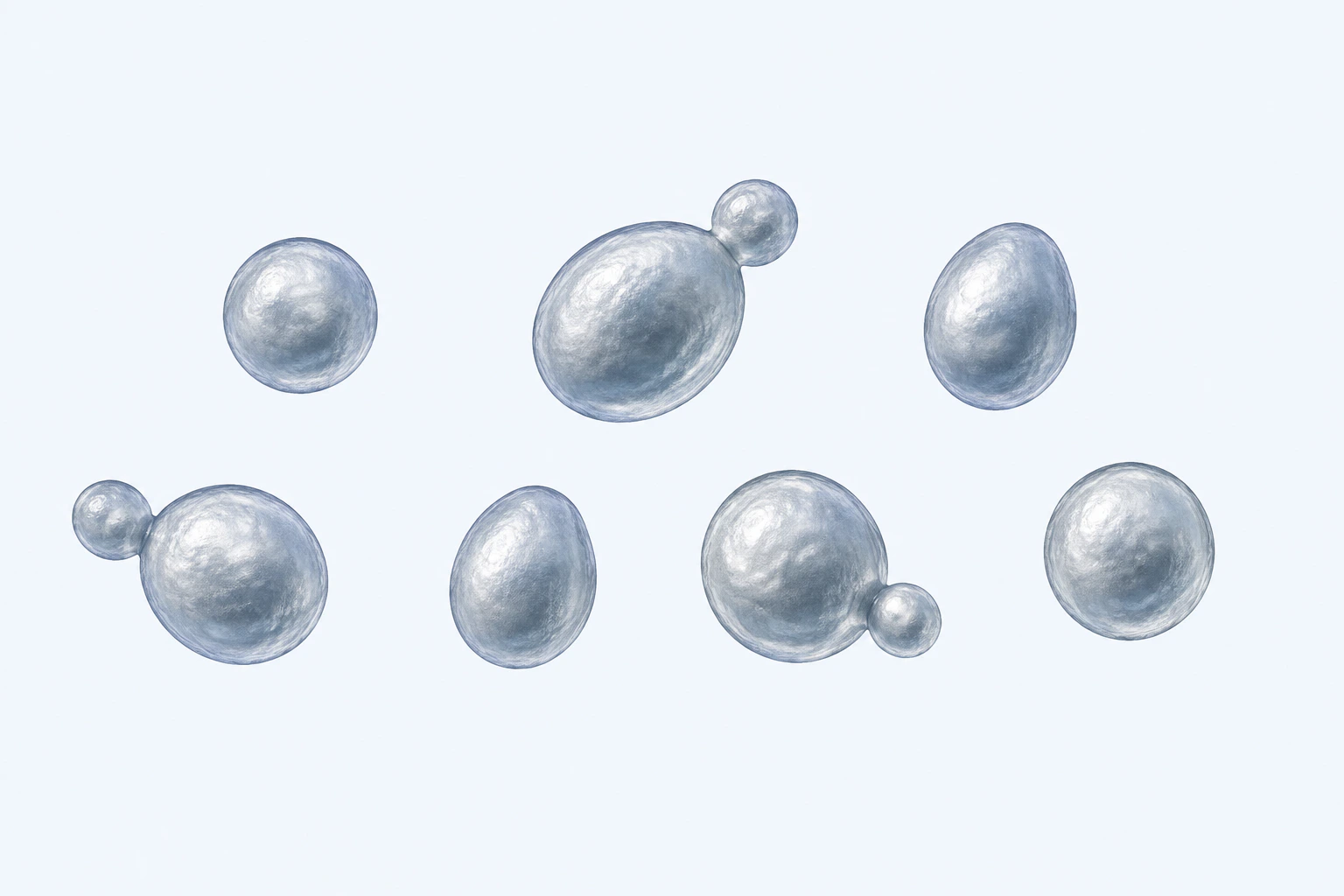
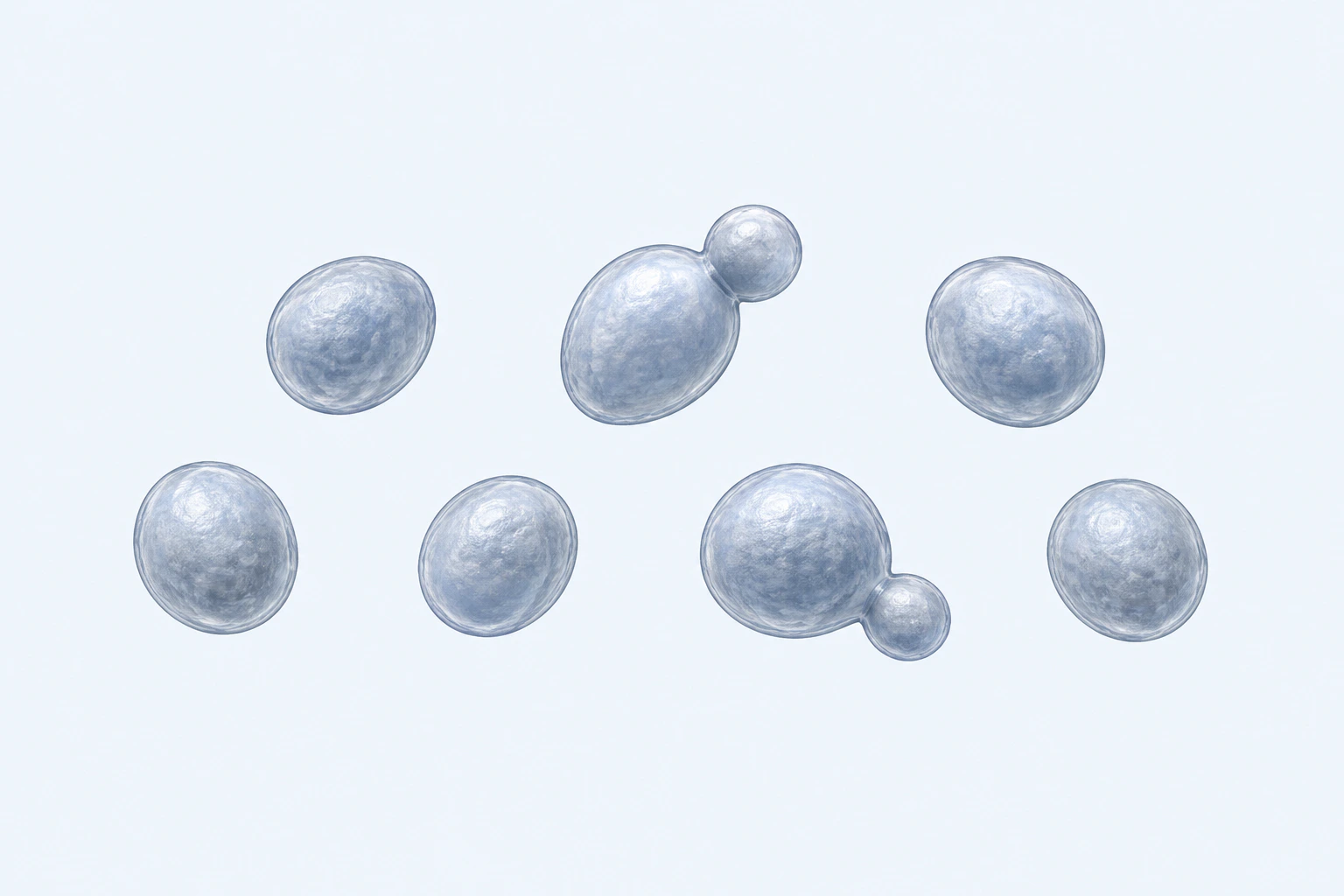
A genus of ascomycete yeasts that includes both a proven therapeutic probiotic (S. boulardii) and species associated with disease states (S. cerevisiae enriched in CRC mycobiome). This dual nature -- commensal/probiotic versus disease-associated -- parallels the bacteri…
Saccharomyces cerevisiae is a unicellular budding fungus (ascomycete) ubiquitous in fermentation, brewing, bread-making, and increasingly used as a pharmaceutical probiotic (Hatoum et al. 2012). The strain S. boulardii (also called S. cerevisiae var. boulardii) is the m…
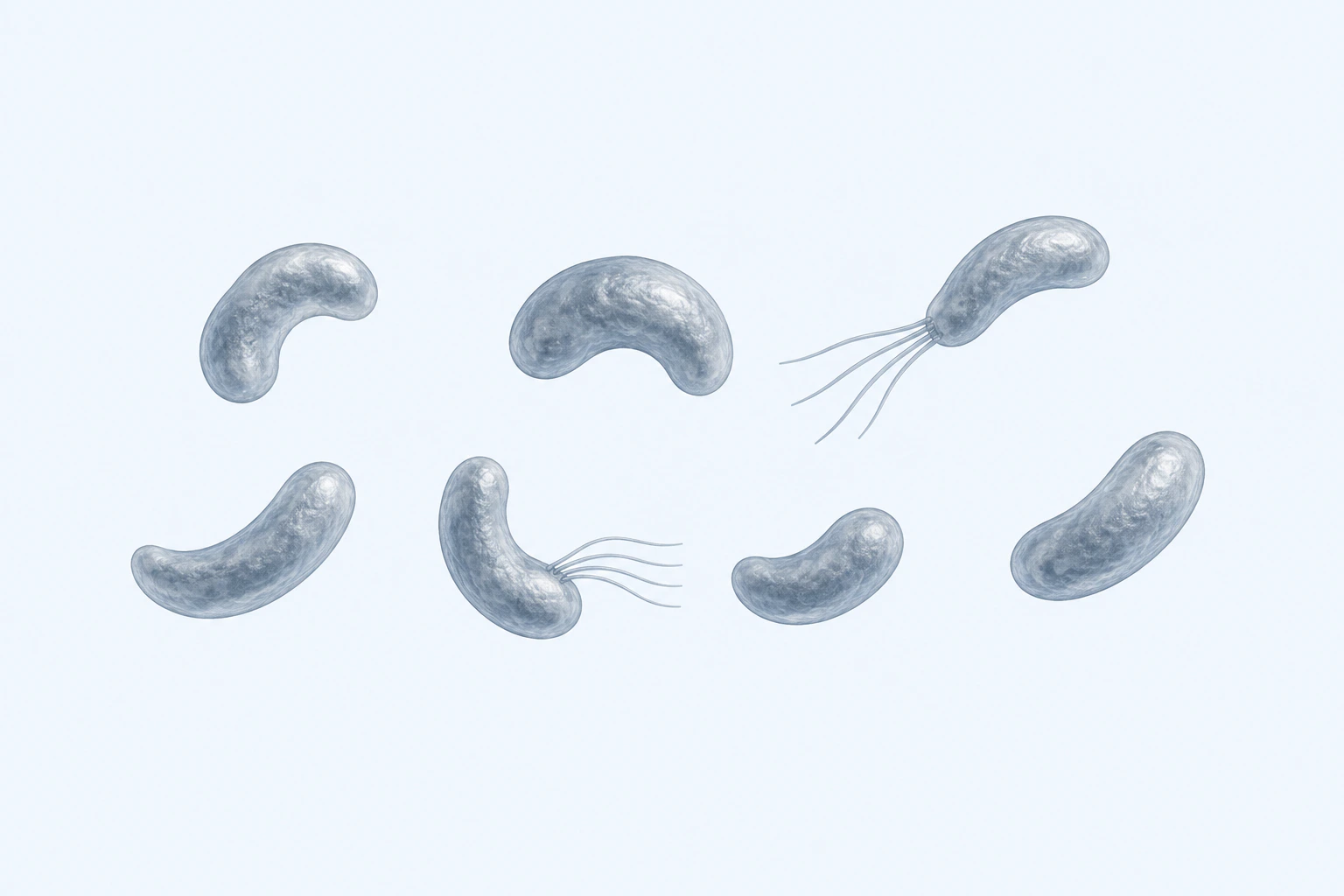
A genus of Gram-negative, crescent-shaped, strictly anaerobic bacteria found in both the oral cavity and the gastrointestinal tract. Selenomonas species are characterized by their distinctive morphology -- a curved rod with a tuft of flagella arising from the concave si…
This knowledge-base record is being expanded from WikiBiome’s evidence graph.
A genus of Gram-positive facultative anaerobes that occupy niches ranging from benign commensals (dental plaque, skin) to acute pathogens (pharyngitis, impetigo, invasive disease). Streptococci are uniquely manganese-dependent for catalytic scavenging of reactive oxygen…
Streptococcus agalactiae, also known as Group B Streptococcus (GBS), is a Gram-positive, facultatively anaerobic coccus that exists in two clinical contexts: (1) as a major neonatal pathogen causing life-threatening meningitis and sepsis in newborns, and (2) as an enric…
The primary architect of dental caries -- the most prevalent chronic infectious disease worldwide. S. mutans is a Gram-positive, facultative anaerobe that colonizes tooth surfaces and produces the acid-rich, metal-managed biofilms known as dental plaque. What sets this …
This knowledge-base record is being expanded from WikiBiome’s evidence graph.
<!-- Auto-created stub from Rule 13 scope discovery. 12 source pages mention this taxon. Awaiting content expansion. --