WikiBiomeThe human microbiome encyclopedia
WikiBiome/Search: “MS”
Encyclopedia search

Search: “MS”

Ranked matches across titles, topics, categories, and article introductions, filtered to microbe.

69 records in this view
A
B
C
D
E
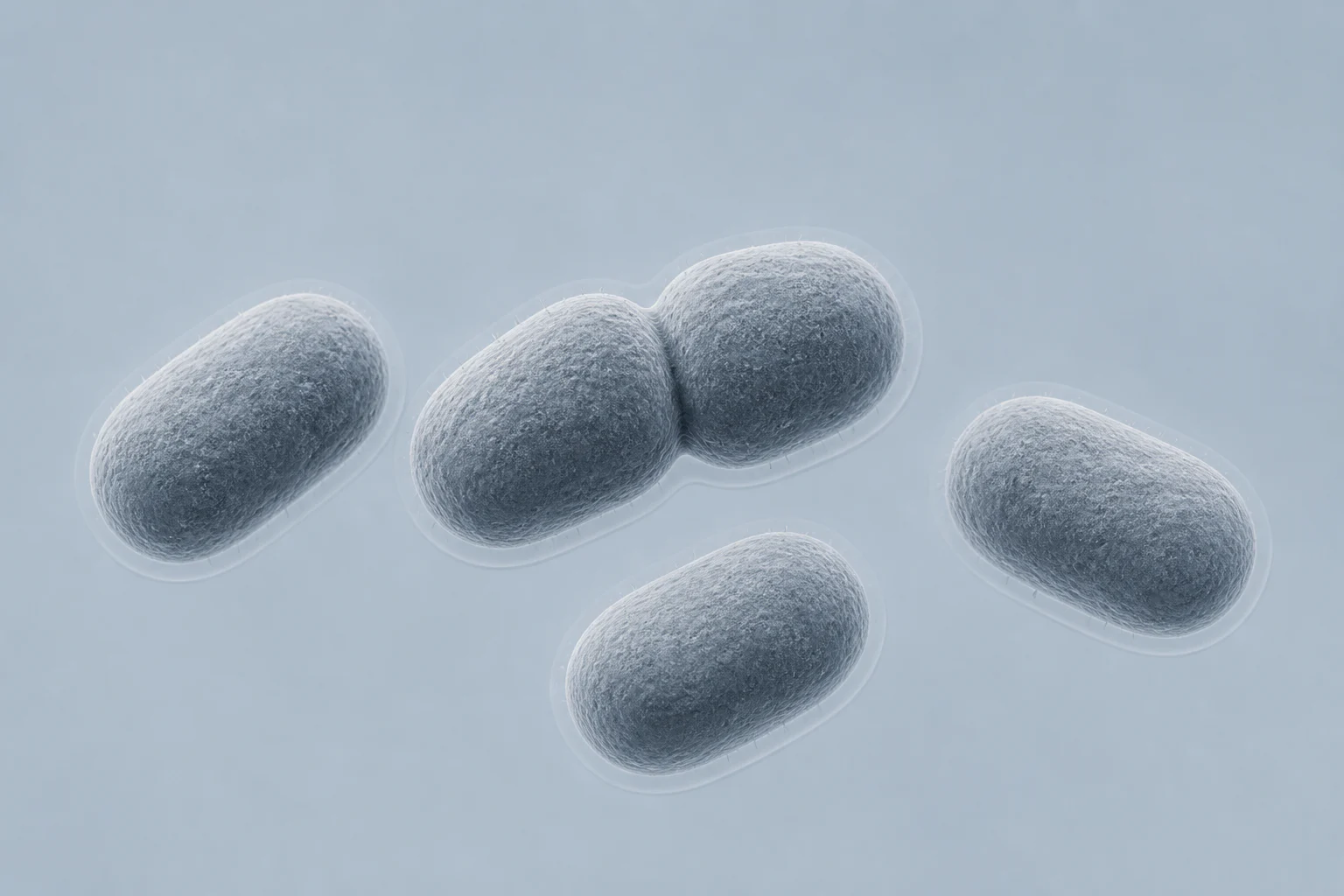
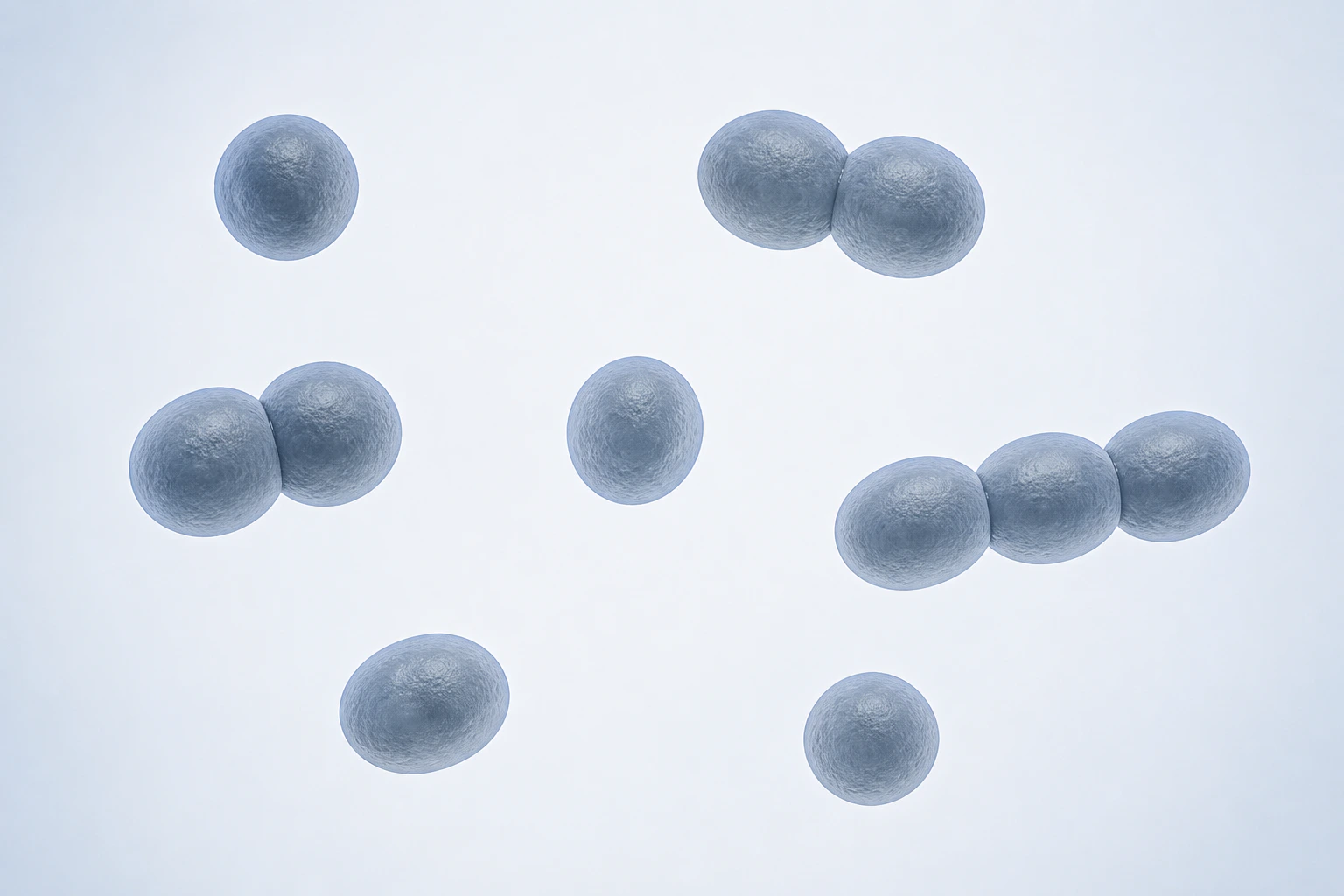
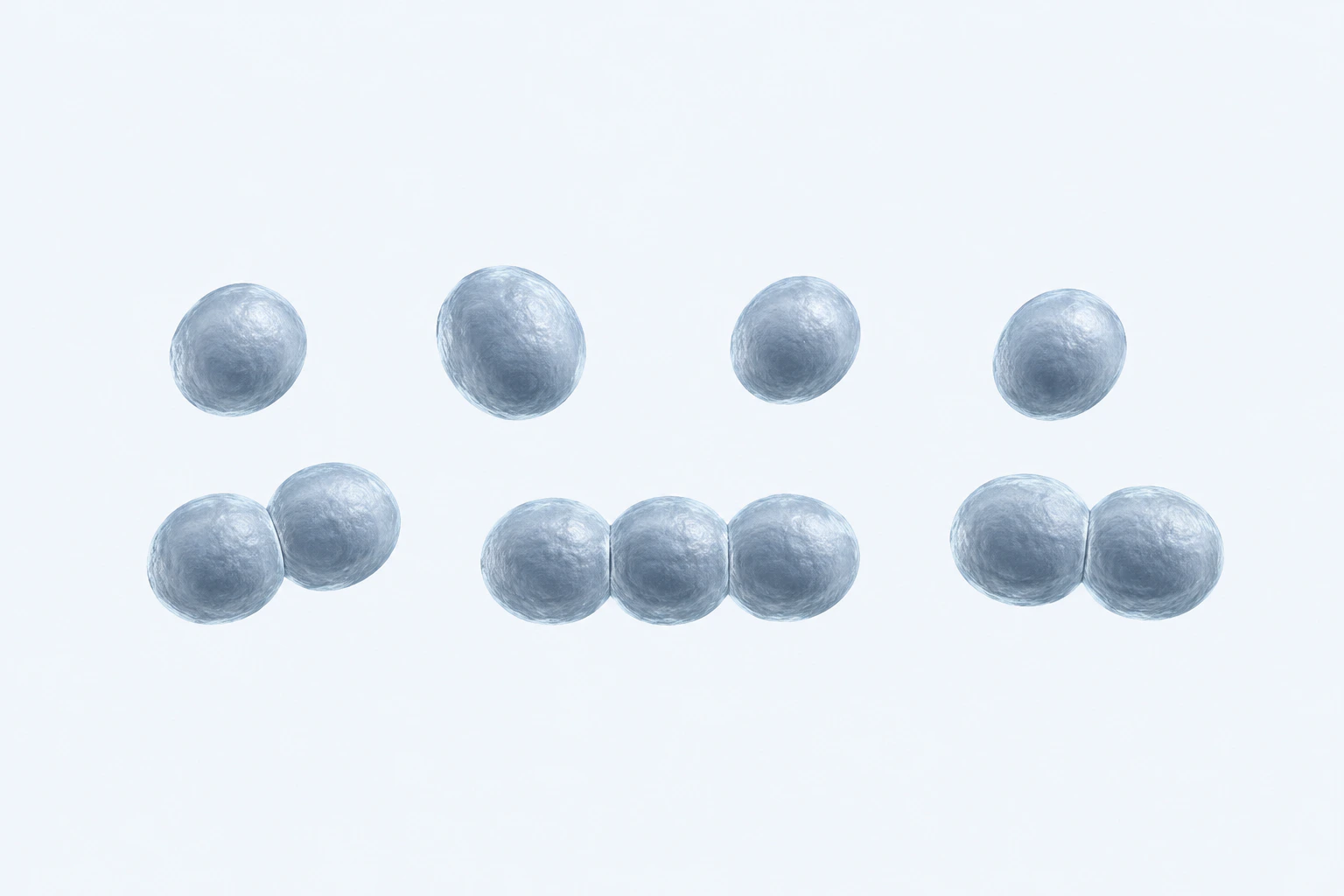
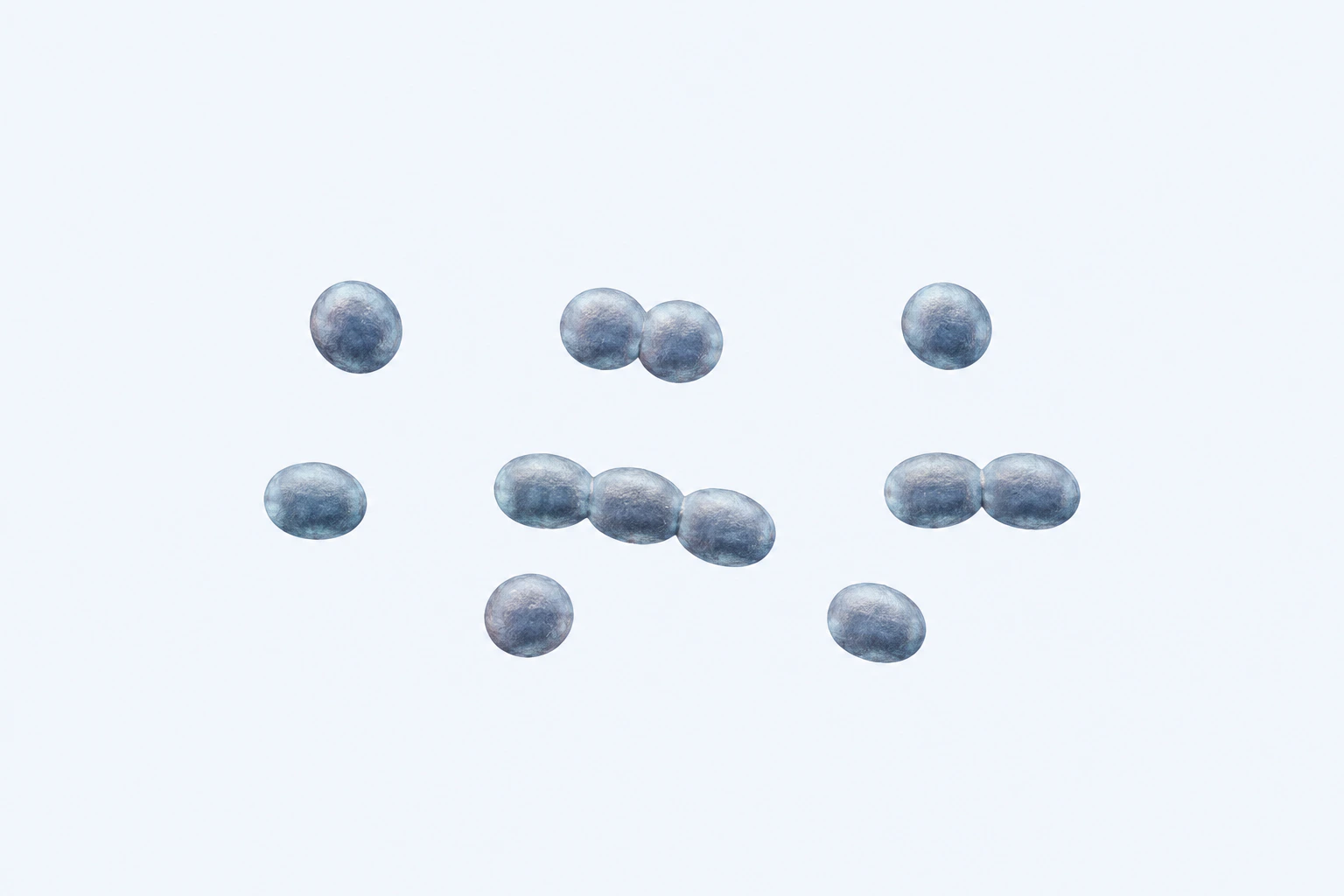
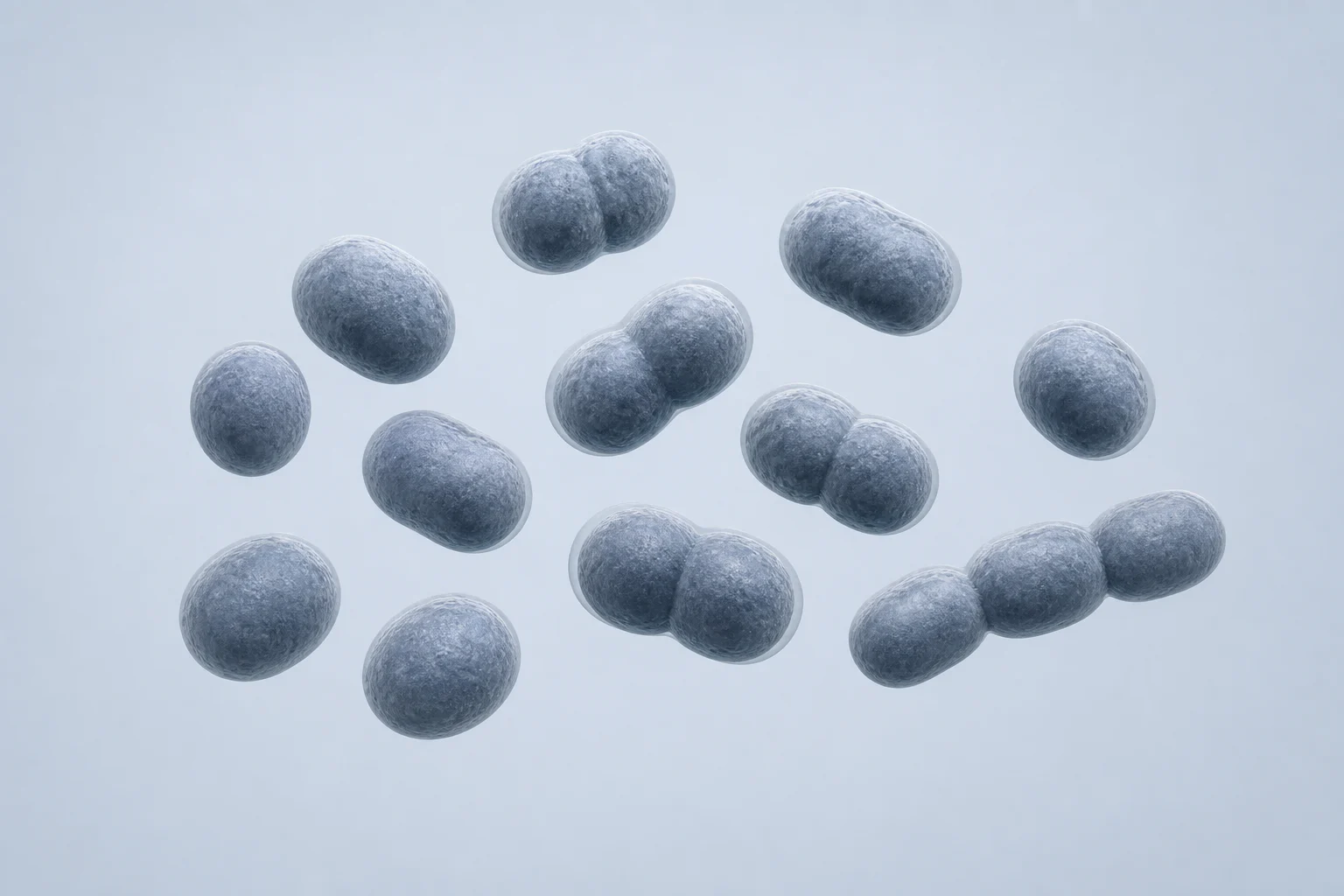
Eleven selected Enterococcus spherical-to-ovoid bodies appear in seven groupings: four singles, two touching pairs, and one short three-cell chain.
Microorganisms3 sources

Enterococcus

A genus of Gram-positive bacteria (primarily E. faecalis and E. faecium) that exemplifies the metal-antibiotic resistance co-selection crisis. Enterococci carry diverse metal tolerance genes for mercury, arsenic, copper, and cadmium on the same mobile genetic elements a…

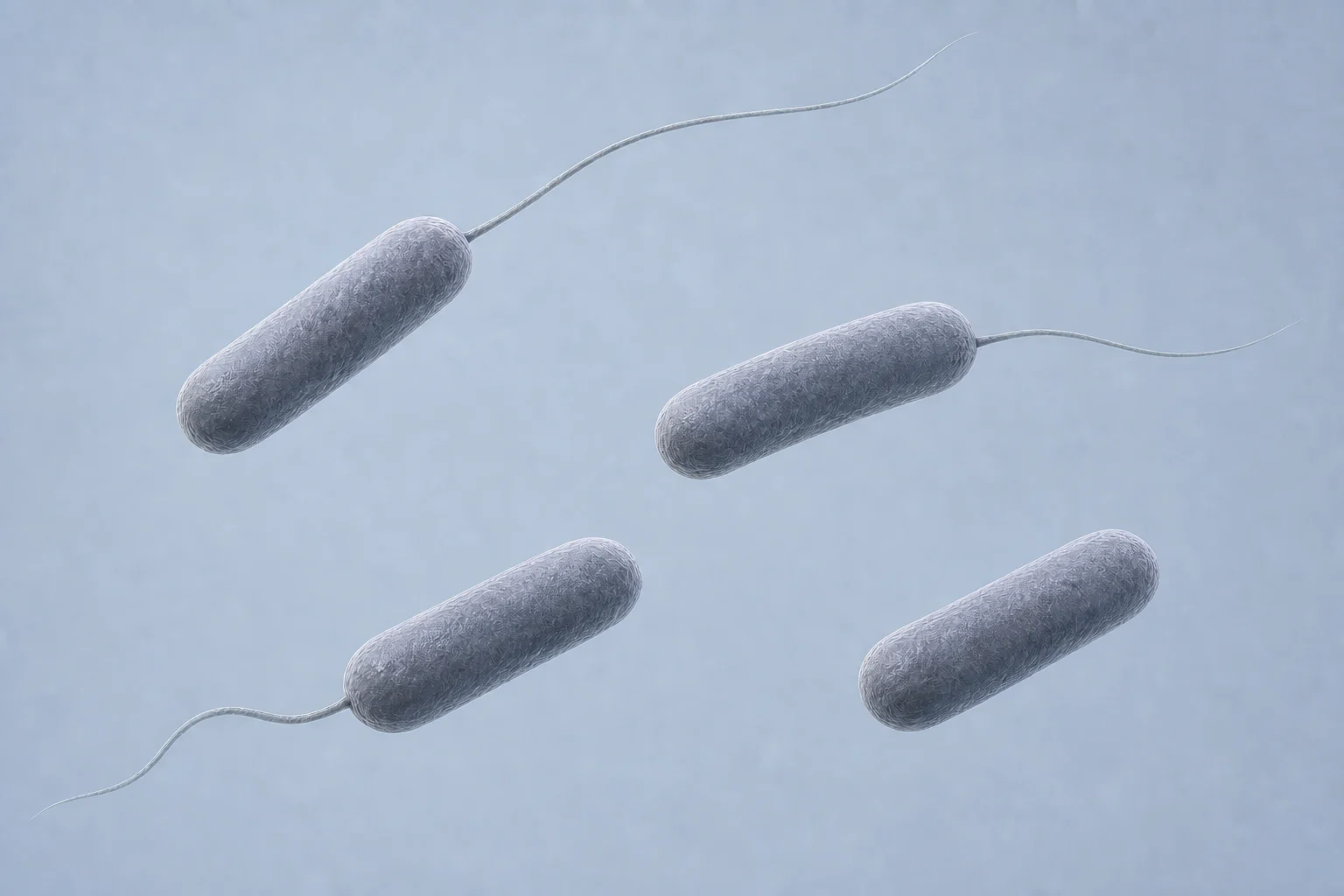
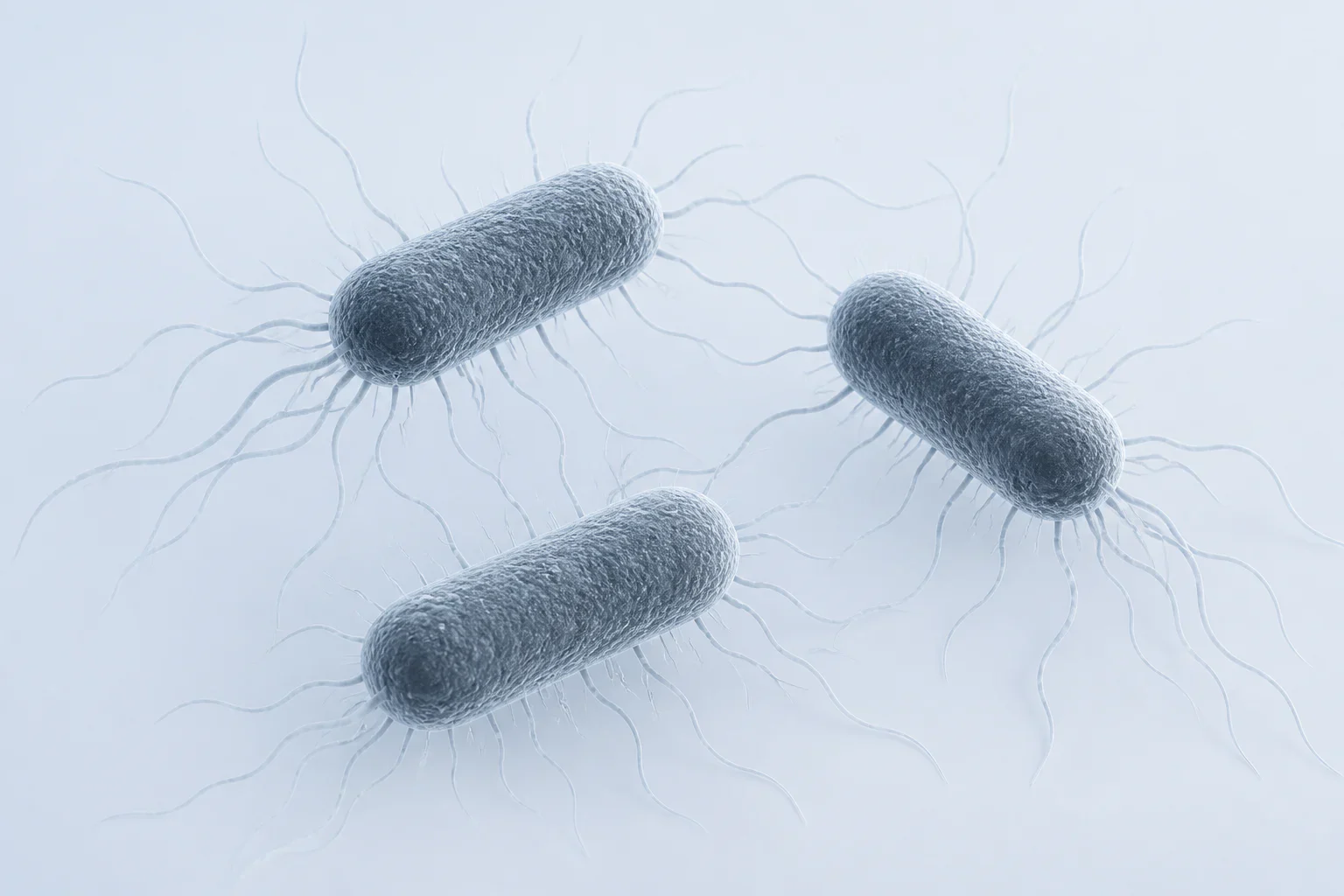
Microscopy-informed reconstruction of three rod-shaped Escherichia coli cells with peritrichous flagella and fine pili on a pale cool field.
Microorganisms6 sources

Escherichia coli

A Gram-negative bacterium that spans the commensal-pathogen spectrum, with pathogenic variants (UPEC, STEC, EHEC) deploying nickel-dependent enzymes as virulence factors. E. coli is the model organism for nickel transport biology -- the NikABCDE system was first charact…

F
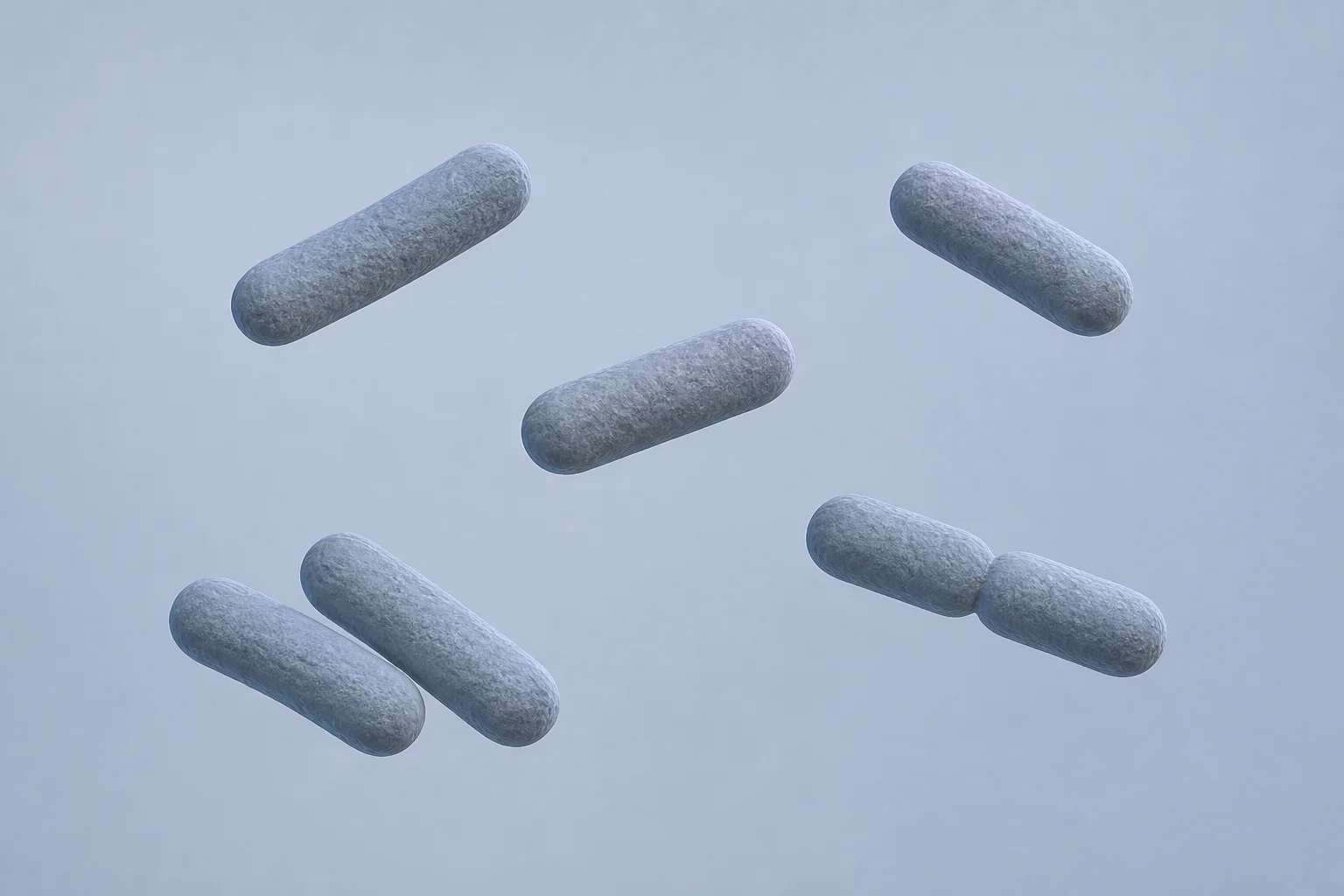
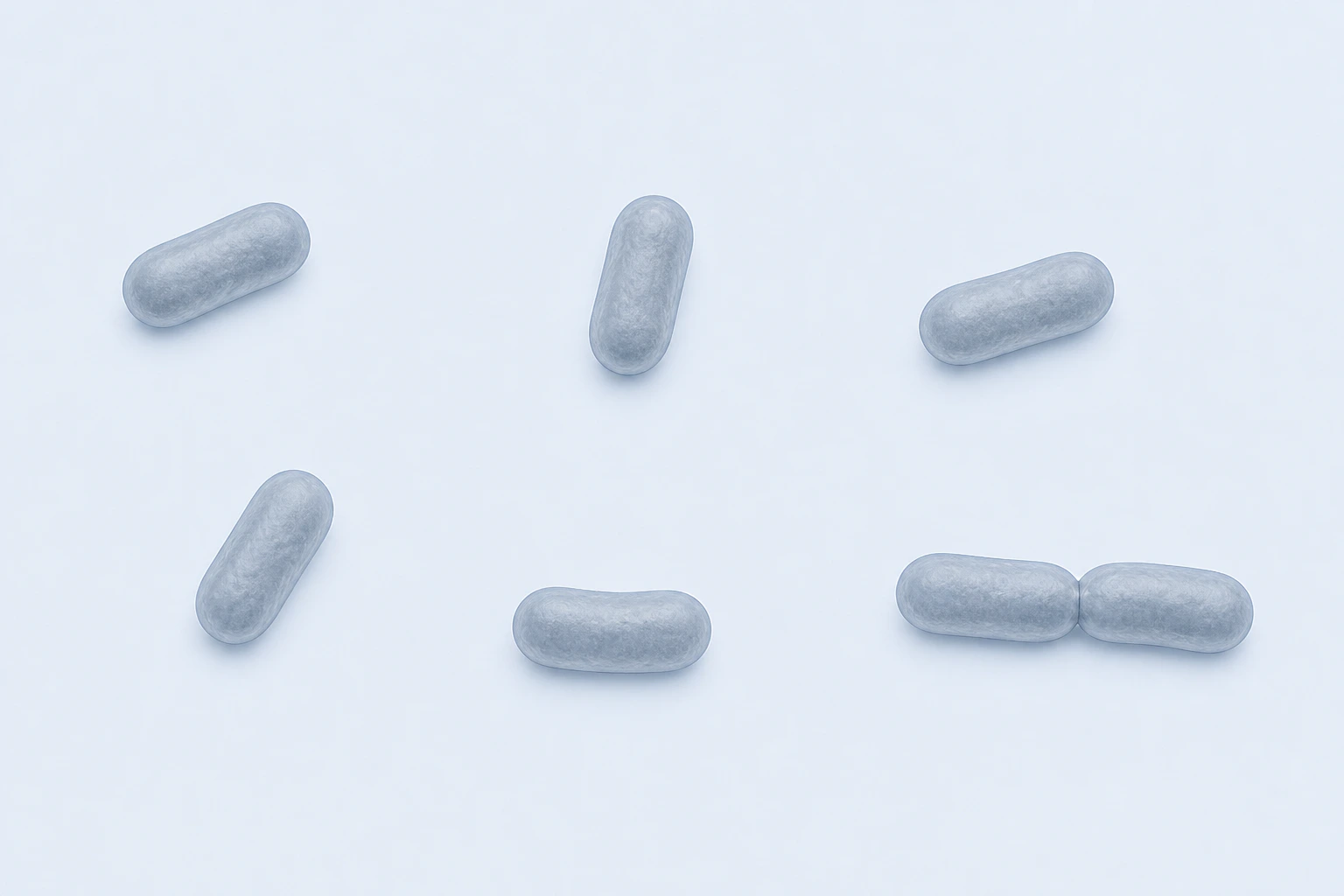
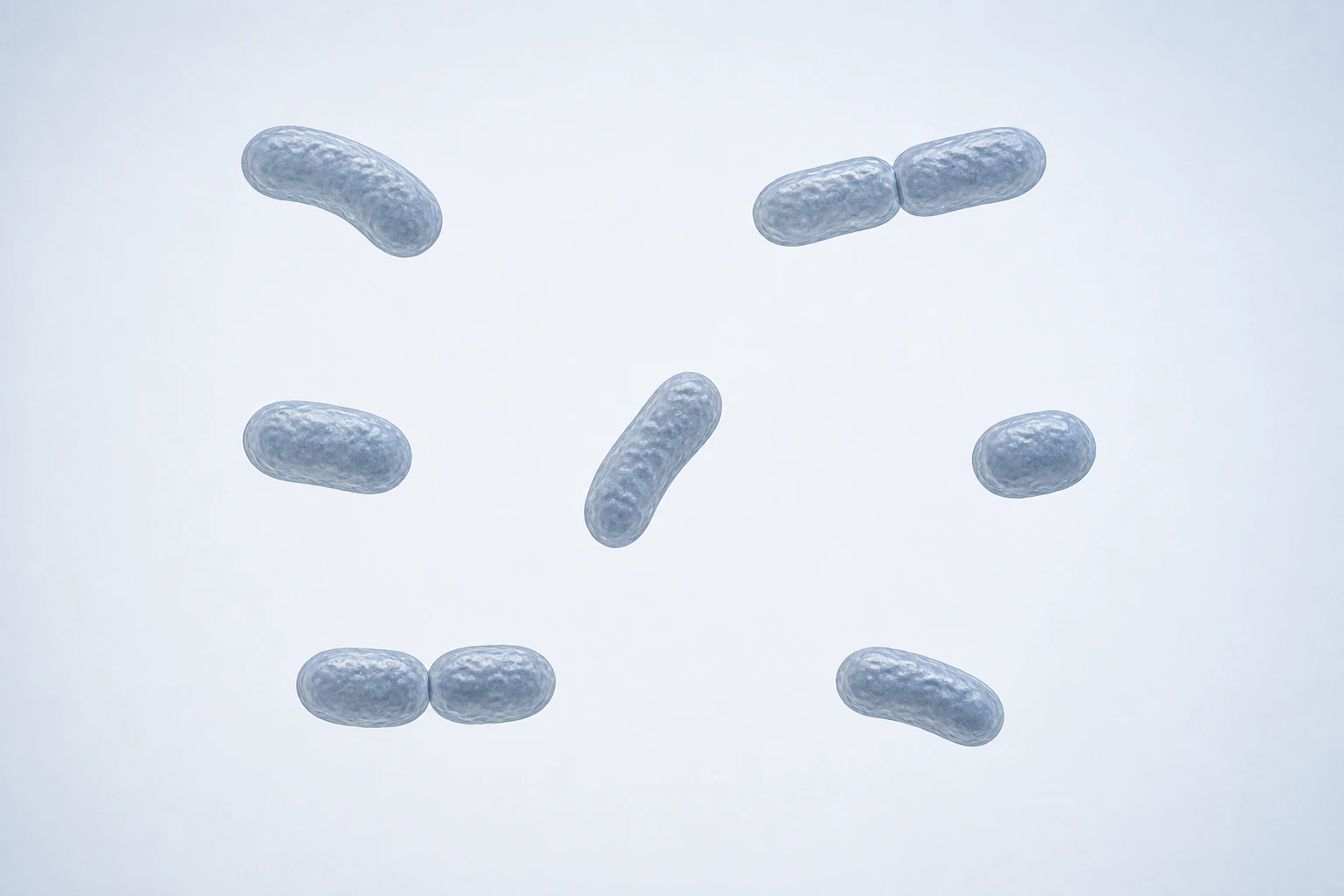
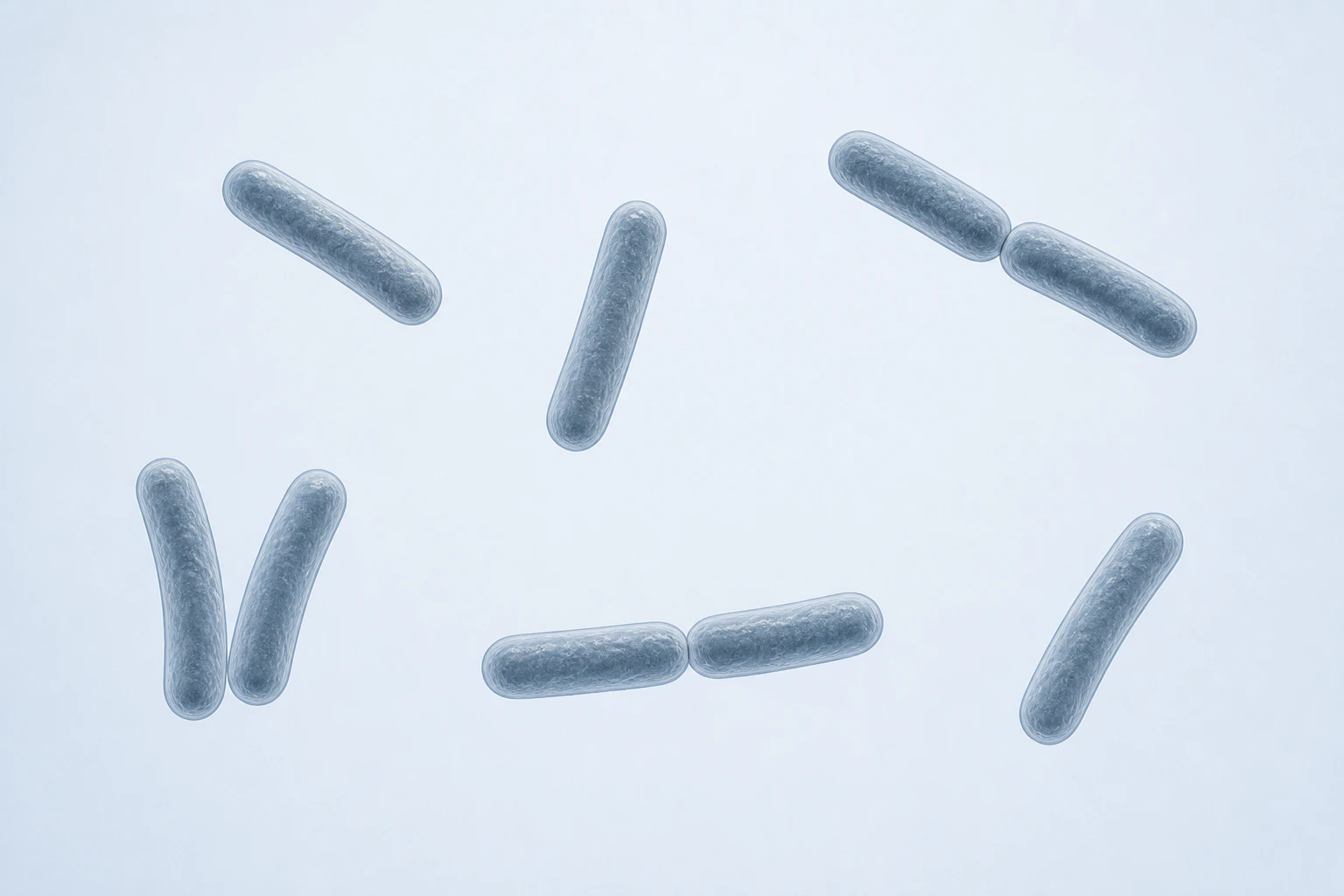
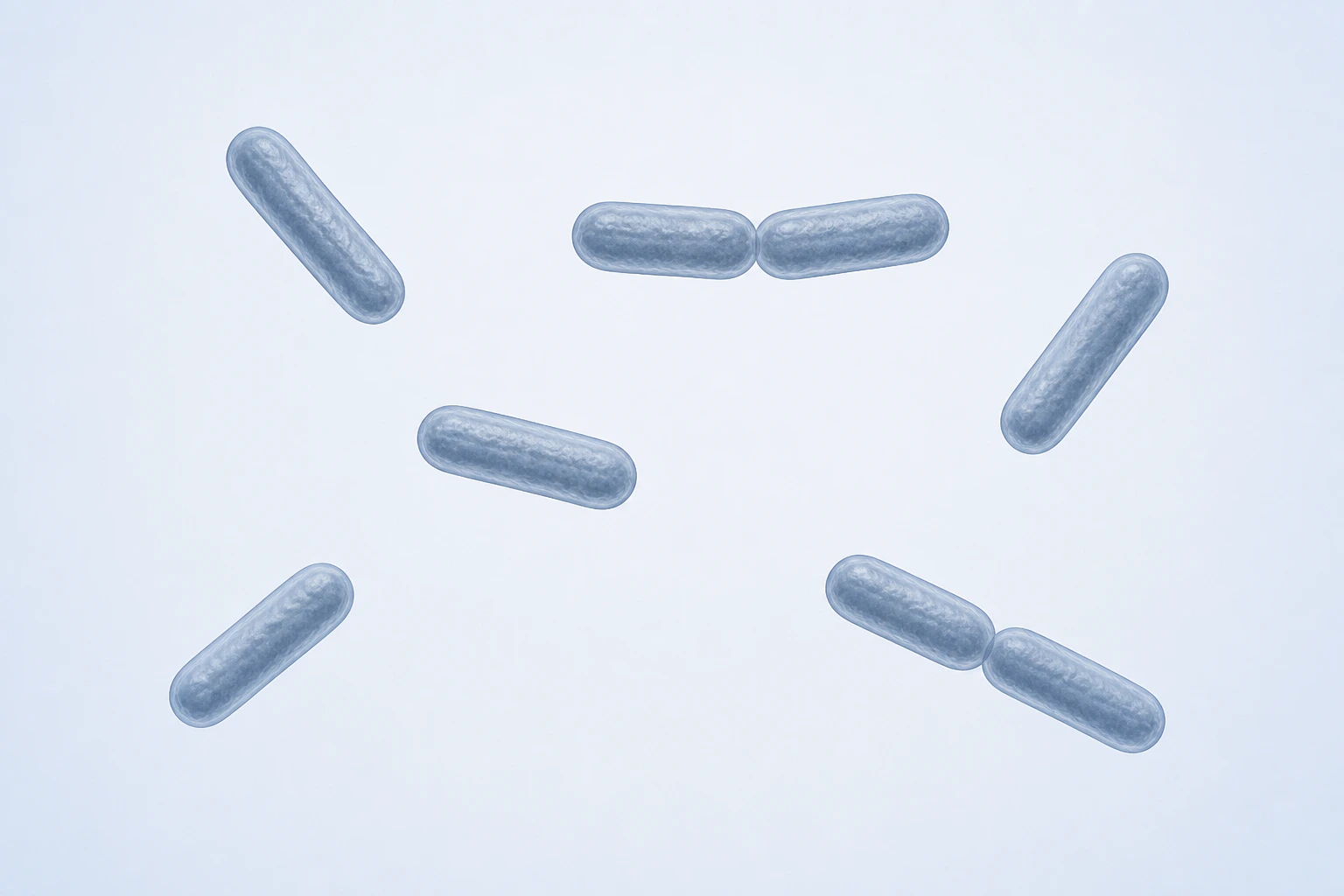
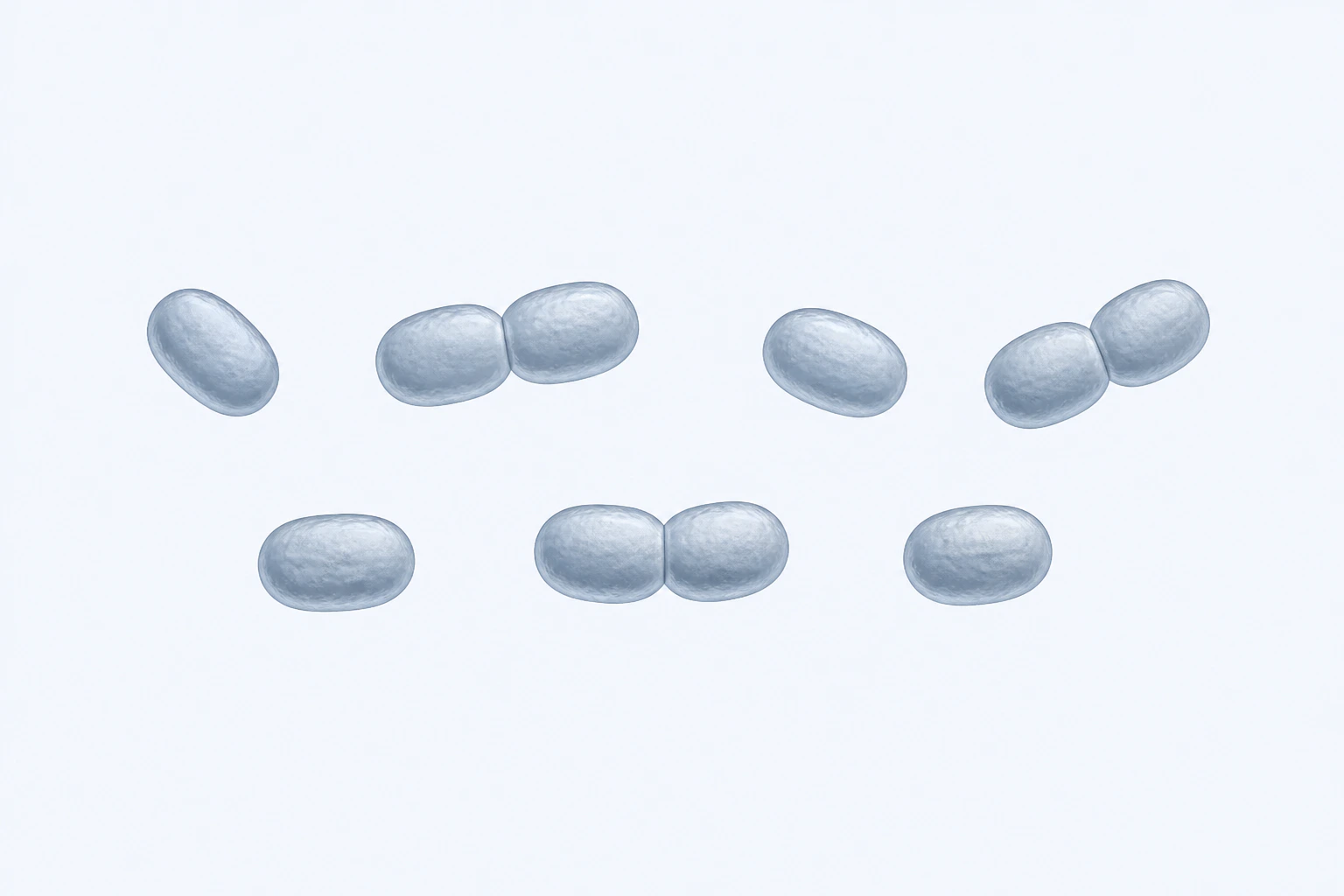
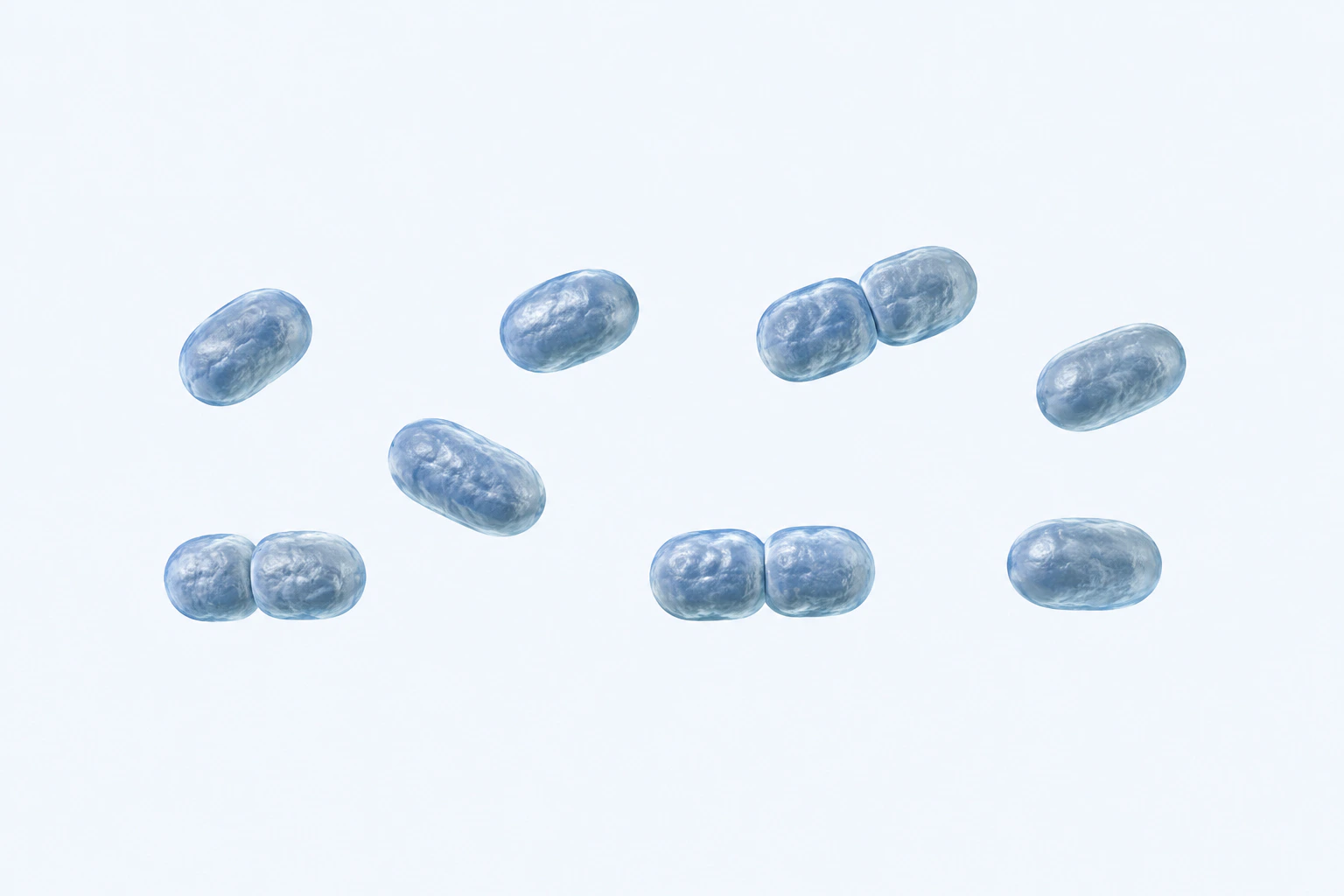
Eleven selected Bacillota bodies appear in seven groupings: three single rods, one single coccoid, one rod pair, one coccoid pair, and one three-rod chain.
Microorganisms10 sources

Firmicutes (Bacillota)

Firmicutes (recently reclassified as Bacillota) is the dominant bacterial phylum in the Western adult gut, comprising the core community of short-chain fatty acid (SCFA) producers that maintain intestinal barrier integrity, regulate immune function, and influence system…

G
L
M
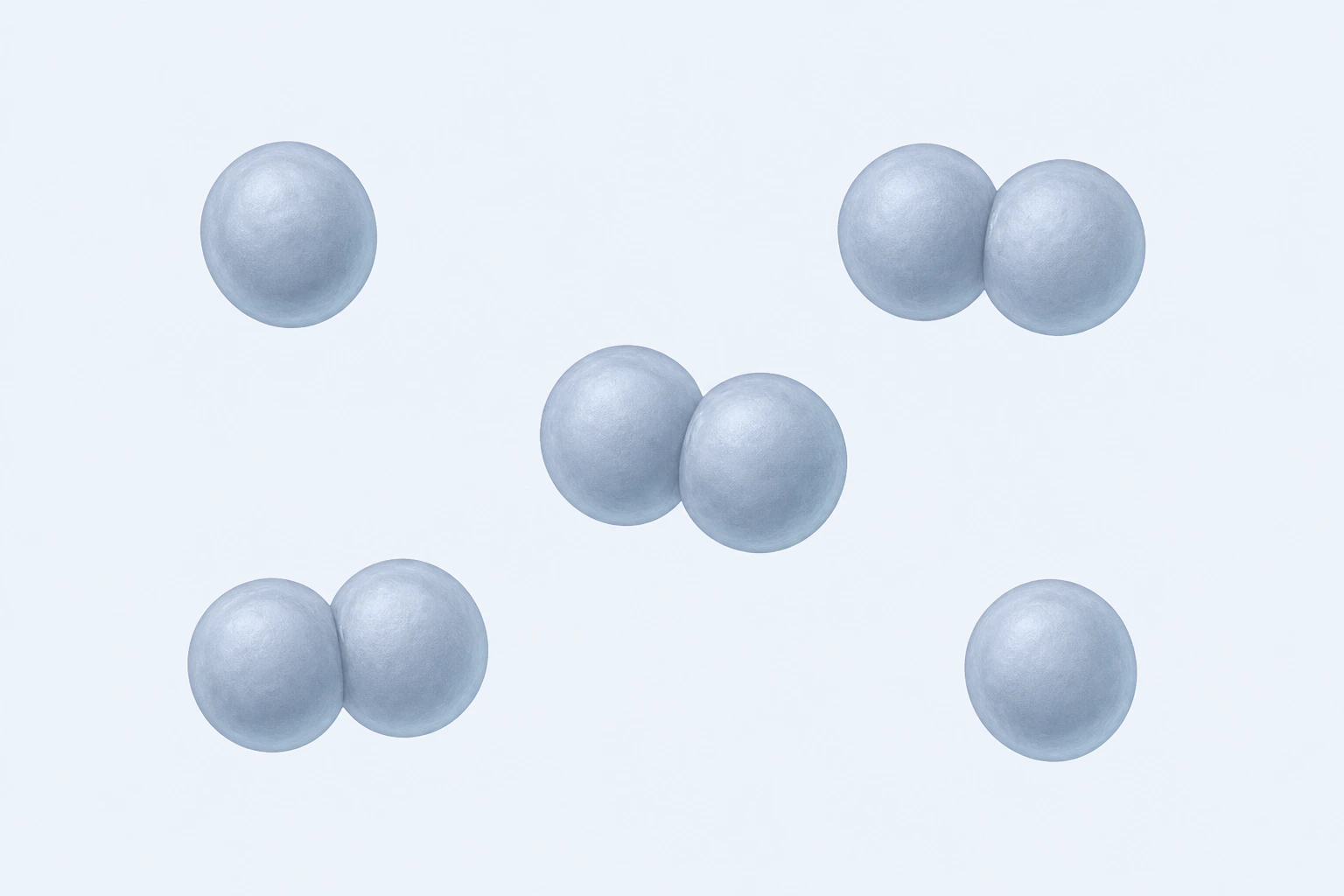
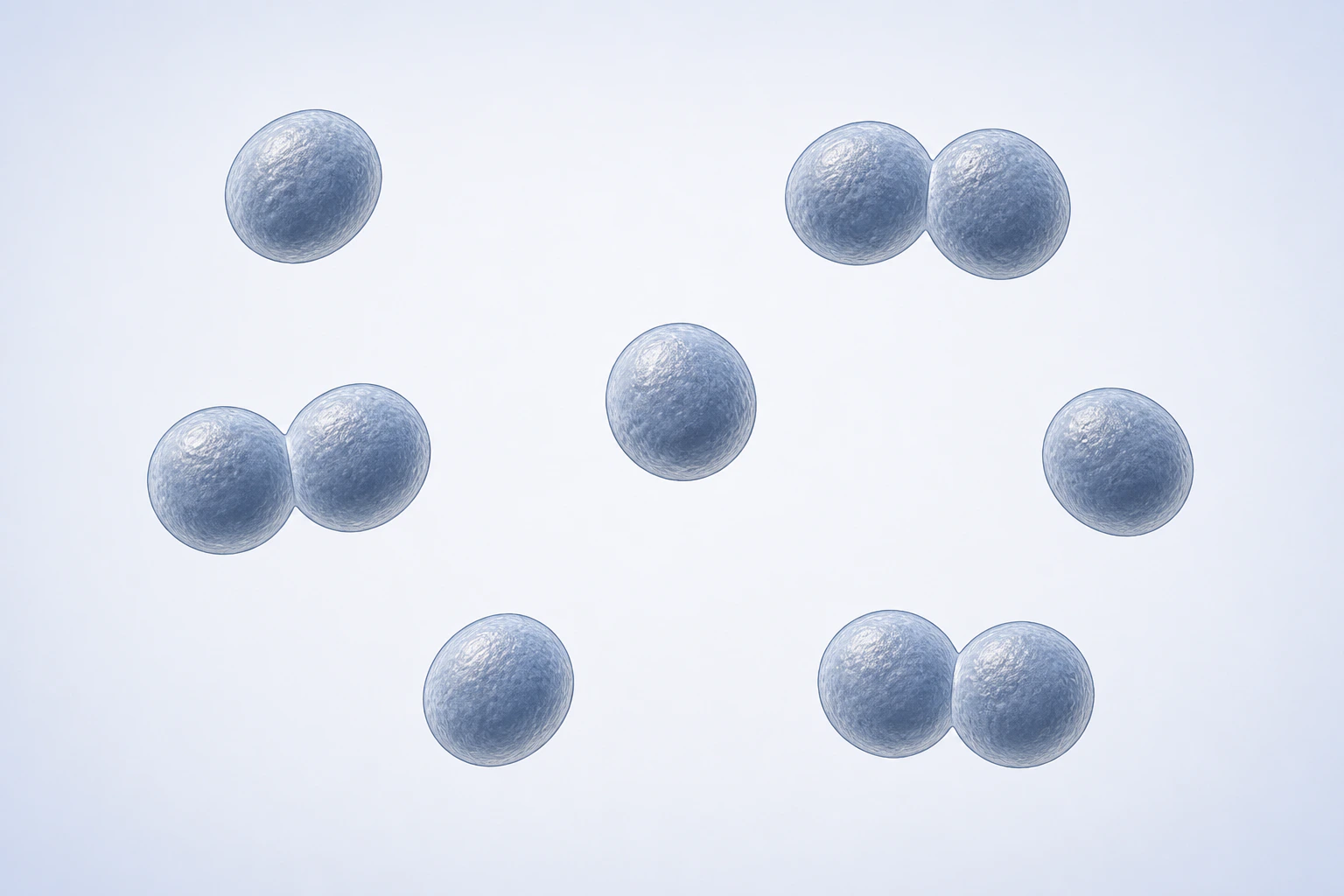
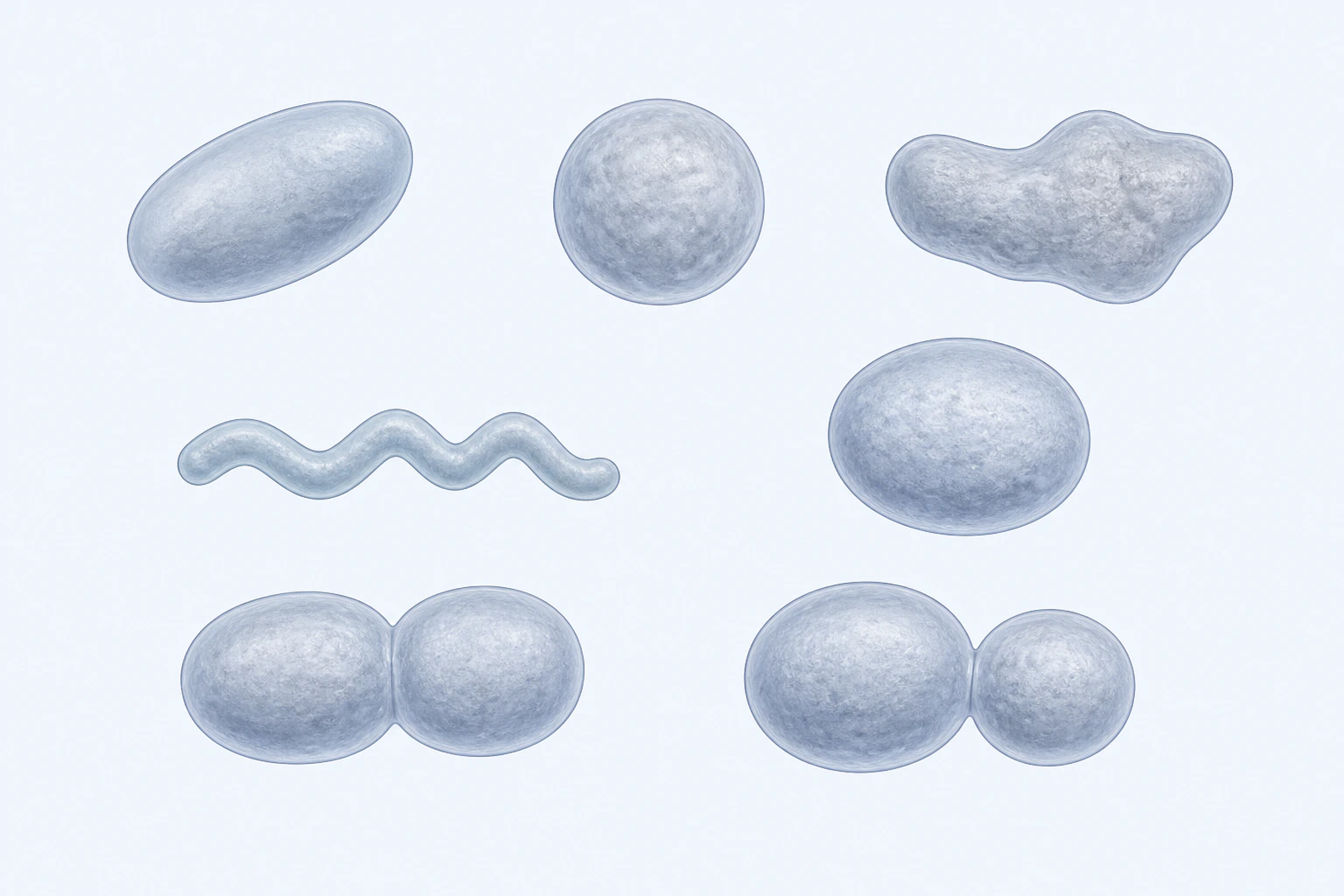
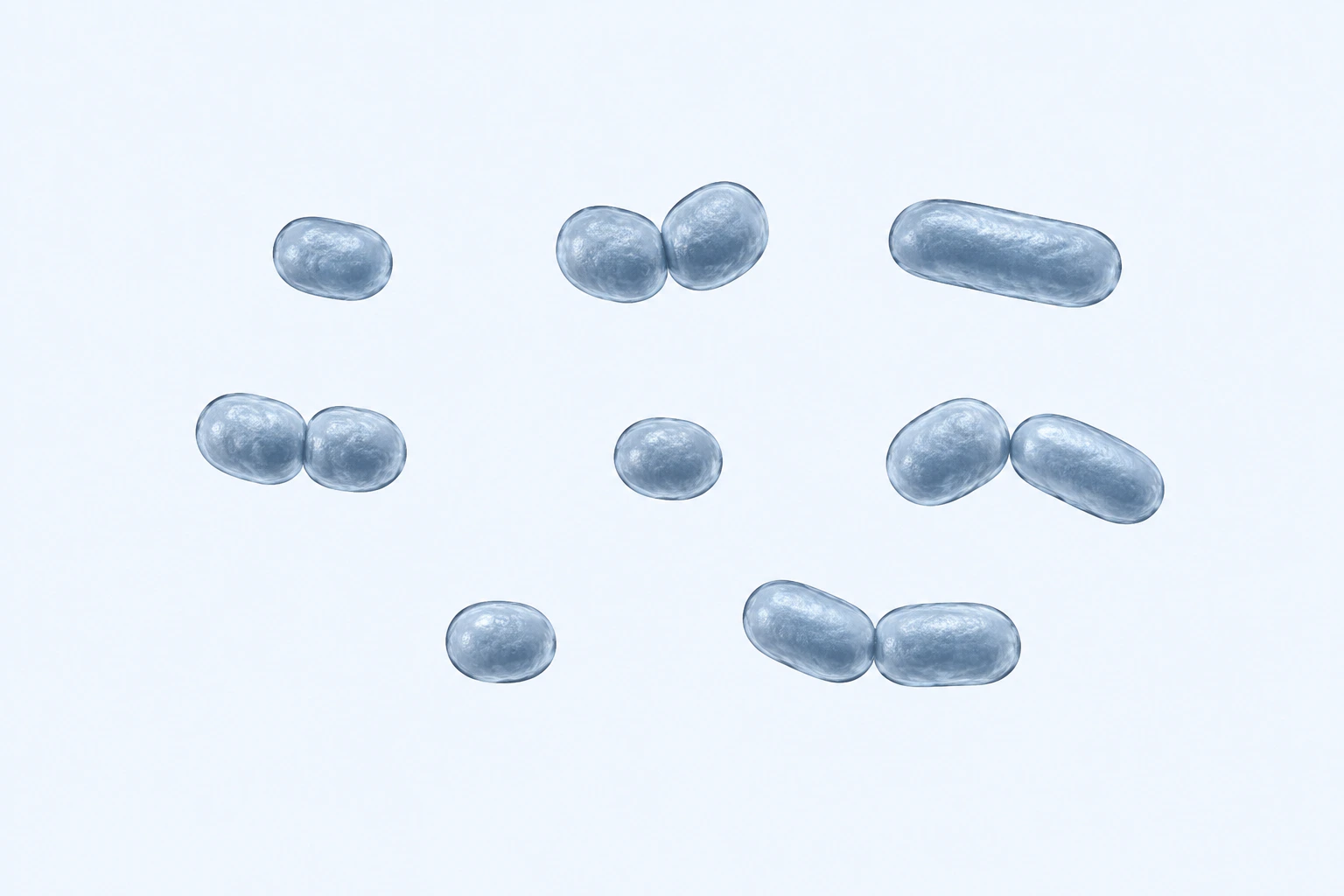
Eleven selected Mycoplasma rounded-to-ovoid bodies appear in eight groupings: five singles and three touching pairs.
Microorganisms6 sources

Mycoplasma

Mycoplasma is a genus of wall-less bacteria in the class Mollicutes, characterized by the smallest genomes of any self-replicating organisms (~580–1,350 kb). The lack of a cell wall makes them intrinsically resistant to beta-lactam antibiotics and undetectable by Gram s…

P
R
S
Microorganisms11 sources

Saccharomyces boulardii

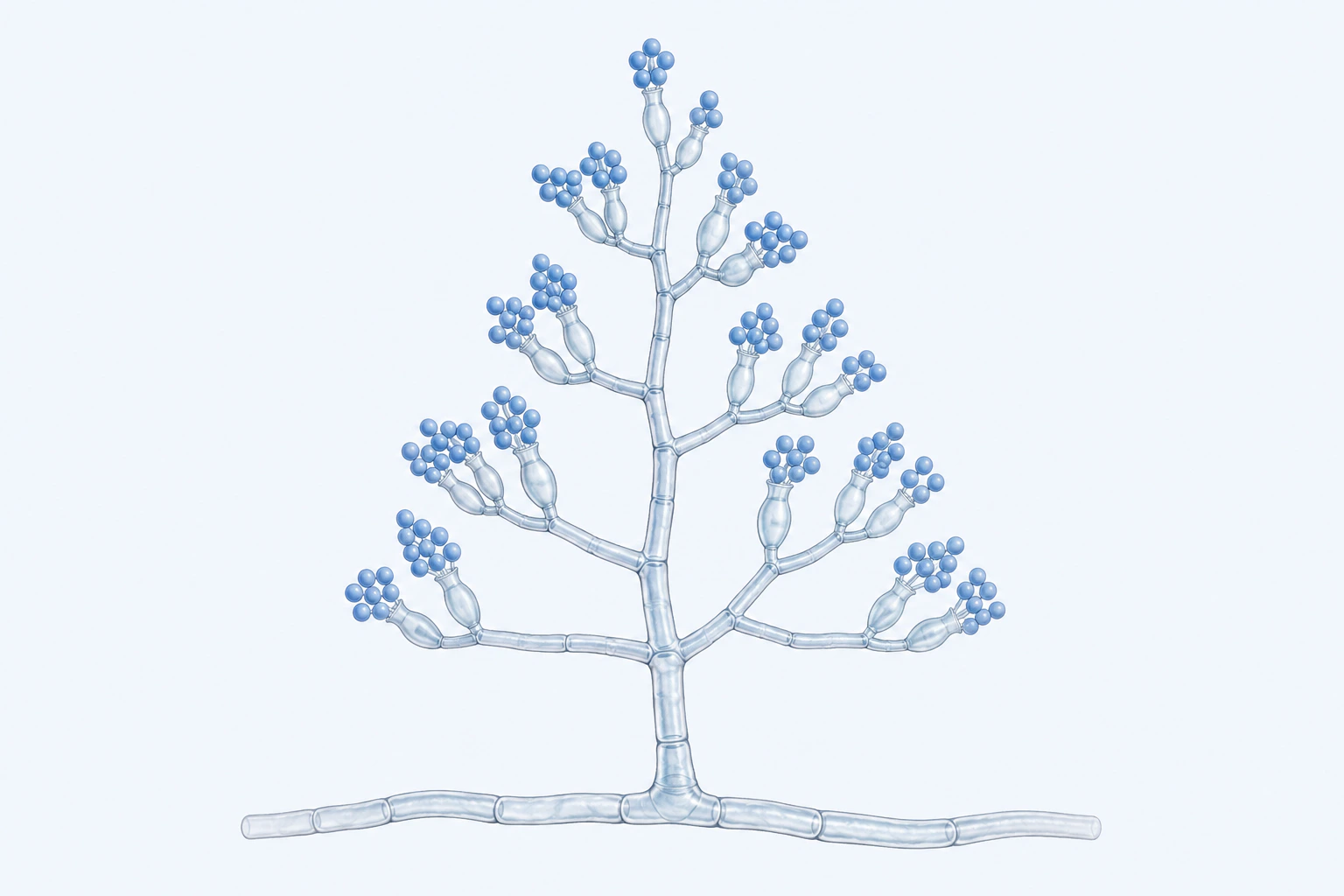
See also: saccharomyces (genus page) Saccharomyces boulardii is a non-pathogenic yeast strain used as a probiotic across a wide range of gastrointestinal and inflammatory conditions. Taxonomically a strain of S. cerevisiae, it is phenotypically distinct — optimally acti…
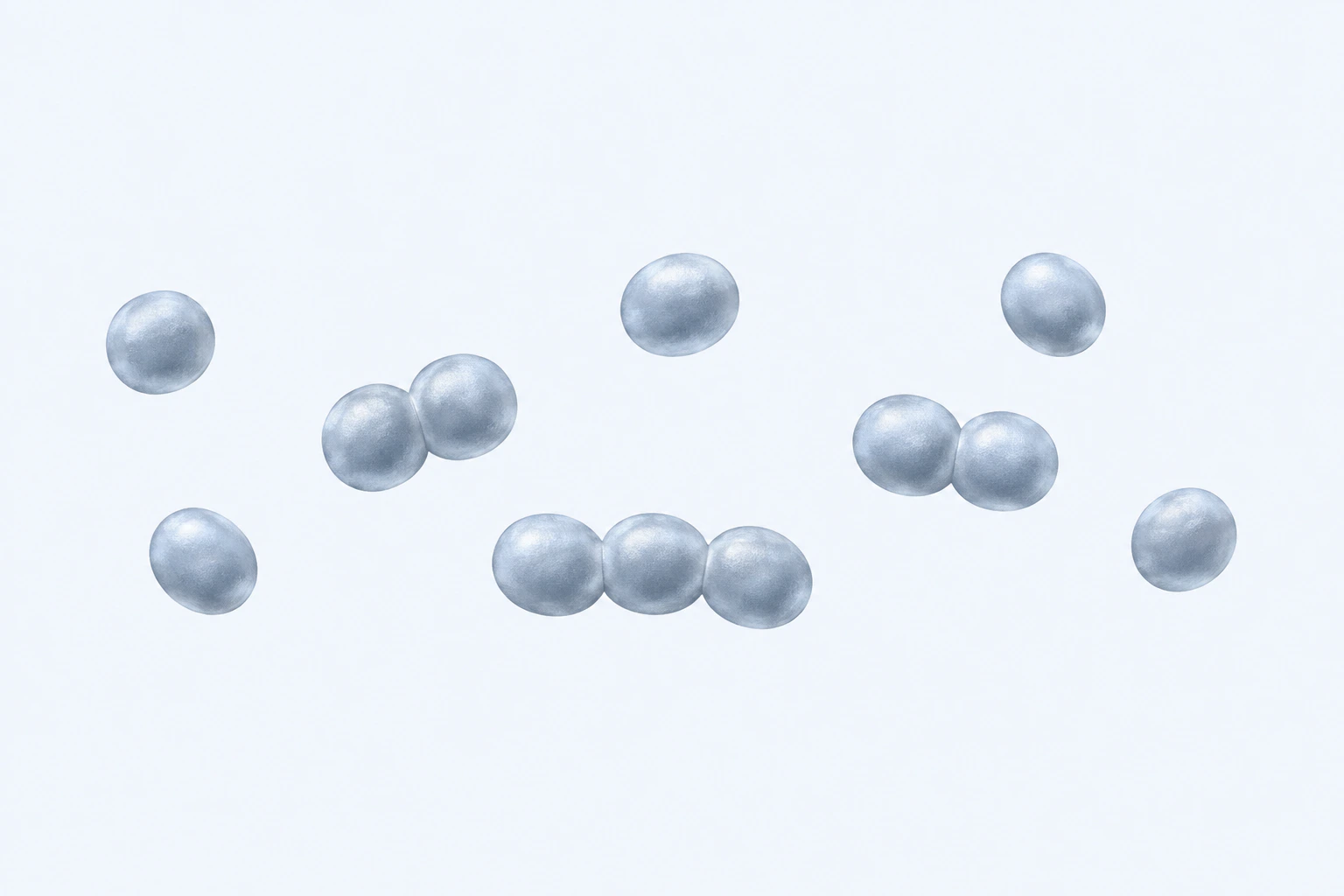
Twelve selected Staphylococcus aureus cocci appear in two irregular clusters of six.
Microorganisms6 sources

Staphylococcus aureus

A versatile Gram-positive pathogen with one of the best-characterized nutritional immunity evasion systems known. S. aureus requires nickel, iron, zinc, and manganese for virulence and has evolved dedicated acquisition systems for each, including the novel metallophore …

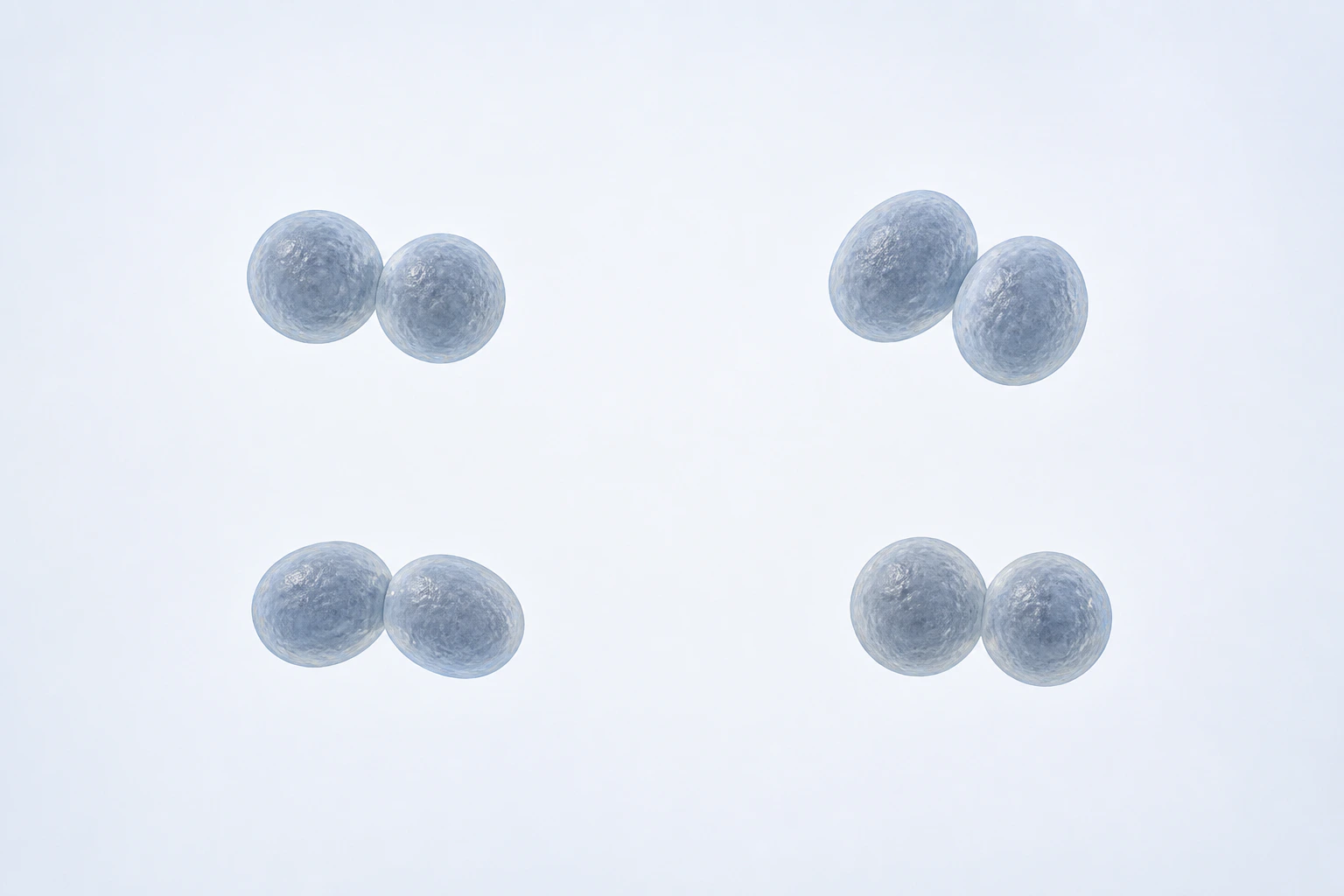
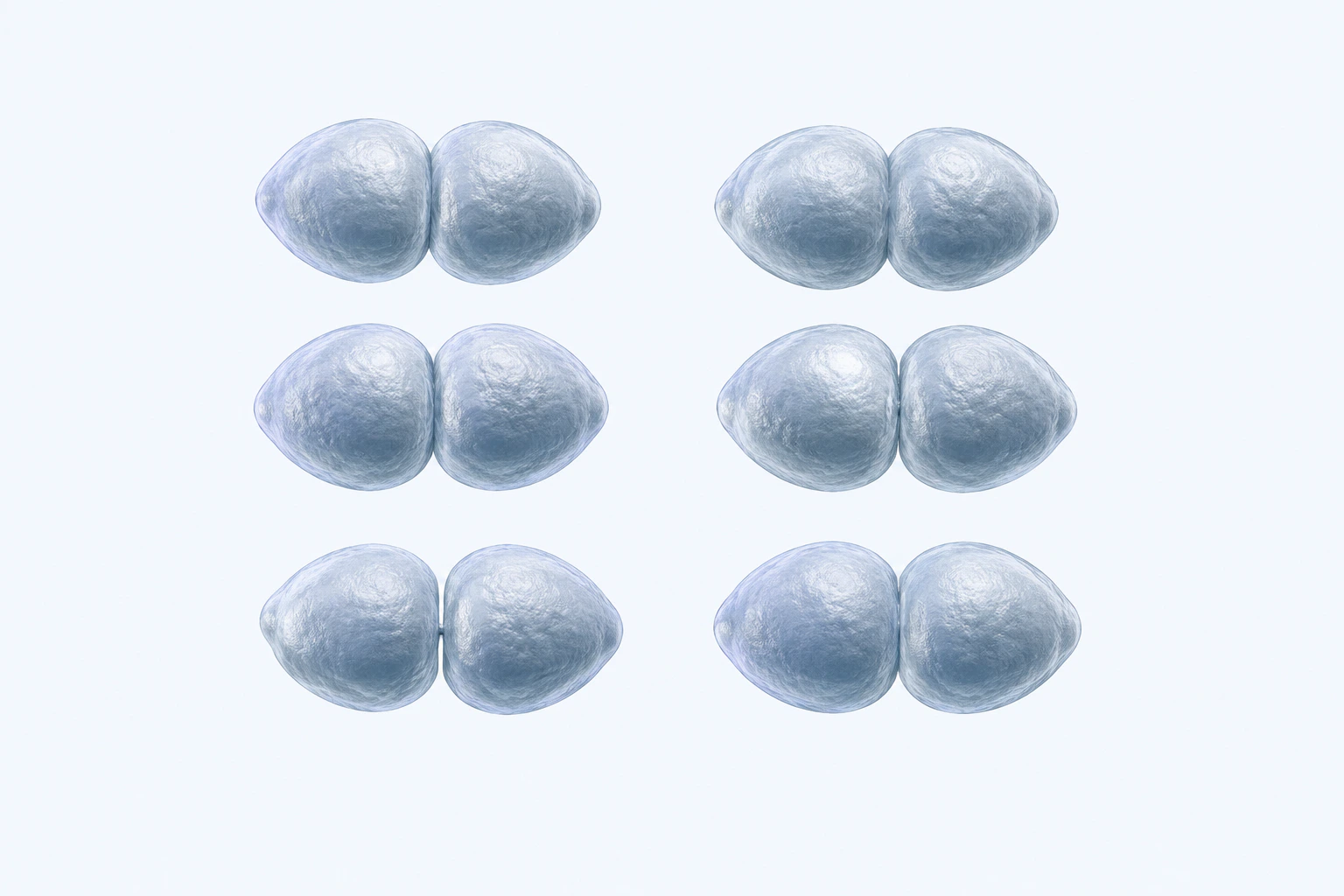
Twelve selected Streptococcus pneumoniae cocci appear as six opposed ovoid pairs.
Microorganisms7 sources

Streptococcus pneumoniae

A Gram-positive pathogen (the "pneumococcus") that depends on iron, manganese, and zinc for virulence and has evolved dedicated transport systems for each. Iron is required for viability itself, manganese powers the superoxide dismutase needed to survive the oxidative b…

T
V
Y