Cystic Fibrosis
This knowledge-base record is being expanded from WikiBiome’s evidence graph.
WikiBiomeThe human microbiome encyclopediaRanked matches across titles, topics, categories, and article introductions, filtered to disease.
This knowledge-base record is being expanded from WikiBiome’s evidence graph.
Celiac disease is a chronic autoimmune condition triggered by dietary gluten (gliadin proteins from wheat, barley, and rye) in genetically susceptible individuals (HLA-DQ2/DQ8, carried by ~30-40% of Europeans but penetrant in only ~1% of carriers). Gluten exposure cause…
Cerebral palsy (CP) is the most common motor disability in childhood, affecting 2-3 per 1,000 live births allen 2021 multi organ dysfunction cerebral palsy. Characterized by non-progressive disturbances in movement and posture arising from injury to the developing brain…
This knowledge-base record is being expanded from WikiBiome’s evidence graph.
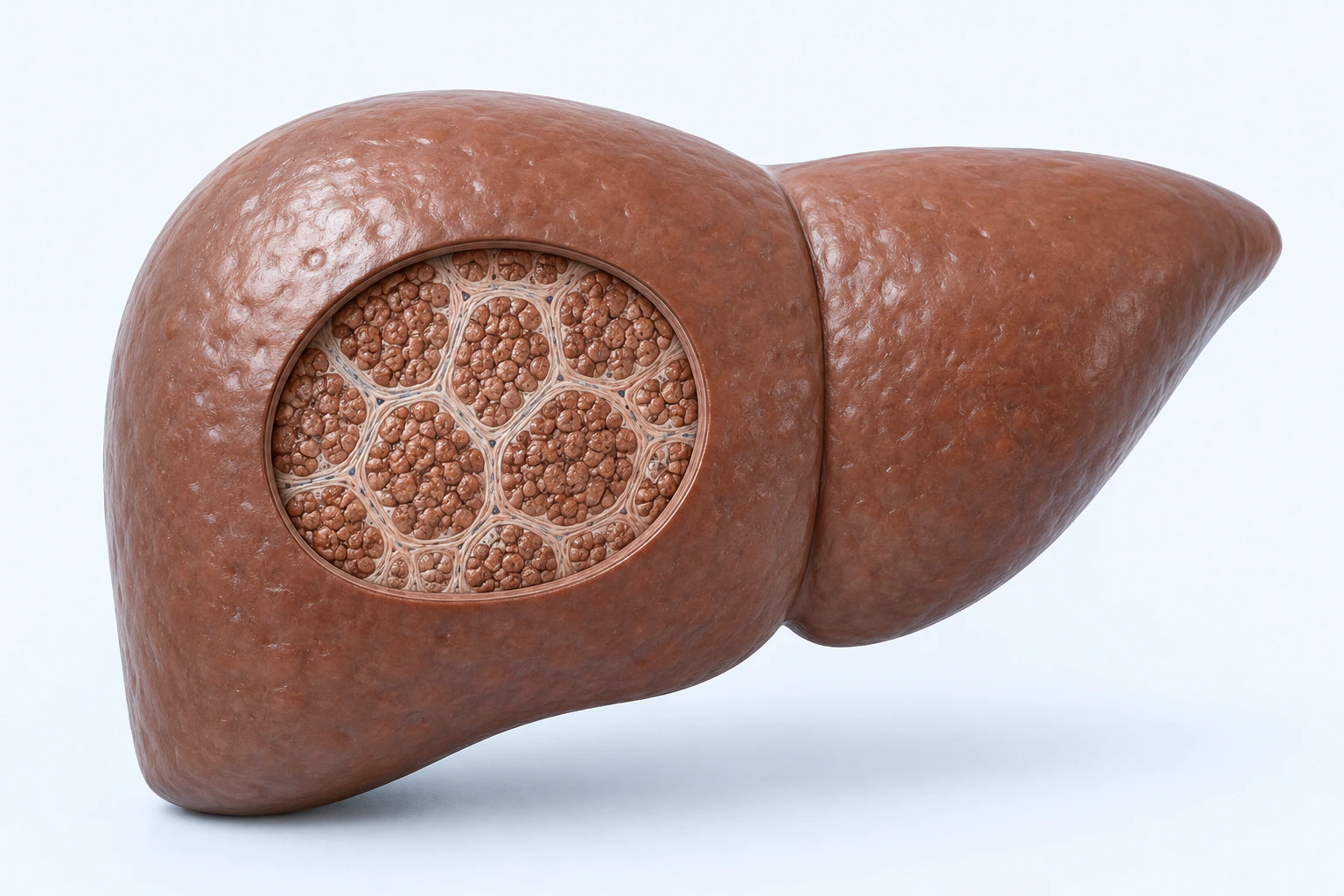
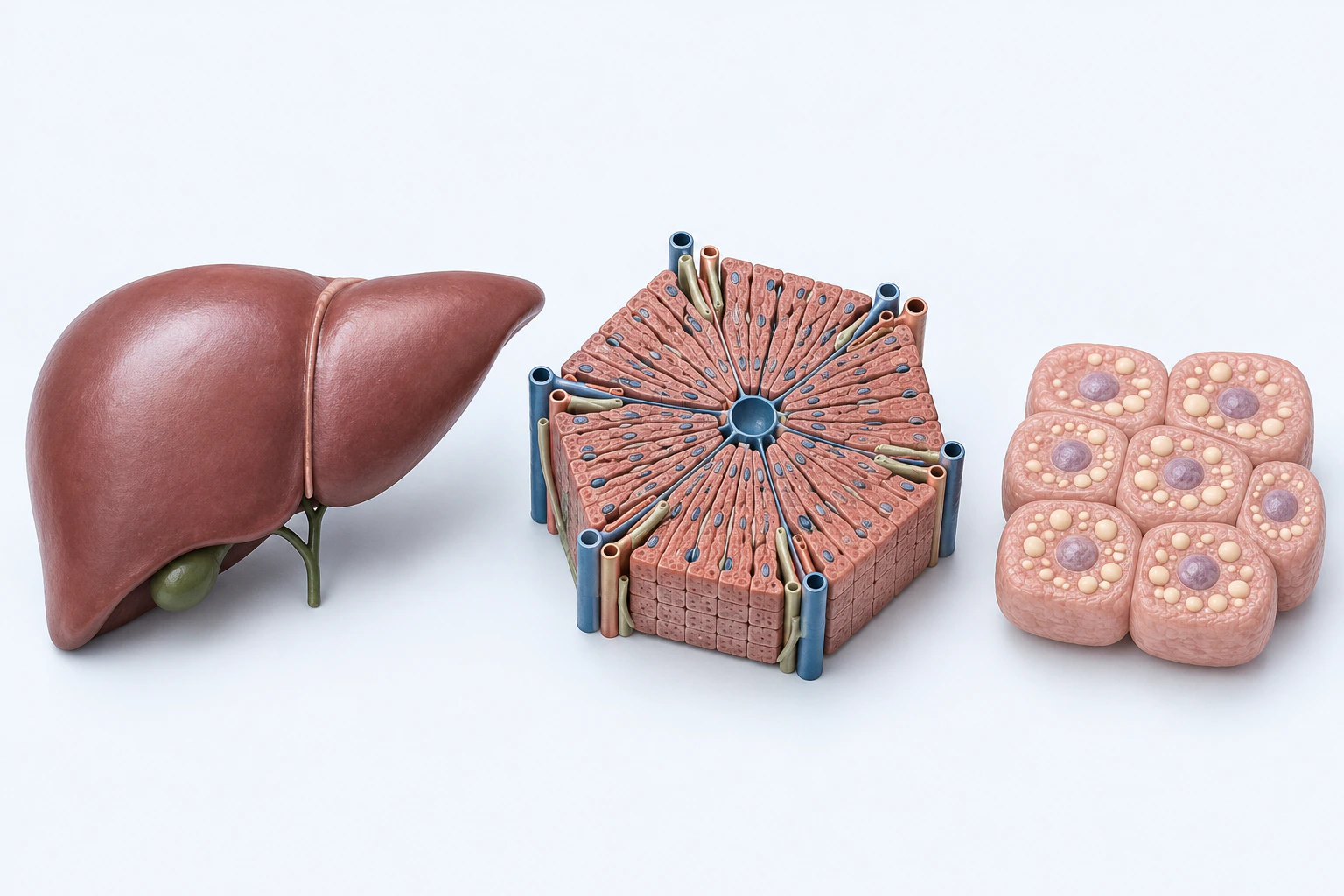
Cirrhosis is end-stage liver fibrosis characterized by nodular regeneration, portal hypertension, and progressive hepatic failure. The gut-liver axis is central: portal venous blood delivers gut-derived LPS, bacterial DNA, and viable bacteria directly to the liver, and …
This knowledge-base record is being expanded from WikiBiome’s evidence graph.
Erectile dysfunction (ED) affects 30-50% of men aged 40-70 Feldman et al. 1994, with prevalence increasing with age. Conventionally understood as a vascular and/or neurogenic disorder, ED is now recognized as a condition with a significant gut microbiome component -- th…
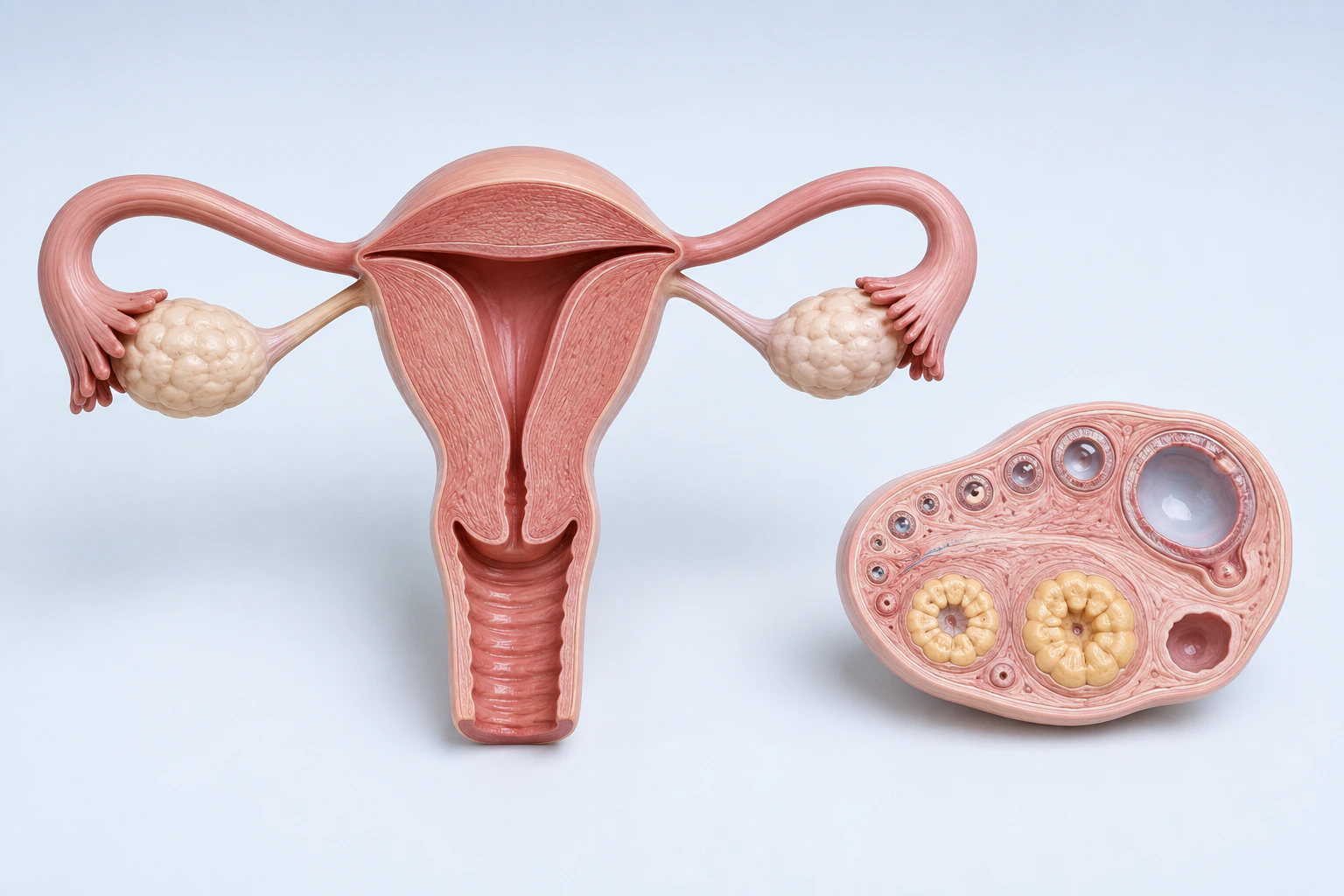
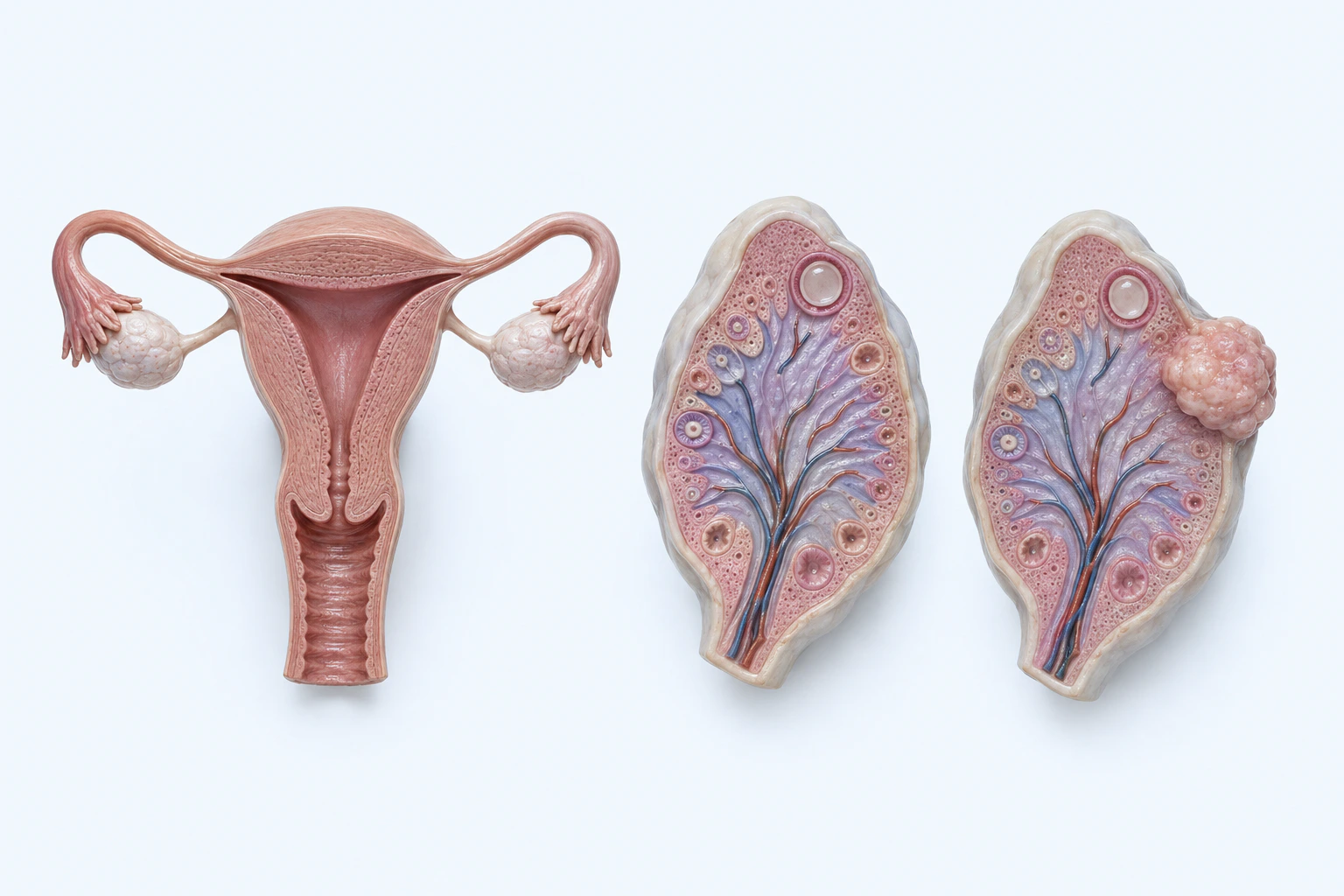
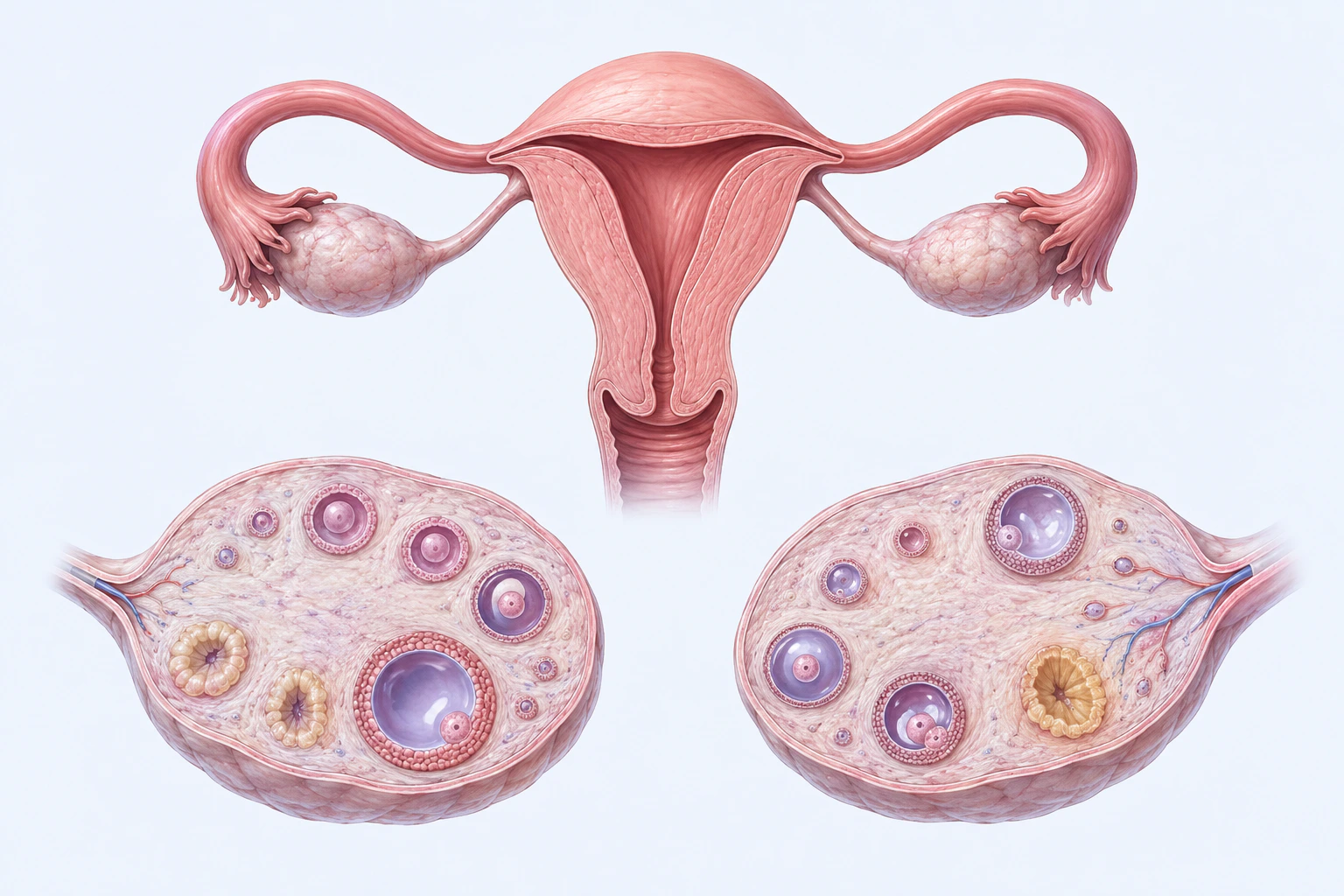
Affects approximately 48 million women worldwide (WHO global infertility prevalence estimates). From a microbiome-metallomics perspective, female infertility sits at the intersection of the estrobolome (microbial estrogen metabolism), heavy metal reproductive toxicity (…
Fibromyalgia (FM) is a chronic pain syndrome affecting 2-4% of the global population Heidari et al. 2017, characterized by widespread musculoskeletal pain, fatigue, cognitive dysfunction ("fibro fog"), and sleep disturbances. Conventionally attributed to central sensiti…
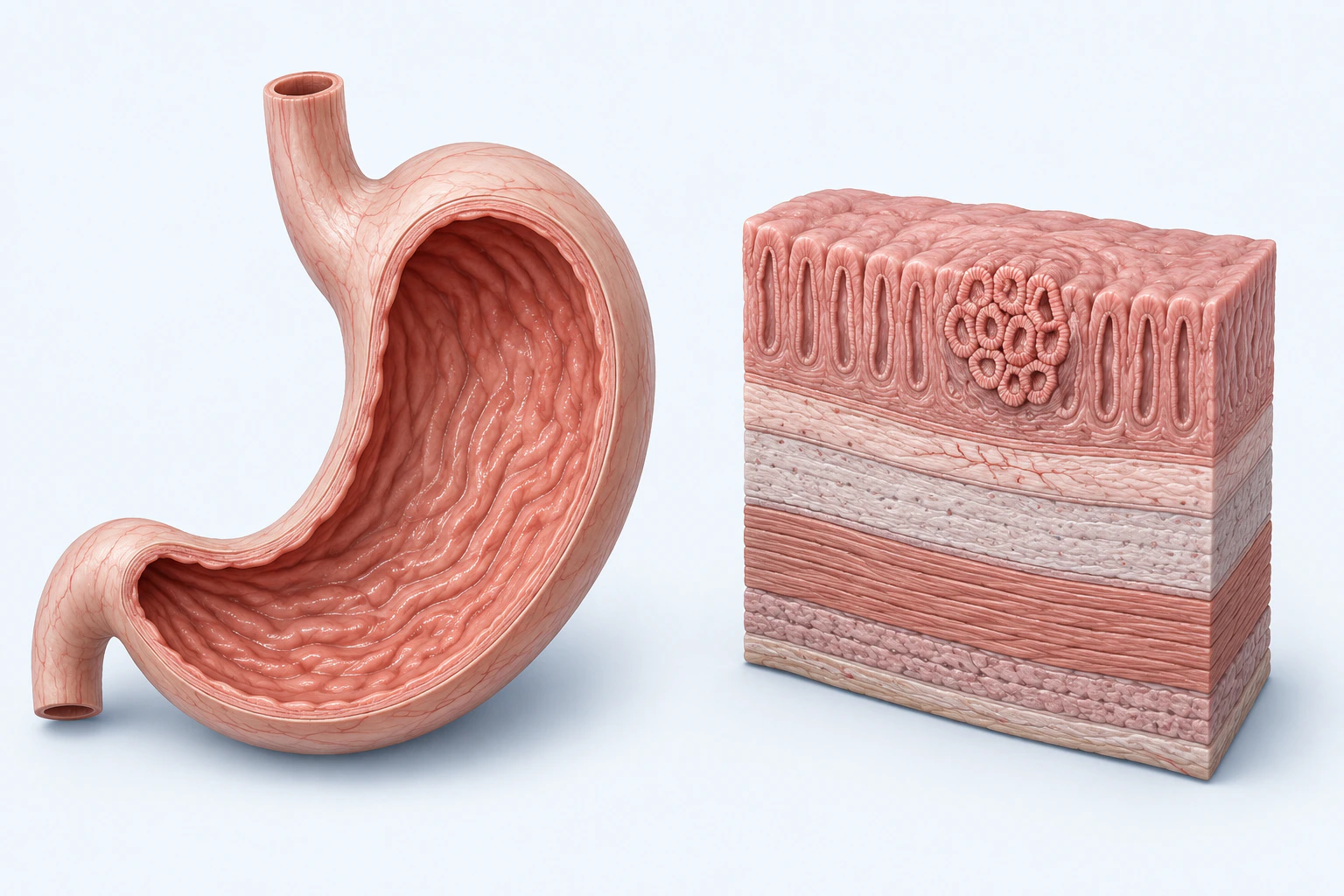
The most common malignancy of the stomach, accounting for over 95% of gastric cancers. helicobacter pylori infection is the strongest known risk factor, classified as a Group 1 carcinogen by IARC. In the metallomics framework, gastric adenocarcinoma reveals a striking d…
The fifth most common cancer worldwide and third leading cause of cancer death, with over 1 million new cases annually. Gastric cancer stands unique in this wiki as the disease where a single microorganism -- helicobacter pylori -- provides the dominant causal pathway, …
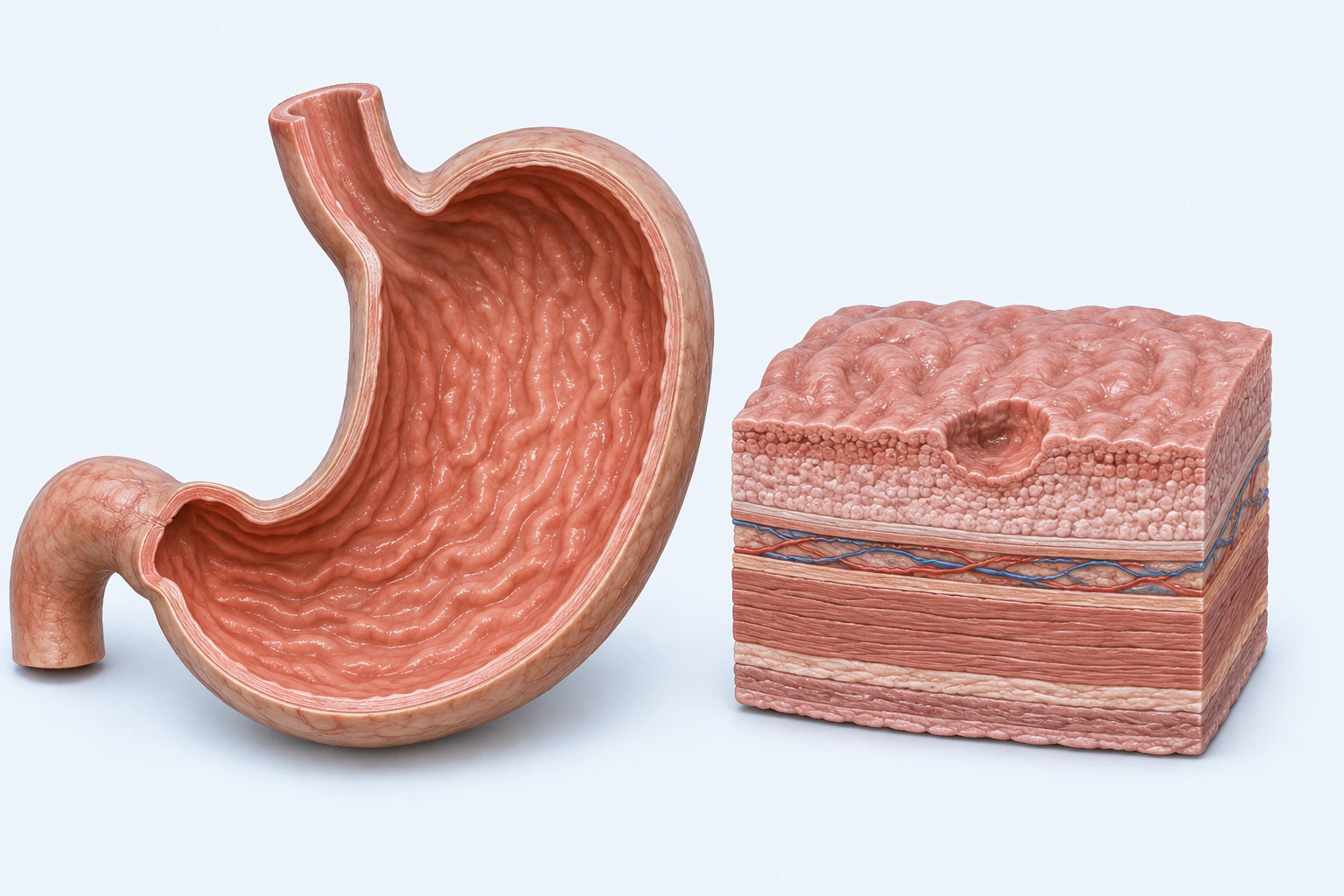
A breach in the gastric mucosal lining extending through the muscularis mucosae, most commonly caused by helicobacter pylori infection or chronic NSAID use. Gastric ulceration represents a critical node in the upper GI disease continuum, linking gerd, chronic gastritis,…
<!-- STUB: needs expansion --
Hepatitis (liver inflammation) encompasses viral (HBV, HCV, HAV), autoimmune, alcoholic, and toxin-induced forms. In the WikiBiome framework, the gut-liver axis is central — portal blood delivers gut-derived microbial products (LPS, bacterial DNA) directly to the liver …
This knowledge-base record is being expanded from WikiBiome’s evidence graph.
HIV (Human Immunodeficiency Virus) causes progressive CD4+ T cell depletion leading to AIDS. In the WikiBiome framework, HIV is notable for the gut-centric model of disease progression: HIV preferentially destroys gut-associated lymphoid tissue (GALT) early in infection…
This knowledge-base record is being expanded from WikiBiome’s evidence graph.
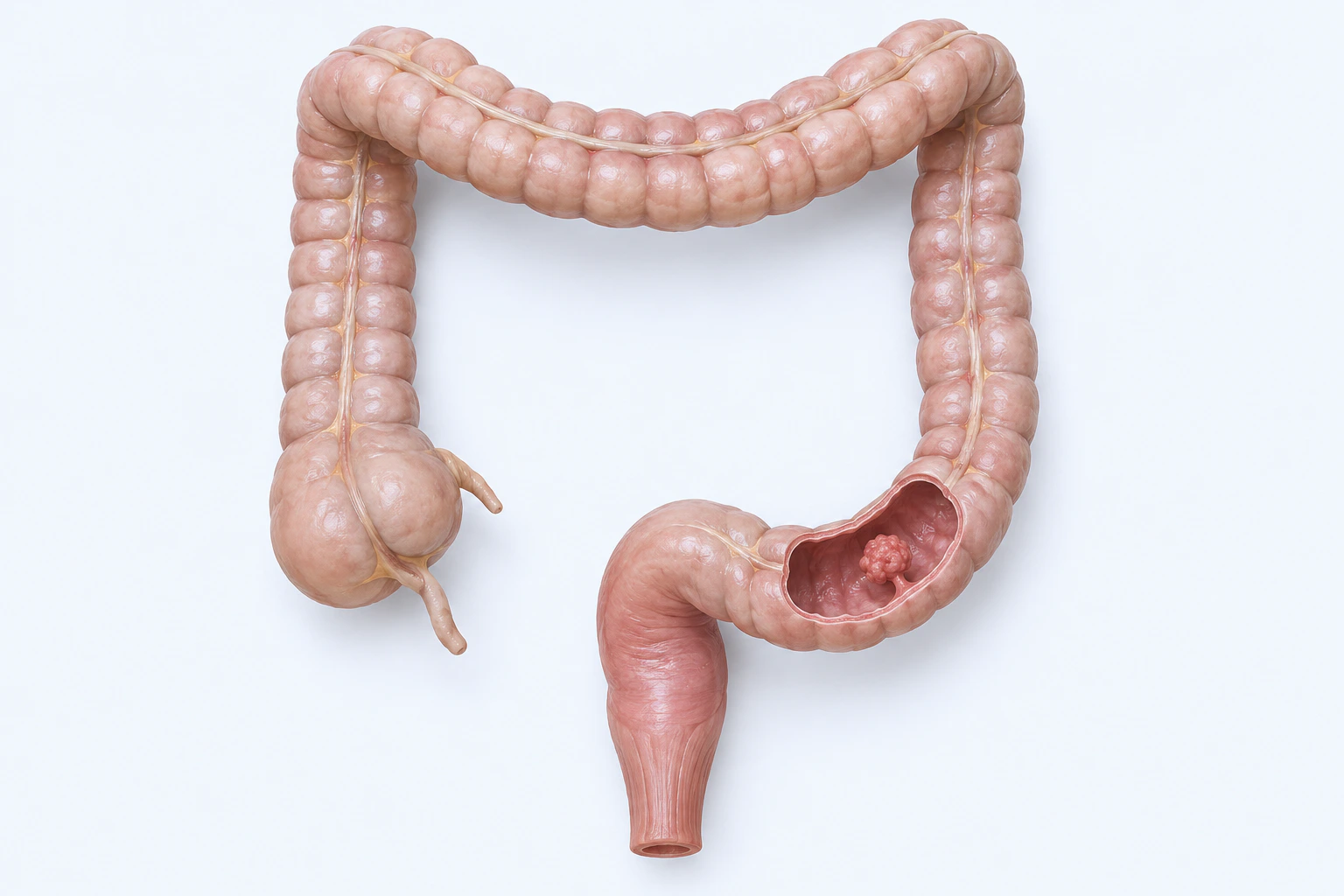
An umbrella term for chronic relapsing-remitting inflammatory conditions of the gastrointestinal tract, principally crohns disease (CD; transmural, any GI segment) and ulcerative colitis (UC; mucosal, colon only). Approximately 6 million patients worldwide. IBD represen…
Major depressive disorder (MDD) is a psychiatric condition characterized by persistent depressed mood, anhedonia, and cognitive/somatic symptoms. In the WikiBiome framework, MDD is a paradigm case for the gut brain axis: gut dysbiosis drives systemic inflammation and ne…
This knowledge-base record is being expanded from WikiBiome’s evidence graph.
Necrotizing enterocolitis (NEC) is the most common and lethal gastrointestinal emergency in premature infants, affecting 5-12% of very low birth weight neonates (<1500 g) with mortality rates of 20-30%. Characterized by intestinal inflammation, necrosis, and perforation…
This knowledge-base record is being expanded from WikiBiome’s evidence graph.
The second most common neurodegenerative disease, affecting over 10 million people worldwide dorsey 2018 parkinsons incidence meta analysis. Characterized by progressive loss of dopaminergic neurons in the substantia nigra, alpha-synuclein aggregation (Lewy bodies), and…
This knowledge-base record is being expanded from WikiBiome’s evidence graph.
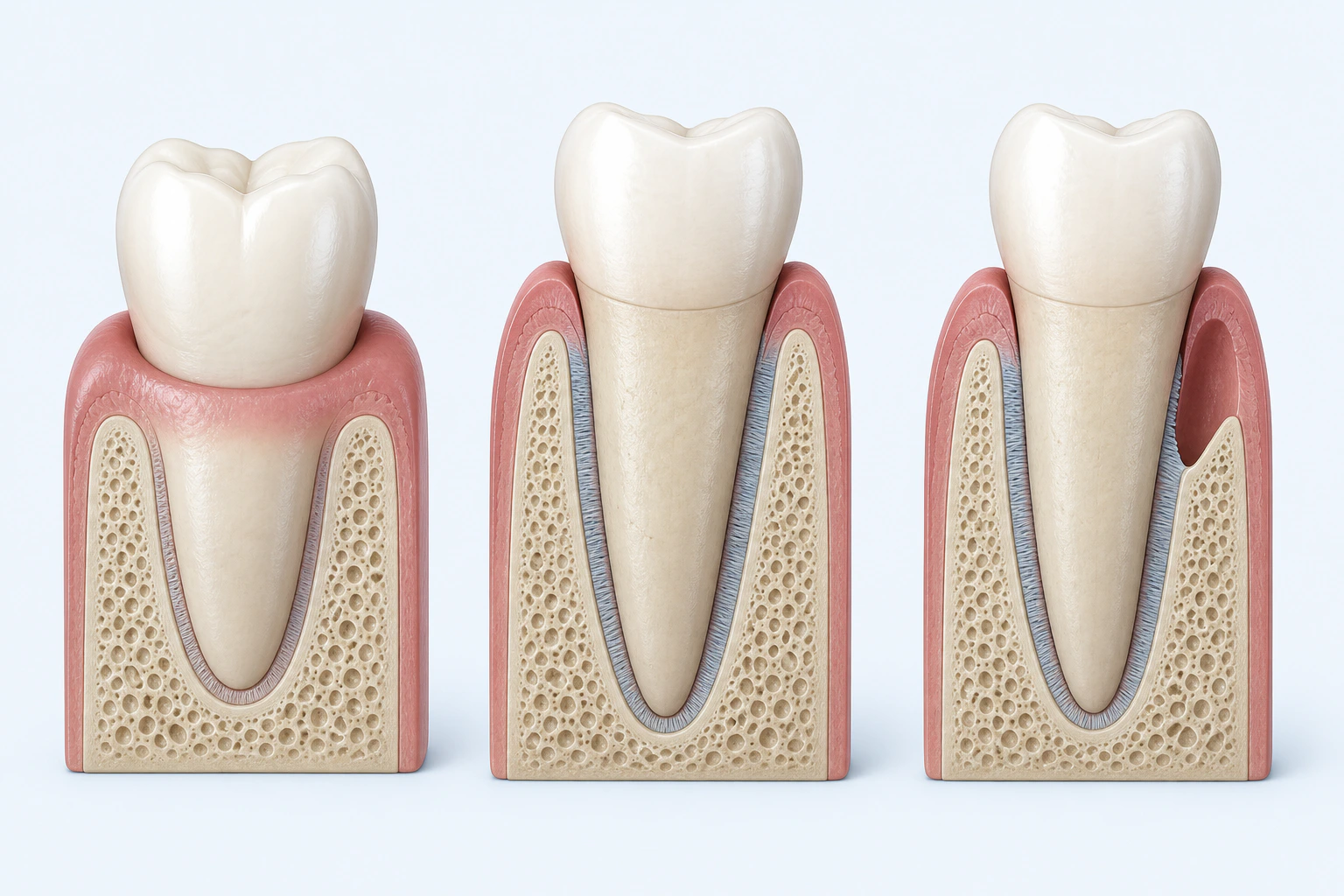
Periodontitis is a chronic inflammatory disease of the periodontal tissues (gingiva, periodontal ligament, alveolar bone) driven by a dysbiotic polymicrobial biofilm in the subgingival pocket. The keystone pathogen is porphyromonas gingivalis, whose zinc-dependent gingi…
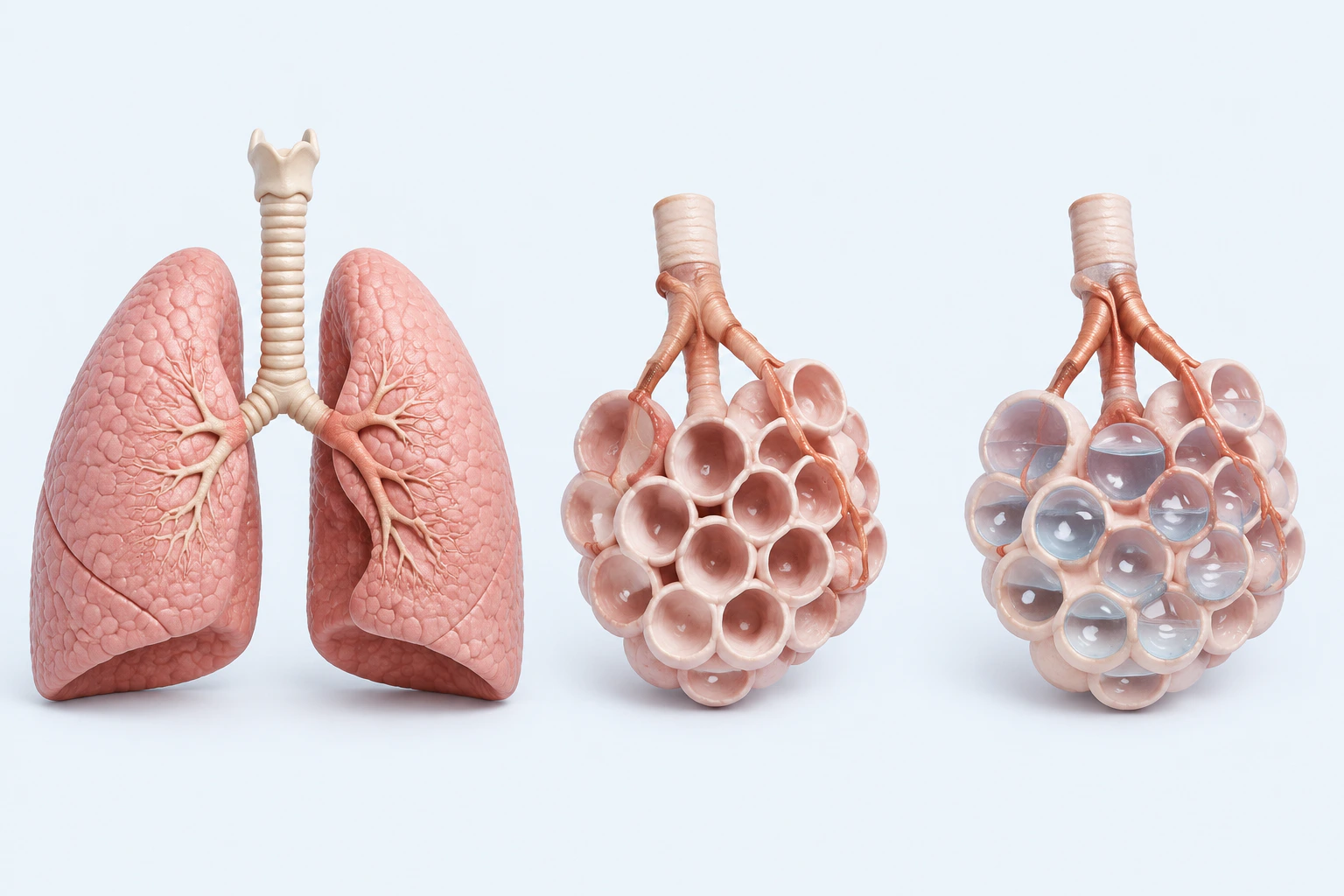
Pneumonia is infection of the lung parenchyma, most commonly caused by streptococcus pneumoniae, Klebsiella pneumoniae, Haemophilus influenzae, and viruses (influenza, SARS-CoV-2). In the WikiBiome framework, pneumonia exemplifies the metal battleground at the host-path…
This knowledge-base record is being expanded from WikiBiome’s evidence graph.
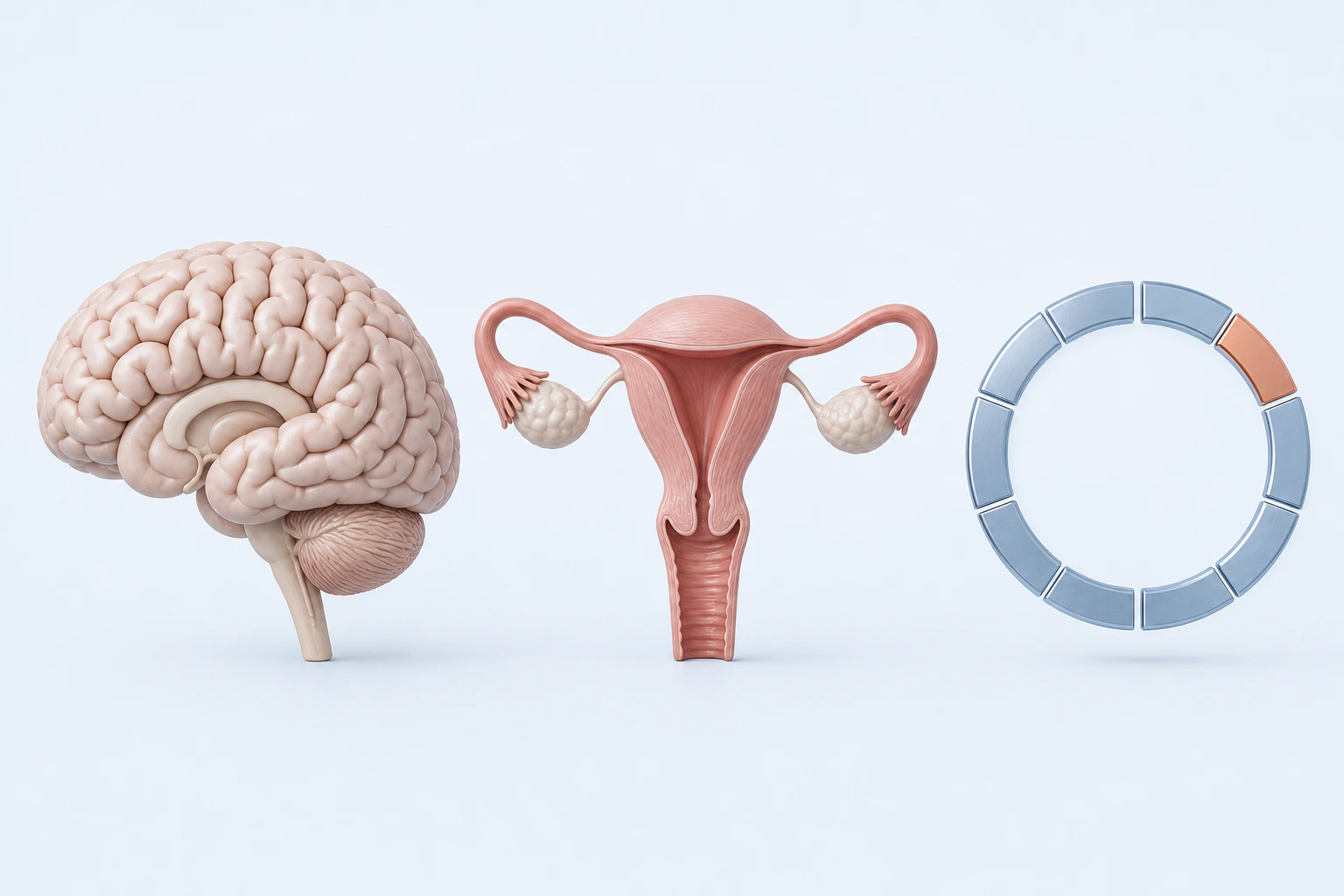
Premenstrual Dysphoric Disorder (PMDD) affects 3-8% of menstruating individuals Epperson et al. 2012, causing severe mood disturbances, irritability, anxiety, and physical symptoms during the luteal phase of the menstrual cycle. Distinguished from premenstrual syndrome …
This knowledge-base record is being expanded from WikiBiome’s evidence graph.
Sepsis is life-threatening organ dysfunction caused by a dysregulated host response to infection. In the WikiBiome framework, sepsis represents the catastrophic failure of both colonization resistance (pathogen invasion) and nutritional immunity (metal restriction). Inf…
Tuberculosis is caused by mycobacterium tuberculosis, an intracellular pathogen that survives inside macrophage phagosomes. In the WikiBiome framework, TB exemplifies the intracellular metal battleground: M. tuberculosis deploys mycobactins (lipophilic siderophores) and…