WikiBiomeThe human microbiome encyclopedia
WikiBiome/Search: “MS”
Encyclopedia search

Search: “MS”

Ranked matches across titles, topics, categories, and article introductions, filtered to mechanism.

80 records in this view
A compact trigonal-pyramidal ammonia teaching model shows one central nitrogen sphere connected to three hydrogen spheres.
Mechanisms4 sources

Ammonia

Ammonia is a nitrogen-containing product of microbial urease activity. When urease hydrolyzes urea, ammonia and bicarbonate are produced; in the microbial systems covered by WikiBiome, those products can provide nitrogen and raise local pH maier 2019 nickel microbial pa…

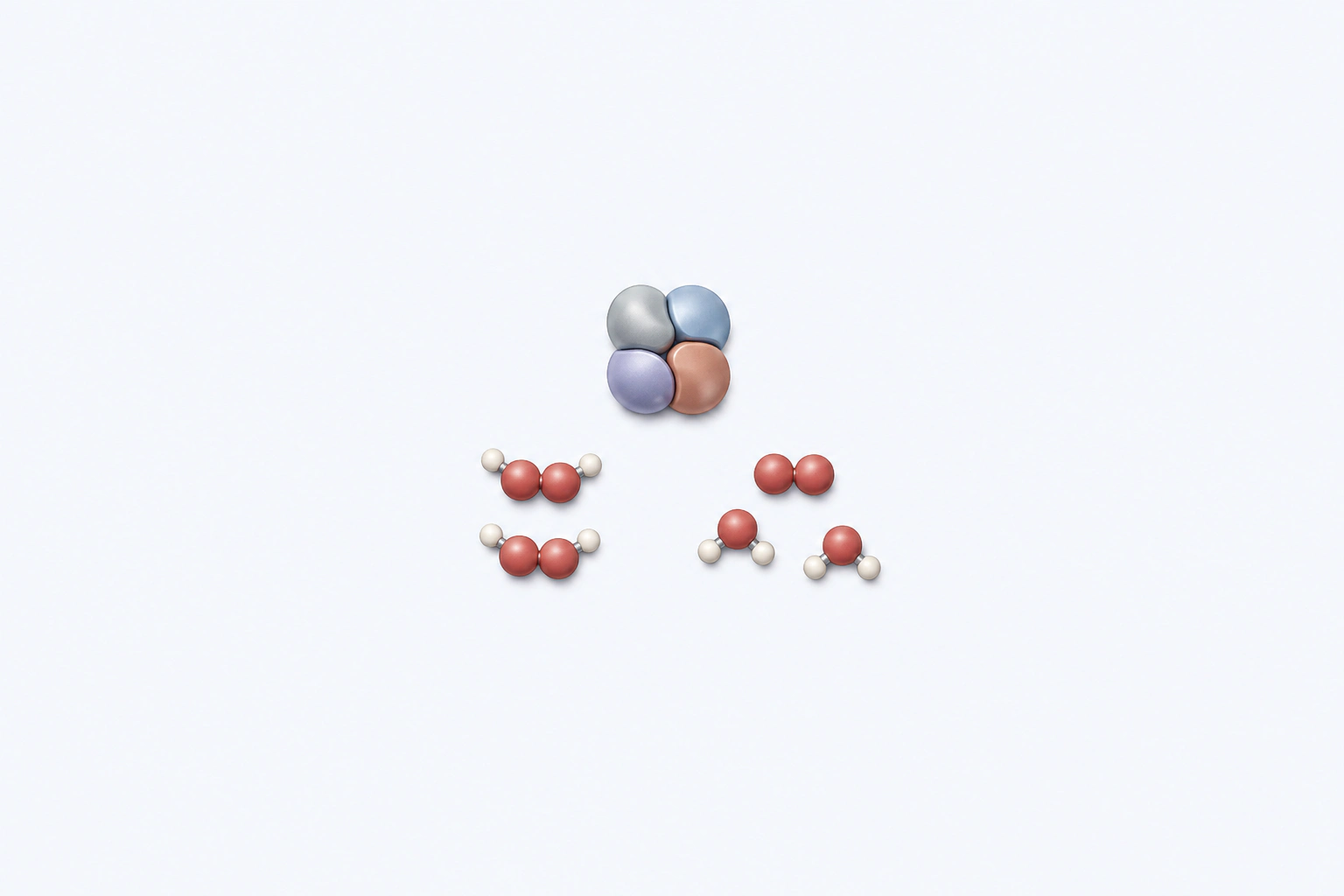
A compact generic enzyme form is separated from two peroxide-context tokens and a product group containing one oxygen pair and two water-like tokens.
Mechanisms6 sources

Catalase

Catalase is a heme-iron enzyme that decomposes hydrogen peroxide into water and oxygen. In microbial peroxide defense, it acts downstream of superoxide dismutase: superoxide dismutase converts superoxide to hydrogen peroxide, and catalase removes that hydrogen peroxide …

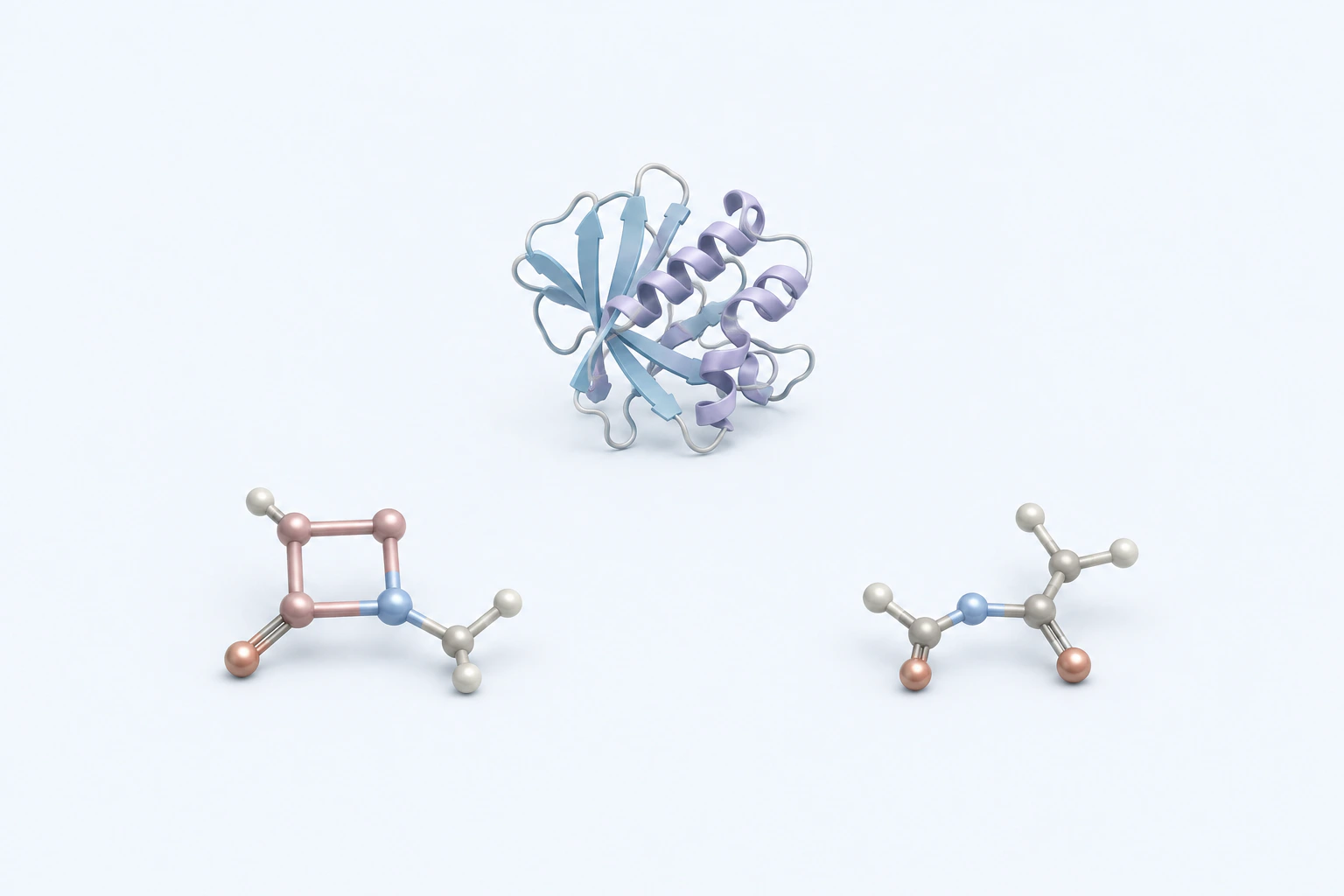
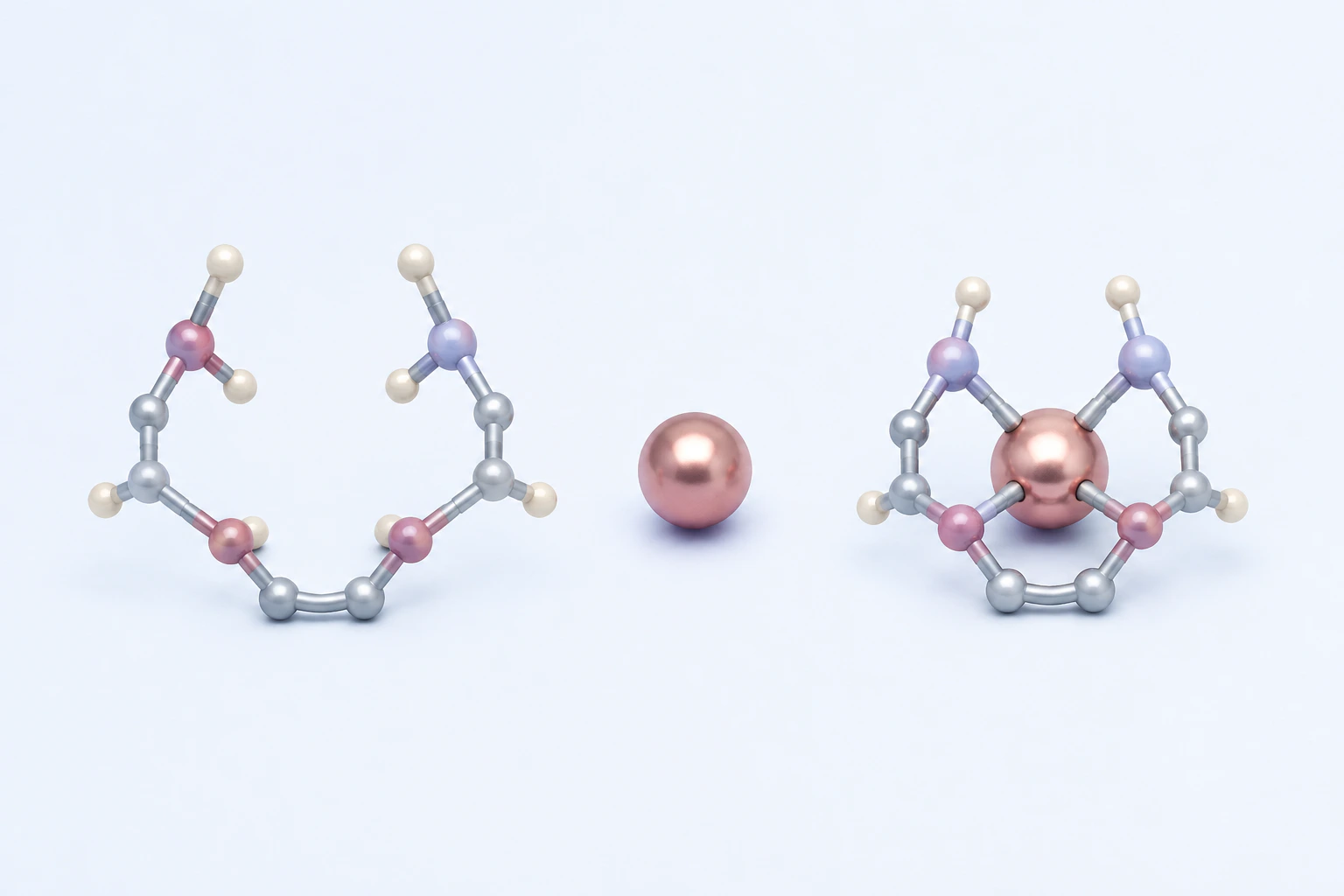
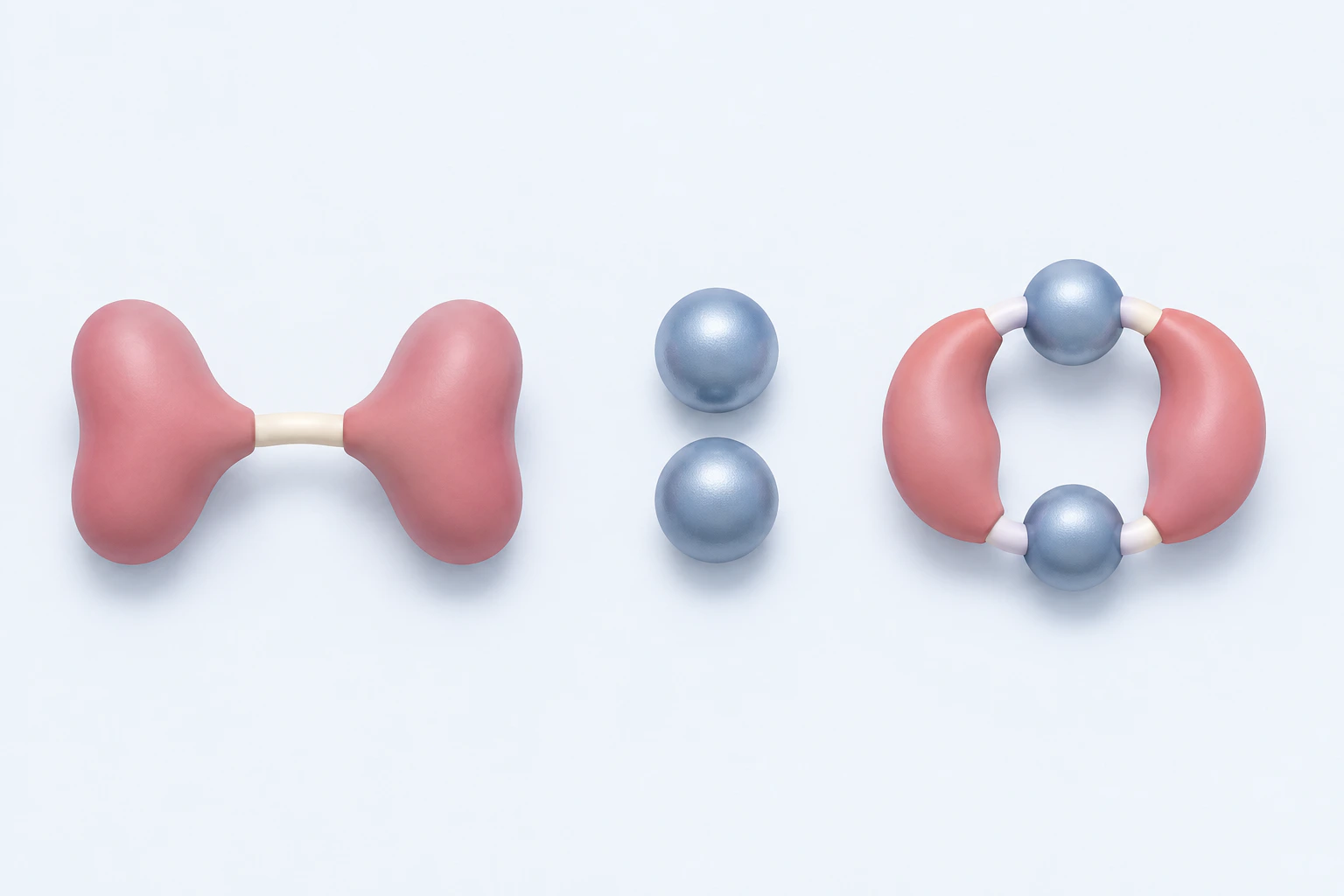
An open ligand teaching form, an isolated metal sphere, and a separate closed ligand-and-sphere model appear without arrows.
Mechanisms3 sources

Chelation Therapy

Chelation therapy uses high-affinity metal-binding molecules to form stable, excretable complexes with toxic metals, removing them from the body. The term derives from Greek "chele" (claw) -- the chelator grips the metal ion at multiple coordination sites. While chelati…

Mechanisms5 sources

Gene Regulation

Gene regulation in bacteria is the process by which cells control when and how much of each gene product is made. In the metallomics context, gene regulation is the mechanism by which bacteria respond to the metal environment -- sensing metal availability and adjusting …

Mechanisms5 sources

Isoflavones

Isoflavones (genistein, daidzein, glycitein) are phytoestrogens found primarily in soy products. They bind estrogen receptors (ERα and ERβ) with weak agonist/antagonist activity and are among the most microbiome-dependent dietary bioactives — their clinical effects depe…

Mechanisms6 sources

Metal Chelation Therapy

Chelation therapy uses molecules with high affinity for specific metal ions to form stable, excretable complexes, removing toxic metals from the body. The word derives from Greek "chele" (claw) -- the chelator grips the metal ion at multiple coordination sites. While ch…

Mechanisms8 sources

Metal Sensing

Metal sensing is the set of regulatory mechanisms bacteria use to detect intracellular metal concentrations and adjust gene expression accordingly. Because metal ions cannot be synthesized or degraded -- only imported, exported, sequestered, or trafficked -- sensing and…

Mechanisms3 sources

Mycobiome

The fungal component of the human microbiome, comprising ~0.1-1% of the total gut microbial community by abundance but disproportionately active in immune signaling and cross-kingdom interactions. While bacterial communities dominate microbiome research, emerging eviden…

Mechanisms3 sources

Peptidoglycan

Peptidoglycan (murein) is the polymer of N-acetylglucosamine and N-acetylmuramic acid cross-linked by short peptides that forms the bacterial cell wall. It is a major pathogen-associated molecular pattern (PAMP) recognized by host TLR2 (intact peptidoglycan), NOD1 (meso…

Mechanisms3 sources

Prebiotics

Non-digestible food substrates that selectively stimulate the growth and/or activity of beneficial gut microorganisms, conferring health benefits to the host. Distinct from probiotics (live organisms) and postbiotics (microbial metabolic products), prebiotics act as fue…

Mechanisms16 sources

Synbiotics

A synbiotic is a combination of live microorganisms (probiotics) and substrates selectively utilized by host microorganisms (prebiotics) that confers a health benefit. The rationale is additive or synergistic: the prebiotic component (typically inulin, fructo-oligosacch…