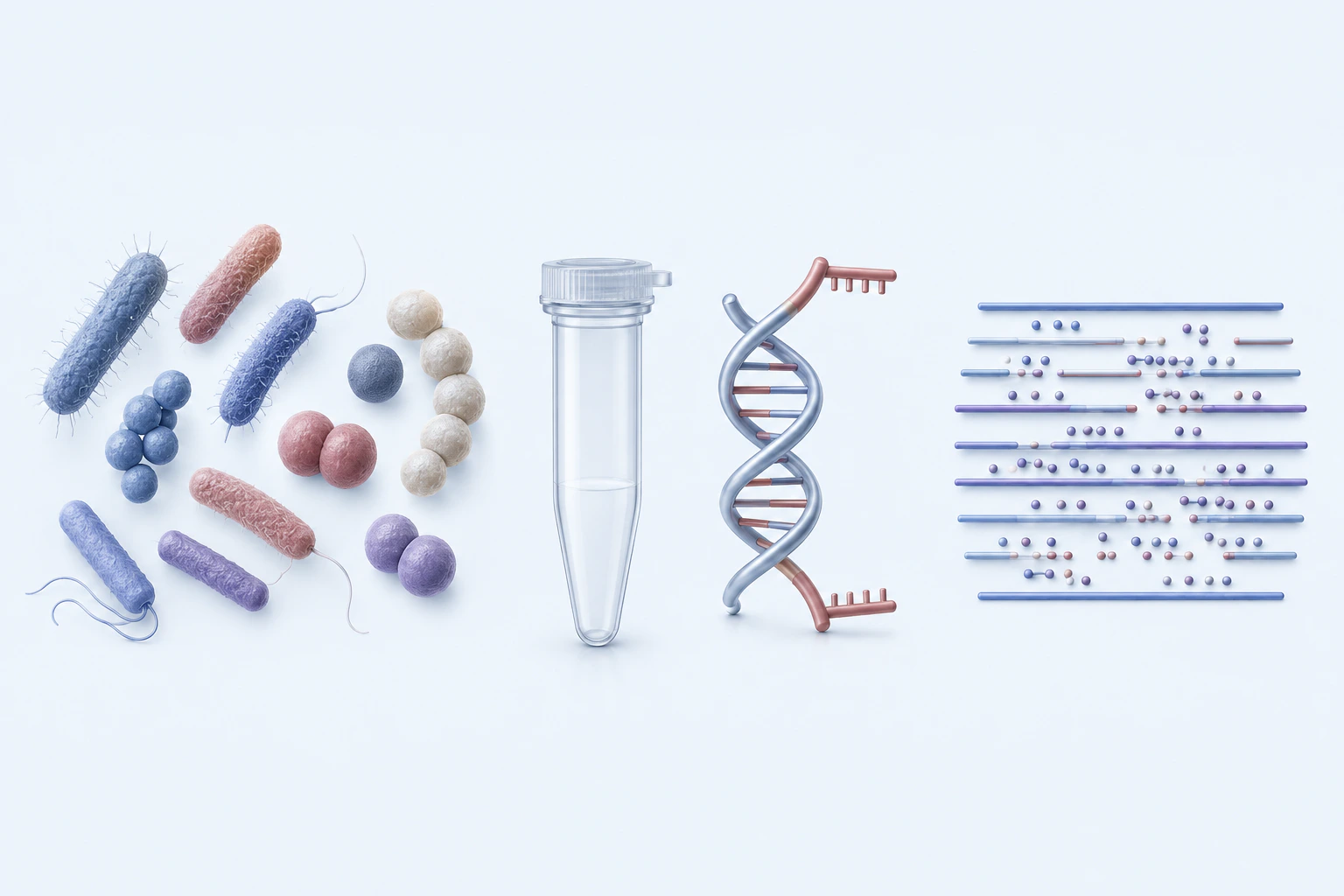
16S rRNA Sequencing
This knowledge-base record is being expanded from WikiBiome’s evidence graph.
WikiBiomeThe human microbiome encyclopediaRanked matches across titles, topics, categories, and article introductions, filtered to mechanism.
This knowledge-base record is being expanded from WikiBiome’s evidence graph.
A 140-amino-acid presynaptic protein whose misfolding into insoluble fibrils and their deposition in Lewy bodies is the defining neuropathological hallmark of parkinsons disease and the broader family of synucleinopathies (including Lewy body dementia and multiple syste…
The process by which soluble amyloid-beta (Aβ) monomers assemble into neurotoxic oligomers and insoluble fibrillar plaques in the brain -- the defining neuropathological event of alzheimers disease. What distinguishes WikiBiome's treatment of this process from conventio…
The ability of microorganisms to survive and replicate in the presence of antimicrobial agents — antibiotics, antifungals, antivirals, antiparasitic drugs — at concentrations that would normally inhibit or kill them. Antimicrobial resistance (AMR) is designated by the W…
This knowledge-base record is being expanded from WikiBiome’s evidence graph.
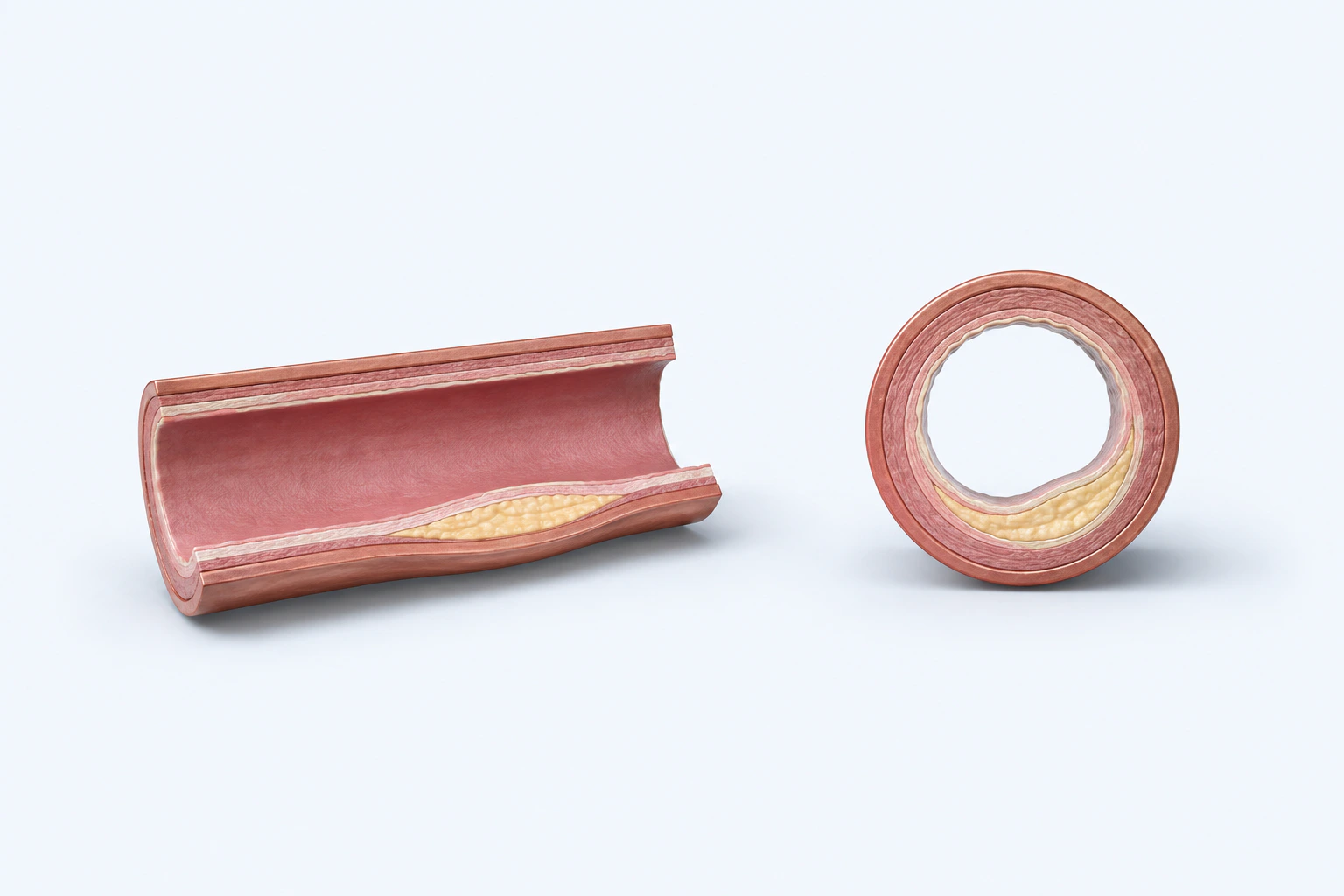
Progressive inflammatory disease of the arterial wall characterized by lipid accumulation, immune cell infiltration, and fibrous plaque formation. In the metallomics framework, atherosclerosis sits at the convergence of three interacting systems: heavy metal toxicity, g…
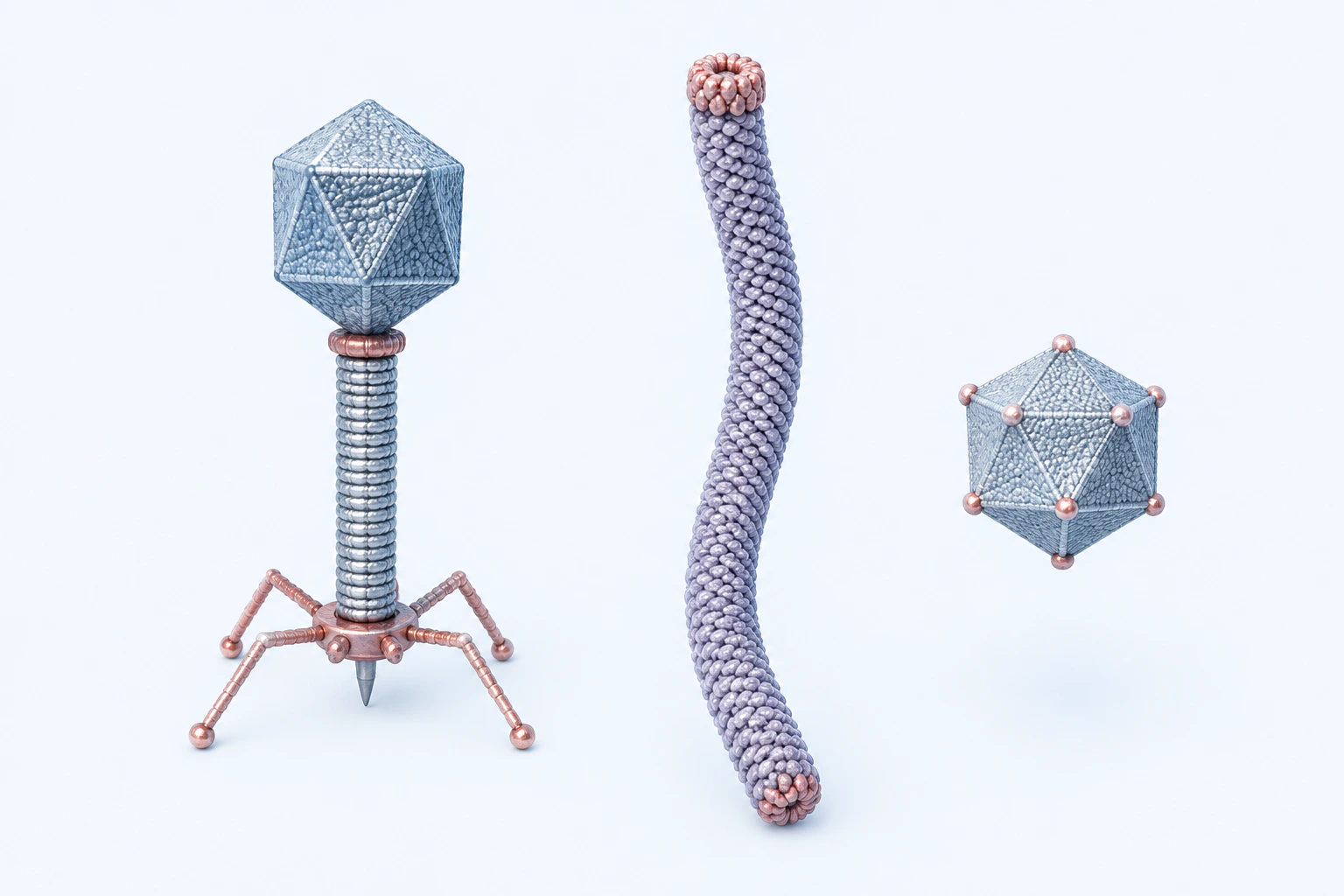
Viruses that exclusively infect bacteria. Bacteriophages -- phages for short -- are the most abundant biological entities on Earth, outnumbering bacteria in most environments by ratios of 1:1 to 10:1. In the human gut, the phageome represents a powerful but underexplore…
The process by which selection pressure from one agent — typically a heavy metal — simultaneously selects for resistance to a structurally unrelated agent such as an antibiotic, because the resistance determinants are genetically linked on the same mobile genetic elemen…
A distinct form of regulated cell death caused by excess intracellular copper binding to lipoylated proteins in the TCA cycle, first characterized by Tsvetkov et al. in Science (2022). Unlike ferroptosis (iron-dependent lipid peroxidation) or apoptosis (caspase-dependen…
This page unifies the infant formula contamination, pregnancy complications, autism spectrum disorder, necrotizing enterocolitis, and neurodevelopmental toxicity threads around a single organizing insight: metal toxicity is disproportionately severe during specific deve…
This knowledge-base record is being expanded from WikiBiome’s evidence graph.
The transfer of processed stool from a healthy donor into a recipient's gastrointestinal tract to restore a disrupted microbial community. FMT is the most direct form of microbiome intervention -- replacing the entire community rather than supplementing individual strai…
This knowledge-base record is being expanded from WikiBiome’s evidence graph.
The third nickel-dependent enzyme class in human pathogens, after urease and hydrogenase. Glyoxalase I detoxifies methylglyoxal, a reactive and toxic byproduct of glycolysis. While less well-known than urease or hydrogenase as a virulence factor, GloI is emerging as a s…
The community of trillions of microorganisms — bacteria, archaea, fungi (mycobiome), viruses, and bacteriophages — inhabiting the human gastrointestinal tract, with the highest density in the colon (~10¹¹ cells/g). The gut microbiome encodes 100–150 times more genes tha…
This knowledge-base record is being expanded from WikiBiome’s evidence graph.
Human milk oligosaccharides are a diverse family of over 200 structurally distinct complex sugars found in breast milk. They are the third most abundant solid component of human milk (after lactose and lipids), yet they are not digestible by the infant. Their sole purpo…
The immune system is not a monolith but a dynamic equilibrium between pro-inflammatory effector responses (Th1, Th2, Th17) and anti-inflammatory regulatory responses (Treg, IL-10, TGF-beta). Metals and the microbiome are two of the most potent environmental modulators o…
This knowledge-base record is being expanded from WikiBiome’s evidence graph.
Interleukin-6 is a pleiotropic cytokine that sits at the crossroads of innate immunity, adaptive immunity, and metabolism. It is one of the most frequently elevated inflammatory mediators across conditions in this wiki — appearing in disease signatures spanning IBD, aut…
The intestinal epithelium is a single-cell-thick barrier separating the lumen -- home to trillions of microbes and ingested metals -- from the systemic circulation. When this barrier fails, the consequences cascade: microbial products translocate, metals gain unrestrict…
Chelation therapy uses molecules with high affinity for specific metal ions to form stable, excretable complexes, removing toxic metals from the body. The word derives from Greek "chele" (claw) -- the chelator grips the metal ion at multiple coordination sites. While ch…
A family of small (6-7 kDa), cysteine-rich proteins that bind heavy metals with extraordinary affinity. Metallothioneins (MTs) are the cell's primary chemical defense against metal toxicity -- they sequester cadmium, mercury, lead, and other toxic metals, preventing the…
Microglia are the resident immune cells of the central nervous system, constituting 5-12% of all brain cells. They function as the brain's surveillance and defense system -- scanning for damage, clearing debris, pruning synapses during development, and mounting inflamma…
This knowledge-base record is being expanded from WikiBiome’s evidence graph.
Chronic inflammatory activation within the central nervous system, driven by microglia, astrocytes, and infiltrating peripheral immune cells. Neuroinflammation is a convergent pathological mechanism across alzheimers disease, parkinsons disease, multiple sclerosis, and …
Nuclear factor kappa-light-chain-enhancer of activated B cells (NF-kB) is a family of transcription factors that regulate inflammation, immune responses, cell survival, and proliferation. NF-kB is a convergence point where metal toxicity, pathogen signaling, and chronic…
Specialized membrane proteins that import nickel into bacterial cells, supplying the essential cofactor for virulence enzymes including urease, NiFe-hydrogenase, and Ni-glyoxalase. Because mammals produce no known nickel-requiring proteins, these transporters represent …
Oxidative stress is the imbalance between the production of reactive oxygen and nitrogen species (ROS/RNS) and the capacity of biological antioxidant defense systems to detoxify them. It is the single most commonly invoked mechanism across metal toxicology in this wiki,…
This knowledge-base record is being expanded from WikiBiome’s evidence graph.
A microbial metabolite produced by gut bacteria through tyrosine fermentation that has emerged as one of the most consistent biomarkers linking gut dysbiosis to neurological and renal disease. p-Cresol (4-methylphenol) is a simple aromatic compound, but its effects are …
Pharmacomicrobiomics is the study of bidirectional interactions between drugs and the microbiome. The gut microbiome is not a passive bystander in pharmacology -- it actively metabolizes drugs, alters their bioavailability, and modulates therapeutic efficacy. Conversely…
Phenylalanine is an essential aromatic amino acid that sits at a metabolic crossroads: it is the precursor to tyrosine (and through it to dopamine, norepinephrine, and epinephrine), a substrate for microbial conversion to cardiovascular risk metabolites, and a participa…
Live microorganisms that, when administered in adequate amounts, confer a health benefit on the host. In the context of this wiki, probiotics are relevant both as therapeutic agents for metal-related diseases and as mediators of gut metal microbiome interactions. Their …
A three-carbon short-chain fatty acid (SCFA) produced primarily by Bacteroidetes and certain Firmicutes through anaerobic fermentation of dietary substrates. At physiological concentrations in healthy gut microbiomes, propionic acid (PPA) is a normal fermentation produc…
This knowledge-base record is being expanded from WikiBiome’s evidence graph.
A gut microbiome-derived metabolite that has emerged as one of the strongest microbial biomarkers for cardiovascular disease risk. TMAO exemplifies how microbial metabolism of dietary nutrients can generate systemically toxic products -- a fundamentally different paradi…
Tryptophan (Trp) is an essential amino acid metabolized via three competing pathways: the kynurenine pathway, the serotonin pathway, and the microbial indole pathway. The balance among these pathways is profoundly influenced by the gut microbiome, inflammation, and meta…
The most widespread nickel-dependent virulence factor across human pathogens. Urease is found in at least 40 prokaryotic and 9 eukaryotic pathogenic species, making it the single most important enzyme linking dietary/environmental nickel to infectious disease.
Uremic toxins are metabolic waste products that accumulate in the blood when kidney function declines. A striking proportion of the most clinically significant uremic toxins are produced not by human metabolism but by the gut microbiome -- making the gut-kidney axis a c…
Ursodeoxycholic acid is a hydrophilic secondary bile acid used therapeutically for primary biliary cholangitis (PBC), gallstone dissolution, and cholestatic liver disease. It is also a microbial metabolite — gut bacteria (7α/β-hydroxysteroid dehydrogenases) convert chen…
This page serves as a redirect and cross-reference point for the comprehensive virome concept page, which covers the gut virome, bacteriophage-bacteria interactions, phage therapy, and virome-disease associations in detail. The term viral microbiota emphasizes that viru…
This knowledge-base record is being expanded from WikiBiome’s evidence graph.
A protein (pre-haptoglobin-2) that reversibly modulates tight junction permeability in the intestinal epithelium. Identified by Alessio Fasano in 2000, zonulin is the only known physiological regulator of intestinal paracellular permeability and has become the most wide…