WikiBiomeThe human microbiome encyclopedia
WikiBiome/Search: “signature”
Encyclopedia search

Search: “signature”

Ranked matches across titles, topics, categories, and article introductions, filtered to signature.

42 records in this view
A branching mammary duct-and-lobule teaching model contains one irregular rose lesion, with three separate regional structures nearby.
Diseases19 sources

Breast Cancer

Breast cancer is the most common cancer in women worldwide, with approximately 2.3 million new cases annually. While genetic, hormonal, and lifestyle factors are well-established risk determinants, the metallomic dimension reveals a consistent pattern of trace element d

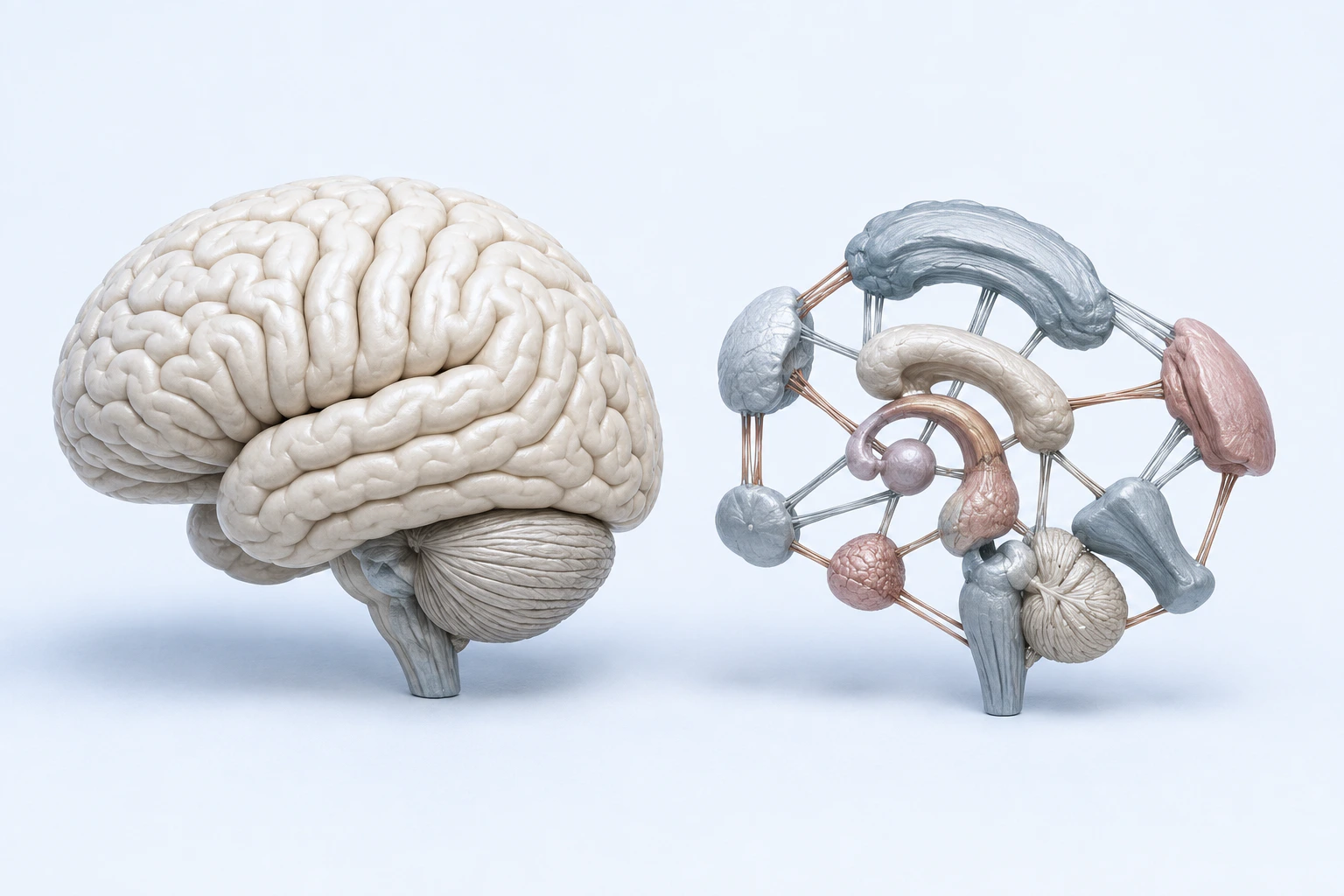
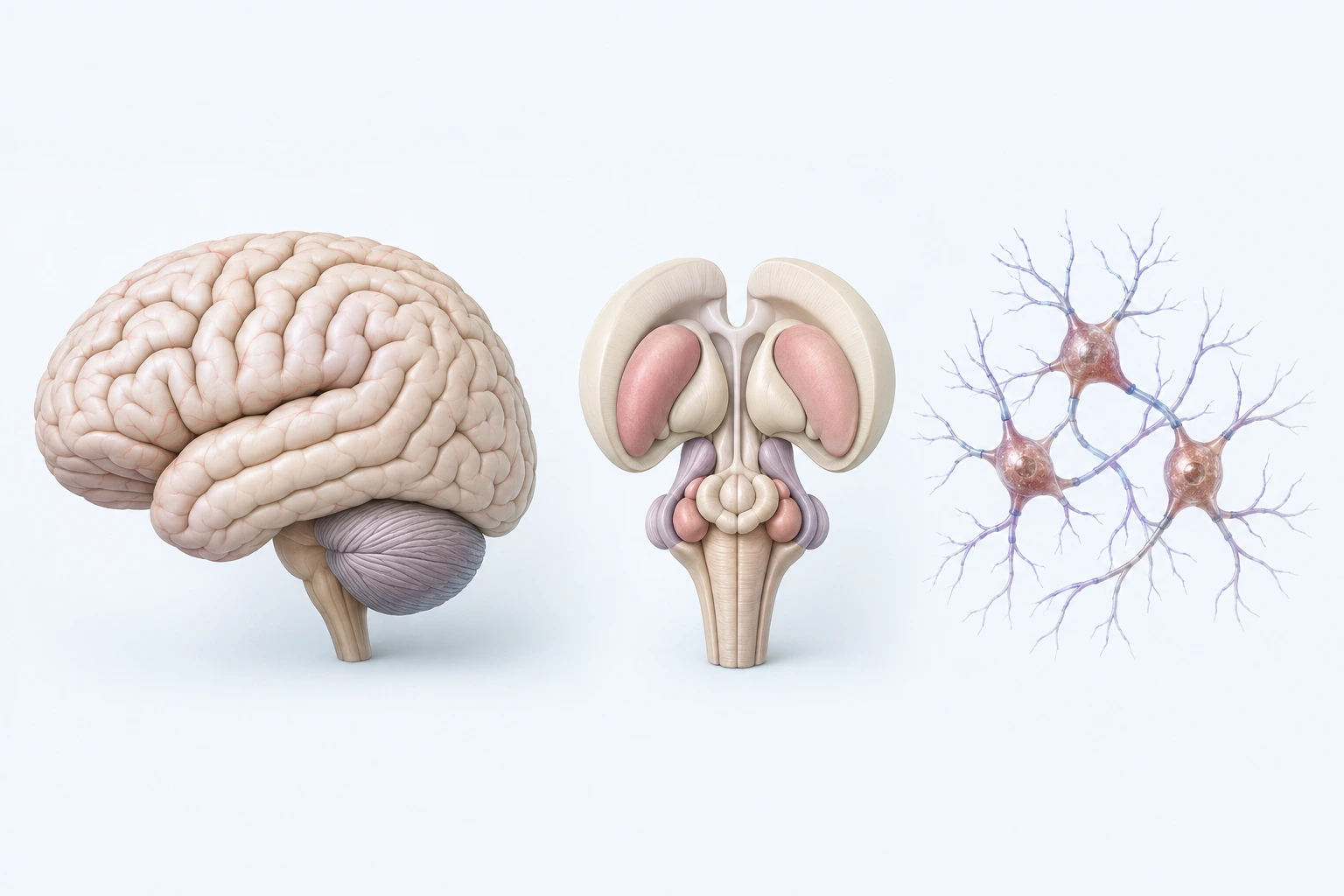
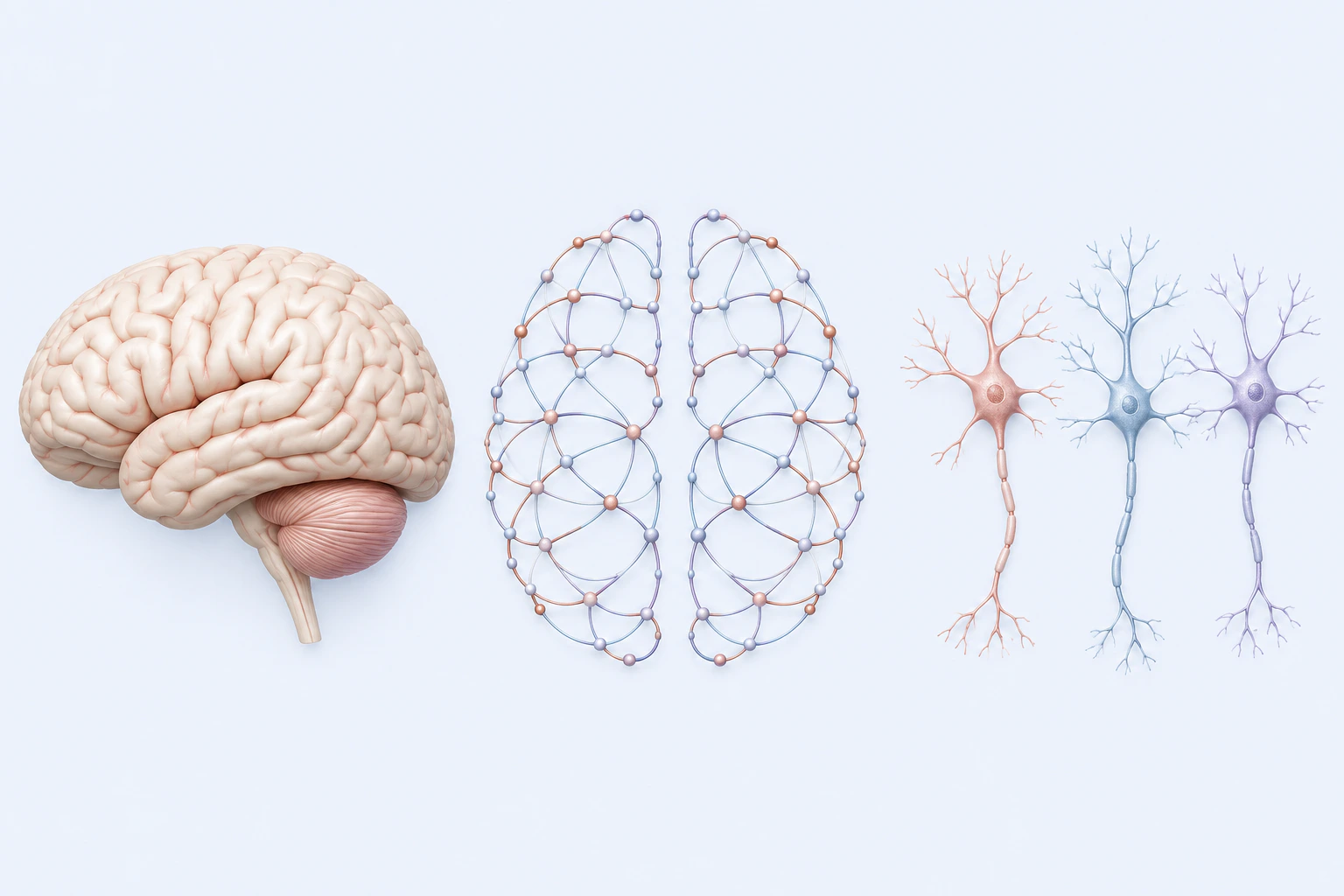
A complete intact brain teaching model appears beside a separate assembly of connected cortical- and limbic-like forms.
Diseases10 sources

Depression

Depression is the most prevalent mental health disorder globally, affecting over 280 million people zhu 2025 microbiota gut brain axis depression review, and one of the most metal-sensitive conditions in this wiki. It sits at the convergence of nearly every pathway cata

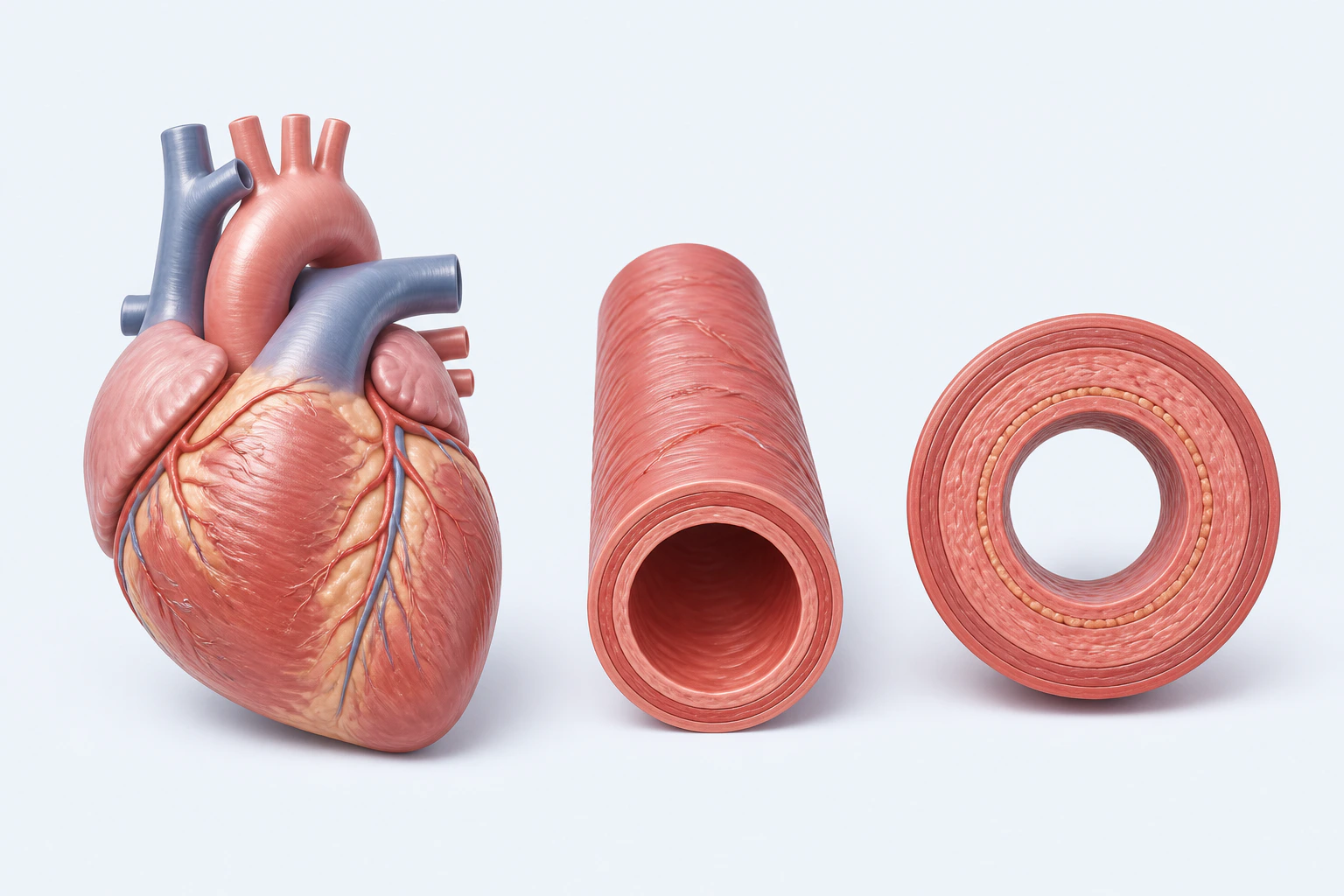
A heart with proximal vessels appears beside an open muscular-artery segment and a layered arterial cross-section with a patent lumen.
Diseases8 sources

Hypertension

Sustained elevation of systemic blood pressure, affecting an estimated 1.3 billion adults worldwide and the leading modifiable risk factor for cardiovascular disease, stroke, and chronic kidney disease. The gut microbiome-blood pressure axis has emerged as a major resea

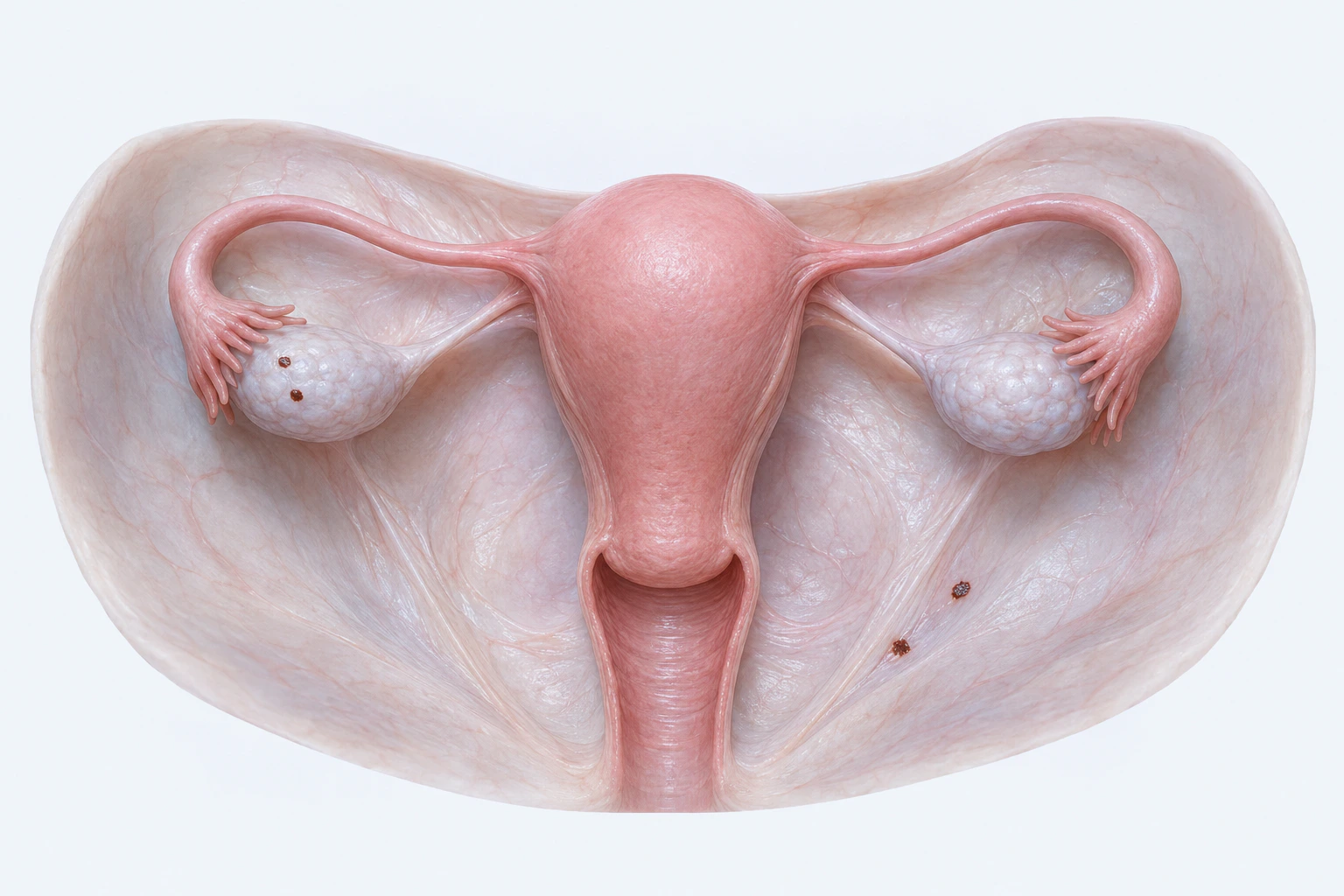
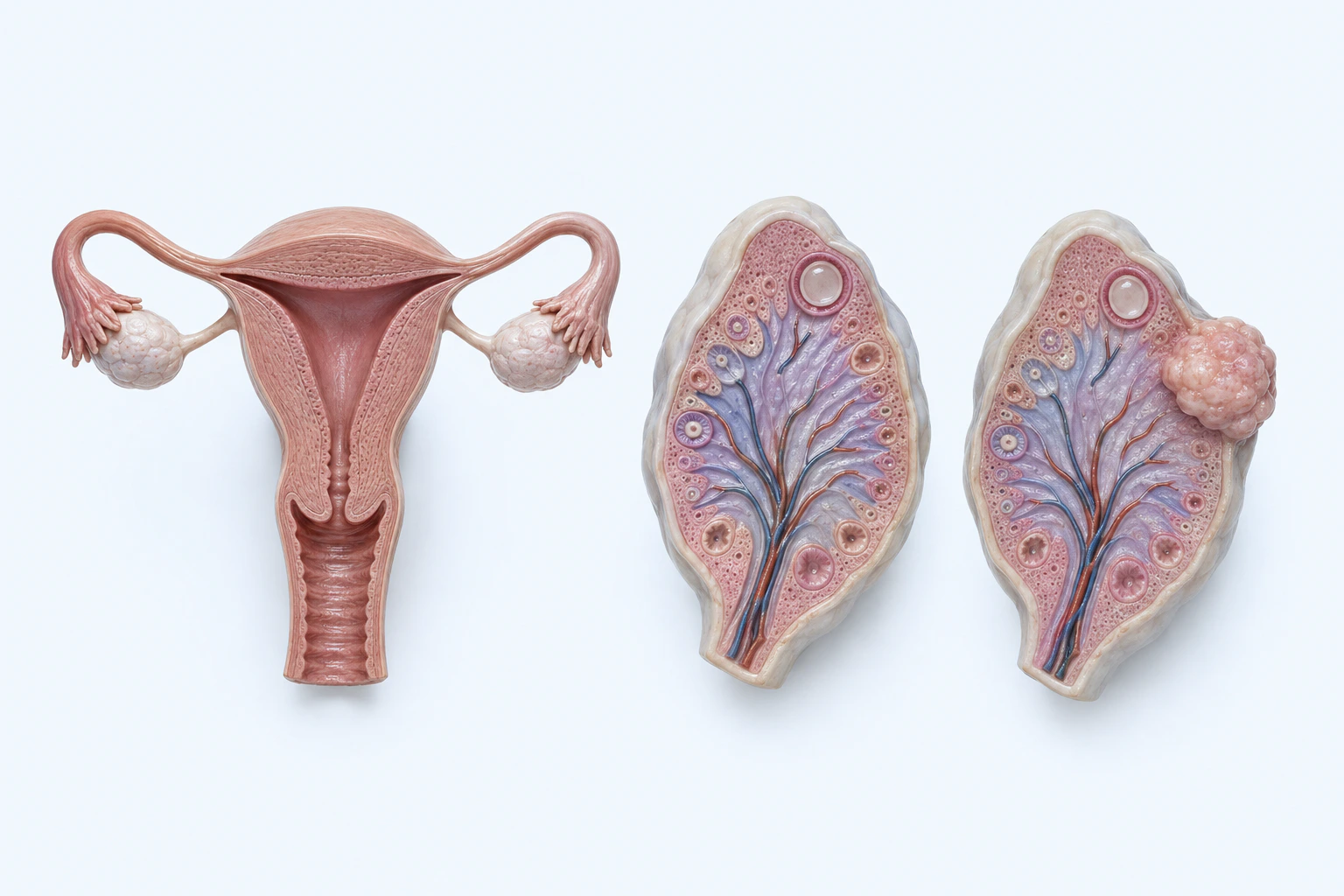
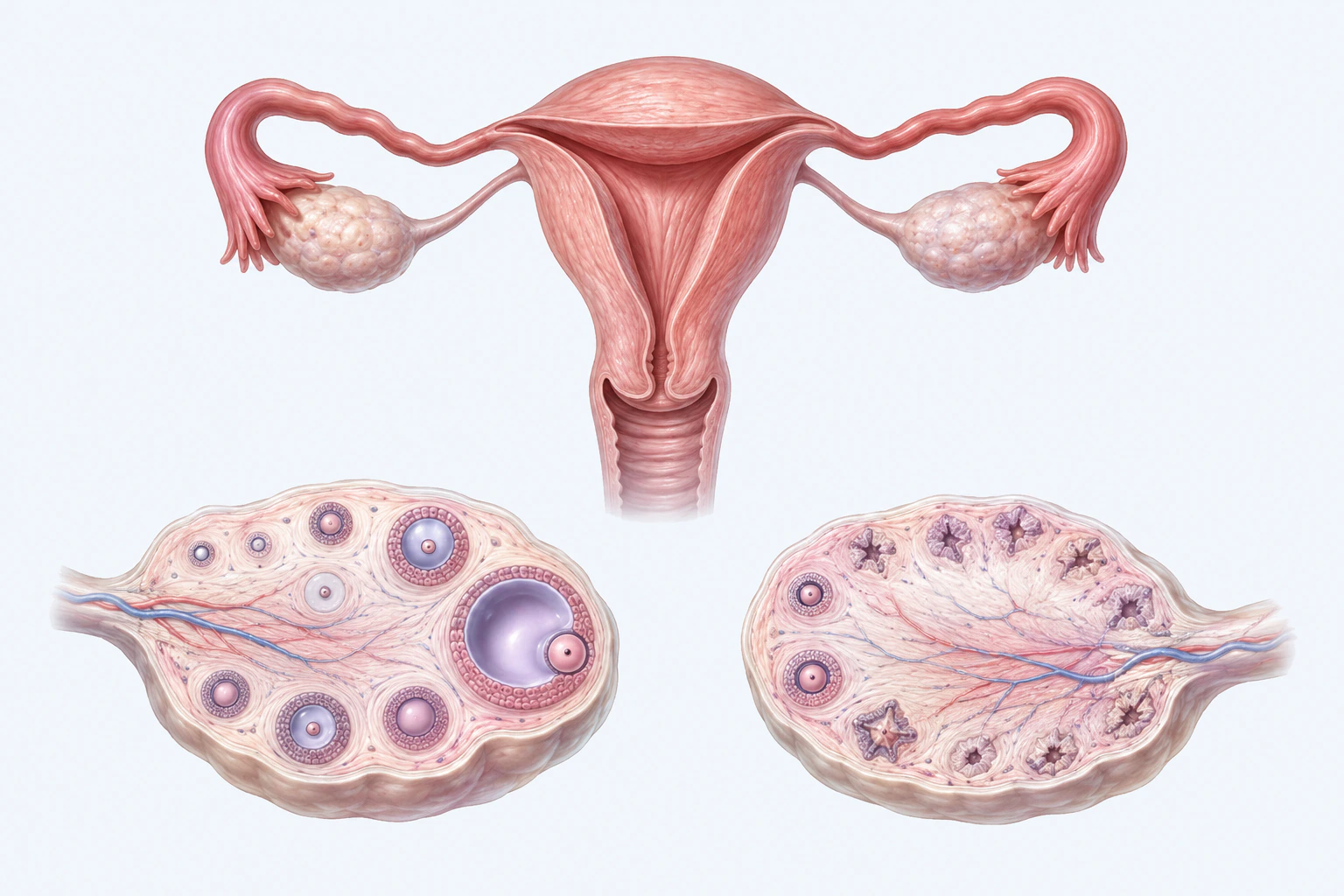
Reproductive anatomy and two ovarian cutaways appear separately; one cutaway carries a single prominent bounded nonspecific external growth.
Diseases6 sources

Ovarian Cancer

Ovarian cancer is the most lethal gynecological malignancy, with approximately 314,000 new cases and 207,000 deaths annually worldwide. Its poor prognosis stems largely from late-stage diagnosis (70% at stage III/IV) and the development of chemoresistance. From a metall

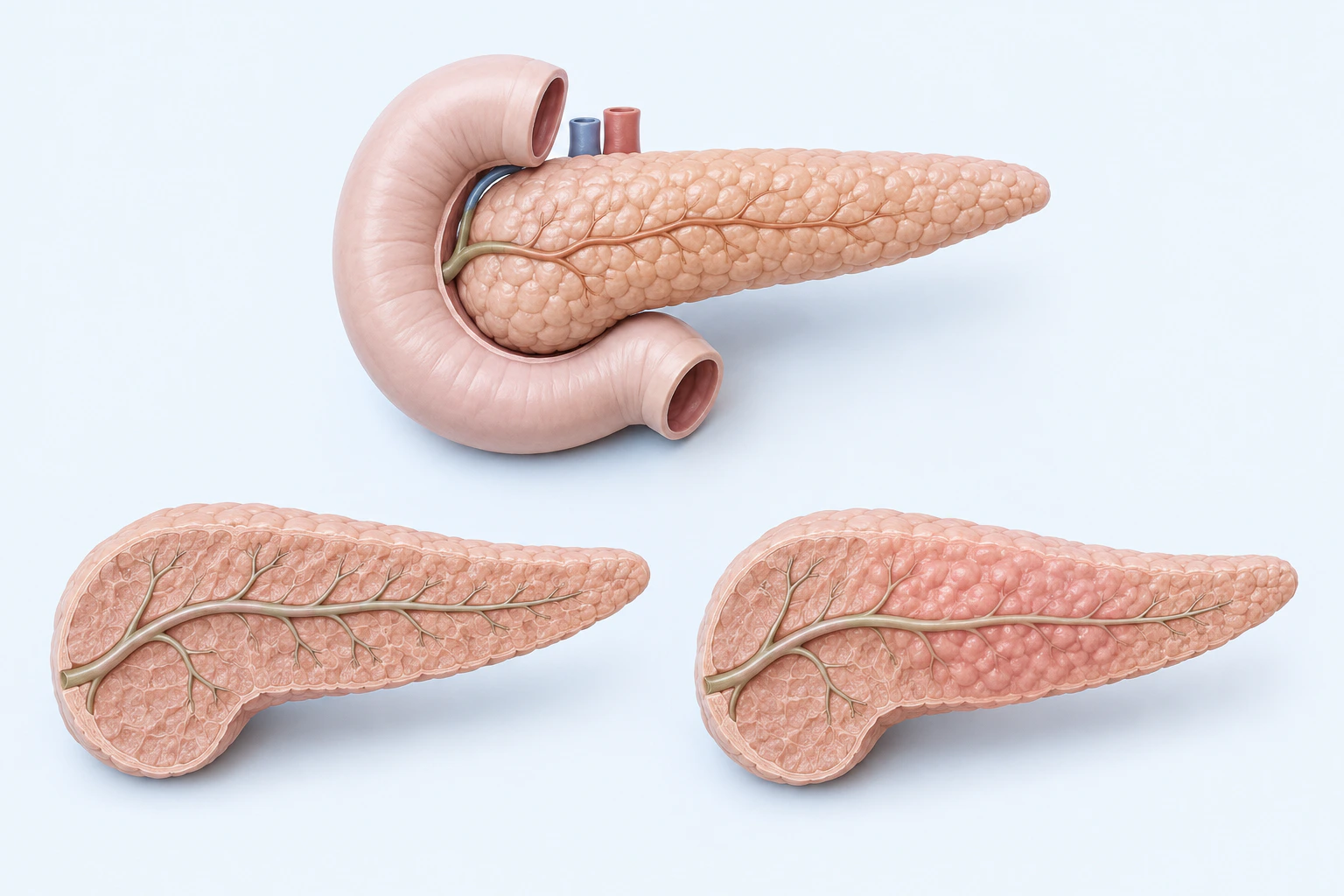
Three pancreatic teaching models appear separately, including one with a bounded nonspecific growth near the pancreatic head.
Diseases22 sources

Pancreatic Cancer

Pancreatic cancer is the fifth leading cause of cancer death in Western nations, with rising incidence globally. Pancreatic ductal adenocarcinoma (PDAC) accounts for over 90% of cases. Five-year survival remains approximately 12%, owing to late-stage diagnosis, aggressi

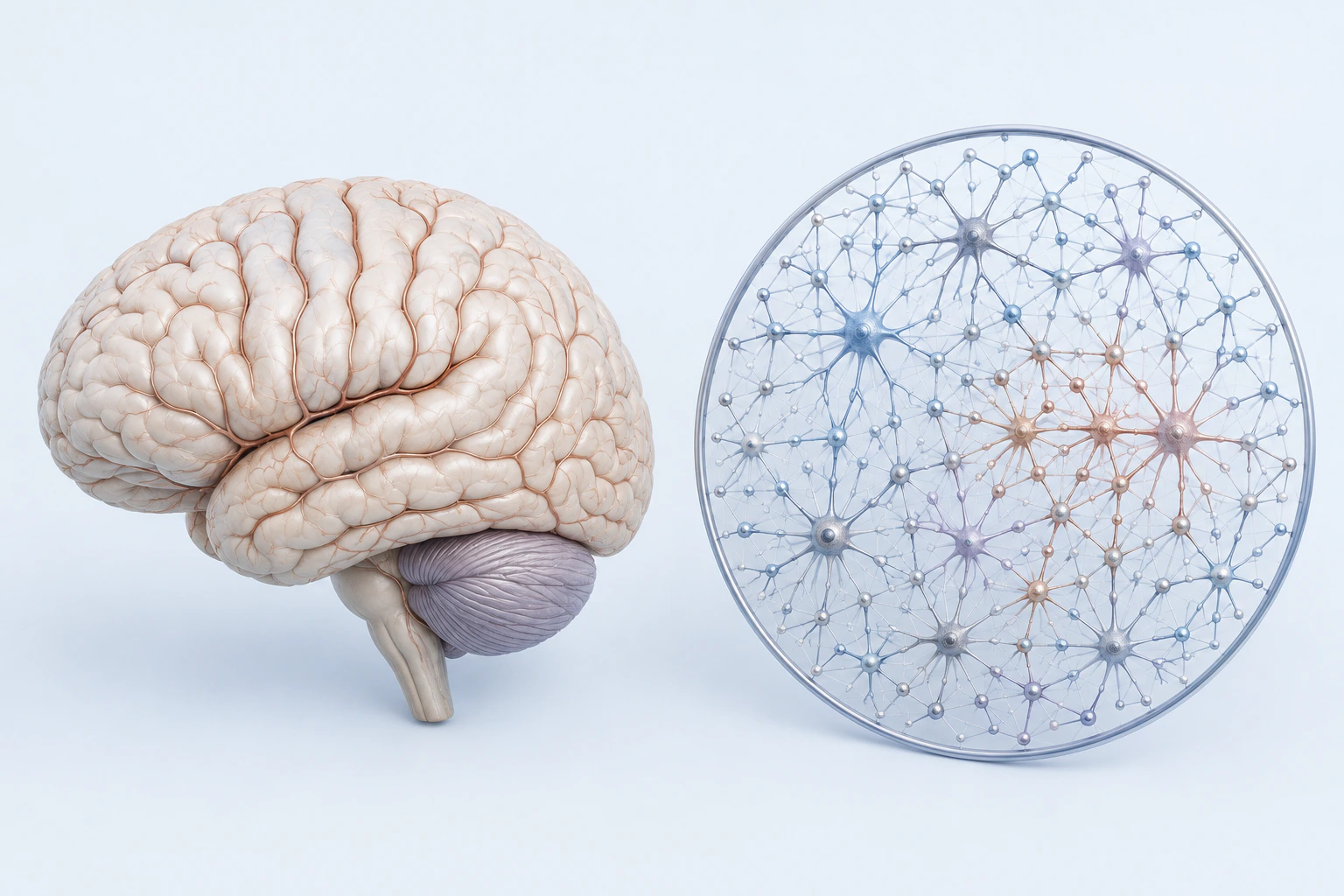
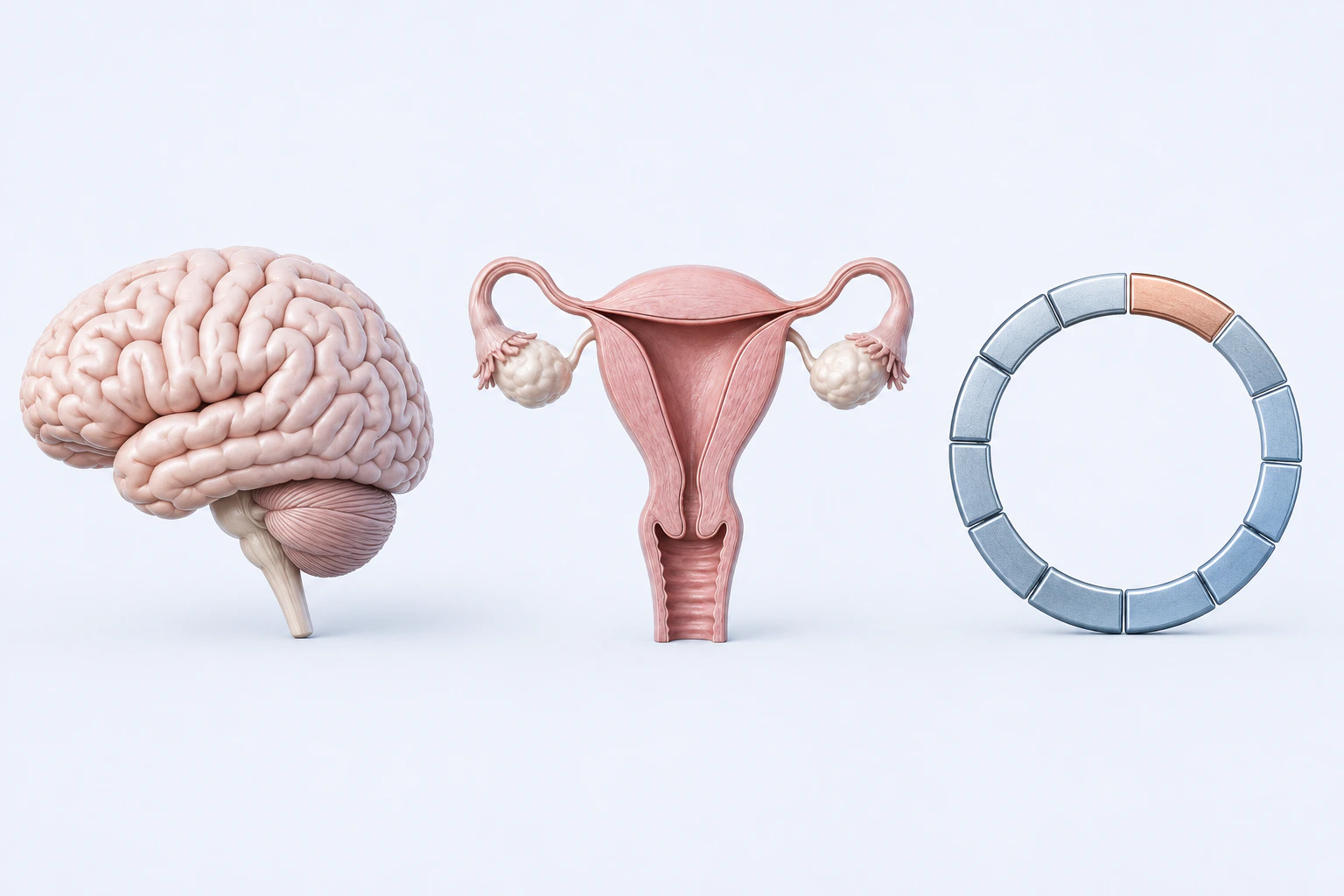
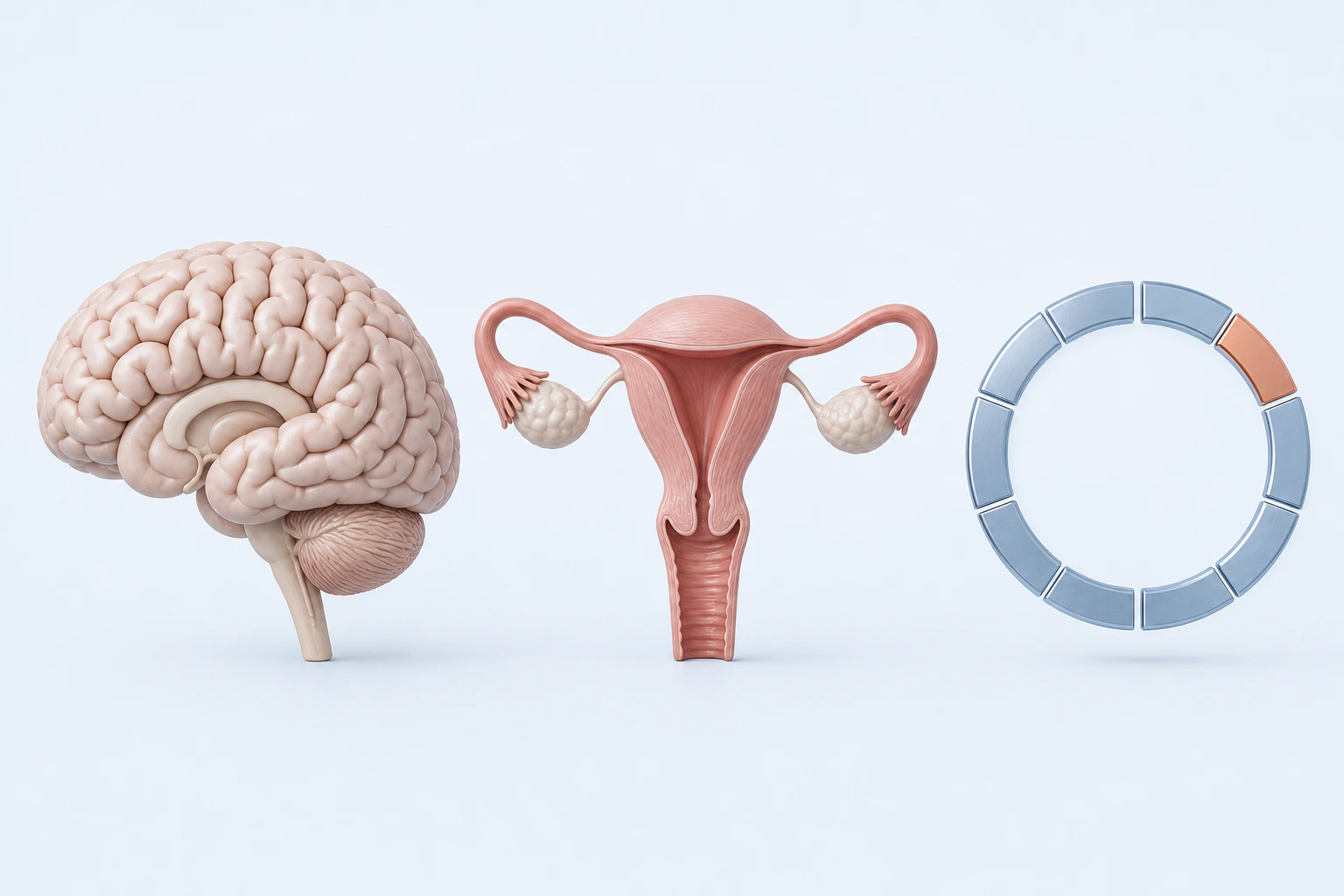
A neutral brain, reproductive anatomy, and an unnumbered timing ring appear separately for postpartum-depression orientation.
Diseases13 sources

Postpartum Depression

Postpartum depression (PPD) affects 10-20% of women after delivery, with profound consequences for maternal health, infant bonding, and child neurodevelopment chao 2025 microbiota gut brain perinatal depression. The standard framing centers on hormonal withdrawal (estro

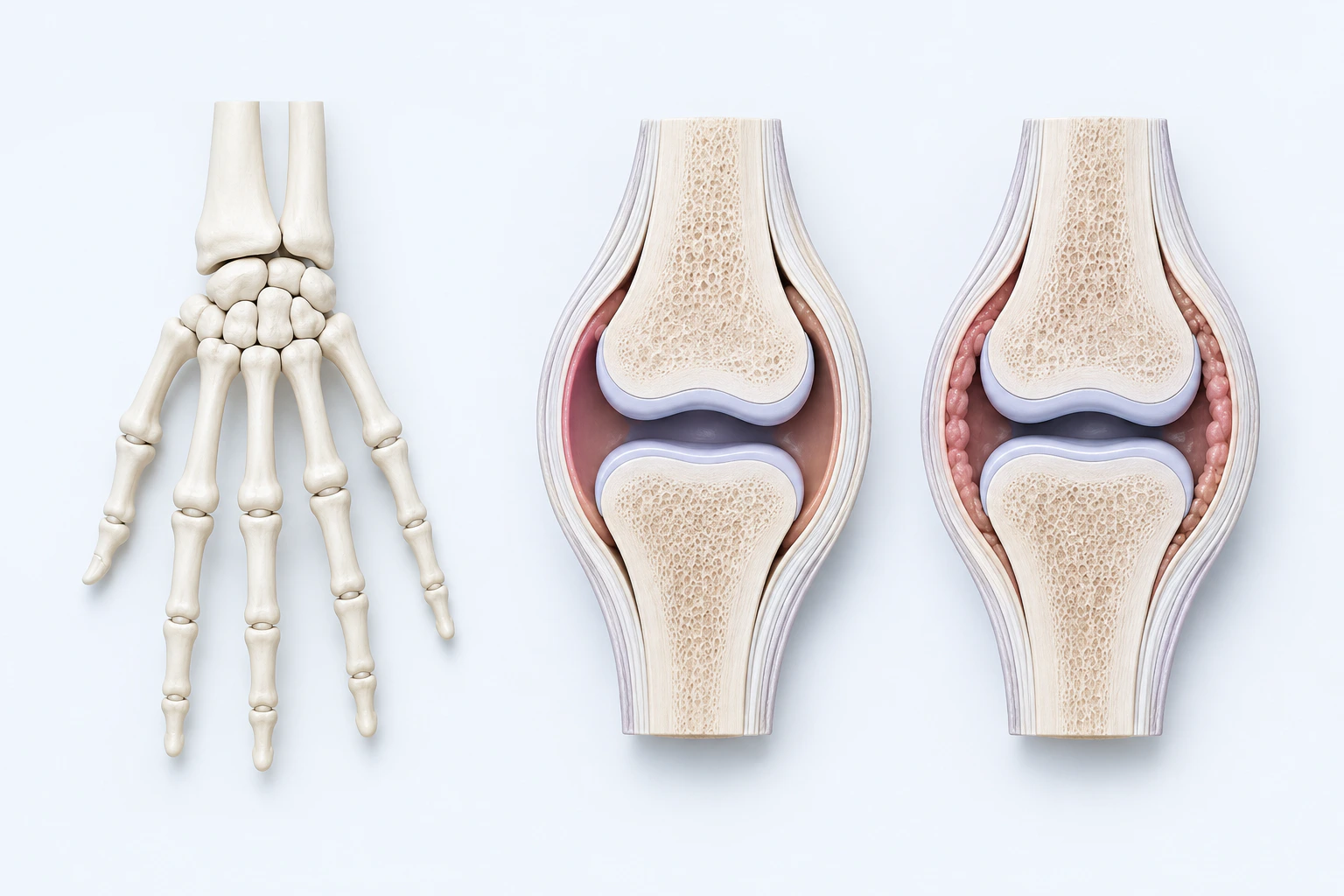
Neutral wrist and hand bones appear beside two generic synovial-joint cutaways, one with bounded lining thickening.
Diseases7 sources

Rheumatoid Arthritis

Rheumatoid arthritis (RA) is a chronic systemic autoimmune disease characterized by symmetric polyarthritis with progressive joint destruction, affecting approximately 1% of the global population. The conventional framing centers on genetic susceptibility (HLA-DRB1 shar

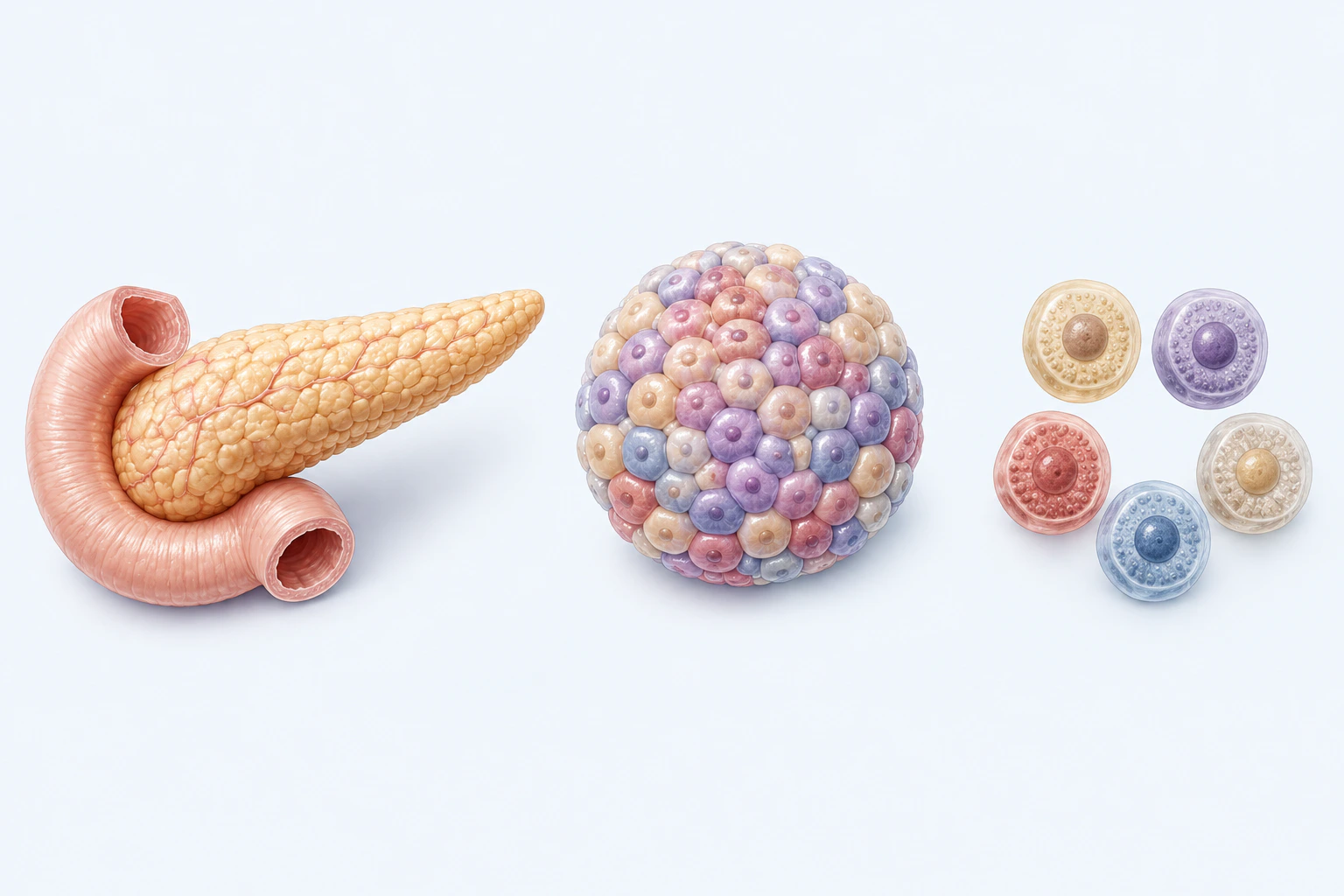
Pancreas and duodenum, a spherical cellular teaching cluster, and five generic rounded cells appear separately.
Diseases10 sources

Type 1 Diabetes

Type 1 diabetes is an autoimmune disease in which immune-mediated destruction of insulin-producing beta cells in the pancreatic islets of Langerhans leads to lifelong insulin dependence. T1D is fundamentally distinct from type 2 diabetes, which is characterized by insul

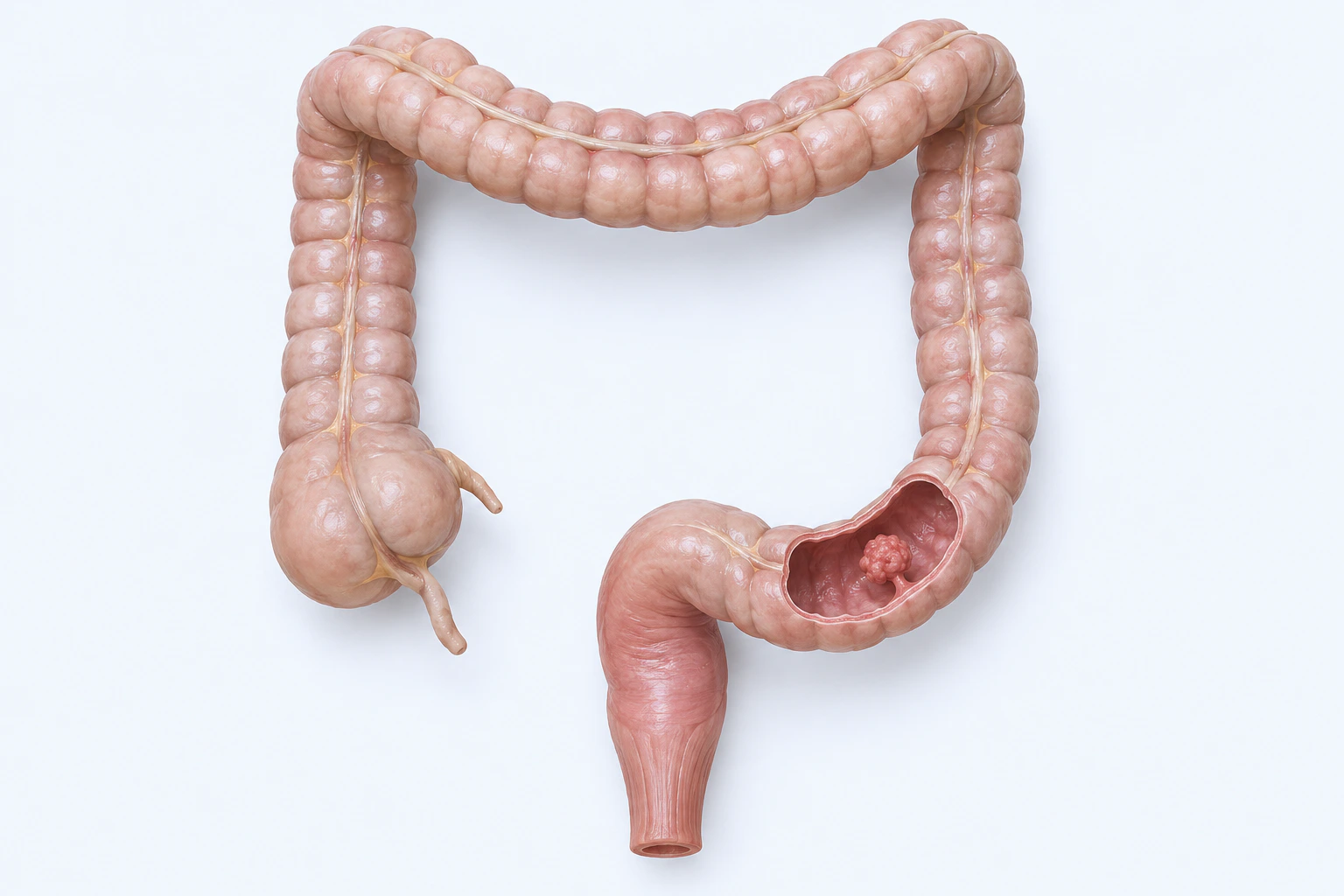
Colon anatomy and two layered bowel-wall models appear separately; one block has a shallow bounded surface depression.
Diseases6 sources

Ulcerative Colitis

A chronic inflammatory bowel disease characterized by continuous mucosal inflammation of the colon, extending proximally from the rectum. Unlike crohns disease, UC is limited to the colon, affects only the mucosa/submucosa (not transmural), produces no skip lesions, and