WikiBiomeThe human microbiome encyclopedia
WikiBiome/Search: “metabolic”
Encyclopedia search

Search: “metabolic”

Ranked matches across titles, topics, categories, and article introductions, filtered to mechanism.

48 records in this view
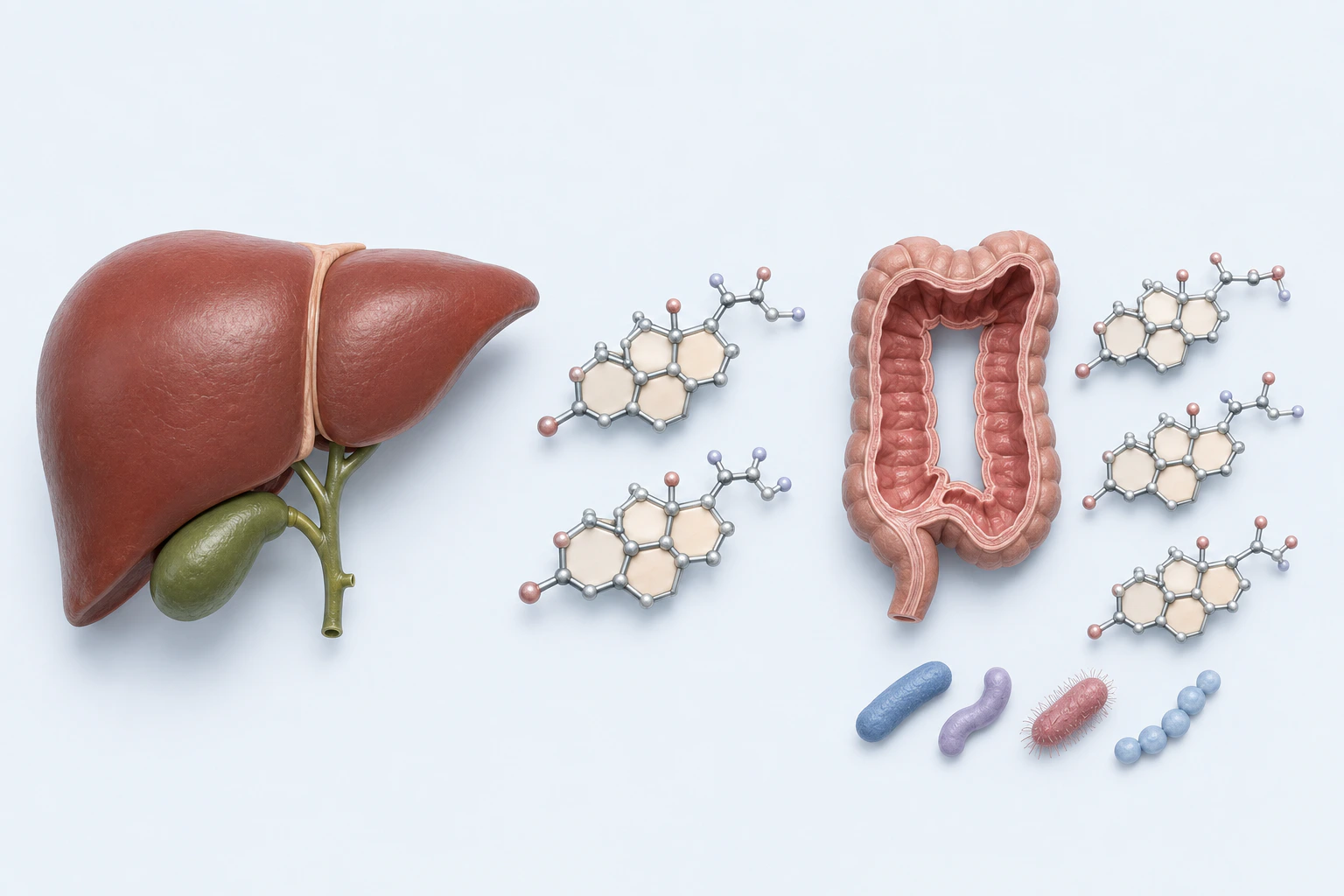
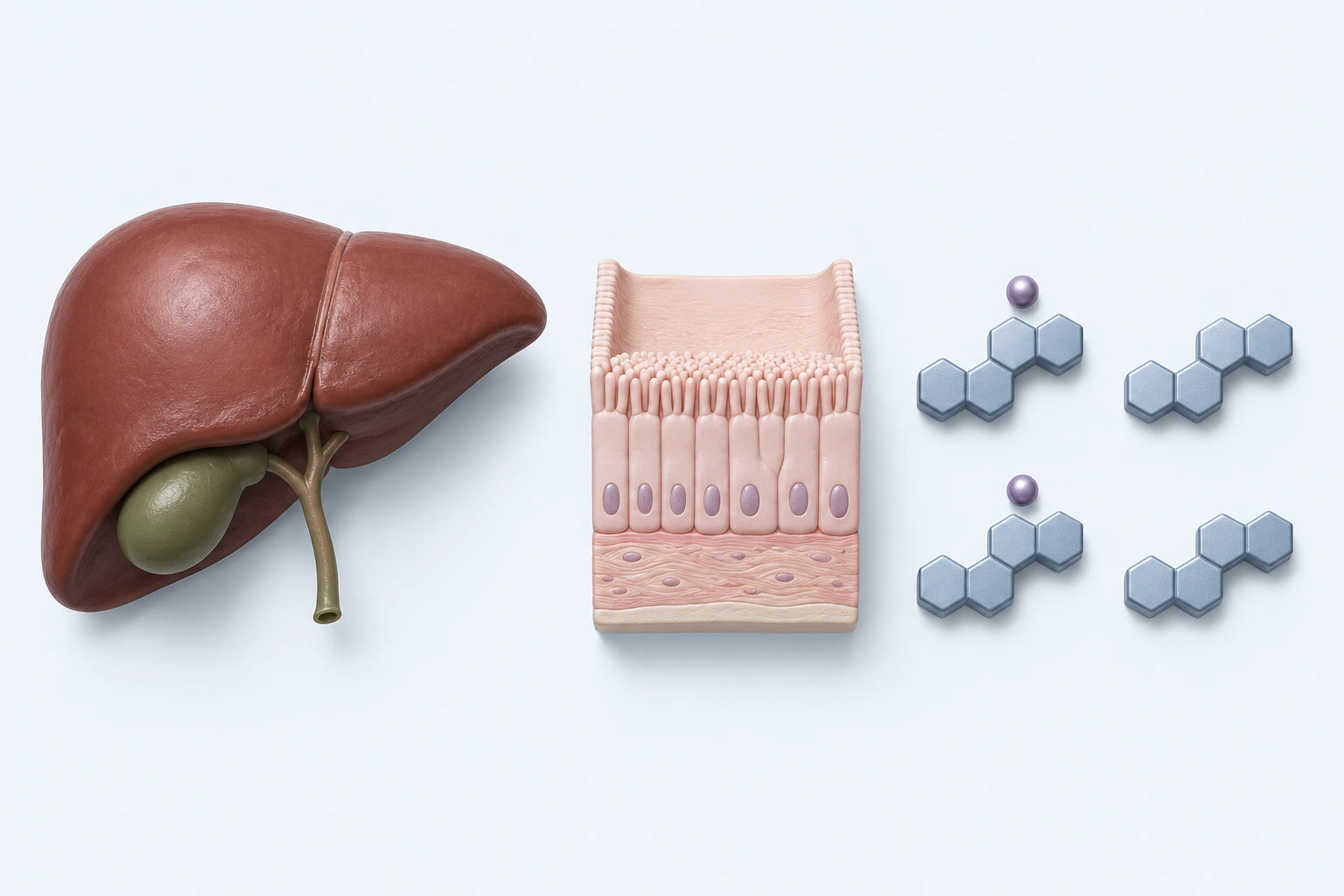
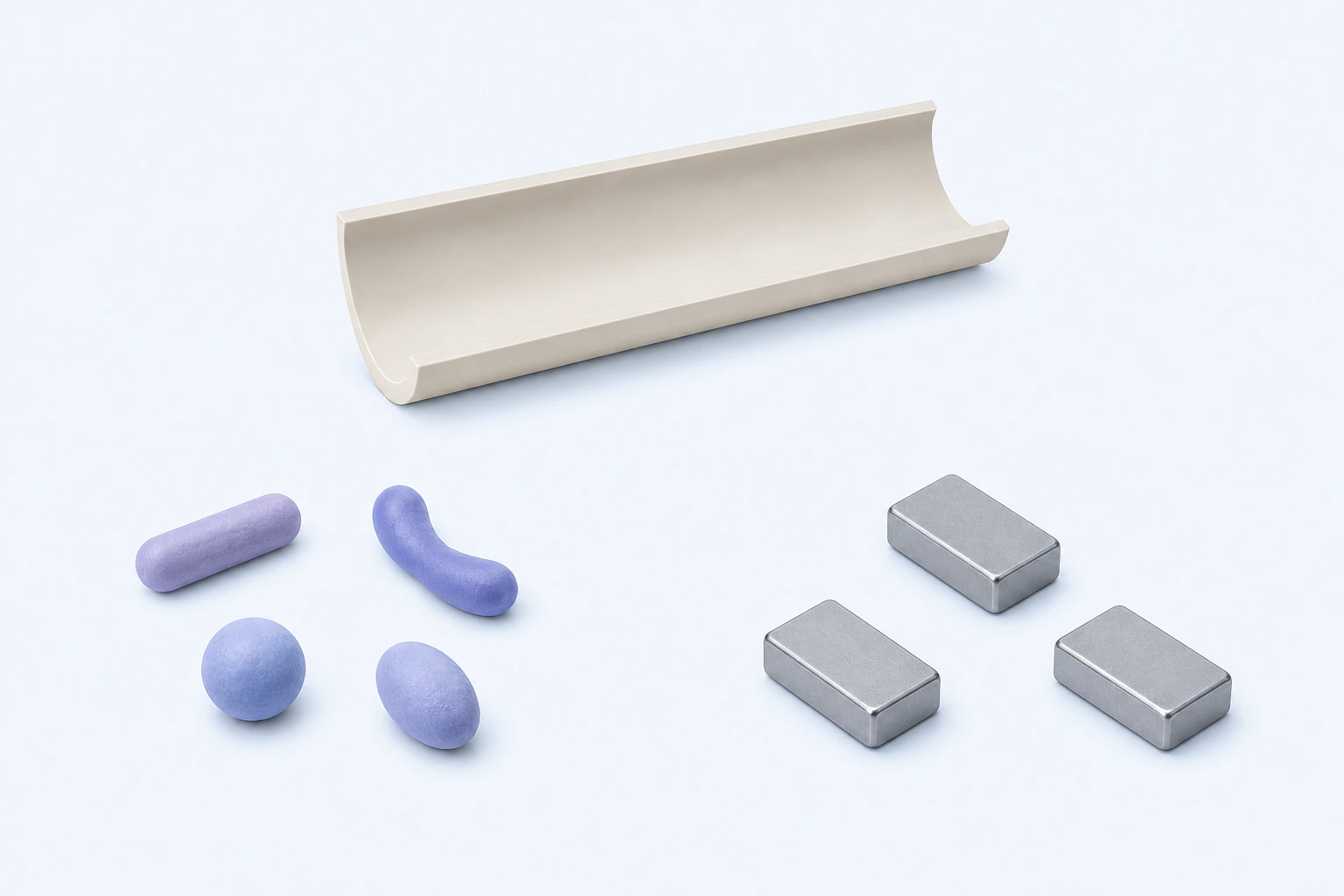
Separated liver and gallbladder, steroid-like tokens, and colon-with-microbial-context teaching groups orient bile acid metabolism without arrows.
Mechanisms8 sources

Bile Acid Metabolism

Bile acids are cholesterol-derived amphipathic molecules synthesized in the liver, secreted into the duodenum, and extensively modified by gut bacteria. The host-microbe co-metabolism of bile acids creates a signaling network with profound effects on lipid metabolism, g…

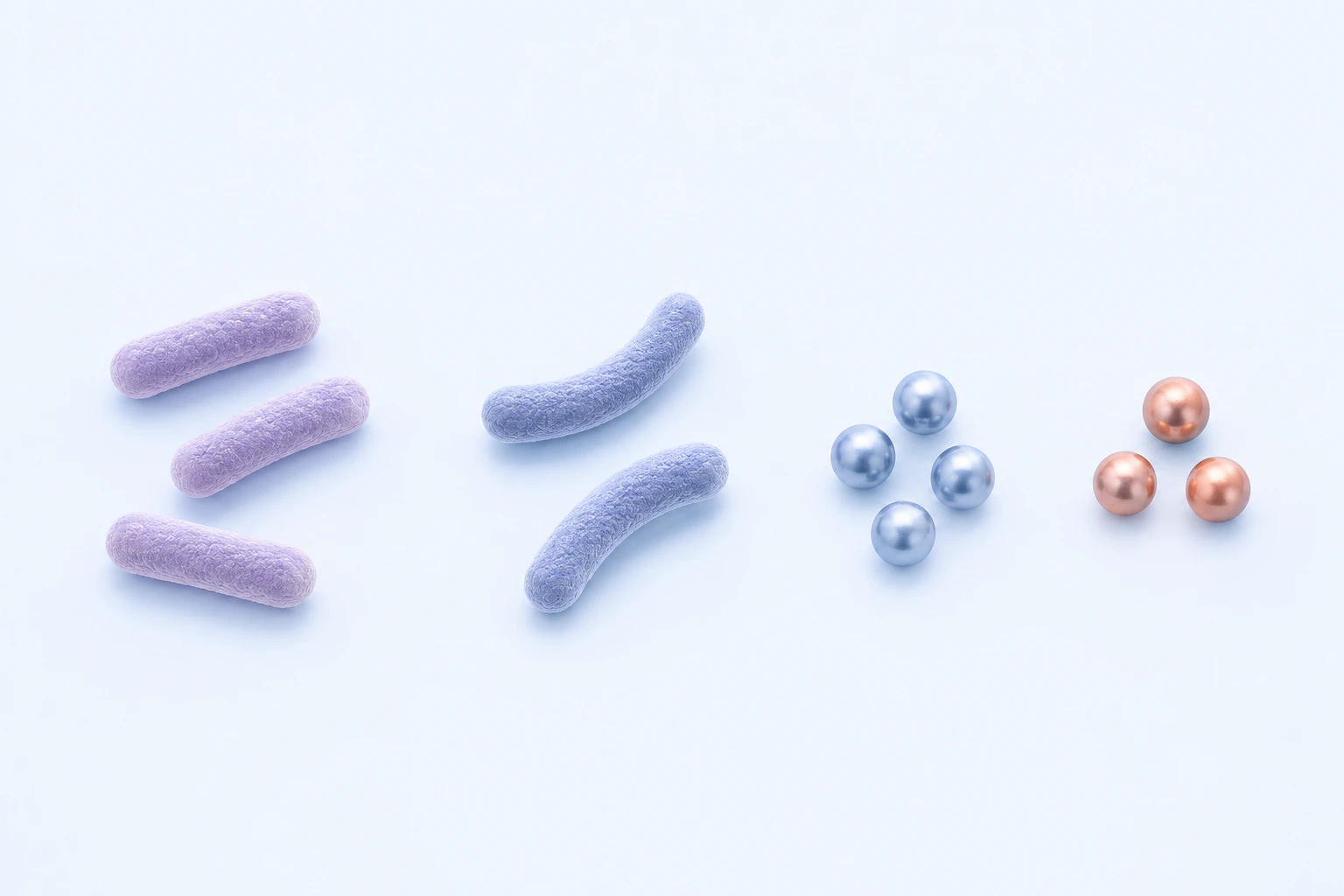
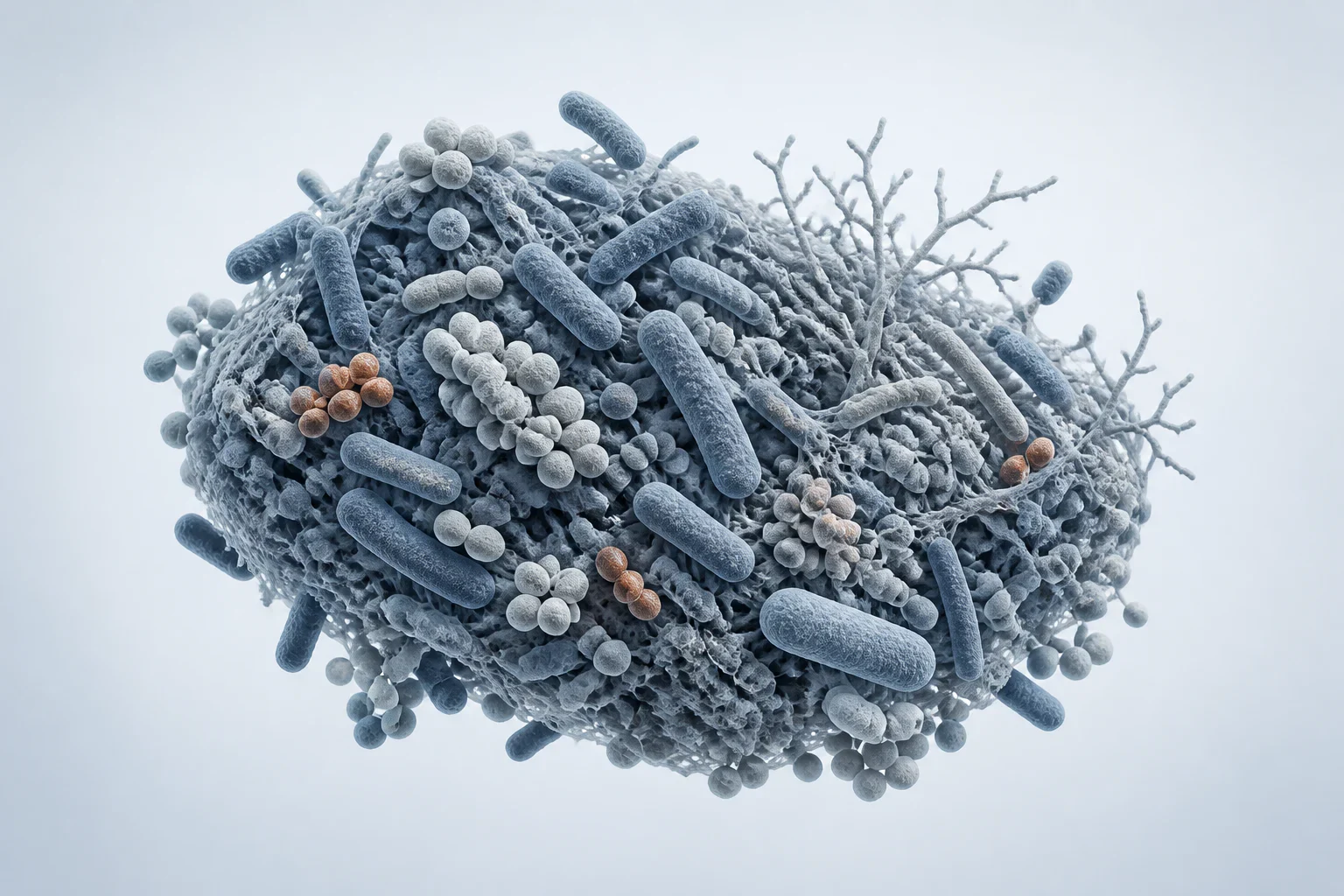
A microscopy-informed mixed microbial community with rods, cocci, curved rods, and branching forms on a pale cool field.
Mechanisms14 sources

Dysbiosis

Disruption of the normal composition and metabolic function of microbial communities, particularly the gut microbiome. In the metallomics context, dysbiosis is both a consequence of metal toxicity and an amplifier of further disease -- creating vicious cycles where meta…

Mechanisms5 sources

Gene Regulation

Gene regulation in bacteria is the process by which cells control when and how much of each gene product is made. In the metallomics context, gene regulation is the mechanism by which bacteria respond to the metal environment -- sensing metal availability and adjusting …

Mechanisms3 sources

Mycobiome

The fungal component of the human microbiome, comprising ~0.1-1% of the total gut microbial community by abundance but disproportionately active in immune signaling and cross-kingdom interactions. While bacterial communities dominate microbiome research, emerging eviden…

Mechanisms3 sources

Prebiotics

Non-digestible food substrates that selectively stimulate the growth and/or activity of beneficial gut microorganisms, conferring health benefits to the host. Distinct from probiotics (live organisms) and postbiotics (microbial metabolic products), prebiotics act as fue…

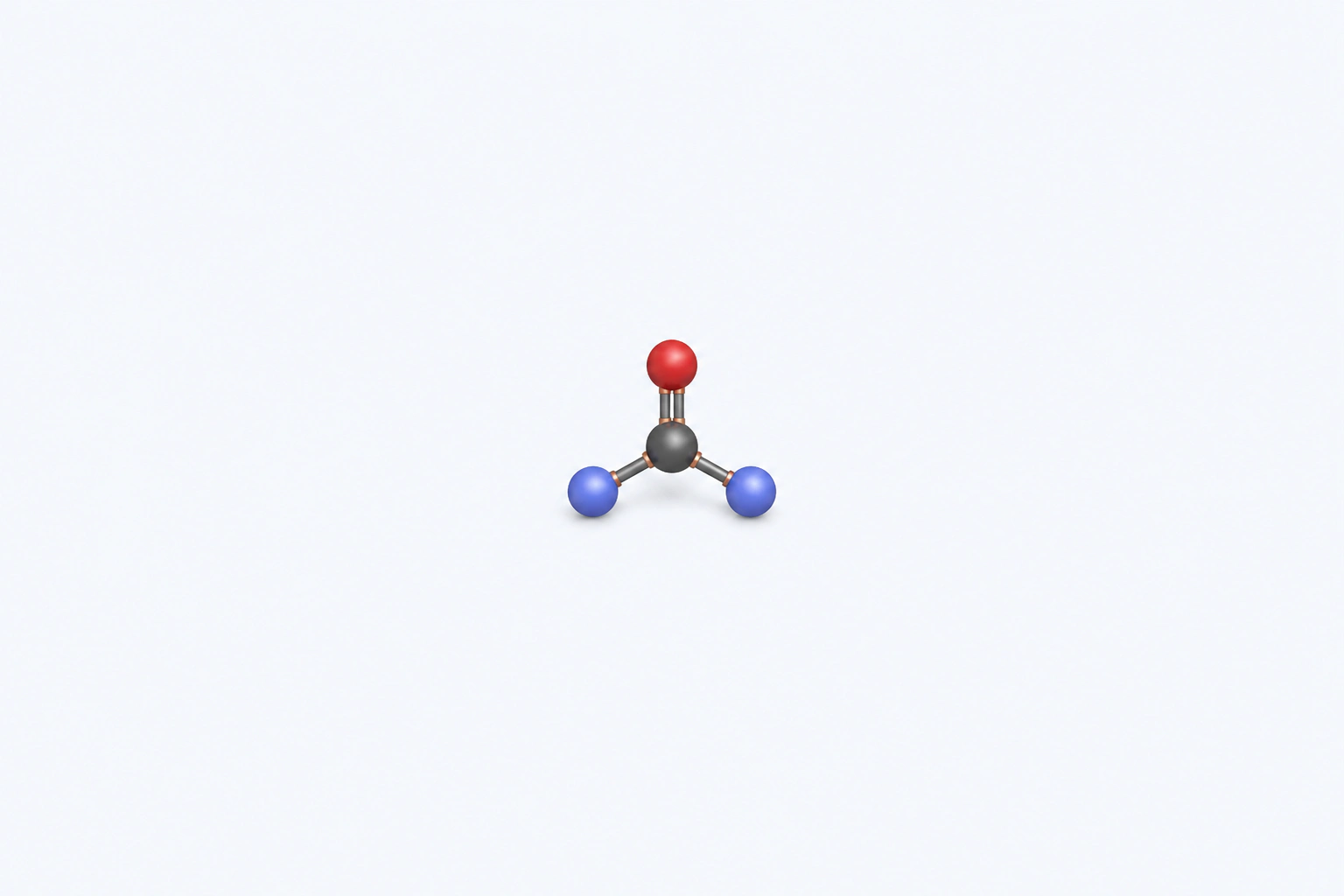
A compact urea connectivity model shows one carbonyl carbon, one oxygen, and two nitrogen centers, with hydrogens omitted.
Mechanisms6 sources

Urea

Urea is the substrate of urease. In the microbial systems covered by WikiBiome, urease hydrolyzes urea to ammonia and bicarbonate; those products can supply microbial nitrogen and help neutralize acidic environments maier 2019 nickel microbial pathogenesis. At a glance,…