WikiBiomeThe human microbiome encyclopedia
WikiBiome/Search: “dysbiosis”
Encyclopedia search

Search: “dysbiosis”

Ranked matches across titles, topics, categories, and article introductions, filtered to mechanism.

52 records in this view
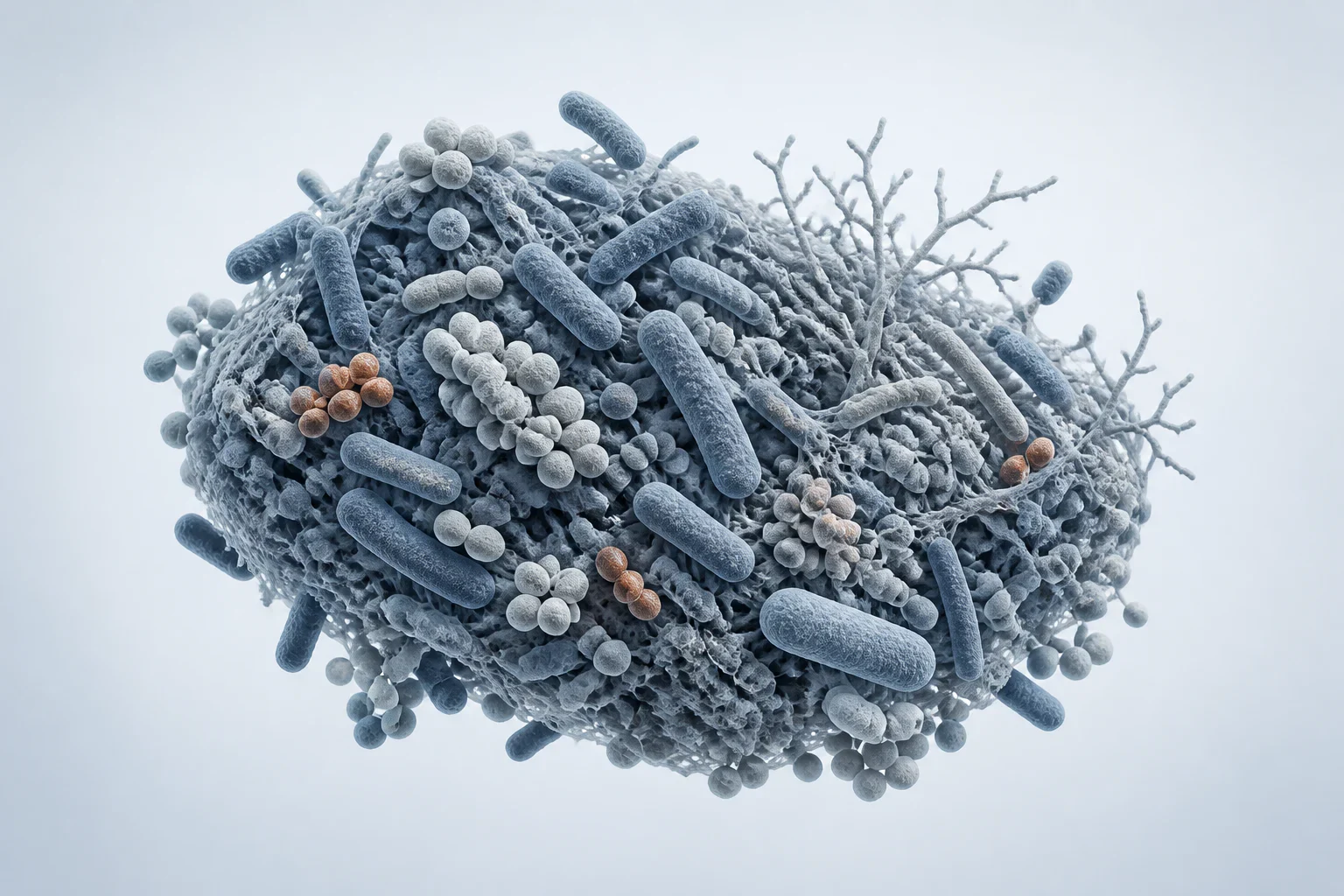
A microscopy-informed mixed microbial community with rods, cocci, curved rods, and branching forms on a pale cool field.
Mechanisms14 sources

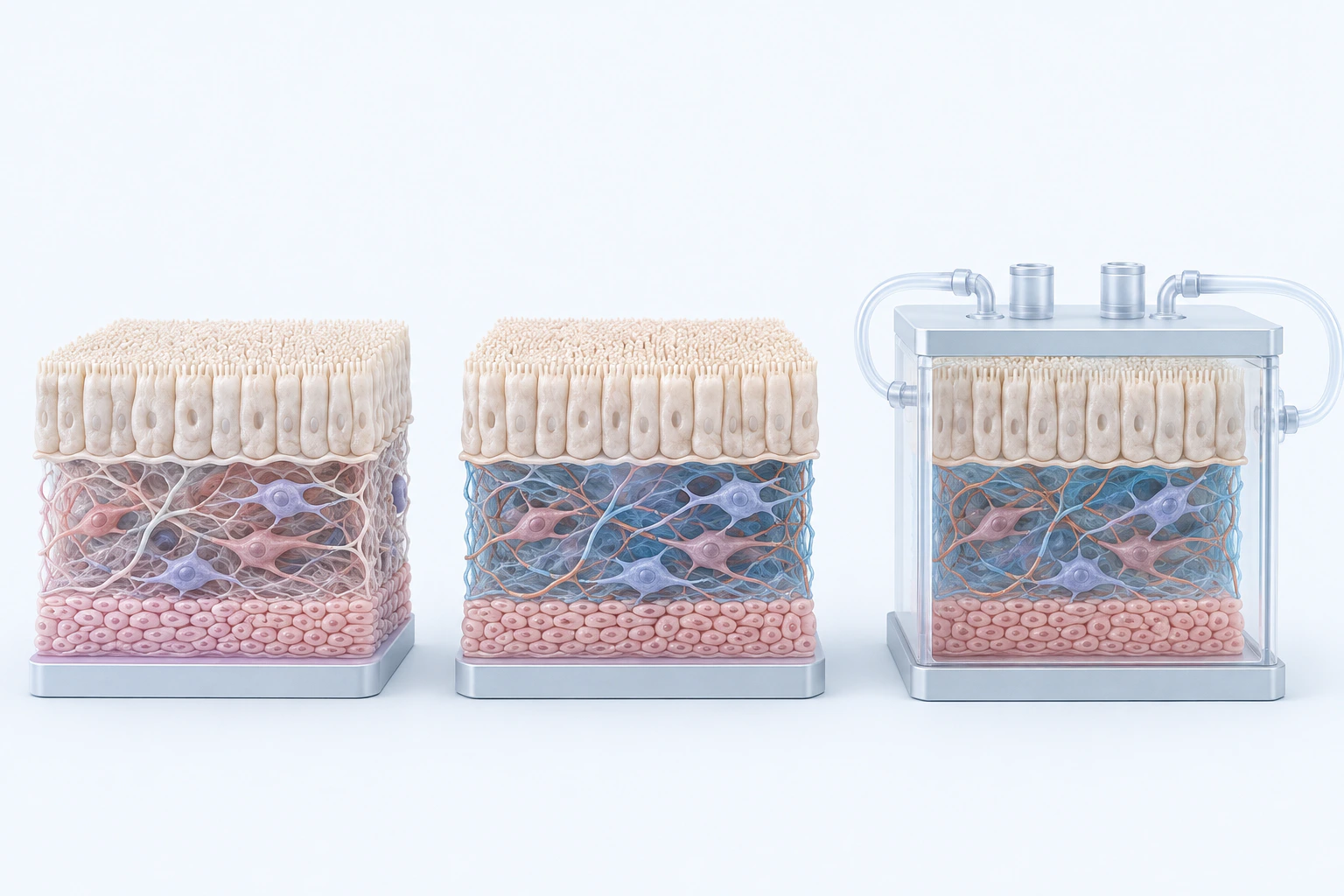
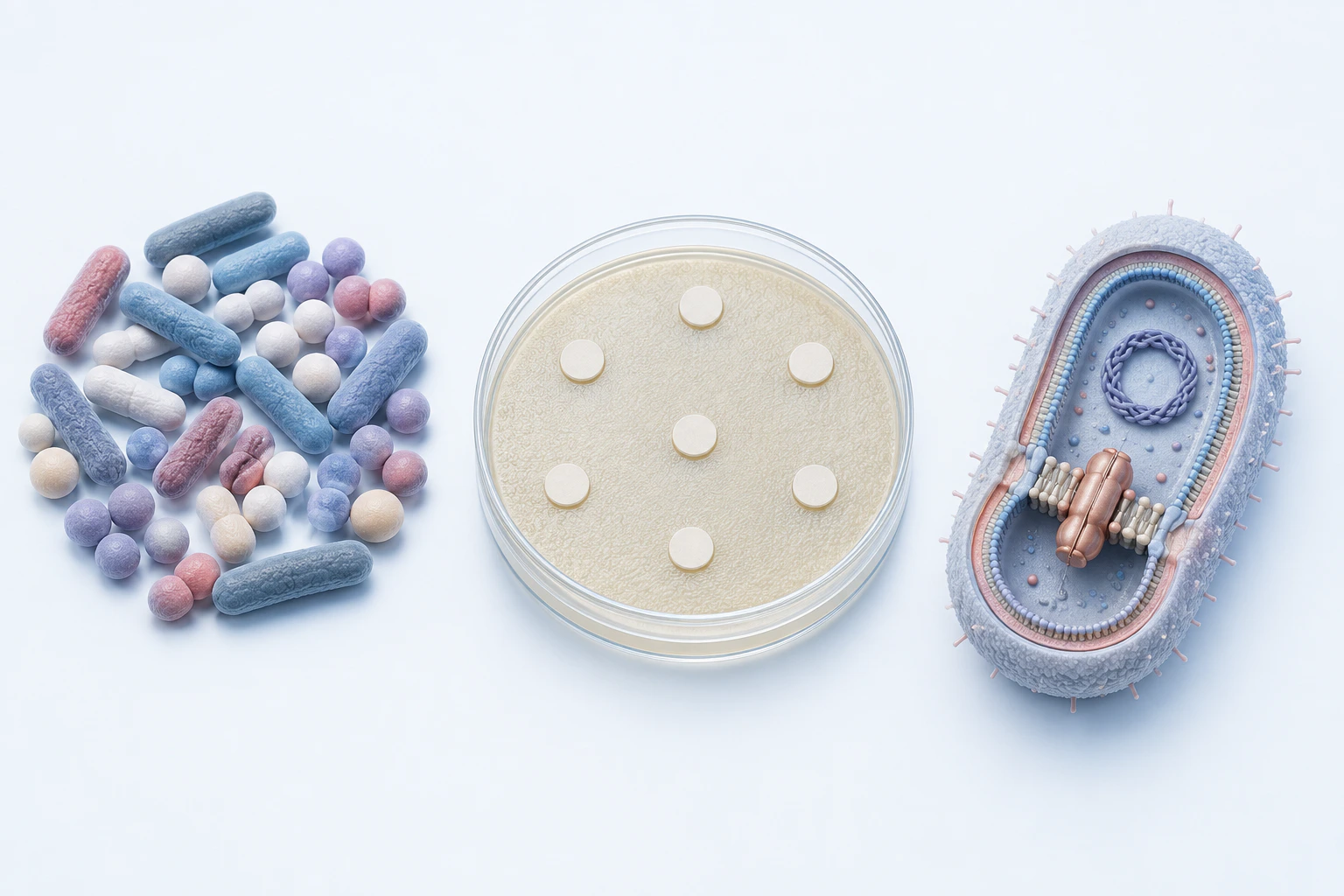
Dysbiosis

Disruption of the normal composition and metabolic function of microbial communities, particularly the gut microbiome. In the metallomics context, dysbiosis is both a consequence of metal toxicity and an amplifier of further disease -- creating vicious cycles where meta…
Mechanisms3 sources

Mycobiome

The fungal component of the human microbiome, comprising ~0.1-1% of the total gut microbial community by abundance but disproportionately active in immune signaling and cross-kingdom interactions. While bacterial communities dominate microbiome research, emerging eviden…

Mechanisms16 sources

Synbiotics

A synbiotic is a combination of live microorganisms (probiotics) and substrates selectively utilized by host microorganisms (prebiotics) that confers a health benefit. The rationale is additive or synergistic: the prebiotic component (typically inulin, fructo-oligosacch…

Mechanisms7 sources

Systemic Inflammation

Systemic inflammation is the state in which inflammatory mediators — IL-6, TNF-alpha, CRP, IL-1beta — circulate throughout the body rather than remaining confined to a local injury site. In the WikiBiome framework, systemic inflammation is the final common pathway throu…

Mechanisms18 sources

Virome

The virome is the collection of all viruses inhabiting a given ecosystem -- in the gut, this means primarily bacteriophages (phages), which constitute ~90% of the intestinal virome. While microbiome research has historically focused on bacteria, mounting evidence shows …