WikiBiomeThe human microbiome encyclopedia
WikiBiome/Search: “metabolic”
Encyclopedia search

Search: “metabolic”

Ranked matches across titles, topics, categories, and article introductions, filtered to microbe.

53 records in this view
A
B
C
D
E
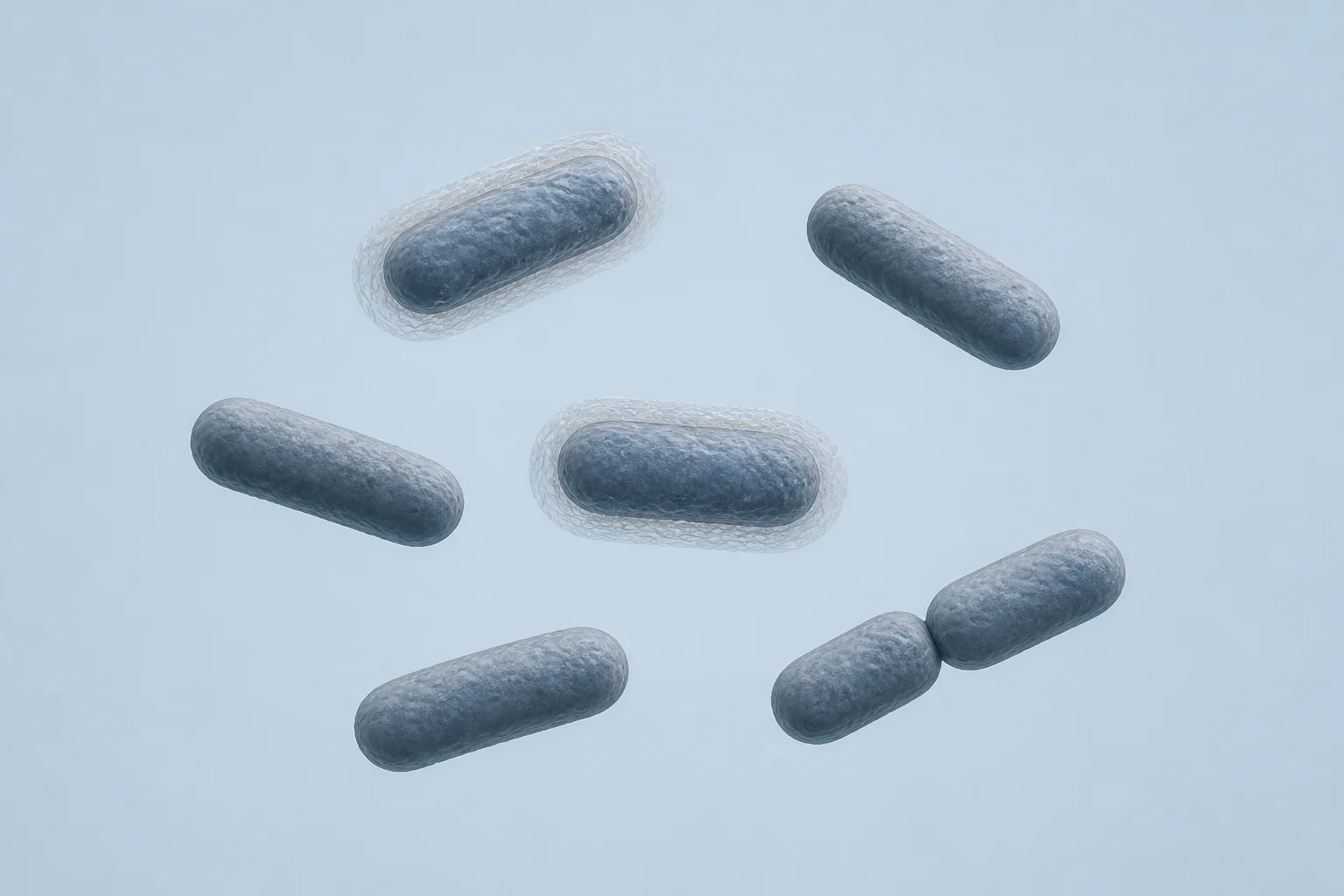
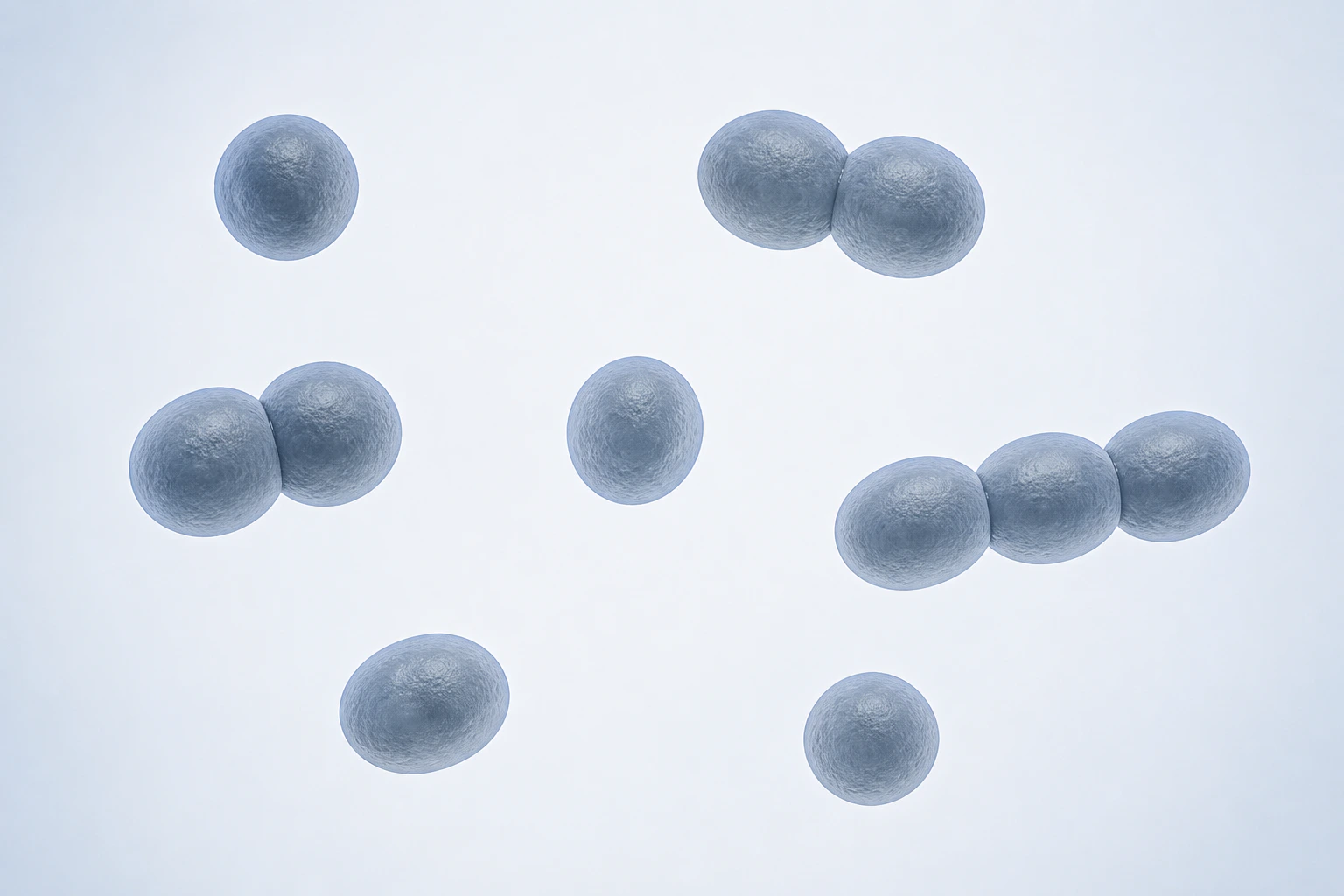
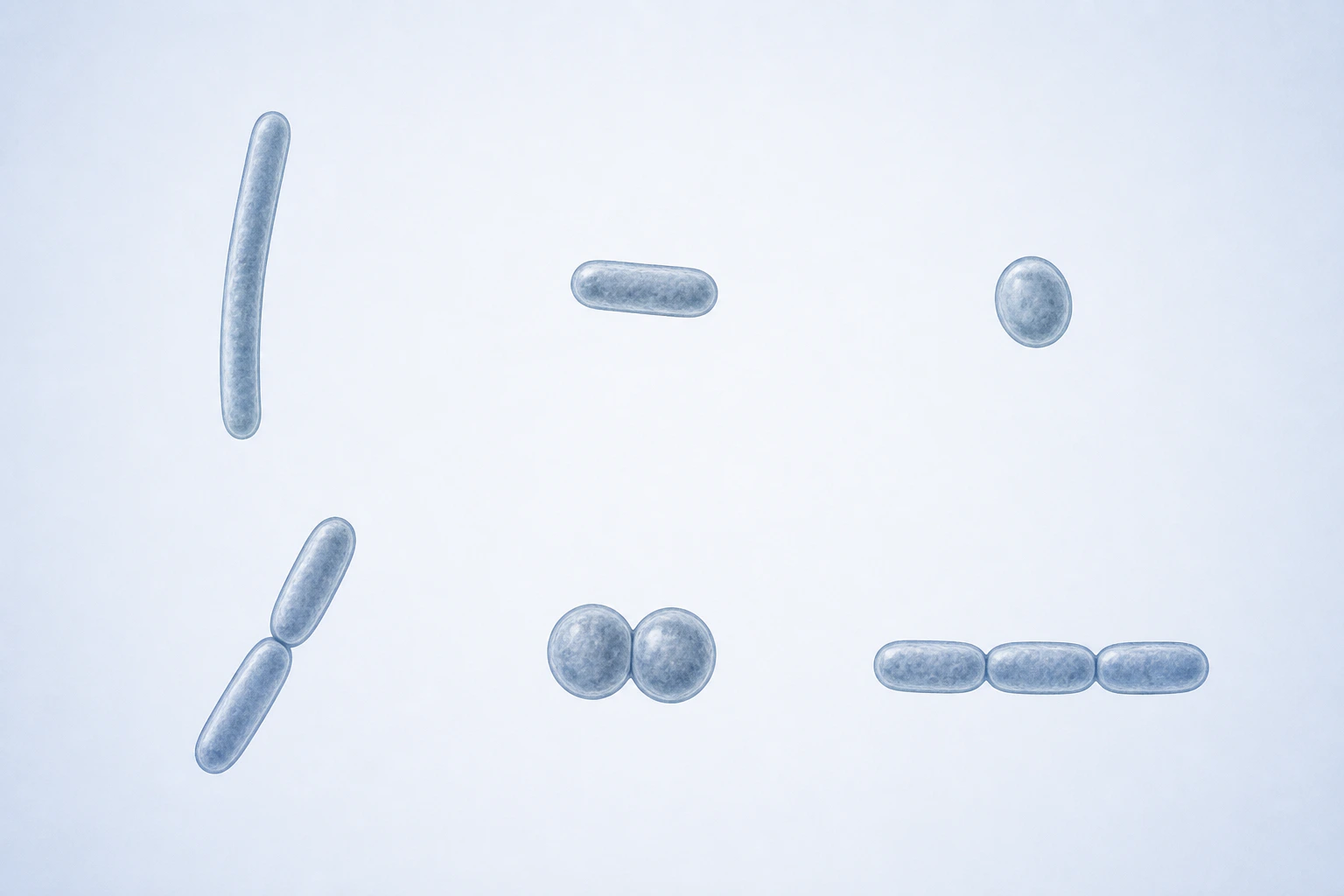
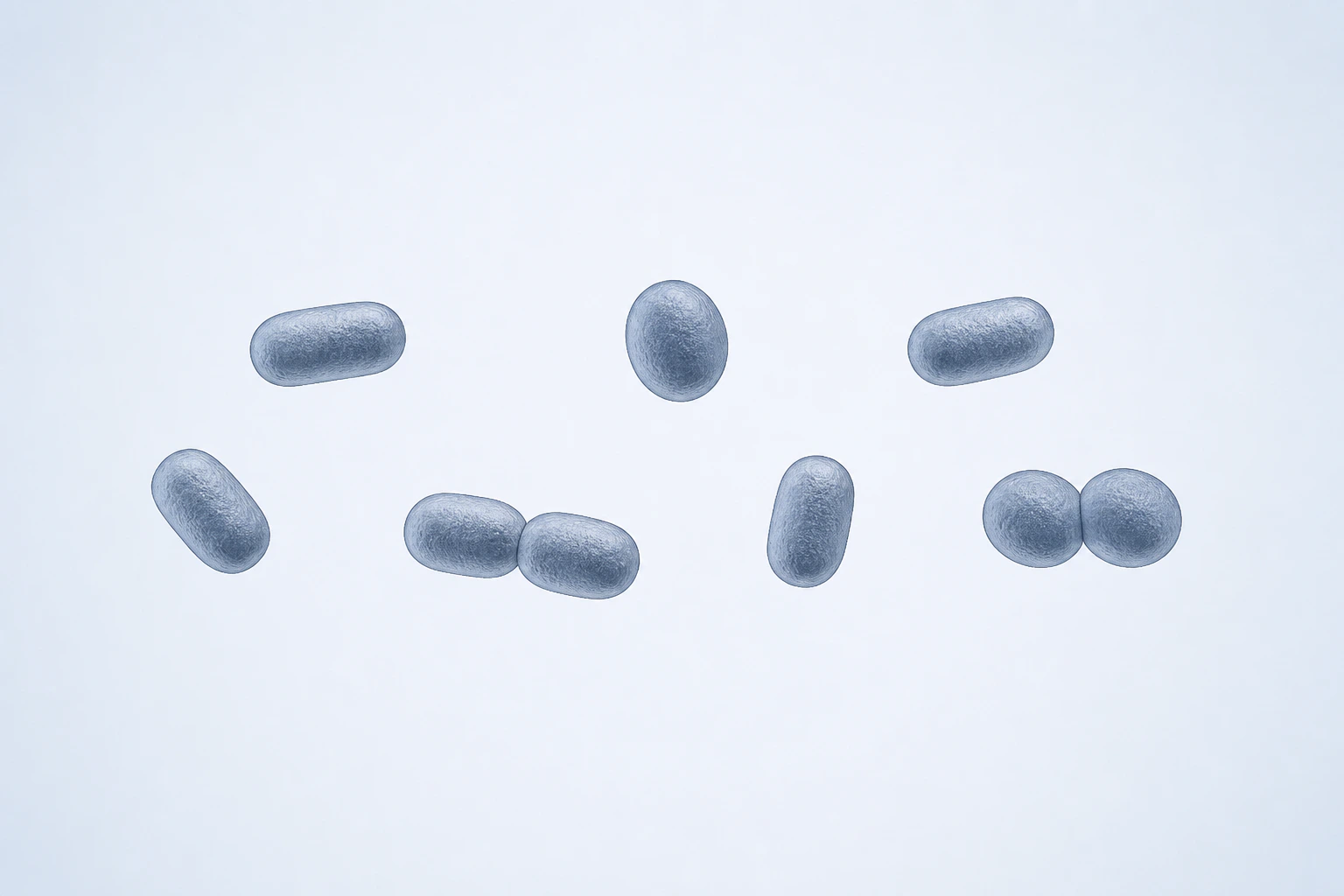
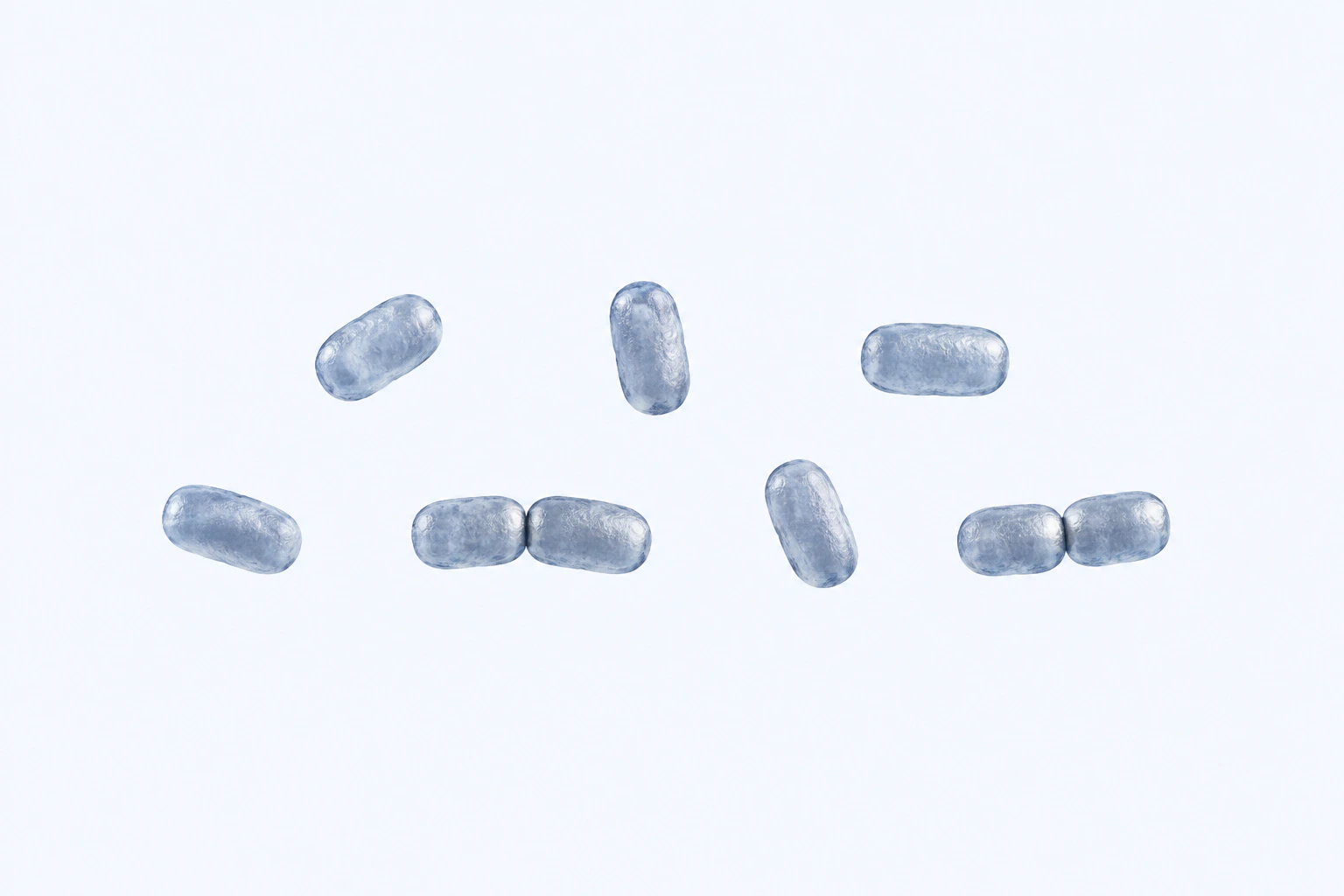
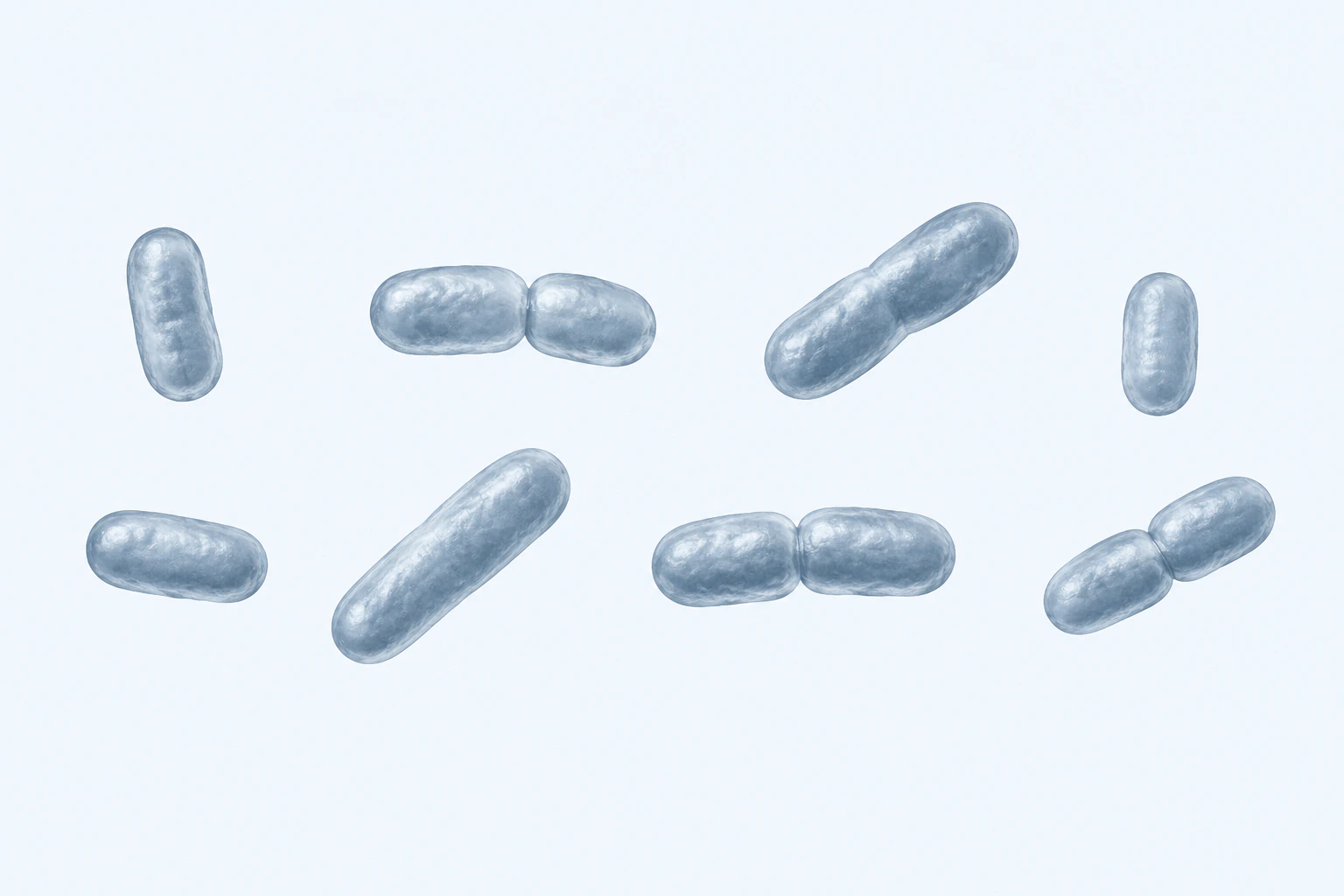
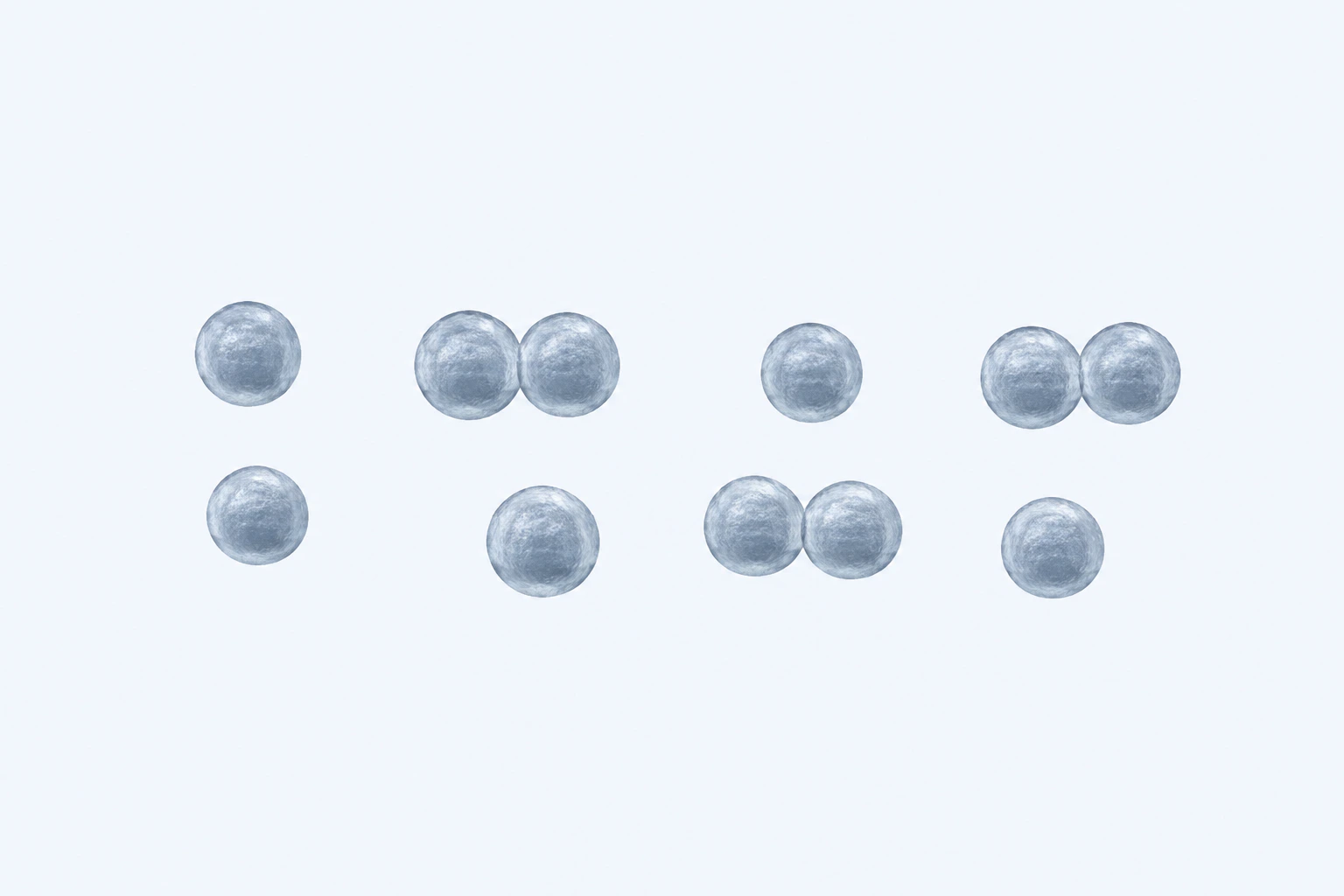
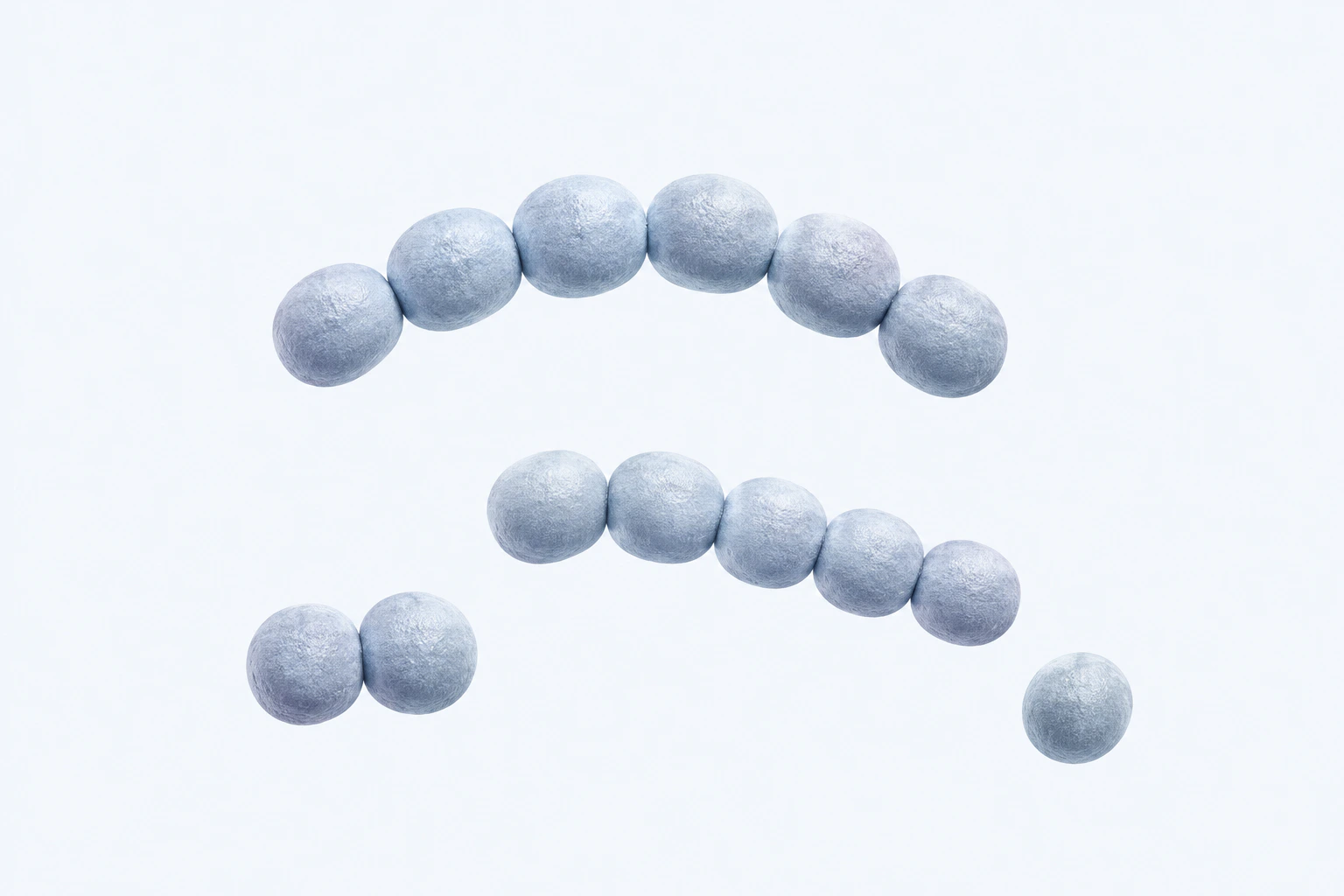
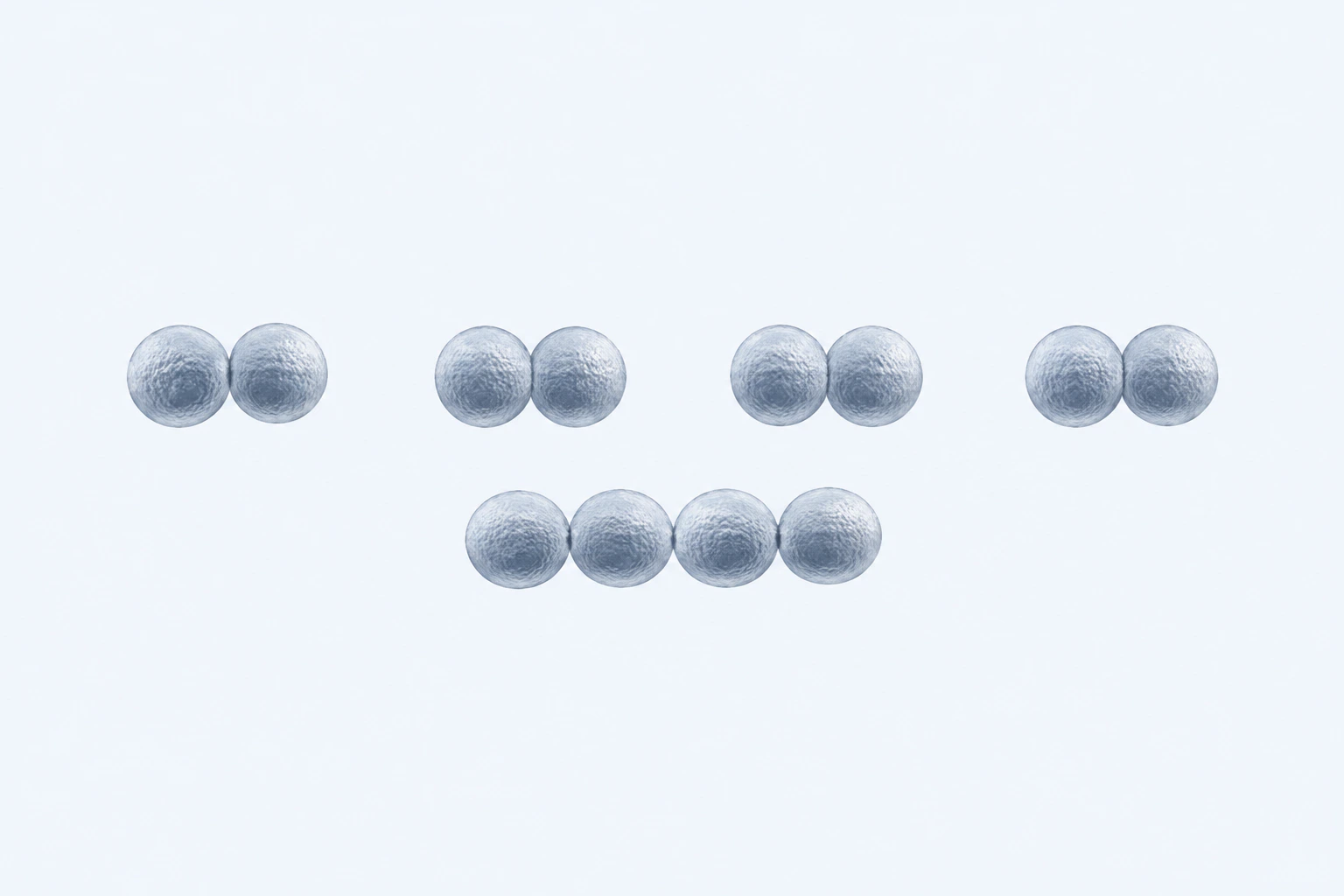
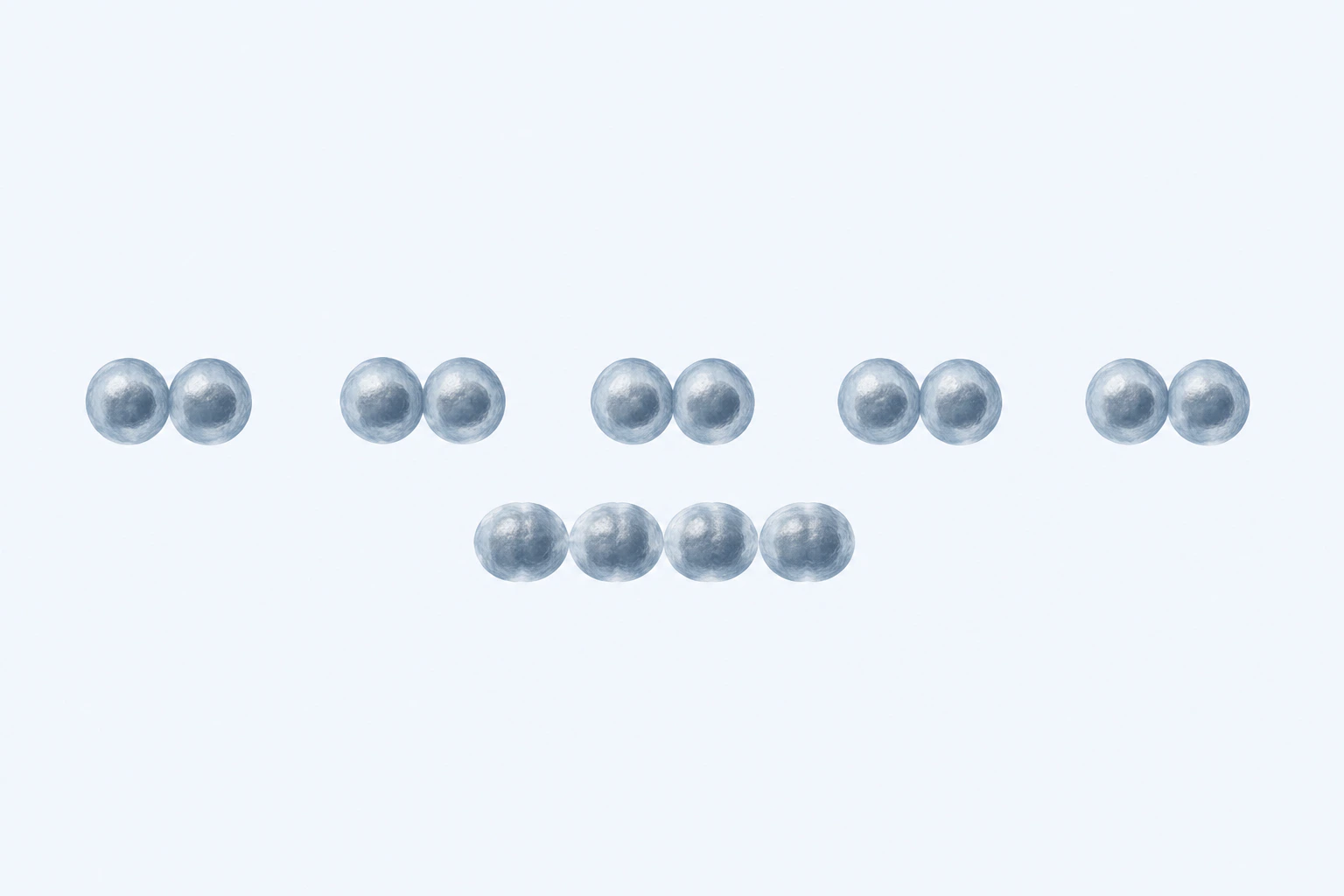
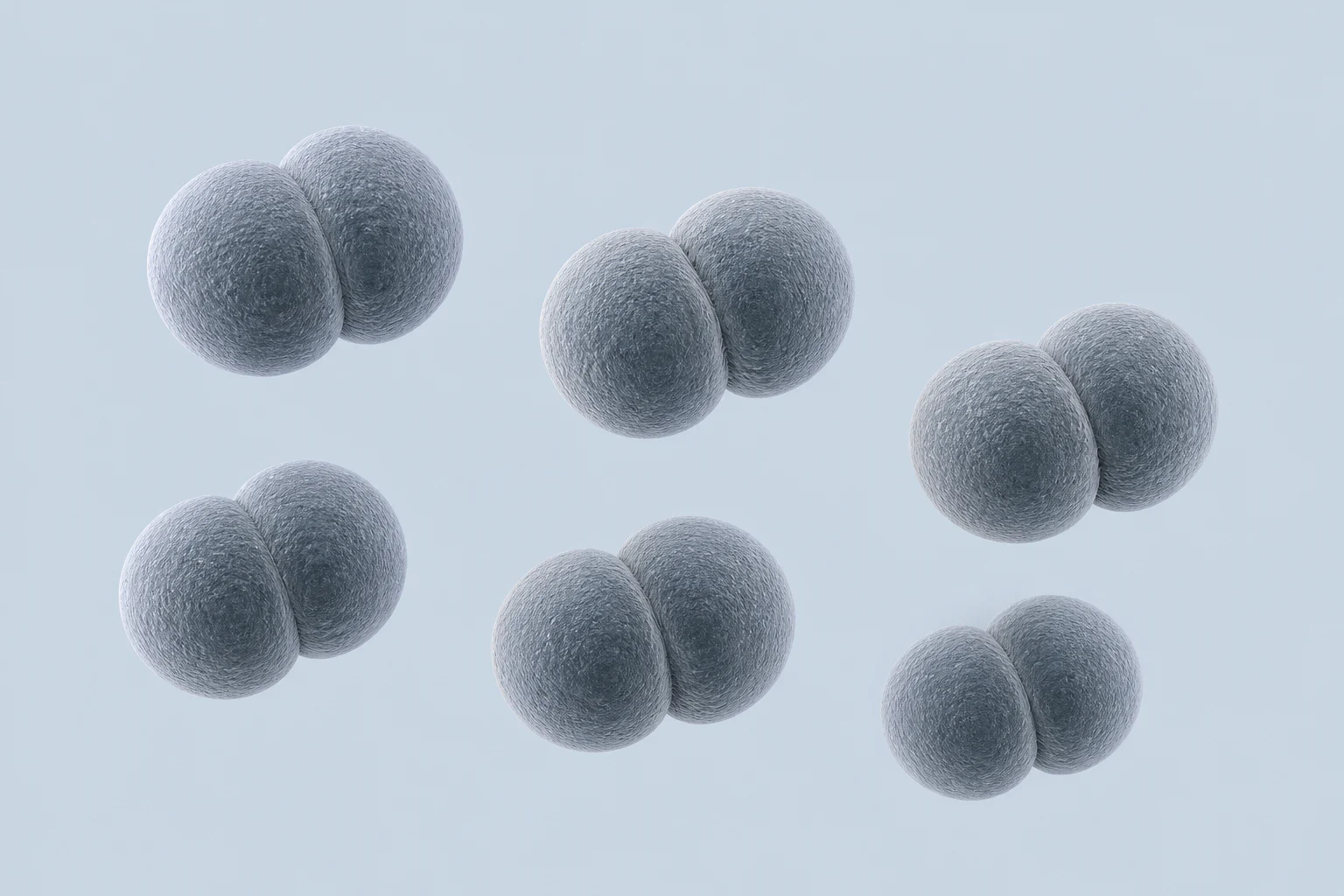
Eleven selected Enterococcus spherical-to-ovoid bodies appear in seven groupings: four singles, two touching pairs, and one short three-cell chain.
Microorganisms3 sources

Enterococcus

A genus of Gram-positive bacteria (primarily E. faecalis and E. faecium) that exemplifies the metal-antibiotic resistance co-selection crisis. Enterococci carry diverse metal tolerance genes for mercury, arsenic, copper, and cadmium on the same mobile genetic elements a…
F
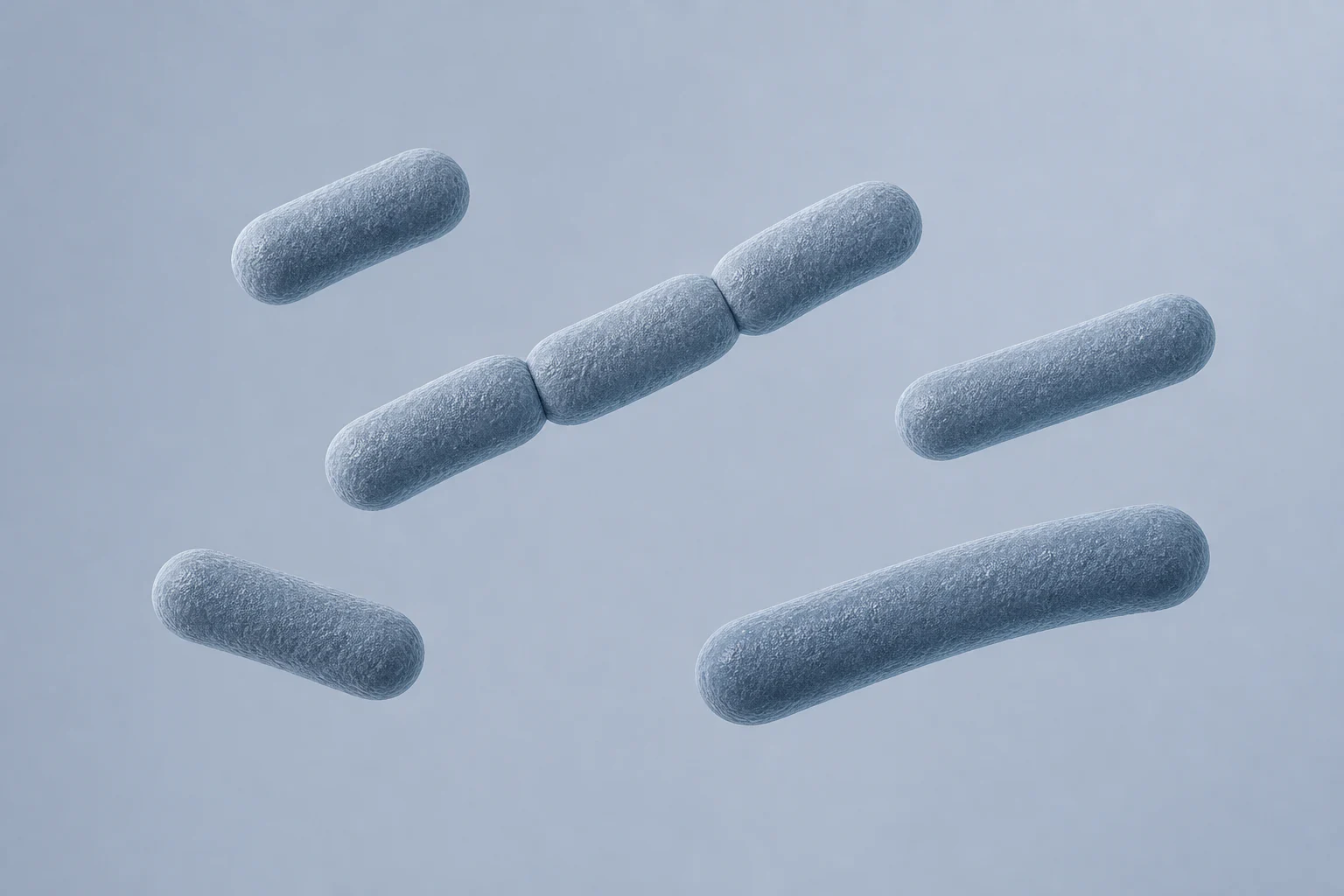
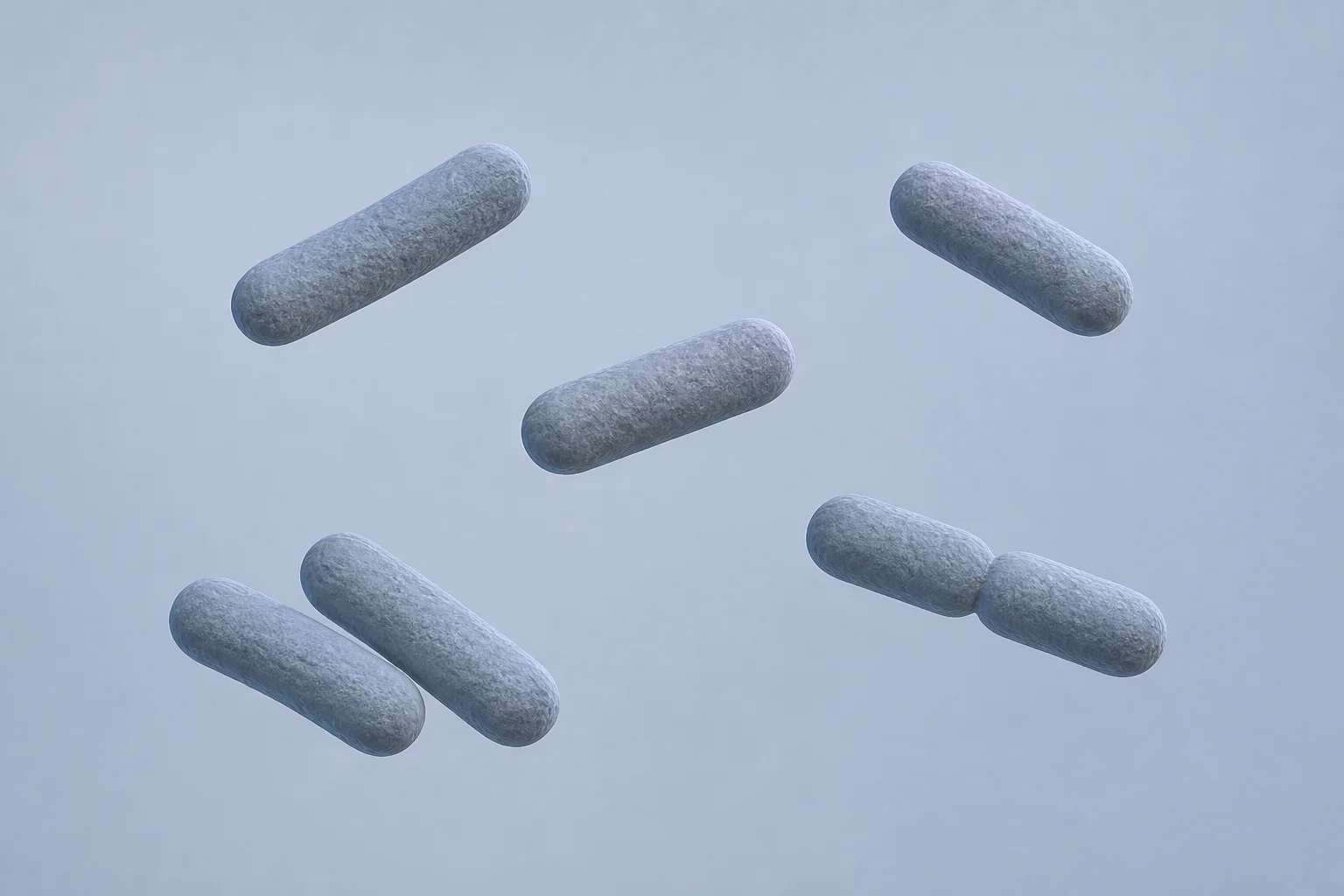
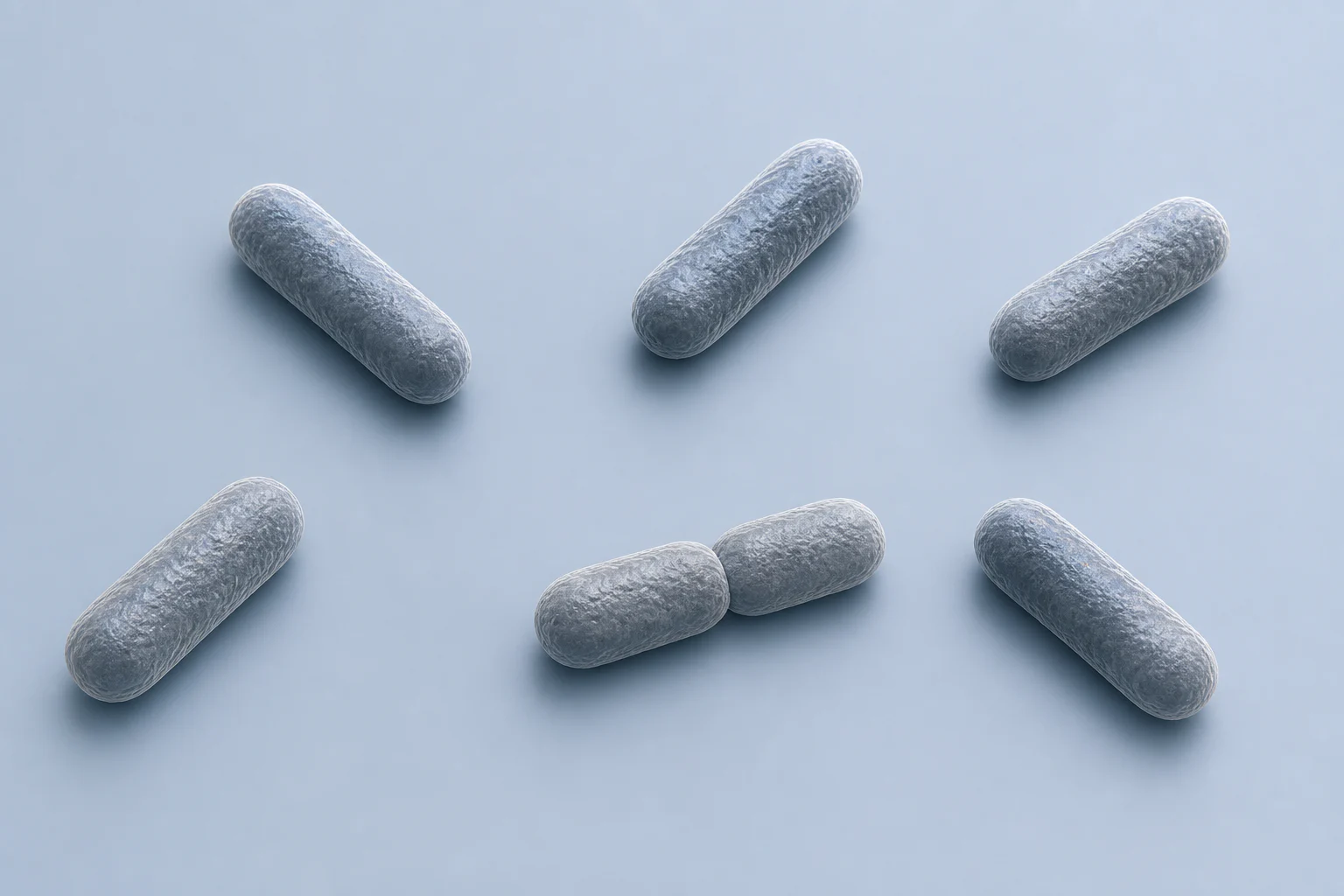
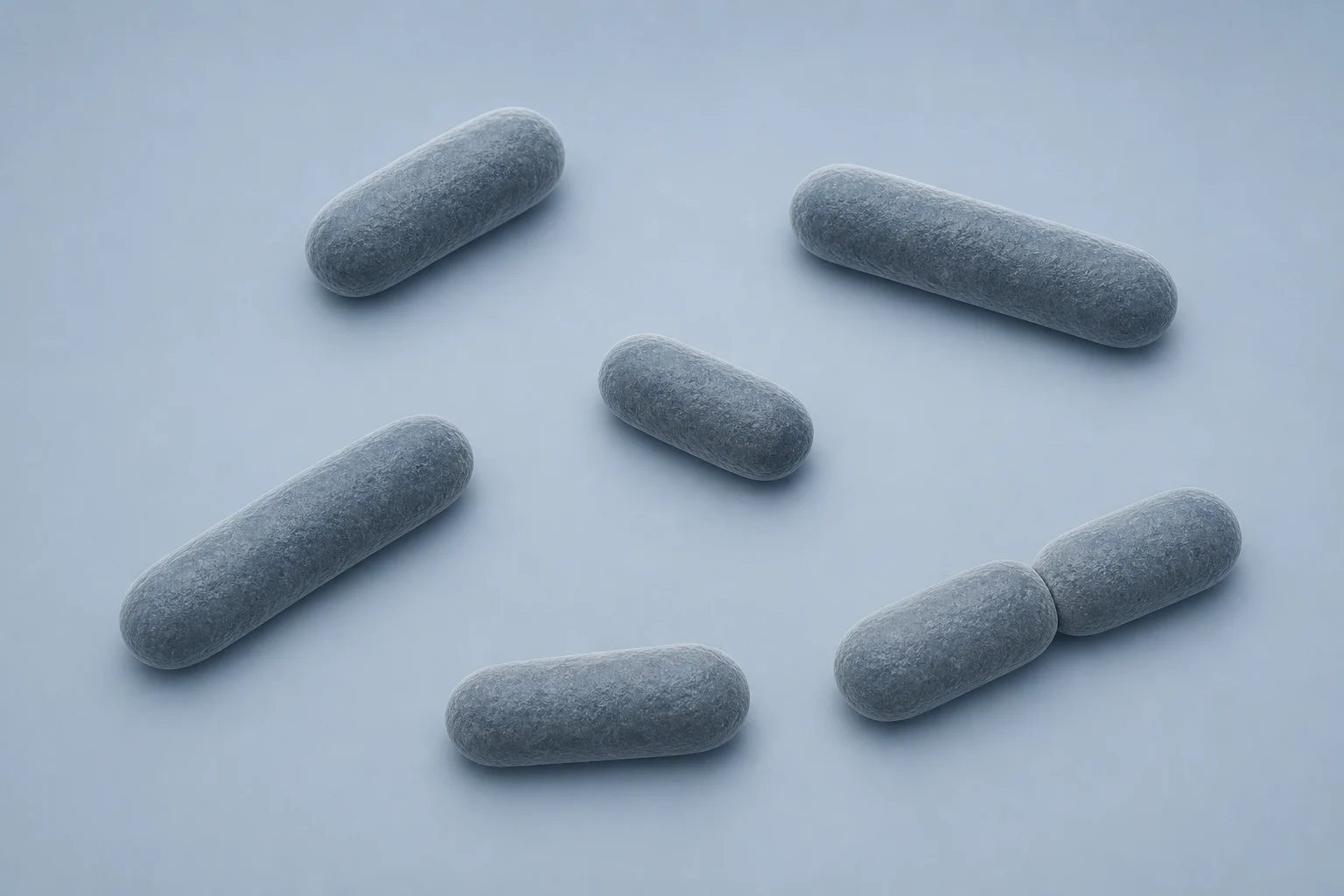
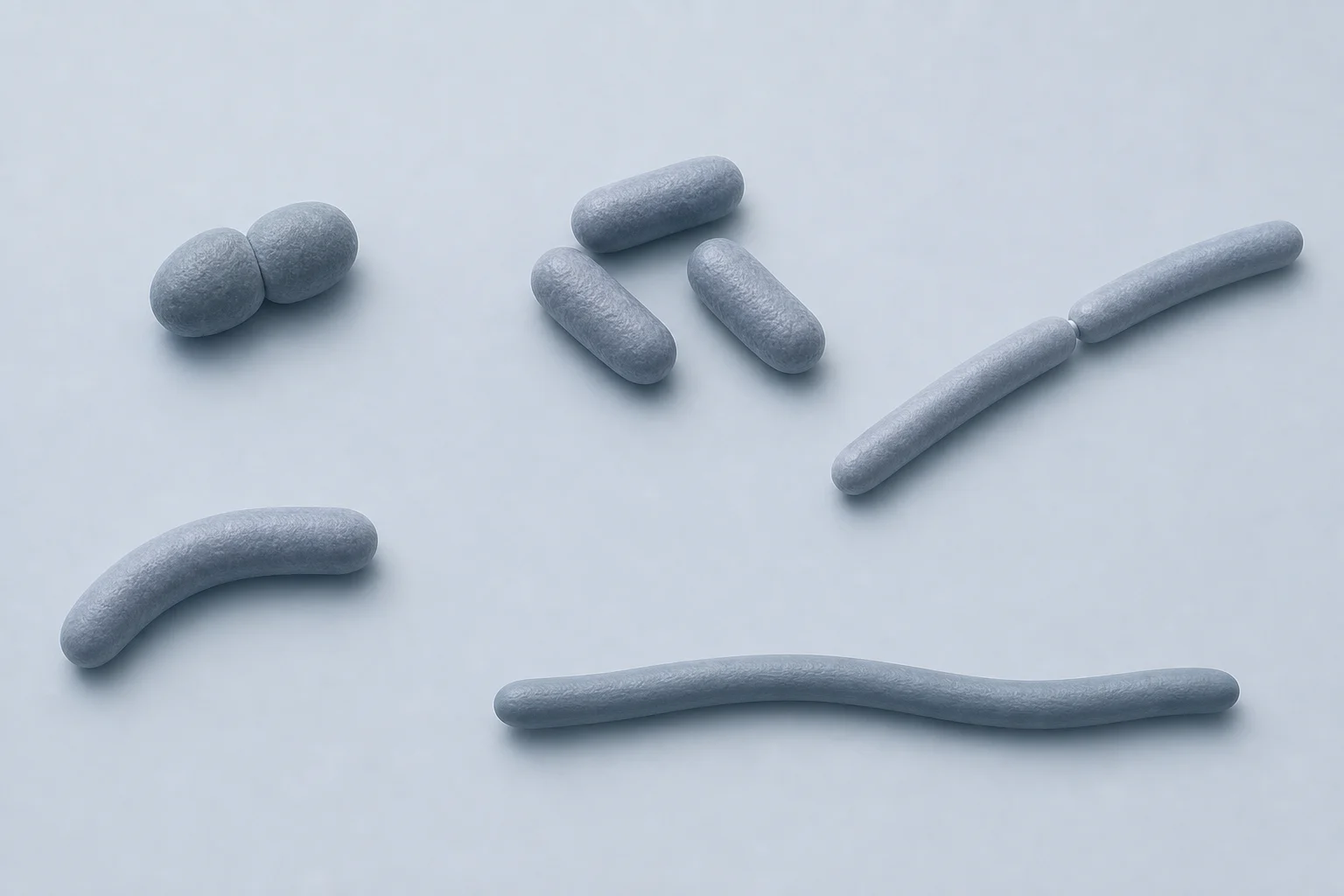
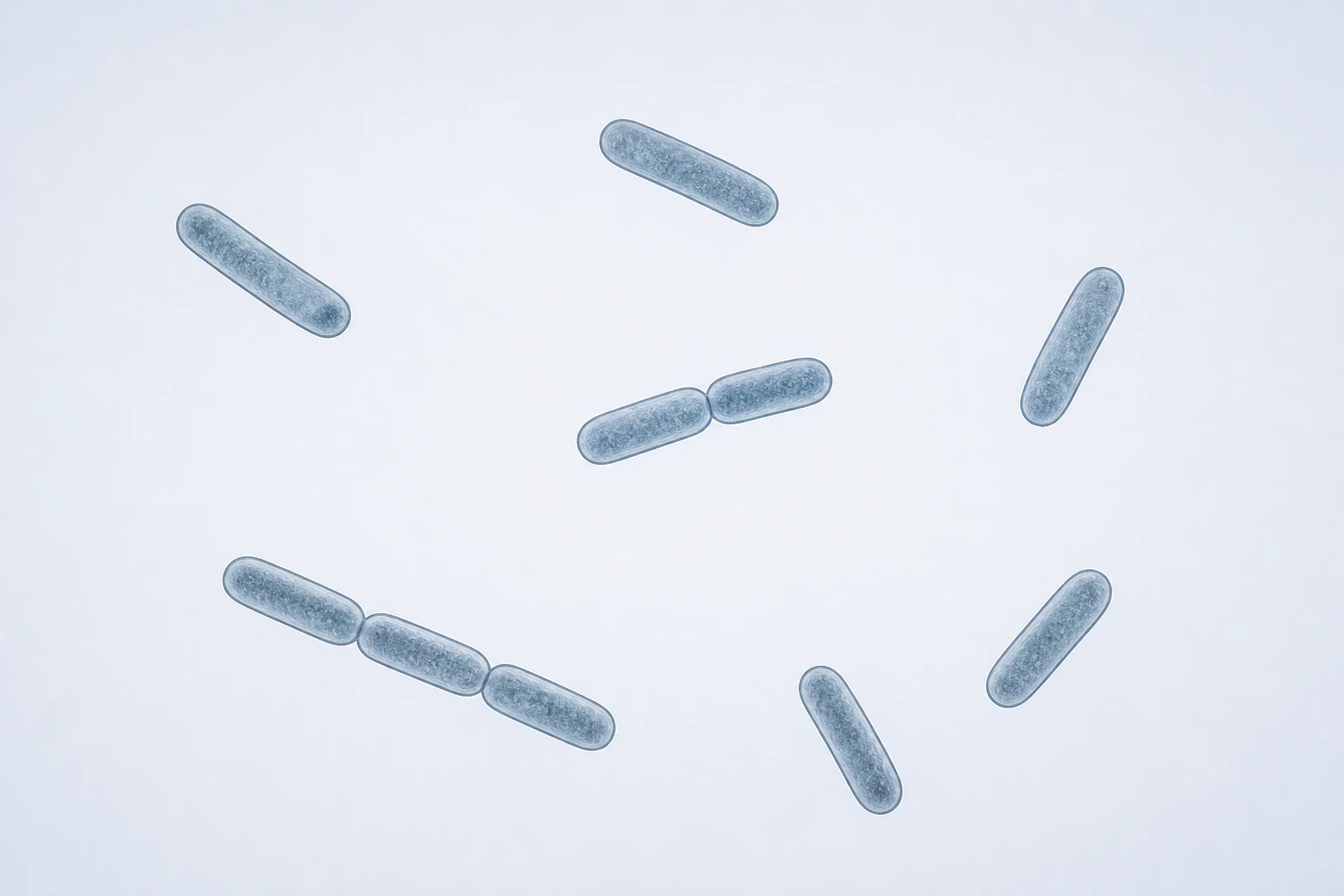
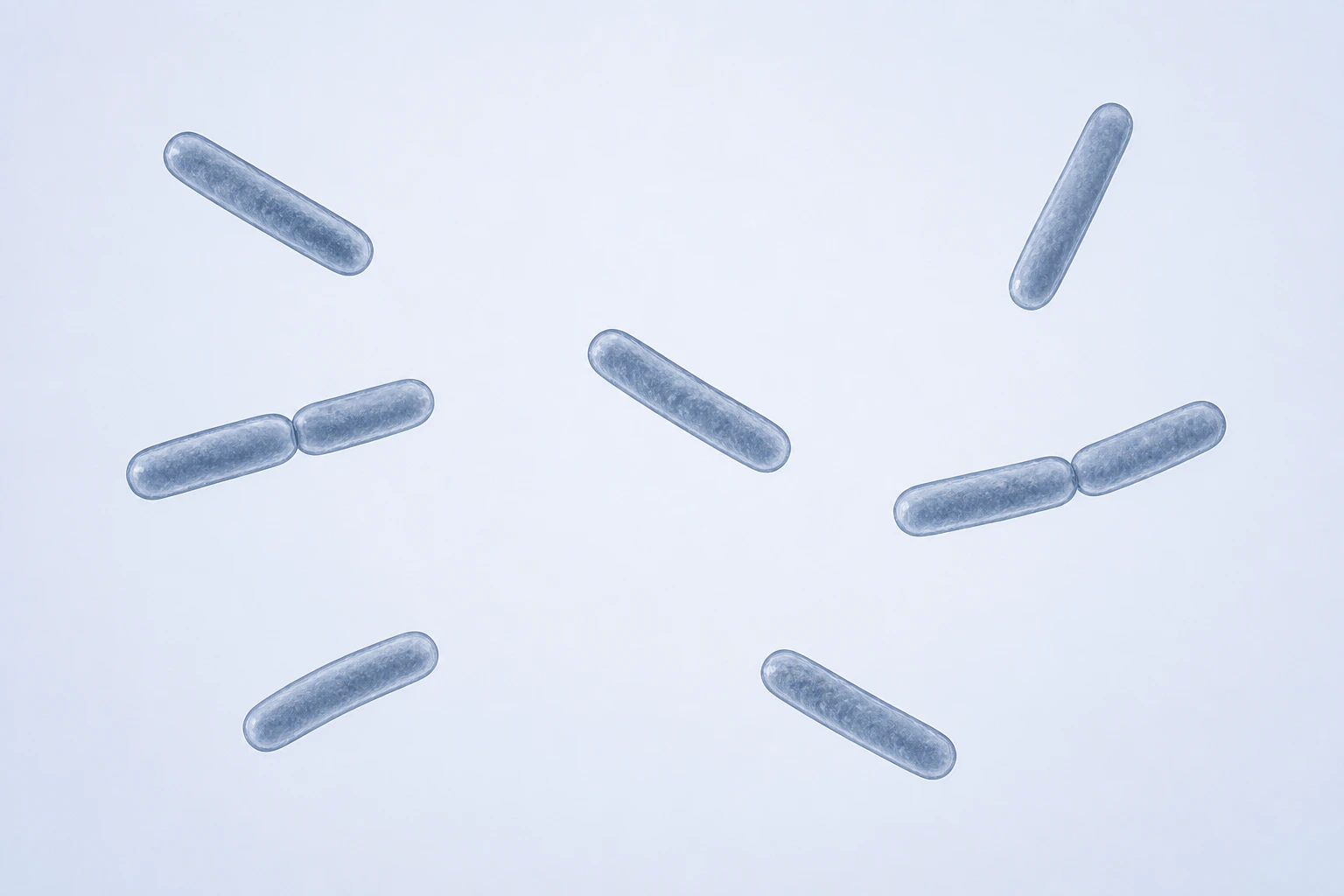
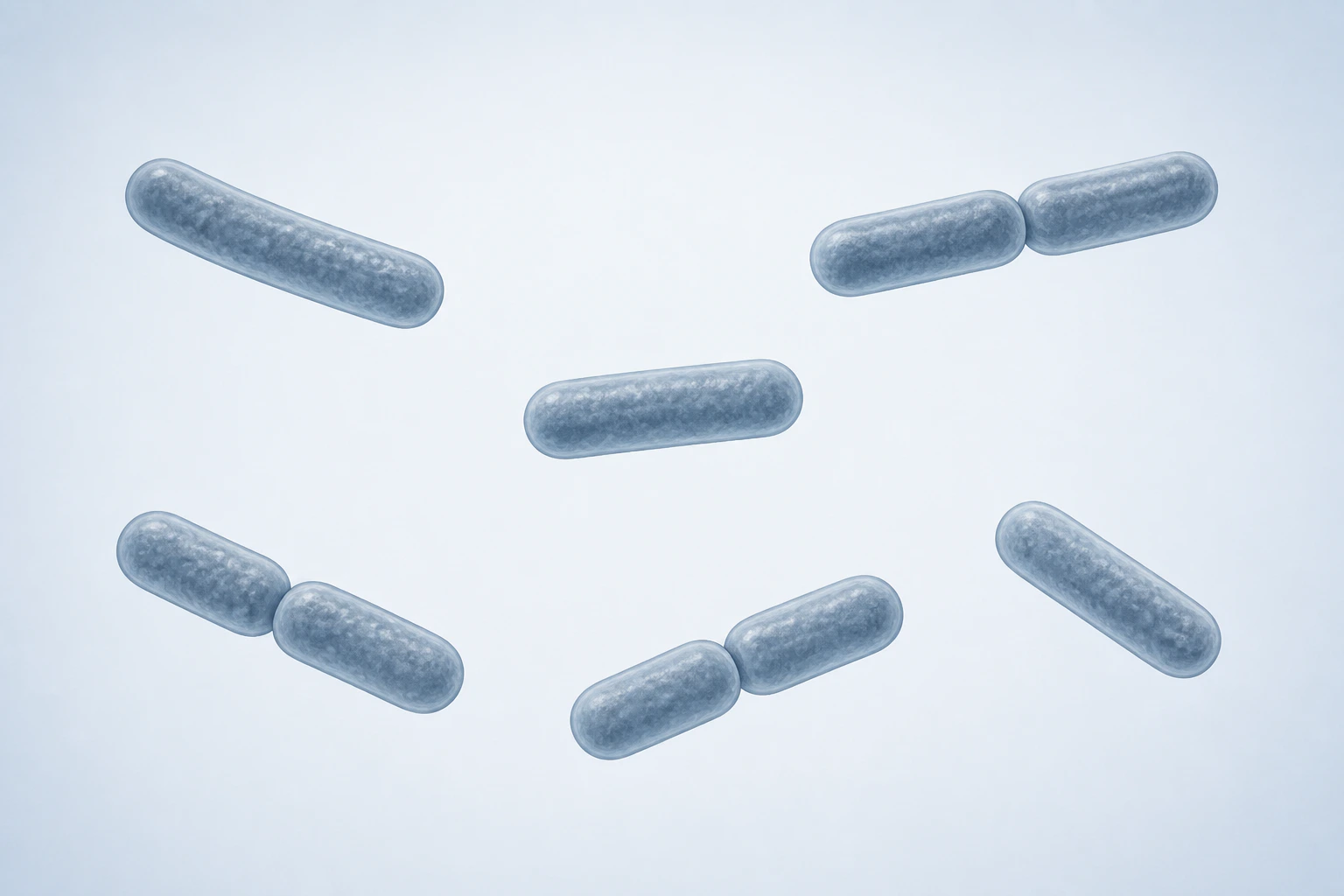
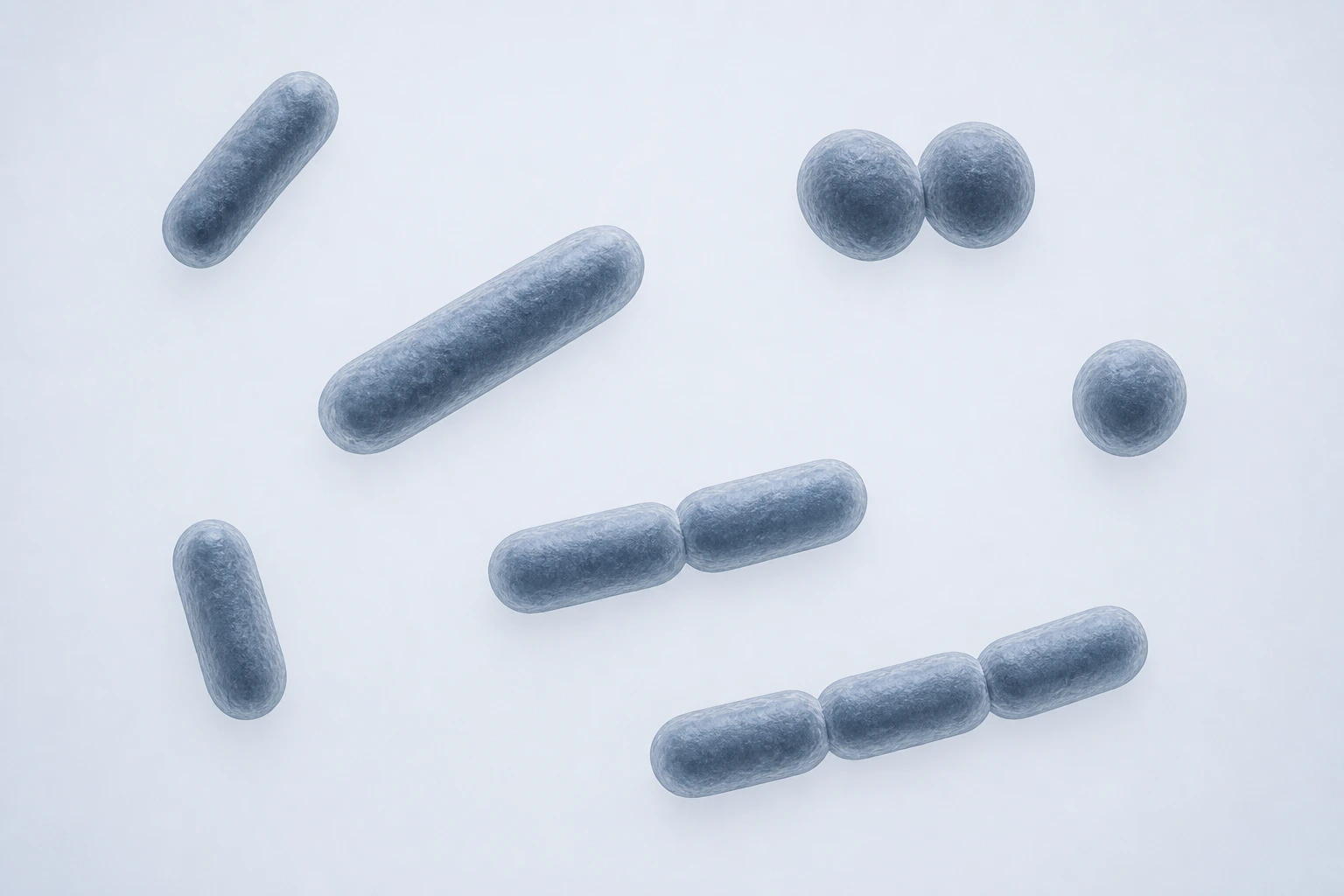
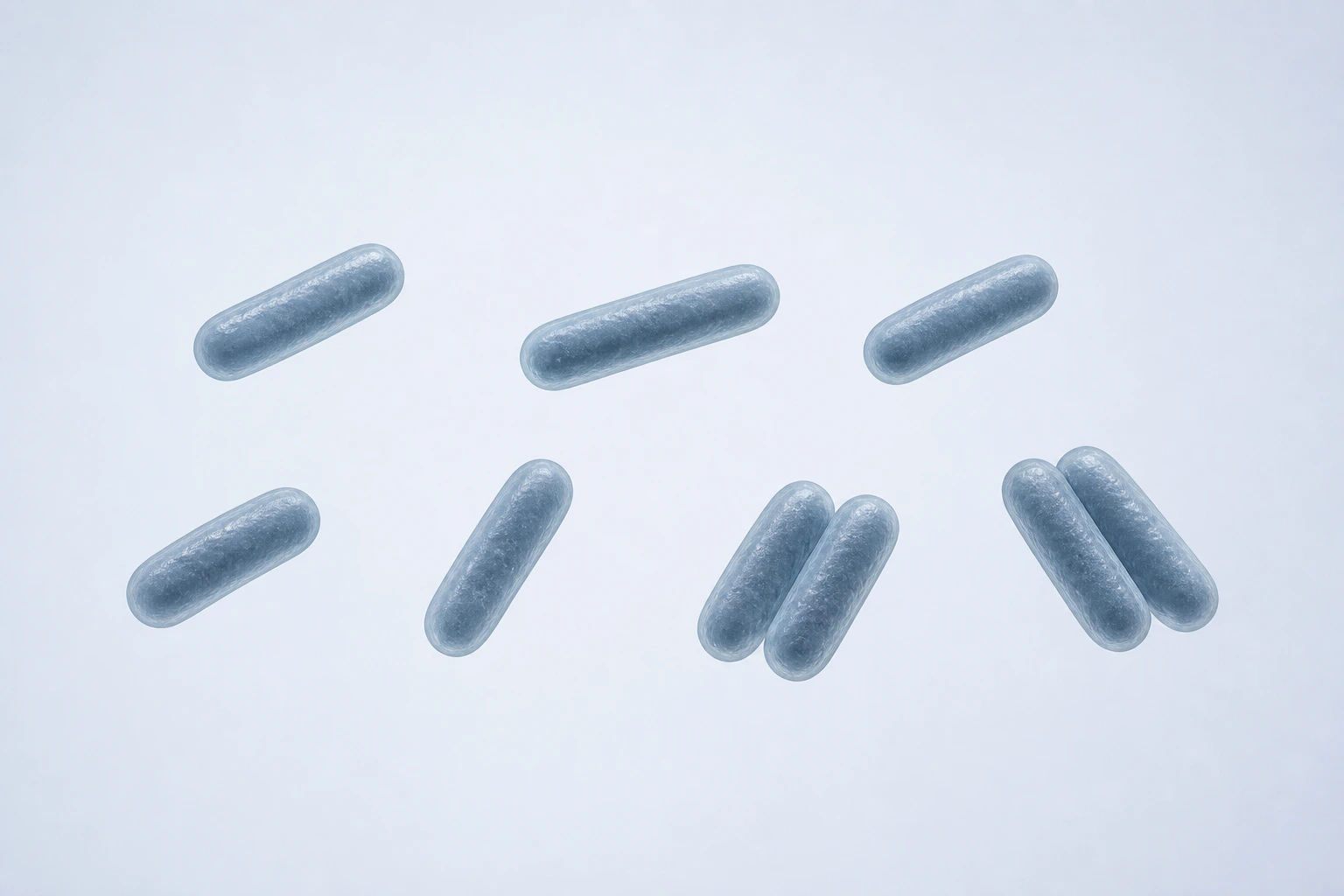
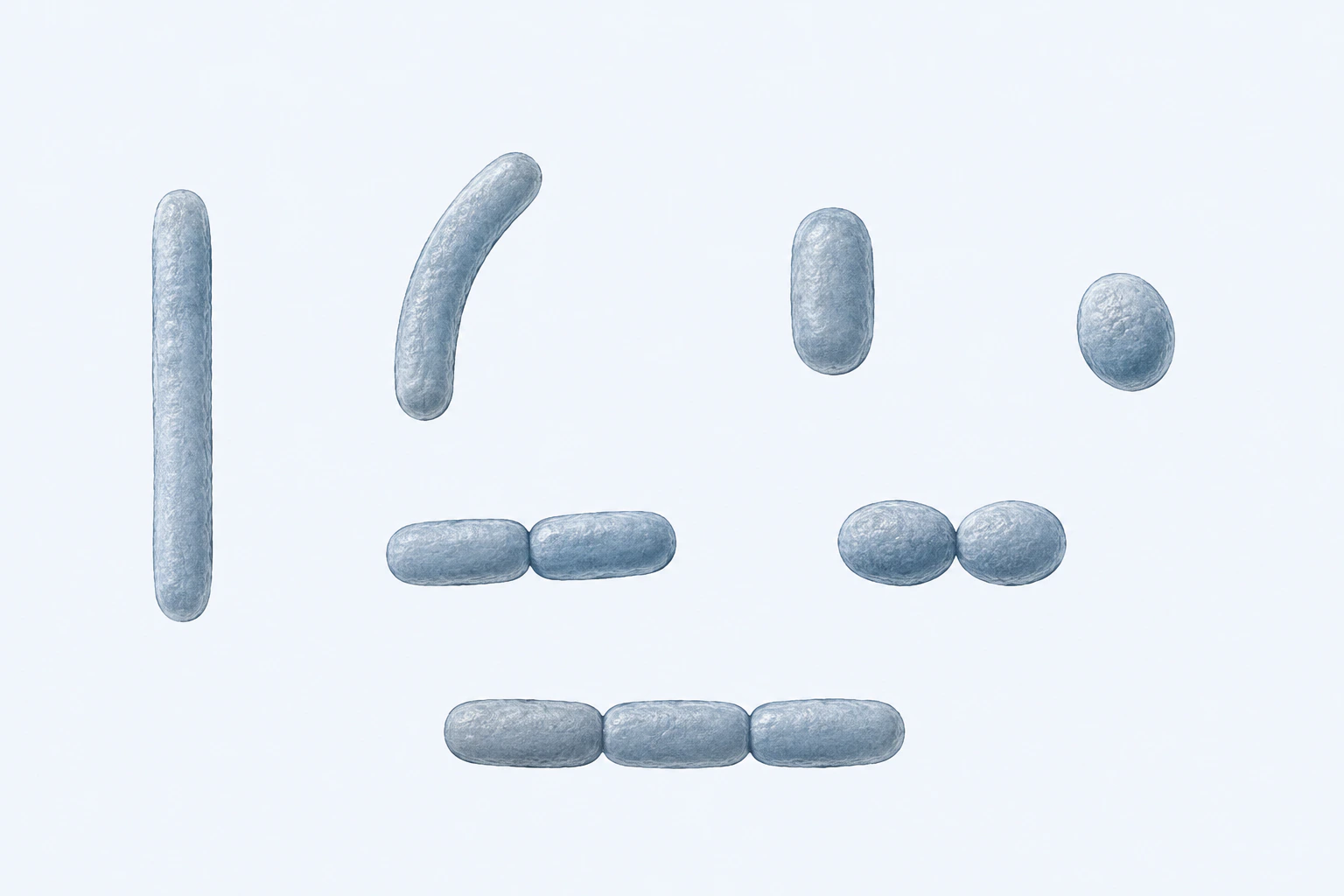
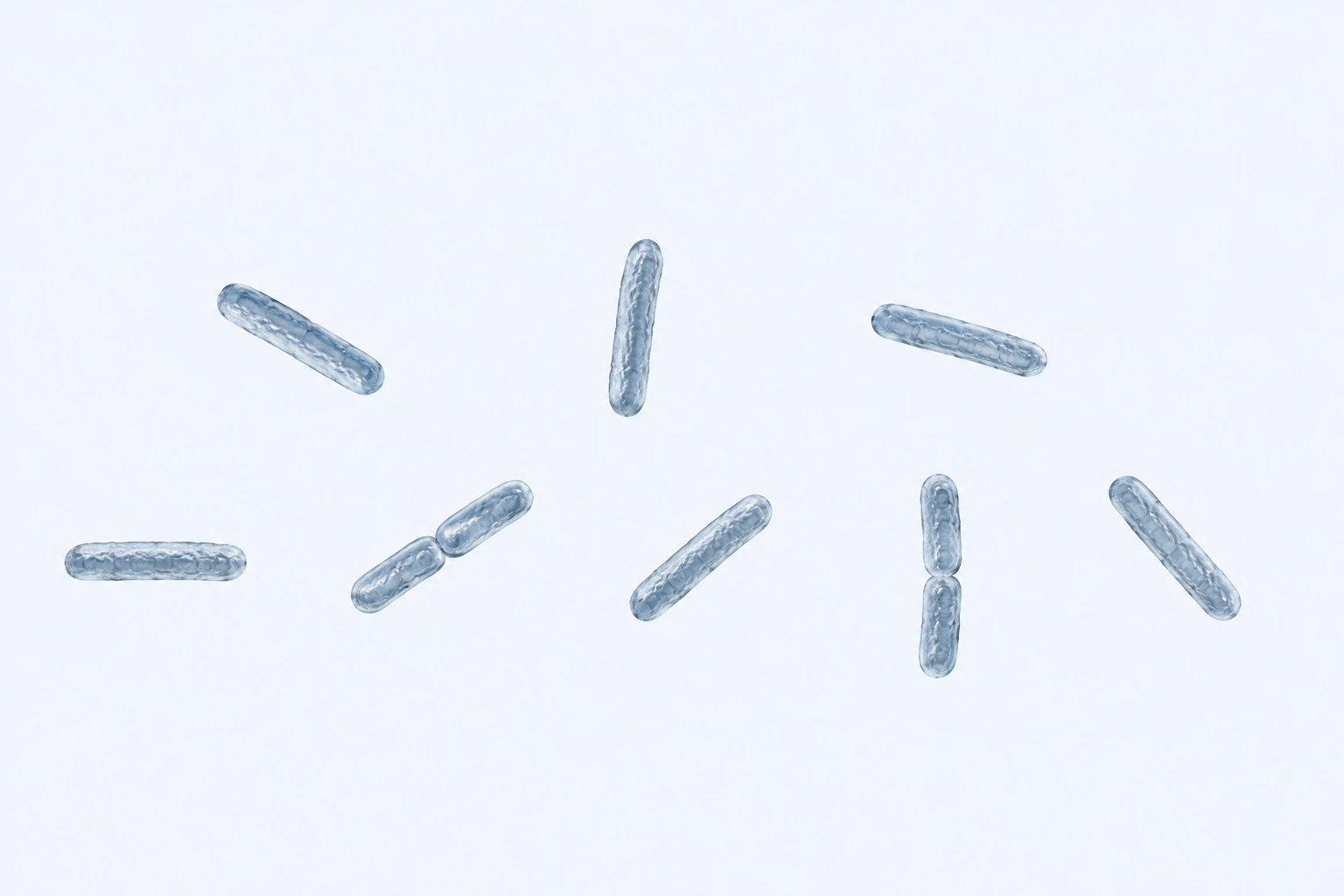
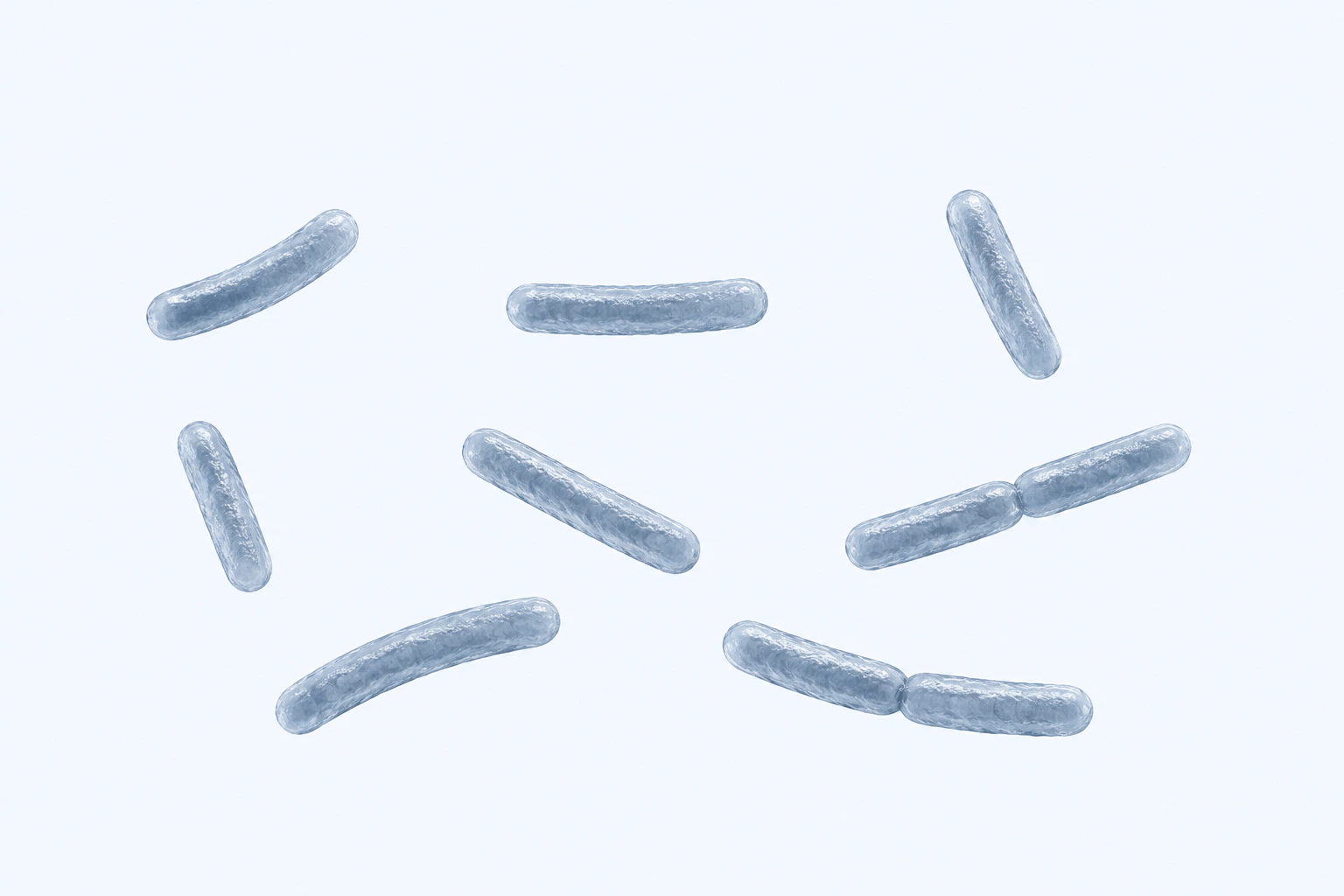
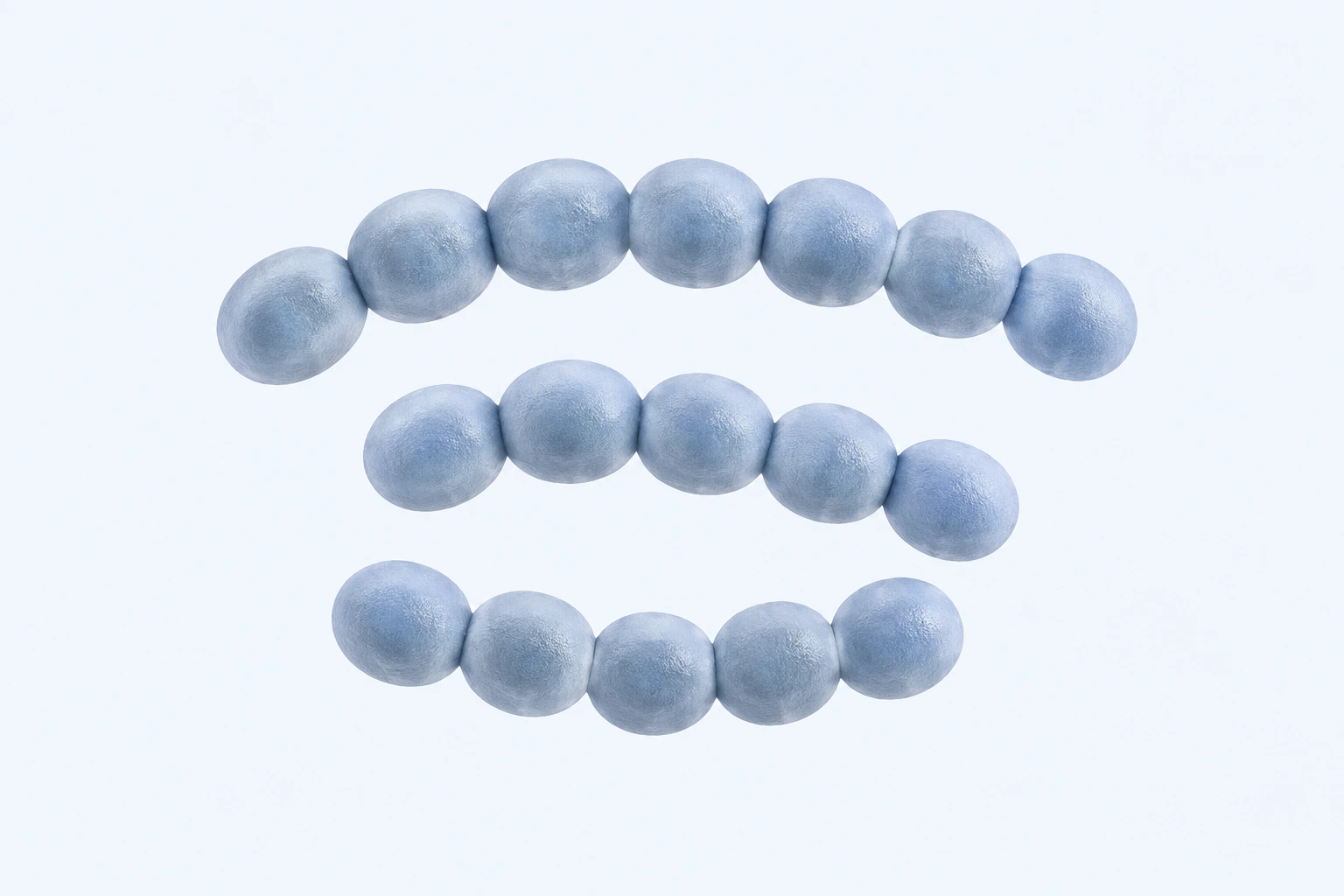
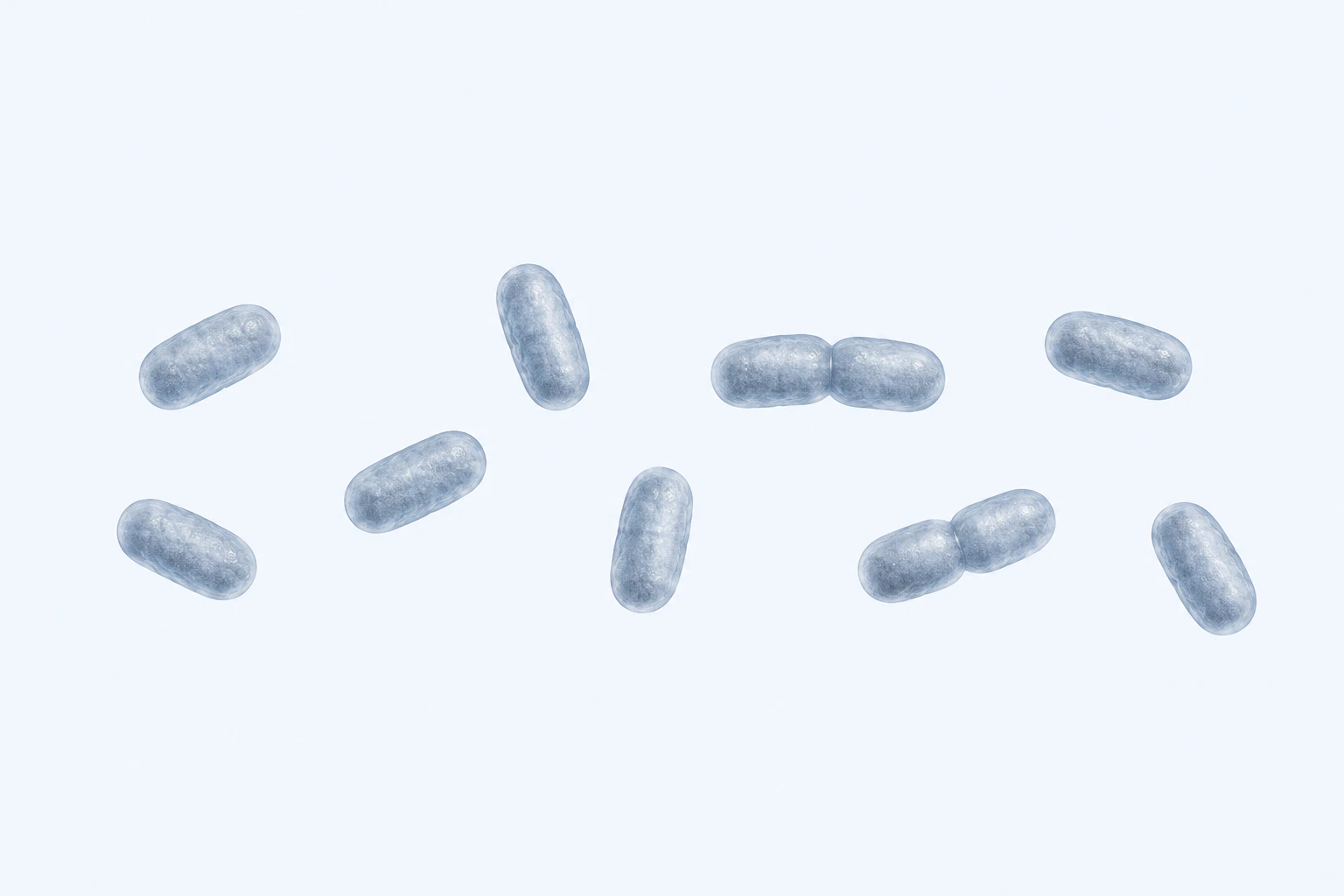
Eleven selected Bacillota bodies appear in seven groupings: three single rods, one single coccoid, one rod pair, one coccoid pair, and one three-rod chain.
Microorganisms10 sources

Firmicutes (Bacillota)

Firmicutes (recently reclassified as Bacillota) is the dominant bacterial phylum in the Western adult gut, comprising the core community of short-chain fatty acid (SCFA) producers that maintain intestinal barrier integrity, regulate immune function, and influence system…

G
I
L
M
O
P
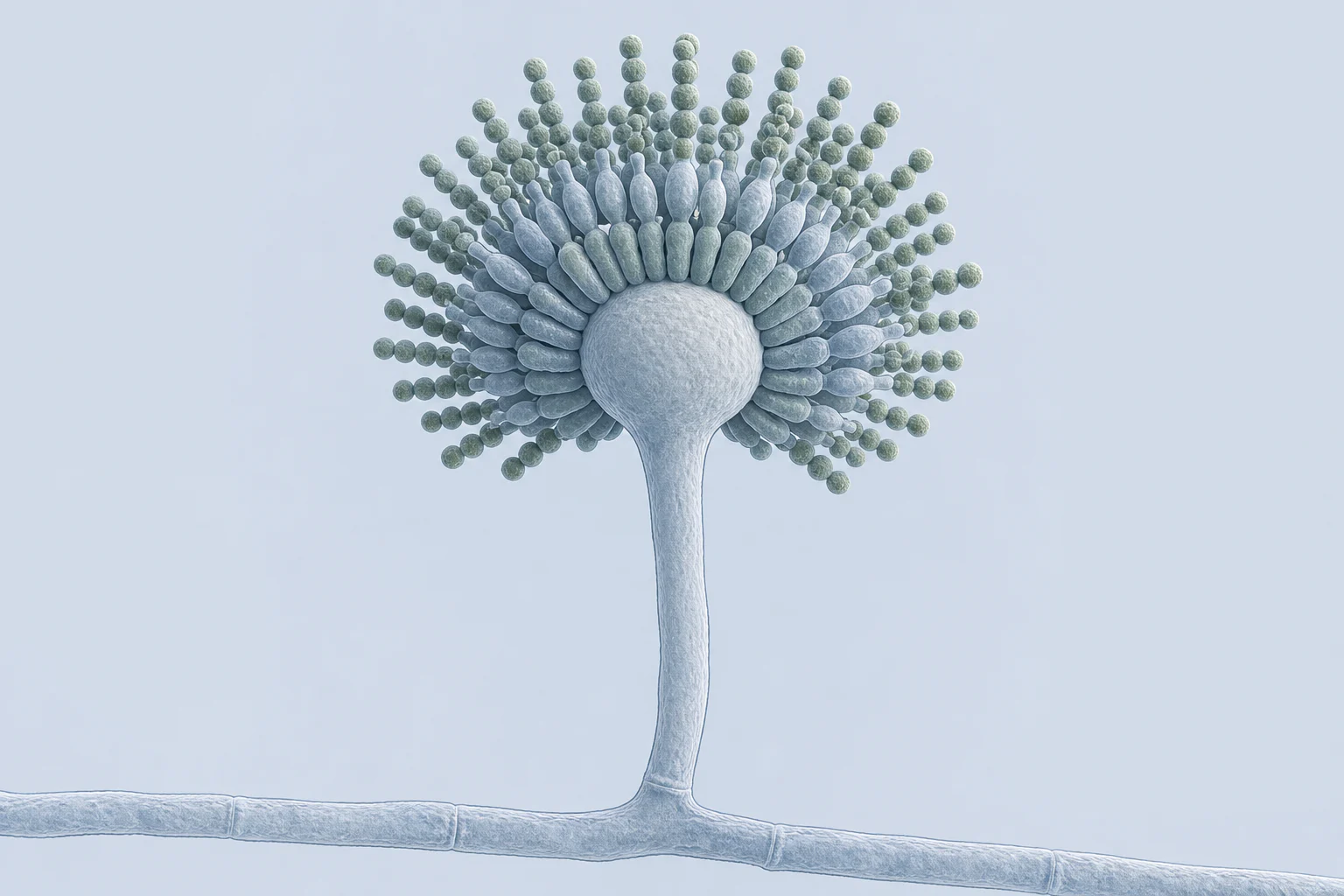
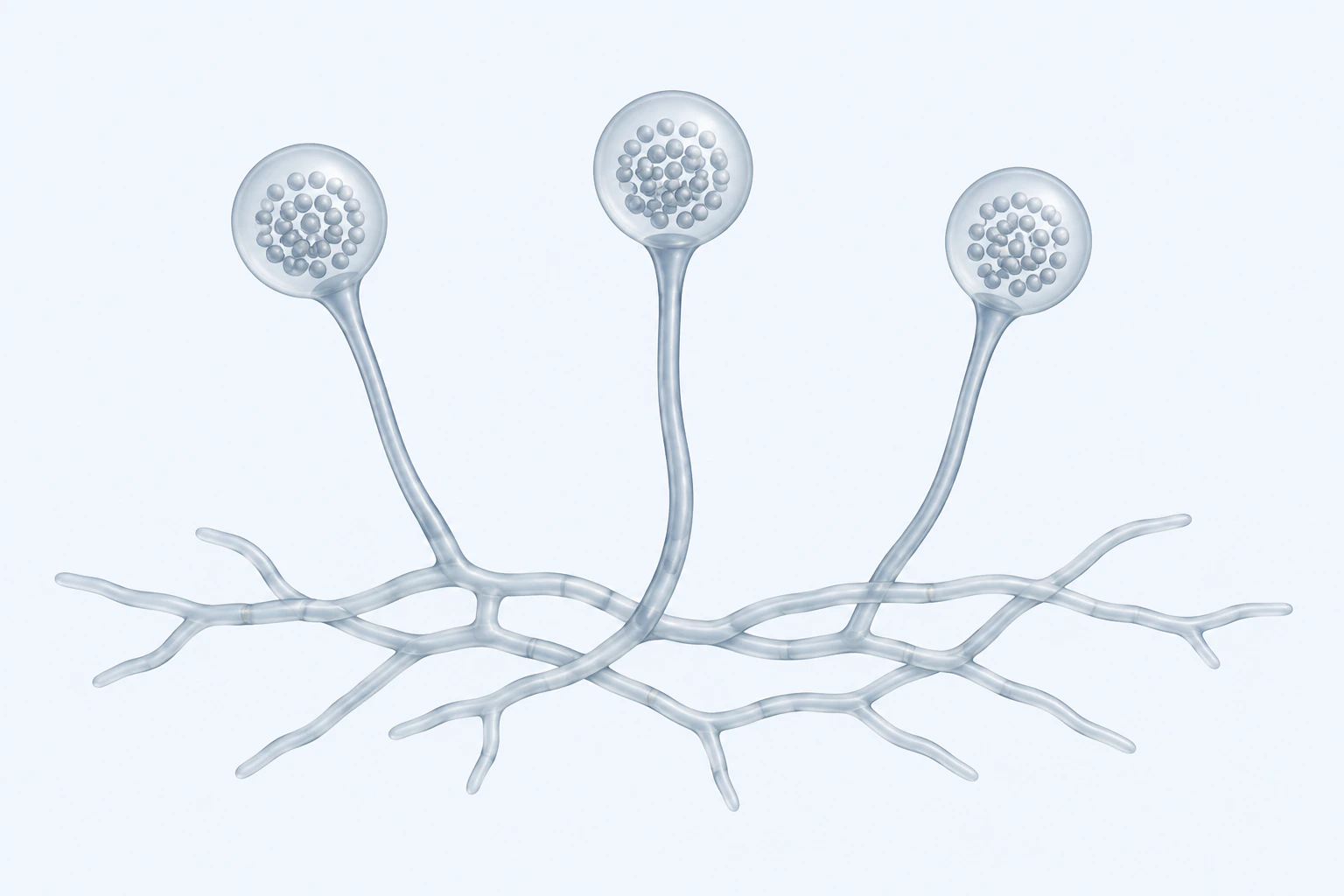
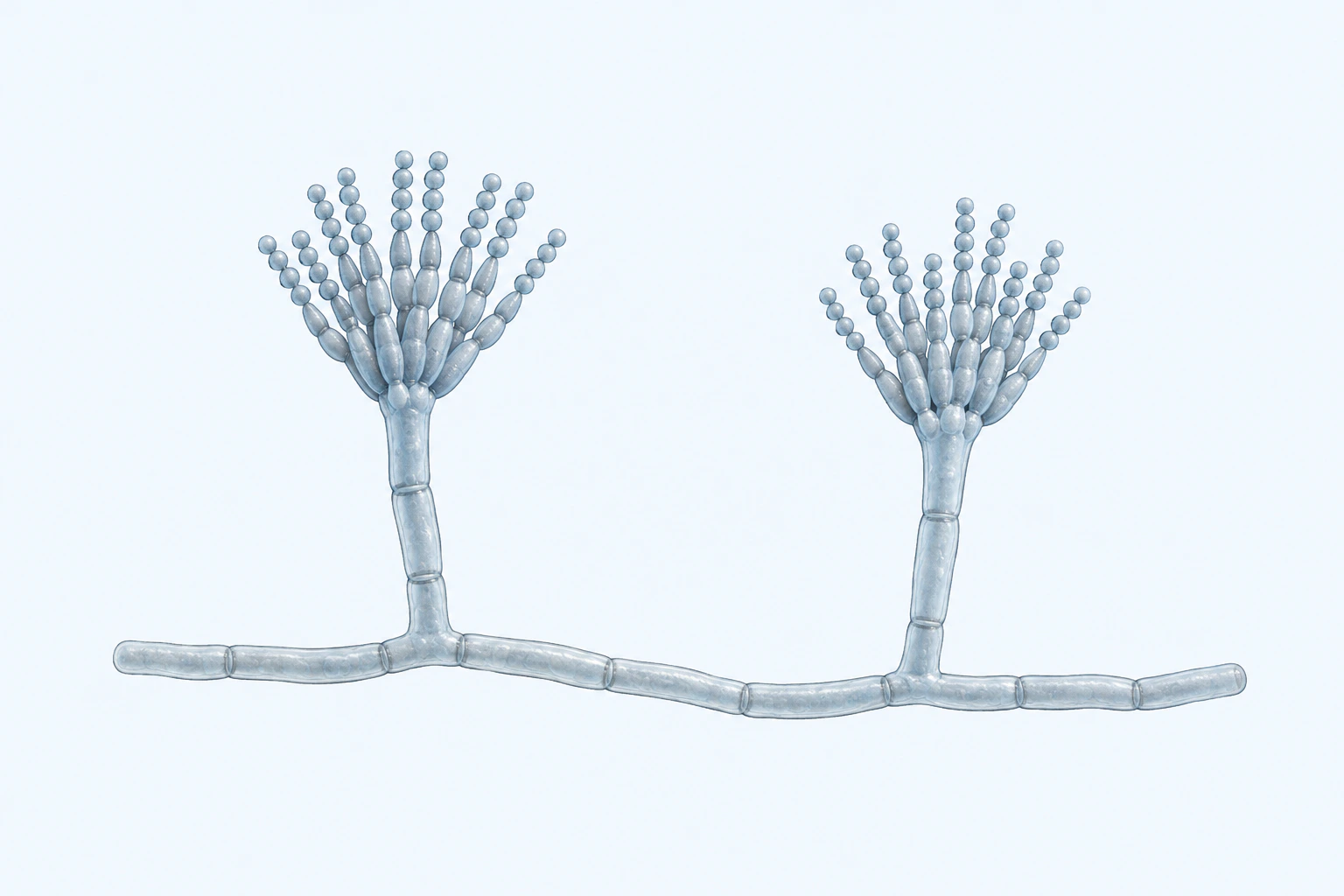
One connected Penicillium hyphal specimen supports two upright conidiophores, each ending in a compact brush of attached conidial chains.
Microorganisms5 sources

Penicillium

Penicillium is a genus of filamentous fungi best known as the source of penicillin. In the WikiBiome context, Penicillium appears in the gut mycobiome — the fungal component of the microbiome — with associations across ASD, pancreatitis, and cardiometabolic disease.

R
S
T
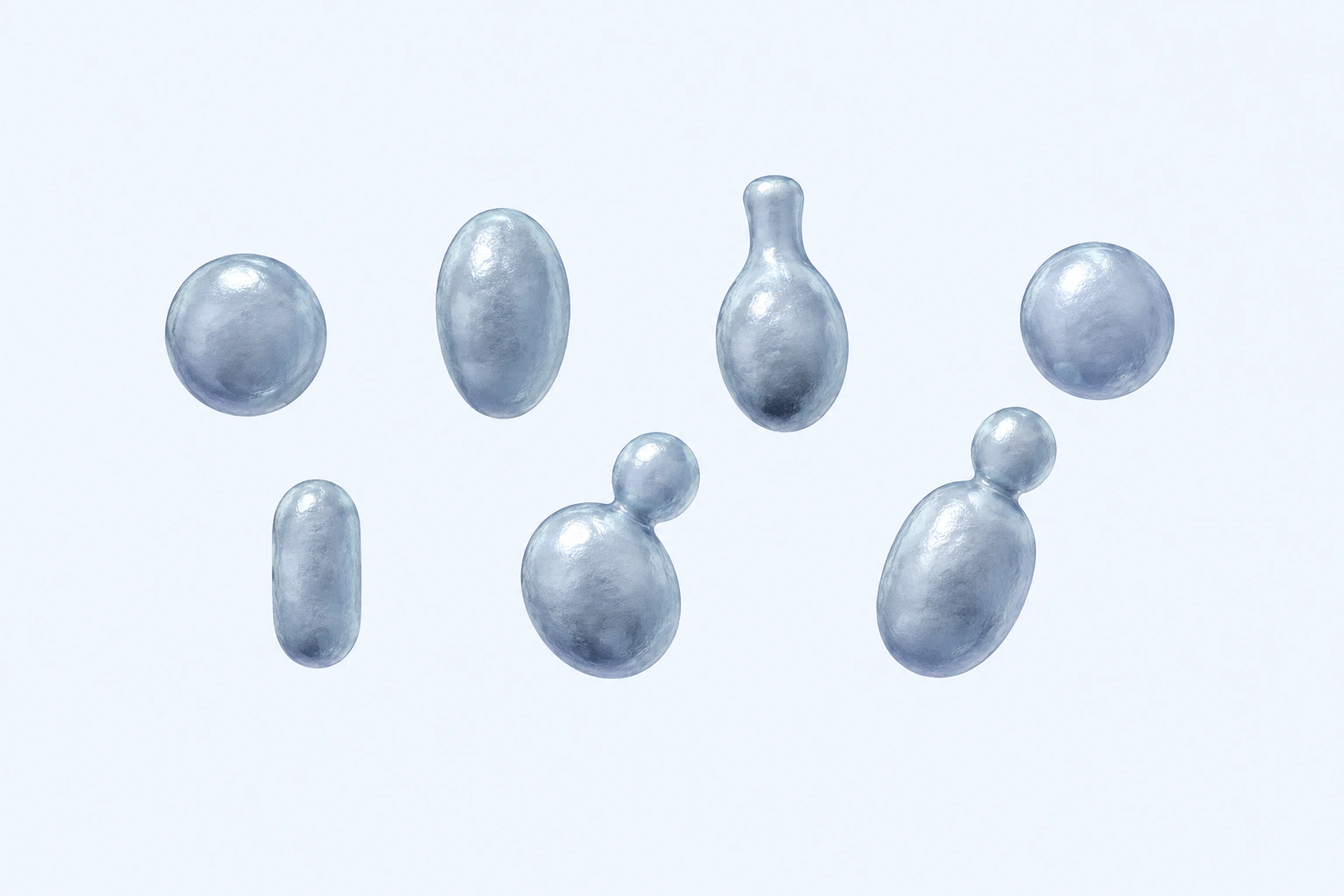
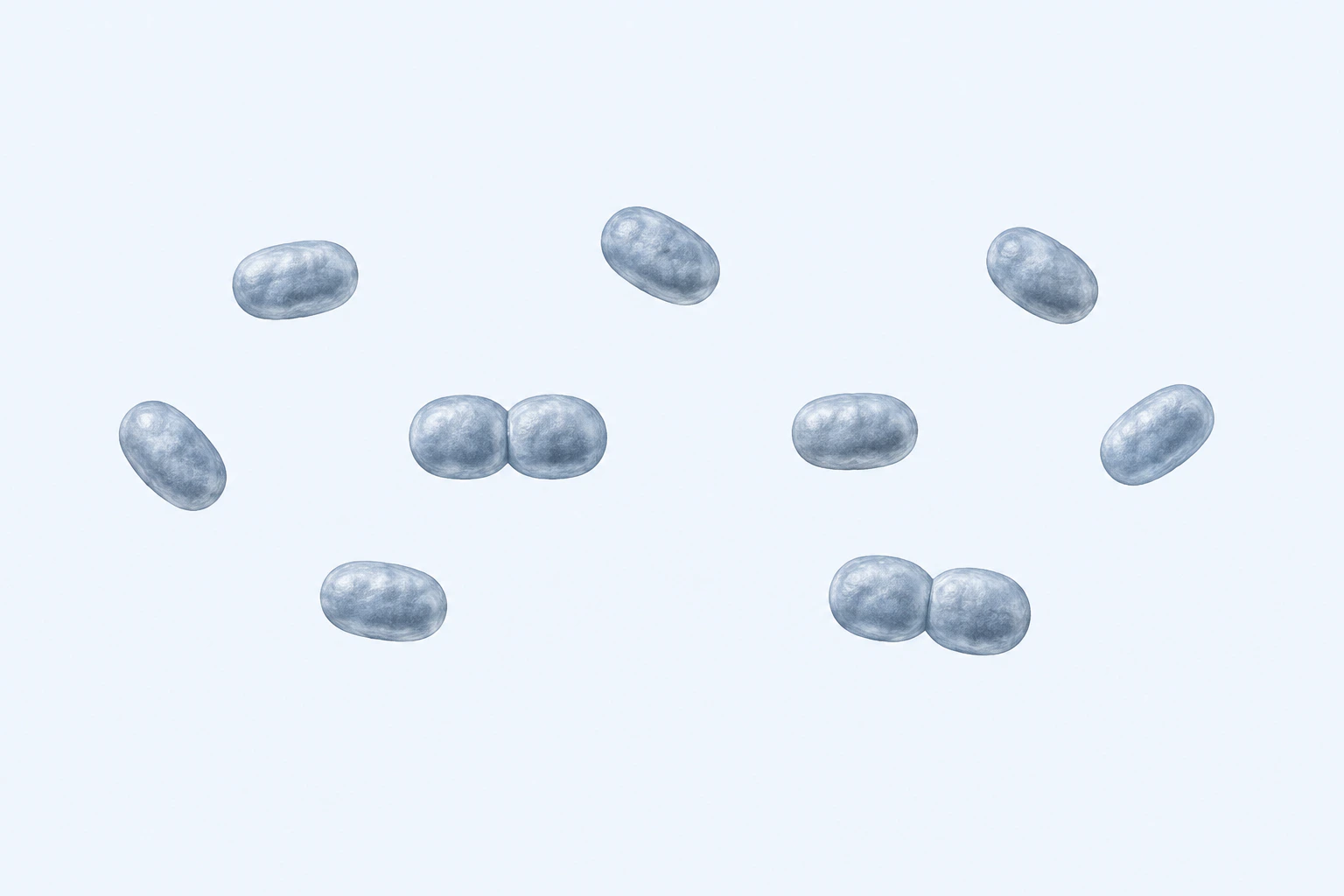
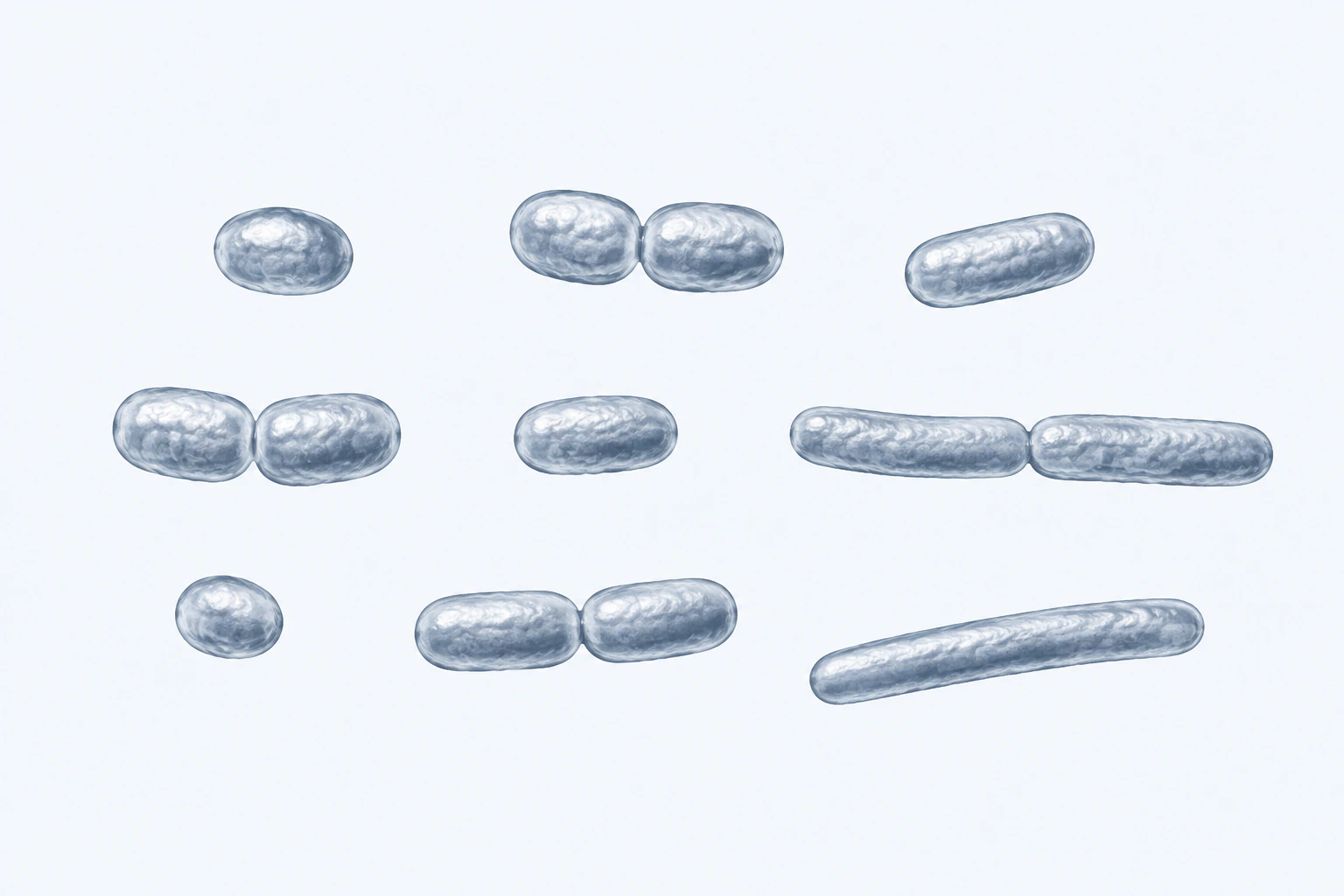
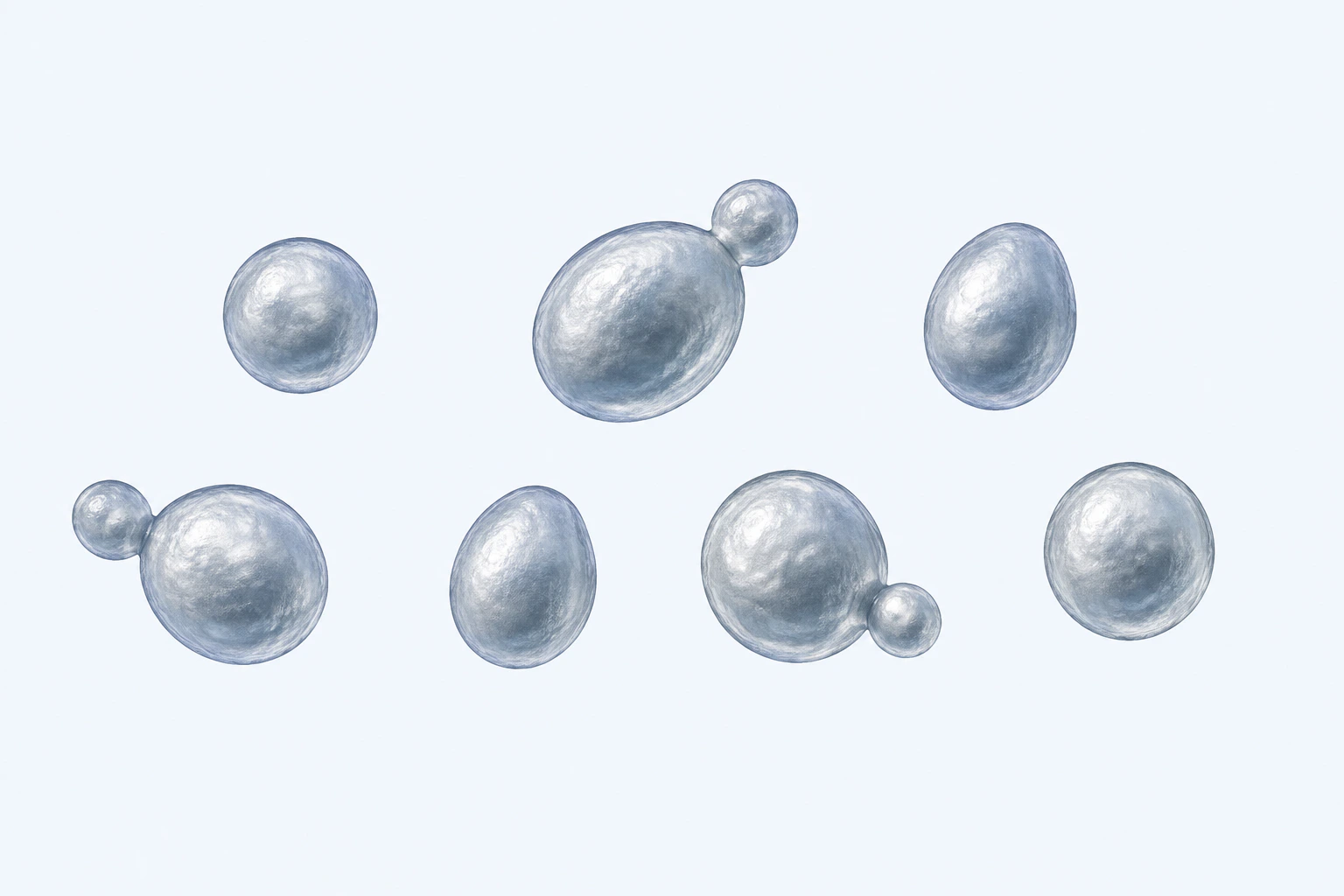
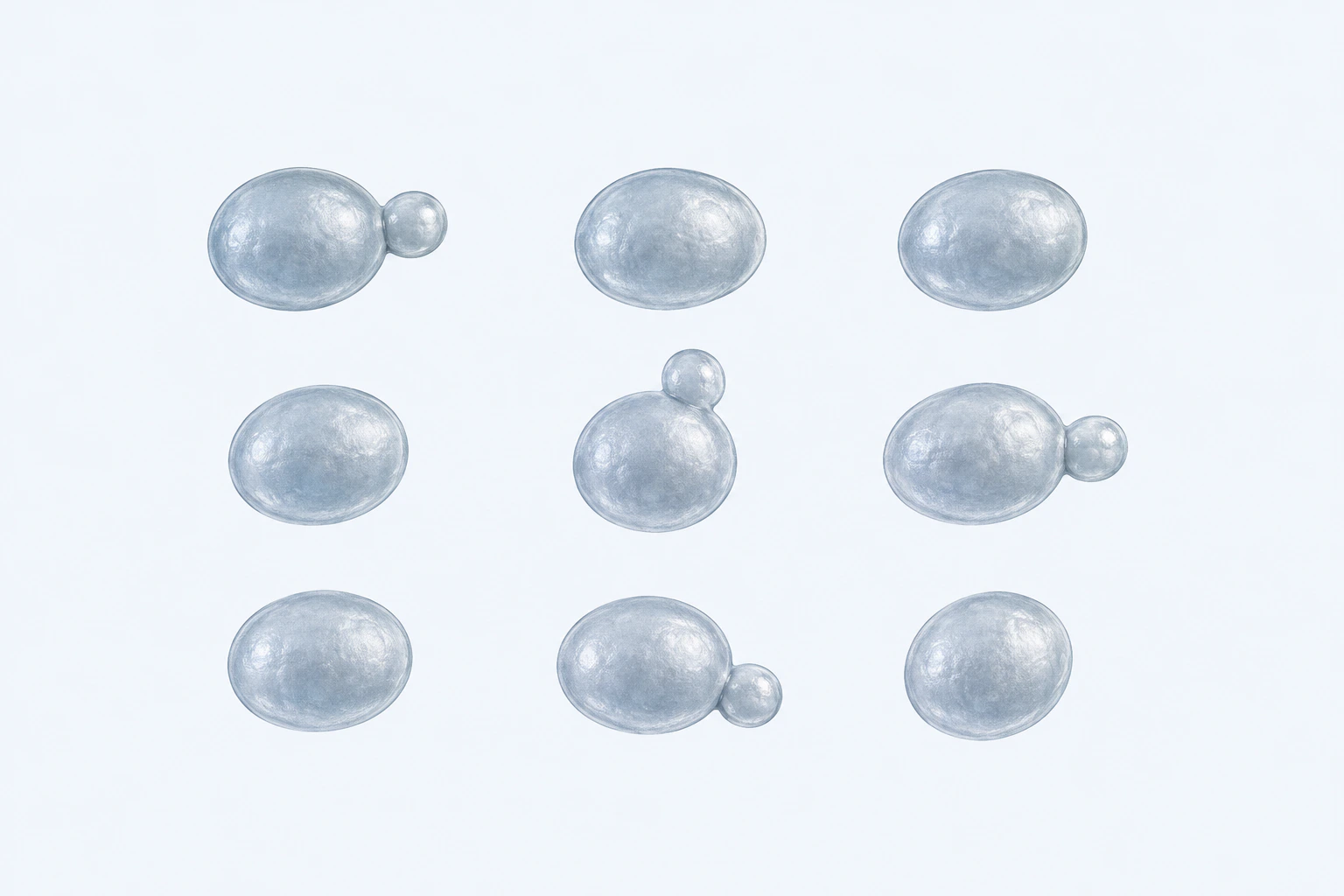
Nine selected Torulaspora yeast mother cells appear, four with one attached bud.
Microorganisms6 sources

Torulaspora

A genus of ascomycete yeasts (formerly classified as Zygosaccharomyces) found in fermentation environments (bread, wine, kombucha) and increasingly detected as a component of the human gut mycobiome. While typically at low abundance in healthy individuals, Torulaspora d…

V
Y