Aromatase
This knowledge-base record is being expanded from WikiBiome’s evidence graph.
WikiBiomeThe human microbiome encyclopediaRanked matches across titles, topics, categories, and article introductions, filtered to mechanism.
This knowledge-base record is being expanded from WikiBiome’s evidence graph.
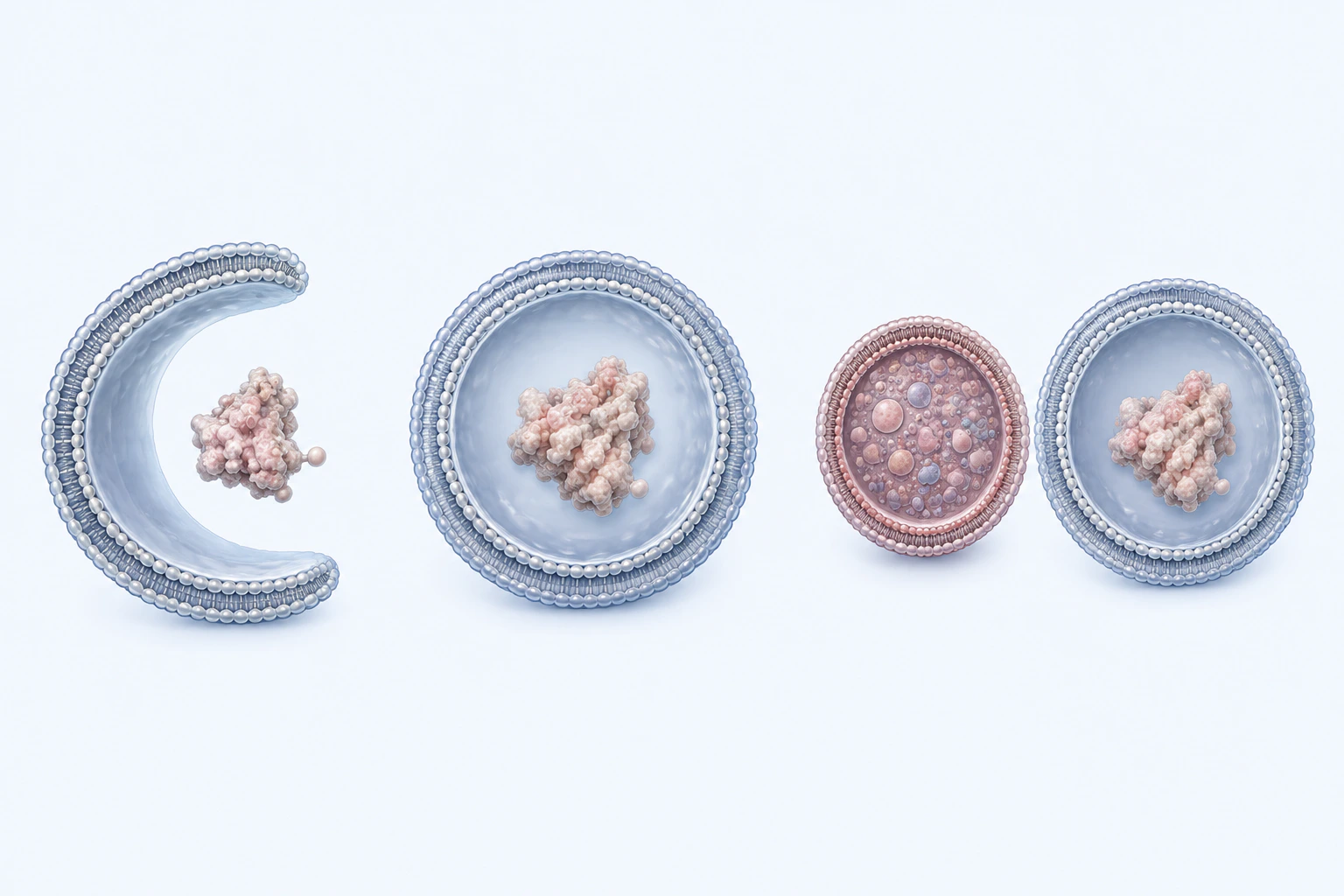
Autophagy (from Greek, "self-eating") is the cellular process of degrading and recycling damaged organelles, misfolded proteins, and intracellular pathogens through lysosomal digestion. It is the cell's primary quality control mechanism -- a housekeeping system that bec…
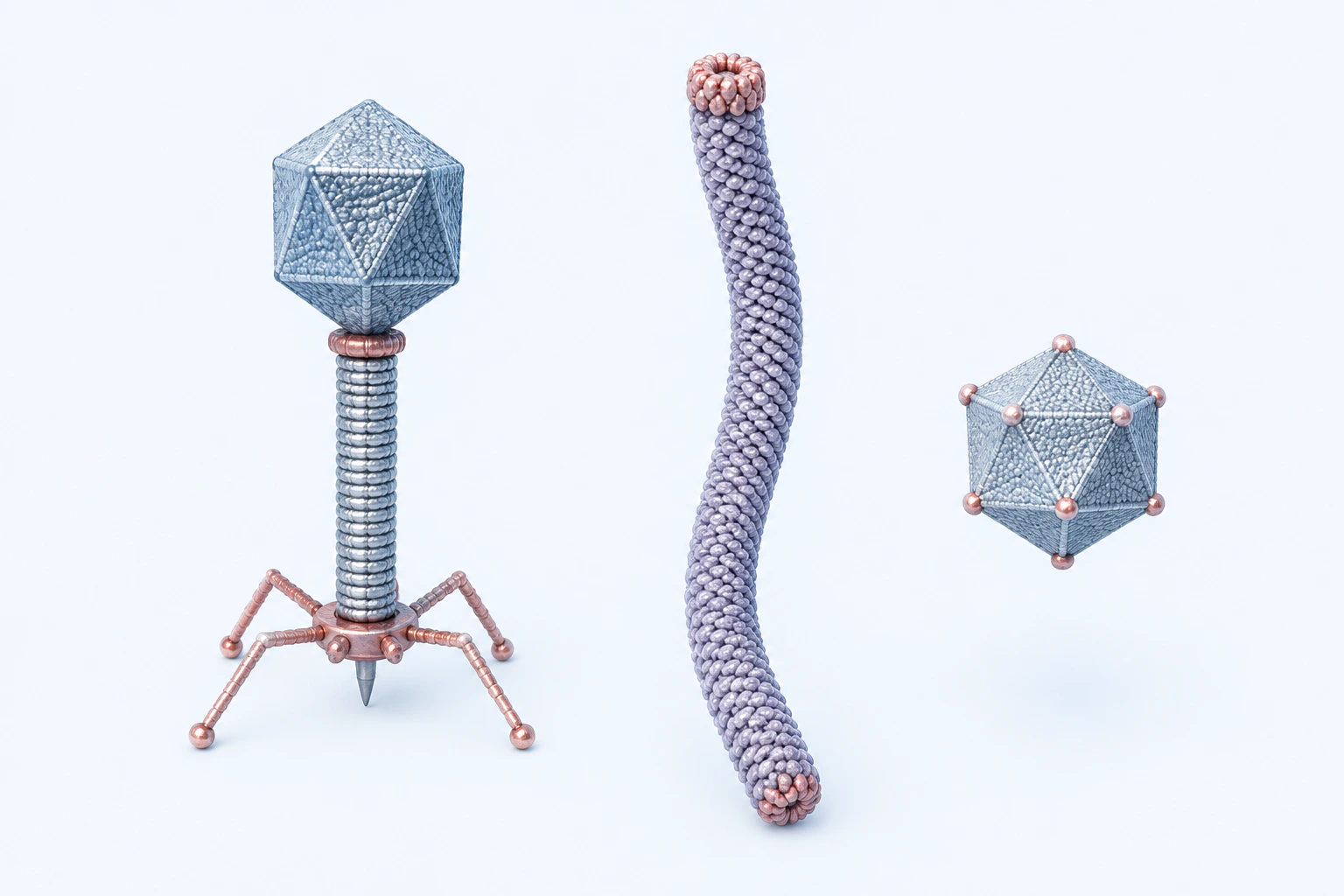
Viruses that exclusively infect bacteria. Bacteriophages -- phages for short -- are the most abundant biological entities on Earth, outnumbering bacteria in most environments by ratios of 1:1 to 10:1. In the human gut, the phageome represents a powerful but underexplore…
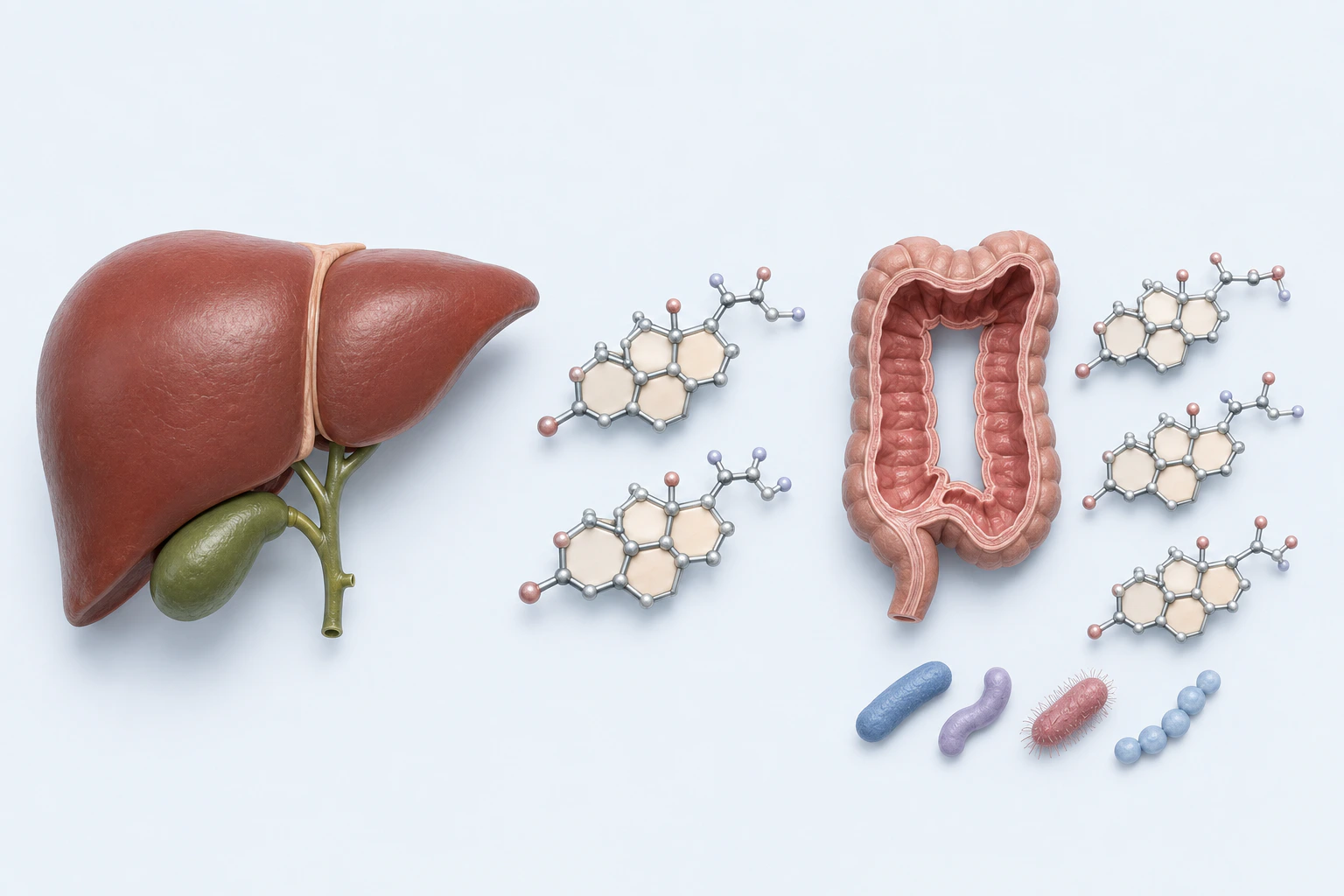
Bile acids are cholesterol-derived amphipathic molecules synthesized in the liver, secreted into the duodenum, and extensively modified by gut bacteria. The host-microbe co-metabolism of bile acids creates a signaling network with profound effects on lipid metabolism, g…
The major copper-carrying protein in human blood, binding approximately 95% of circulating copper. Ceruloplasmin is far more than a passive transport vehicle -- it is a multicopper oxidase with ferroxidase activity, an acute-phase reactant that rises with inflammation, …
Perhaps the most pervasive metallomic finding across human disease: copper is elevated in nearly every pathological condition examined in this wiki -- cancer (pan-cancer), PCOS, cardiovascular disease, depression, schizophrenia, IBD, and rheumatoid arthritis. Simultaneo…
This knowledge-base record is being expanded from WikiBiome’s evidence graph.
A distinct form of regulated cell death caused by excess intracellular copper binding to lipoylated proteins in the TCA cycle, first characterized by Tsvetkov et al. in Science (2022). Unlike ferroptosis (iron-dependent lipid peroxidation) or apoptosis (caspase-dependen…
Direct DNA damage is the primary carcinogenic mechanism for chromium but is notably absent or minor for nickel and arsenic. This distinction is fundamental to understanding why these three metals cause cancer through such different pathways.
This knowledge-base record is being expanded from WikiBiome’s evidence graph.
Epigenetics is the study of heritable changes in gene expression that occur without alterations to the DNA sequence itself. These changes -- primarily DNA methylation, histone modifications, and non-coding RNA regulation -- represent a molecular memory system that can b…
This knowledge-base record is being expanded from WikiBiome’s evidence graph.
[NiFe] hydrogenases are the second major nickel-dependent virulence factor class in human pathogens. Less widespread than urease but critical for energy metabolism in gastric, enteric, and intracellular pathogens. The discovery that H. pylori hydrogenase powers CagA tra…
This knowledge-base record is being expanded from WikiBiome’s evidence graph.
The ability of certain metals to cause cancer has been known since the 19th century. The three metals covered in this wiki — nickel, arsenic, and chromium — represent distinct mechanistic paradigms that collectively illustrate the diversity of metal-induced carcinogenes…
A metal ion that activates estrogen receptors and mimics the biological effects of estradiol. Metalloestrogens represent a distinct class of endocrine-disrupting compounds where the active agent is an inorganic metal rather than an organic xenoestrogen like BPA or phtha…
This knowledge-base record is being expanded from WikiBiome’s evidence graph.
A family of small (6-7 kDa), cysteine-rich proteins that bind heavy metals with extraordinary affinity. Metallothioneins (MTs) are the cell's primary chemical defense against metal toxicity -- they sequester cadmium, mercury, lead, and other toxic metals, preventing the…
The fungal component of the human microbiome, comprising ~0.1-1% of the total gut microbial community by abundance but disproportionately active in immune signaling and cross-kingdom interactions. While bacterial communities dominate microbiome research, emerging eviden…
Nuclear factor kappa-light-chain-enhancer of activated B cells (NF-kB) is a family of transcription factors that regulate inflammation, immune responses, cell survival, and proliferation. NF-kB is a convergence point where metal toxicity, pathogen signaling, and chronic…
Polyamines -- putrescine, spermidine, spermine, and cadaverine -- are small polycationic molecules produced by both the host and the gut microbiome. They regulate cell growth, differentiation, apoptosis, and immune function. In the gut ecosystem, polyamines are metaboli…
This knowledge-base record is being expanded from WikiBiome’s evidence graph.