WikiBiomeThe human microbiome encyclopedia
WikiBiome/Search: “endometriosis”
Encyclopedia search

Search: “endometriosis”

Ranked matches across titles, topics, categories, and article introductions, filtered to microbe.

34 records in this view
A
B
C
D
E
F
G
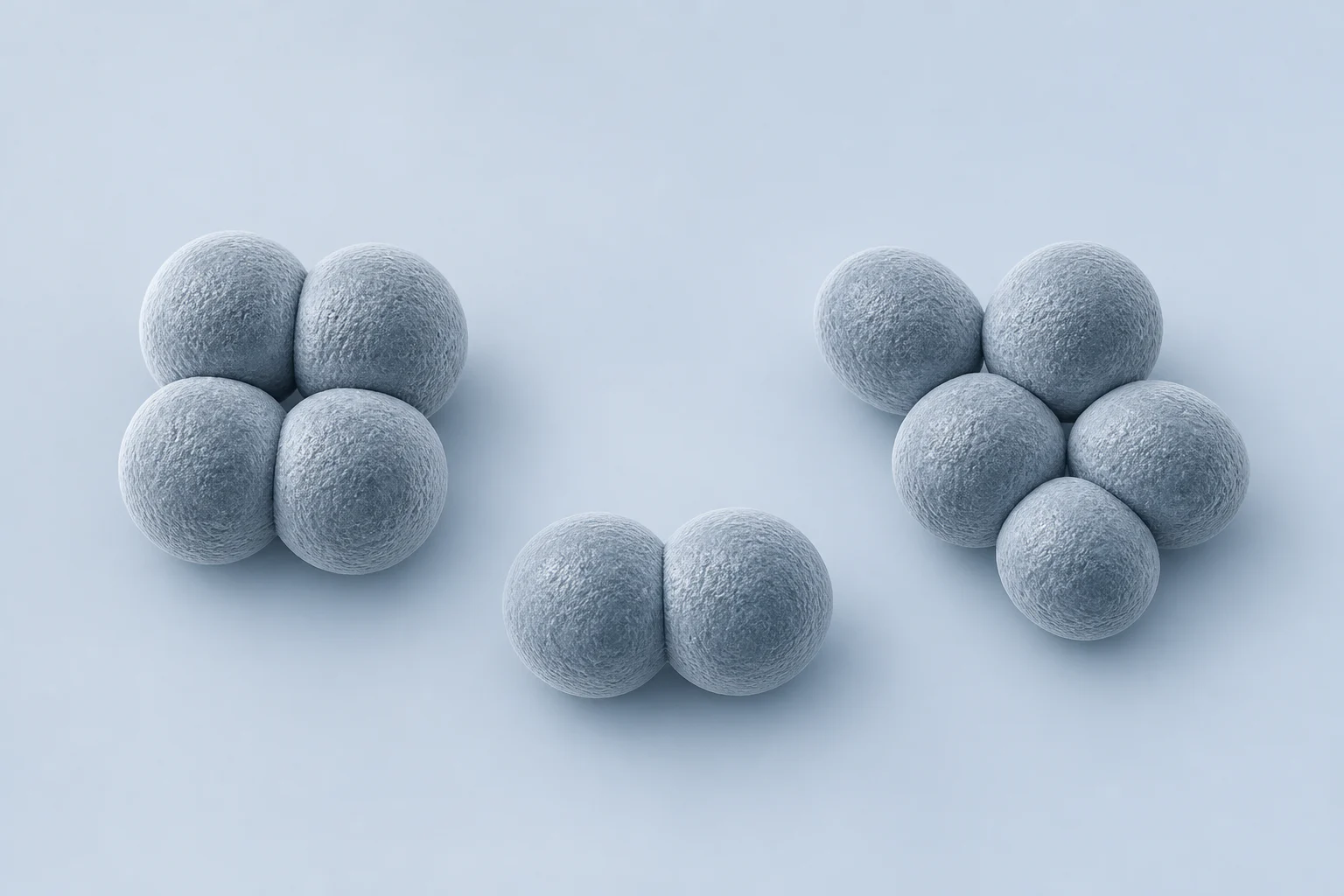
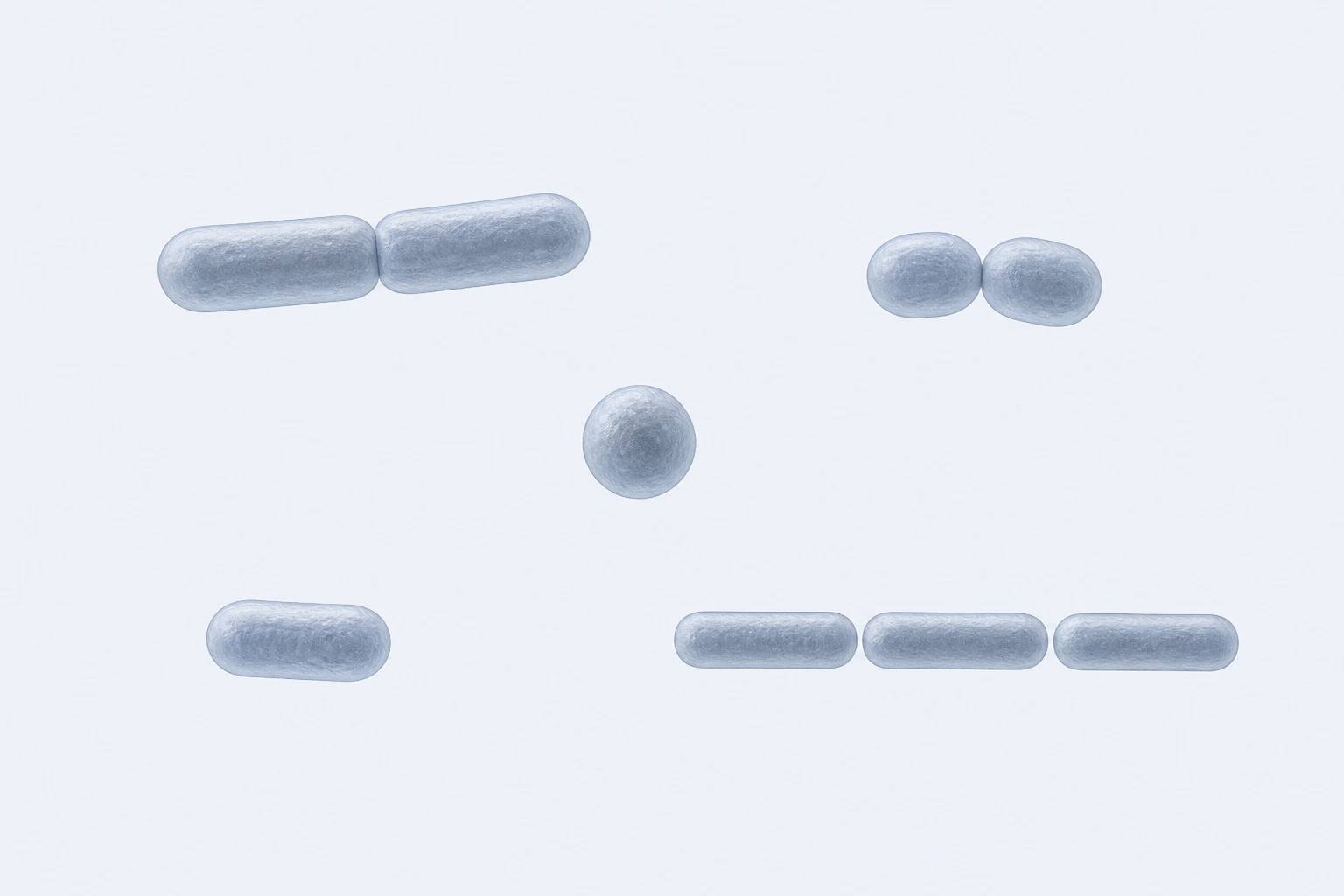
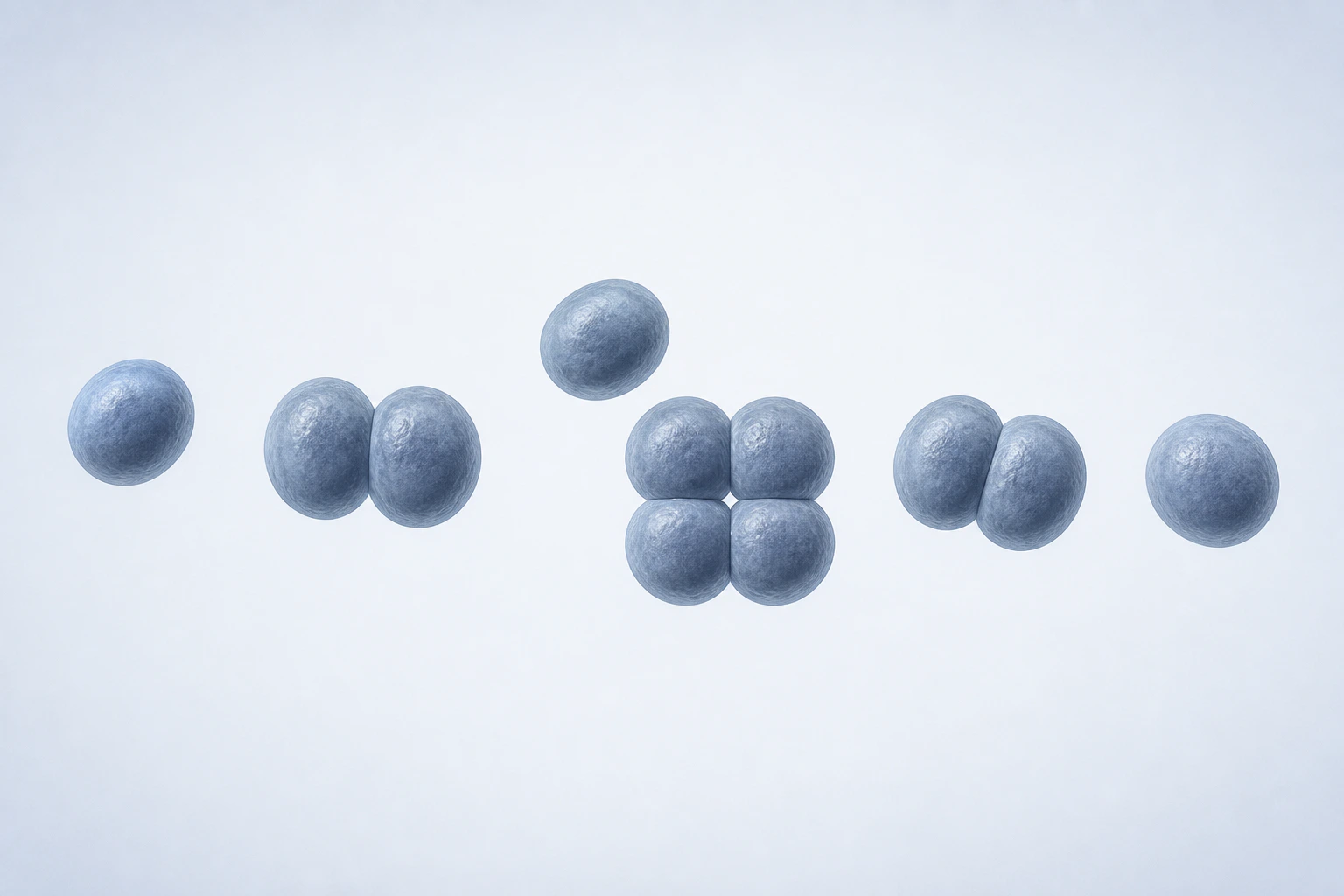
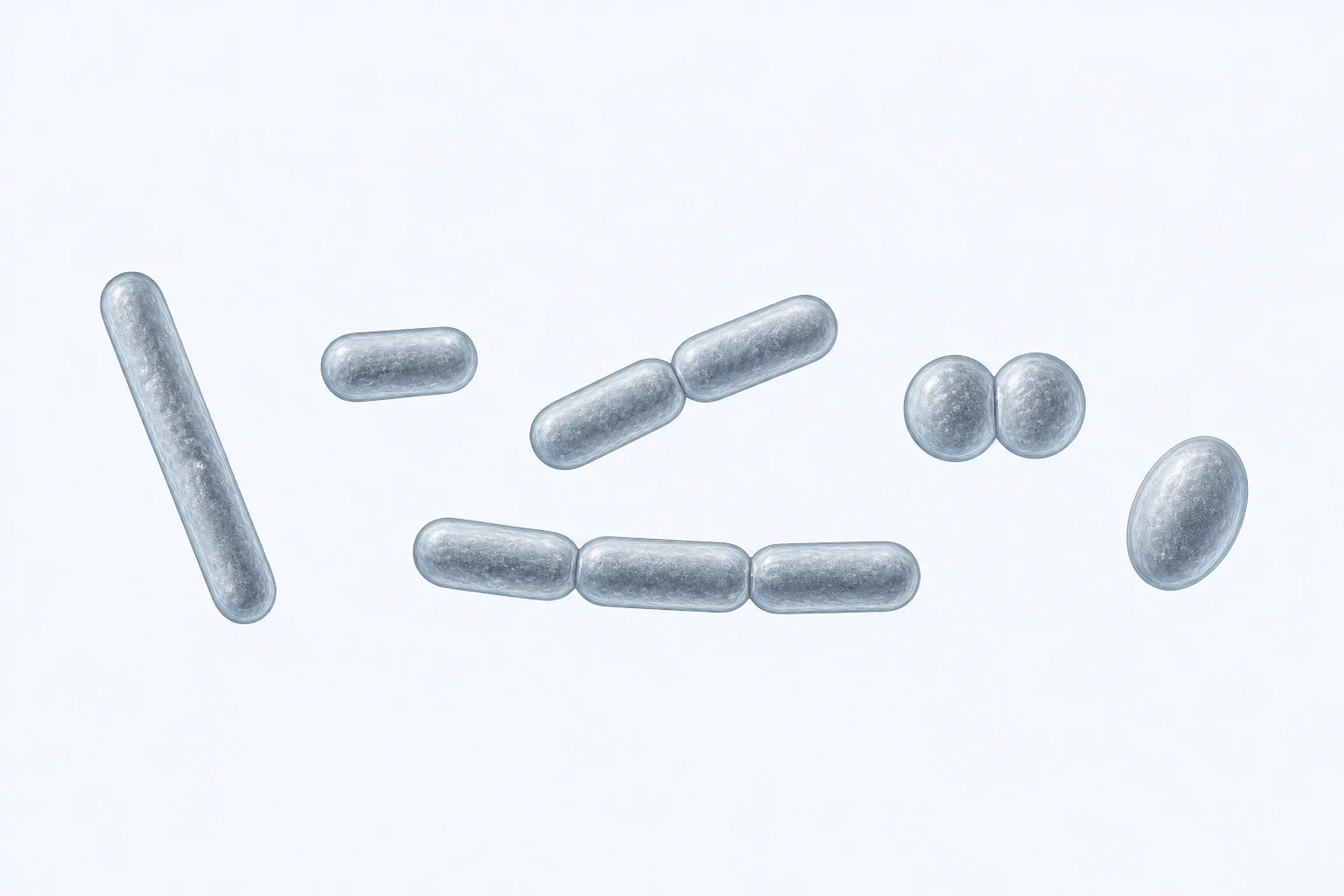
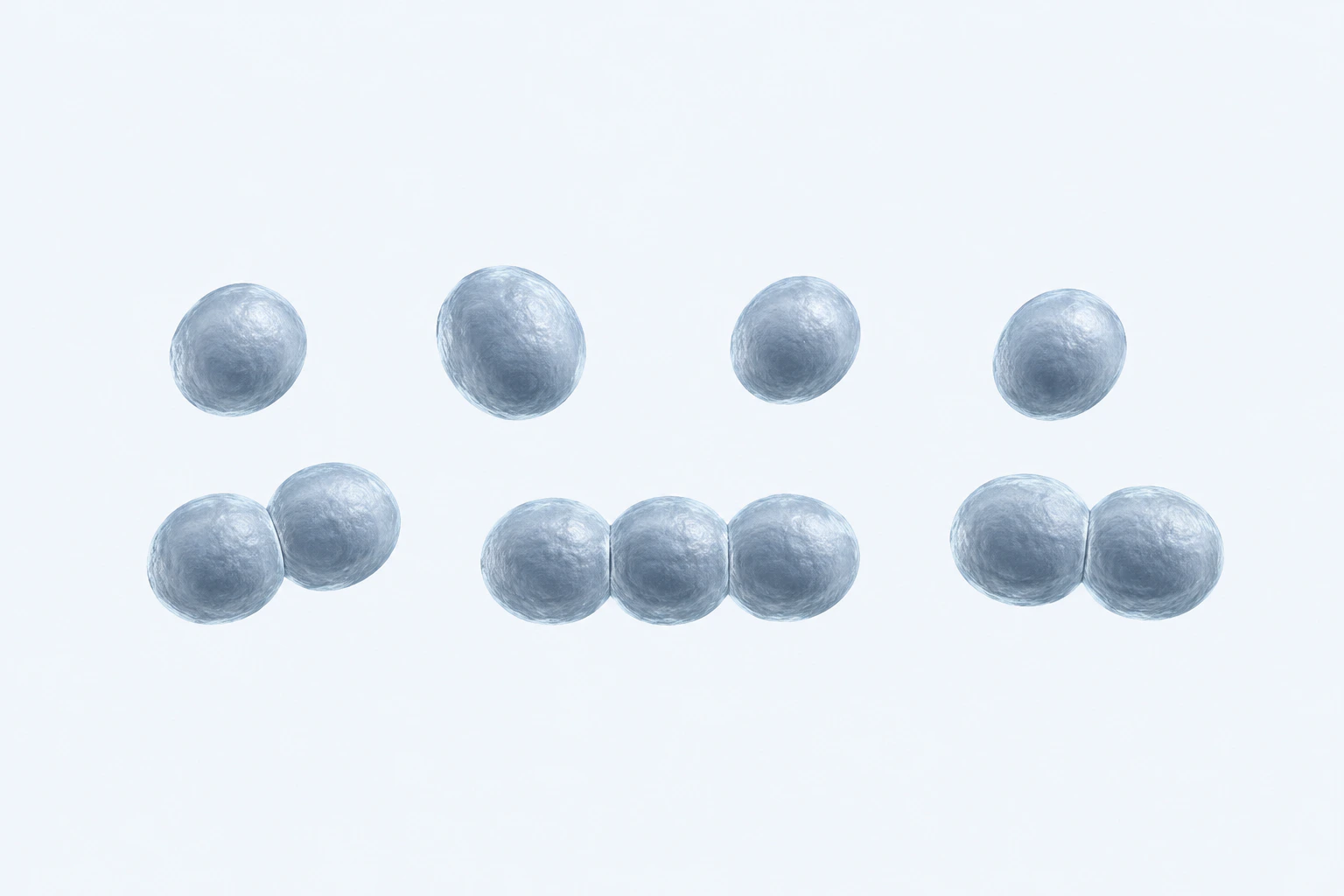
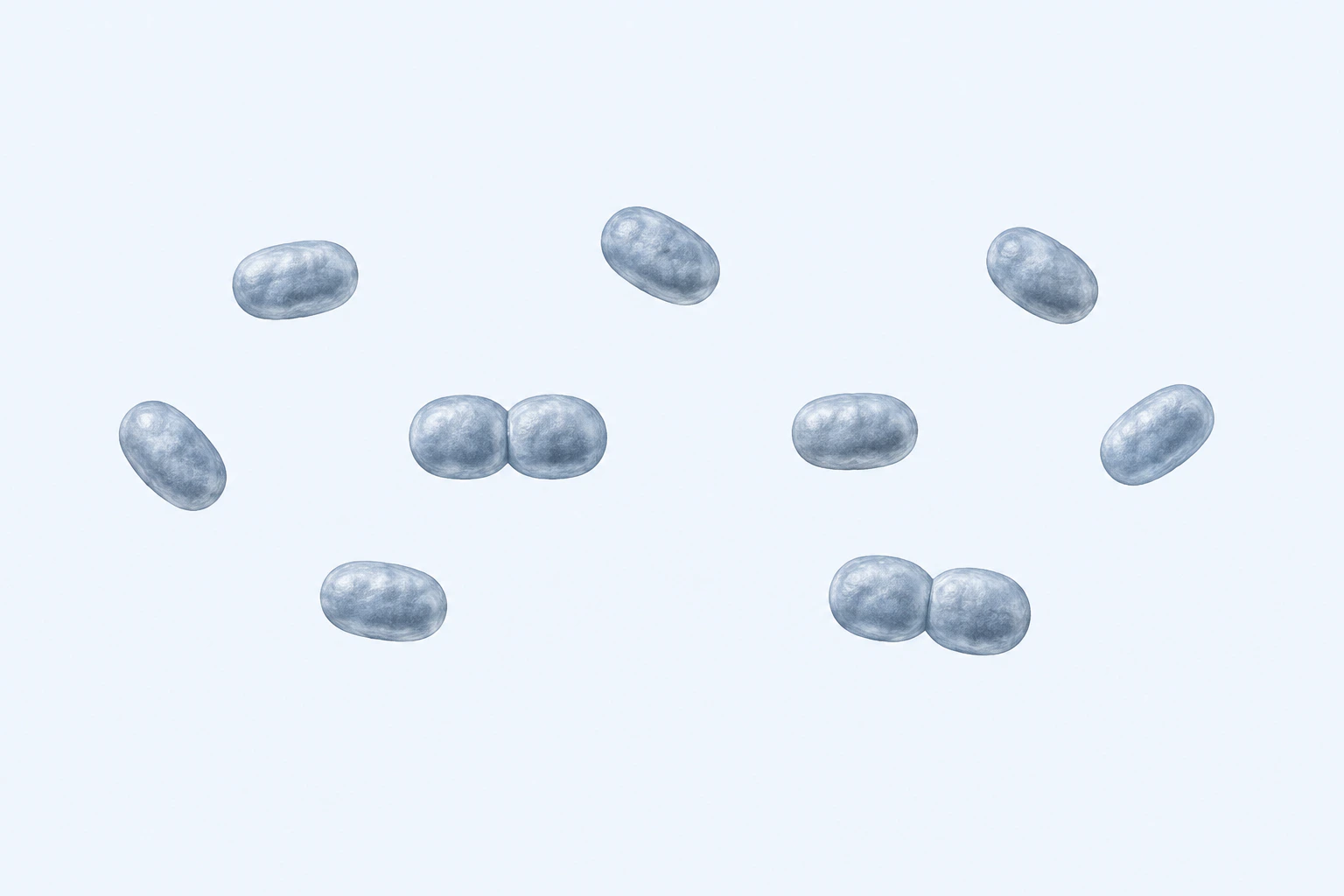
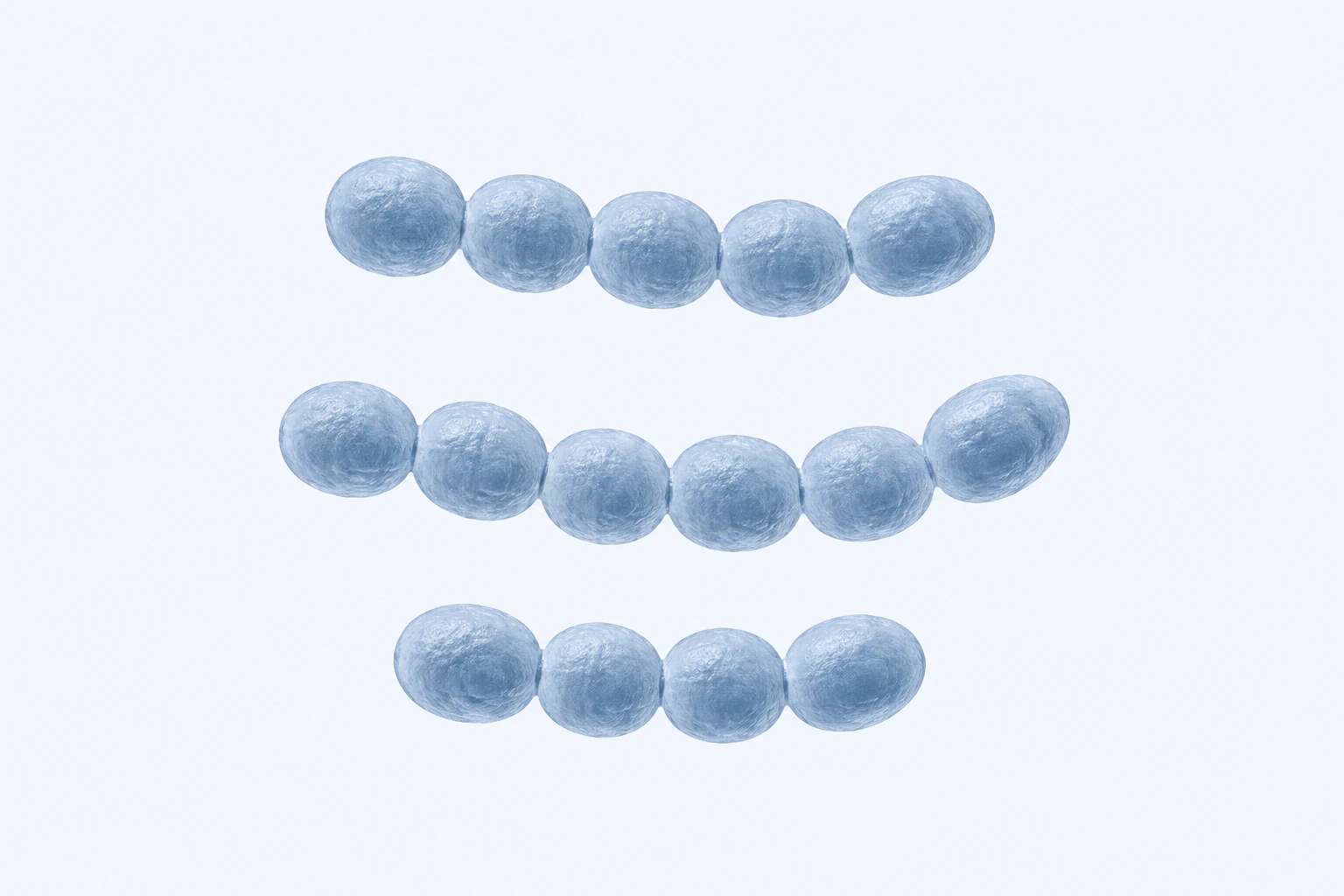
Eleven selected Gemella coccoid bodies appear in six groupings: three singles, two touching pairs, and one compact tetrad.
Microorganisms7 sources

Gemella

Gemella is a genus of Gram-positive, facultatively anaerobic cocci that are normal commensals of the oral cavity. Species include G. morbillorum, G. haemolysans, and G. sanguinis. In the WikiBiome context, Gemella is notable for its oral-gut translocation pattern — an o…

L
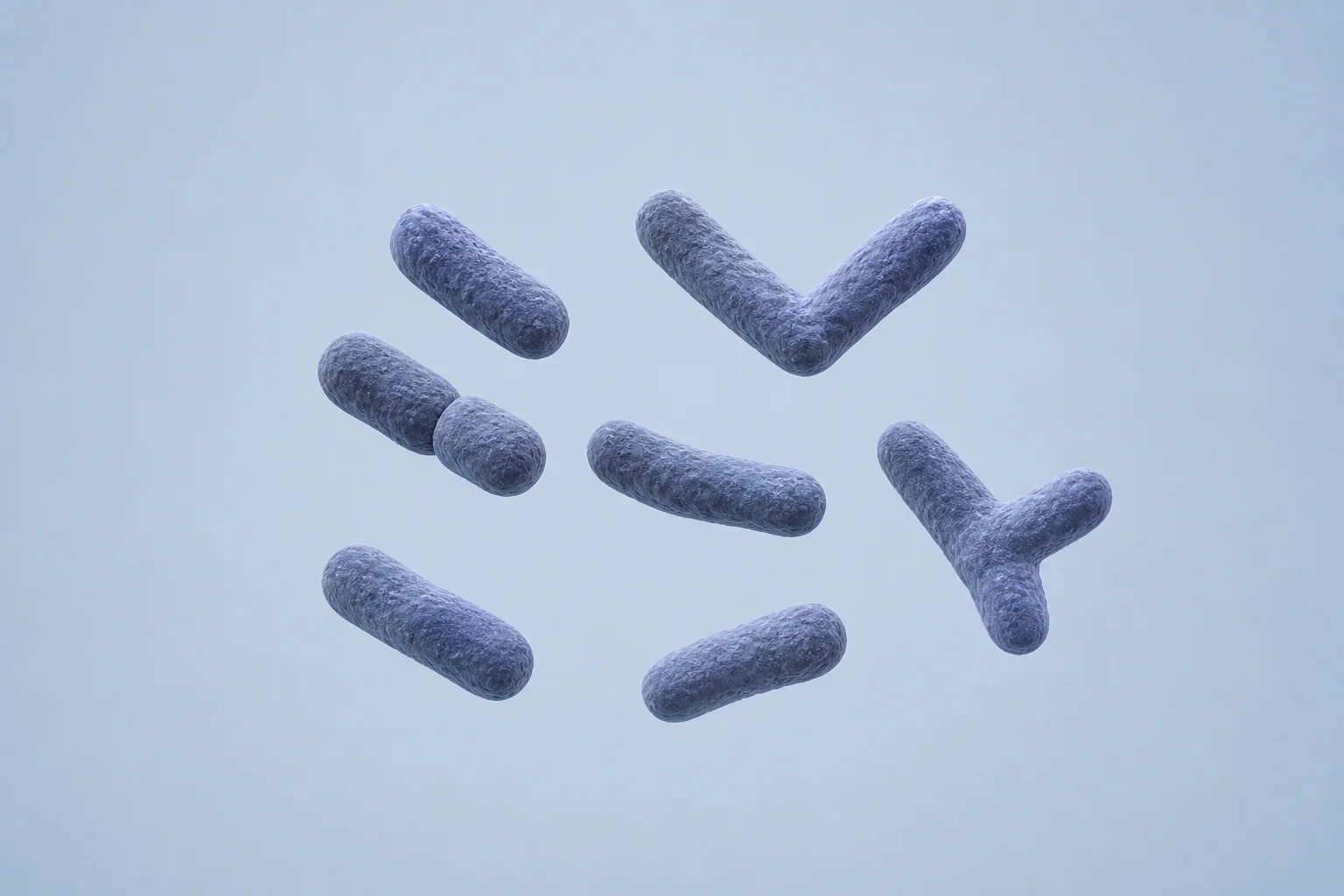
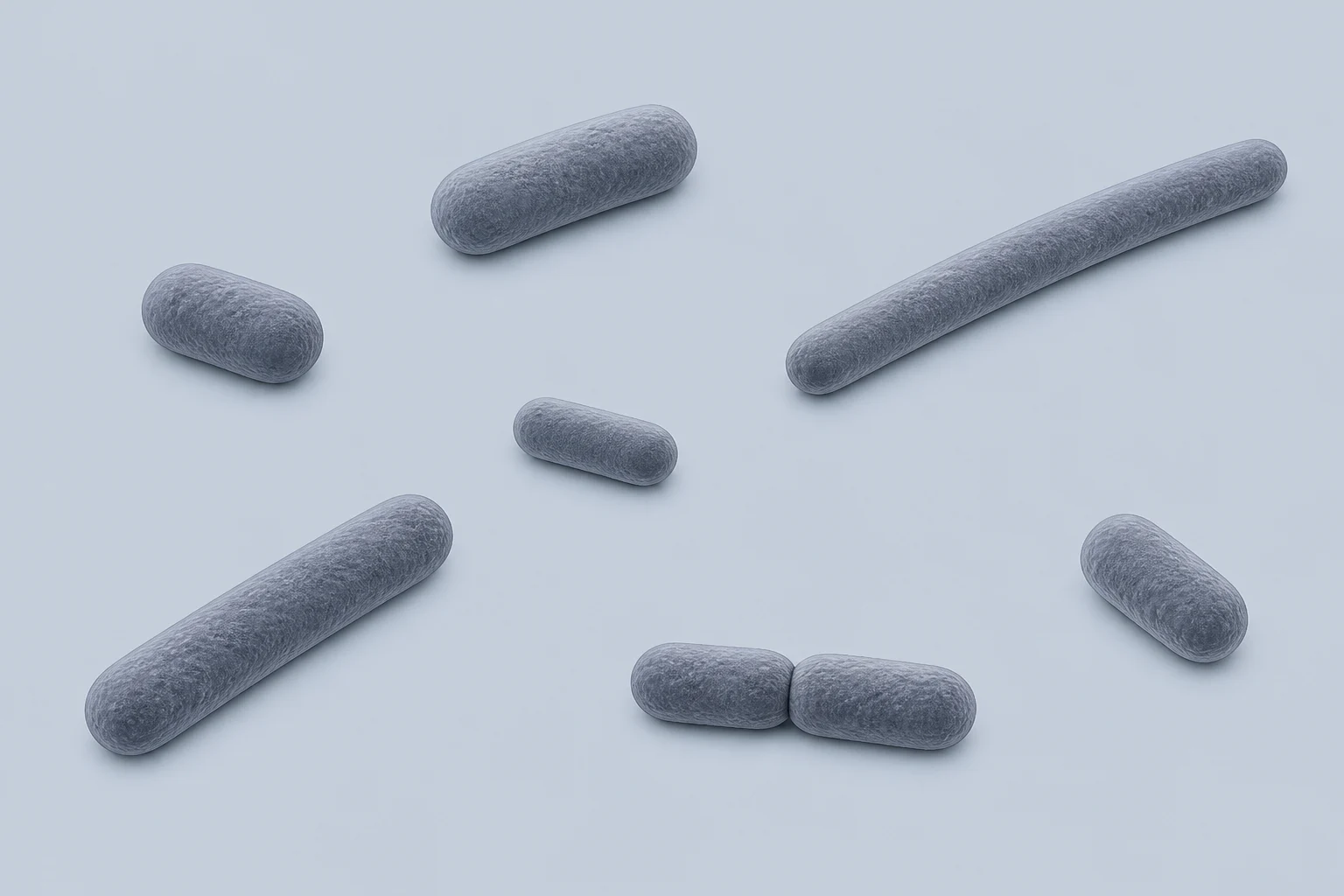
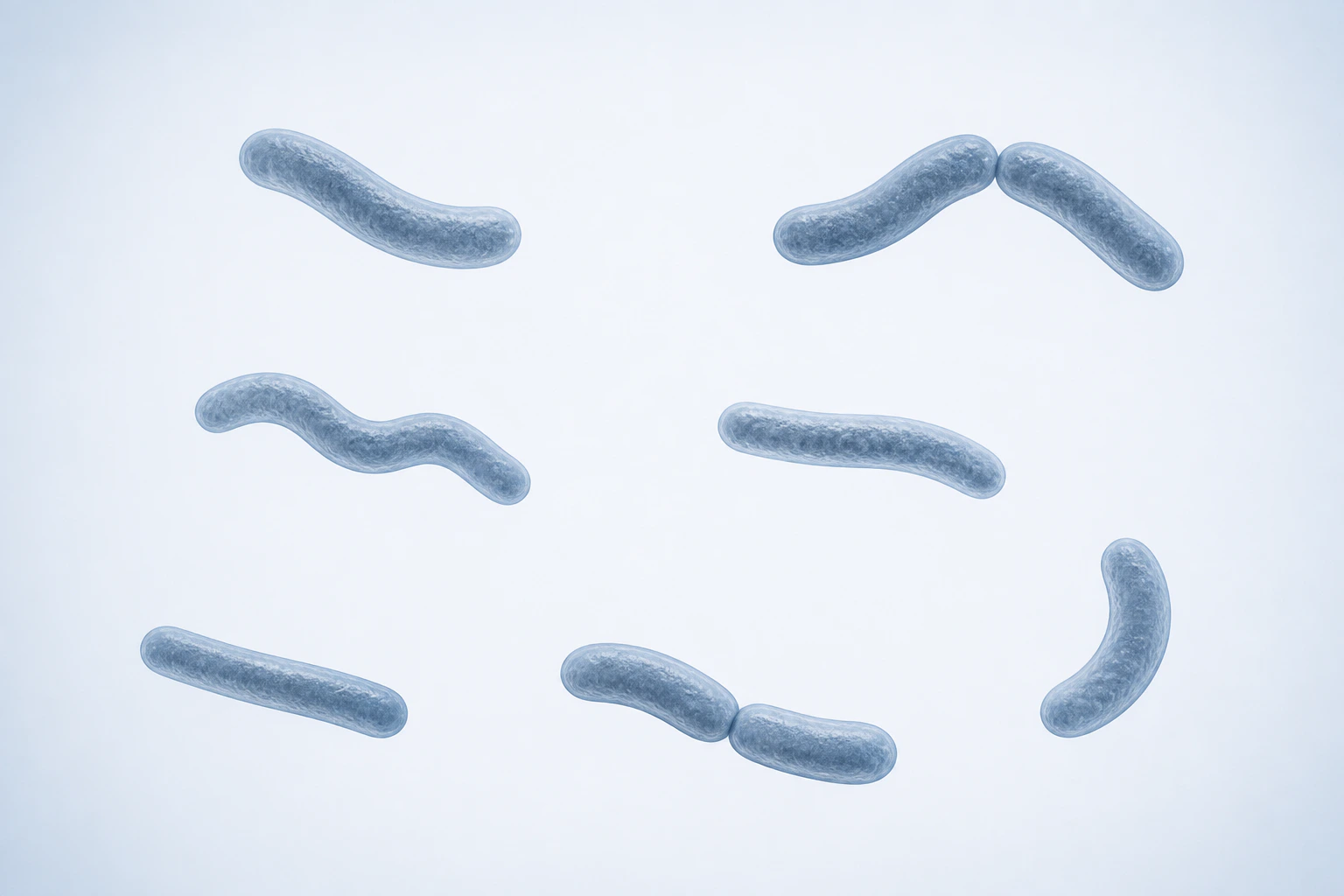
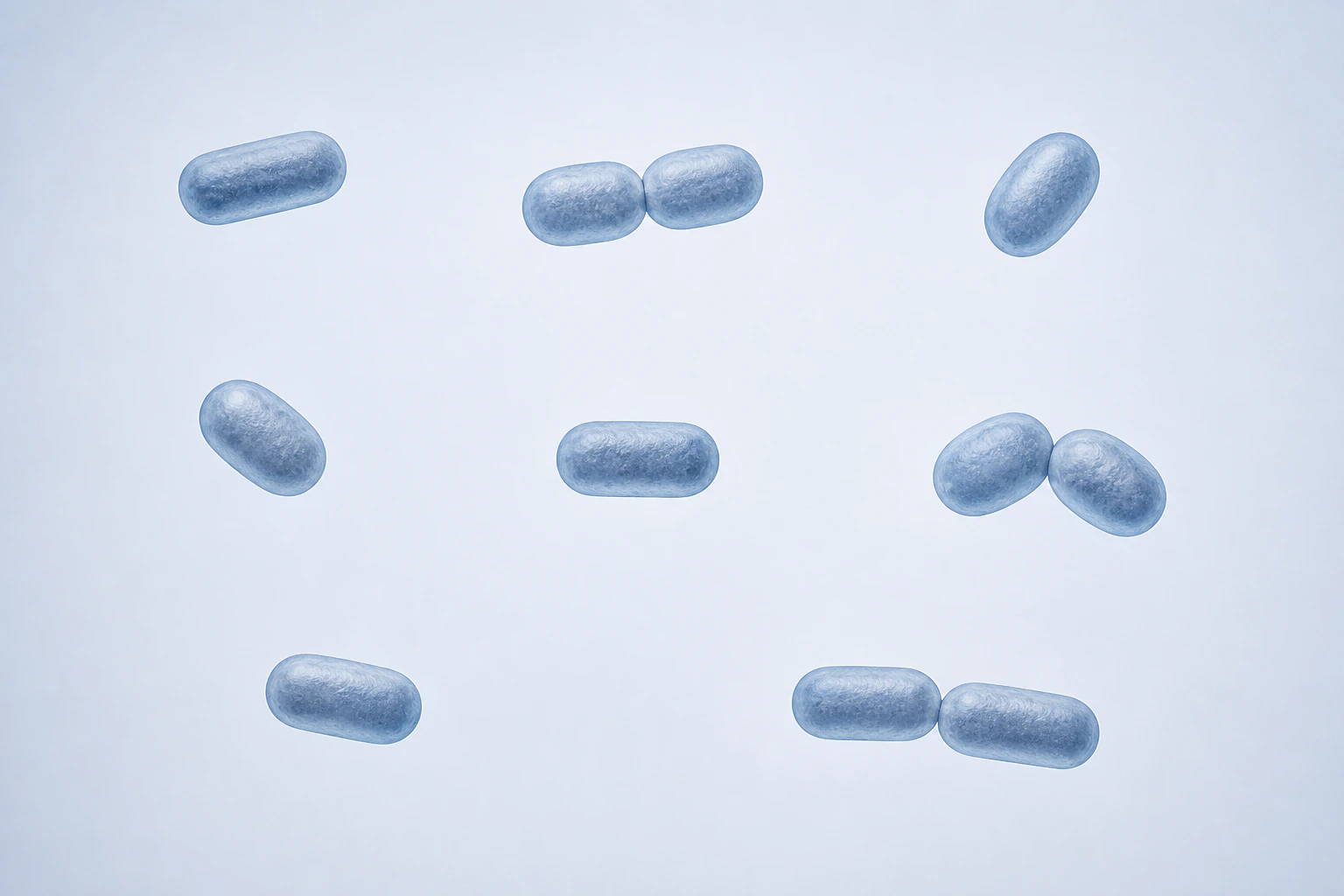
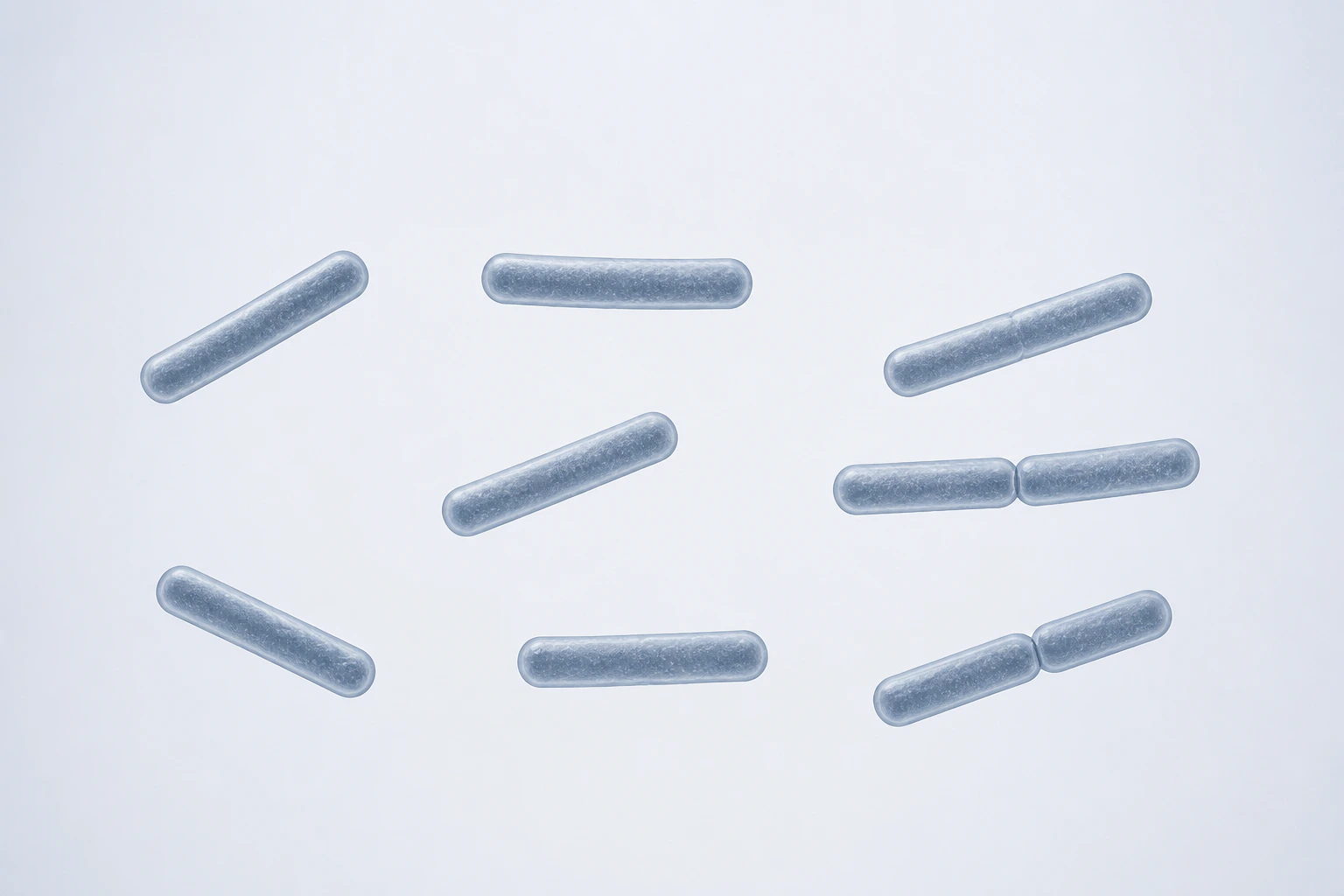
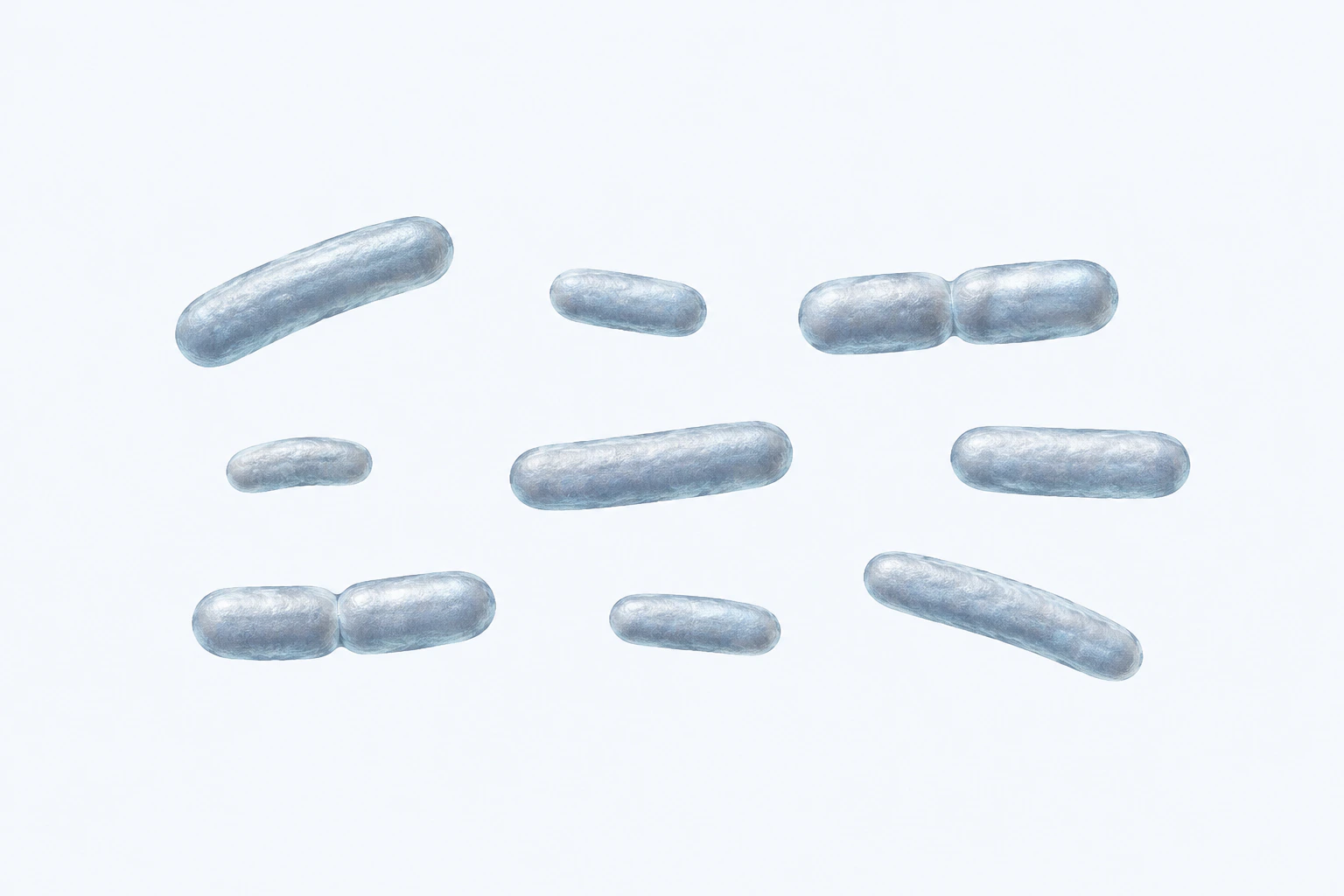
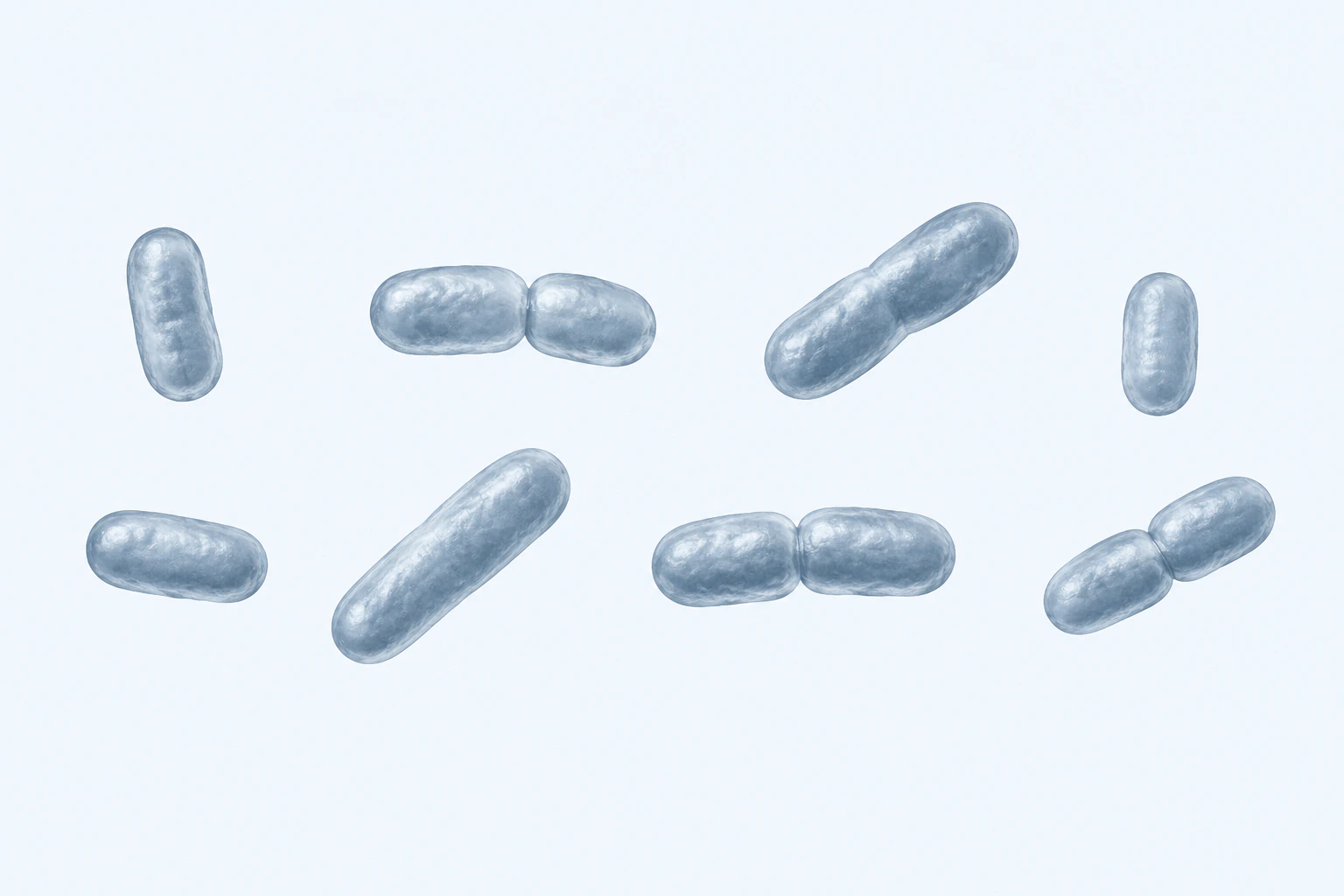
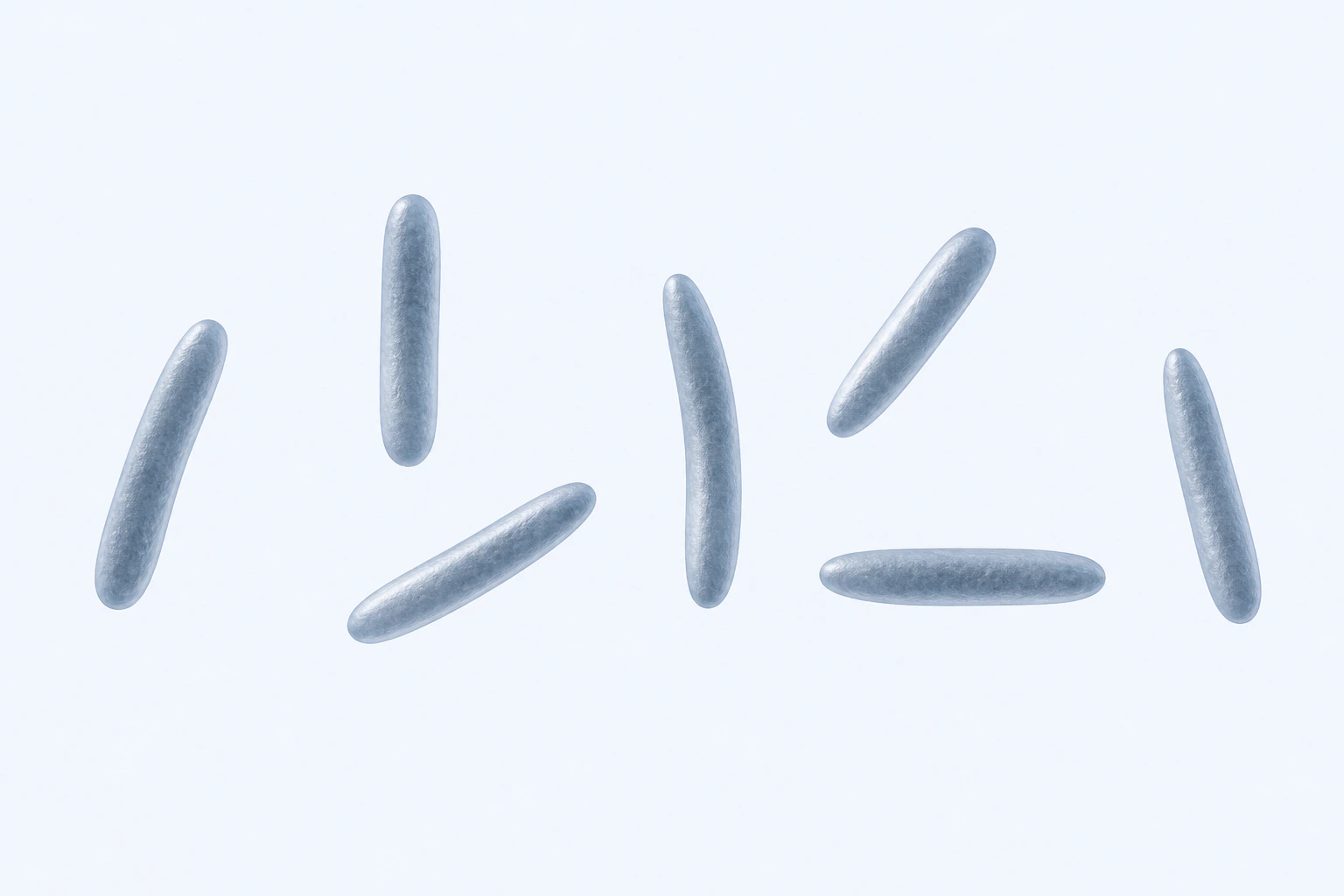
Eleven selected Lachnobacterium slender rods appear in eight groupings: five singles and three touching end-to-end pairs.
Microorganisms8 sources

Lachnobacterium

Lachnobacterium is a genus of Gram-positive, obligate anaerobic bacteria within the family Lachnospiraceae (phylum Firmicutes). It is a commensal member of the healthy human gut microbiota, though relatively understudied compared to other Lachnospiraceae genera. Lachnob…

M
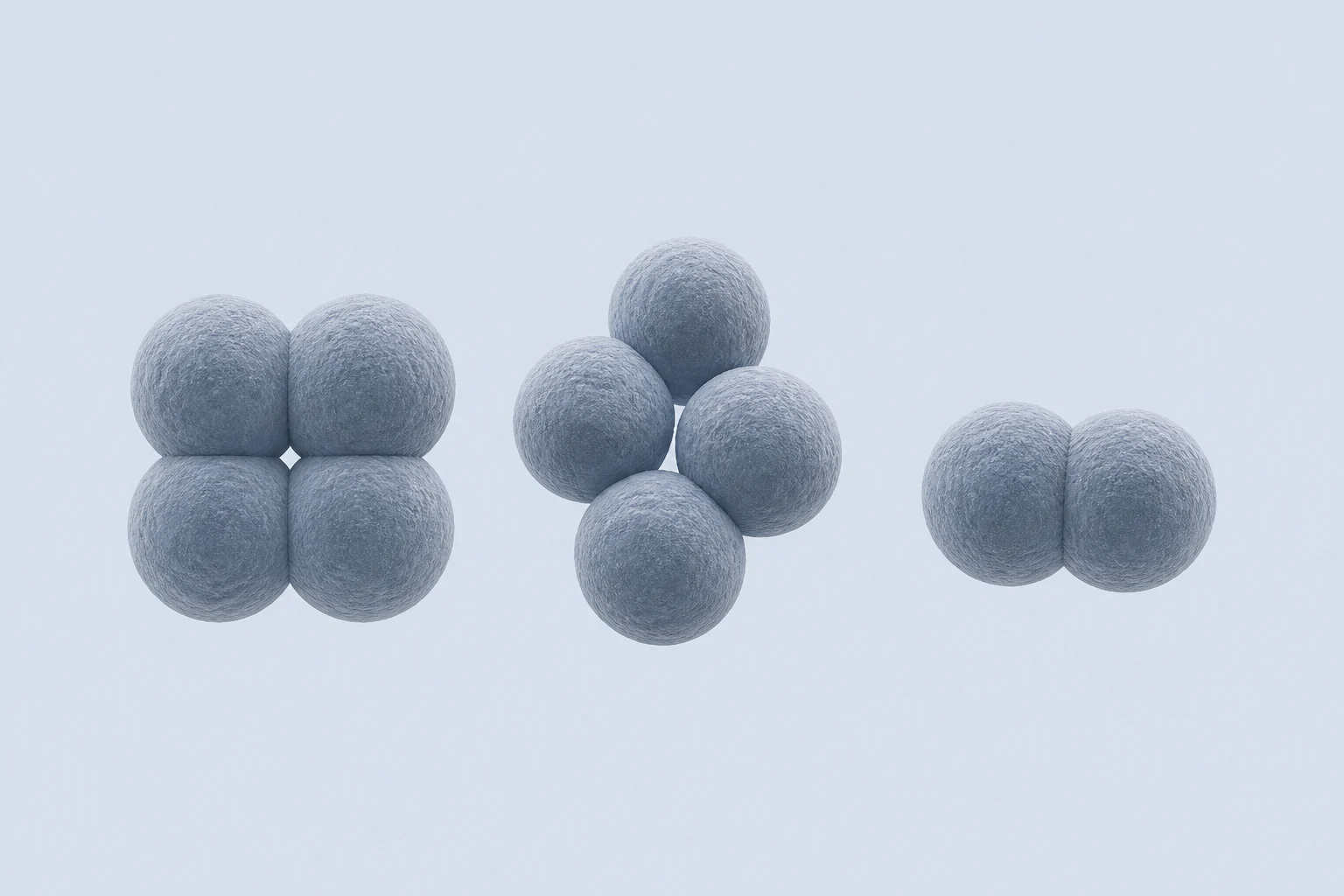
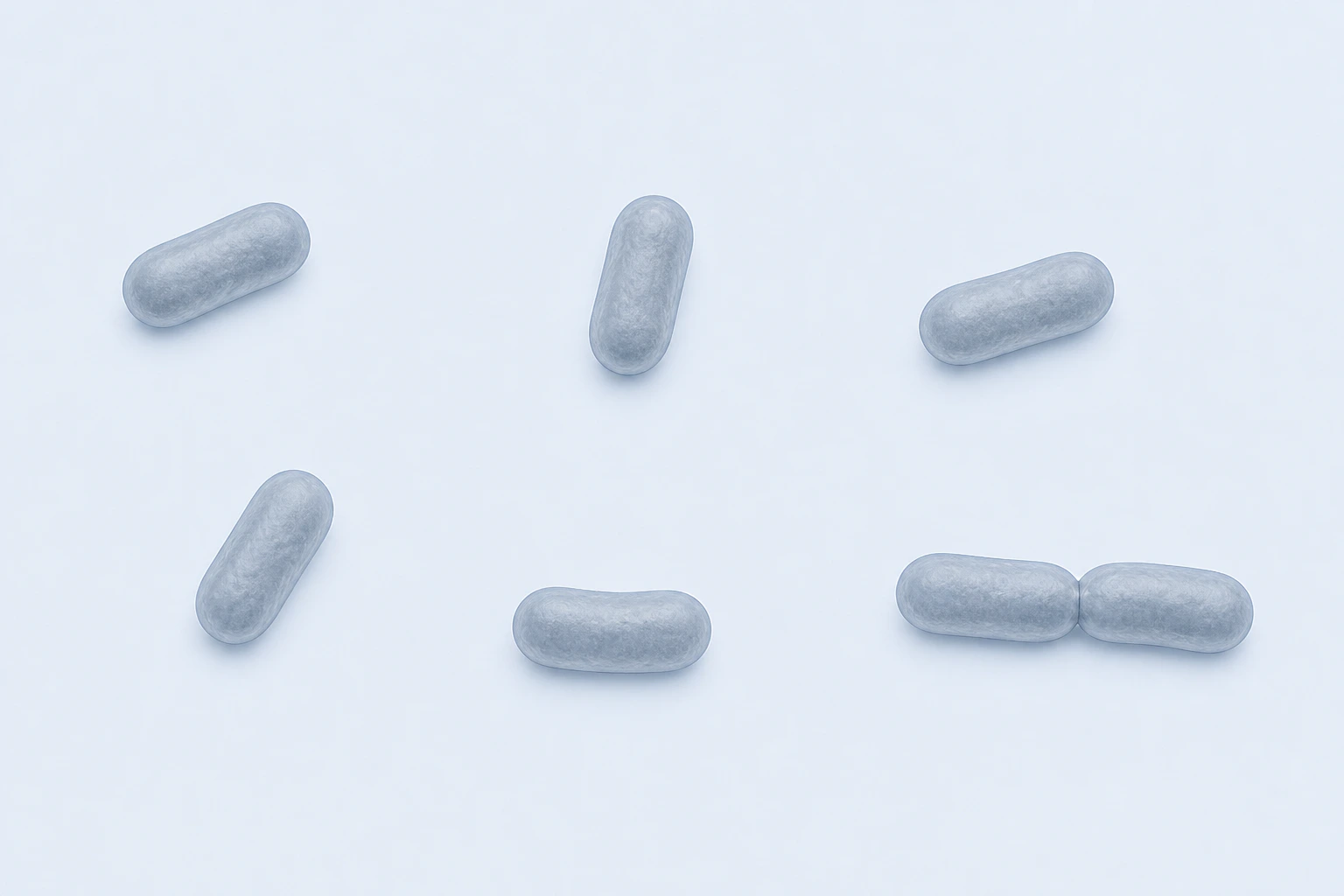
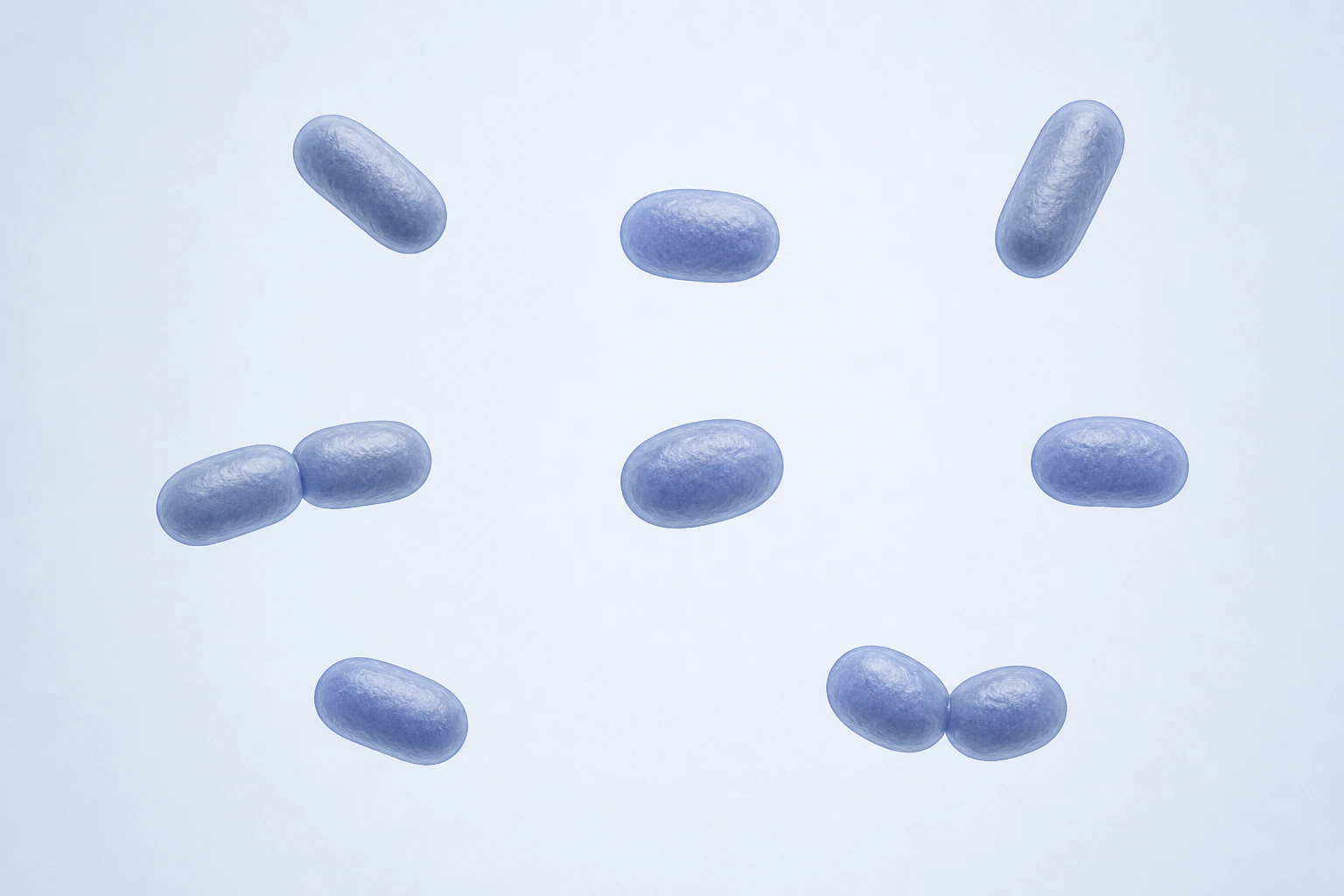
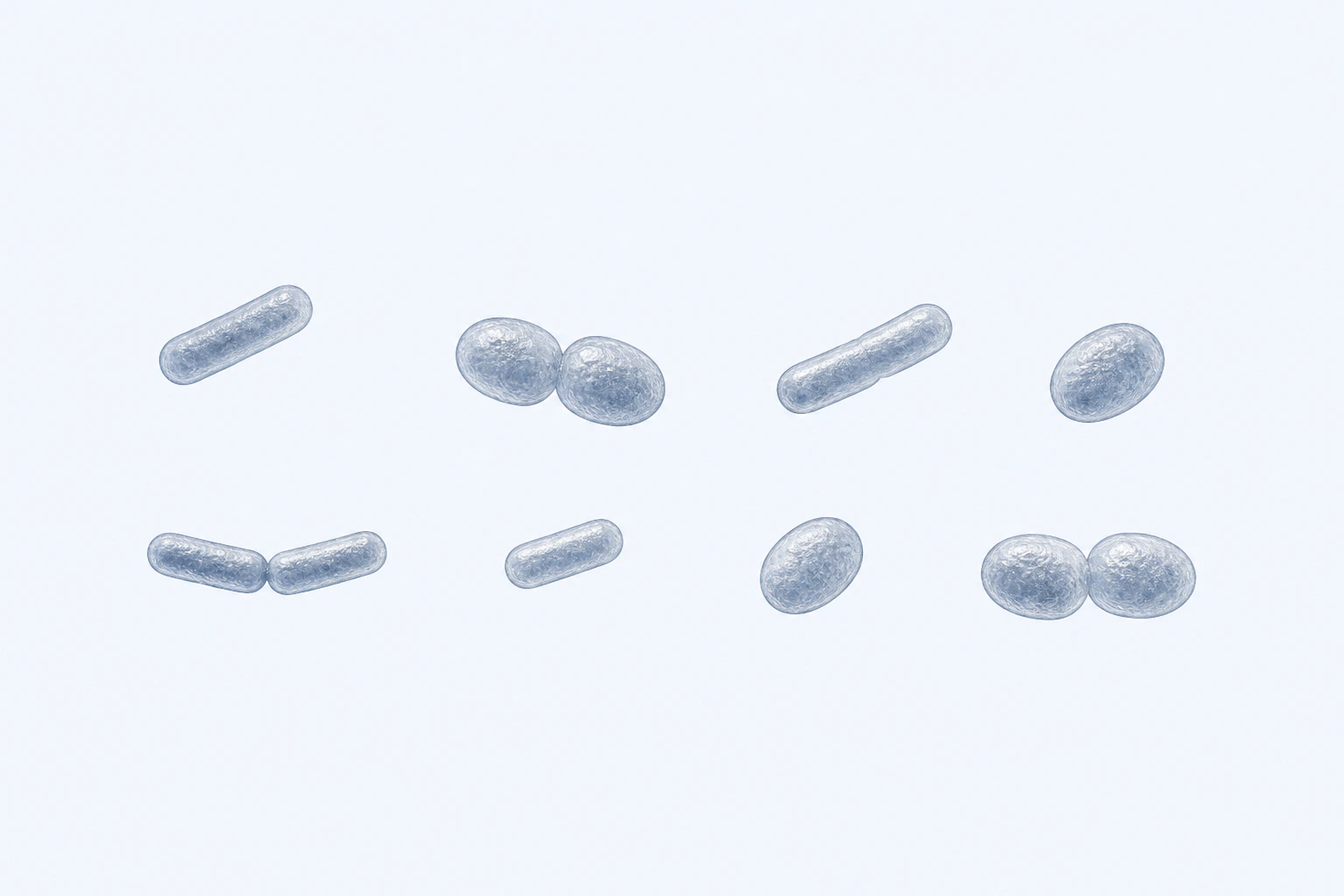
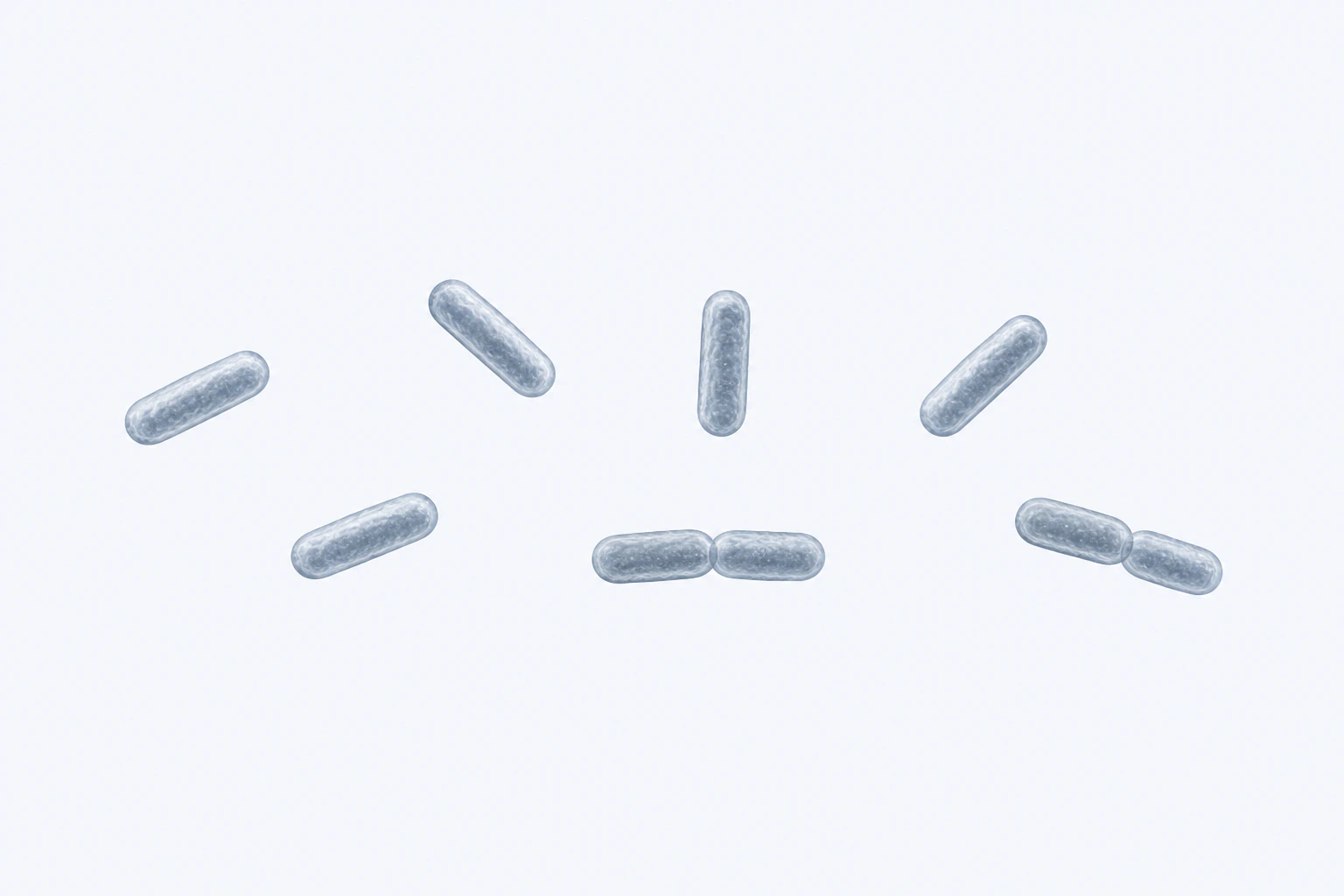
Eleven selected Mycoplasma rounded-to-ovoid bodies appear in eight groupings: five singles and three touching pairs.
Microorganisms6 sources

Mycoplasma

Mycoplasma is a genus of wall-less bacteria in the class Mollicutes, characterized by the smallest genomes of any self-replicating organisms (~580–1,350 kb). The lack of a cell wall makes them intrinsically resistant to beta-lactam antibiotics and undetectable by Gram s…

P
R
S
U
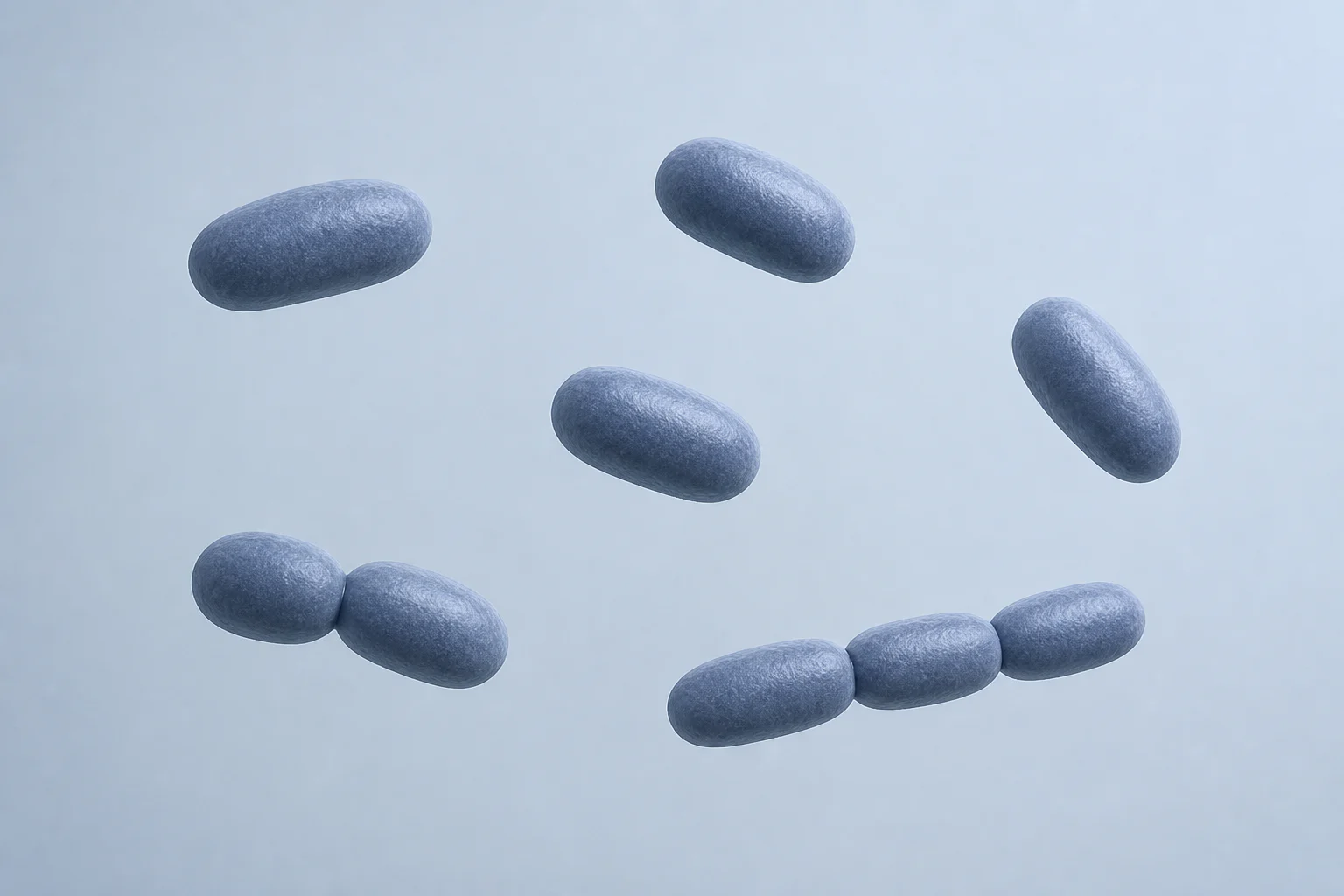
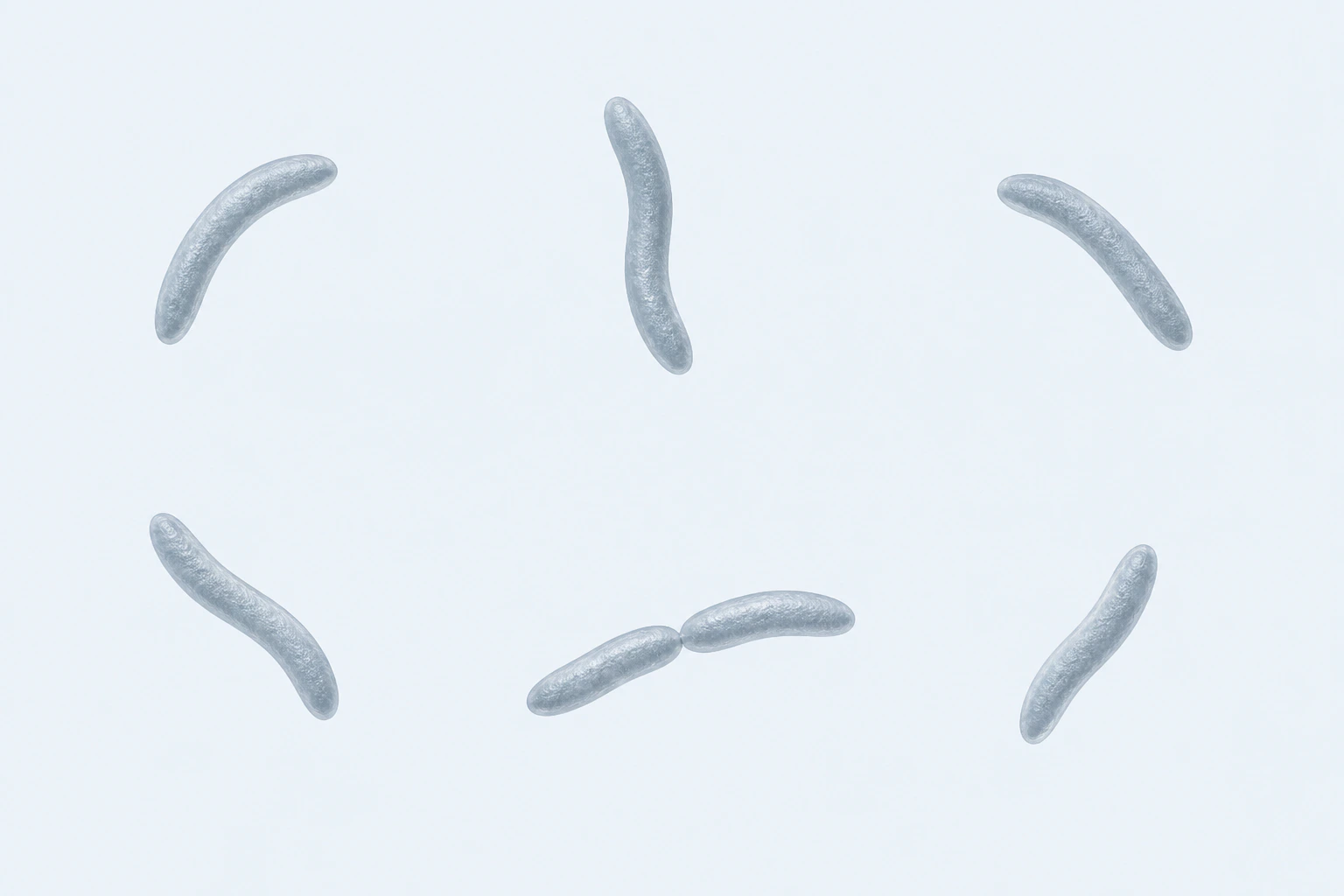
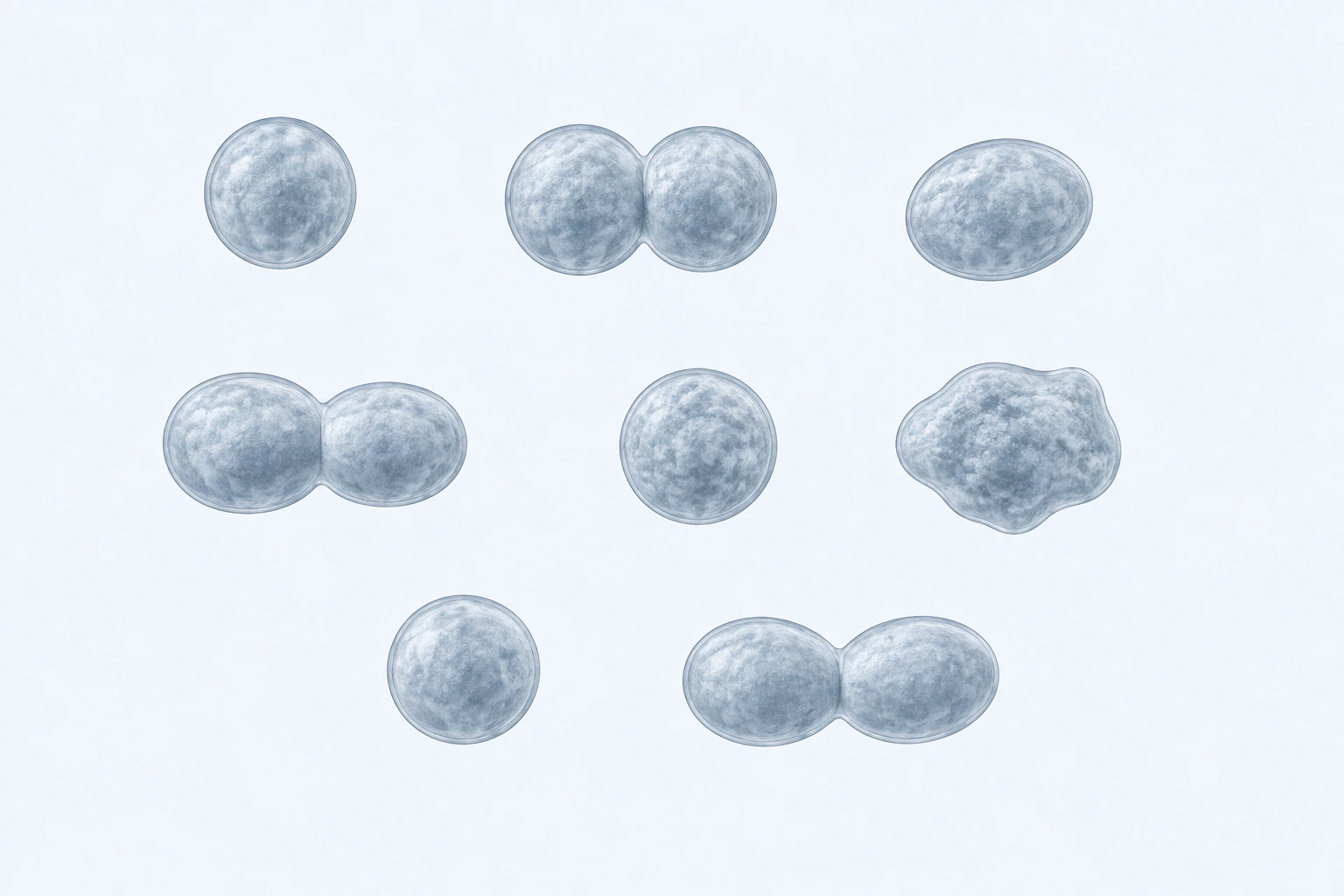
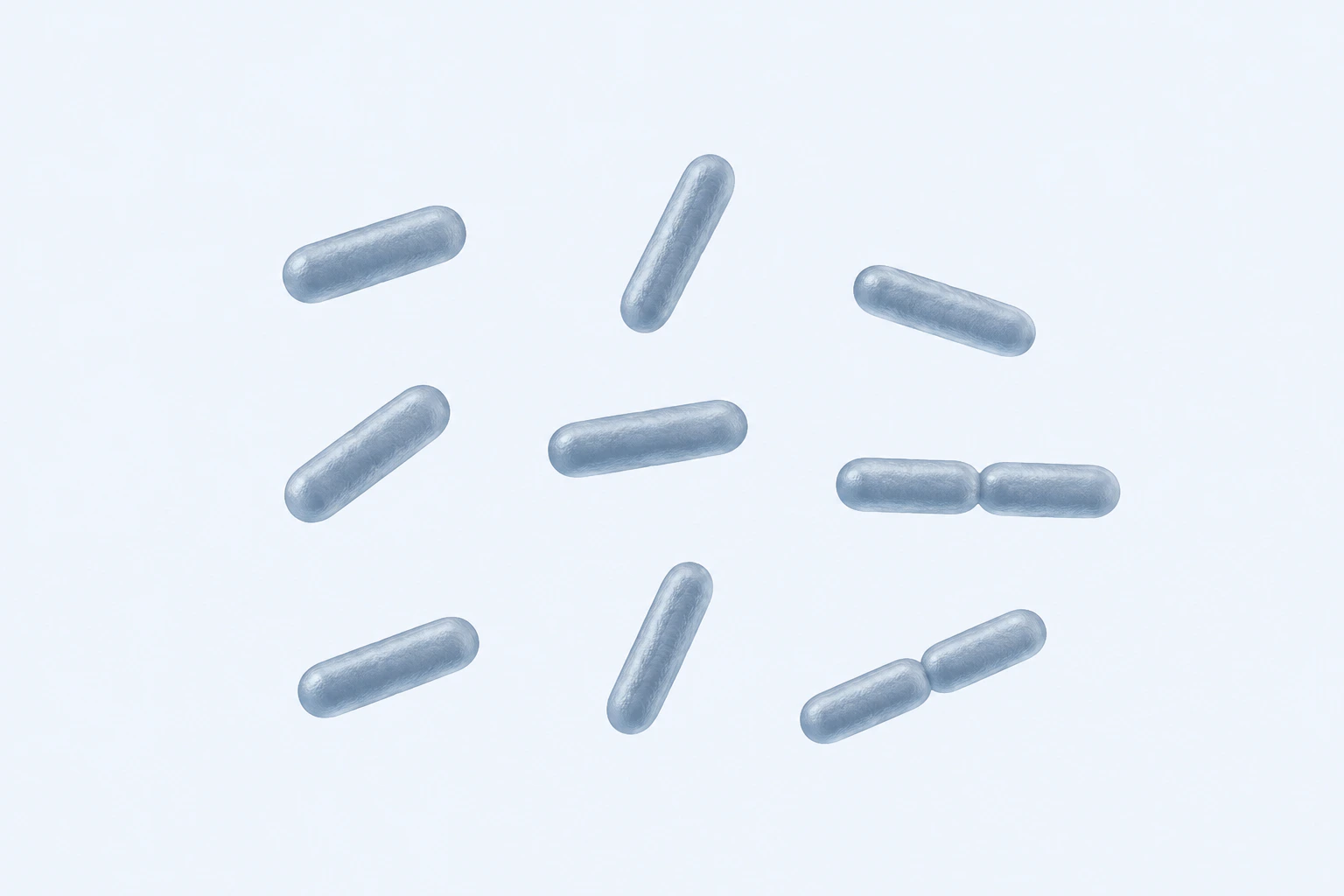
Twelve selected Ureaplasma cells show separated rounded-to-ovoid pleomorphic forms.
Microorganisms11 sources

Ureaplasma

Ureaplasma is a genus of wall-less bacteria in the class Mollicutes, comprising two species pathogenic to humans: U. urealyticum and U. parvum. The genus is named for its defining characteristic — obligate urease activity — which hydrolyzes urea to ammonia and CO2, prov…