Mechanisms8 sources
Hypoxic Signaling (HIF-1α Pathway)
Activation of the hypoxia-inducible factor pathway under normoxic conditions is a hallmark mechanism of nickel carcinogenesis, distinguishing it from arsenic and chromium.
 WikiBiomeThe human microbiome encyclopedia
Ranked matches across titles, topics, categories, and article introductions, filtered to mechanism.
Activation of the hypoxia-inducible factor pathway under normoxic conditions is a hallmark mechanism of nickel carcinogenesis, distinguishing it from arsenic and chromium.
Nuclear factor kappa-light-chain-enhancer of activated B cells (NF-kB) is a family of transcription factors that regulate inflammation, immune responses, cell survival, and proliferation. NF-kB is a convergence point where metal toxicity, pathogen signaling, and chronic…
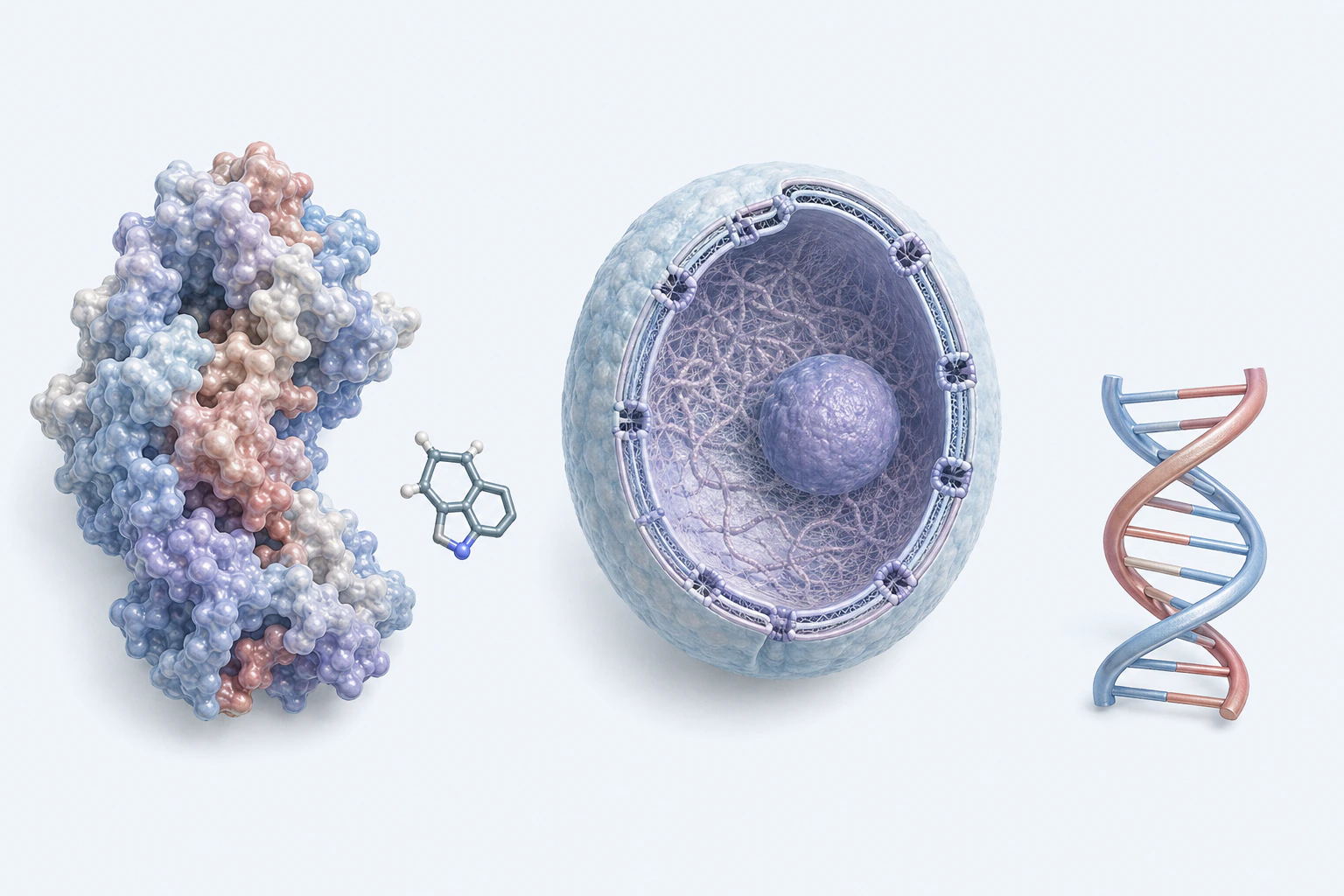
This page serves as a cross-reference point for the existing ahr concept page, which provides comprehensive coverage of AhR signaling, microbiome-derived ligands, and immune regulation. The aryl hydrocarbon receptor is a ligand-activated transcription factor that integr…
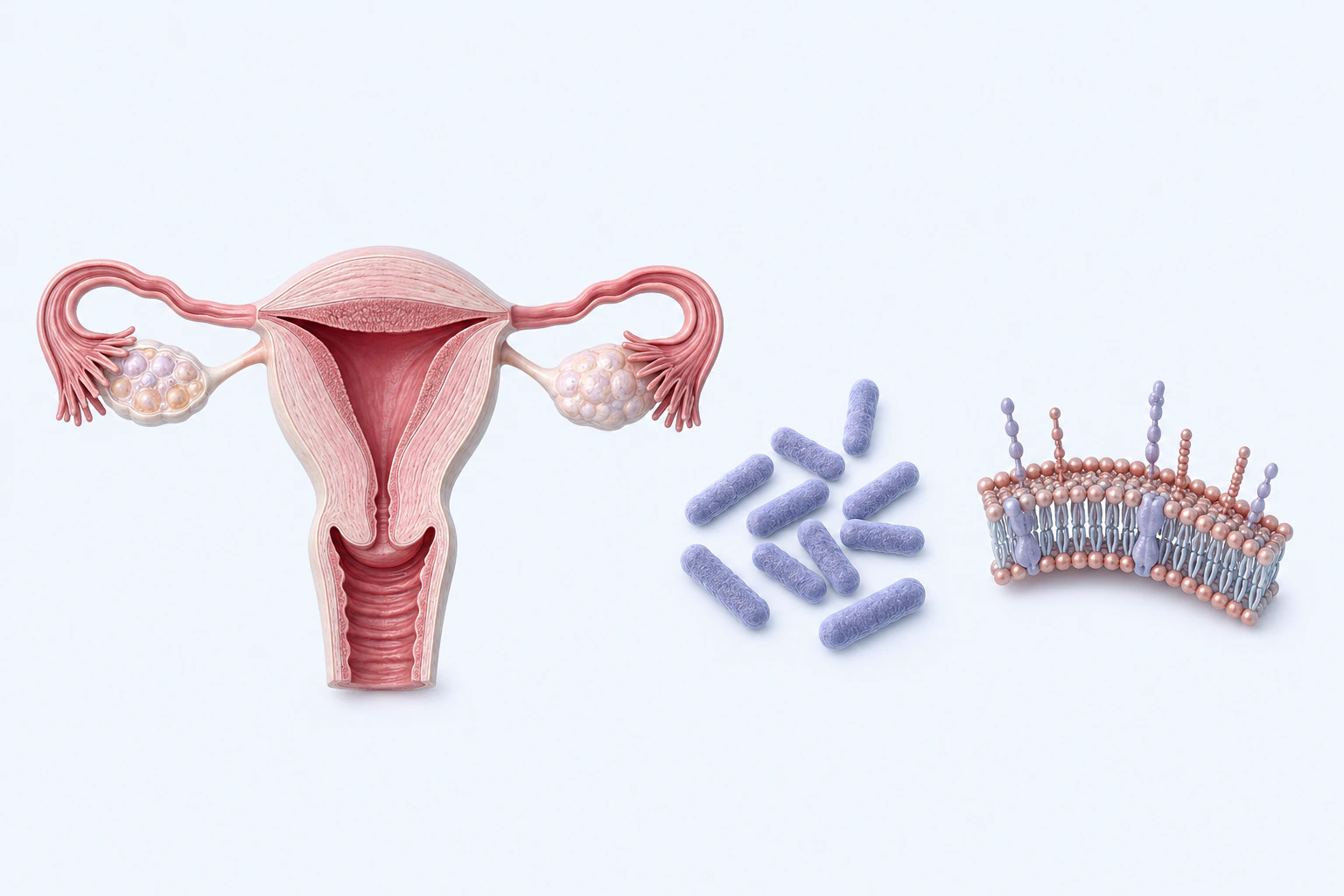
The bacterial contamination hypothesis proposes that bacterial endotoxin (LPS) contamination of menstrual blood and endometrial tissue is a key driver of endometriosis pathogenesis. First formalized by Khan et al. (2018), this hypothesis shifts endometriosis from a pure…
BDNF is the primary neurotrophin supporting neuronal survival, synaptic plasticity, and memory formation in the hippocampus and prefrontal cortex. Reduced BDNF is a consistent finding in depression, schizophrenia, and neurodegeneration. The gut microbiome modulates BDNF…
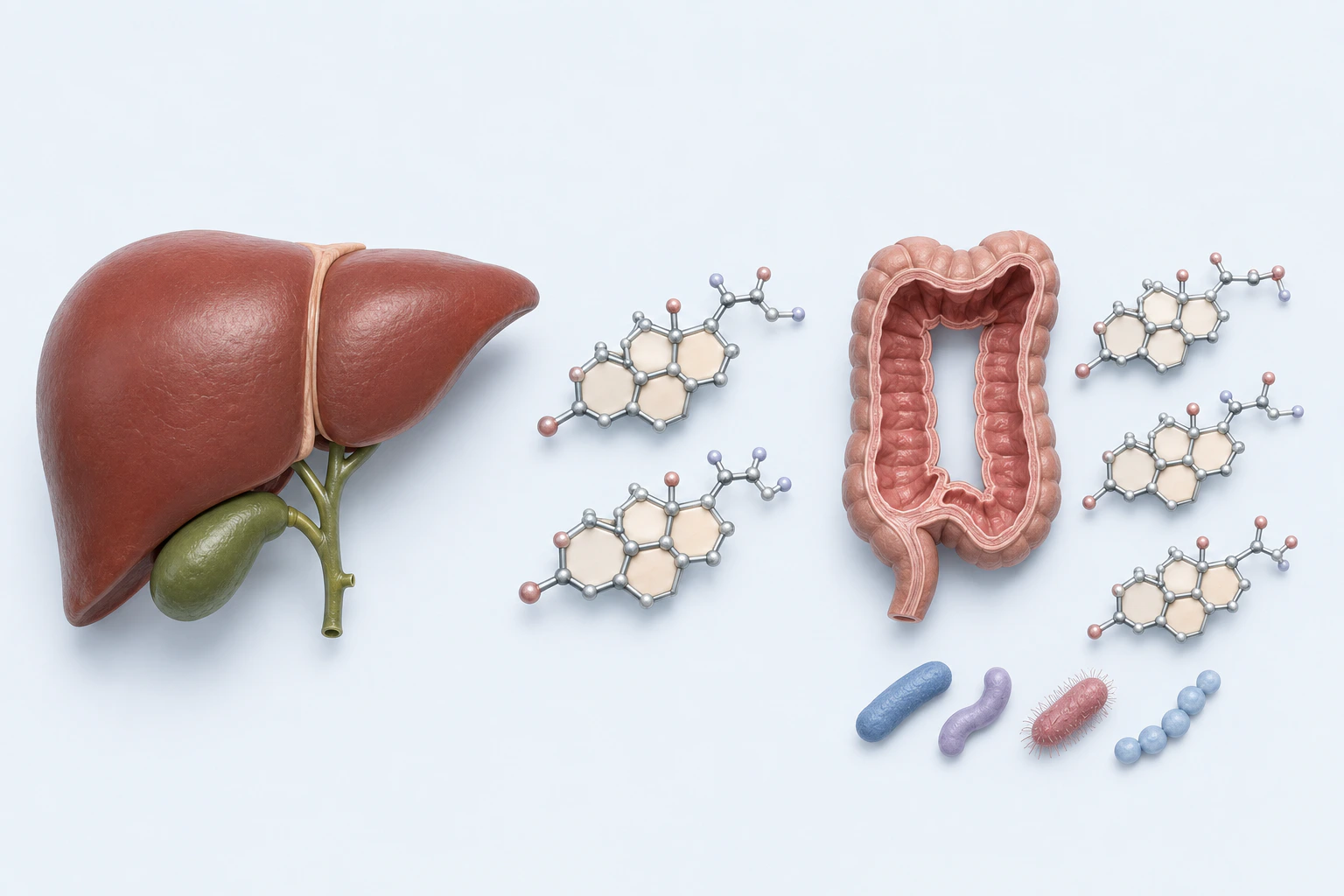
Bile acids are cholesterol-derived amphipathic molecules synthesized in the liver, secreted into the duodenum, and extensively modified by gut bacteria. The host-microbe co-metabolism of bile acids creates a signaling network with profound effects on lipid metabolism, g…
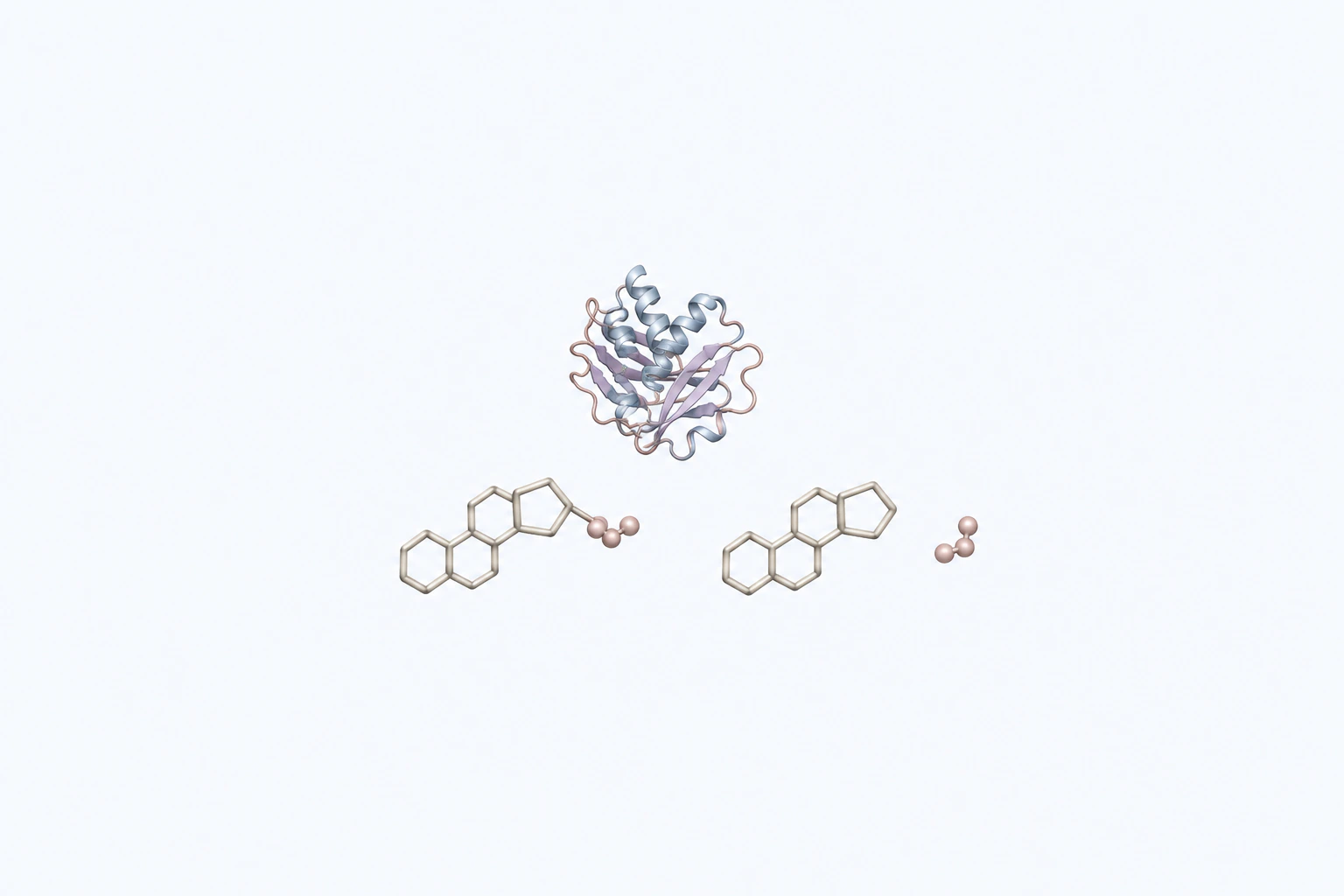
Bile salt hydrolase (BSH) is the microbial enzyme that deconjugates primary bile acids (taurocholate, glycocholate) by cleaving the amino acid (taurine or glycine) from the steroid core. This is the first and rate-limiting step in microbial bile acid transformation — wi…
Butyrate is a four-carbon short-chain fatty acid produced when anaerobic gut microorganisms ferment dietary substrates. In the colon, it participates in epithelial energy metabolism, barrier maintenance, immune signaling, and gene regulation. Its effects depend on conce…
The farnesoid X receptor (FXR), also known as NR1H4, is a nuclear receptor that functions as the primary bile acid sensor in the body. Activated by bile acids — especially chenodeoxycholic acid (CDCA) — FXR regulates bile acid synthesis, cholesterol metabolism, glucose …
Functional shielding is the phenomenon in which one microorganism — typically a fungus — physically and immunologically protects a co-resident pathogen from host immune attack, antimicrobial agents, and oxidative stress. The shielding organism's biofilm matrix acts as a…
Gut barrier dysfunction -- colloquially "leaky gut" -- is the pathological increase in intestinal permeability that permits translocation of bacteria, bacterial products (LPS, peptidoglycan), metals, and dietary antigens from the gut lumen into the systemic circulation.…
Bidirectional communication between the gut microbiota and the central nervous system, mediated by neural (vagus nerve, enteric nervous system), immune (cytokines, microglia), endocrine (HPA axis), and metabolic (SCFAs, neurotransmitter precursors, tryptophan metabolite…
The gut-gonadal axis describes the bidirectional communication between the intestinal microbiome and the reproductive endocrine system. Gut bacteria modulate sex hormone levels through enzymatic activity (particularly beta glucuronidase-mediated estrogen deconjugation),…
Hydrogen sulfide is a gaseous signaling molecule (gasotransmitter) produced by both host enzymes (CBS, CSE, 3-MST) and gut bacteria — primarily sulfate-reducing bacteria (desulfovibrio). Like nitric oxide and carbon monoxide, H₂S has dual roles: physiological signaling …
Hypoxia refers to a state of low oxygen tension (partial pressure of O₂ < 5% in tissue, vs. ~21% in air). In the context of microbiome metallomics, hypoxia is a critical ecological determinant that reshapes bacterial community structure by favoring obligate and facultat…
Immunotherapy harnesses the patient's own immune system to fight disease, most notably cancer. Immune checkpoint inhibitors (ICIs) -- antibodies that block PD-1, PD-L1, or CTLA-4 -- have revolutionized oncology since their introduction in the 2010s, producing durable re…
Interleukin-22 (IL-22) is an immune signaling protein that helps coordinate host responses at epithelial surfaces. In the gut evidence represented by WikiBiome, group 3 innate lymphoid cells (ILC3s) are a prominent source, while Th17-associated responses can also includ…
Interleukin-6 is a pleiotropic cytokine that sits at the crossroads of innate immunity, adaptive immunity, and metabolism. It is one of the most frequently elevated inflammatory mediators across conditions in this wiki — appearing in disease signatures spanning IBD, aut…
Ketone bodies (beta-hydroxybutyrate [BHB], acetoacetate, acetone) are produced by hepatic fatty acid oxidation during carbohydrate restriction, fasting, or ketogenic diet consumption. BHB is the most abundant and is structurally and functionally analogous to butyrate — …
Leptin is an adipokine (hormone produced by adipose tissue) that signals satiety to the hypothalamus — suppressing appetite and increasing energy expenditure. Leptin resistance (elevated leptin with impaired signaling) is a hallmark of obesity, paralleling insulin resis…
Lipopolysaccharide (LPS), also called endotoxin, is a major structural component of the outer membrane of Gram-negative bacteria. When released into circulation through a compromised gut barrier, LPS triggers potent inflammatory signaling via Toll-like receptor 4 (TLR4)…
A metal ion that activates estrogen receptors and mimics the biological effects of estradiol. Metalloestrogens represent a distinct class of endocrine-disrupting compounds where the active agent is an inorganic metal rather than an organic xenoestrogen like BPA or phtha…
Metalloestrogens are metal ions that activate estrogen receptors and mimic the biological effects of estradiol, the primary endogenous estrogen. They represent a category of endocrine-disrupting compounds where the active agent is an inorganic metal rather than an organ…
Mis-metallation is the displacement of the correct metal cofactor from an enzyme or protein by a wrong metal ion, leading to loss of function, gain of aberrant function, or structural disruption. This is one of the most fundamental and pervasive mechanisms of metal toxi…
Mitochondrial dysfunction refers to the impairment of mitochondrial energy production, redox balance, and signaling functions. Mitochondria are the primary targets of heavy metal toxicity in human cells, and they are also the organelles most dependent on metal cofactors…
The fungal component of the human microbiome, comprising ~0.1-1% of the total gut microbial community by abundance but disproportionately active in immune signaling and cross-kingdom interactions. While bacterial communities dominate microbiome research, emerging eviden…
N-glycosylation is a post-translational modification in which glycan chains are attached to asparagine residues on proteins. This modification is critical for protein folding, cell-cell recognition, and immune system signaling. In the context of host-microbe interaction…
Nitric oxide (NO) is a gaseous signaling molecule with roles spanning vasodilation, immune defense, neurotransmission, and gut barrier maintenance. In the microbiome context, NO sits at the intersection of host physiology and microbial metabolism — gut bacteria both pro…
The NLRP3 inflammasome is a host innate-immune signaling complex that connects cellular danger signals to caspase-1 activation. In the canonical pathway represented in WikiBiome's evidence vault, caspase-1 processes the inflammatory cytokines IL-1beta and IL-18 and clea…
Phosphodiesterases (PDEs) are a family of enzymes that hydrolyze cyclic nucleotides (cAMP and cGMP), regulating intracellular signaling cascades. PDE5, the isoform targeted by sildenafil and tadalafil, is best known for its role in erectile dysfunction pharmacotherapy, …
Quorum sensing (QS) is cell-density-dependent communication in which bacteria produce, secrete, and detect small signaling molecules (autoinducers) to coordinate group behaviors — including biofilm formation, virulence factor production, siderophore synthesis, and antib…
Saccharolytic fermentation is the microbial breakdown of carbohydrates (dietary fiber, resistant starch, host glycans) to produce short chain fatty acids (acetate, propionate, butyrate) and gases (H₂, CO₂, CH₄). It is the beneficial fermentation mode — the metabolic act…
The serotonin-estrogen axis describes the bidirectional relationship between estrogen signaling and serotonin (5-HT) neurotransmission — a neuroendocrine interface that is profoundly modulated by the gut microbiome. Estrogen regulates serotonin synthesis (via tryptophan…
The most extensively referenced missing concept in this wiki. SCFAs -- acetate (C2), propionate (C3), and butyrate (C4) -- are the primary metabolic products of anaerobic bacterial fermentation of dietary fiber in the colon. They serve as the critical molecular link bet…
Succinate is a Krebs cycle intermediate and a microbial metabolite produced by dialister, Bacteroides, Prevotella, and other gut bacteria. Beyond its role in energy metabolism, succinate is a signaling molecule that activates GPR91 (SUCNR1) on immune cells and neurons, …
Tau is a microtubule-associated protein essential for maintaining the structural integrity of neuronal axons. In health, tau binds to and stabilizes microtubules, enabling axonal transport of organelles, vesicles, and signaling molecules. When tau becomes hyperphosphory…
Toll-like receptor 4 (TLR4) is a cell-surface pattern-recognition receptor in the toll like receptors family. It is best known for detecting particular forms of bacterial lipopolysaccharide (LPS) through a receptor complex and converting that detection into innate immun…
Toll-like receptors (TLRs) are a family of pattern recognition receptors (PRRs) that form the front line of the innate immune system. They detect conserved molecular patterns from microbes -- pathogen-associated molecular patterns (PAMPs) -- and damage-associated molecu…
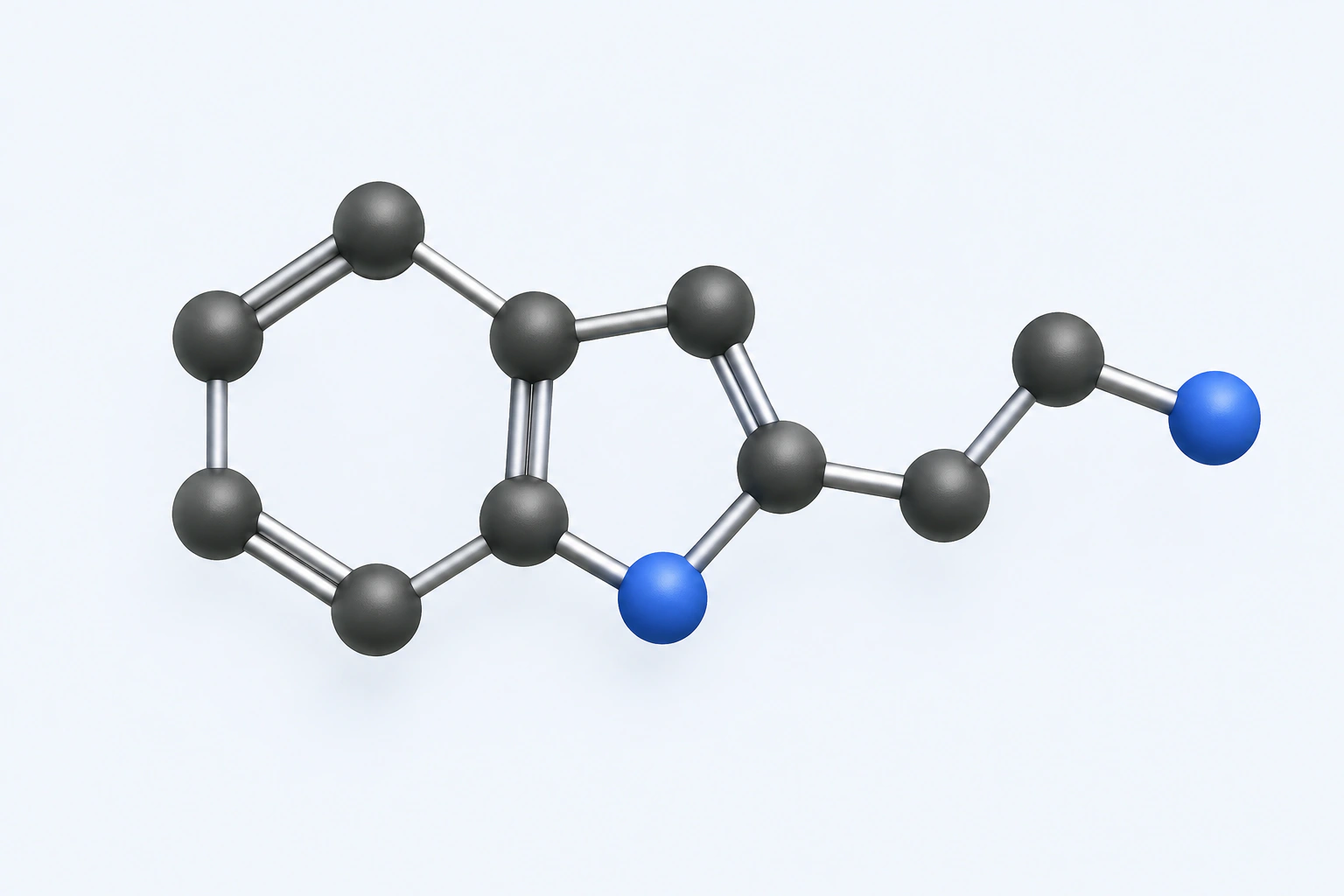
Tryptamine is a microbial decarboxylation product of tryptophan, produced by bacterial tryptophan decarboxylase (found in ruminococcus gnavus, Clostridium sporogenes, and others). It is a serotonin receptor agonist (particularly 5-HT4) that stimulates gut motility and f…