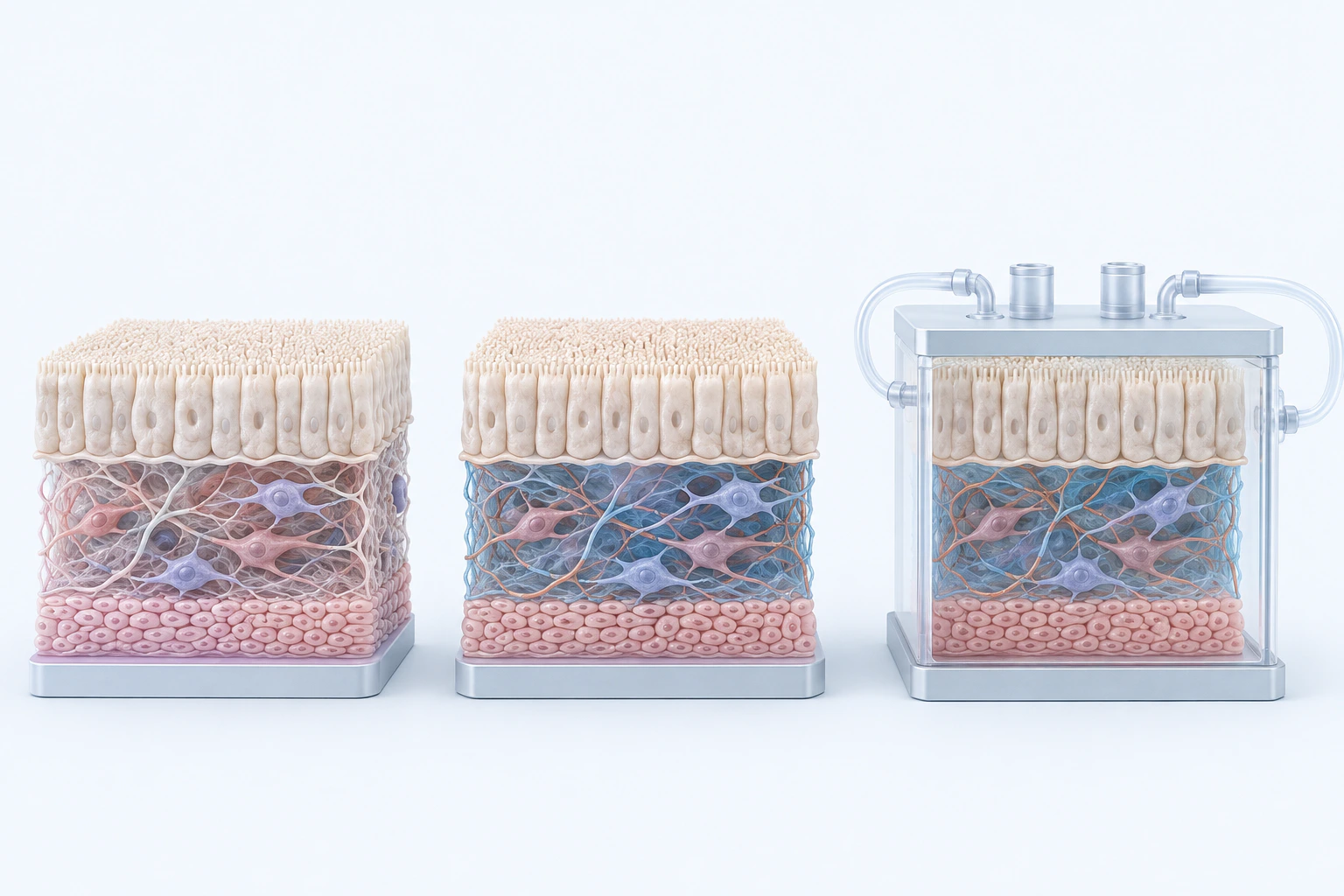
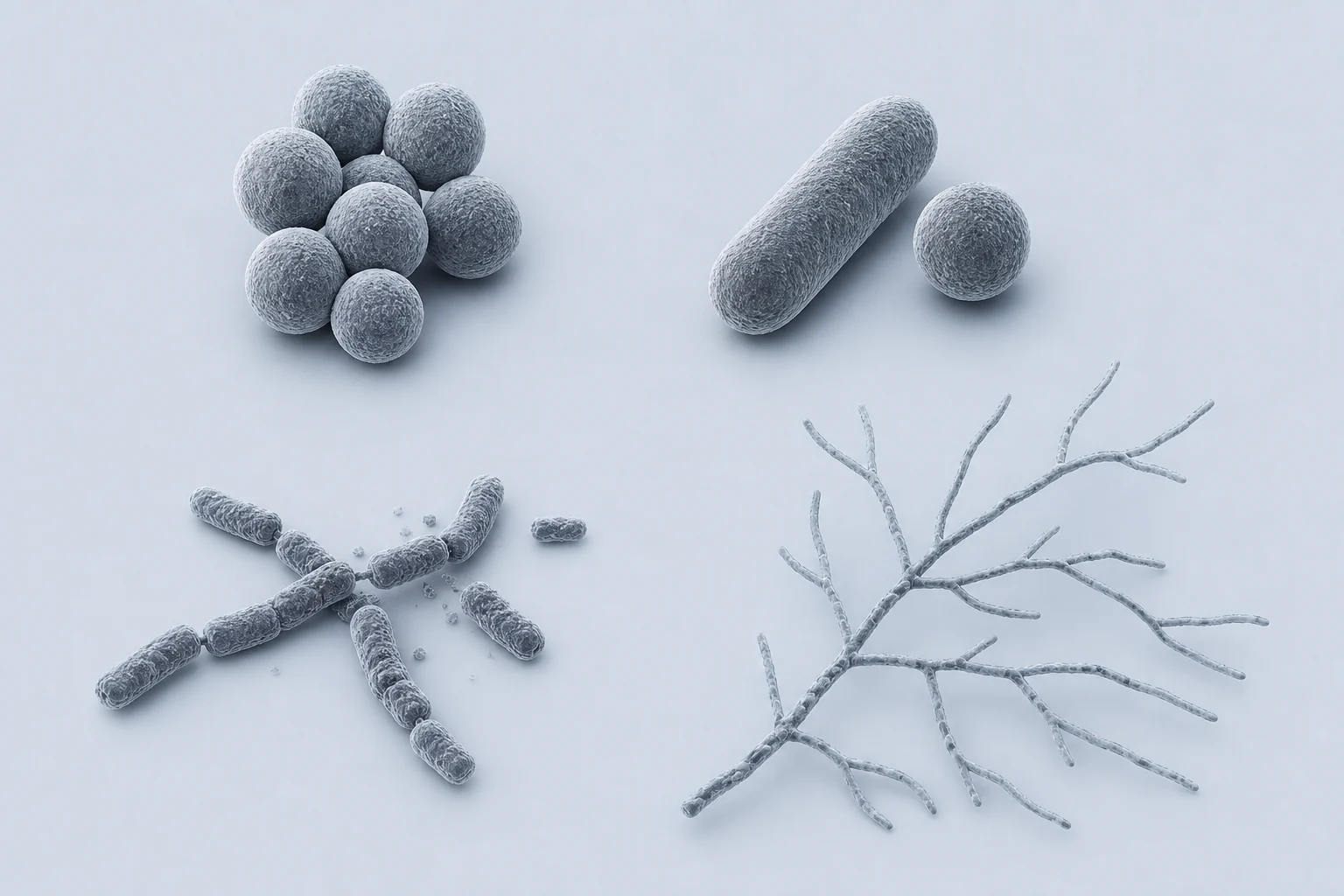
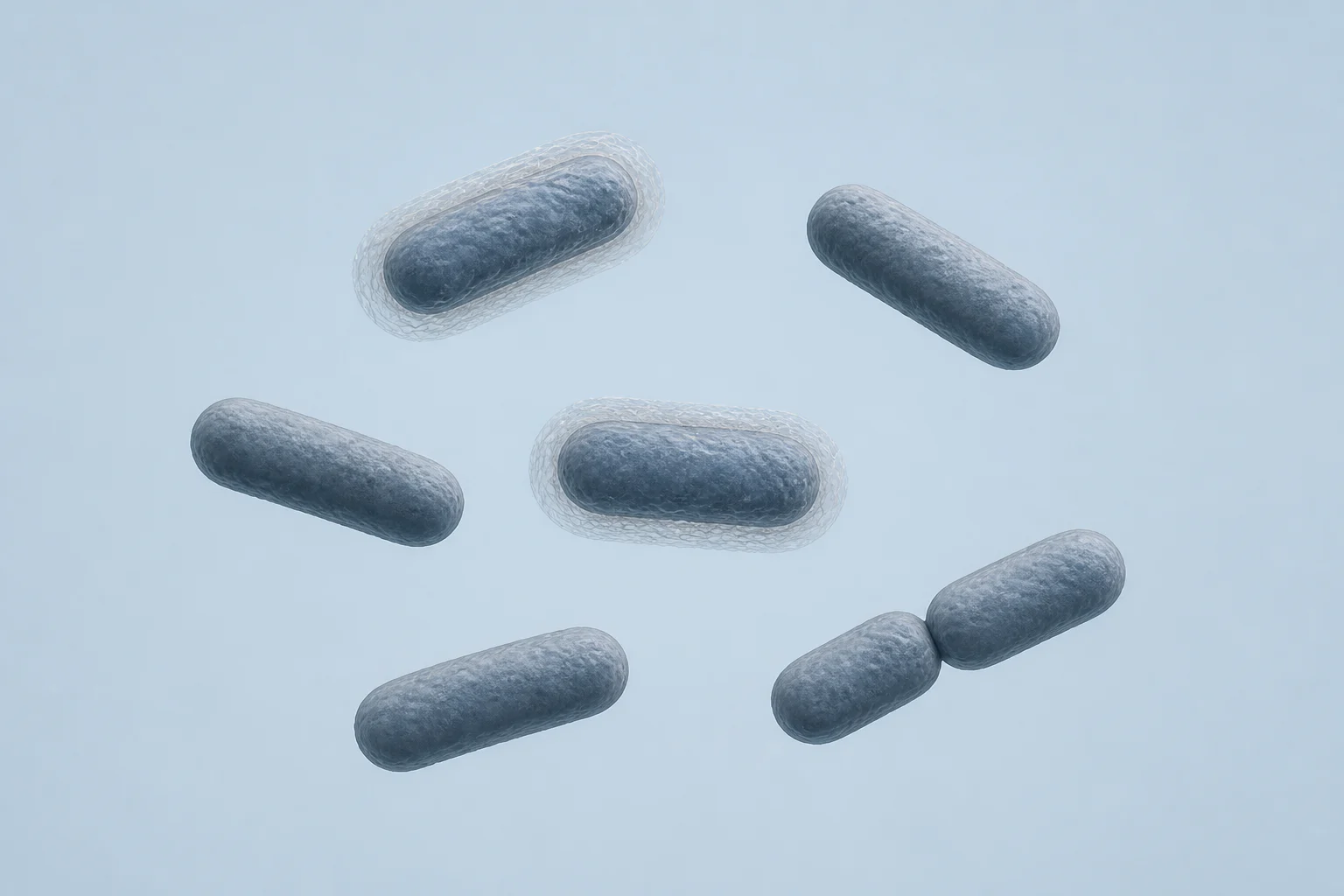
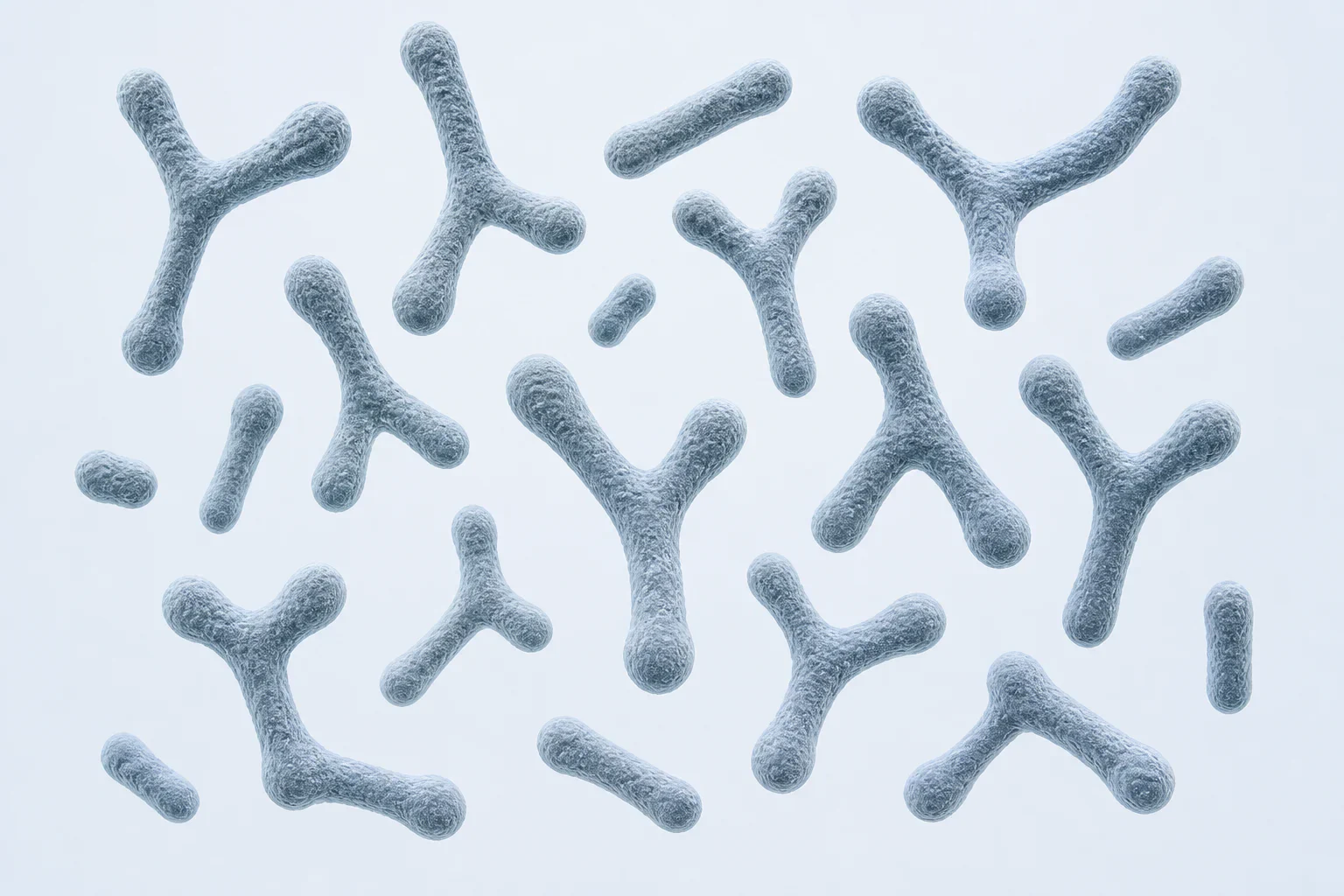
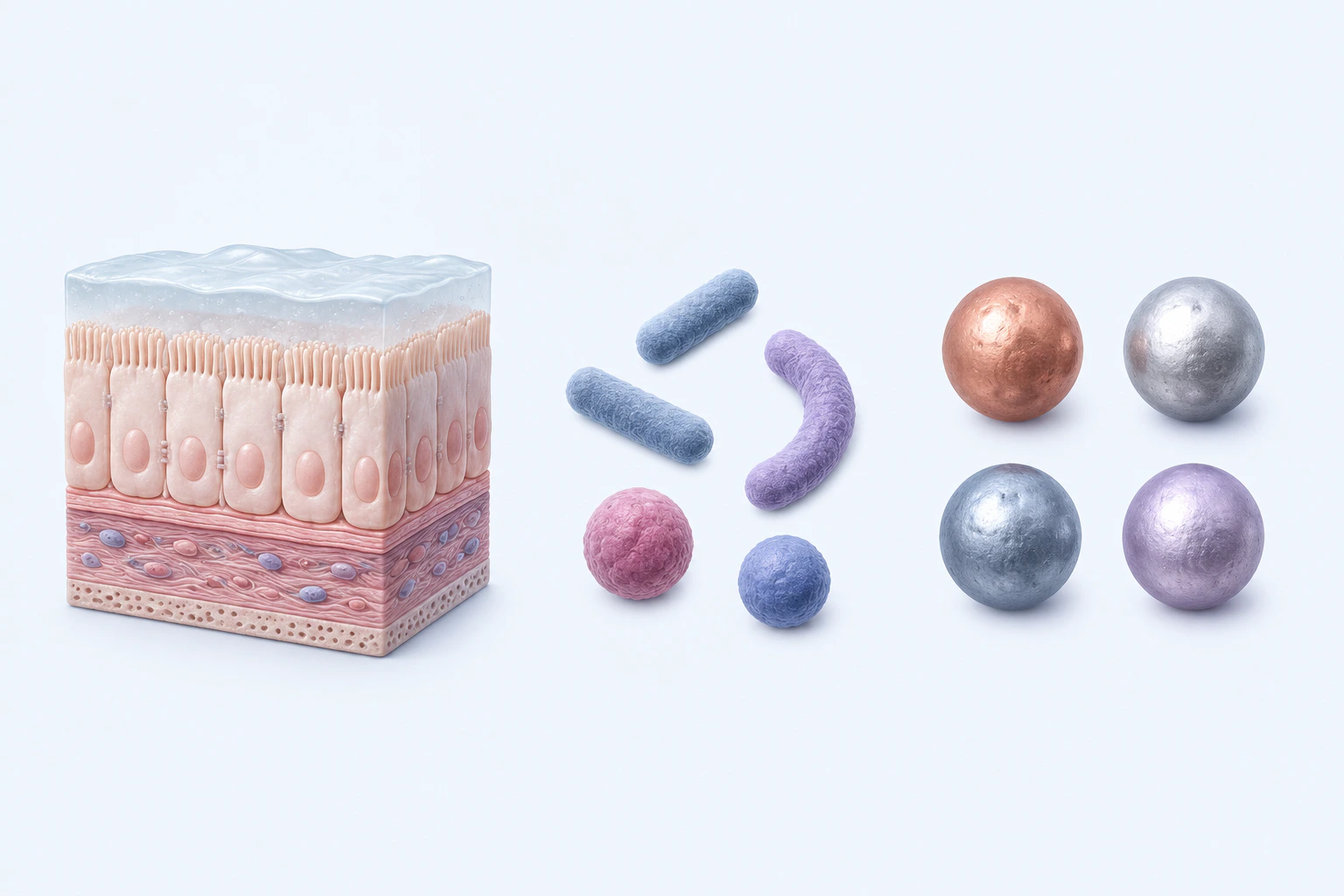
An acidic microenvironment is a local drop in pH — typically into the 4.5–6.5 range — inside a tissue, organ, or ecological niche. Acidification arises from three recurring sources: bacterial fermentative metabolism that releases short-chain fatty acids and lactate (lou…
Actinobacteria (reclassified as Actinomycetota in 2021) is a major Gram-positive, high-GC-content bacterial phylum with remarkable ecological breadth. In the gut, it typically comprises 1-10% of the community -- a distant third behind firmicutes and bacteroidetes -- but…
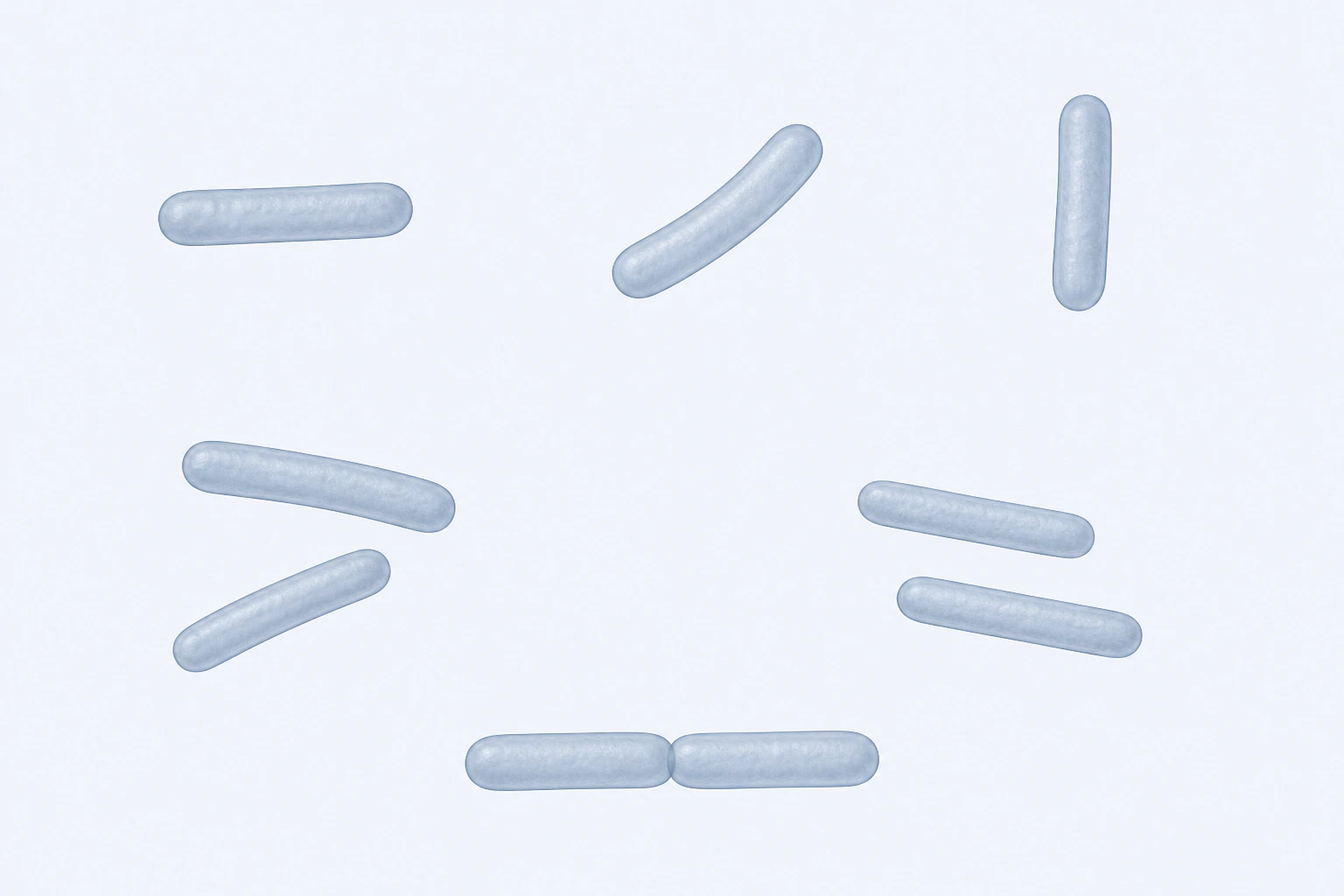
Bacteroidales is an order of obligate anaerobic, Gram-negative bacteria within the phylum Bacteroidetes. It includes the families Bacteroidaceae (bacteroides), Prevotellaceae (prevotella), Rikenellaceae, and Porphyromonadaceae (porphyromonas). Bacteroidales are among th…
Bacteroides thetaiotaomicron is one of the most abundant and metabolically versatile commensals of the human gut, routinely cited as a model organism for studying host-microbe symbiosis. Its genome was one of the first human gut bacterial genomes fully sequenced, and su…
A Gram-negative obligate anaerobe that exemplifies the commensal-pathobiont spectrum. B. vulgatus is a common component of the healthy gut microbiota, yet is significantly enriched in colorectal cancer and depression, suggesting a context-dependent pathogenic potential.…
A genus of Gram-positive, obligate anaerobic bacteria that dominate the infant gut microbiome and remain important commensals throughout life. Bifidobacterium species are distinctive in the metallomics context because some species possess Ni-dependent urease -- an unusu…
A large, polyphyletic genus of Gram-positive, obligate anaerobic, spore-forming bacteria encompassing both critical beneficial commensals and dangerous pathogens. Former Clostridium clusters IV and XIVa are now reclassified into ruminococcus-family Ruminococcaceae and l…
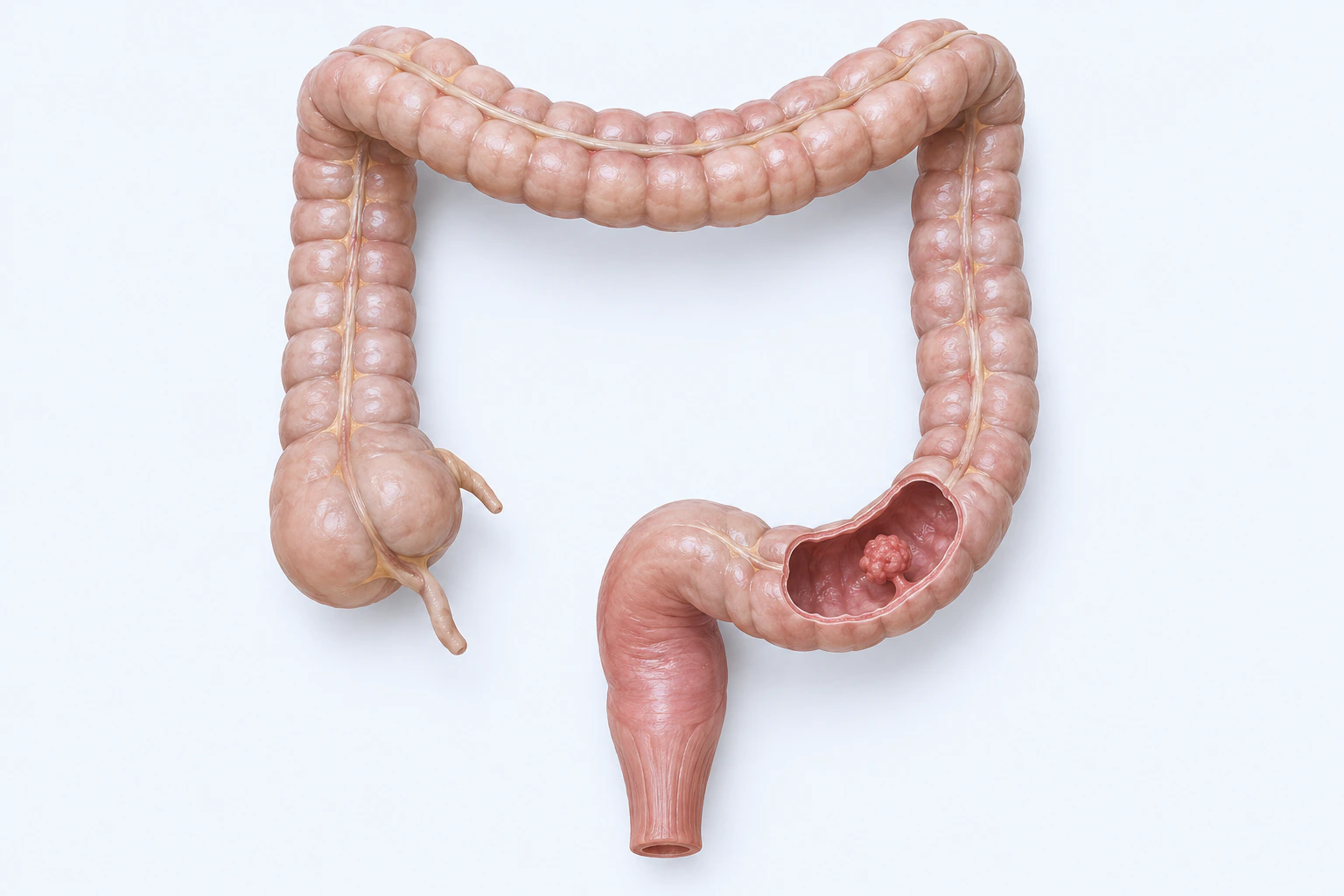
Colorectal cancer (CRC) is the third most common cancer worldwide and the second leading cause of cancer death. Over 90% of cases are sporadic, driven by a complex interplay between genetic predisposition, dietary habits, gut microbiome composition, and environmental ex…
A Gram-positive, obligate anaerobic genus within the lachnospiraceae family (Firmicutes phylum). Coprococcus is one of the most important butyrate-producing commensals in the human gut and has gained particular attention as the "happiness bug" -- one of very few taxa di…
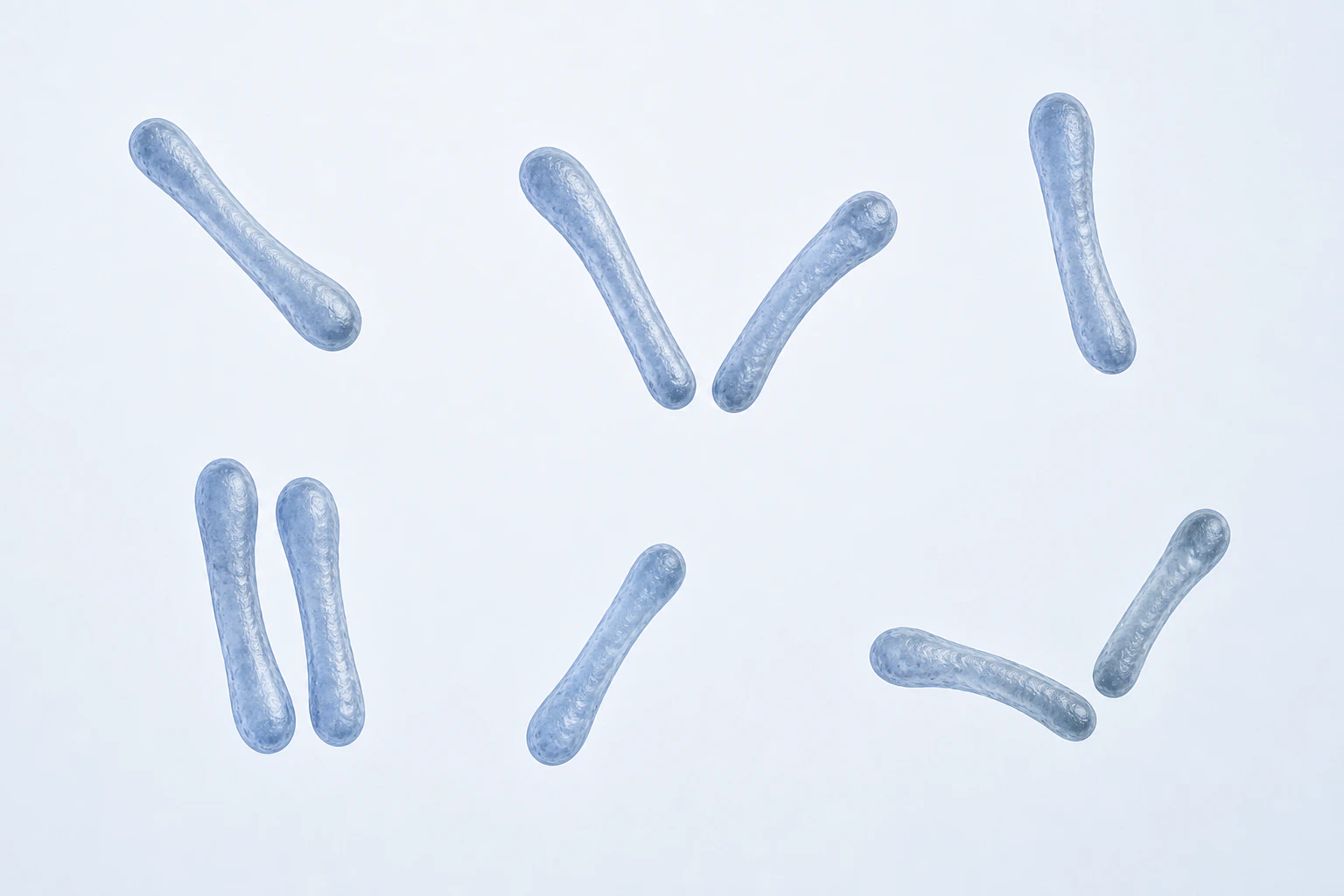
Corynebacterium is a large genus of Gram-positive, club-shaped bacteria with over 130 species spanning commensals, opportunistic pathogens, and the classic pathogen C. diphtheriae. In the WikiBiome context, Corynebacterium is most notable for its dominance in the male r…
A chronic, relapsing-remitting inflammatory bowel disease (IBD) characterized by transmural inflammation of the gastrointestinal tract, most commonly affecting the terminal ileum and colon but capable of involving any segment from mouth to anus zhang 2017 intestinal mic…
Every meal delivers metals to the gut lumen — essential minerals, trace elements, and contaminants alike. These metals do not passively transit the GI tract. They actively reshape the microbial ecosystem, selecting for metal-tolerant organisms, enabling virulence in met…
The transfer of processed stool from a healthy donor into a recipient's gastrointestinal tract to restore a disrupted microbial community. FMT is the most direct form of microbiome intervention -- replacing the entire community rather than supplementing individual strai…
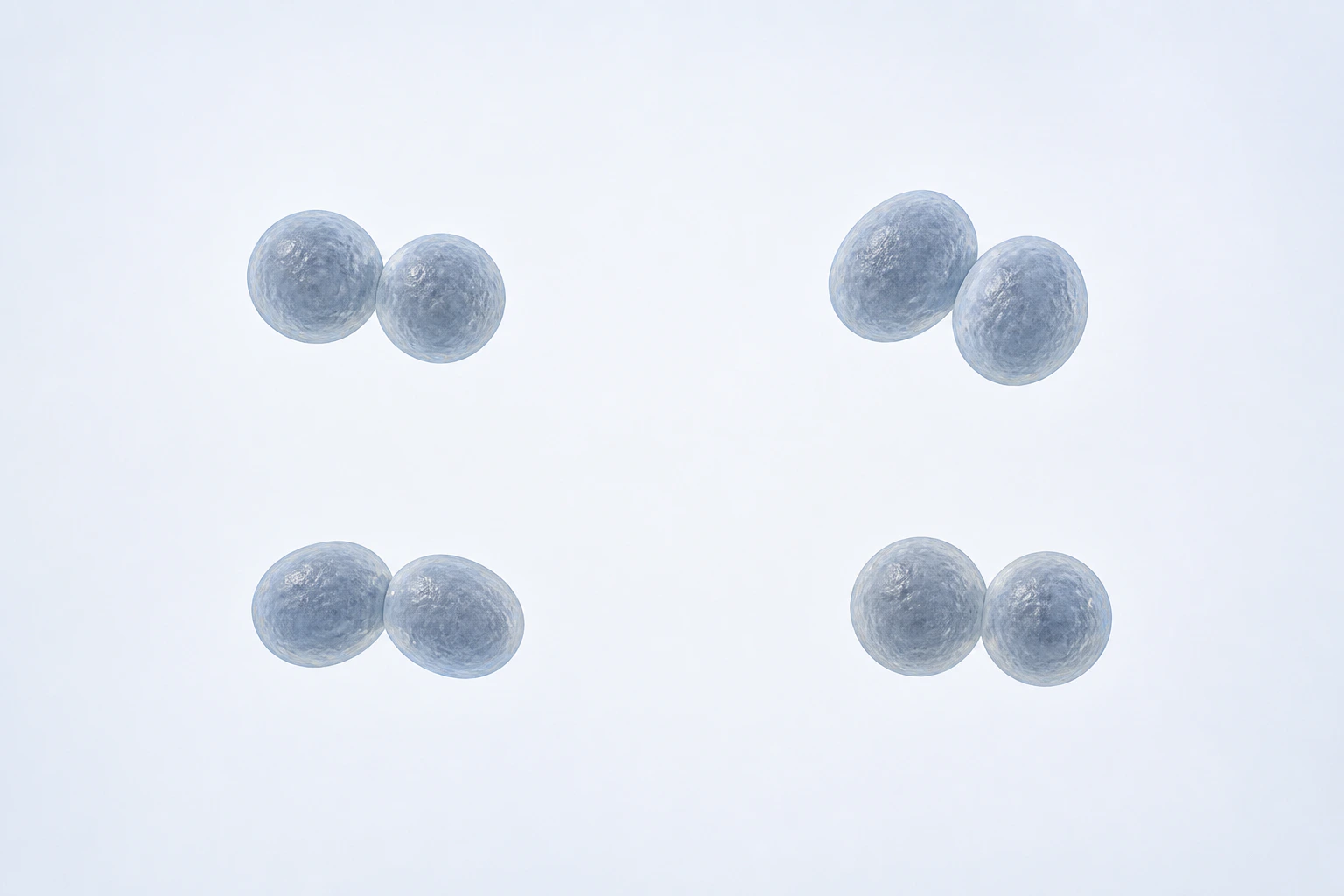
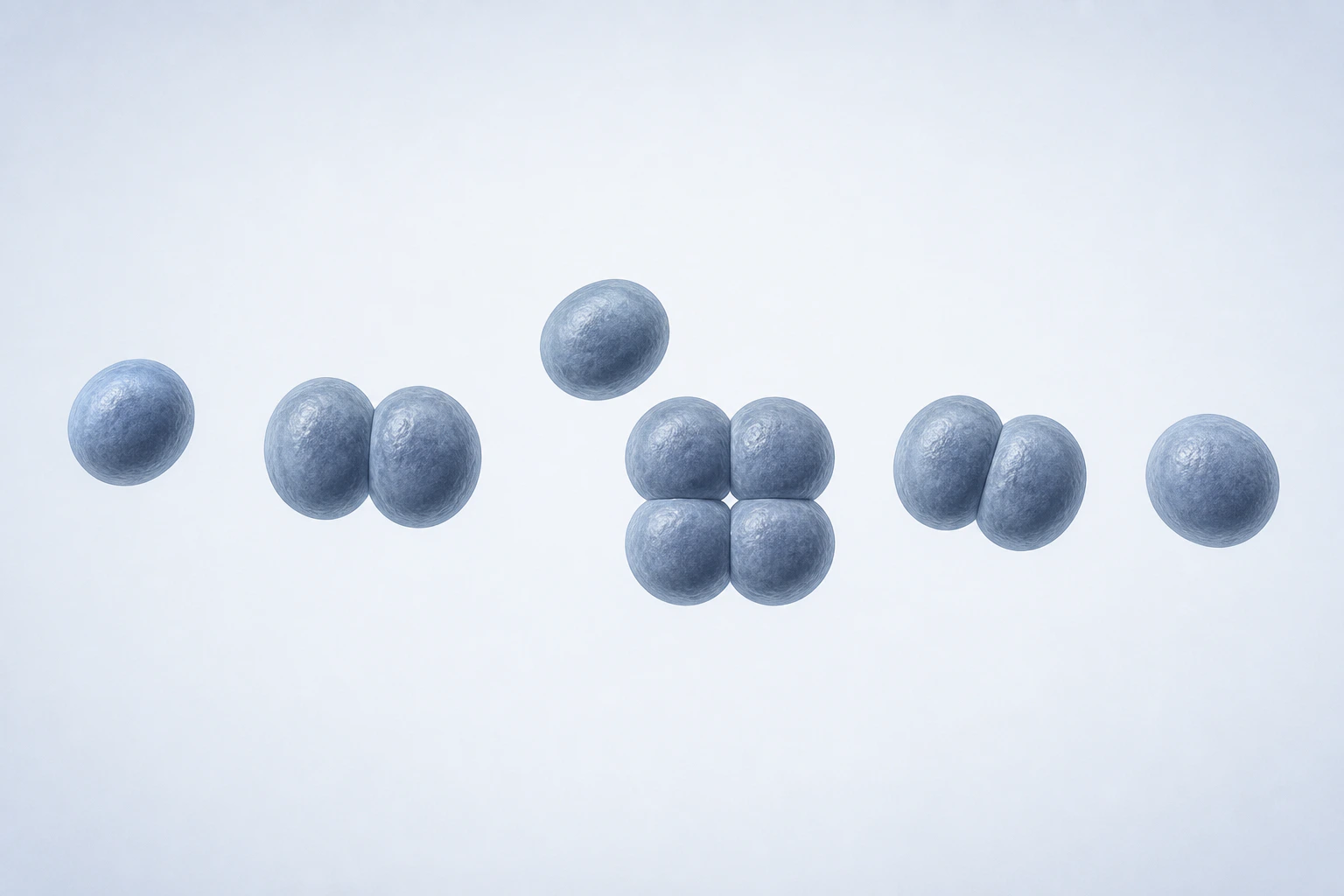
Gemella is a genus of Gram-positive, facultatively anaerobic cocci that are normal commensals of the oral cavity. Species include G. morbillorum, G. haemolysans, and G. sanguinis. In the WikiBiome context, Gemella is notable for its oral-gut translocation pattern — an o…
The community of trillions of microorganisms — bacteria, archaea, fungi (mycobiome), viruses, and bacteriophages — inhabiting the human gastrointestinal tract, with the highest density in the colon (~10¹¹ cells/g). The gut microbiome encodes 100–150 times more genes tha…
A genus of Gram-positive, strictly anaerobic bacteria in the family Erysipelotrichaceae (phylum Firmicutes) that is emerging as one of the most consistently protective gut commensals in human disease. Holdemanella is depleted across a striking range of conditions -- inf…
Microbial communities do not acquire and use metals in isolation. Within biofilms, polymicrobial infections, and the gut microbiome, microbes engage in complex cooperative and competitive relationships mediated by metals -- sharing metallophores, concentrating metals in…
Interleukin-6 is a pleiotropic cytokine that sits at the crossroads of innate immunity, adaptive immunity, and metabolism. It is one of the most frequently elevated inflammatory mediators across conditions in this wiki — appearing in disease signatures spanning IBD, aut…
Iron-sulfur (Fe-S) clusters are among the most ancient and ubiquitous metal cofactors in biology, present in all domains of life. These inorganic prosthetic groups -- typically [2Fe-2S] or [4Fe-4S] configurations -- mediate electron transfer, enzymatic catalysis, and re…
Methylobacterium is a genus of methylotrophic alpha-Proteobacteria (phylum Pseudomonadota) predominantly found in soil, water, plant surfaces, and air environments. It is a methylotroph — capable of using one-carbon compounds such as methanol as a carbon and energy sour…
Staphylococcus epidermidis is a Gram-positive, facultative anaerobic coagulase-negative staphylococcus and one of the most abundant commensals of human skin and mucosal surfaces. While generally benign, it is a leading cause of nosocomial infections associated with indw…
A genus of Gram-positive facultative anaerobes that occupy niches ranging from benign commensals (dental plaque, skin) to acute pathogens (pharyngitis, impetigo, invasive disease). Streptococci are uniquely manganese-dependent for catalytic scavenging of reactive oxygen…
A synbiotic is a combination of live microorganisms (probiotics) and substrates selectively utilized by host microorganisms (prebiotics) that confers a health benefit. The rationale is additive or synergistic: the prebiotic component (typically inulin, fructo-oligosacch…
Tumor necrosis factor alpha (TNF-alpha) is a master pro-inflammatory cytokine produced primarily by macrophages, along with dendritic cells, T cells, and adipocytes. With 483 mentions across 262 files, TNF-alpha is the most referenced inflammatory mediator in the WikiBi…