Nickel Allergy and Allergic Contact Dermatitis
nickel is the most frequent cause of contact allergy worldwide. Once sensitized, the allergic reaction persists indefinitely and can be triggered by both cutaneous and dietary exposure.
WikiBiomeThe human microbiome encyclopediaRanked matches across titles, topics, categories, and article introductions, filtered to mechanism.
nickel is the most frequent cause of contact allergy worldwide. Once sensitized, the allergic reaction persists indefinitely and can be triggered by both cutaneous and dietary exposure.
Emerging evidence links maternal nickel exposure to adverse pregnancy outcomes and congenital defects, primarily through placental barrier disruption and fetal tissue accumulation.
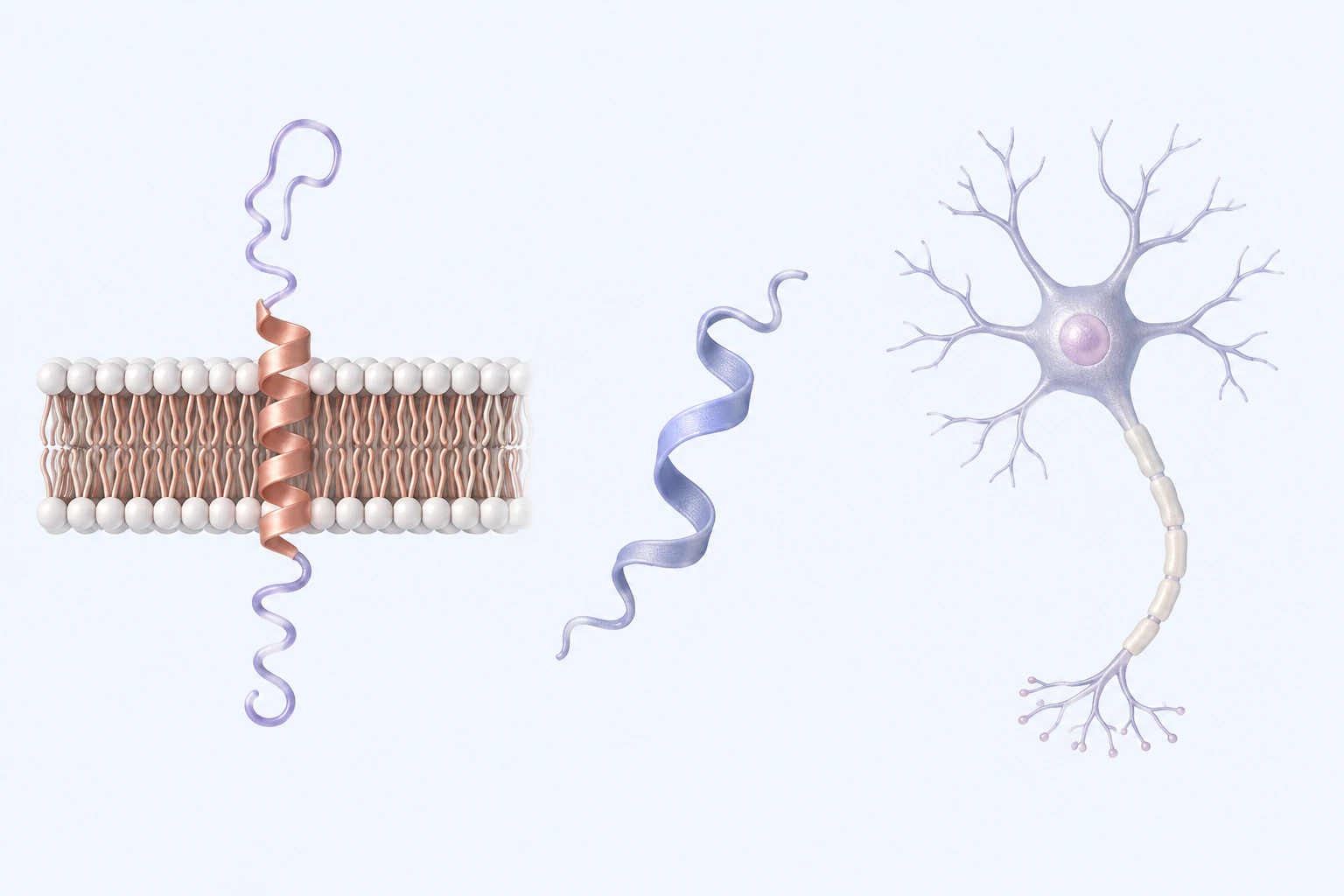
Chronic nickel exposure can damage the central nervous system, causing behavioral and cognitive deficits through oxidative stress in the hippocampus and disruption of multiple neurotransmitter systems.
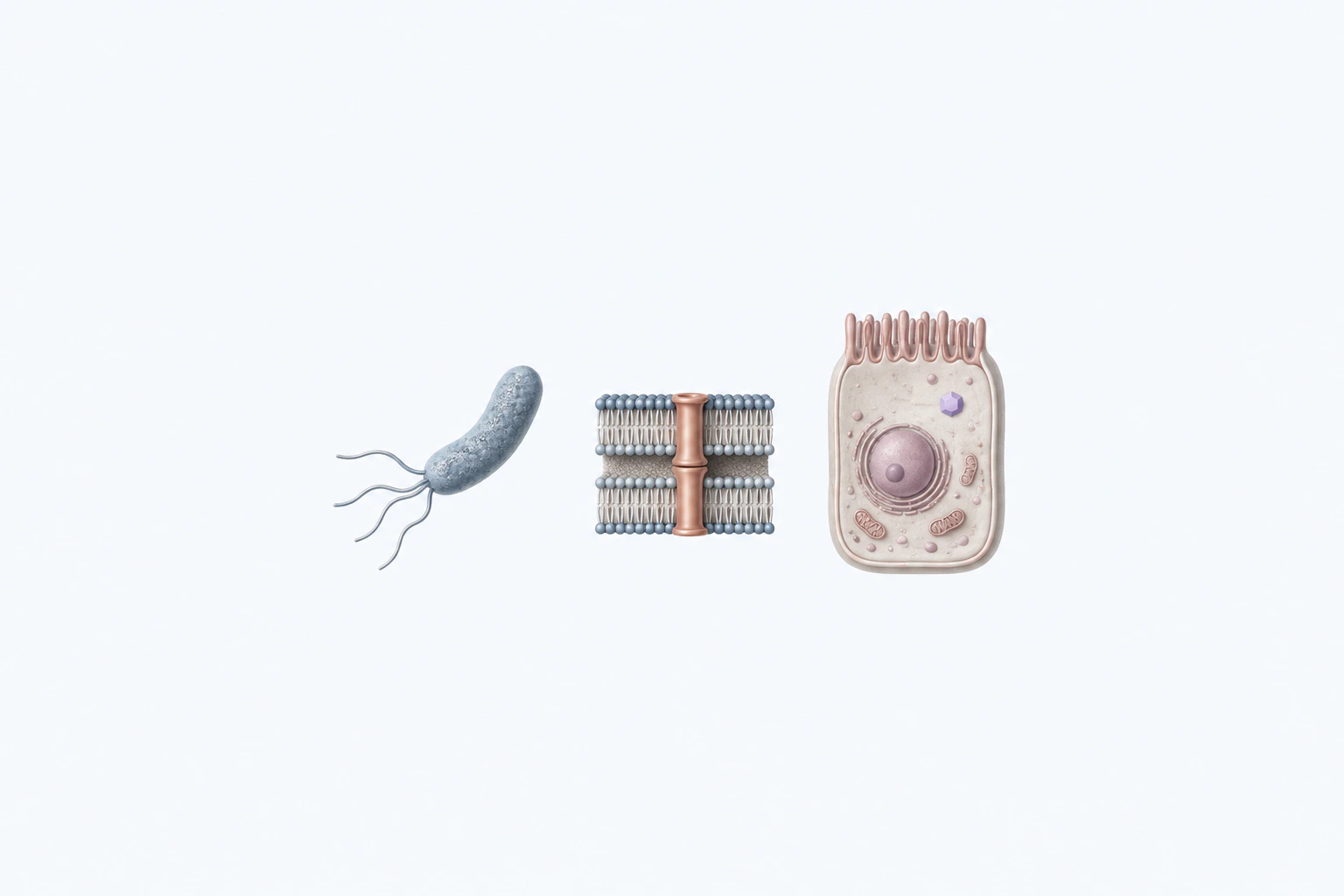
Specialized membrane proteins that import nickel into bacterial cells, supplying the essential cofactor for virulence enzymes including urease, NiFe-hydrogenase, and Ni-glyoxalase. Because mammals produce no known nickel-requiring proteins, these transporters represent …
This knowledge-base record is being expanded from WikiBiome’s evidence graph.
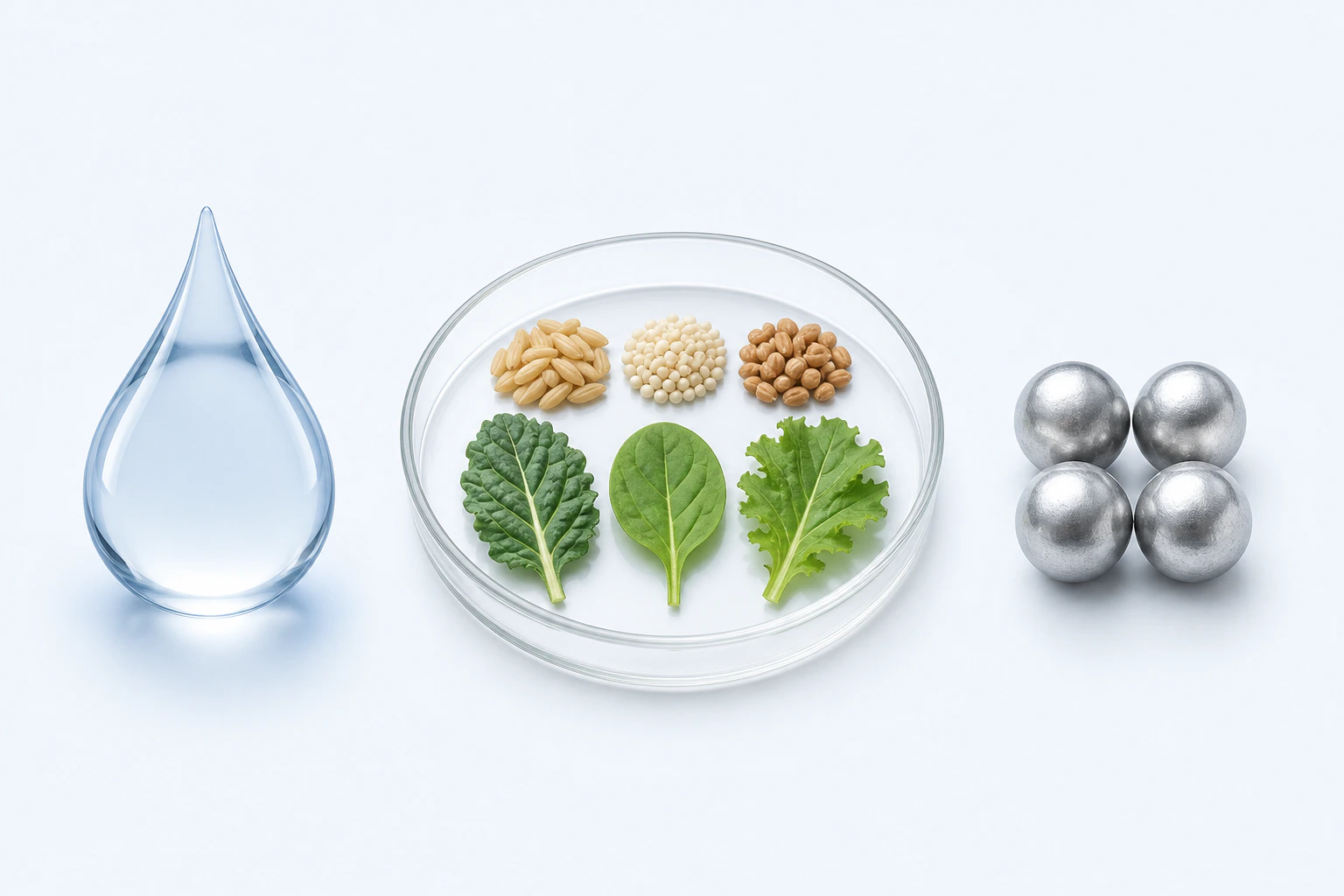
Food is the primary source of nickel exposure for the general (non-occupational) population. While food nickel poses minimal risk to most adults, children and nickel-sensitized individuals are high-risk groups.
Amyloid-beta (Aβ) is a 36–43 amino acid peptide derived from the proteolytic cleavage of amyloid precursor protein (APP) by beta-secretase (BACE1) and gamma-secretase. Its aggregation from soluble monomers into insoluble fibrillar plaques in the brain is the defining ne…
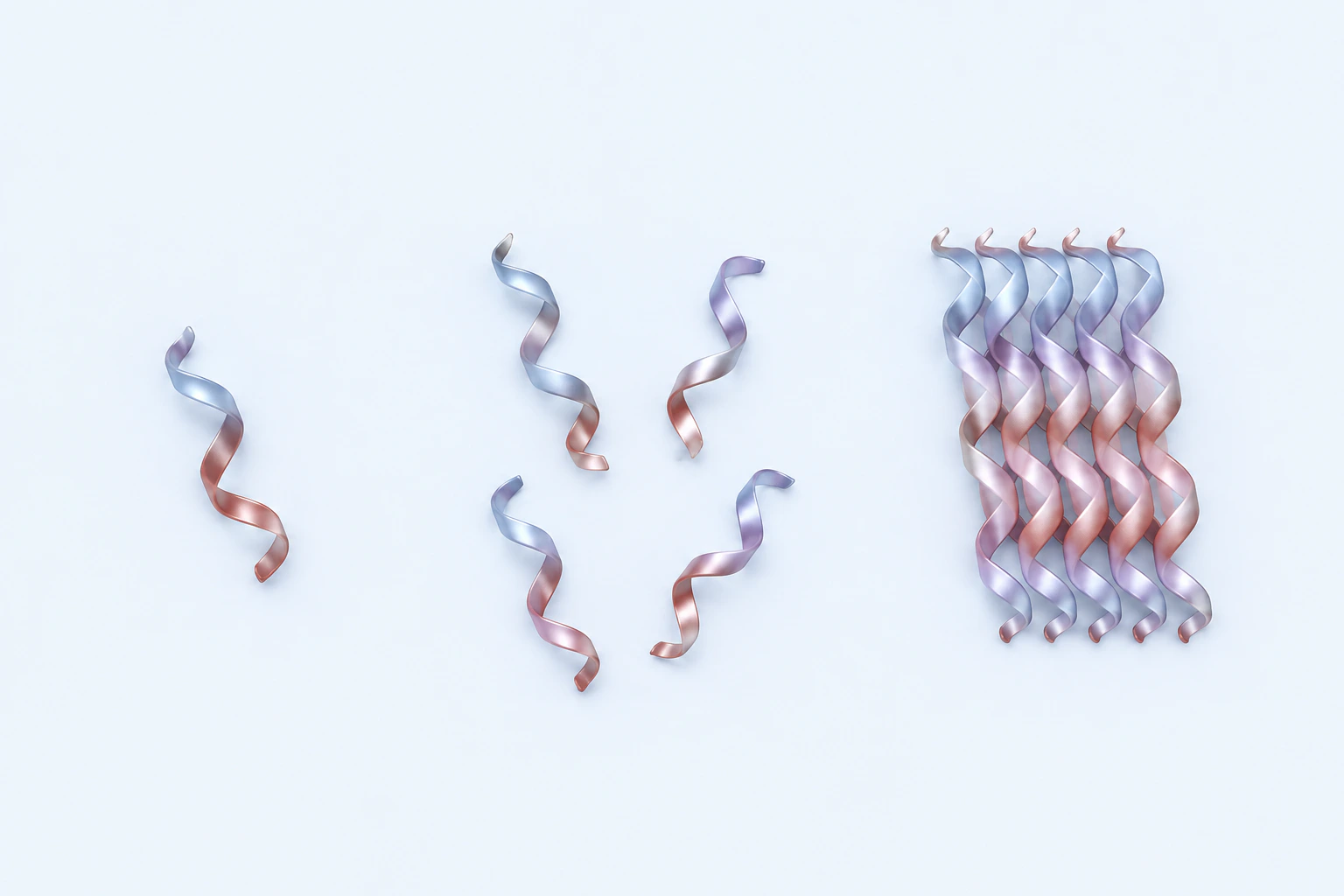
The process by which soluble amyloid-beta (Aβ) monomers assemble into neurotoxic oligomers and insoluble fibrillar plaques in the brain -- the defining neuropathological event of alzheimers disease. What distinguishes WikiBiome's treatment of this process from conventio…
A selective semipermeable border formed by brain endothelial cells connected by tight junctions, pericytes, and astrocytic end-feet. The BBB restricts passage of most molecules from blood to brain, protecting the CNS from toxins, pathogens, and inflammatory mediators. M…
cadmium (Cd) enters the human body primarily through food. Unlike nickel, which has high-concentration food categories that can be avoided, cadmium contamination is diffuse — embedded in staple crops, leafy greens, and grains that form the basis of most dietary patterns…
This knowledge-base record is being expanded from WikiBiome’s evidence graph.
Direct DNA damage is the primary carcinogenic mechanism for chromium but is notably absent or minor for nickel and arsenic. This distinction is fundamental to understanding why these three metals cause cancer through such different pathways.
This knowledge-base record is being expanded from WikiBiome’s evidence graph.
Exogenous chemicals that interfere with hormone synthesis, secretion, transport, binding, or elimination, mimicking or blocking endogenous hormones at physiologically relevant concentrations. In the metallomics-microbiome framework, endocrine disruptors occupy a critica…
This knowledge-base record is being expanded from WikiBiome’s evidence graph.
Epigenetics is the study of heritable changes in gene expression that occur without alterations to the DNA sequence itself. These changes -- primarily DNA methylation, histone modifications, and non-coding RNA regulation -- represent a molecular memory system that can b…
This knowledge-base record is being expanded from WikiBiome’s evidence graph.
The third nickel-dependent enzyme class in human pathogens, after urease and hydrogenase. Glyoxalase I detoxifies methylglyoxal, a reactive and toxic byproduct of glycolysis. While less well-known than urease or hydrogenase as a virulence factor, GloI is emerging as a s…
Heavy metals exert some of their most devastating effects on the nervous system. lead, mercury, and arsenic are the three metals with the most extensively documented neurotoxic mechanisms, but cadmium, manganese, aluminum, and nickel also contribute to neurological dama…
The 6-24 month developmental window — when infants transition from breast milk to solid foods — represents a convergence of maximum vulnerability and maximum exposure. Immature detoxification systems, rapid organ development, and high food-to-body-weight ratios mean tha…
Histidine is a semi-essential amino acid with a unique property that makes it central to metal biology: its imidazole side chain is one of the strongest biological metal-binding groups, coordinating zinc, nickel, copper, iron, and other transition metals in enzymes and …
[NiFe] hydrogenases are the second major nickel-dependent virulence factor class in human pathogens. Less widespread than urease but critical for energy metabolism in gastric, enteric, and intracellular pathogens. The discovery that H. pylori hydrogenase powers CagA tra…
This knowledge-base record is being expanded from WikiBiome’s evidence graph.
Activation of the hypoxia-inducible factor pathway under normoxic conditions is a hallmark mechanism of nickel carcinogenesis, distinguishing it from arsenic and chromium.
This knowledge-base record is being expanded from WikiBiome’s evidence graph.
A fundamental ordering of divalent transition metal ion binding affinities, established by Harry Irving and Robert Williams in 1953: Mg2+ < Mn2+ < Fe2+ < Co2+ < Ni2+ < Cu2+ Zn2+ This series holds for virtually all ligands and biological chelators. It means that copper b…
An anti-inflammatory dietary pattern characterized by high consumption of extra-virgin olive oil, fruits, vegetables, legumes, whole grains, nuts, and fish, with limited red meat, processed food, and added sugars. The Mediterranean diet (MD) has evidence across multiple…
A cluster of conditions — high blood pressure, impaired fasting glucose, insulin resistance, abdominal obesity (BMI ≥25), high triglycerides, low HDL-C — defined by the presence of ≥3 components. Emerging evidence links MetS to environmental nickel exposure, though find…
The ability of certain metals to cause cancer has been known since the 19th century. The three metals covered in this wiki — nickel, arsenic, and chromium — represent distinct mechanistic paradigms that collectively illustrate the diversity of metal-induced carcinogenes…
Specialized proteins that escort metal ions from their point of entry to specific metalloenzyme targets, ensuring correct metalation in a cytoplasm crowded with competing metal-binding sites. Metallochaperones solve a fundamental problem in metal biology: how does the r…
A metal ion that activates estrogen receptors and mimics the biological effects of estradiol. Metalloestrogens represent a distinct class of endocrine-disrupting compounds where the active agent is an inorganic metal rather than an organic xenoestrogen like BPA or phtha…
This knowledge-base record is being expanded from WikiBiome’s evidence graph.
Mitochondrial dysfunction refers to the impairment of mitochondrial energy production, redox balance, and signaling functions. Mitochondria are the primary targets of heavy metal toxicity in human cells, and they are also the organelles most dependent on metal cofactors…
Nuclear factor kappa-light-chain-enhancer of activated B cells (NF-kB) is a family of transcription factors that regulate inflammation, immune responses, cell survival, and proliferation. NF-kB is a convergence point where metal toxicity, pathogen signaling, and chronic…
This knowledge-base record is being expanded from WikiBiome’s evidence graph.
Oxidative stress is the imbalance between the production of reactive oxygen and nitrogen species (ROS/RNS) and the capacity of biological antioxidant defense systems to detoxify them. It is the single most commonly invoked mechanism across metal toxicology in this wiki,…
Live microorganisms that, when administered in adequate amounts, confer a health benefit on the host. In the context of this wiki, probiotics are relevant both as therapeutic agents for metal-related diseases and as mediators of gut metal microbiome interactions. Their …
Structured RNA elements in the 5' untranslated region (UTR) of bacterial mRNAs that directly sense small molecules -- including metal ions -- and regulate gene expression without any protein intermediary. Where metalloregulators are the protein-based metal sensors, ribo…
Small regulatory RNAs (sRNAs) are non-coding RNA molecules, typically 50-500 nucleotides long, that regulate gene expression post-transcriptionally in bacteria. In the context of metal biology and microbial pathogenesis, sRNAs serve as rapid-response coordinators that h…
This knowledge-base record is being expanded from WikiBiome’s evidence graph.
The most widespread nickel-dependent virulence factor across human pathogens. Urease is found in at least 40 prokaryotic and 9 eukaryotic pathogenic species, making it the single most important enzyme linking dietary/environmental nickel to infectious disease.