Microbial Metabolites
This knowledge-base record is being expanded from WikiBiome’s evidence graph.
WikiBiomeThe human microbiome encyclopediaRanked matches across titles, topics, categories, and article introductions, filtered to mechanism.
This knowledge-base record is being expanded from WikiBiome’s evidence graph.
Small molecules produced, modified, or activated by gut microbiota that function as the primary chemical language between the microbiome and its host. These metabolites are not passive byproducts — they regulate gene expression, immune cell differentiation, gut barrier …
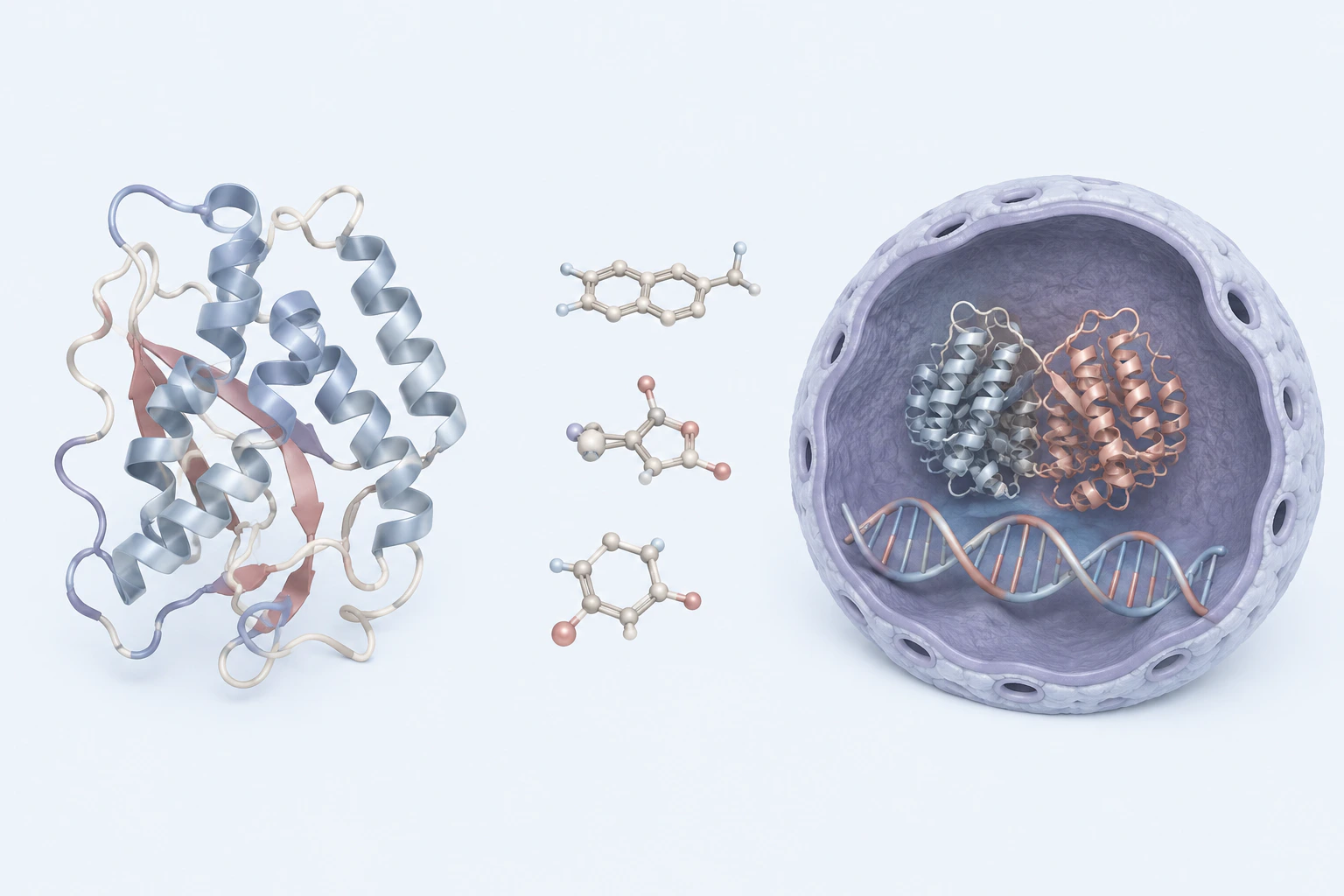
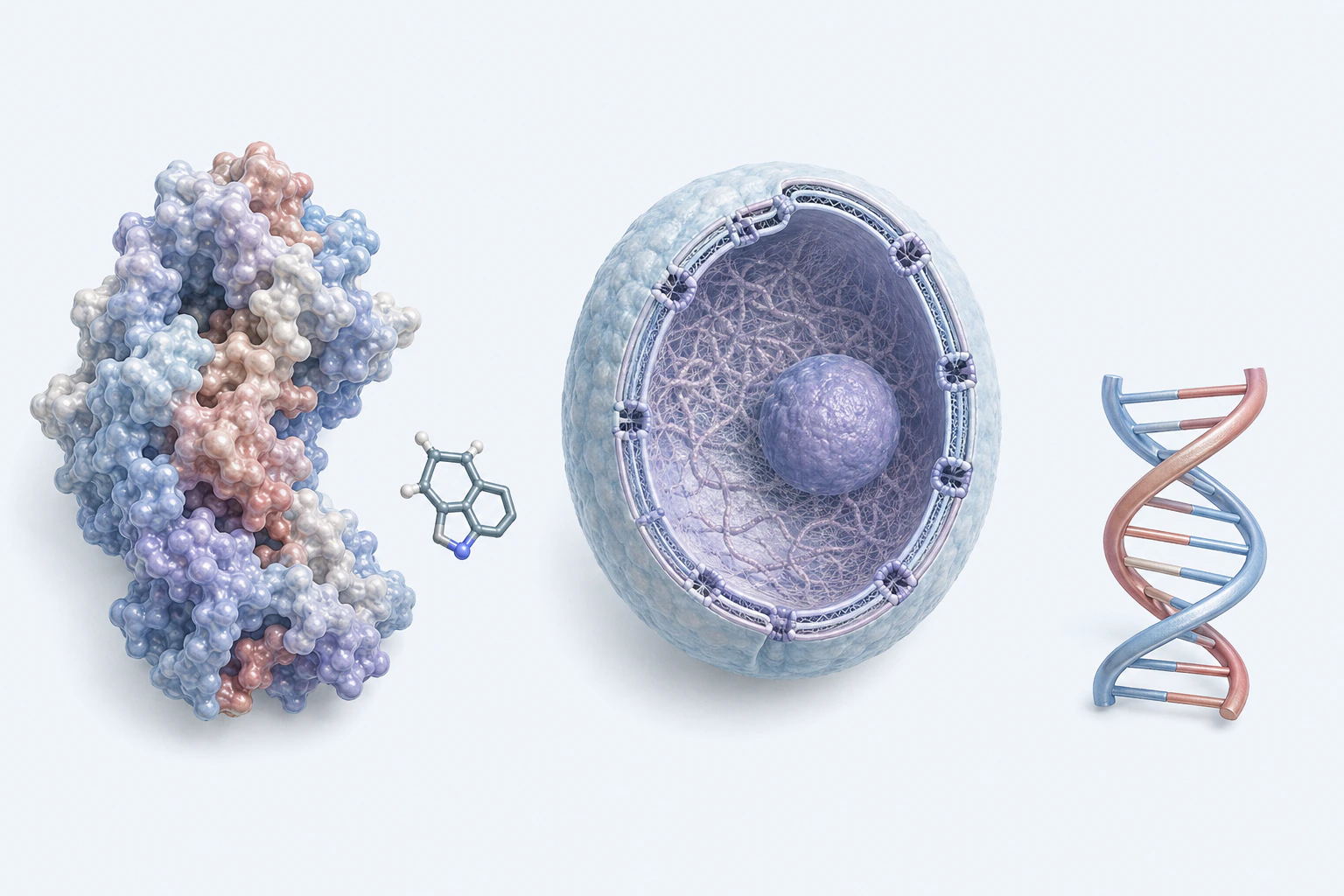
The aryl hydrocarbon receptor (AhR) is a ligand-activated transcription factor that functions as a master sensor at the intersection of gut microbial metabolism, environmental chemical exposure, and immune regulation. It is expressed broadly across immune cells, intesti…
This page serves as a cross-reference point for the existing ahr concept page, which provides comprehensive coverage of AhR signaling, microbiome-derived ligands, and immune regulation. The aryl hydrocarbon receptor is a ligand-activated transcription factor that integr…
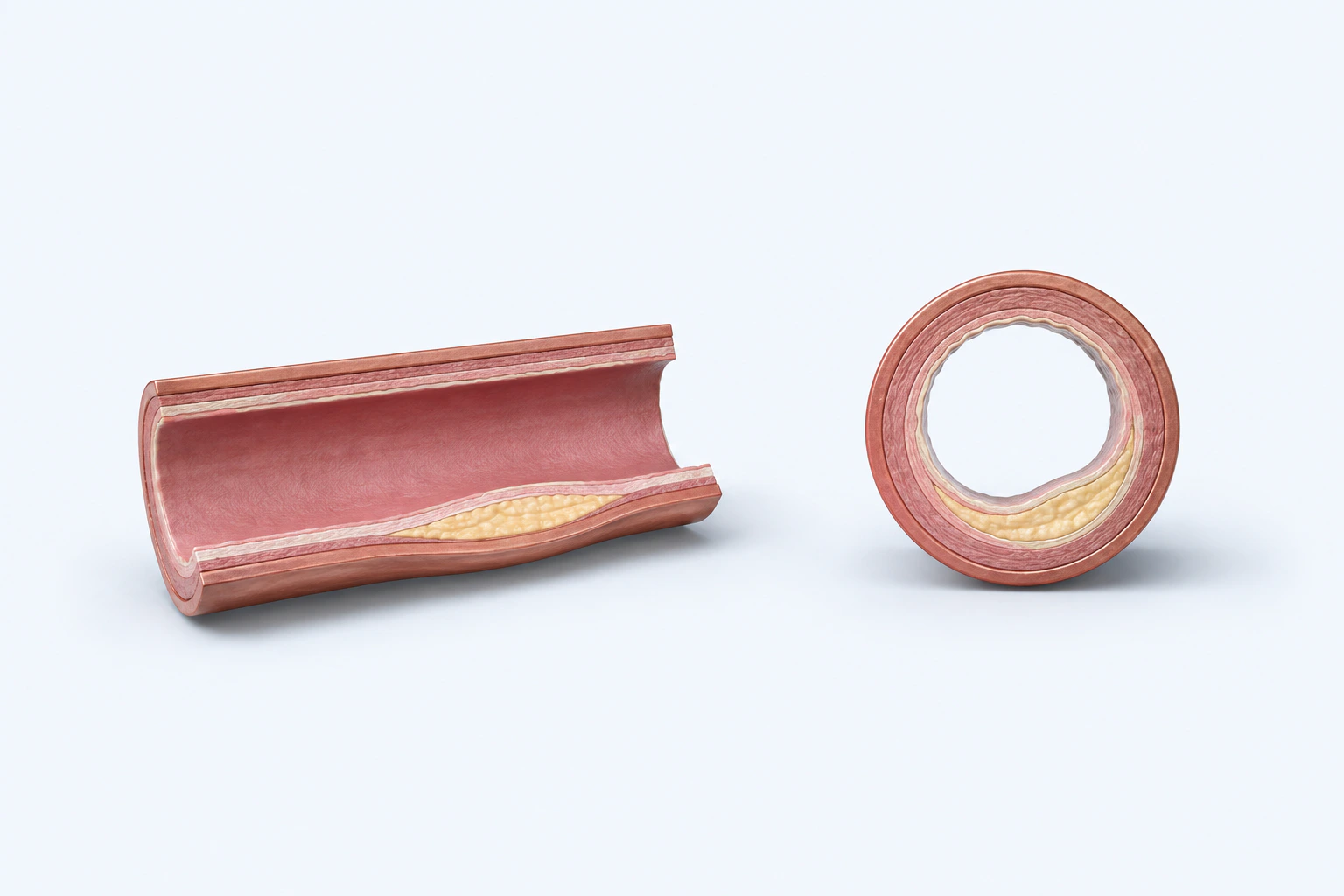
Progressive inflammatory disease of the arterial wall characterized by lipid accumulation, immune cell infiltration, and fibrous plaque formation. In the metallomics framework, atherosclerosis sits at the convergence of three interacting systems: heavy metal toxicity, g…
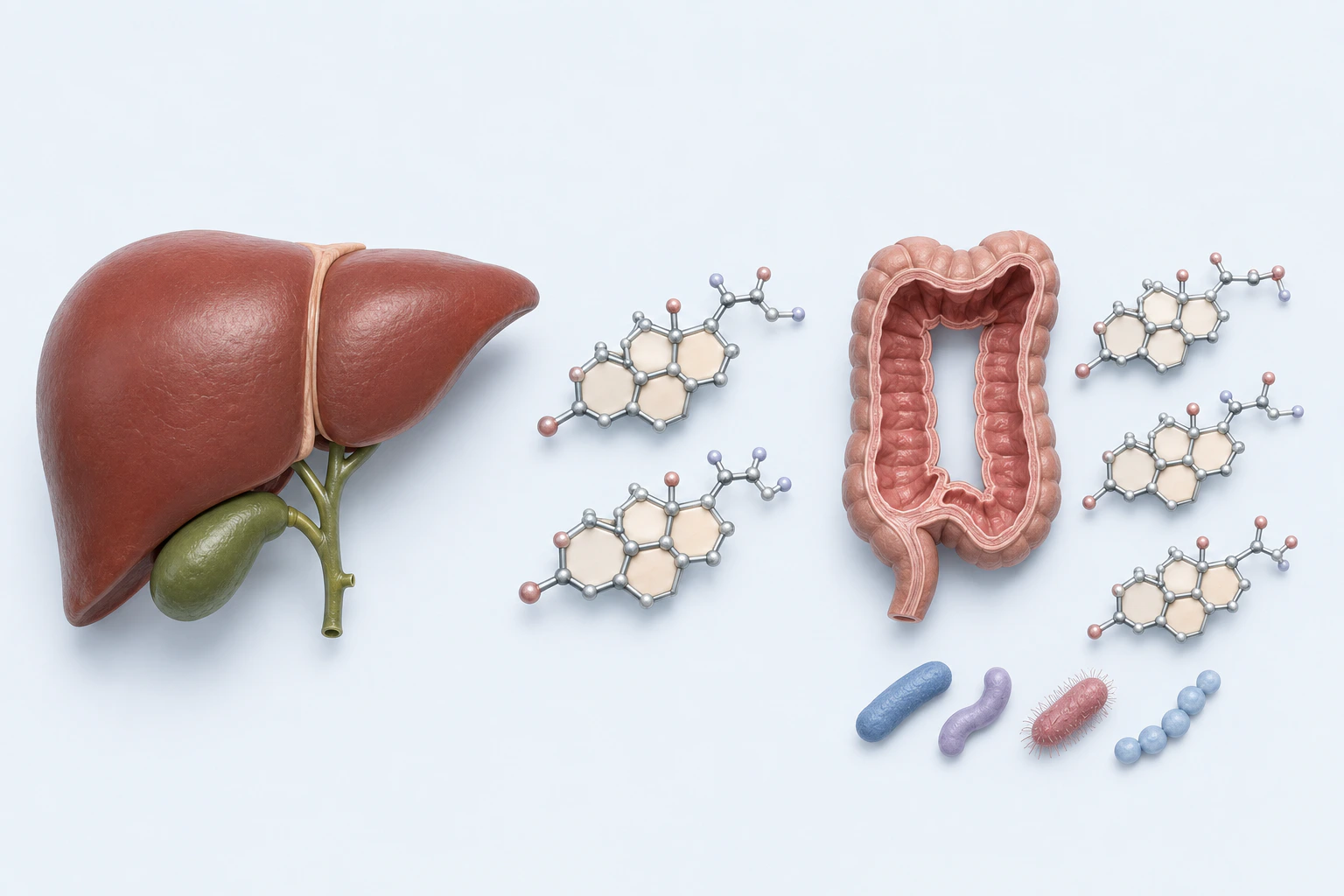
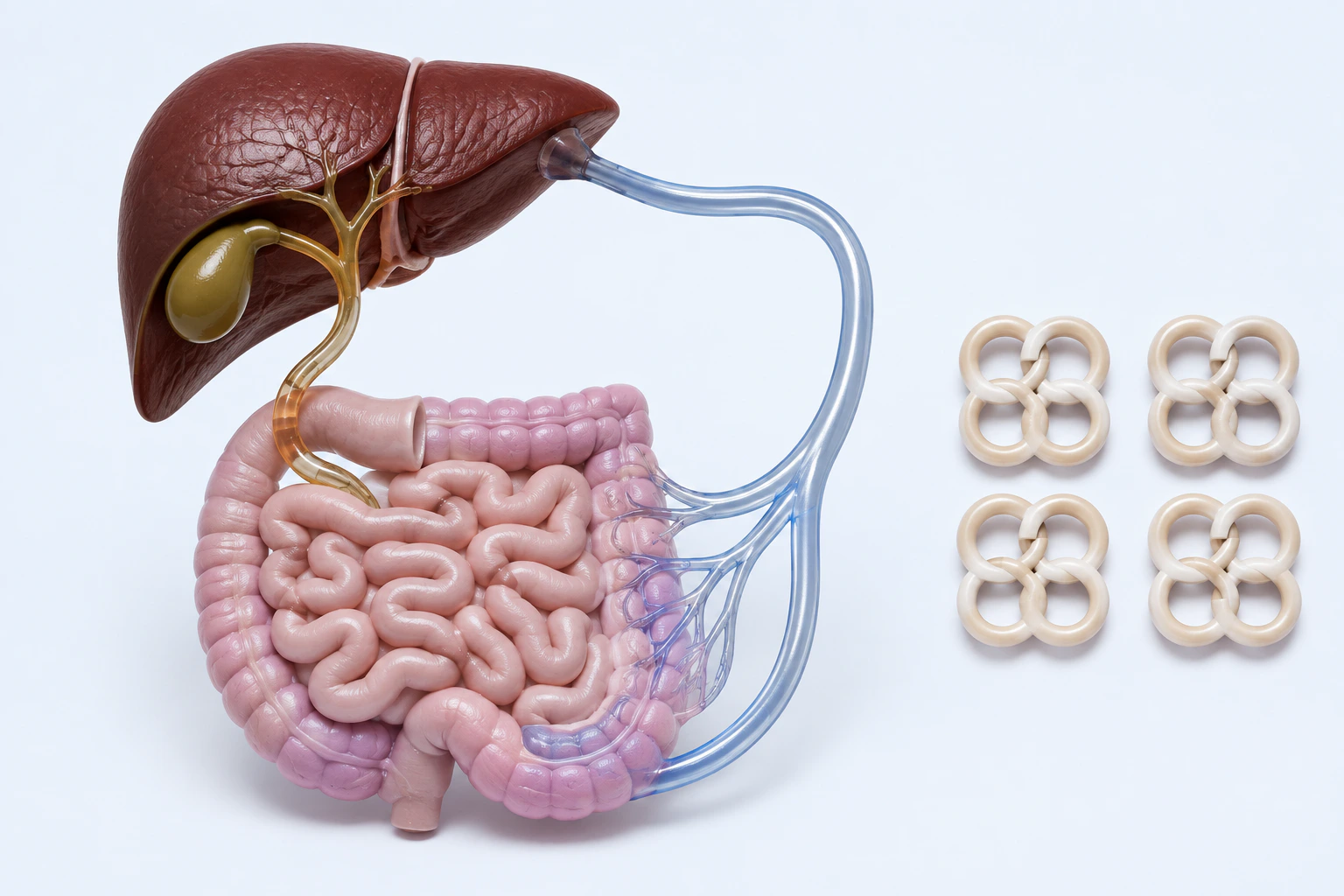
Bile acids are cholesterol-derived amphipathic molecules synthesized in the liver, secreted into the duodenum, and extensively modified by gut bacteria. The host-microbe co-metabolism of bile acids creates a signaling network with profound effects on lipid metabolism, g…
The community of trillions of microorganisms — bacteria, archaea, fungi (mycobiome), viruses, and bacteriophages — inhabiting the human gastrointestinal tract, with the highest density in the colon (~10¹¹ cells/g). The gut microbiome encodes 100–150 times more genes tha…
Bidirectional communication between the gut microbiota and the central nervous system, mediated by neural (vagus nerve, enteric nervous system), immune (cytokines, microglia), endocrine (HPA axis), and metabolic (SCFAs, neurotransmitter precursors, tryptophan metabolite…
Heavy metals exert some of their most devastating effects on the nervous system. lead, mercury, and arsenic are the three metals with the most extensively documented neurotoxic mechanisms, but cadmium, manganese, aluminum, and nickel also contribute to neurological dama…
This knowledge-base record is being expanded from WikiBiome’s evidence graph.
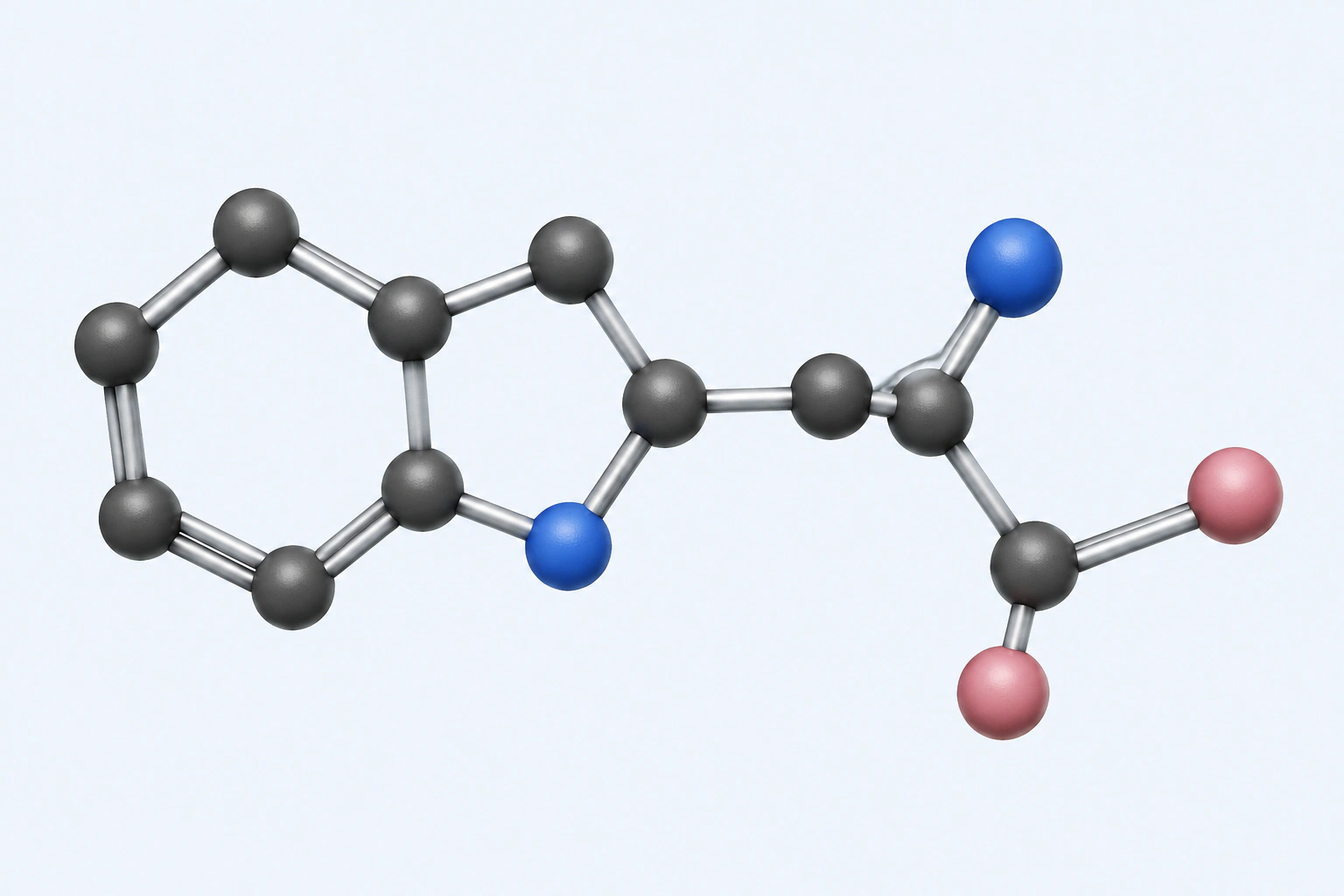
Microbial tryptophan metabolites produced by gut bacteria through the third branch of tryptophan metabolism -- the indole pathway. Unlike the host-dominated kynurenine pathway (~95% of Trp) and the serotonin pathway (~1-2%), the indole pathway is exclusively microbial a…
The kynurenine pathway (KP) is the dominant route of tryptophan catabolism, accounting for approximately 95% of dietary tryptophan degradation. It produces a cascade of neuroactive, immunomodulatory, and potentially neurotoxic metabolites whose balance determines whethe…
This knowledge-base record is being expanded from WikiBiome’s evidence graph.
The use of gut microbiome composition, microbial metabolites, or microbial products as diagnostic, prognostic, or monitoring tools for disease. Unlike traditional clinical biomarkers, microbial biomarkers capture the functional state of the host-microbiome ecosystem and…
Microglia are the resident immune cells of the central nervous system, constituting 5-12% of all brain cells. They function as the brain's surveillance and defense system -- scanning for damage, clearing debris, pruning synapses during development, and mounting inflamma…
Mitochondrial dysfunction refers to the impairment of mitochondrial energy production, redox balance, and signaling functions. Mitochondria are the primary targets of heavy metal toxicity in human cells, and they are also the organelles most dependent on metal cofactors…
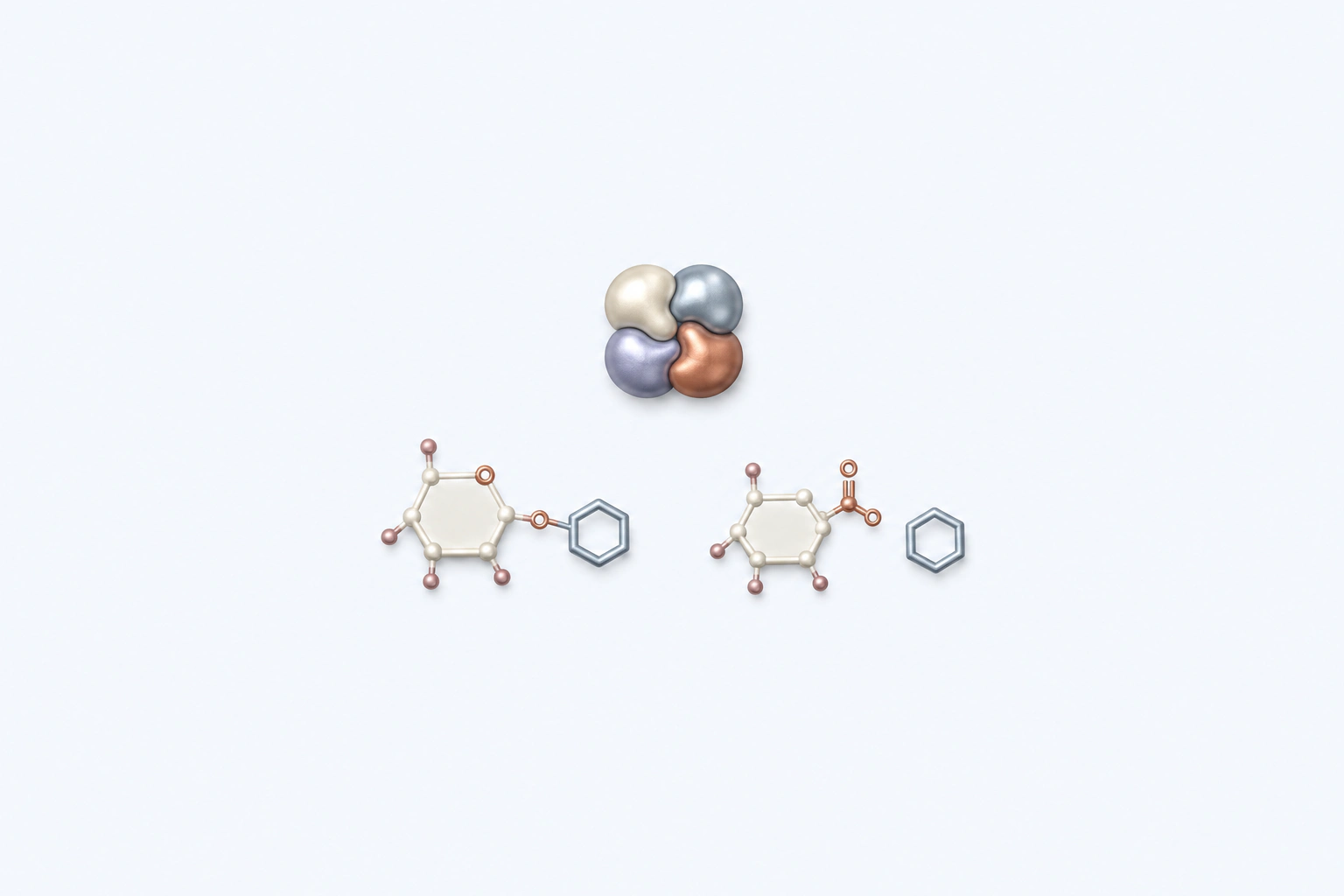
Phenylalanine is an essential aromatic amino acid that sits at a metabolic crossroads: it is the precursor to tyrosine (and through it to dopamine, norepinephrine, and epinephrine), a substrate for microbial conversion to cardiovascular risk metabolites, and a participa…
Polyamines -- putrescine, spermidine, spermine, and cadaverine -- are small polycationic molecules produced by both the host and the gut microbiome. They regulate cell growth, differentiation, apoptosis, and immune function. In the gut ecosystem, polyamines are metaboli…
This knowledge-base record is being expanded from WikiBiome’s evidence graph.
A three-carbon short-chain fatty acid (SCFA) produced primarily by Bacteroidetes and certain Firmicutes through anaerobic fermentation of dietary substrates. At physiological concentrations in healthy gut microbiomes, propionic acid (PPA) is a normal fermentation produc…
The most extensively referenced missing concept in this wiki. SCFAs -- acetate (C2), propionate (C3), and butyrate (C4) -- are the primary metabolic products of anaerobic bacterial fermentation of dietary fiber in the colon. They serve as the critical molecular link bet…
Tryptophan (Trp) is an essential amino acid that the human body cannot synthesize and must obtain from diet. It occupies a uniquely important position at the intersection of neuroscience, immunology, and microbial ecology because it is the sole precursor to serotonin, a…
Tryptophan (Trp) is an essential amino acid metabolized via three competing pathways: the kynurenine pathway, the serotonin pathway, and the microbial indole pathway. The balance among these pathways is profoundly influenced by the gut microbiome, inflammation, and meta…