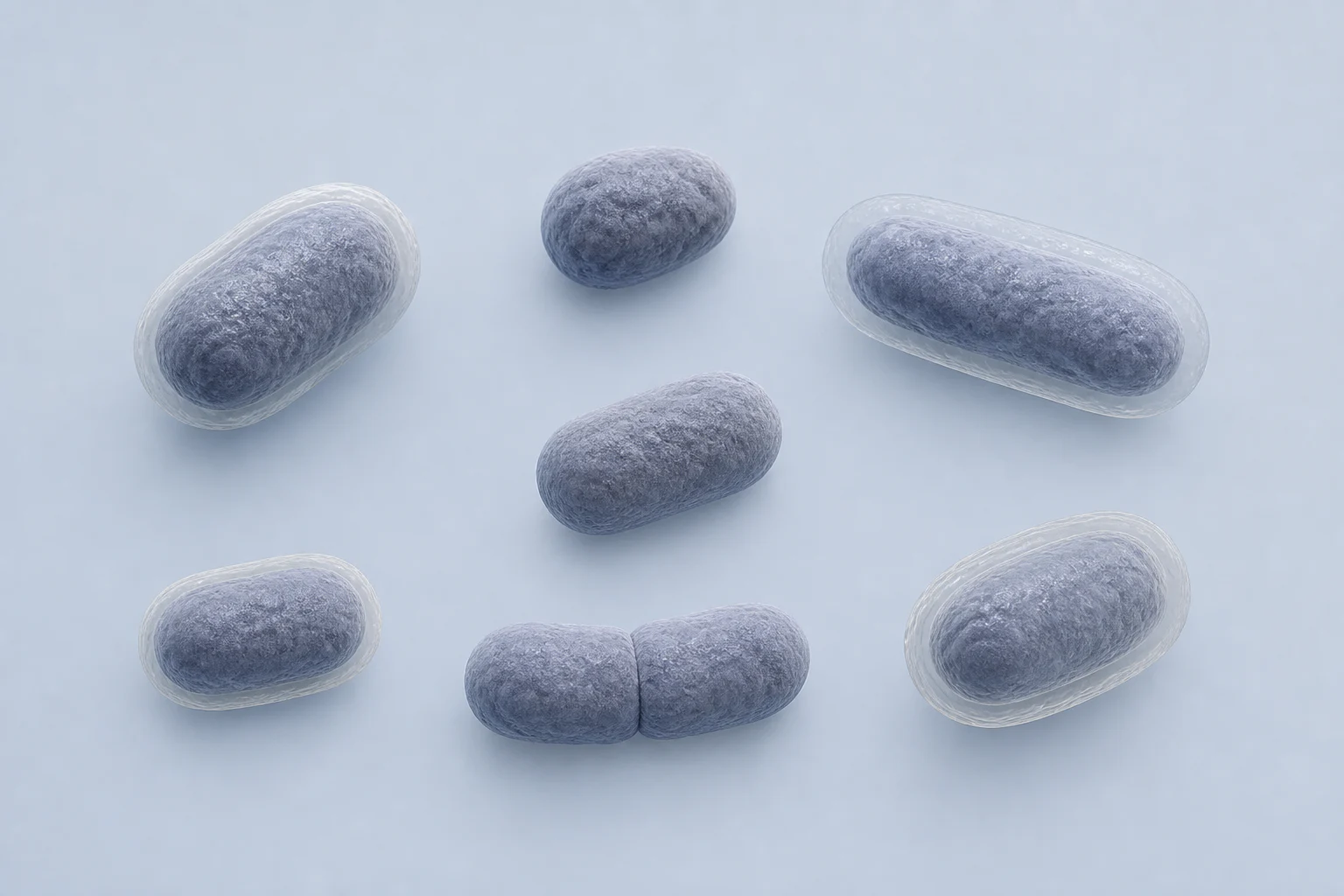
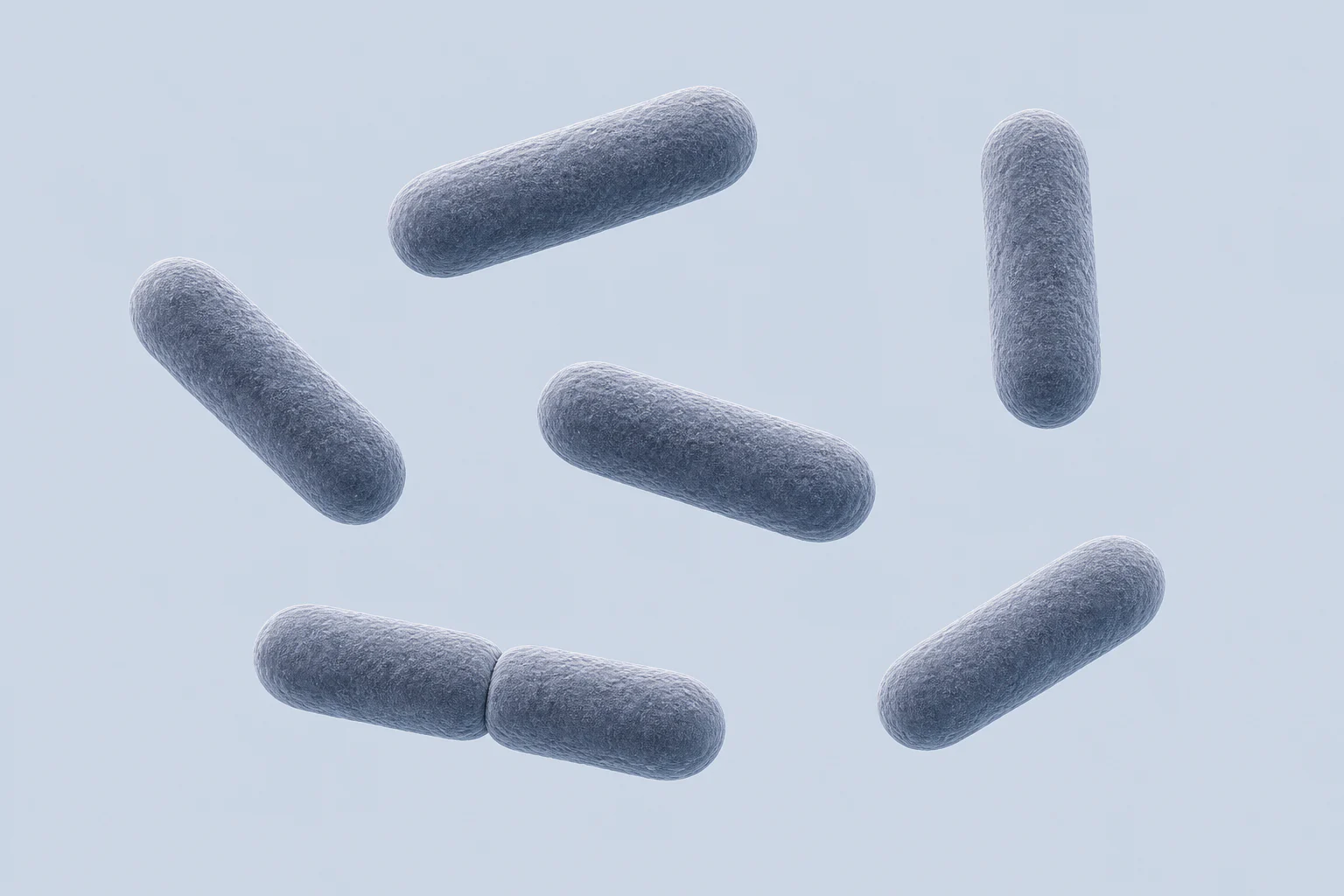
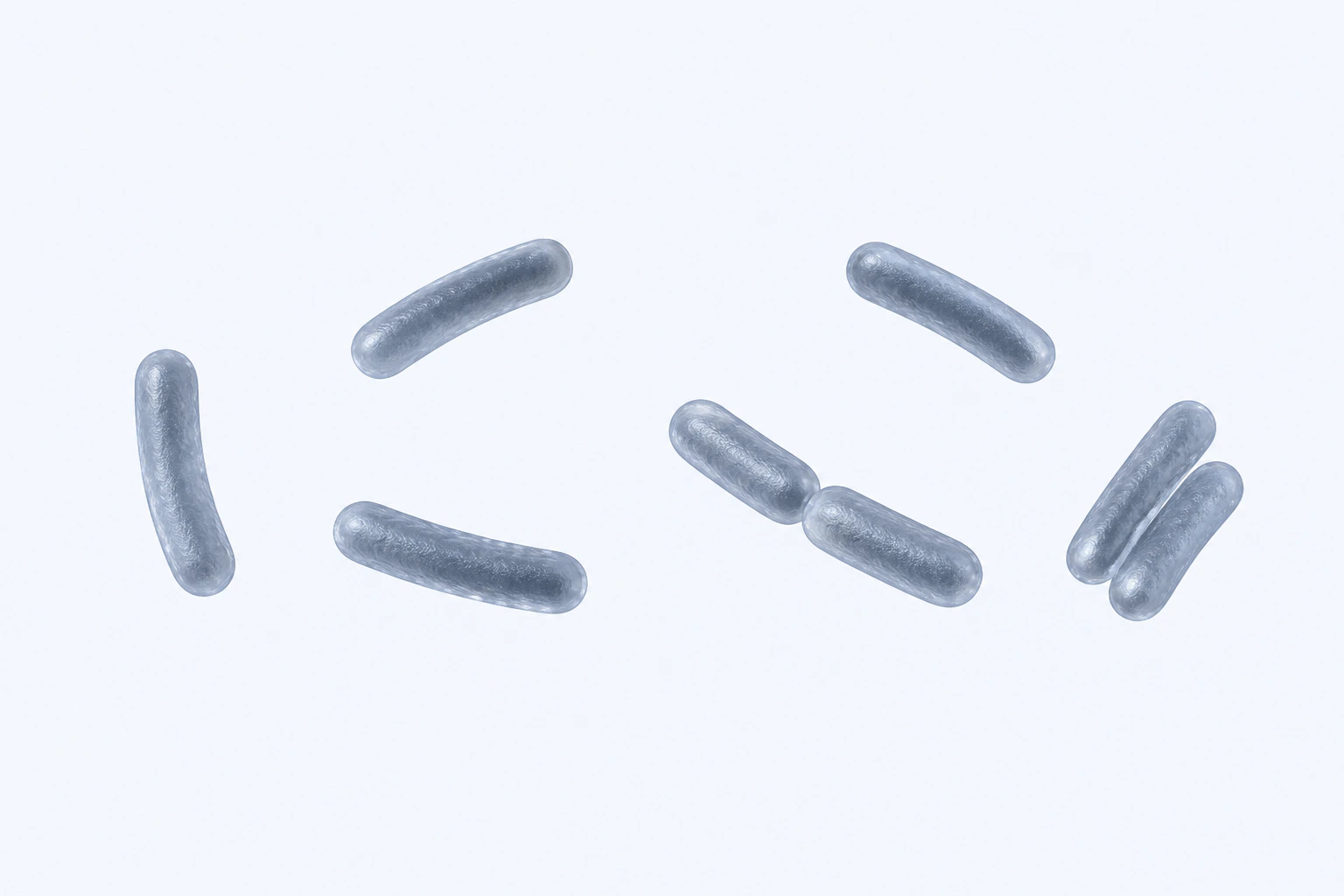
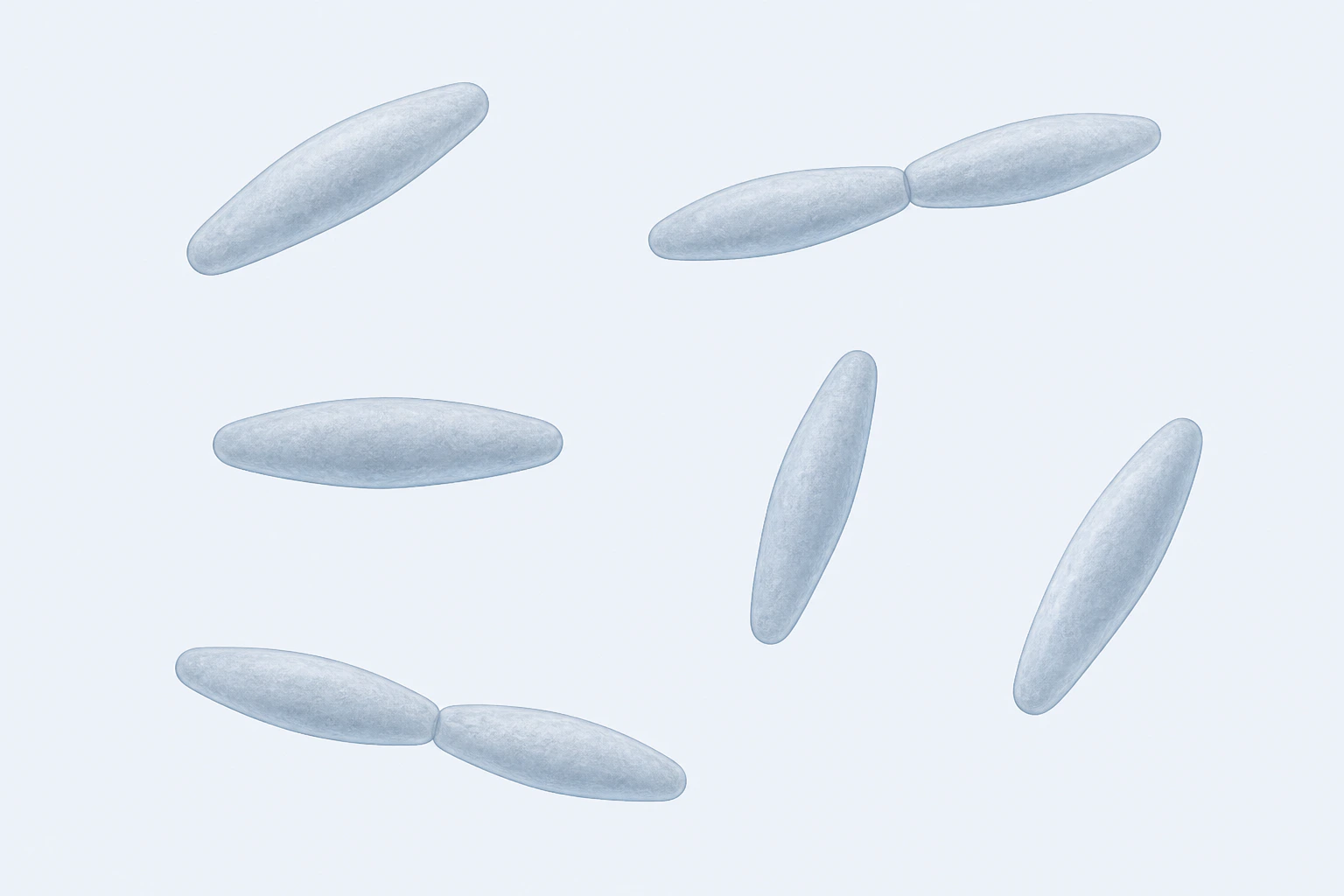
Bacteroides is the most abundant genus in the Western adult gut and a cornerstone of intestinal polysaccharide metabolism. As members of the bacteroidetes phylum, Bacteroides species encode enormous repertoires of carbohydrate-active enzymes (CAZymes) organized into pol…
Bacteroides caccae is a Gram-negative, obligate anaerobic member of the bacteroidetes phylum and a common fiber-degrading commensal in the human colon. While less individually prominent than bacteroides fragilis or bacteroides thetaiotaomicron, B. caccae has emerged as …
A Gram-negative obligate anaerobe and the most clinically significant member of the Bacteroides genus. B. fragilis occupies a unique dual position in gut microbiology: as a non-toxigenic commensal (NTBF), it produces polysaccharide A (PSA) that shapes immune tolerance; …
Bacteroides thetaiotaomicron is one of the most abundant and metabolically versatile commensals of the human gut, routinely cited as a model organism for studying host-microbe symbiosis. Its genome was one of the first human gut bacterial genomes fully sequenced, and su…
A Gram-negative, obligate anaerobic bacterium within the phylum Bacteroidetes and a common member of the healthy human gut microbiota. B. uniformis is a versatile polysaccharide degrader with emerging significance as an anti-inflammatory commensal whose depletion appear…
A Gram-negative obligate anaerobe that exemplifies the commensal-pathobiont spectrum. B. vulgatus is a common component of the healthy gut microbiota, yet is significantly enriched in colorectal cancer and depression, suggesting a context-dependent pathogenic potential.…
A Gram-negative, obligate anaerobic genus within the Bacteroidetes phylum, closely related to bacteroides fragilis. The best-characterized species, P. distasonis, has emerged as a key anti-inflammatory commensal with significant roles in bile acid metabolism and metabol…
Parabacteroides distasonis is a Gram-negative obligate anaerobe formerly classified within Bacteroides. It is a core member of the healthy human gut microbiome, typically found in the colon where it contributes to polysaccharide degradation and bile acid metabolism.
Acetate (acetic acid, C2) is the most abundant SCFA in the colon (~60% of total SCFAs) and the primary cross-feeding substrate for butyrate production. Produced by Bacteroides, Bifidobacterium, Prevotella, and acetogens from dietary fiber fermentation, acetate reaches p…
Bacteroidaceae is a family of obligate anaerobic, Gram-negative bacteria in the order bacteroidales. The dominant genus is bacteroides, which includes B. fragilis, B. vulgatus, B. thetaiotaomicron, and B. uniformis. Bacteroidaceae are among the most abundant gut bacteri…
Bacteroidales is an order of obligate anaerobic, Gram-negative bacteria within the phylum Bacteroidetes. It includes the families Bacteroidaceae (bacteroides), Prevotellaceae (prevotella), Rikenellaceae, and Porphyromonadaceae (porphyromonas). Bacteroidales are among th…
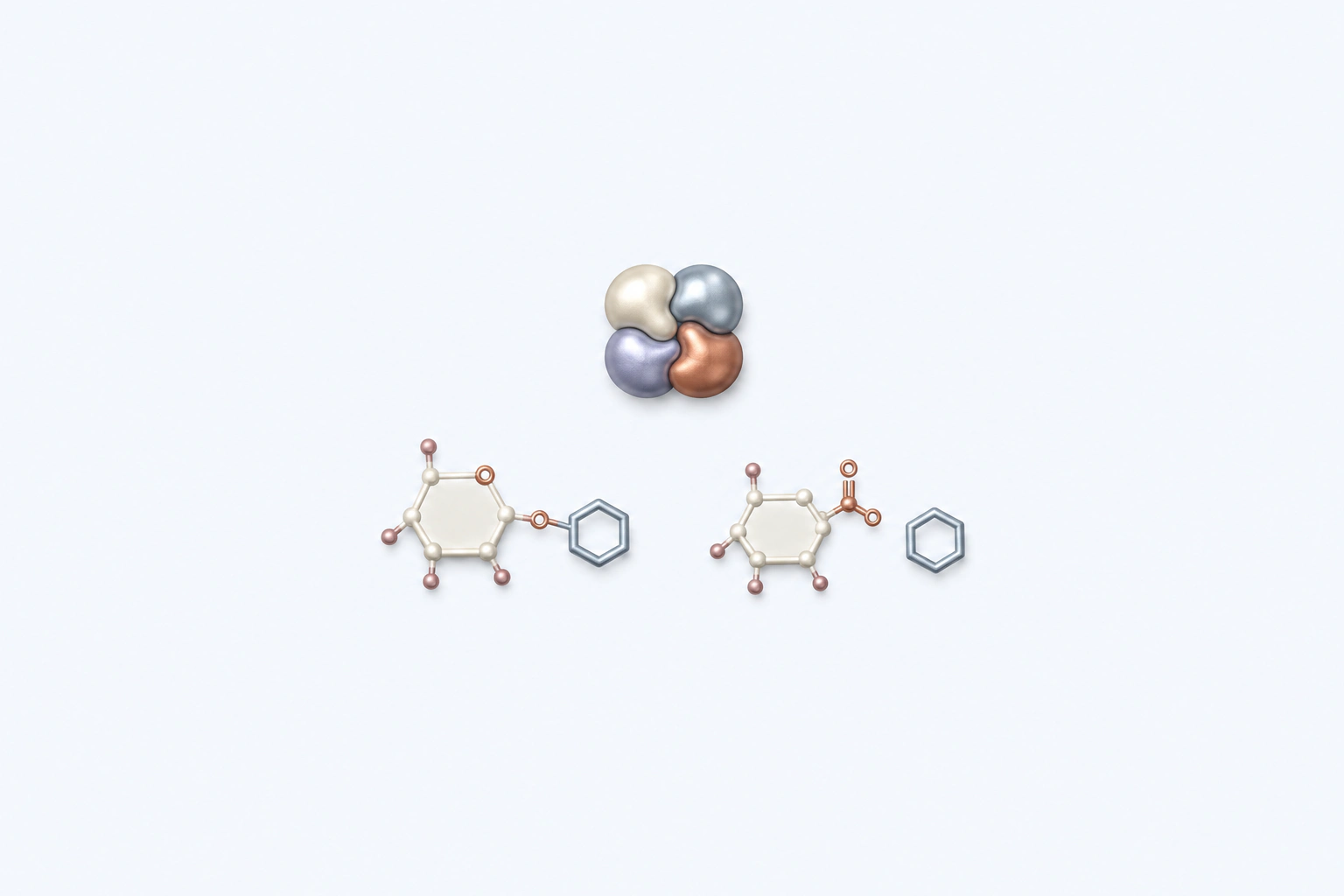
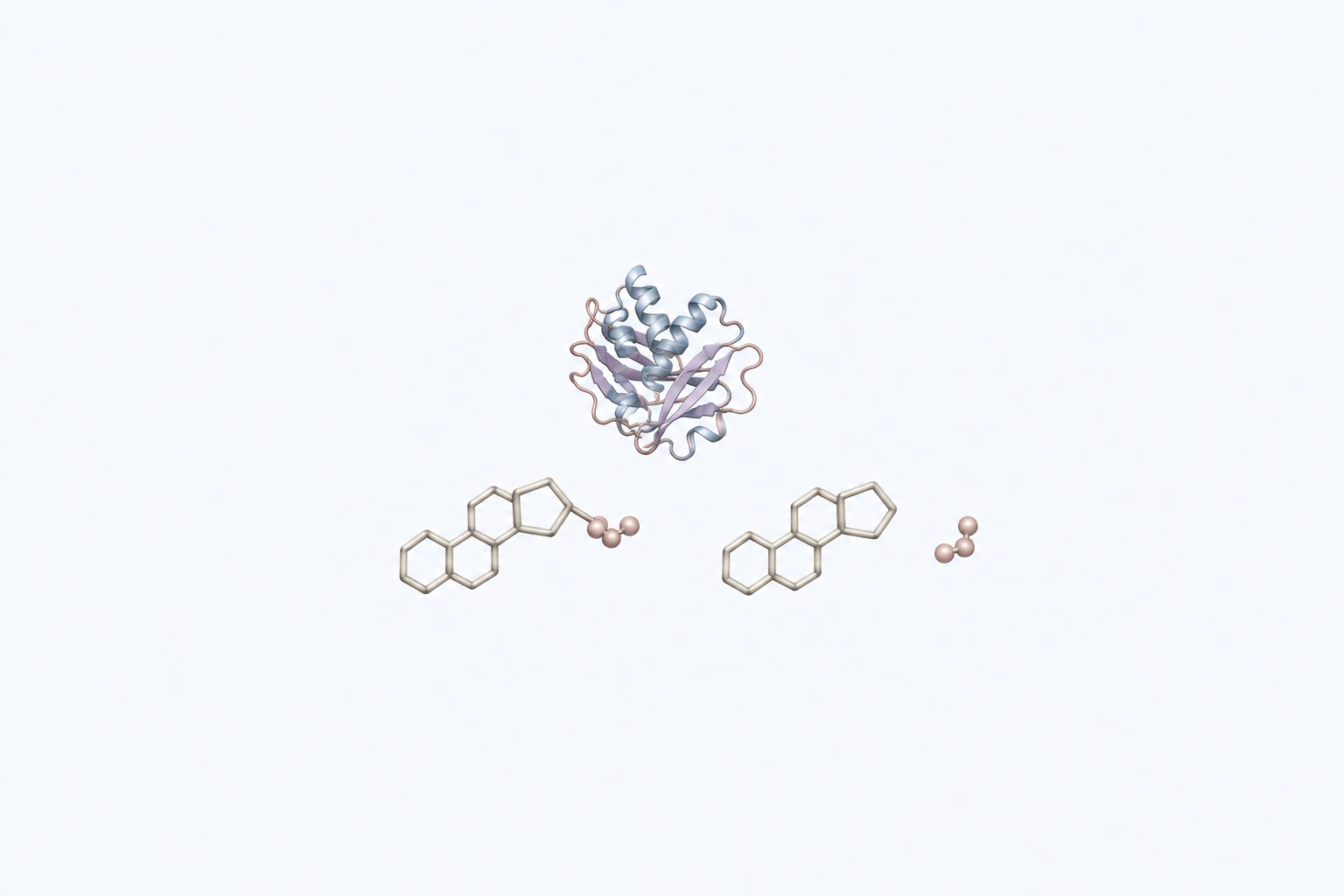
Beta-glucuronidase (β-glucuronidase, EC 3.2.1.31) is an enzyme that catalyzes the hydrolysis of glucuronidated compounds, cleaving the β-1,4-glycosidic bond between a sugar and a glucuronic acid group. In the microbiome, beta-glucuronidase is the key enzyme of the estro…
Bile salt hydrolase (BSH) is the microbial enzyme that deconjugates primary bile acids (taurocholate, glycocholate) by cleaving the amino acid (taurine or glycine) from the steroid core. This is the first and rate-limiting step in microbial bile acid transformation — wi…
Clostridium symbiosum is a Gram-positive, obligately anaerobic bacterium within the Clostridium cluster XIVa — a taxonomic group enriched for short-chain fatty acid (SCFA) producers and specialized bile acid metabolizers. Despite its ambiguous name (suggesting symbiotic…
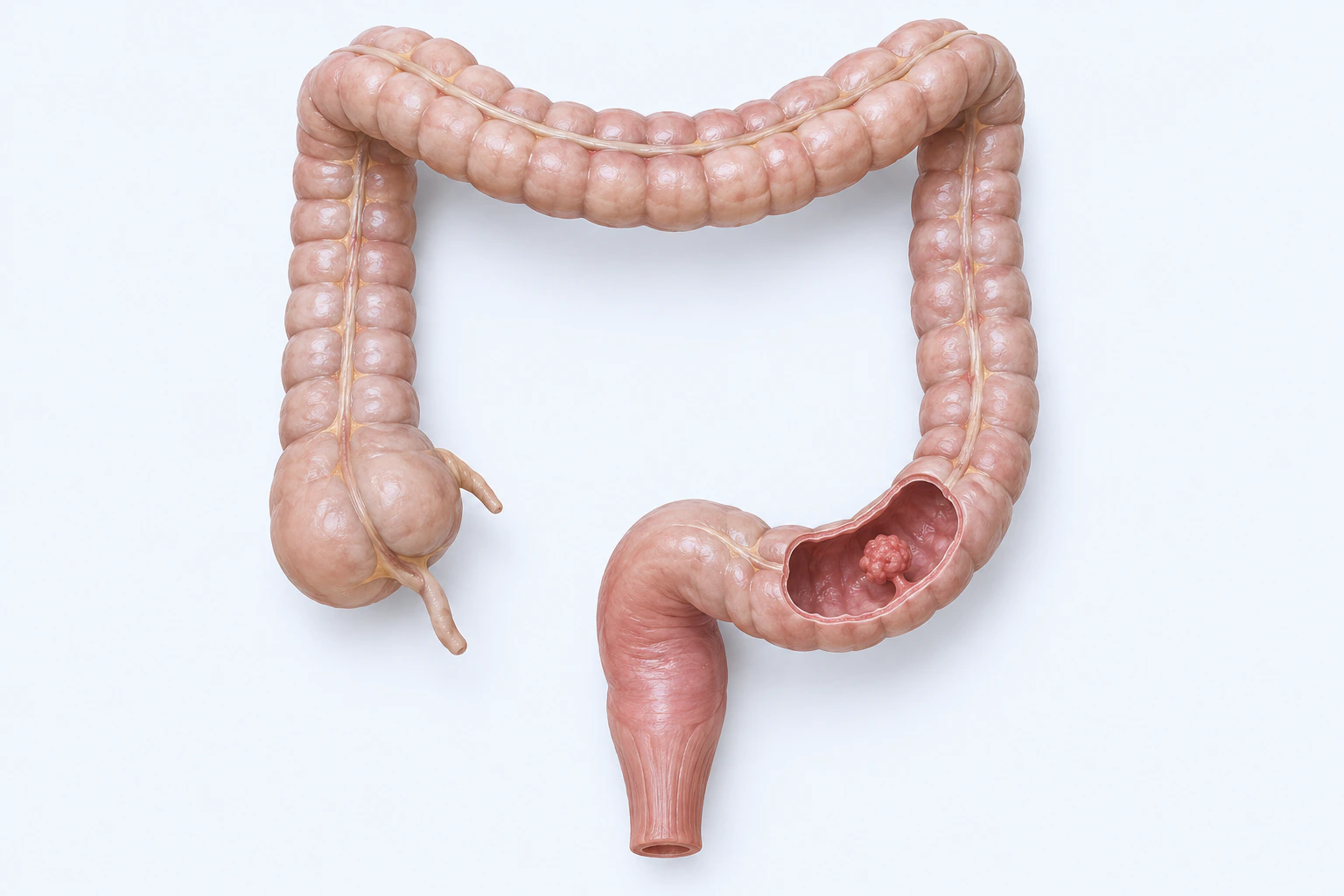
Colorectal cancer (CRC) is the third most common cancer worldwide and the second leading cause of cancer death. Over 90% of cases are sporadic, driven by a complex interplay between genetic predisposition, dietary habits, gut microbiome composition, and environmental ex…
Estrogen recirculation is the recycling loop by which conjugated estrogens excreted in bile are deconjugated by gut bacterial beta glucuronidase, reabsorbed across the intestinal epithelium, and returned to systemic circulation uzuner 2023 bidirectional relationship end…
A Gram-negative, obligate anaerobic genus within the phylum Bacteroidota (formerly Bacteroidetes) that was recently reclassified from Bacteroides based on phylogenomic evidence (Garcia-Lopez et al., 2019). The key species -- Phocaeicola vulgatus (formerly Bacteroides vu…
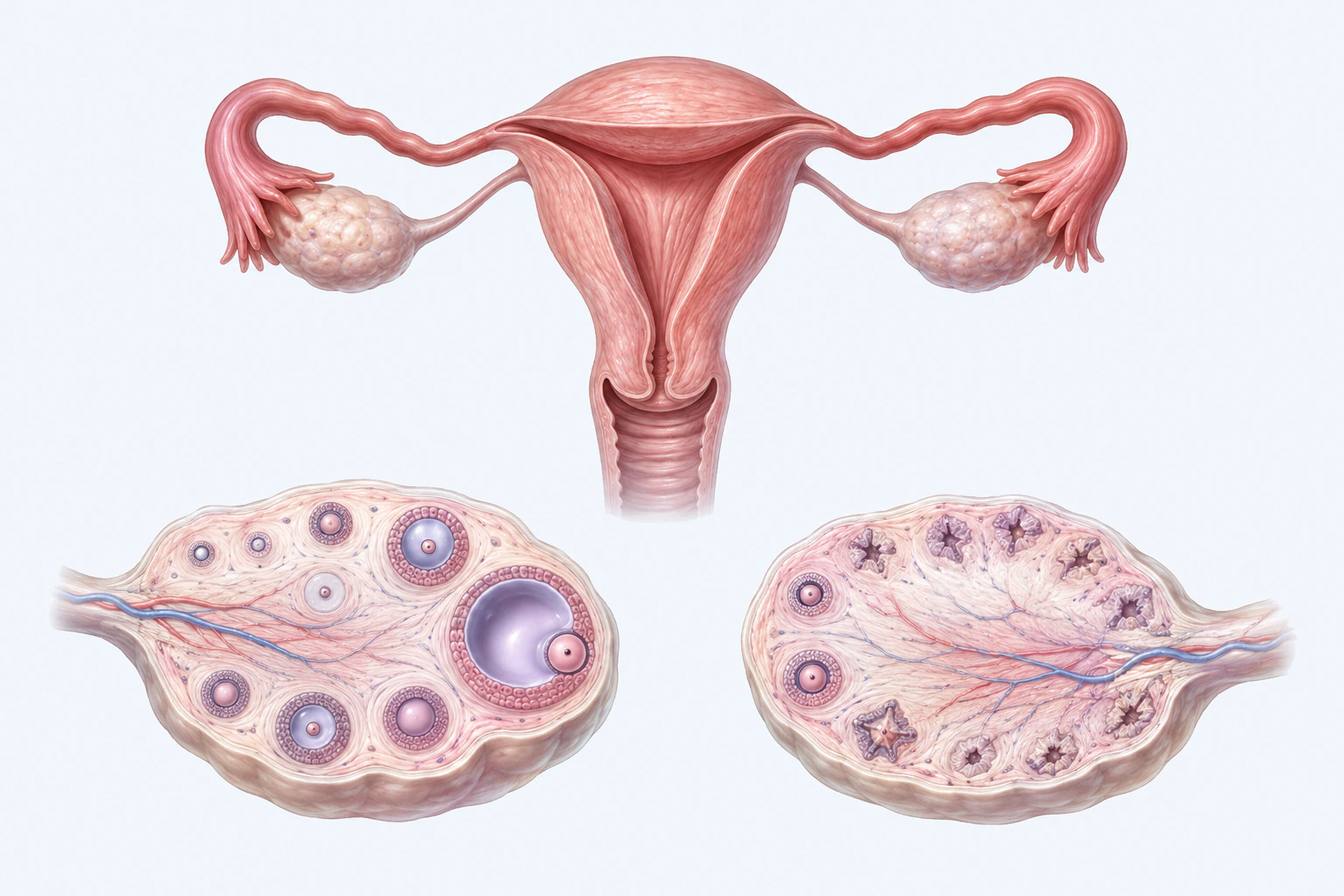
A metabolic-endocrine disorder affecting 6-20% of reproductive-age women worldwide, characterized by hyperandrogenism, oligo/anovulation, and polycystic ovary morphology (Rotterdam criteria) barrea 2019 mediterranean diet pcos. PCOS is the leading cause of anovulatory i…
A three-carbon short-chain fatty acid (SCFA) produced primarily by Bacteroidetes and certain Firmicutes through anaerobic fermentation of dietary substrates. At physiological concentrations in healthy gut microbiomes, propionic acid (PPA) is a normal fermentation produc…
Saccharolytic fermentation is the microbial breakdown of carbohydrates (dietary fiber, resistant starch, host glycans) to produce short chain fatty acids (acetate, propionate, butyrate) and gases (H₂, CO₂, CH₄). It is the beneficial fermentation mode — the metabolic act…
Succinate is a Krebs cycle intermediate and a microbial metabolite produced by dialister, Bacteroides, Prevotella, and other gut bacteria. Beyond its role in energy metabolism, succinate is a signaling molecule that activates GPR91 (SUCNR1) on immune cells and neurons, …
Toll-like receptor 4 (TLR4) is a cell-surface pattern-recognition receptor in the toll like receptors family. It is best known for detecting particular forms of bacterial lipopolysaccharide (LPS) through a receptor complex and converting that detection into innate immun…
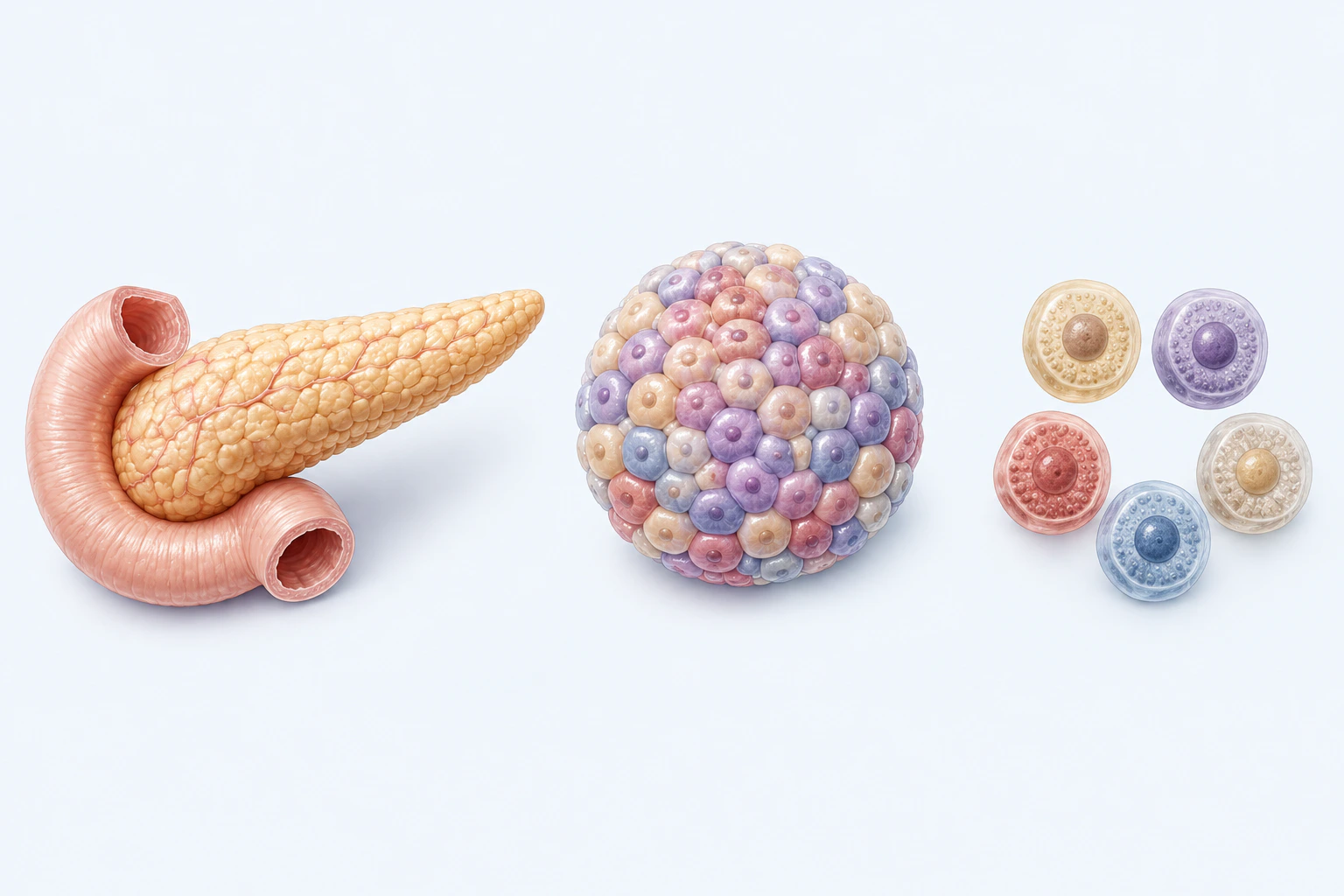
Type 1 diabetes is an autoimmune disease in which immune-mediated destruction of insulin-producing beta cells in the pancreatic islets of Langerhans leads to lifelong insulin dependence. T1D is fundamentally distinct from type 2 diabetes, which is characterized by insul…
Zinc-metalloproteases are a large and functionally diverse family of proteolytic enzymes requiring zinc (Zn²⁺) in the active site for catalytic activity. They cleave peptide bonds in proteins, causing tissue destruction, immune evasion, and bacterial dissemination. Majo…