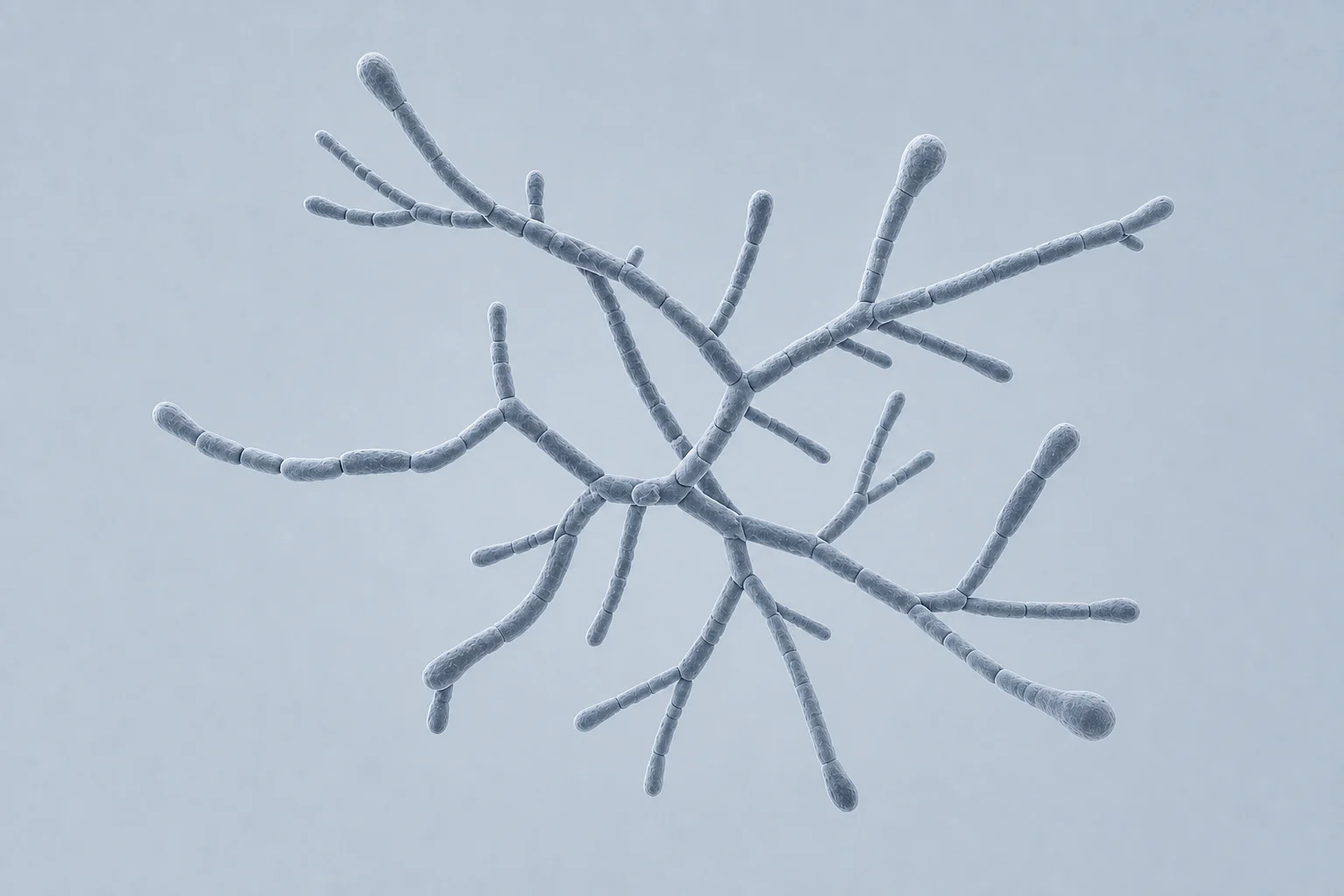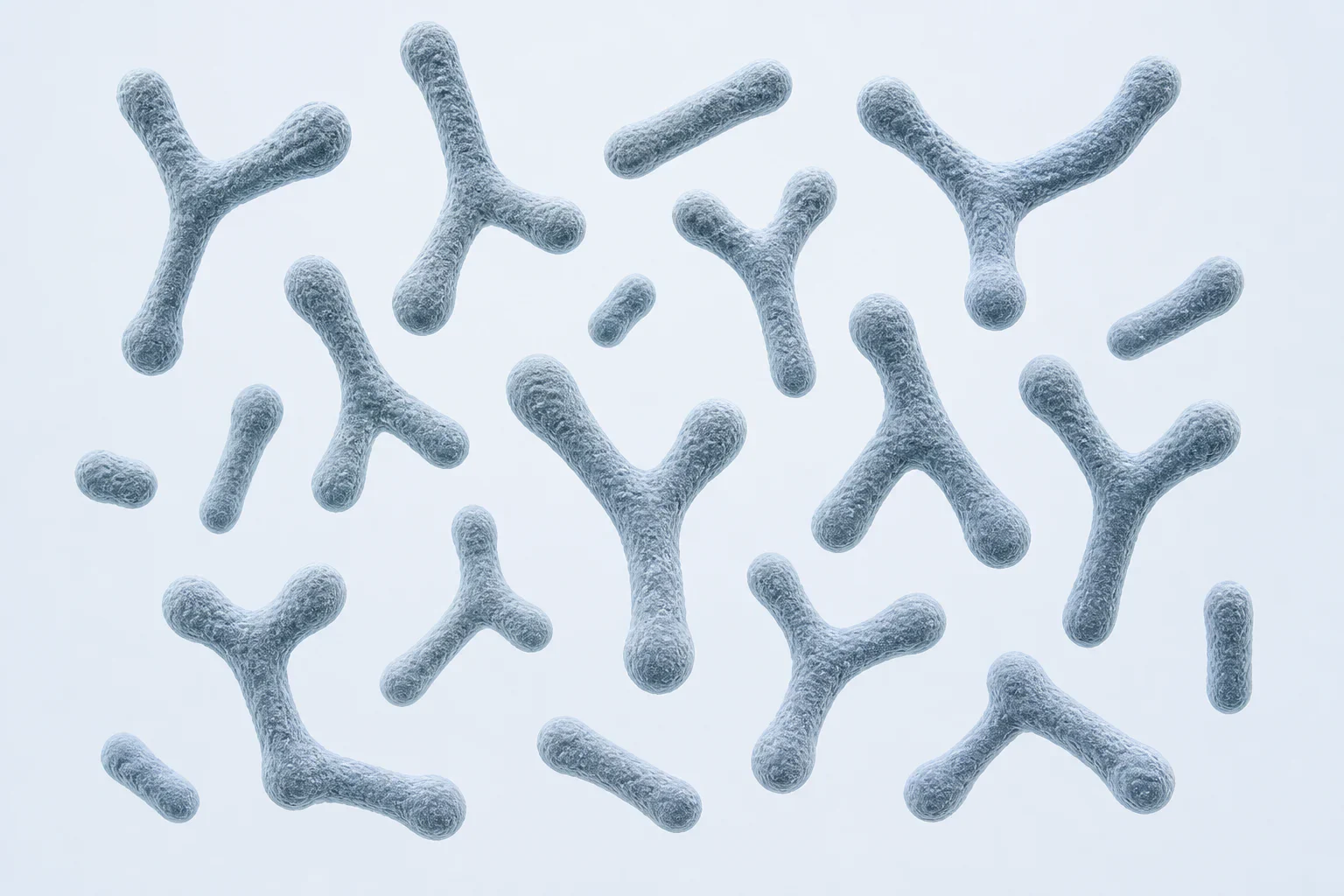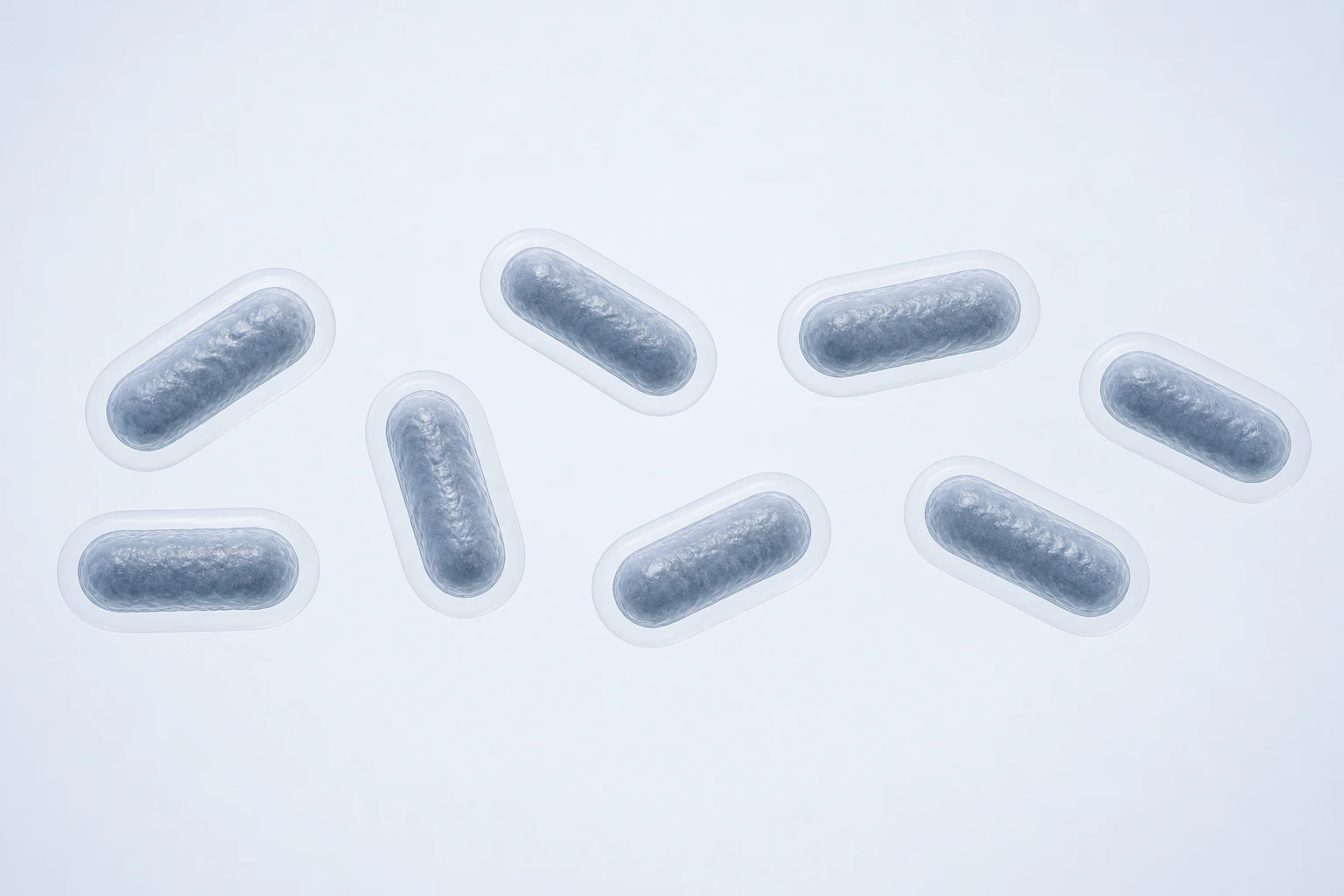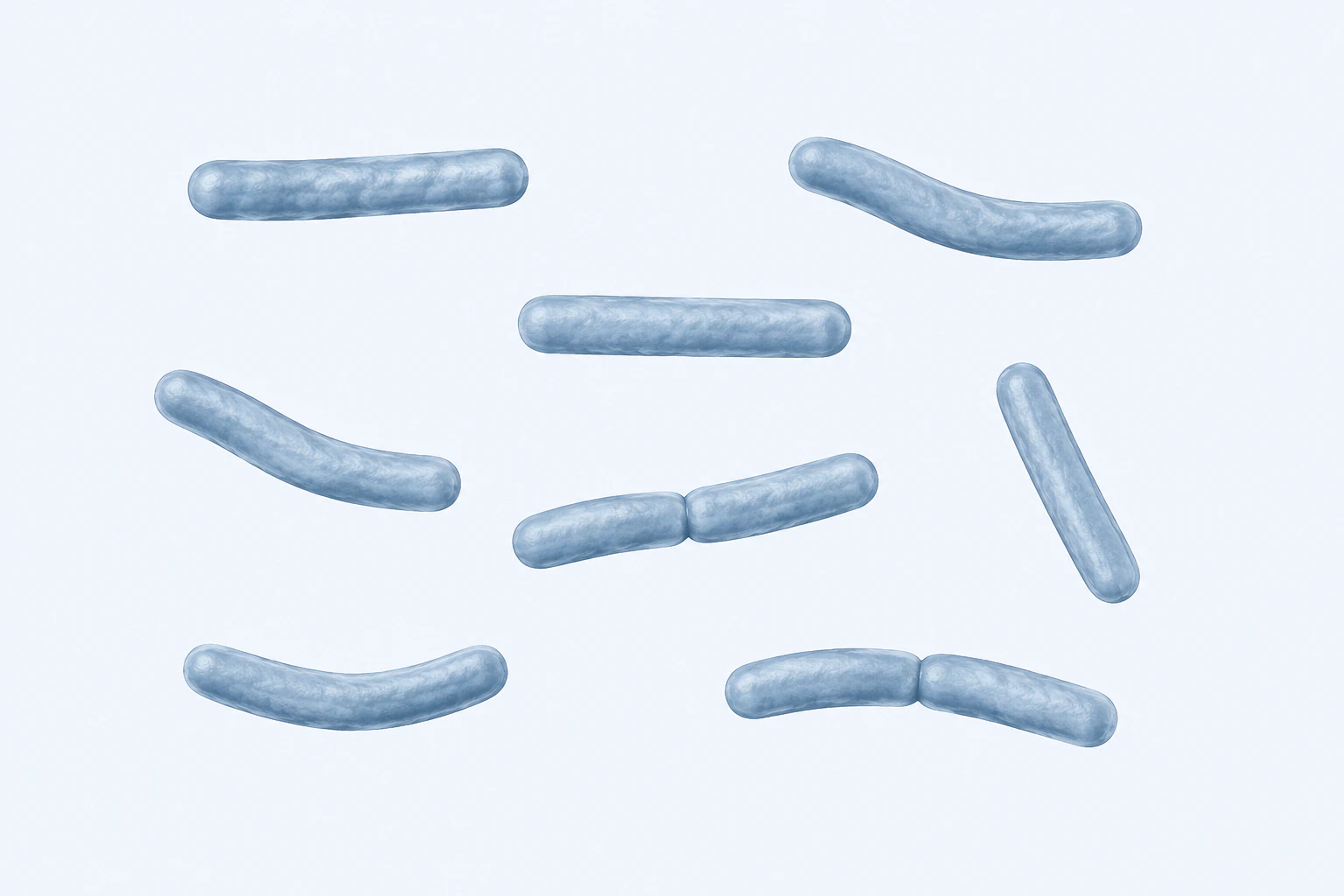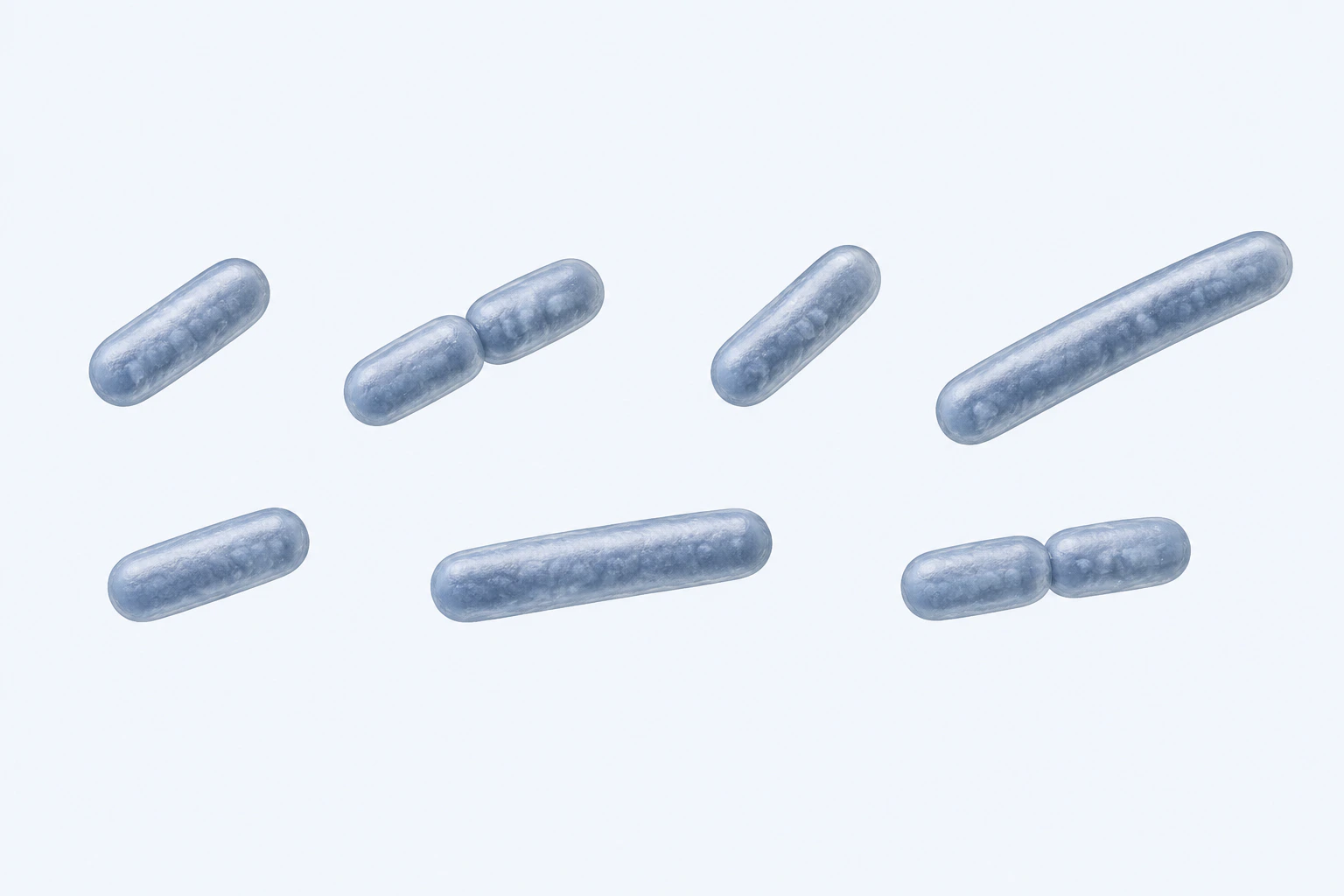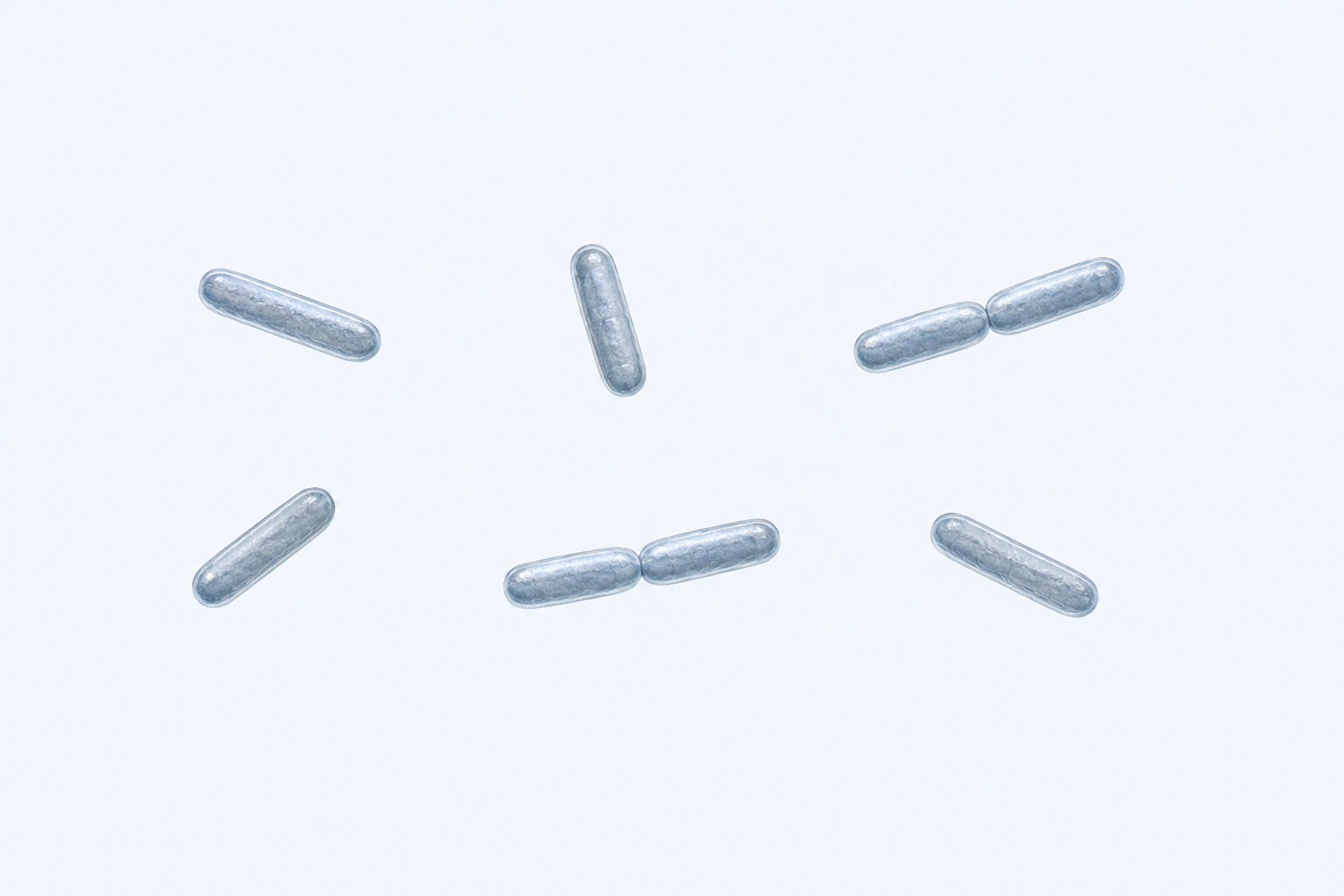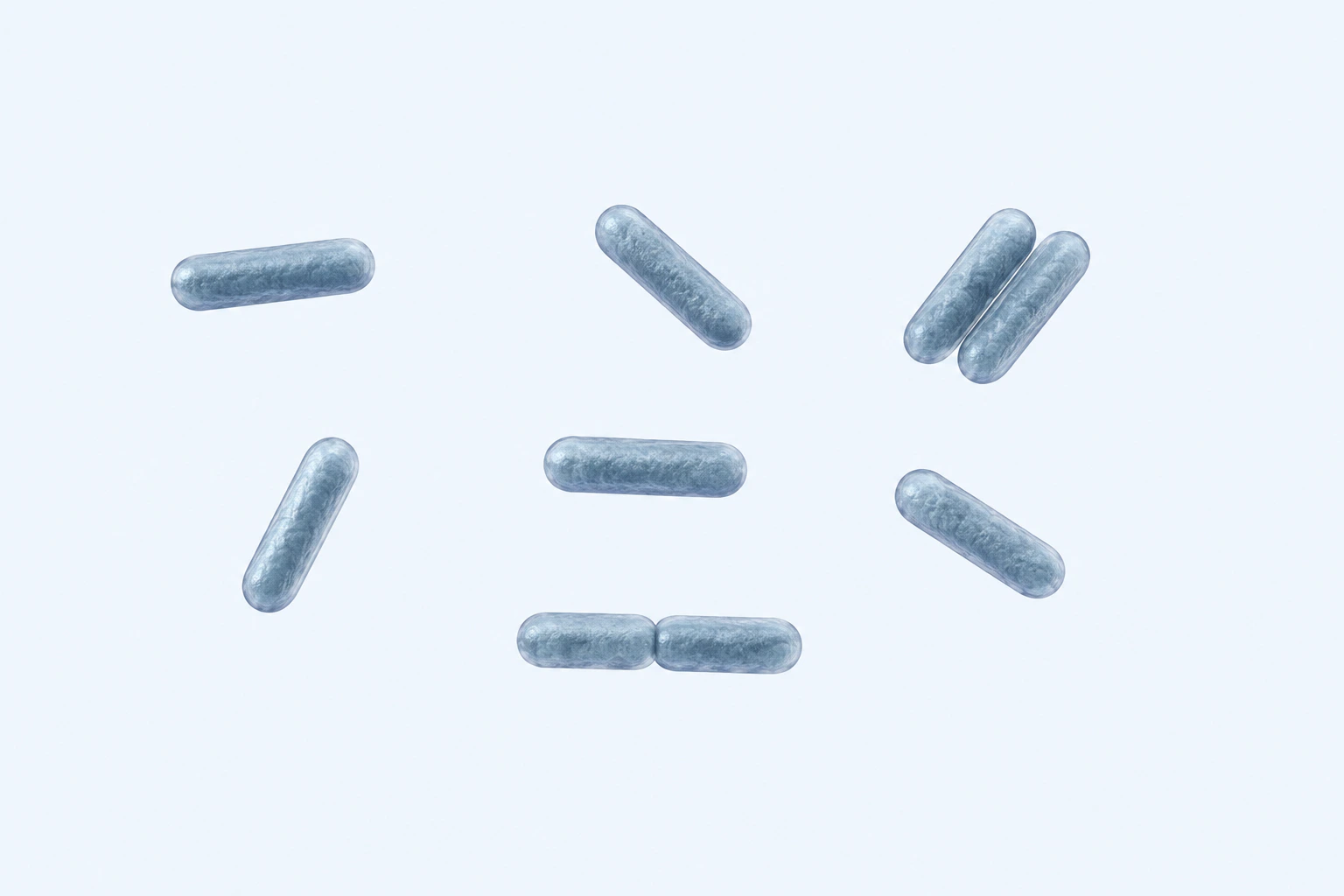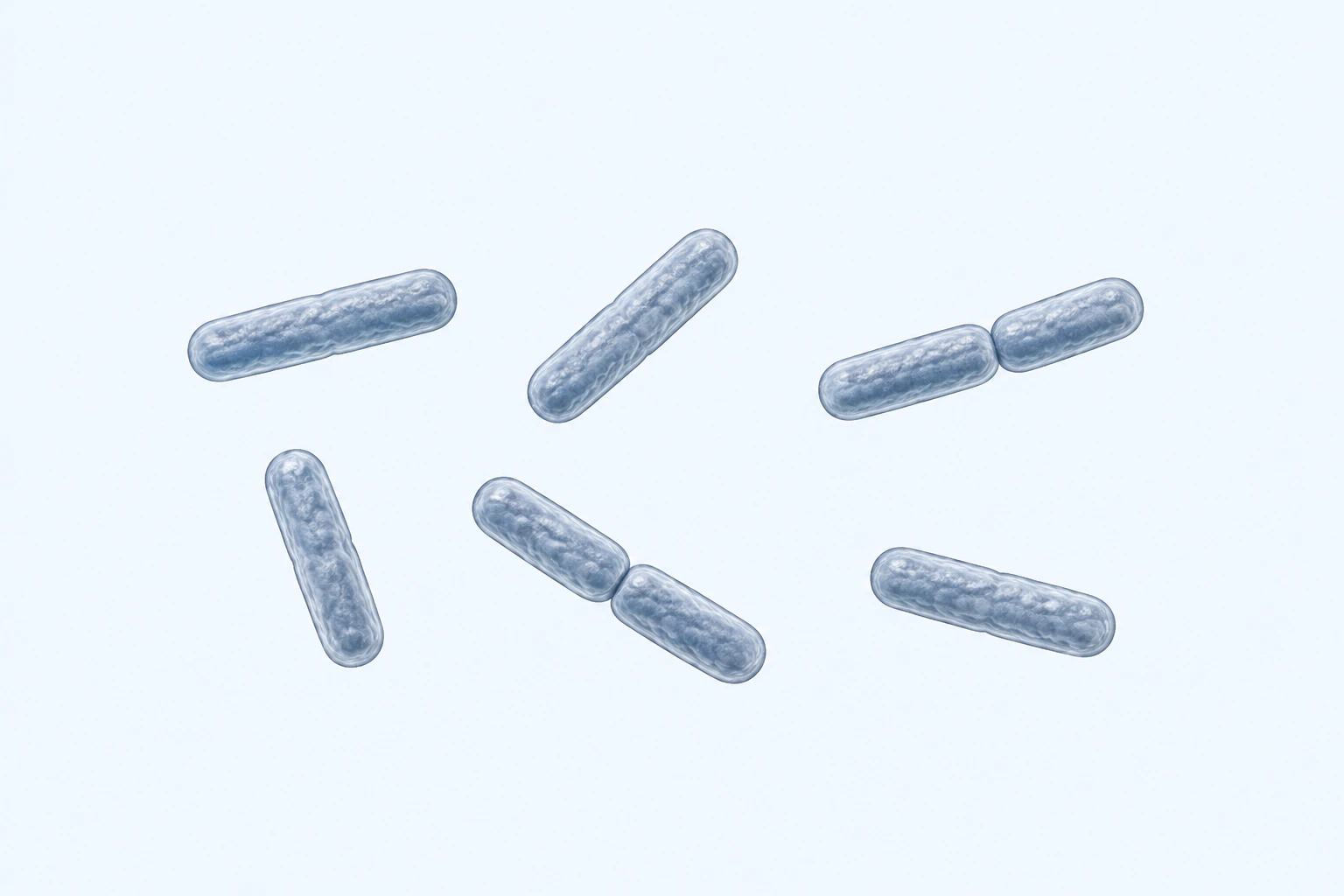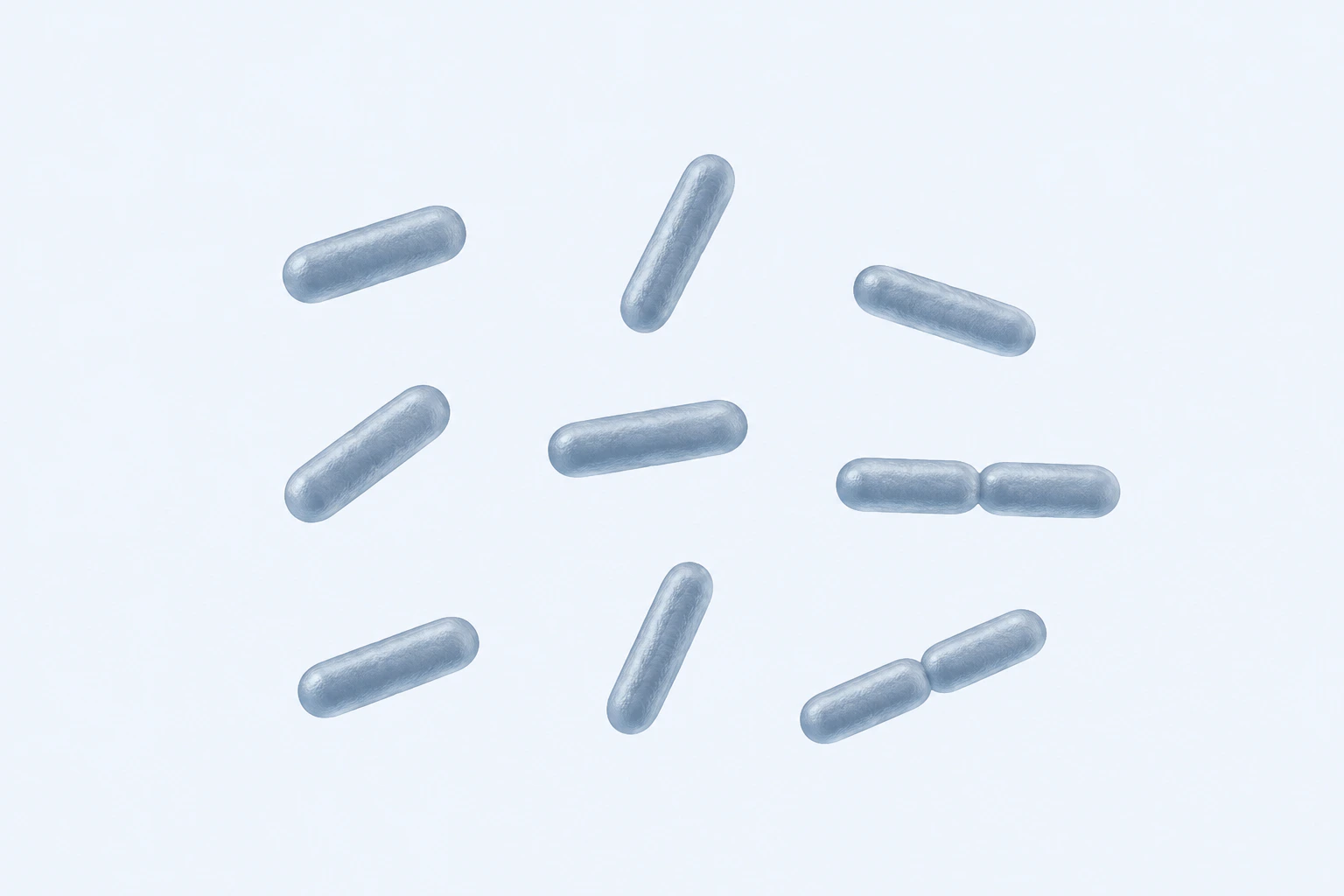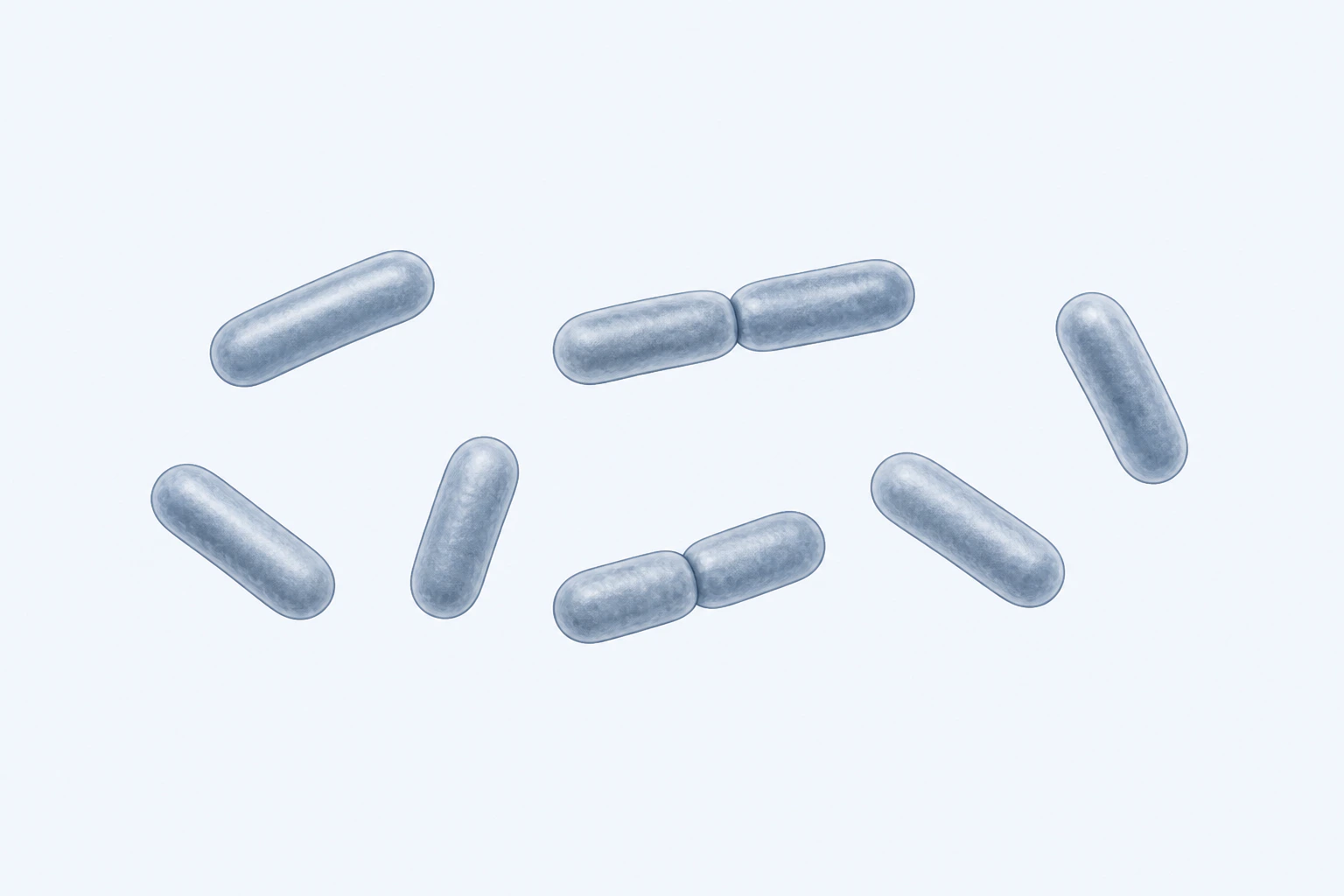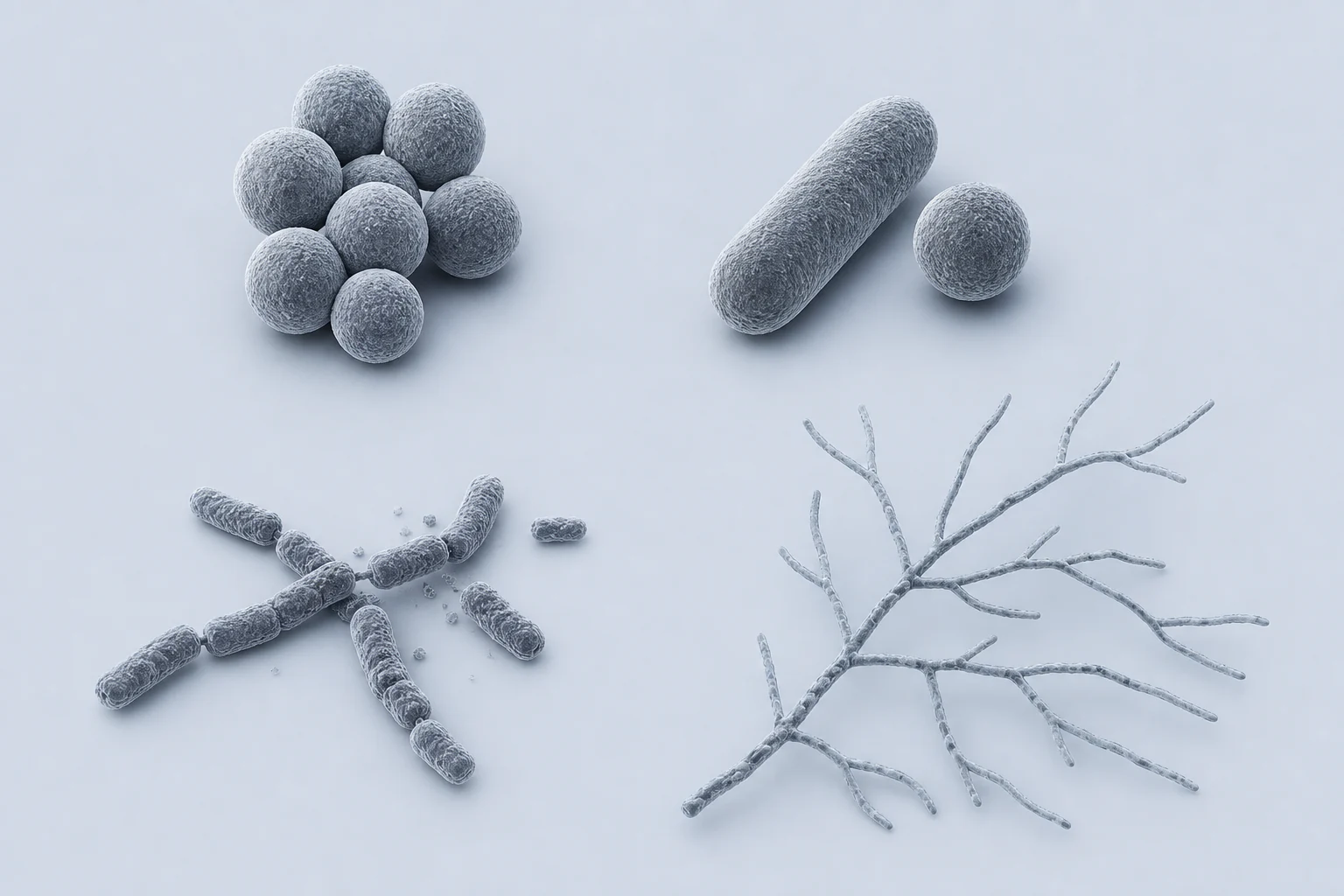
Actinobacteria (Actinomycetota)
This knowledge-base record is being expanded from WikiBiome’s evidence graph.
WikiBiomeThe human microbiome encyclopediaRanked matches across titles, topics, categories, and article introductions, filtered to microbe.
This knowledge-base record is being expanded from WikiBiome’s evidence graph.
A genus of Gram-positive, facultatively anaerobic, filamentous bacteria that are among the most abundant colonizers of the human oral cavity. Actinomyces species, particularly A. naeslundii, play dual roles as early dental plaque colonizers and as opportunistic pathogen…
A pathotype of escherichia coli that adheres to and invades intestinal epithelial cells, survives and replicates within macrophages, and is strongly associated with ileal Crohn's disease. Unlike classical diarrheagenic E. coli pathotypes (EPEC, ETEC, EHEC), AIEC does no…
A Gram-negative, obligate anaerobic, mucin-degrading bacterium that colonizes the intestinal mucus layer and has emerged as one of the most important next-generation probiotics. A. muciniphila is consistently depleted in disease states associated with metal dyshomeostas…
A genus of Gram-positive, obligate anaerobic bacteria that dominate the infant gut microbiome and remain important commensals throughout life. Bifidobacterium species are distinctive in the metallomics context because some species possess Ni-dependent urease -- an unusu…
A genus of Gram-negative intracellular pathogens causing brucellosis, the most common bacterial zoonosis worldwide. Brucella species depend on nickel-activated urease for gastrointestinal survival during the initial phase of infection, and urease immunization has been s…
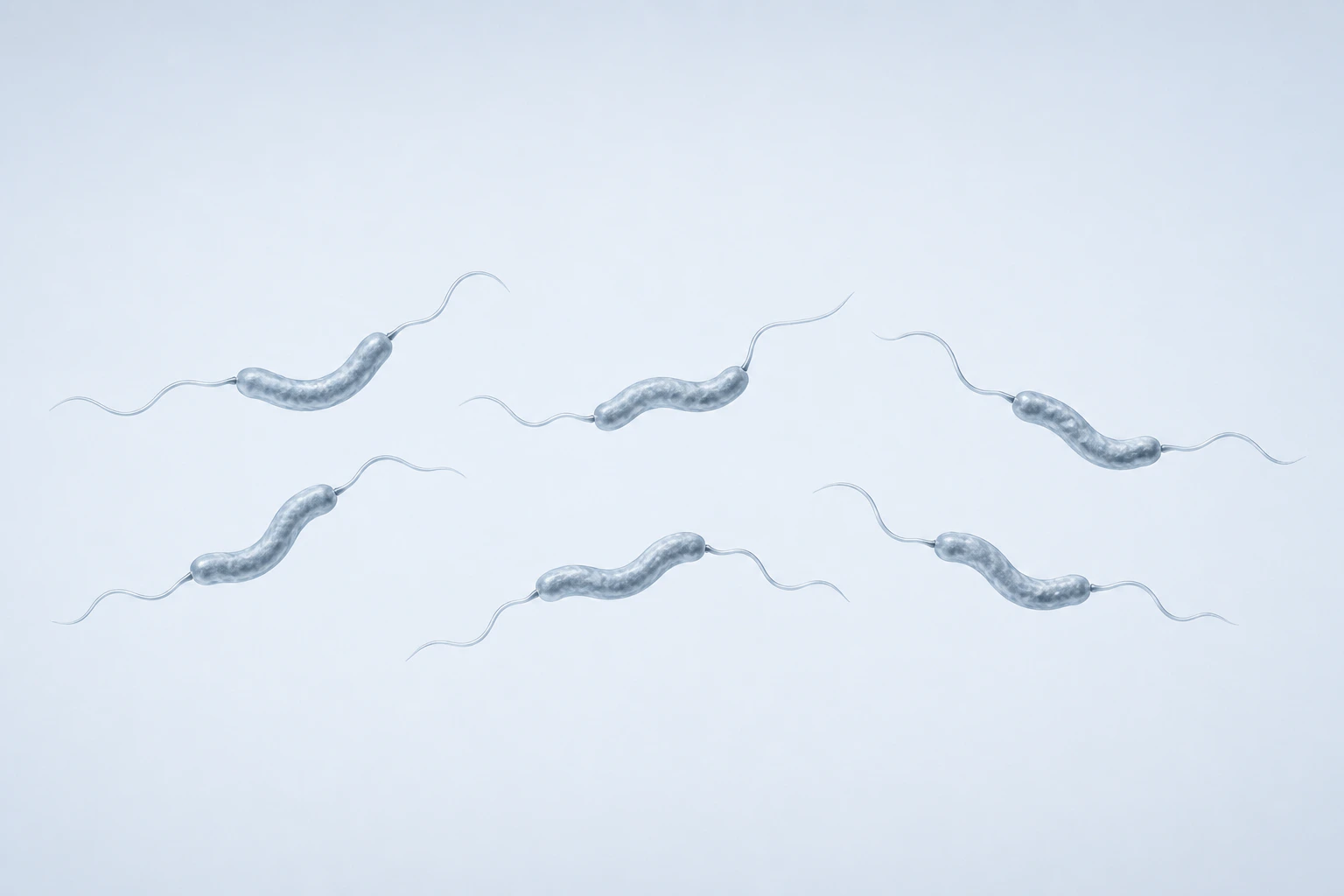
Campylobacter is a genus of Gram-negative, microaerophilic, spiral-shaped bacteria. C. jejuni is the most common bacterial cause of foodborne gastroenteritis worldwide and a trigger for post-infectious Guillain-Barré syndrome (molecular mimicry between Campylobacter LOS…
The leading bacterial cause of diarrheal disease worldwide, with an estimated 400-500 million cases annually. C. jejuni is notable in the metallomics context for possessing a nickel-dependent [NiFe] hydrogenase essential for colonization but lacking urease -- a striking…
An opportunistic fungal pathogen whose relationship with metals is multifaceted: C. albicans can biosorb heavy metals from its environment, heavy metal exposure promotes its virulence in immunocompromised hosts, and metal nanoparticles are being developed as antifungal …
Citrobacter is a genus of Gram-negative, facultatively anaerobic bacteria in the Enterobacteriaceae family, named for its ability to utilize citrate as a sole carbon source. Species include C. freundii, C. koseri, and C. rodentium (a mouse model for EHEC infection). In …
This page redirects to clostridioides difficile. Clostridium difficile was reclassified as Clostridioides difficile in 2016 based on phenotypic and phylogenomic analyses that demonstrated it belonged to a distinct clade within the former Clostridium genus. The reclassif…
An encapsulated basidiomycete yeast that causes cryptococcal meningitis -- the leading cause of meningitis in HIV/AIDS patients and responsible for an estimated 180,000 deaths annually. Its nickel-dependent urease has been called the organism's "Achilles' heel" because …
Enterobacter is a genus of Gram-negative, facultatively anaerobic bacteria in the enterobacteriaceae family. Key species include enterobacter cloacae (the most clinically relevant) and E. hormaechei. Like other Enterobacteriaceae, Enterobacter possesses iron-dependent s…
A family of Gram-negative, facultative anaerobic Gammaproteobacteria that includes many of the most important human pathogens: escherichia coli, klebsiella pneumoniae, salmonella typhimurium, shigella flexneri, yersinia pestis, proteus mirabilis, Morganella, and Serrati…
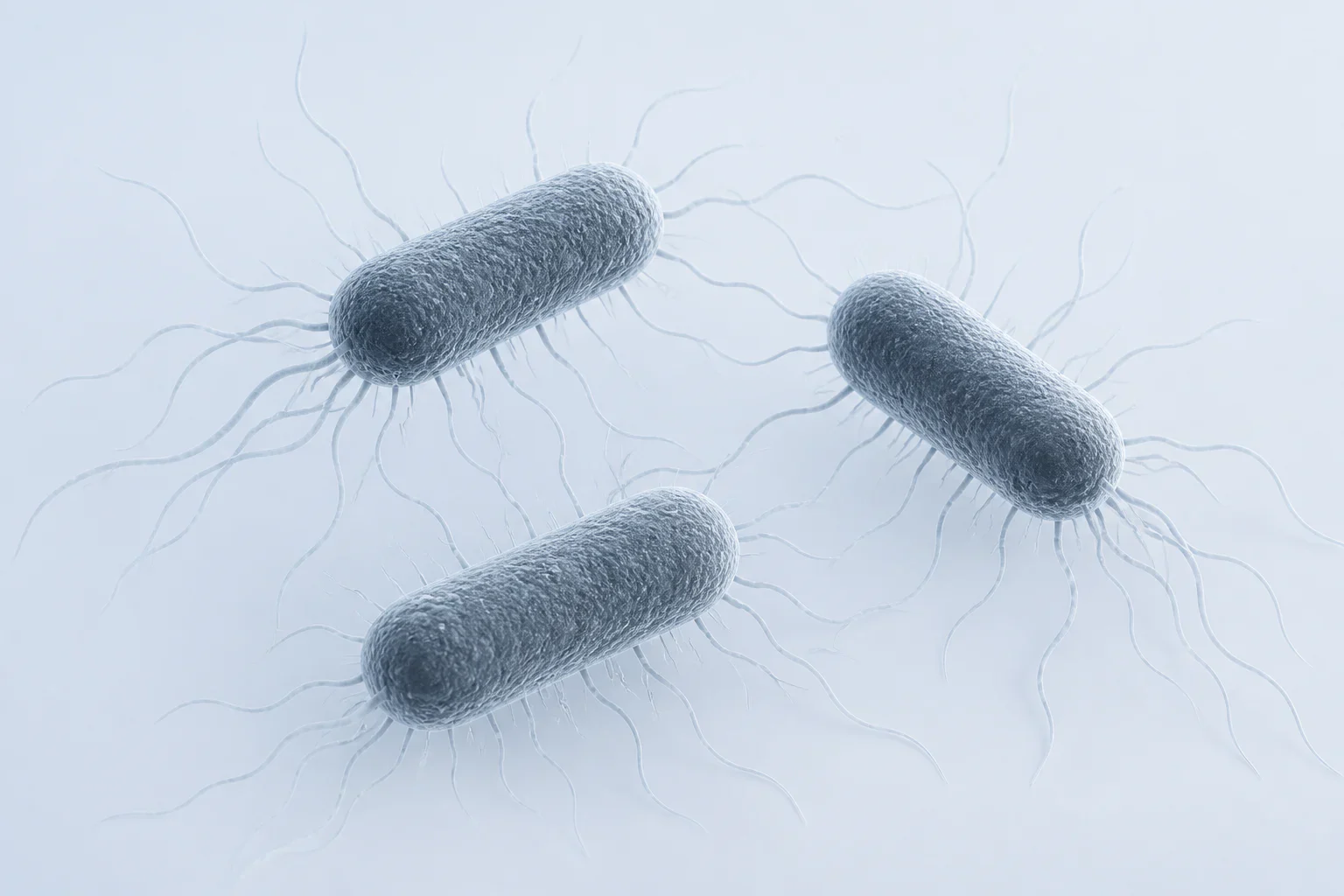
Escherichia is a genus of Gram-negative, facultatively anaerobic bacteria in the Enterobacteriaceae family. The primary species E. coli is simultaneously the most studied bacterium in biology and one of the most consistently enriched organisms in disease-associated micr…
A Gram-negative bacterium that spans the commensal-pathogen spectrum, with pathogenic variants (UPEC, STEC, EHEC) deploying nickel-dependent enzymes as virulence factors. E. coli is the model organism for nickel transport biology -- the NikABCDE system was first charact…
A Gram-negative, microaerophilic bacterium within the Epsilonproteobacteria (family Helicobacteraceae) that is the primary murine model of hepatobiliary and intestinal disease. Unlike its more famous relative helicobacter pylori, which colonizes the stomach, H. hepaticu…
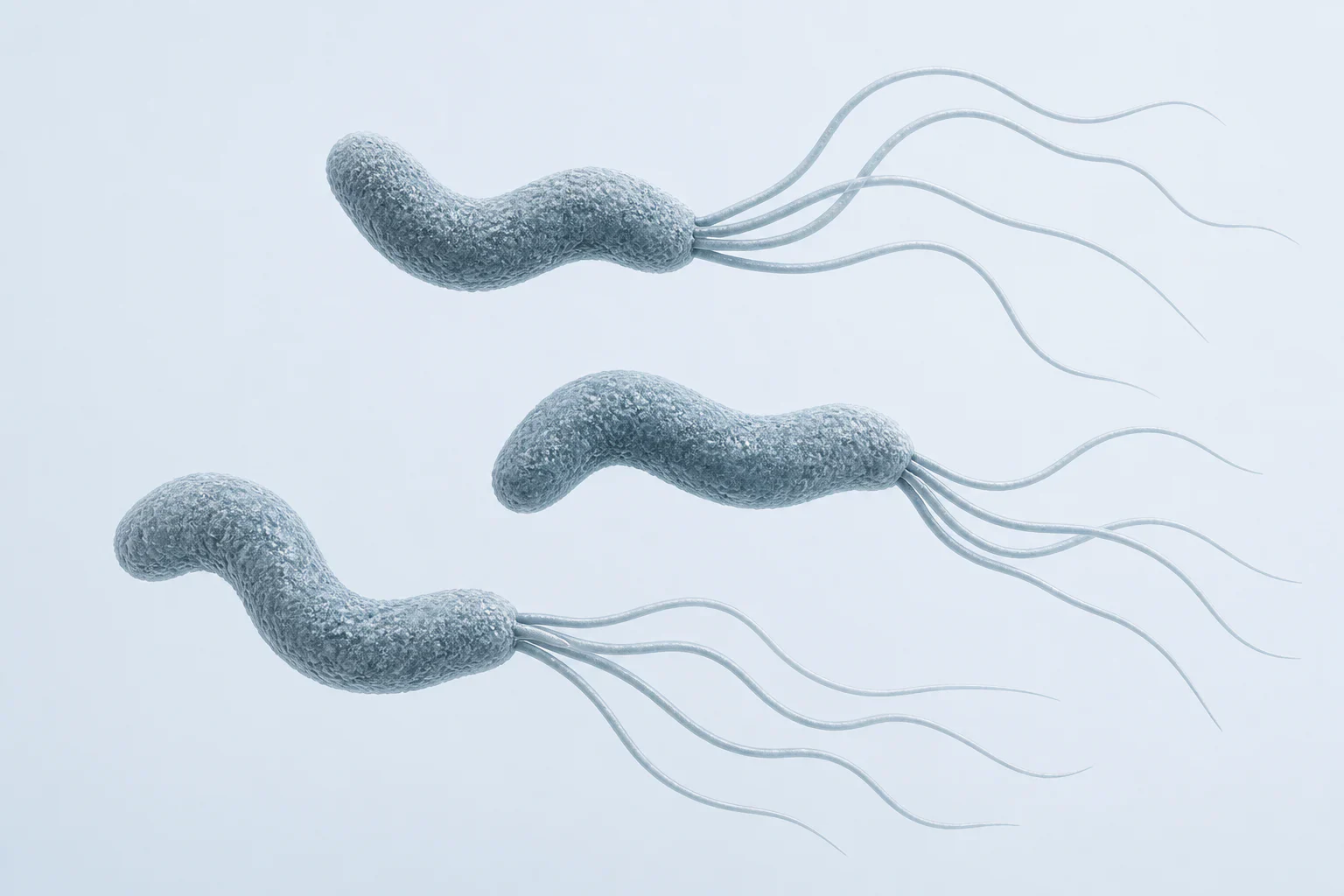
A gastric pathogen that is arguably the most nickel-dependent human pathogen known. Two of its key virulence factors — urease and [NiFe] hydrogenase — require nickel, and the bacterium has evolved an elaborate nickel trafficking, storage, and regulation system to suppor…
Klebsiella is a genus of Gram-negative, encapsulated, facultatively anaerobic bacteria in the Enterobacteriaceae family. With 141 file mentions across the vault, Klebsiella is one of the most frequently referenced opportunistic pathogens. The dominant species is klebsie…
A Gram-negative opportunistic pathogen and member of the ESKAPE group of antibiotic-resistant priority pathogens. K. pneumoniae deploys multiple nickel-dependent enzymes for virulence and relies on the dual-function metallophore yersiniabactin for both iron and nickel s…
The causative agent of tuberculosis (TB), the leading infectious disease killer worldwide (~1.3 million deaths annually). M. tuberculosis has an exceptionally complex metal biology: it deploys nickel-dependent hydrogenase and urease for intracellular survival, species-s…
A Gram-negative uropathogen whose Ni-dependent urease is the central driver of catheter-associated urinary tract infection (CAUTI) pathogenesis. Urease-mediated urea hydrolysis alkalinizes urine, triggering precipitation of struvite (magnesium ammonium phosphate) and ap…
An opportunistic Gram-negative pathogen with a unique dual-use siderophore system: its pyoverdine and pyochelin serve not only as iron scavengers but as extracellular chelators of toxic metals including nickel, copper, and cadmium. This makes P. aeruginosa unusually wel…
Salmonella is a genus of Gram-negative, facultatively anaerobic bacteria in the family Enterobacteriaceae. The two species — S. enterica (with 2,500 serovars including Typhimurium and Typhi) and S. bongori — cause a spectrum of disease from self-limiting gastroenteritis…
A Gram-negative enteric pathogen that possesses four distinct [NiFe] hydrogenases -- the most of any well-characterized human pathogen. These hydrogenases are critical for intracellular survival within macrophages, and a triple hydrogenase mutant is 100% avirulent in mo…
Shigella is a genus of Gram-negative, facultatively anaerobic bacteria in the family Enterobacteriaceae, closely related to Escherichia coli — so closely that many 16S rRNA-based studies report them as the Escherichia/Shigella complex, unable to distinguish the two gene…
A Gram-negative intracellular pathogen causing bacillary dysentery (shigellosis), responsible for approximately 165 million illness episodes and over 1 million deaths annually, predominantly in children under 5 in developing countries. S. flexneri relies on nickel-depen…
A genus of Gram-positive, facultative anaerobic cocci that includes some of the most clinically significant human pathogens. Staphylococci are defined by their exceptionally comprehensive metal acquisition arsenal -- arguably the most thoroughly characterized of any bac…
A versatile Gram-positive pathogen with one of the best-characterized nutritional immunity evasion systems known. S. aureus requires nickel, iron, zinc, and manganese for virulence and has evolved dedicated acquisition systems for each, including the novel metallophore …
A Gram-positive pathogen (the "pneumococcus") that depends on iron, manganese, and zinc for virulence and has evolved dedicated transport systems for each. Iron is required for viability itself, manganese powers the superoxide dismutase needed to survive the oxidative b…
Ureaplasma is a genus of wall-less bacteria in the class Mollicutes, comprising two species pathogenic to humans: U. urealyticum and U. parvum. The genus is named for its defining characteristic — obligate urease activity — which hydrolyzes urea to ammonia and CO2, prov…
See also: ureaplasma (genus page with full biology and metal dependency profile) Ureaplasma urealyticum is one of two human-pathogenic Ureaplasma species (alongside U. parvum). Like all Ureaplasma, it depends on nickel-dependent urease for energy generation.
The causative agent of plague -- one of the most devastating infectious diseases in human history and a modern bioterrorism concern (Tier 1 Select Agent). Y. pestis depends on nickel for glyoxalase I-mediated metabolic detoxification and produces the archetypal dual-fun…