WikiBiomeThe human microbiome encyclopedia
WikiBiome/Search: “SCFA”
Encyclopedia search

Search: “SCFA”

Ranked matches across titles, topics, categories, and article introductions, filtered to mechanism.

30 records in this view
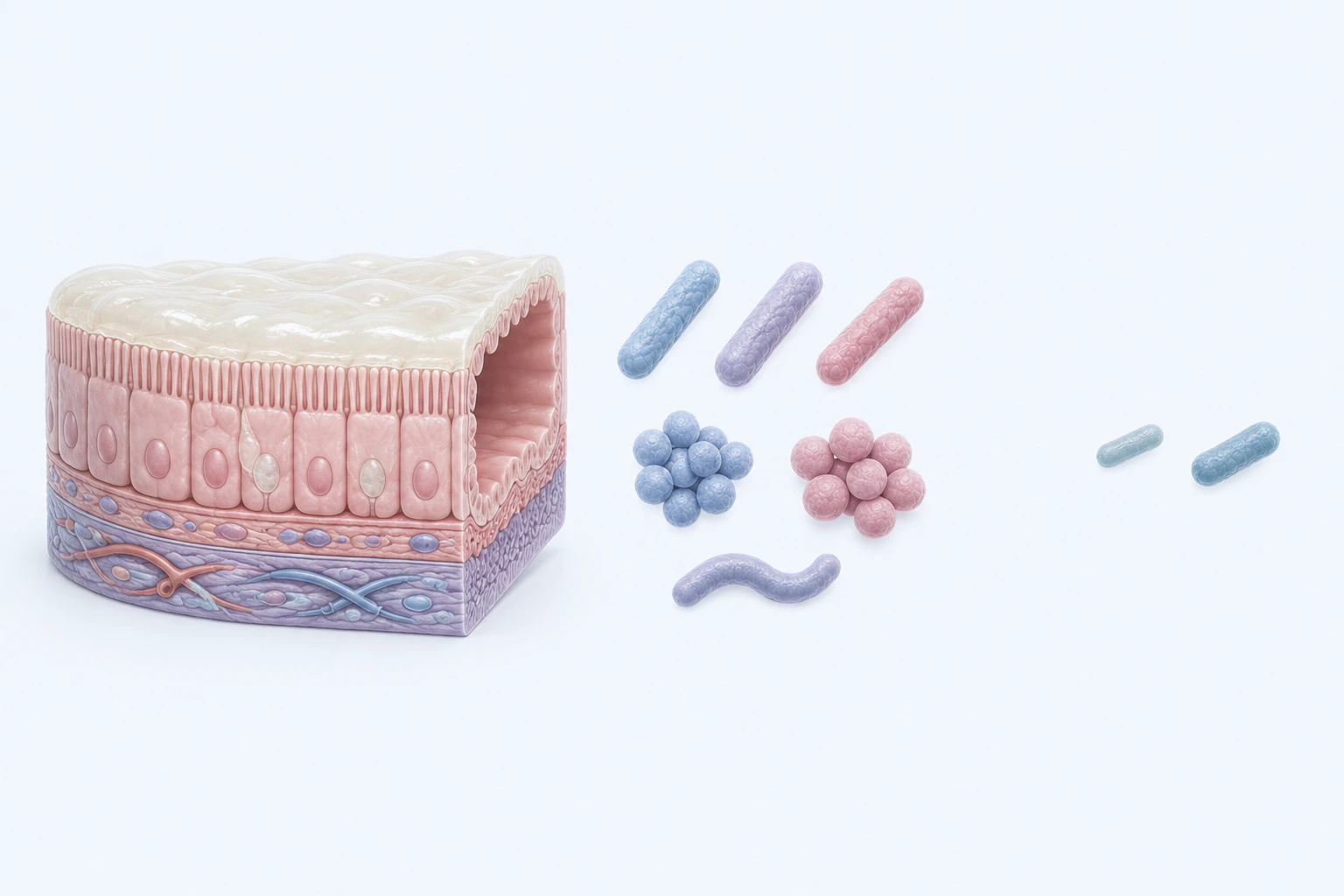
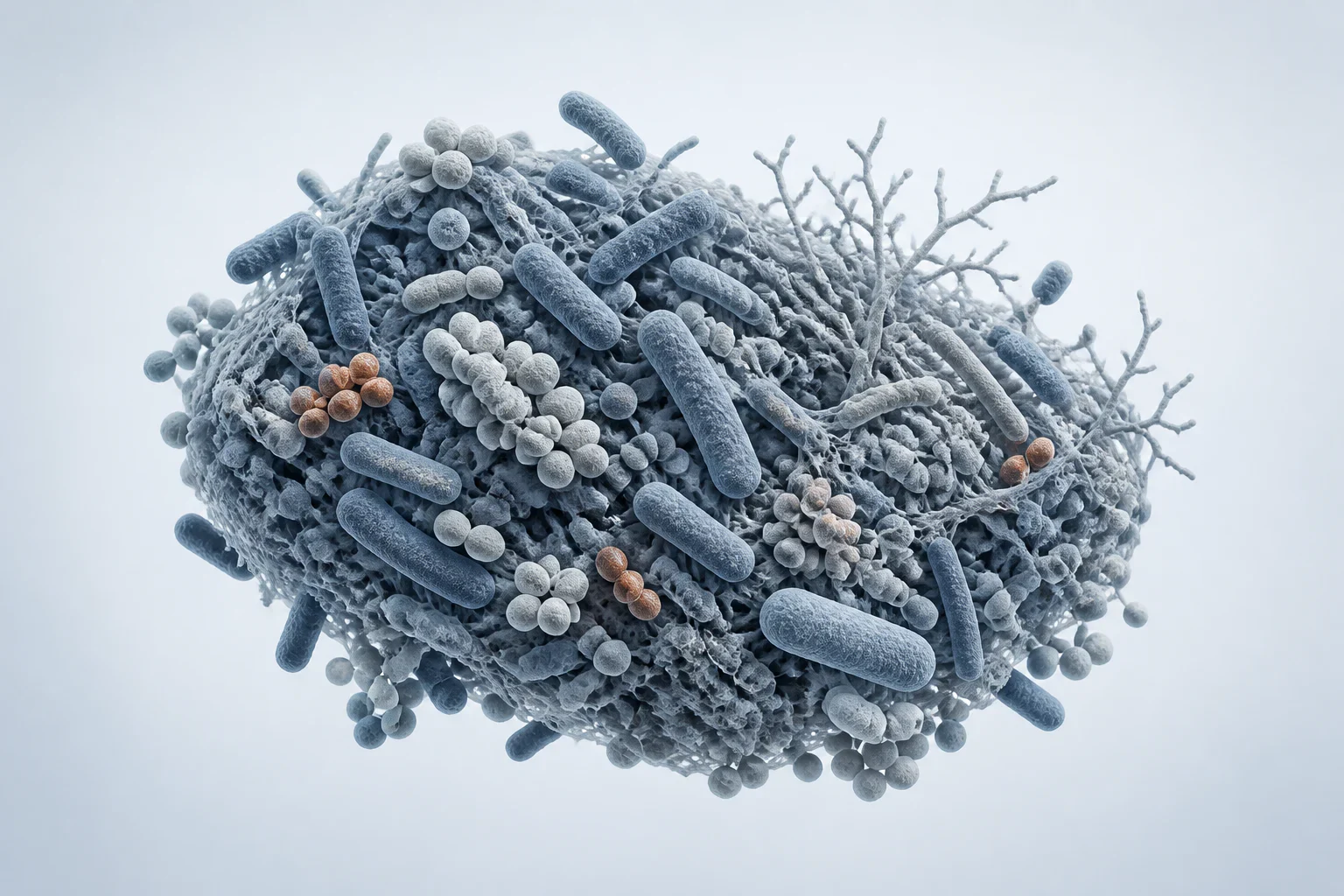
A microscopy-informed mixed microbial community with rods, cocci, curved rods, and branching forms on a pale cool field.
Mechanisms14 sources

Dysbiosis

Disruption of the normal composition and metabolic function of microbial communities, particularly the gut microbiome. In the metallomics context, dysbiosis is both a consequence of metal toxicity and an amplifier of further disease -- creating vicious cycles where meta…

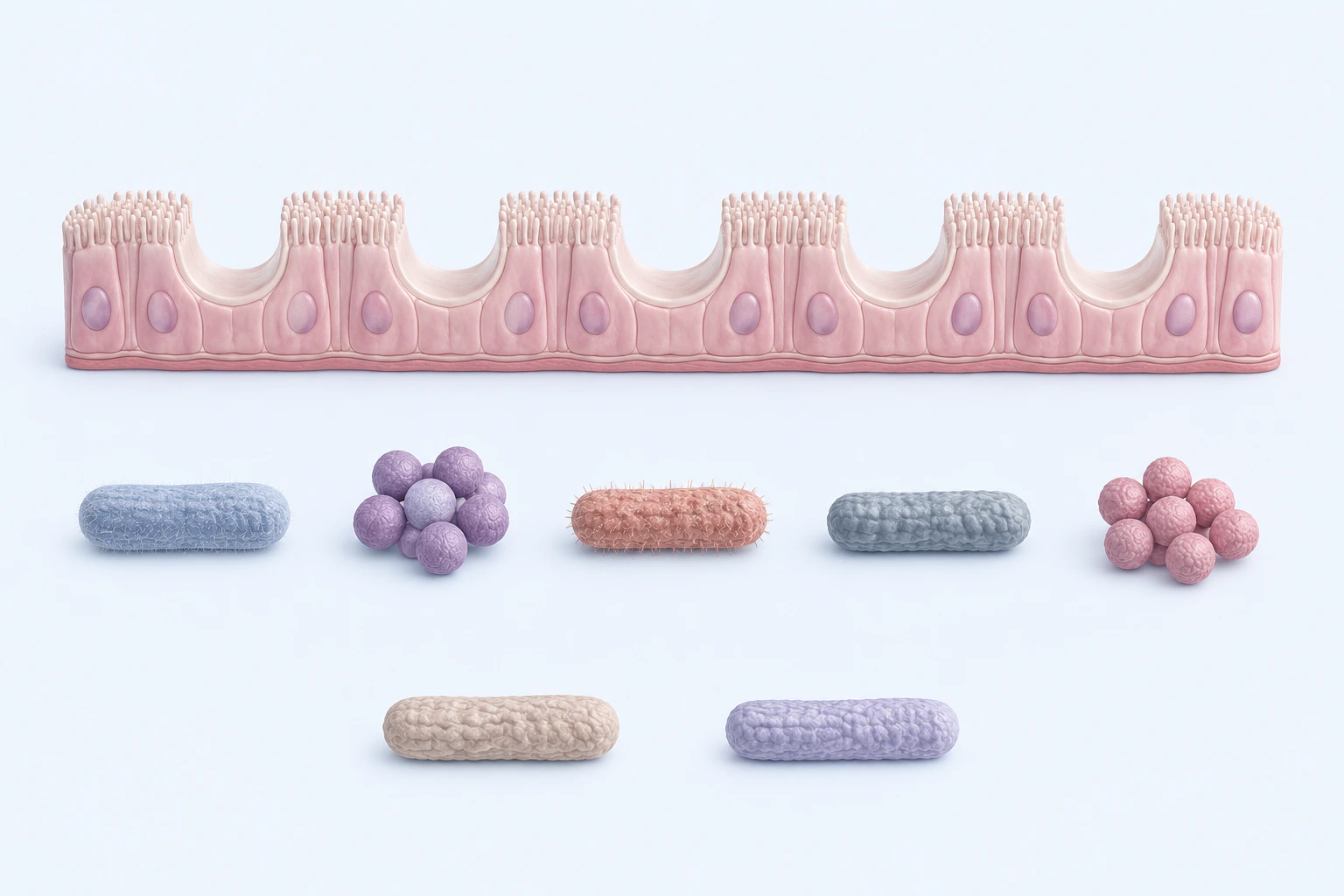
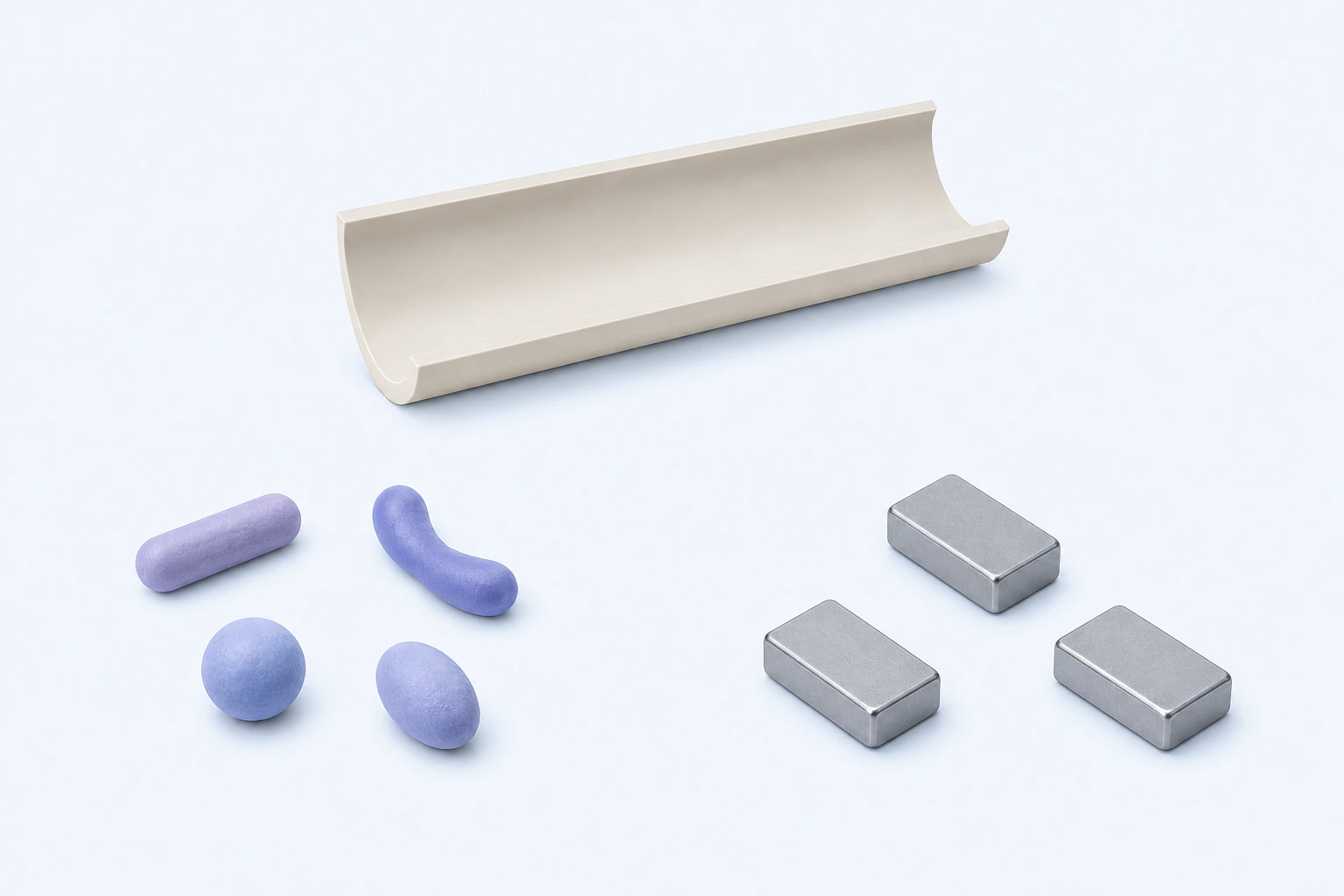
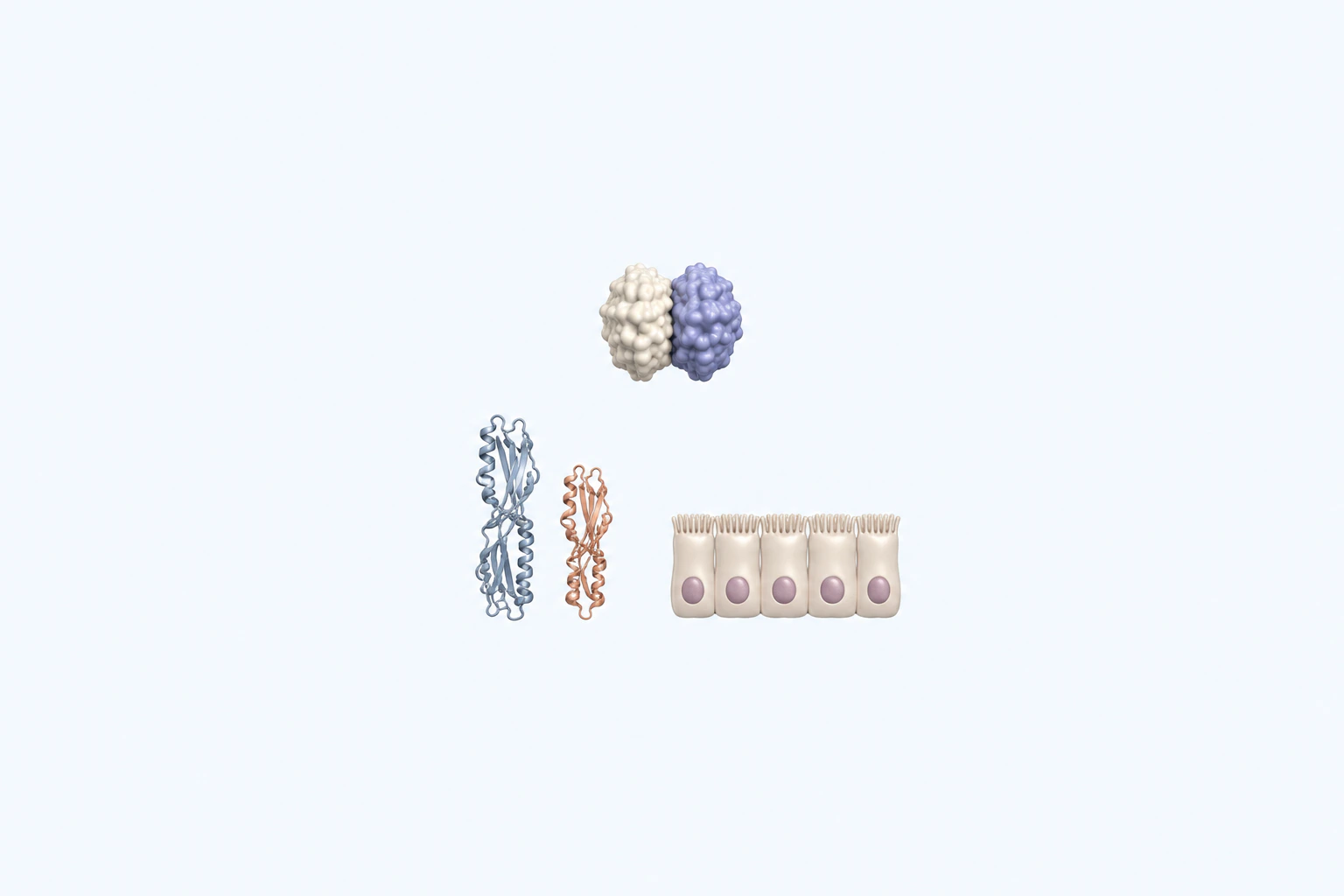
A generic cytokine form is separated from two distinct receptor-context forms and a small intact five-cell epithelial sheet.
Mechanisms7 sources

Interleukin-22

Interleukin-22 (IL-22) is an immune signaling protein that helps coordinate host responses at epithelial surfaces. In the gut evidence represented by WikiBiome, group 3 innate lymphoid cells (ILC3s) are a prominent source, while Th17-associated responses can also includ…

Mechanisms4 sources

Leptin

Leptin is an adipokine (hormone produced by adipose tissue) that signals satiety to the hypothalamus — suppressing appetite and increasing energy expenditure. Leptin resistance (elevated leptin with impaired signaling) is a hallmark of obesity, paralleling insulin resis…

Mechanisms3 sources

Prebiotics

Non-digestible food substrates that selectively stimulate the growth and/or activity of beneficial gut microorganisms, conferring health benefits to the host. Distinct from probiotics (live organisms) and postbiotics (microbial metabolic products), prebiotics act as fue…

Mechanisms5 sources

Propionic Acid

A three-carbon short-chain fatty acid (SCFA) produced primarily by Bacteroidetes and certain Firmicutes through anaerobic fermentation of dietary substrates. At physiological concentrations in healthy gut microbiomes, propionic acid (PPA) is a normal fermentation produc…

Mechanisms16 sources

Synbiotics

A synbiotic is a combination of live microorganisms (probiotics) and substrates selectively utilized by host microorganisms (prebiotics) that confers a health benefit. The rationale is additive or synergistic: the prebiotic component (typically inulin, fructo-oligosacch…

Mechanisms7 sources

Th17/Treg Balance

The Th17/Treg balance is the immunological equilibrium between pro-inflammatory T helper 17 (Th17) cells and anti-inflammatory regulatory T (Treg) cells. This balance is the master switch between immune tolerance and autoimmune/inflammatory pathology — and the gut micro…