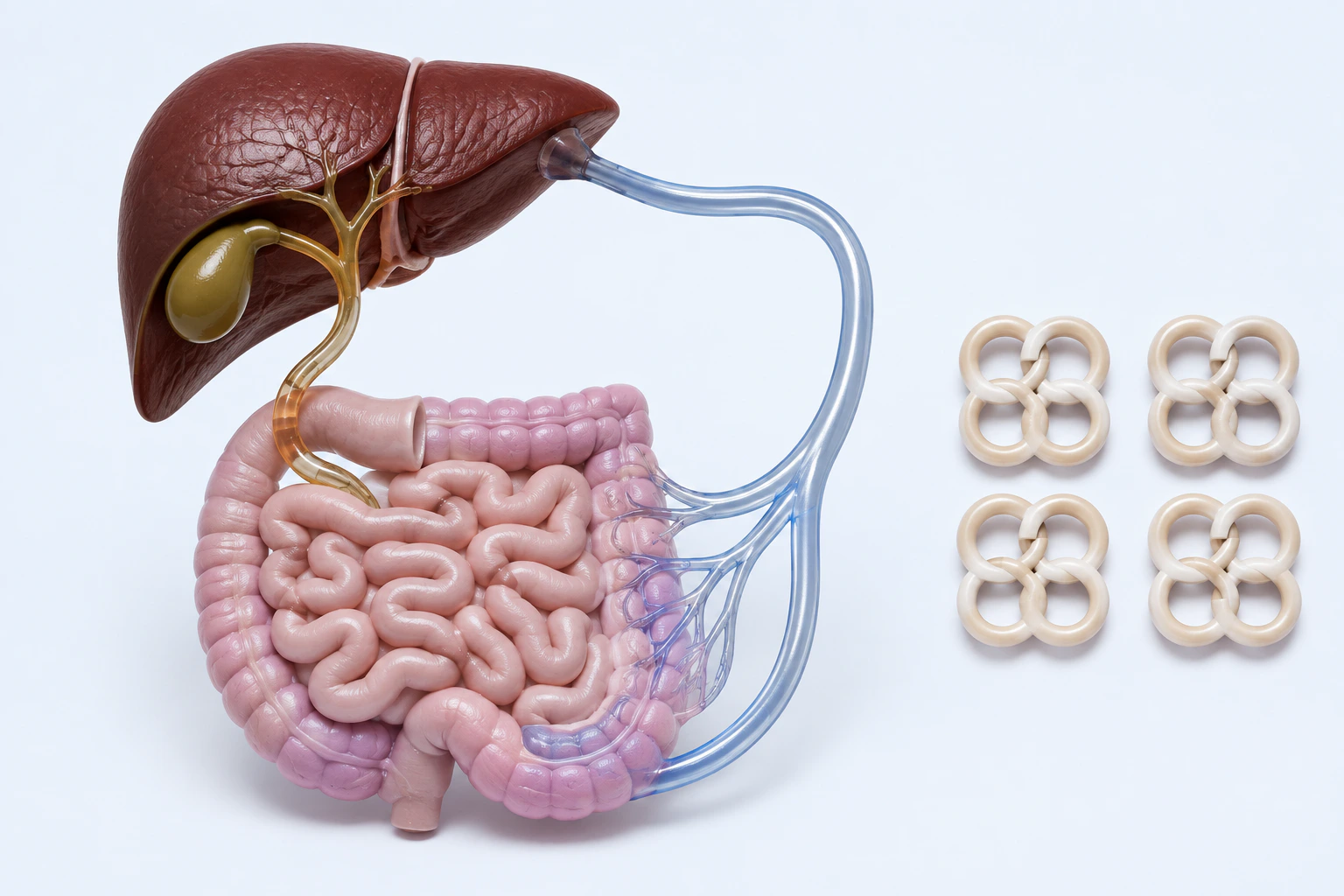
Enterohepatic Circulation
This knowledge-base record is being expanded from WikiBiome’s evidence graph.
WikiBiomeThe human microbiome encyclopediaRanked matches across titles, topics, categories, and article introductions, filtered to mechanism.
This knowledge-base record is being expanded from WikiBiome’s evidence graph.
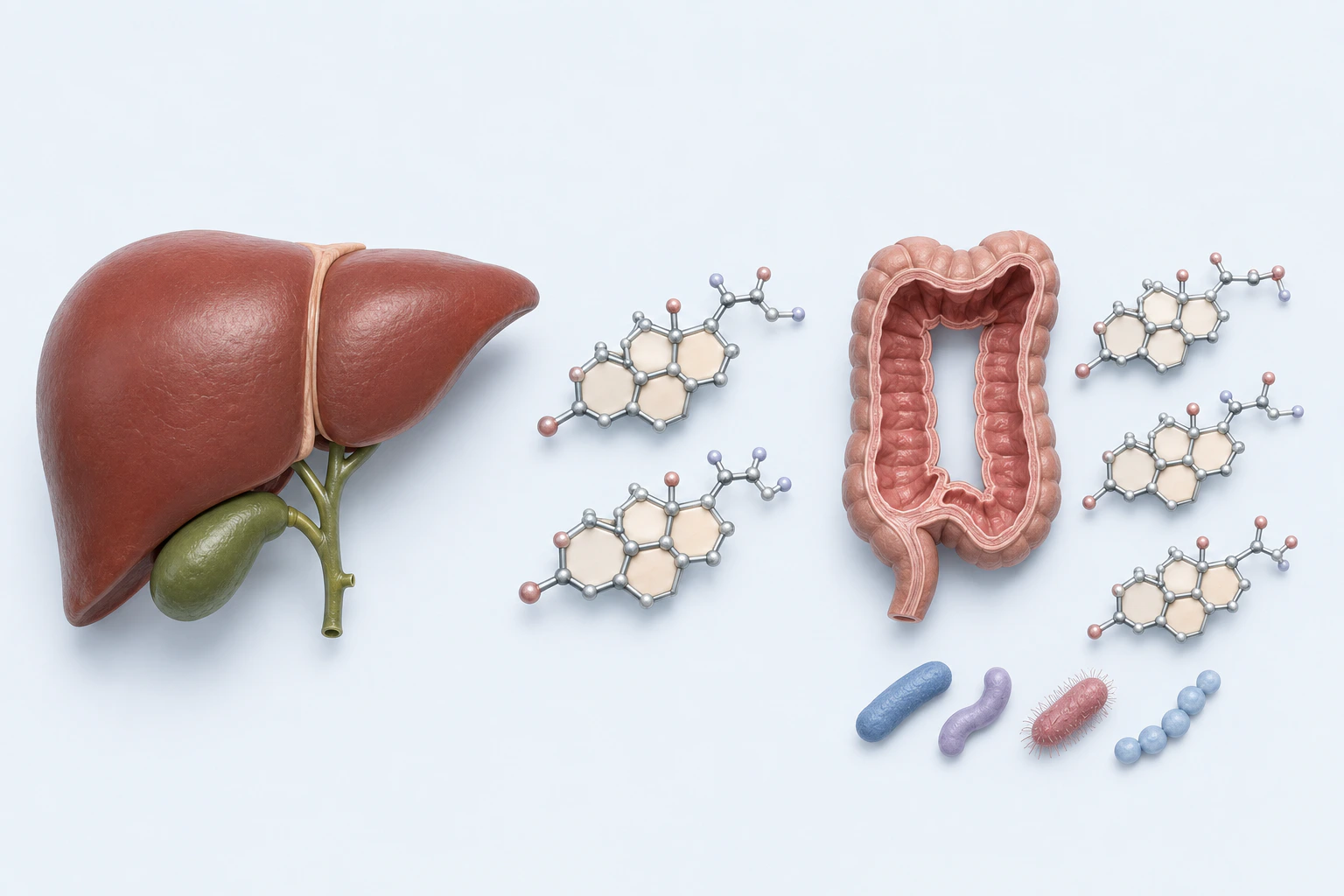
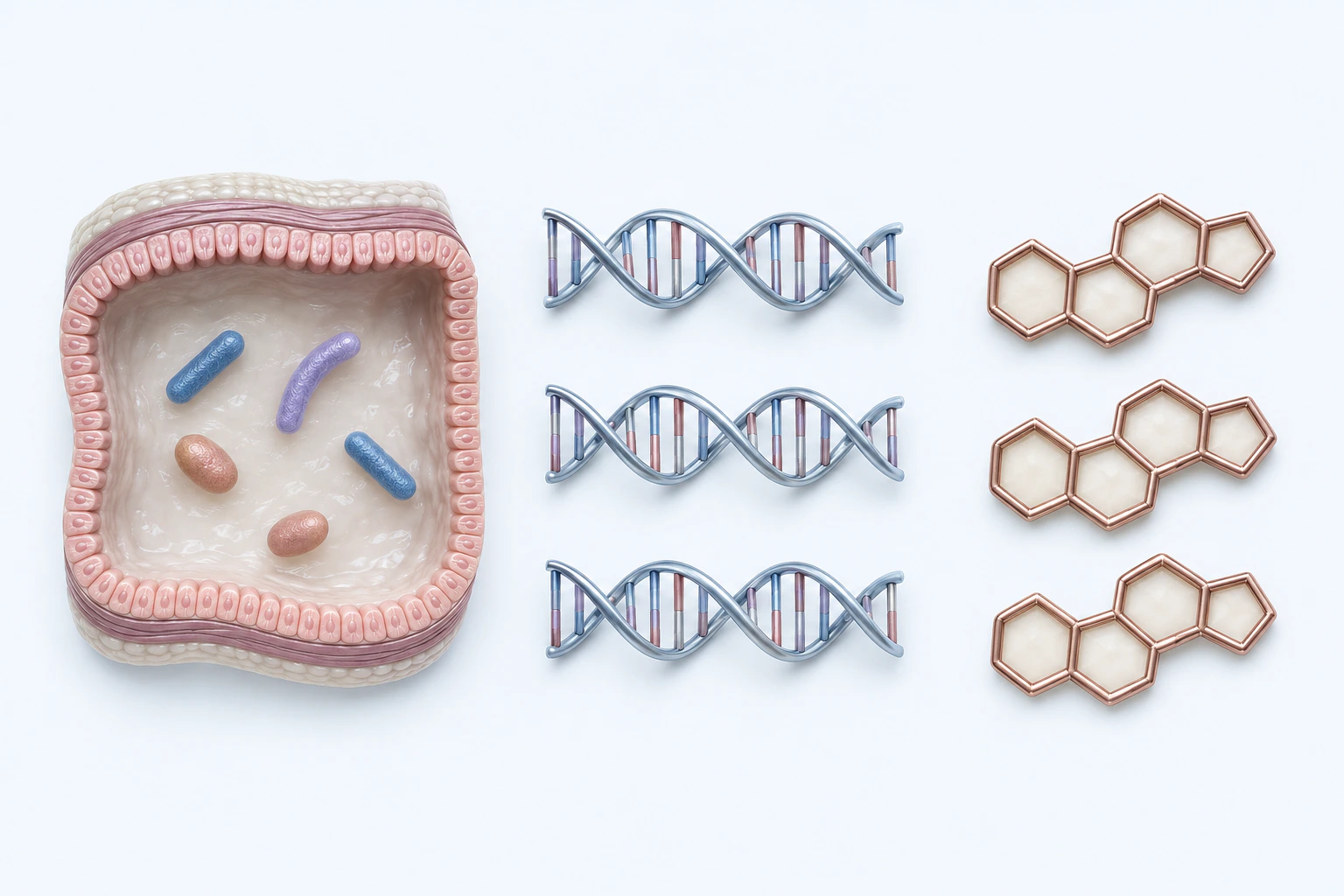
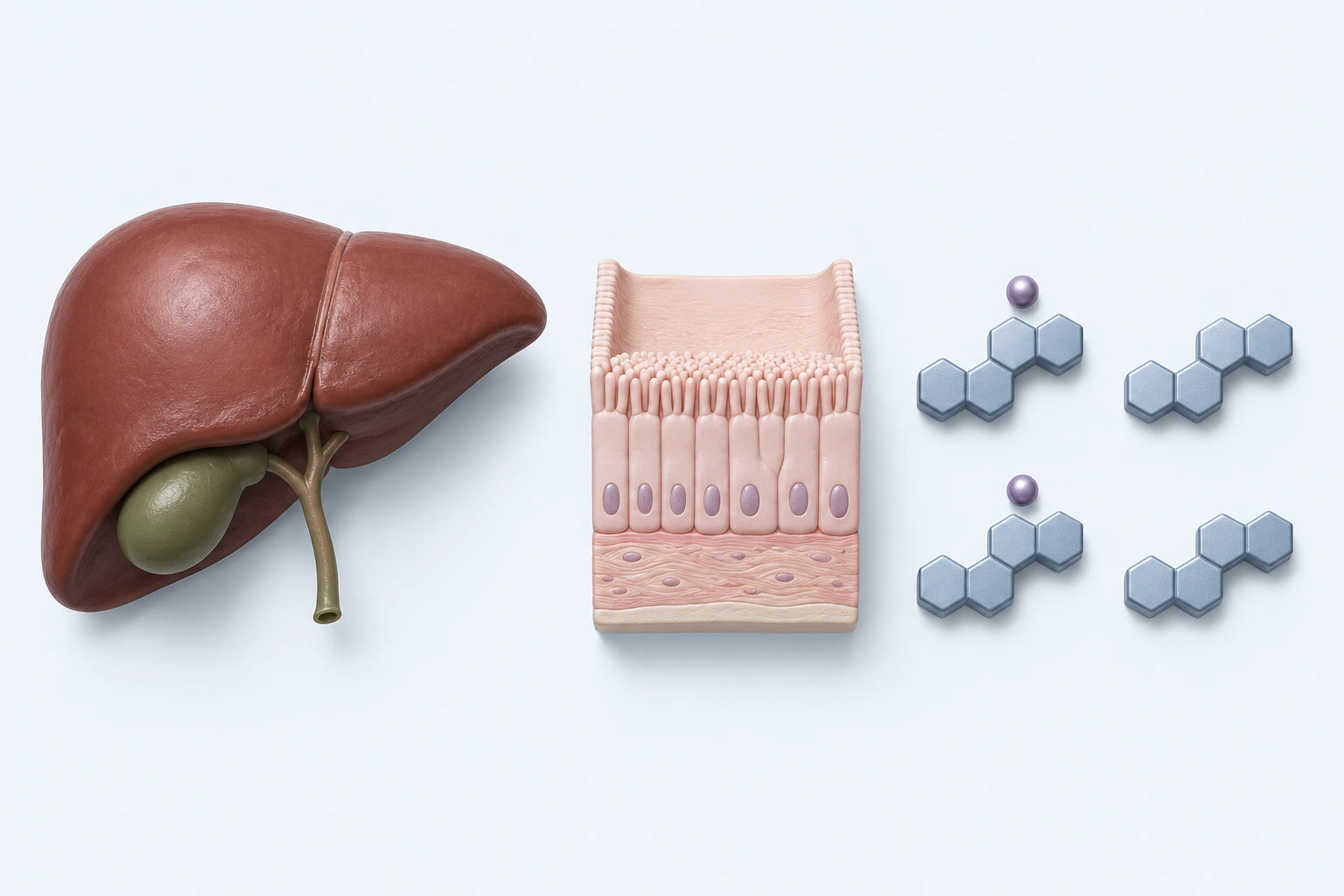
Bile acids are cholesterol-derived amphipathic molecules synthesized in the liver, secreted into the duodenum, and extensively modified by gut bacteria. The host-microbe co-metabolism of bile acids creates a signaling network with profound effects on lipid metabolism, g…
arsenic (As) is unique among dietary heavy metals because it exists in two fundamentally different forms with dramatically different toxicities: inorganic arsenic (iAs, the dangerous form) and organic arsenic (arsenobetaine, arsenosugars — largely non-toxic). Understand…
Direct DNA damage is the primary carcinogenic mechanism for chromium but is notably absent or minor for nickel and arsenic. This distinction is fundamental to understanding why these three metals cause cancer through such different pathways.
This knowledge-base record is being expanded from WikiBiome’s evidence graph.
[NiFe] hydrogenases are the second major nickel-dependent virulence factor class in human pathogens. Less widespread than urease but critical for energy metabolism in gastric, enteric, and intracellular pathogens. The discovery that H. pylori hydrogenase powers CagA tra…
Indoxyl sulfate (IS) is a protein-bound uremic toxin produced through a two-step process: gut bacteria convert dietary tryptophan to indole, which is then absorbed and sulfated by hepatic sulfotransferases (SULT1A1). IS exemplifies how dysbiosis-driven metabolite overpr…
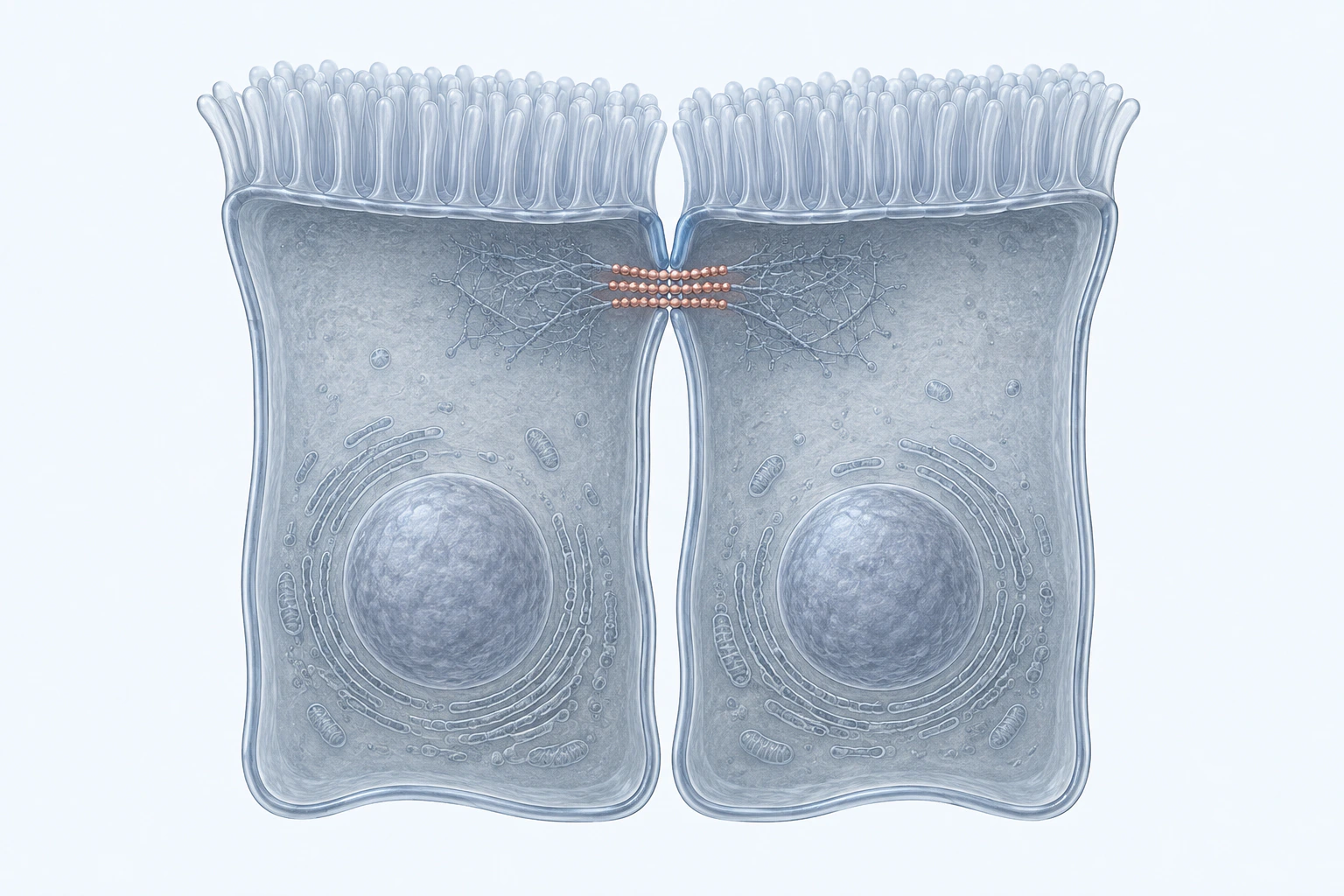
The intestinal epithelium is a single-cell-thick barrier separating the lumen -- home to trillions of microbes and ingested metals -- from the systemic circulation. When this barrier fails, the consequences cascade: microbial products translocate, metals gain unrestrict…
Ketone bodies (beta-hydroxybutyrate [BHB], acetoacetate, acetone) are produced by hepatic fatty acid oxidation during carbohydrate restriction, fasting, or ketogenic diet consumption. BHB is the most abundant and is structurally and functionally analogous to butyrate — …
The ability of certain metals to cause cancer has been known since the 19th century. The three metals covered in this wiki — nickel, arsenic, and chromium — represent distinct mechanistic paradigms that collectively illustrate the diversity of metal-induced carcinogenes…
This knowledge-base record is being expanded from WikiBiome’s evidence graph.
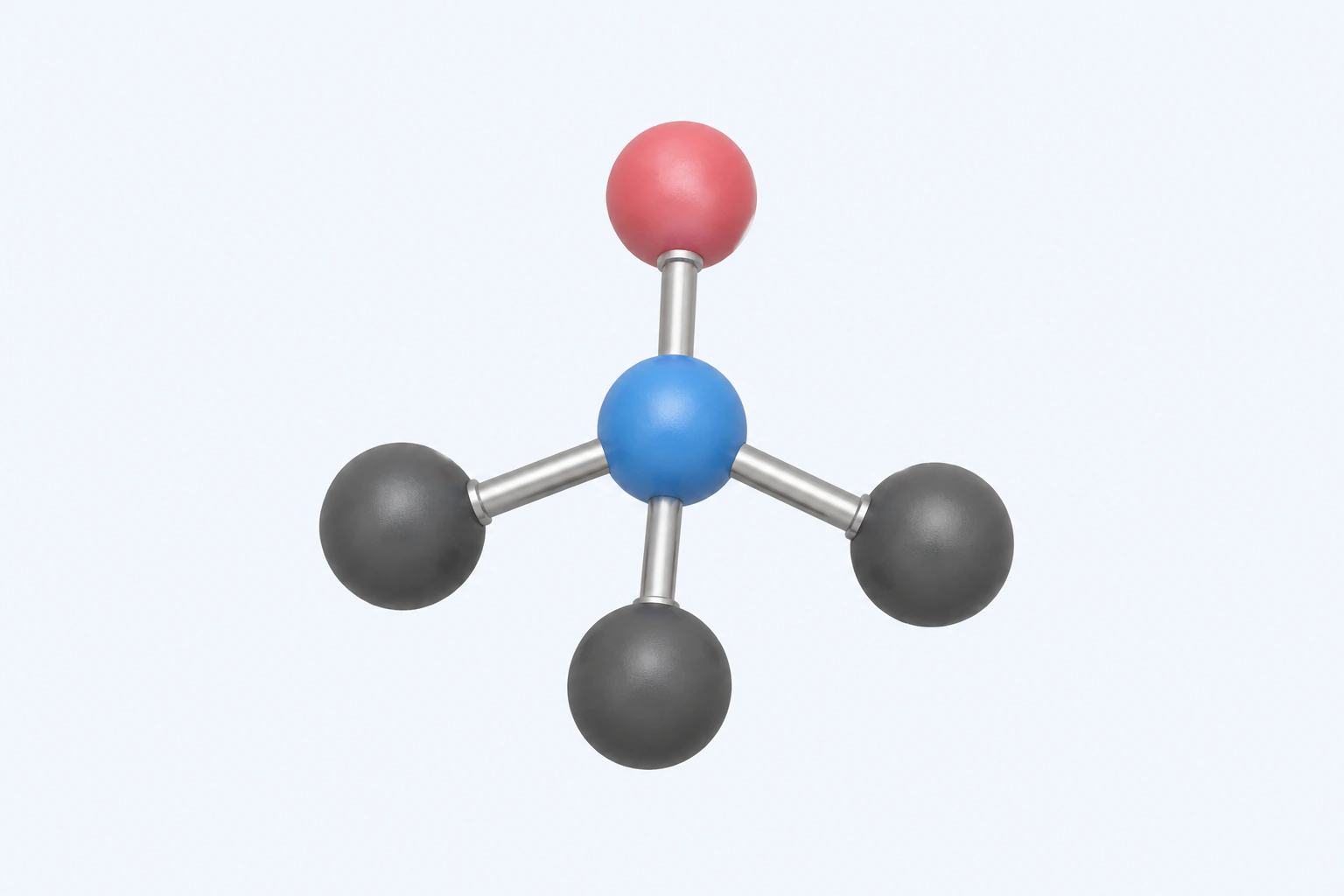
A gut microbiome-derived metabolite that has emerged as one of the strongest microbial biomarkers for cardiovascular disease risk. TMAO exemplifies how microbial metabolism of dietary nutrients can generate systemically toxic products -- a fundamentally different paradi…
Ursodeoxycholic acid is a hydrophilic secondary bile acid used therapeutically for primary biliary cholangitis (PBC), gallstone dissolution, and cholestatic liver disease. It is also a microbial metabolite — gut bacteria (7α/β-hydroxysteroid dehydrogenases) convert chen…